Rarely performed Mozart Mass in C Minor will be heard in Boulder, Greeley

Boulder Chamber Chorale and Chamber Orchestra join forces Friday

By Peter Alexander Oct. 4 at 12:10 p.m.

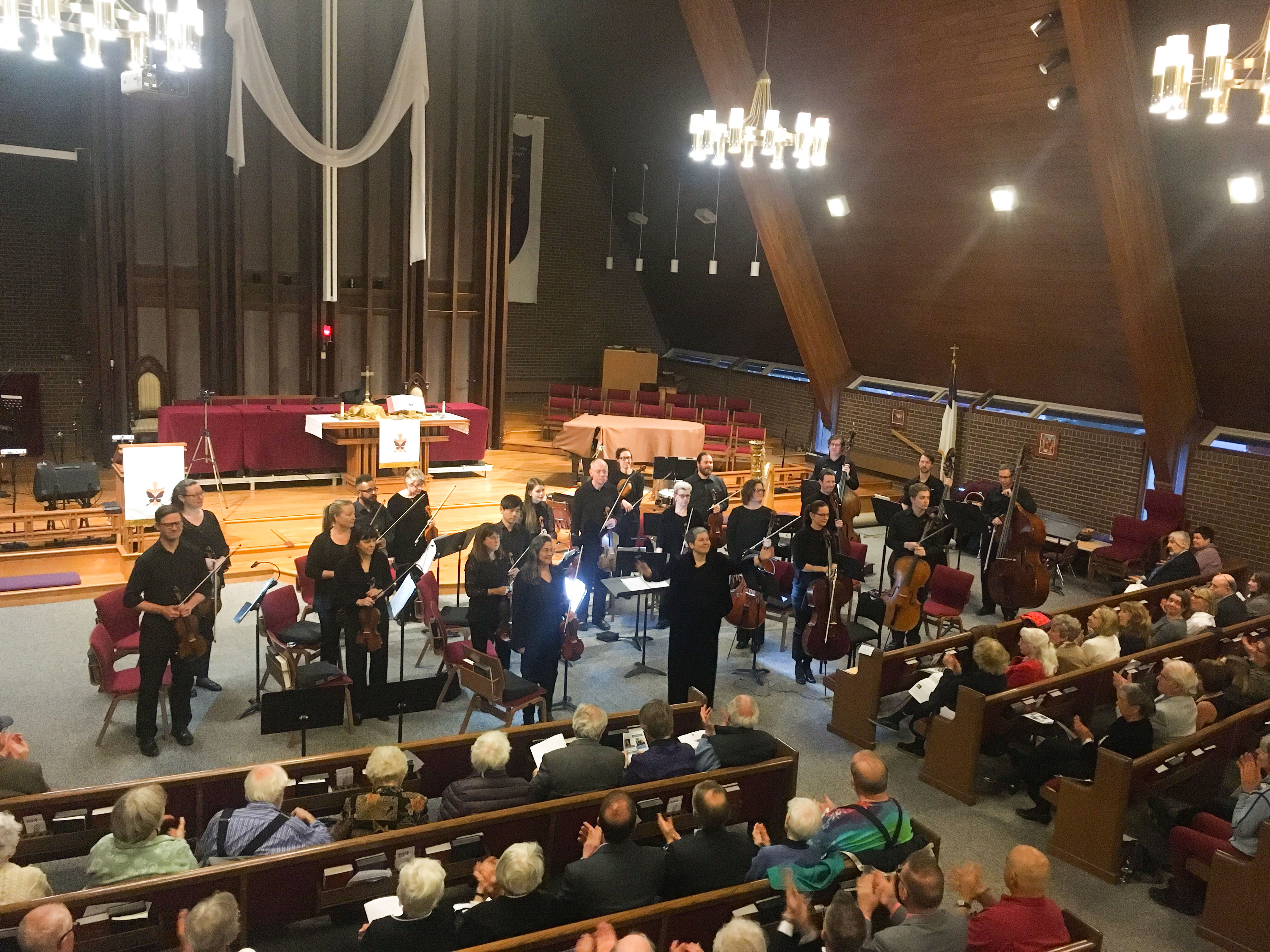
Conductor Bahman Saless and the Boulder Chamber Orchestra (BCO) will join together with Vicki Burrichter and the Boulder Chamber Chorale to perform one of the least known of Mozart’s major works Friday (7:30 p.m., First United Methodist Church; details below).

The C Minor Mass is, alongside the Requiem, one of two major choral works that Mozart left unfinished. Probably because it was never finished, and also because it is a difficult piece to put together, it is not performed very often. 
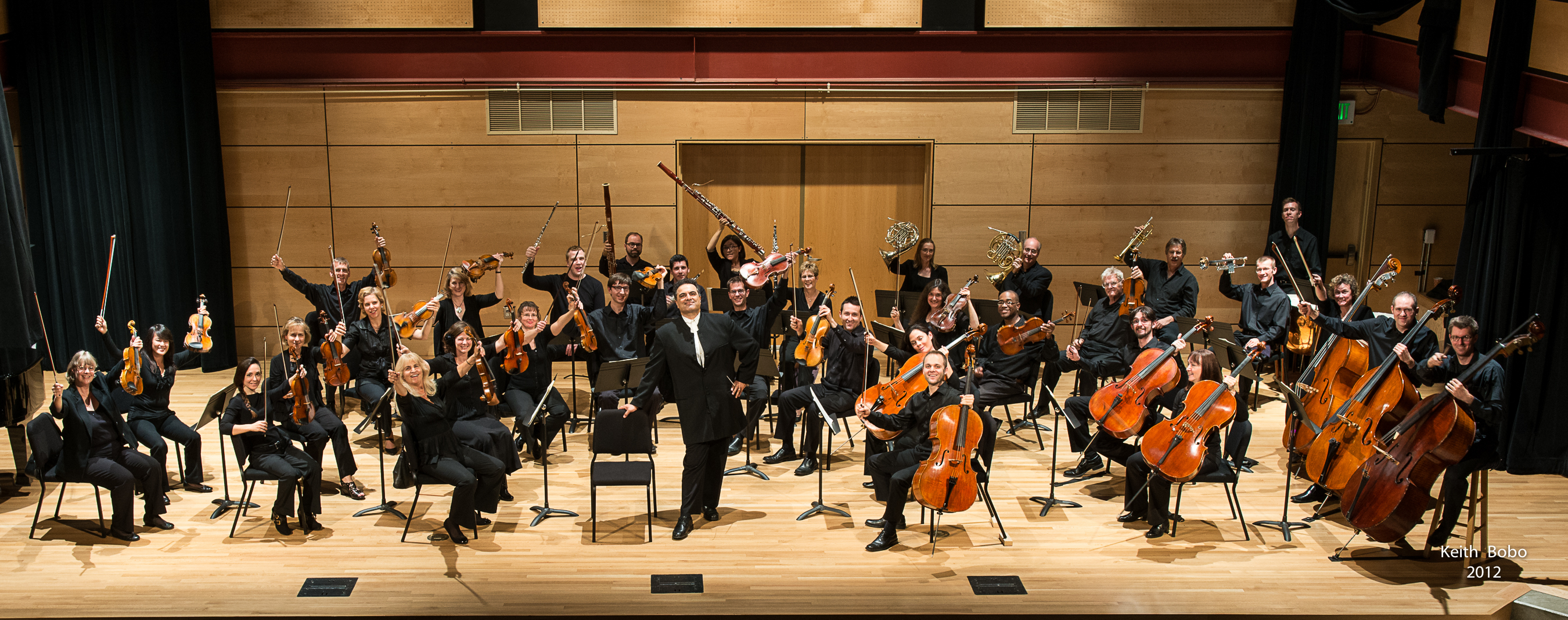
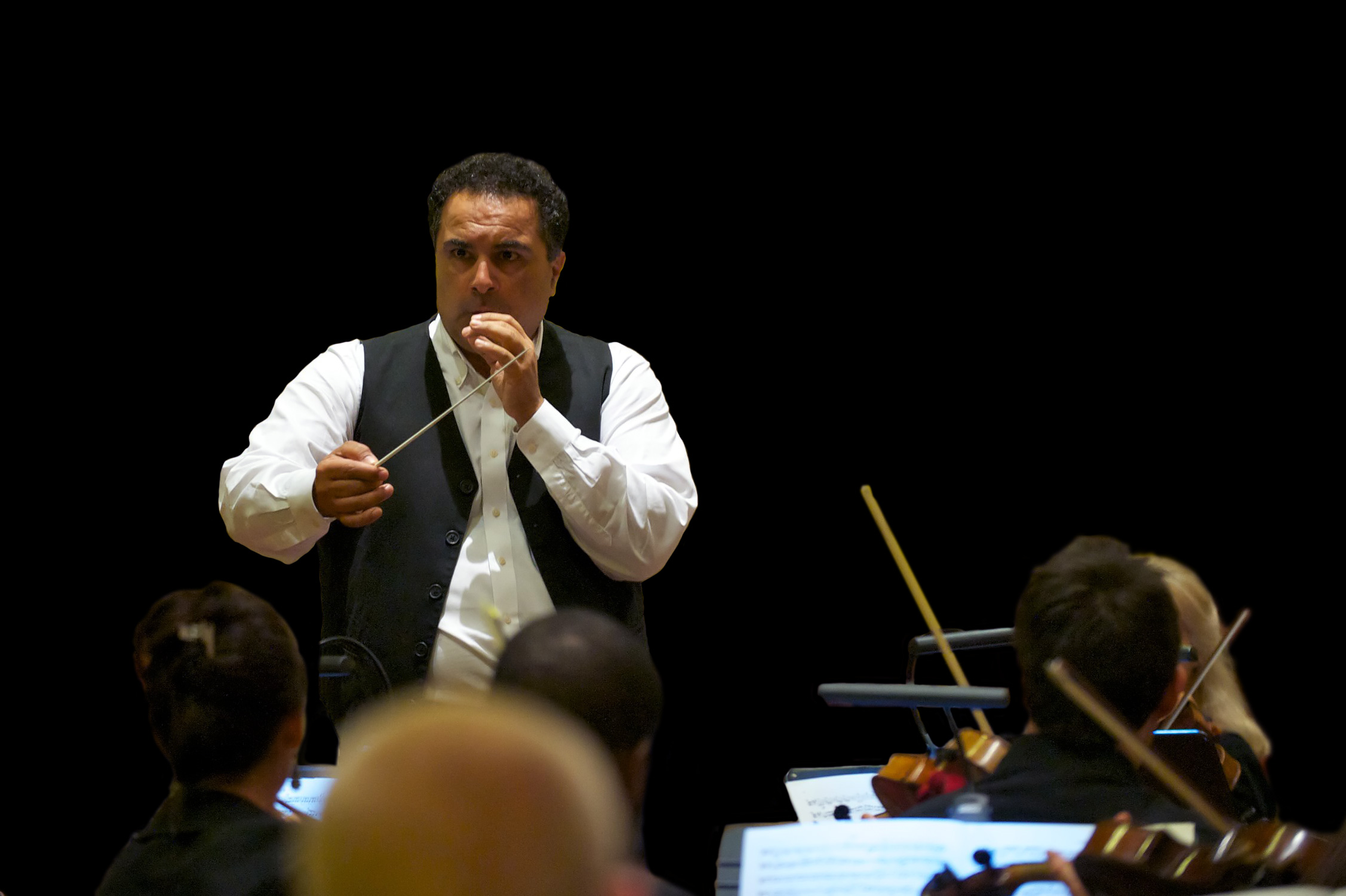
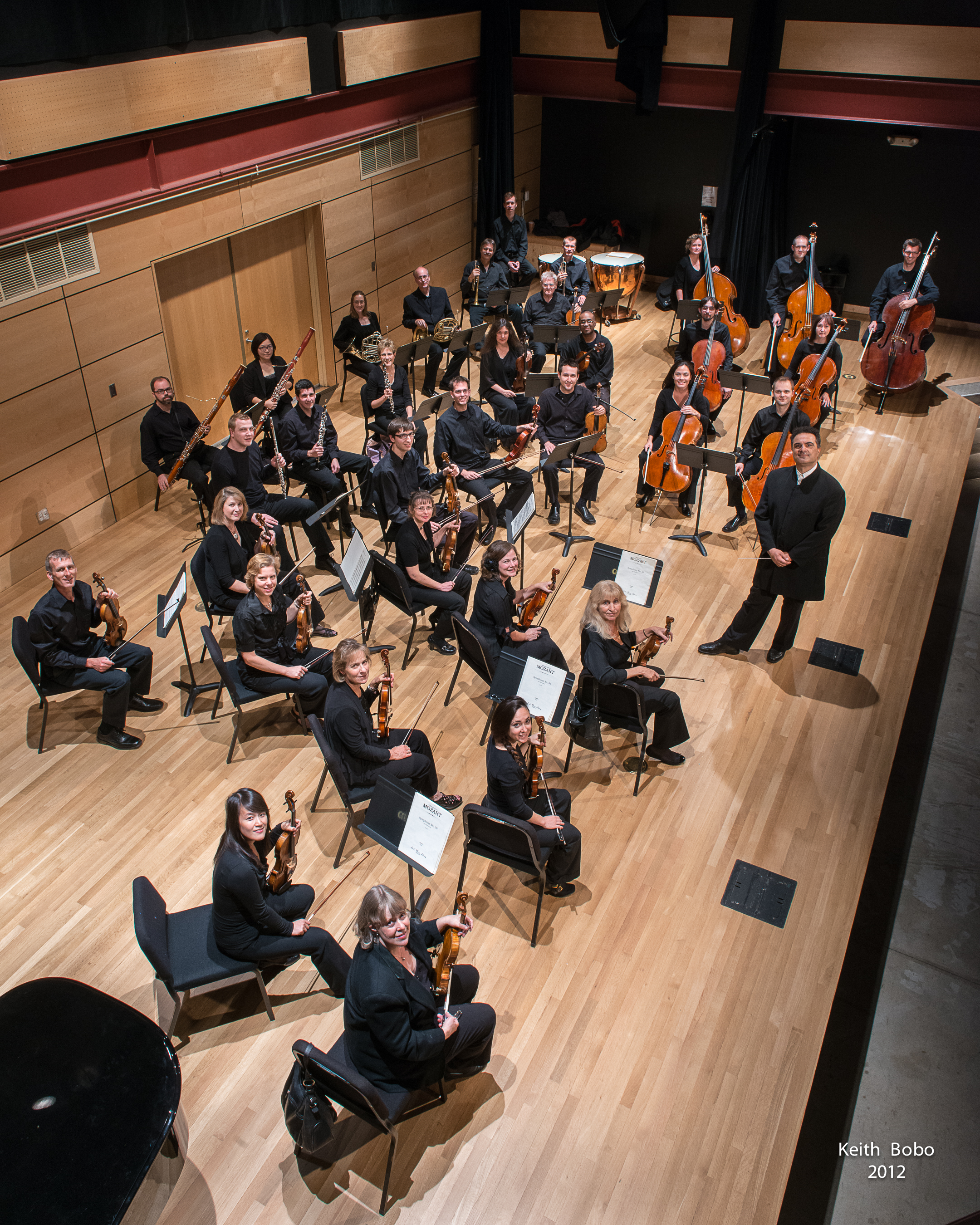
Bahman Saless with the Boulder Chamber Orchestra

Mozart began this very large-scale setting of the Ordinary of the Mass—those portions that are performed year-round as opposed to texts that are specific to individual days of the year—in 1782, soon after his marriage to Constanze Weber. Mozart said he started the Mass in honor of his marriage, but he never finished the work. 
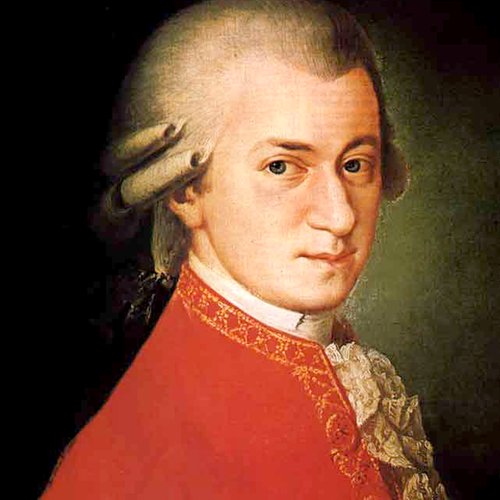
Mozart

The opening Kyrie movement and the Gloria were completed, as were two sections of the Credo, as well as the Sanctus and Benedictus. The remainder of the Credo and the Agnus Dei text were never written. On the basis of the completed movements, a full Mass would have been an extensive work.

Mozart and Constanze visited the composer’s father Leopold in Salzburg in October of 1782, with the completed portions of the Mass in hand. At least some portions of Mozart’s score were performed as part of a service in Salzburg, including Constanze singing Et incarnatus est, a beautiful and difficult soprano solo. What else was performed is unknown, and Mozart never wrote another note of the Mass after the visit to Salzburg.
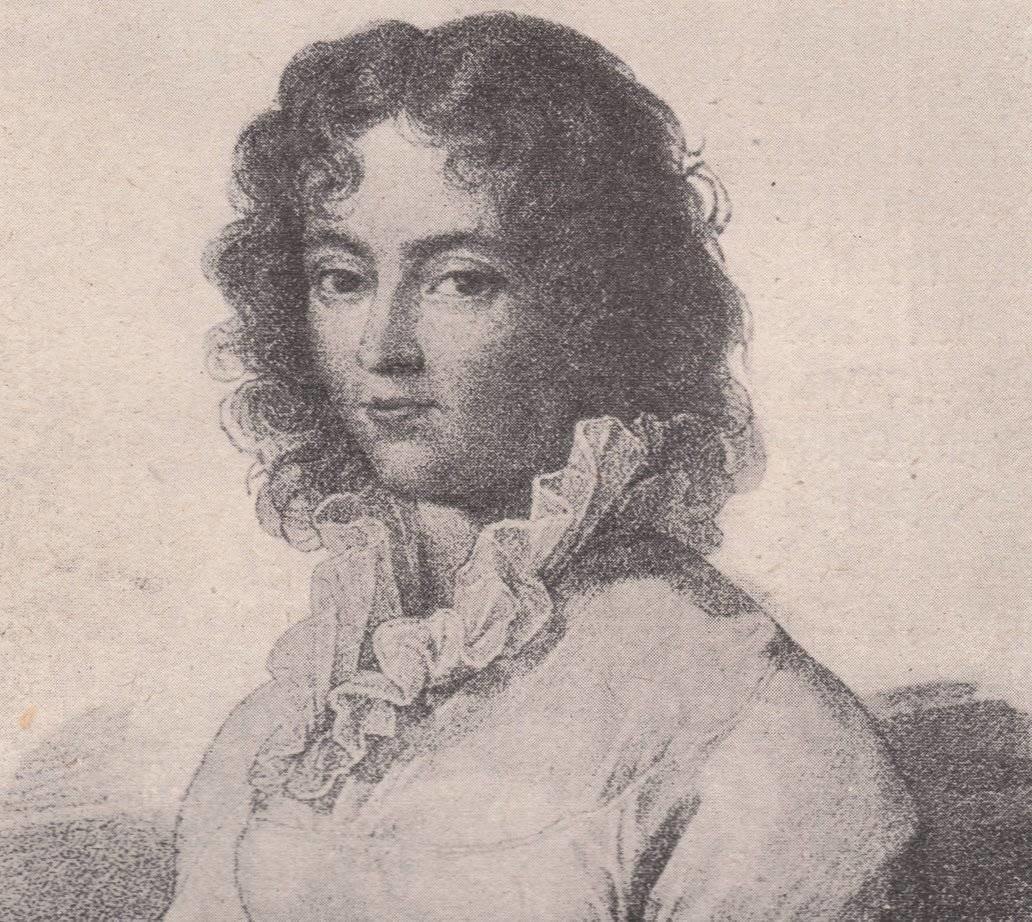
Constanze Mozart. Portrait by Joseph Lange

One theory is that Mozart had started the mass as a gesture to his very religious father, who had not approved of the marriage with Constanze. Having mollified the testy Leopold during his visit, he had no reason to write more, as there were no performance possibilities for a large-scale Mass setting in Vienna, due to the policies of the Austrian Emperor Joseph II.

In any case, the Mass in C minor falls at a transition point in Mozart’s life, at the time not only of his marriage but of his move to Vienna and his emergence as an independent composer. It also represents a new development in his musical style, which came about from his study of the Baroque masterpieces of Bach and Handel. The Mass contains several large-scale fugues and a few movements for double-chorus, which add to the complexity and difficulty of the choral parts.

“Every movement has a different challenge,” Burrichter, who rehearsed the chorus, says. “The double choruses certainly are challenging, in terms of listening to each other, and the fugues are extremely difficult and long. But in spite of the difficulties, we’ve all been thrilled with learning it. As Mozart is, it’s so beautifully melodic, it’s so emotionally powerful, and it’s a treat.”

Boulder Chamber Chorale with Burrichter (far right)

Saless, who will conduct the performance, shares Burrichter’s appreciation for Mozart’s music. “It’s a beautiful piece, and it has incredibly gorgeous arias,” he says. 

Among the arias, Burrichter points specifically to the one that Mozart wrote for Constanze. “The Et incarnatus est, one of the great soprano solos, is just one of the best things he ever wrote,” she says. “It’s really stunning!”

To sum up the Mass, Burrichter particularly likes to quote Patrick Mackie, who wrote in his book Mozart in Motion that “The C-Minor mass is . . . a sort of total statement on everything music could be . . . (It) has a surging monumentality and a giddy, athletic zip.”

The concert will open with the Colorado premiere of Summation, a brief piece for chorus and orchestra by composers Jim Klein and Ian Jamison. The performance by the BCO was commissioned by Klein, a successful businessman and entrepreneur who works as a visual artist in a studio outside Greeley and owns an art gallery in Scottsdale, Arizona. 

“We’re really delighted to showcase music by local Colorado composers,” Saless says. “It’s obvious this piece was inspired by a spiritual experience.”

Klein explains that source of inspiration in his program notes, where he writes “On my daily early morning walk down our farm lane over the decades, I have often asked the question, ‘Who am I?’” One day, while walking with his dog, he writes that the answer came to him in a text that begins “God is in me.” 

WIth that thought in mind, he worked with Jamison to express the text in music. “Hopefully,” he writes, “this internal investment will pass on for future generations.”

In addition to the Boulder performance Friday, the program will be presented at the University of Northern Colorado Commons in Greeley at 3 p.m. Sunday. Links for the purchase of tickets are listed below.

# # # # #

“Mozart Mass and More”
Boulder Chamber Orchestra with Boulder Chamber Chorale
Bahman Saless, conductor, with sopranos Szilvia Schranz and Moira Murphy; tenor Thomas Bocchu; and baritone Tyler Padgett

  • Jim Klein and Ian Jamison: Summation
  • Mozart: Mass in C Minor

7:30 p.m. Friday Oct. 6
First United Methodist Church, 1421 Spruce St, Boulder

TICKETS

3 p.m. Sunday, Oct. 8
University of Northern Colorado Commons
Beethoven in the Rockies Concert Series
TICKETS

Rarely heard, major work by Beethoven Saturday

Boulder Chamber Orchestra, Boulder Chamber Chorale: Mass in C

By Peter Alexander March 30 at 5:45 p.m.

“What are the chances to go to a Beethoven concert and hear something you never heard before?”

Bahman Saless with the Boulder Chamber Orchestra.

Bahman Saless is talking about the next concert he will conduct with the Boulder Chamber Orchestra, at 7:30 p.m. Saturday (April 1; details below). The orchestra, with the Boulder Chamber Chorale and soloists, will present Beethoven’s Mass in C major, written at the height of the composer’s fame and accomplishment but rarely performed today. The performance will be introduced by Beethoven’s very dramatic Overture to Coriolanus.

“This is your chance to imagine yourself, having lived in Beethoven’s time, and the master has just announced a new piece of music and you’re going to go hear it,” Saless says. “To me that’s really cool!”

Vicki Burrichter, who leads the Boulder Chamber Chorale and prepared the singers for the performance, thinks the Mass in C should be better known and appreciated. “I don’t really understand why its not more popular,” she says. “I think it’s one of the best choral pieces there is. I absolutely love it.”

When Beethoven wrote his Mass in C in 1807, he was an accomplished composer who already had many of his greatest works to his credit. He had completed his first four symphonies, his first four piano concertos, nine string quartets including the “Razumovksy” quartets Op. 59, and his Violin Concerto, among other works. He would soon complete his Fifth and Sixth symphonies.

Nonetheless, he is believed to have been less secure undertaking the Mass in C. It was his first setting of what had been one of the most important musical forms of the 18th century and before. Furthermore, the Mass was commissioned by Prince Nikolaus Esterhazy, which meant that Beethoven was following in the footsteps of his teacher Joseph Haydn, who had written six highly successful mass settings for the Esterhazy court.

The finished Mass is considered a major work, if somewhat unorthodox for the times—like many of the pieces Beethoven wrote. The musicians didn’t particularly like it and the rehearsals were chaotic, with only one of five altos in the chorus present, leaving the others to sightread the premiere. 

Vicki Burrichter with the Boulder Chamber Chorale

The first performance was not a success. The Prince disliked the Mass, and the work was seldom performed afterwards. Beethoven did only portions of the Mass once in December 1808, on a famous concert that included premieres of the Fifth and Sixth symphonies, the Fourth Piano Concerto and the Fantasy for Piano, Chorus and Orchestra.

Performances remain rare, but contemporary judgment of the Mass is more positive. Burrichter summed it up, saying “It’s been overshadowed by (Beethoven’s) Missa Solemnis and the Ninth (Symphony). It’s very dramatic, as only Beethoven can be, it’s immediately emotional from the first bar, and it continues that way the entire time. What Beethoven does with it is the kind of thing that only Beethoven can do.

“It’s not the Ninth in terms of overwhelming power, but I think it comes mighty close.”

The mass lasts less than an hour. To open the concert, Saless selected another work by Beethoven, his Overture to Coriolanus. “To me, that is the most perfect piece of dramatic music,” he says. “There is just nothing like it, because it’s eight minutes long, it carries emotions and content that could be a Mahler Symphony!”

Saless also discovered another reason that Coriolanus makes an ideal opener for the Mass. The overture is written in C minor, and after all of its drama it ends very softly with three unison Cs. This sets up the beginning of the Mass, which begins with the basses singing a unison C. That is followed by a move to C major, which will have immediate impact in performance.

Saless thought, “what kind of effect would that have on the audience?” And he decided it would be “a very Beethoven-esque approach to affecting the audience mentally and emotionally! And the connection from the C minor to just C and then C major makes a lot of sense.”

For audience members hearing the Mass for the first time—which will probably be most—Burrichter has some advice. “The Kyrie that starts (the first movement of the Mass) is just melodically so beautiful. People should listen for the beauty of that melody and then listen for its return at the end. And listen for the way that the soloists intertwine with the orchestra and the chorus.

“I think people will absolutely love it.”

# # # # #

Beethoven: Mass in C
Boulder Chamber Orchestra, Bahman Saless, conductor
With the Boulder Chamber Chorale, Vicki Burrichter, artistic director
Cristin Colvin, soprano; Gabrielle Razafinjatovo, mezzo-soprano; Paul Wolf, tenor; Brandon Tyler Padgett, bass

7:30 p.m. Saturday, April 1
Boulder Seventh-Day Adventist Church
345 Mapleton, Boulder

TICKETS

Boulder Chamber Orchestra and Chorale present a Requiem for the Living

Howard Goodall’s Eternal Light: A Requiem Saturday at 8

By Peter Alexander March 31 at 11:35 p.m.

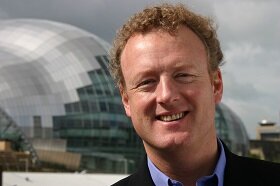
Howard Goodall

Howard Goodall wanted to write a Requiem for the living.

The English composer was not interested in creating a piece about the terrors of the last judgment that often feature heavily in older settings of the Latin Requiem. Instead, he composed a piece “intended to provide solace to the grieving,” he writes, comparing it in this respect to Brahms’s German Requiem.

Goodall’s 2008 work Eternal Light: A Requiem will be performed by the Boulder Chamber Orchestra (BCO) and Boulder Chamber Chorale—probably a Colorado premiere—at 8 p.m. Saturday (April 2) at the Boulder Adventist Church. Bahman Saless will conduct.

Also on the program is one the BCO’s most popular pieces from past concerts, the Suite Antique by John Rutter. The performance will feature flutist Rachelle Crowell, a member of the BCO (full details below).

When Saless first heard Eternal Light, he was captivated by the piece for two reasons. For one, it is a contemporary piece that should have broad appeal. “The piece is so approachable and so beautiful,” he says. “It has beautiful melodies, gorgeous violin solos and arias, and I thought here’s a piece that we can bring to the world and say ‘Hey, look! There is something really awesome here! Listen!’”

Bahman Saless

The second reason was more personal. “(Goodall) uses poetry from England, and also brings Church of England hymn tunes into it,” Saless explains. “I went to high school in England, and every morning we had to get up and sing these beautiful hymn tunes. So a couple of the pieces hit me directly in my heart and in my past of being a schoolboy in England. That was another reason I fell in love with it.”

The inclusion of English poetry was part of Goodall’s aim of creating a Requiem that focuses on consolation for the grieving. “The writing of a Requiem is a special challenge for any composer,” he writes. “For me, a modern Requiem is one that acknowledges the unbearable loss and emptiness that accompanies the death of loved ones, a loss that is not easily ameliorated with platitudes about the joy awaiting us in the afterlife.”

Goodall’s solution was to create his own text for the Requiem, using English poetry to comment on the liturgical text, and adding movements not part of the usual liturgy. Some movements that juxtapose the Latin liturgical text with English poetry recall Benjamin Britten’s War Requiem (“Kyrie: Close now thine eyes”). Other movements stick entirely to the Latin text—e.g., “Agnus Dei” (Lamb of God). 

The “Dies Irae” (Day of wrath) movement drops the Latin text describing the agonies of the final judgment entirely, setting in its place John McCrae’s well known First World War-era poem “In Flanders Fields.” The “Lacrimosa” (Tearful) movement does the same, using the 17th-century poem by Phineas Fletcher “Drop, drop slow tears,” which was set by the Renaissance composer Orland Gibbons and used as a hymn text in the English church.

Another unusual aspect of the Requiem is that it was commissioned as a dance piece as well as a choral-orchestral piece. None of the movements are labelled as dances, but Saless notes that parts are “somewhat dance-y. It’s really a new concept,” he says.

The score calls for chorus and string orchestra, with other parts that can be handled with some flexibility. For the BCO performance, the strings will be supplemented by a piano and an electronic keyboard with harp and organ sounds.

Goodall’s compositional output marks him as a composer who can write accessible music for a broad audience. In addition to his choral works, he has composed musical theater pieces and music for film and television. These include the film Mr. Bean and the highly popular Mr. Bean television series, two of Goodall’s many collaborations with the actor and comedian Rowan Atkinson.

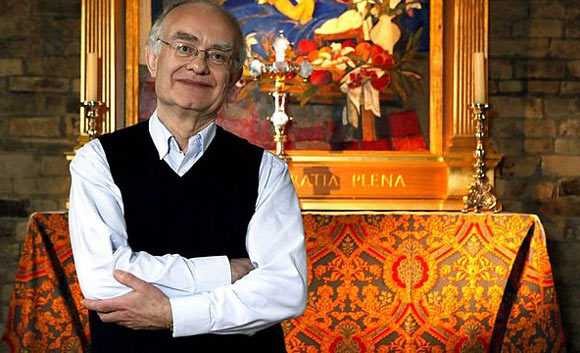
John Rutter

Saless decided to fill out the program with Rutter’s Suite Antique. BCO has performed the suite several times, and their YouTube video with flutist Cobus DuToit has received more than 77,000 hits. “This is our most popular YouTube video,” Saless says.

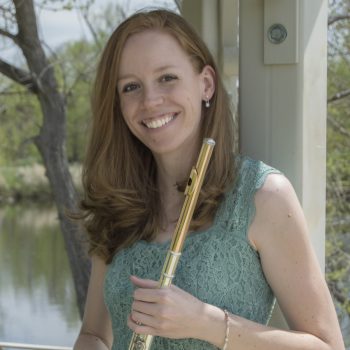
Flutist Rachelle Crowell

The score is nearly a flute concerto, with the instrument featured as soloist in each of the six movements. Scored for strings, harpsichord and flute, it is reminiscent of Baroque dance suites, with movements titled Prelude, Ostinato, Aria, Waltz, Chanson and Rondeau. The score adheres comfortably to Rutter’s usual accessible and unchallenging style.

“The other nice thing about the concert choice is that it’s basically a British composers concert,” Saless says. “And they’re both alive, so you can chalk that against performing contemporary music!”

Saless originally planned to perform Eternal Light two years ago, as a consoling musical gesture to audiences during the pandemic. “It’s been one of my goals to bring this to Boulder,” he says, but the original plans had to be postponed. Now that it finally will be performed, he says, “I’m really excited.”

# # # # #

“Eternal Light”
Boulder Chamber Orchestra, Bahman Saless, conductor
With Rachelle Crowell, flute, and Boulder Chamber Chorale, Vicki Burrichter, director

  • John Rutter: Suite Antique
  • Howard Goodall: Eternal Light: A Requiem

8 p.m. Saturday, April 2
Boulder Adventist Church, 345 Mapleton Ave.

TICKETS

Handel’s ‘Messiah,’ tailored for the Christmas season

Pro Musica Colorado and Boulder Chamber Chorale combine for performances

By Peter Alexander Nov. 29 at 3 p.m .

Hungary applause pic 2_edited

Pro Musica Colorado Chamber Orchestra, with conductor Cynthia Katsarelis

It’s been 276 years, and people are still talking about Handel’s Messiah.

Of course, it’s one of the best known and best loved pieces ever written, but that does not make it immune to controversy. One thorny subject is that it has become the quintessential Christmas piece.

But Messiah was not written for Christmas, and only about a third of it has anything to do with Christmas. The rest takes the story through Easter and the Resurrection. The first performances were given in April, 1742, during Lent, and most performances in Handel’s lifetime followed that pattern.

Many people consider performances of the entire piece during the Christmas season inappropriate. Conductor Cynthia Katsarelis is one of those people, but she has found a way to reconcile Messiah’s popularity at Christmas with its content. With the Pro Musica Chamber Orchestra, the Boulder Chamber Chorale and soloists, she will lead performances Dec. 1 and 2 of what she calls “a Christmas version.”

“We’re doing the Christmas section, plus,” she explains. In addition to the full Part One, which is the Christmas portion of the oratorio, “we use elements from Part Two and Part Three that illuminate why this birth is so important.”

The Boulder performances will include a food drive for Community Food Share. Audience members are encouraged to bring non-perishable, packaged food items, such as canned goods, cereal and pasta to be collected at the performances.

Read more in Boulder Weekly.

# # # # #

Handel’s Messiah
Pro Musica Colorado Chamber Orchestra, Cynthia Katsarelis, conductor
With the Boulder Chamber Chorale, Vicki Burrichter, artistic director
Jennifer Bird, soprano; Leah Creek Biesterfeld, alto; Stephen Soph, tenor; Adam Ewing, baritone

7:30 p.m. Saturday, Dec. 1
3 p.m. Sunday, Dec 2
Mountain View Methodist, 355 Ponca Pl., Boulder

Tickets