Two Ninths add up to grand finale at CMF

Peter Oudjian to conduct famous last symphonies by Beethoven and Mahler

By Peter Alexander July 26 at 5:00 p.m.

Music director Peter Oundjian will conclude the 49th Colorado Music Festival (CMF) this week with performances of two very different ninth symphonies.
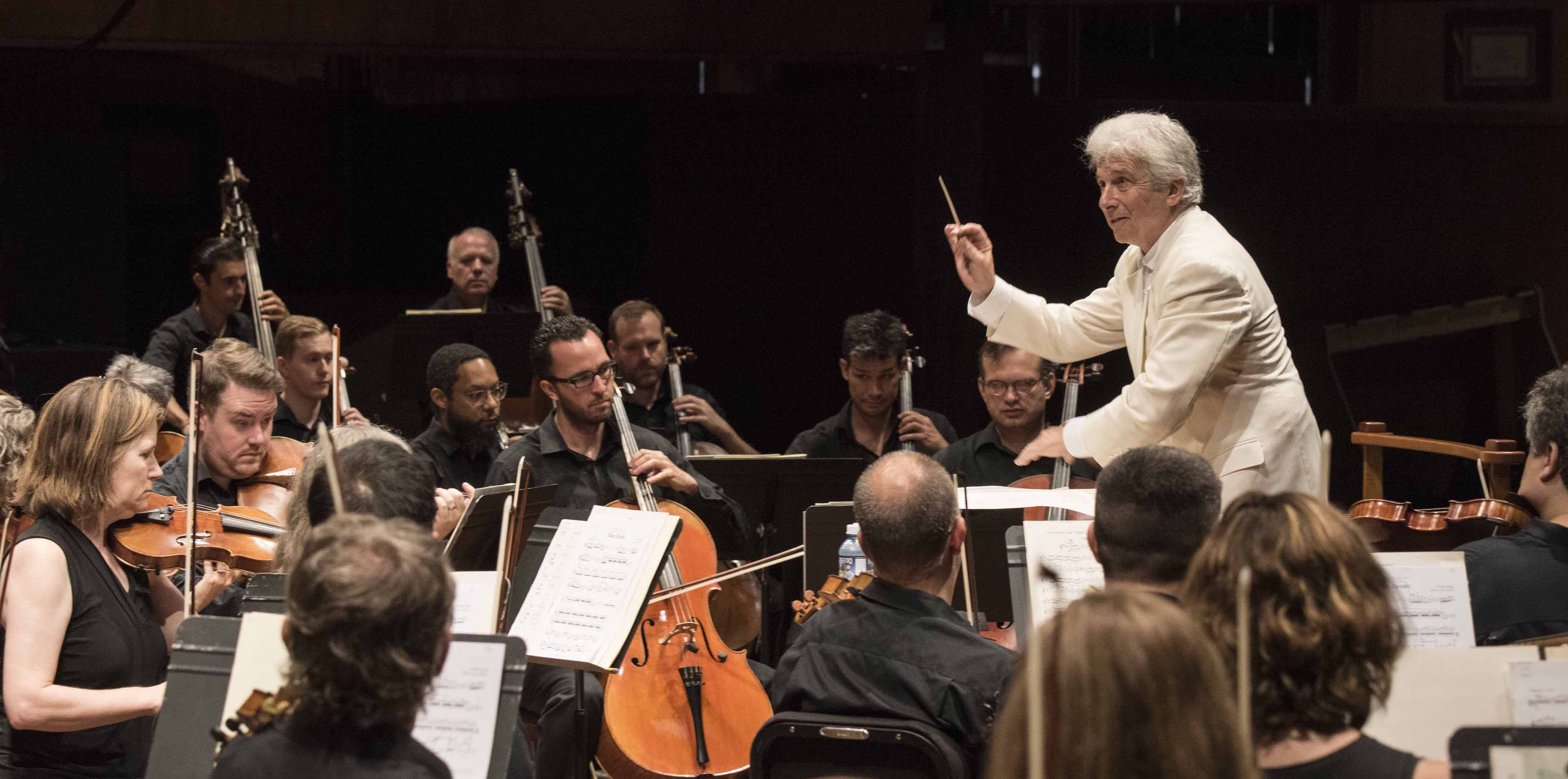
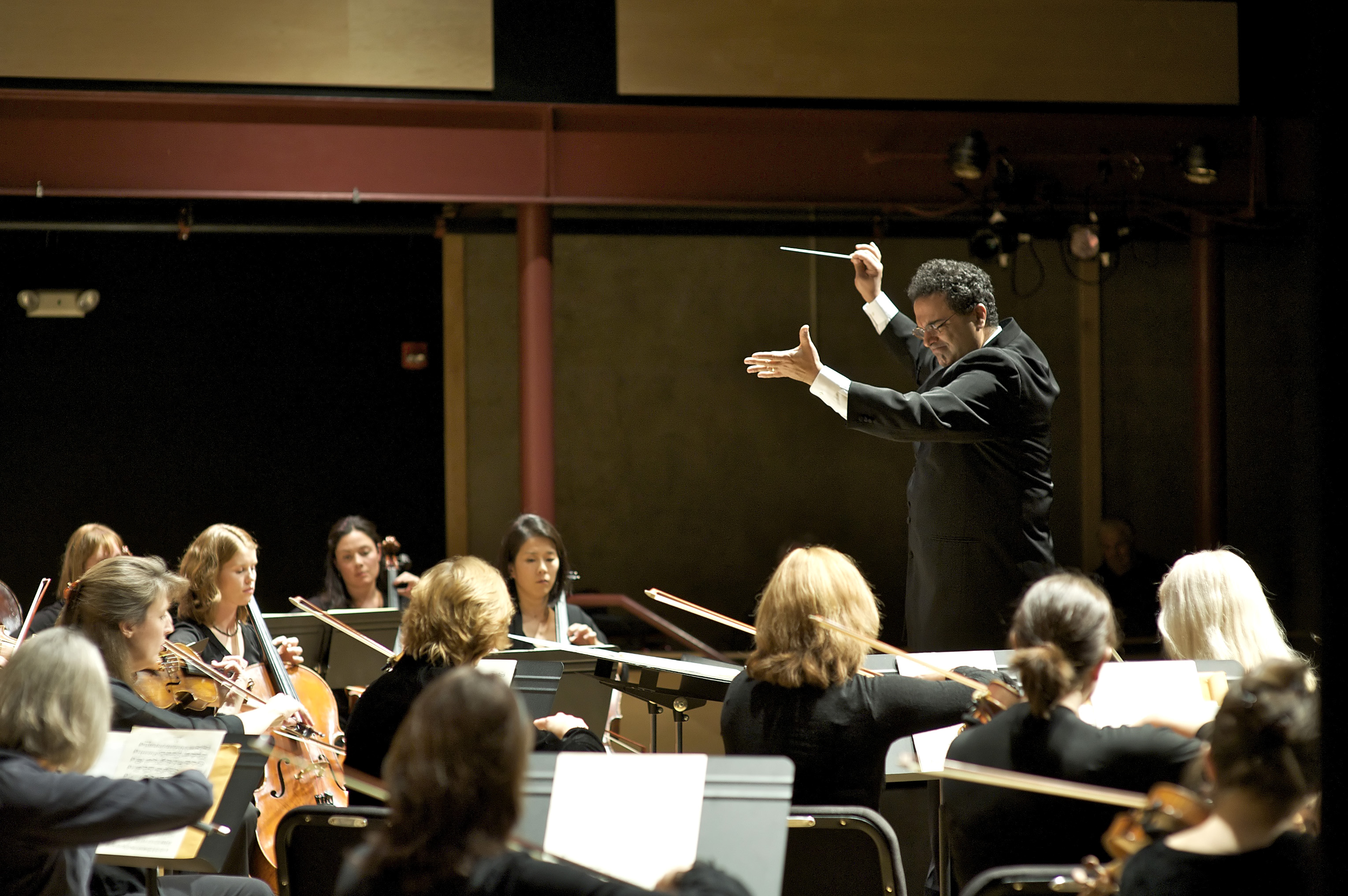
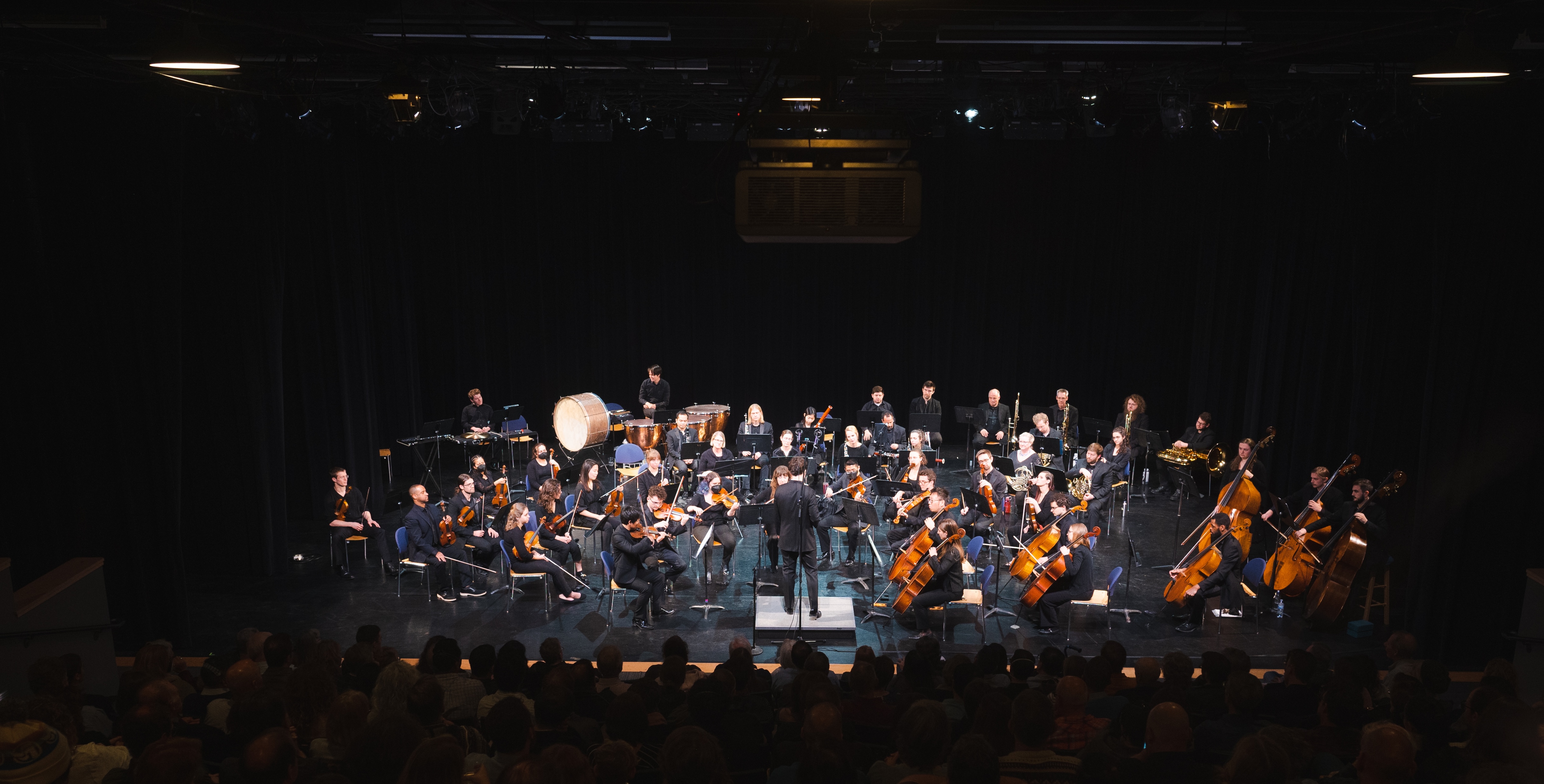
CMF Music director Peter Oundjian conducting the CMF Festival Orchestra

Thursday and Friday will see performances of one of the most famous symphonies ever written, Beethoven’s Symphony No. 9 in D minor for full orchestra, chorus and soloists (7:30 p.m. July 31 and 6:30 p.m. Aug. 1; full programs below). Two shorter works will fill out the program both evenings: Amplify, a short work for orchestra co-commissioned by CMF from composer Michael Abels; and Beethoven’s Elegischer Gesang (Elegiac song), op.118, for string quartet and vocal quartet.
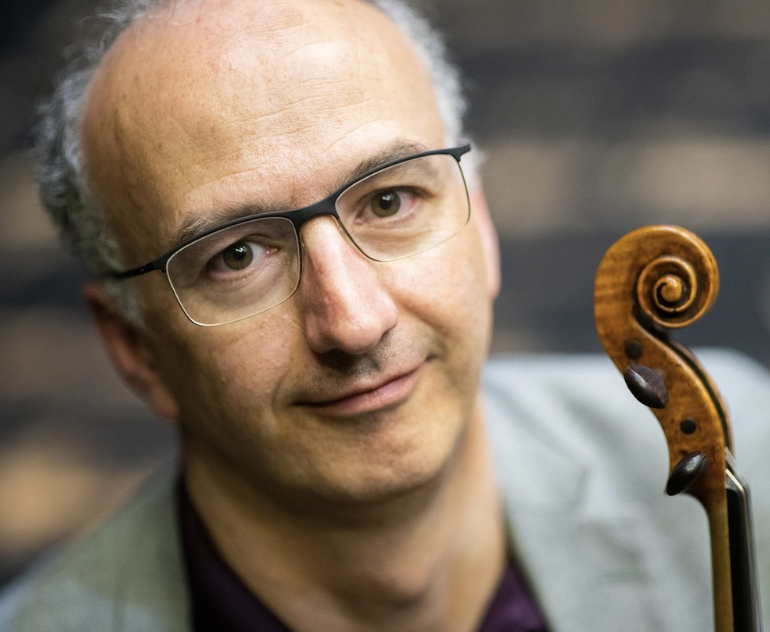
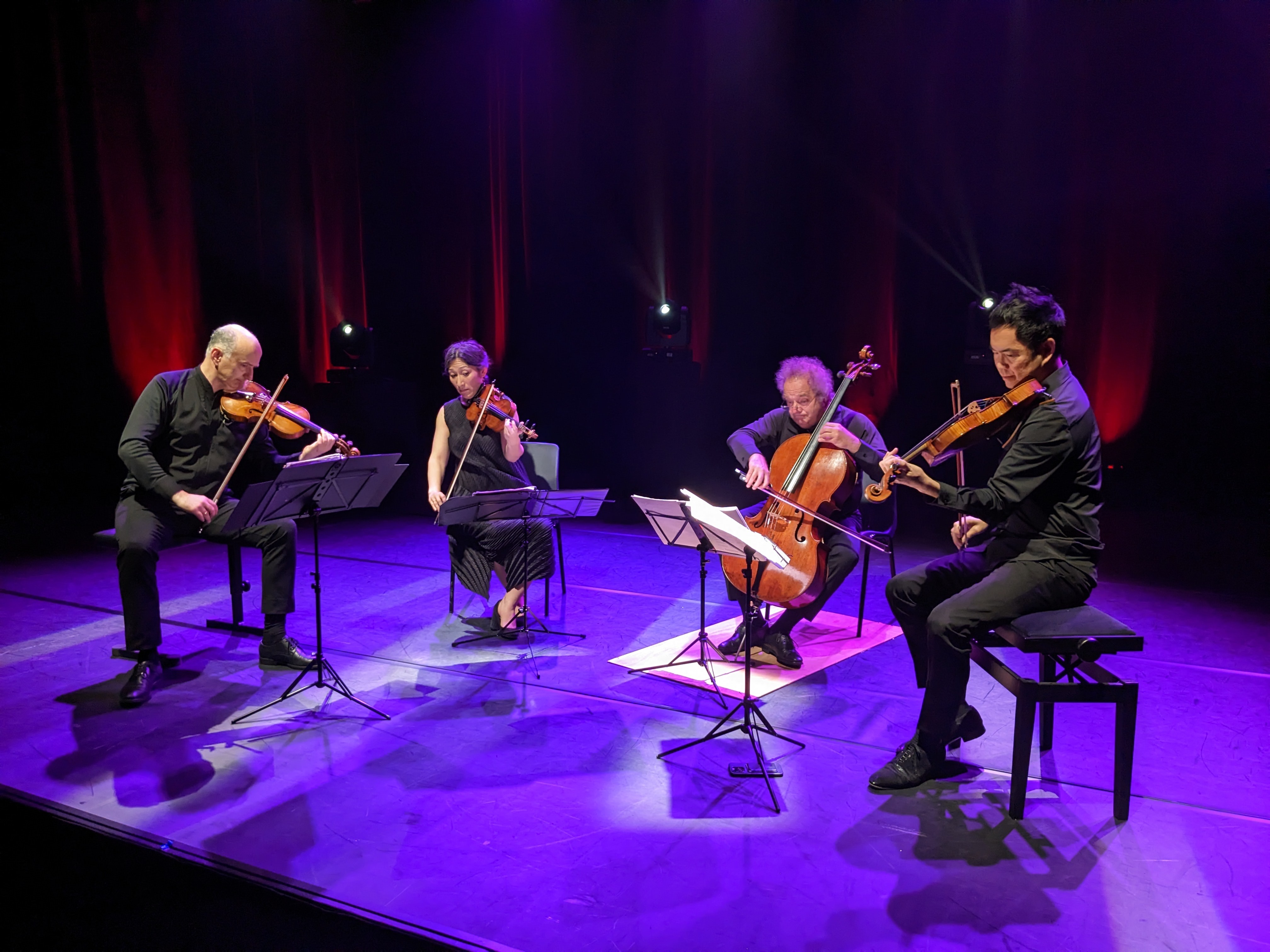
Dover Quartet. Photo by Roy Cox.

The Sunday concert will feature a much less frequently performed Ninth Symphony, that of Gustav Mahler. At 87-plus minutes, the symphony stands alone on the program. “Mahler 9 is just enough of an experience for a listener, or for that matter for an orchestra or even for a conductor,” Oundjian says. “I have done it with other pieces, but I think it’s better just to say, ‘here’s  an epic thing.’ It’s more than fulfilling by any measure.”

The week begins with a chamber music concert by the Dover Quartet, playing string quartets from the heart of the 19th-century to late Romantic era: music by Schumann, Tchaikovsky and Leoš Janáček. (See program below.) The Dover Quartet was formed by four students at the Curtis Institute in 2008, and is currently the Penelope P. Watkins ensemble in residence at Curtis.

The culmination of Beethoven’s career, the Ninth Symphony was first performed in May of 1824. It was a revolutionary work at the time, both for its great length and for the inclusion of voices in a symphony. When he wrote it, Beethoven was profoundly deaf, at the end of the performance the composer, who was standing onstage, had to be turned around by one of the singers so that he could see the cheering audience.
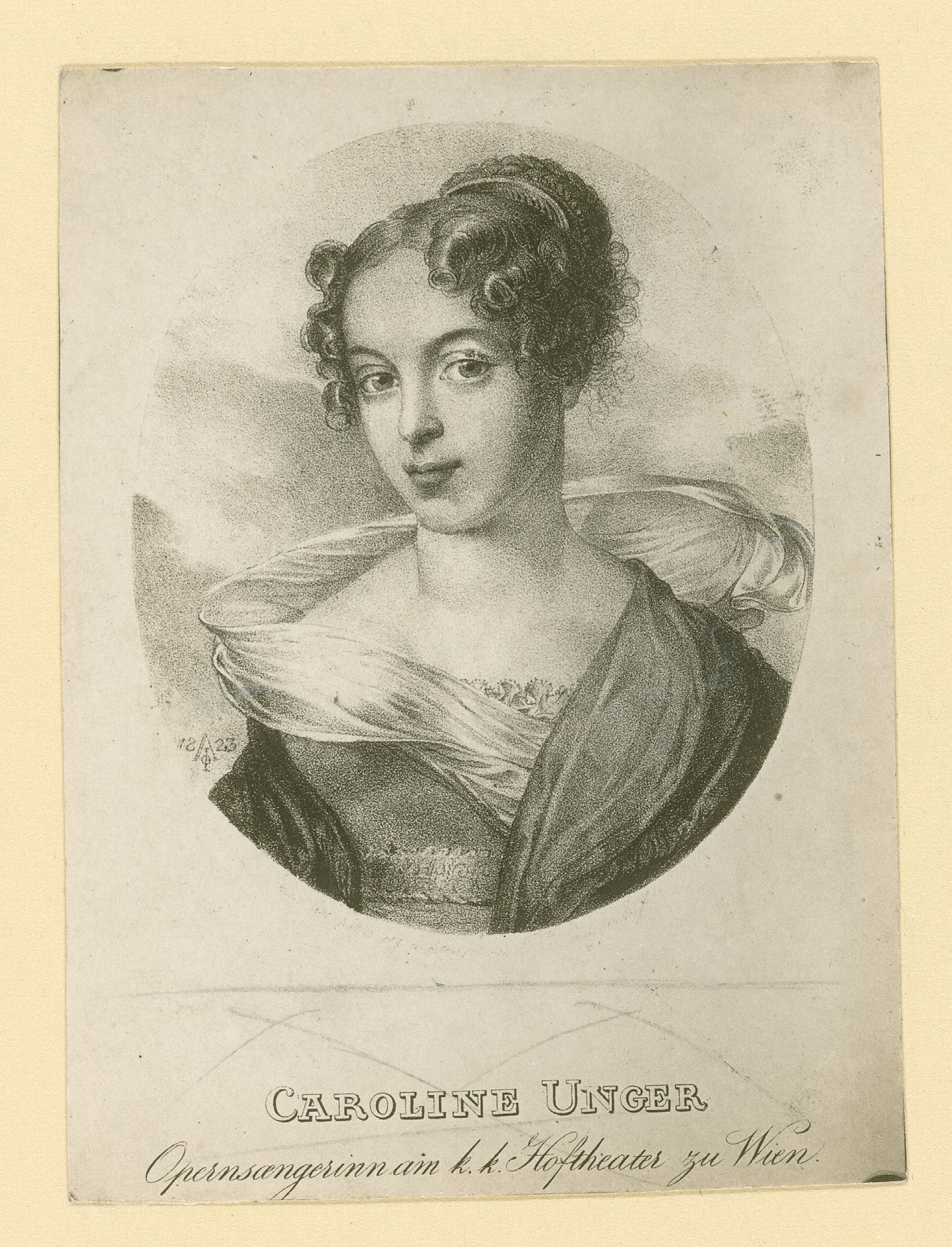
Alto Caroline Unger, who is said to have turned Beethoven to see the cheering audience for the Ninth Symphony.

Today the Ninth Symphony has become the favorite classical piece for celebrations, largely due to its joyful finale based on Friedrich Schiller’s poem “Ode to Joy.” It was famously performed in Berlin in 1989 by Leonard Bernstein and a combined orchestra from East and West Germany to celebrate the fall of the Berlin Wall, with the word “Freude” (Joy) replaced in the text with “”Freiheit” (Freedom).

As much as he loves the entire work, Oudjian says it’s “the profundity, beauty and sense of longing that the slow movement displays” that makes the Ninth a great work. “The depth of this slow movement is for me the peak of the experience,” he says.

“This is among the greatest (musical) variations that was every written. The way he uses the skill of embellishment and transformation among the most important elements (goes) beyond what one could ever imagine.”

Due to the impact of the symphony, and the fact that long after no major composer wrote more than nine symphonies, a legend grew that there was a supernatural limit on the number of symphonies one could write. No one bought into that legend more than Mahler, who avoided as long as possible writing a Ninth symphony. In fact, after his 8th, he called his next major piece Das Lied von der Erde (The song of the earth) rather than a symphony.
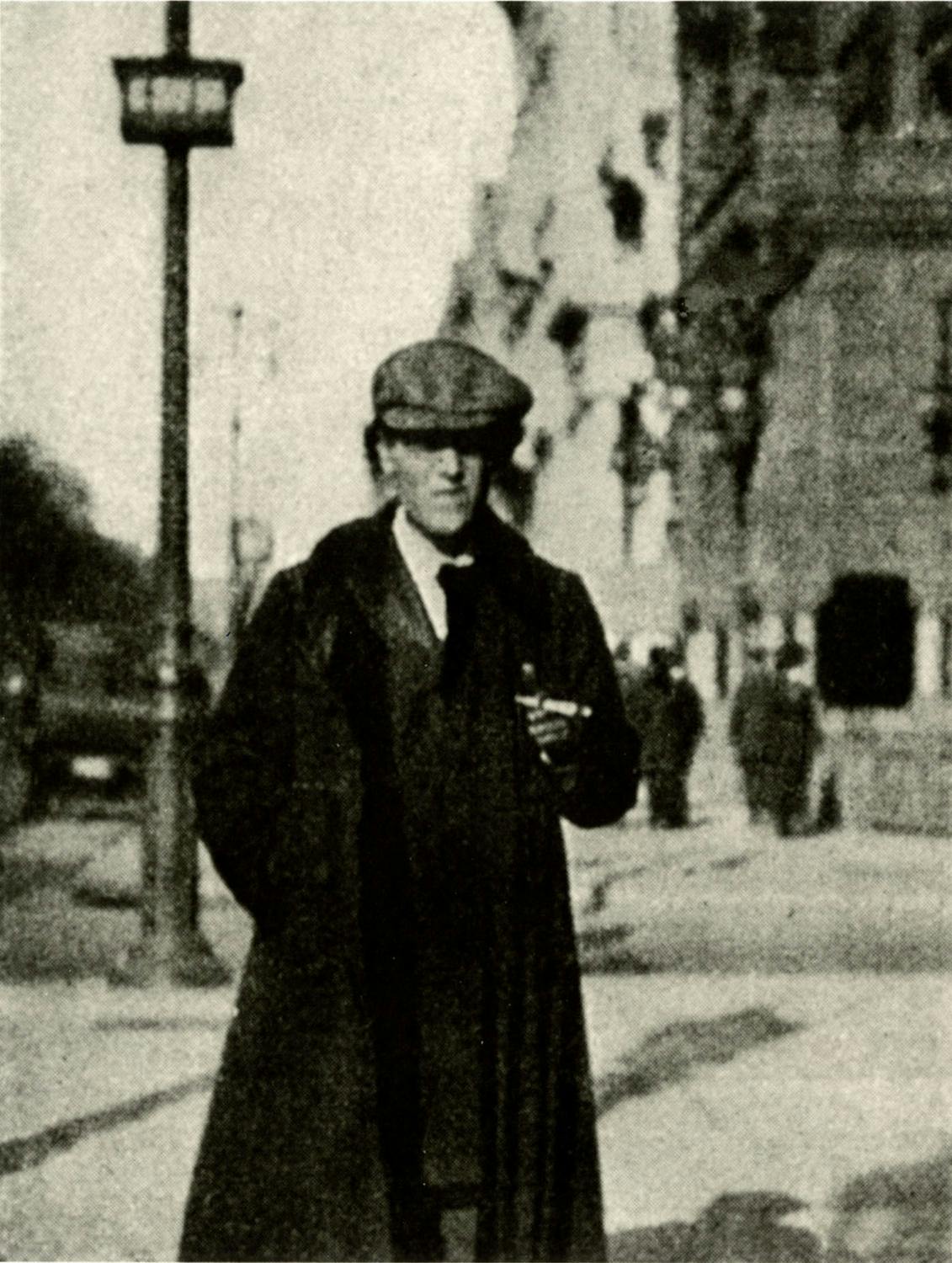
Gustav Mahler in New York shortly after the completion of his Ninth Symphony.

Having safely completed Das Lied, Mahler went on to complete his Ninth Symphony. Ironically, it was still his last completed symphony, although his Tenth has been completed by various editors based on one mostly finished movement and sketches.

As profound as it is, Mahler’s Ninth is not played nearly as often as Beethoven’s. That may be in part because it takes such focus to shape the music over such a long span of time. For Oundjian, the key is to conceive of the performance as a journey.

“[It takes] a tremendous amount of concentration, but you never say ‘Oh my god, I’ve still got to be playing this for 25 more minutes’,” he says. “You’re just thinking about where you are in the journey, and what’s coming and how important this moment is.”

In contrast to Beethoven’s Ninth, Mahler’s Ninth is less a grand celebration and more a final reduction of the symphony into its smallest elements. “Deconstruction is exactly what happens,” Oudjian says. “You have one little gesture that lasts a few notes, then another gesture that removes a couple of notes, and finally just a cadence.”

The key to understanding the Symphony is to hear how the very contrasting movements outline the journey from start to finish. “The first movement is the greatest expression of anguish that you could imagine, but also a strange kind of optimism,” Oundjian says. “The second movement is really bizarre, looking backwards to a simpler time, the Baroque or early classical period.
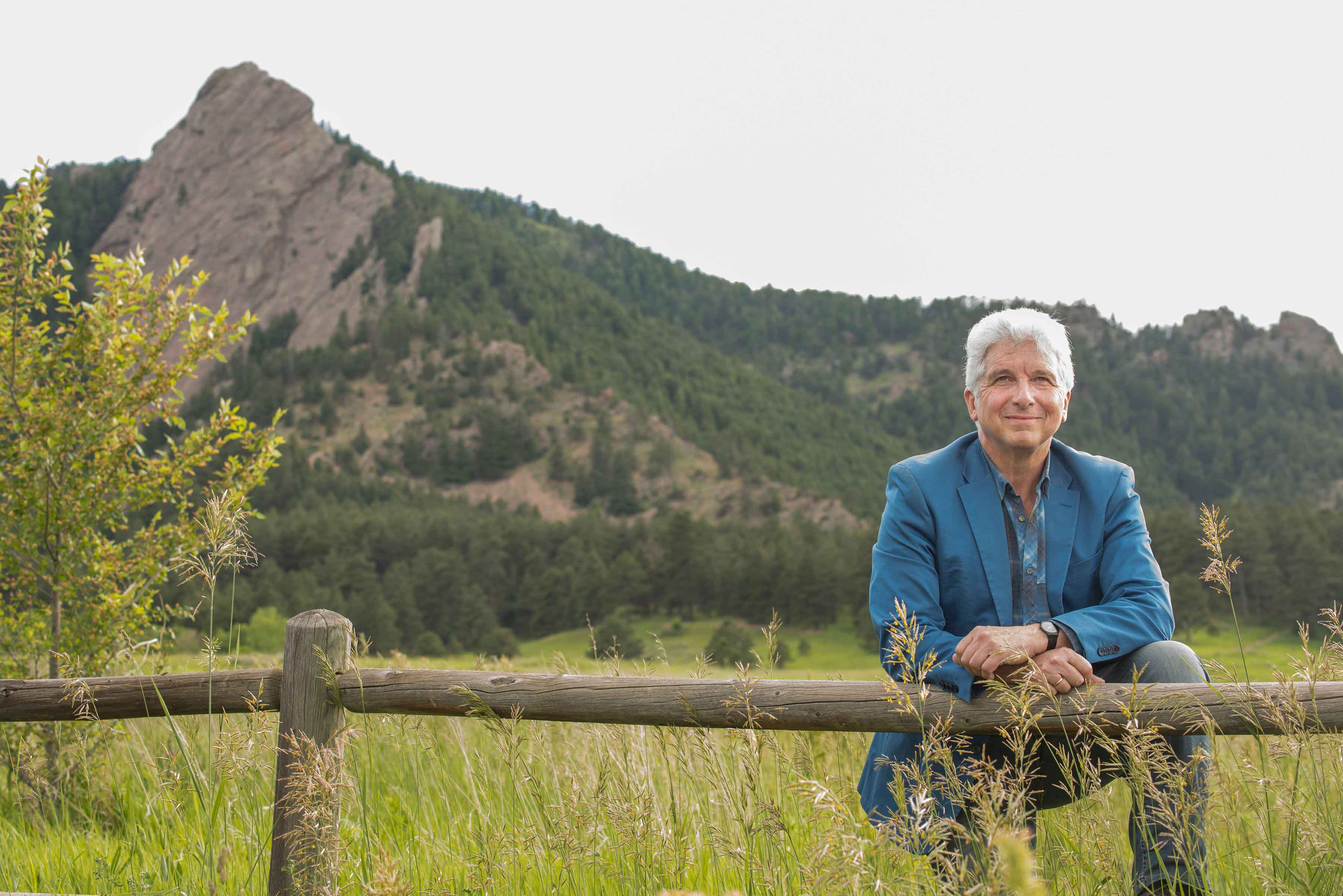
CMF Music Director Peter Oundjian

“The third movement looks forward to modernism in a way that you could never imagine. It sounds like Shostakovich or Hindemith half the time—later composers (who) were very influenced by Mahler. And the final movement is a statement unlike any other. It’s about eternal beauty and longing and possibility, and perhaps the end is an image of the afterlife, or even the journey between one life and the next. But it’s staggeringly beautiful and it uses silences in a way that no composer had ever dared to do.”

And in the end, Mahler’s silences will help close the 49th Colorado Music Festival.

# # # # #

Colorado Music Festival, Peter Oundjian, music director
Tuesday, July 29–Festival Finale, Sunday, Aug. 3
All performances in Chautauqua Auditorium

Chamber Music Concert
Dover Quartet

  • Leoš Janáček: String Quartet No. 1 (“Kreutzer Sonata”)
  • Schumann: String Quartet No. 1 in A minor, op. 41
  • Tchaikovsky: String Quartet No. 1 in D major, op. 11

7:30 p.m. Tuesday, July 29

Festival Orchestra Concert
Colorado Music Festival orchestra and the St. Martin’s Festival Singers
Peter Oundjian, conductor
With Lauren Snouffer, soprano; Abigail Nims, mezzo-soprano; Issachah Savage, tenor; and Benjamin Taylor, baritone

  • Michael Abels: Amplify (CMF co-commission)
  • Beethoven: Elegischer Gesang (Elegiac song), op. 118
    —Symphony No. 9 in D minor, op. 125

7:30 p.m. Thursday, July 31
6:30 p.m. Friday, Aug. 1

Festival Finale
Colorado Music Festival Orchestra, Peter Oundjian, conductor

Mahler: Symphony No. 9

6:30 p.m. Sunday, Aug. 3

Remaining tickets for these performances available through the CMF Web Page.
Boulder Symphony teams with Kim Robards Dance

Beethoven’s Ninth Symphony, with or without choreography

By Peter Alexander May 15 at 5:48 p.m.

The end of the concert season is prime time for orchestras to tackle the big works.

Boulder Symphony with conductor Devin Patrick Hughes

Toward the end of the 2024–25 season, in Boulder County we’ve had the Longmont Symphony presenting J.S. Bach’s Mass in B minor with the Boulder Chamber Chorale, and the Boulder Philharmonic with the full Boulder Chorale presenting Beethoven’s Missa Solemnis. And now conductor Devin Patrick Hughes and the Boulder Symphony step up with their own choral forces for Beethoven’s Ninth Symphony on the weekend. 

Kim Robards Dance

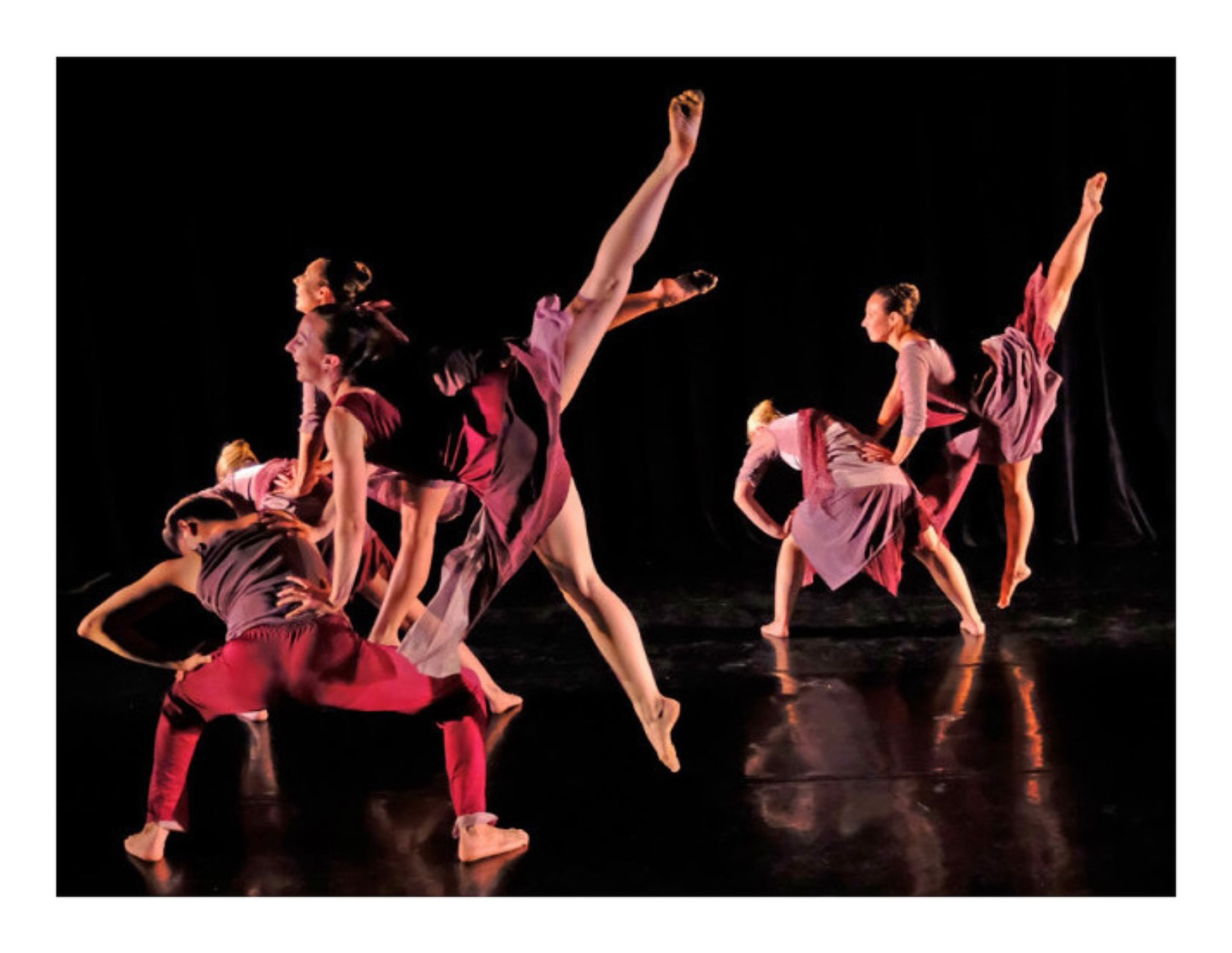
You can have your performance with or without choreography. The Ninth Symphony will be presented in partnership with Kim Robards Dance in a performance titled “Unstruck Sound” on Saturday (7:30 p.m. May 17 at the Waymire Dome in Brighton; details below). A second performance of the music alone will be presented by the orchestra and chorus Sunday (4 p.m. May 18 at Grace Commons in Boulder; details below).

Both performances will be conducted by Hughes, who is Boulder Symphony’s music director. Soloists for the symphony’s finale are Kyrie Laybourn, soprano; Kristin Gornstein, alto; Cody Laun, tenor; and Graham Anduri, bass. The performances will open with the Overture in E minor of the 19th-century French composer Louise Farrenc.

The last symphony that Beethoven completed, the Ninth was written over two years, 1822–24. Both its length—an hour or a little more—and the fact that it includes a chorus in the final movement marked it as a unique and radical work from its every first performance in Vienna. The concluding choral movement, based on Schiller’s poem “Ode to Joy,” has made it a first choice for celebrations around the globe. 

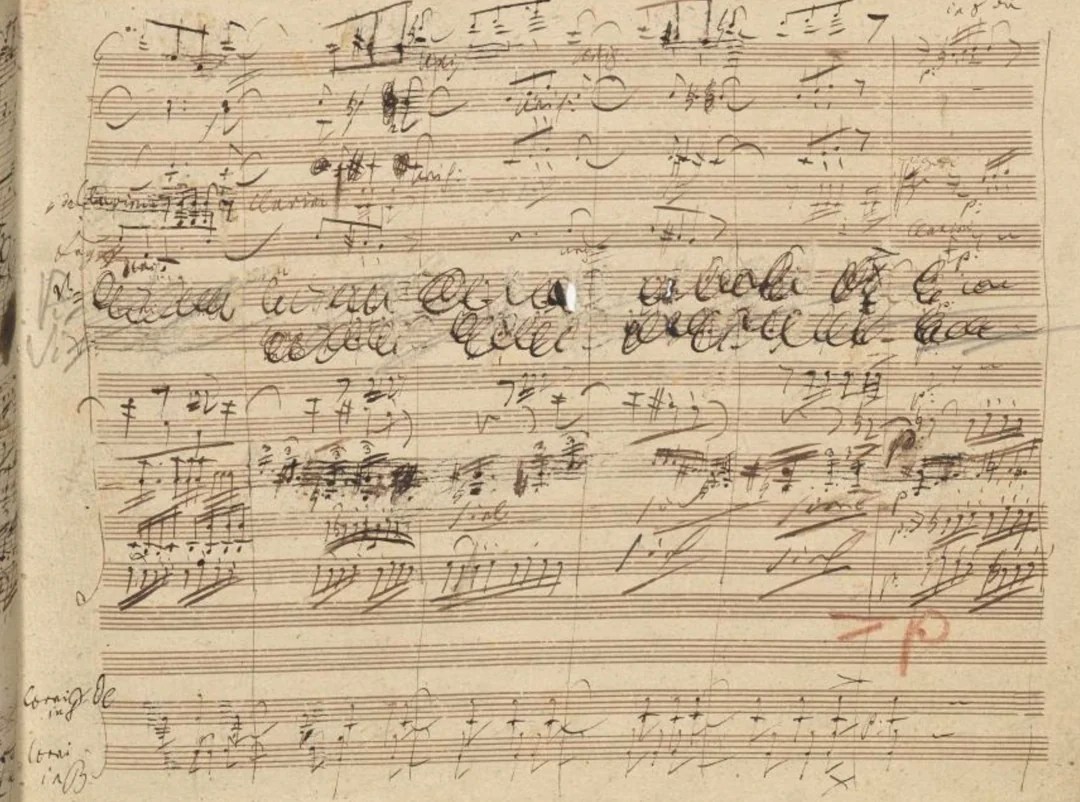
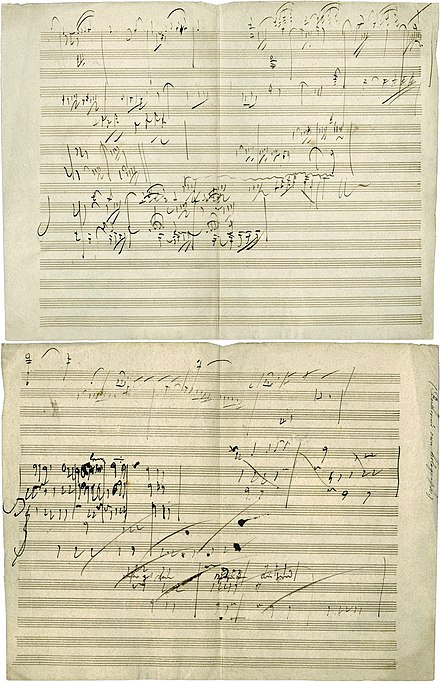
The manuscript of Beethoven’s 9th Symphony

It is also regarded as the culminating work in Beethoven’s career. The composer had expressed an interest in setting the “Ode to Joy” as early as 1792, an idea that can therefore be said to have occupied his thoughts for most of his life. Set in the somber key of D minor, that symphony progresses from a mysterious and powerful first movement, to a turbulent and disquieting scherzo, a beautiful and placid slow movement and the joyous choral finale in D major.

The work’s premiere in May of 1824 is one of the most famous performances in history. The nearly totally deaf Beethoven stood next to the conductor, watching the players and indicating tempos. At the end of the performance, the composer was unable to hear the tumultuous applause from the audience, and the alto soloist had to come forward and lead him to the edge of the stage so that he could see the response. 

The Symphony was perhaps most famously performed by in Berlin with Leonard Bernstein conducting on Christmas Day 1989, with the text of the finale altered to an “Ode to Freedom” as a celebration of the removal of the Berlin Wall. That was an international event, but the Ninth Symphony is selected for all kinds of major occasions, because of the text that celebrates the brotherhood of man. As such, it is also viewed as the ideal piece for the end of a season.

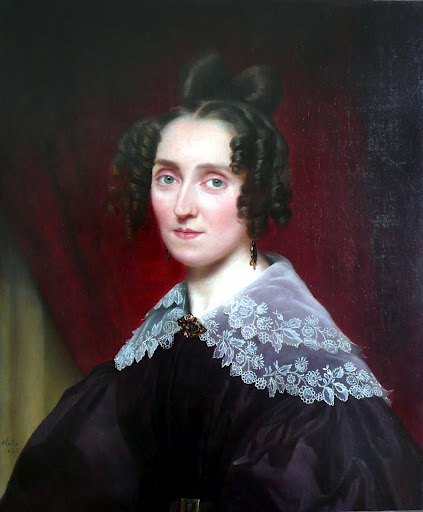
Louise Farrenc. Portrait (1835) by Luigi Rubio

Farrenc studied composition at the Paris Conservatory in the early 19th century, at a time when women had to study privately as they were not allowed to enroll in composition classes. Equally accomplished as a virtuoso pianist and composer, she became the first women teaching at the Conservatory, when she was appointed professor of piano in 1842. She held that position for 30 years. As a composer she wrote works for piano and chamber music, as well as three symphonies and two concert overtures.

Kim Robards Dance describe themselves as a “professional, multi-generational modern dance company.” The company was founded in Denver in 1987. A performance in New York was praised in the Times for “old-fashioned virtues, like a strong sense of craft and an affinity for lyrical movement and big musical scores.” There are fewer bigger scores than Beethoven’s Ninth, which has rarely if ever been danced.

# # # # #

Boulder Symphony, Devin Patrick Hughes, conductor
Chorus directed by Dana Vachharajani
With Kyrie Laybourn, soprano; Kristin Gornstein, alto; Cody Laun, tenor; and Graham Anduri, bass

  • Louise Farrenc: Overture in E minor, op. 23
  • Beethoven: Symphony No. 9 in D minor, op. 125

7:30 p.m. Saturday, May 17
Waymire Dome, 9755 Henderson Rd., Brighton
Performance with Kim Robards Dance, Kim Robards, choreographer

TICKETS

4 p.m. Sunday, May 18
Grace Commons, 1820 15th St., Boulder
(Musical performance only)

TICKETS

Rare Beethoven at the Boulder Phil

MIssa Solemnis, “Magnum Opus” of great extent and significance, May 4

By Peter Alexander April 30 at 5:50 p.m.

Beethoven was a few years years late.

He promised his friend, pupil and patron Archduke Rudolf that he would write a solemn mass—Missa Solemnis—for the latter’s investiture in 1820 as the Archbishop of Olomouc. But the massive score was not finished in time. In fact, it was not performed until April 7, 1824—in St. Petersburg, under the sponsorship of another of Beethoven’s patrons, Russian Prince Gallitsin.

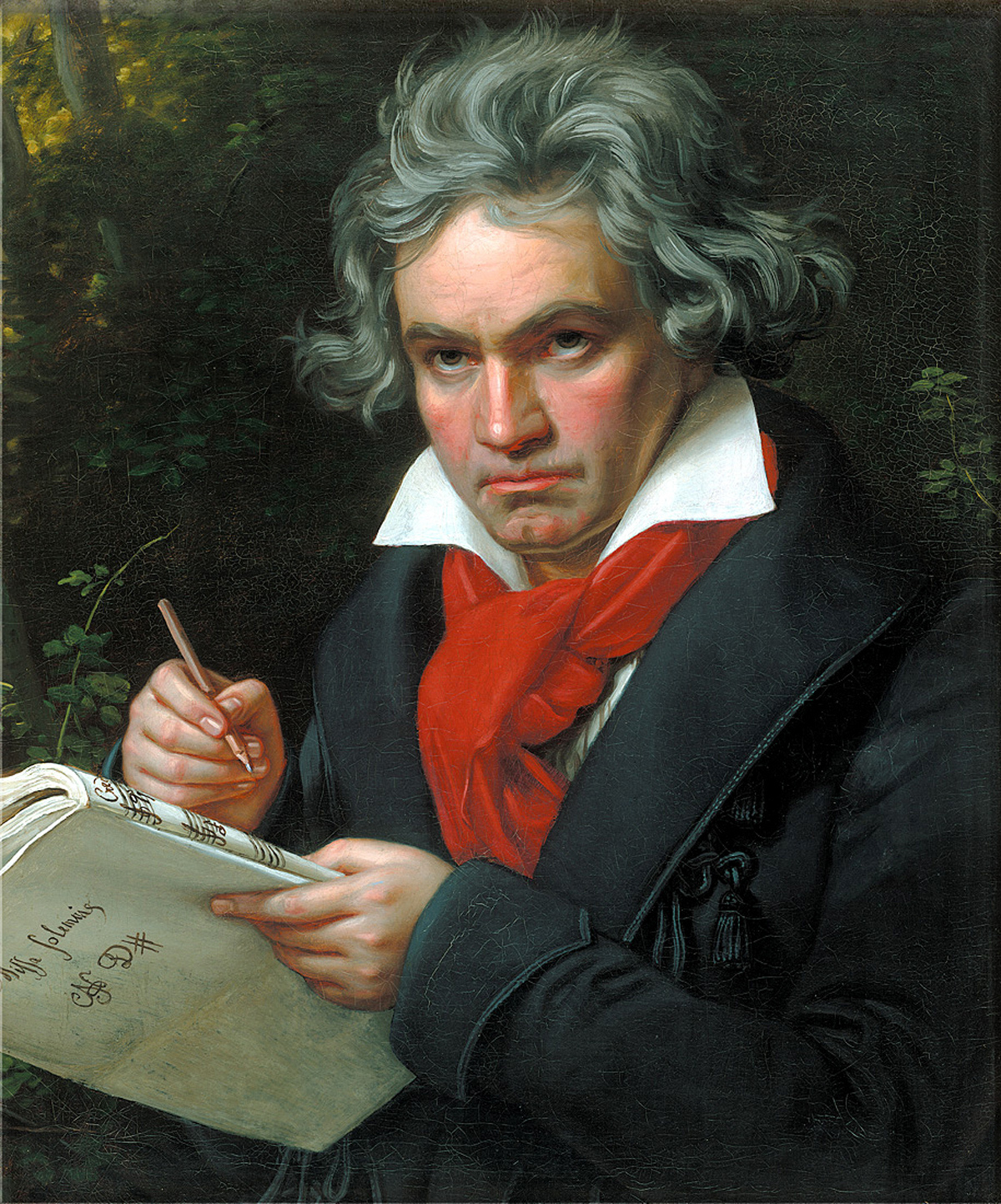
Portrait of Beethoven with the score to the Missa Solemnis

The size of the work, which takes 80 minutes to perform, and the difficulty of the choral parts remain obstacles to performances. So it is a noteworthy event that the Boulder Philharmonic and Boulder Chorale will join forces to present the Missa Solemnis Sunday at Macky Auditorium (4 p.m. May 3; details below).

Michael Butterman, music director of the Boulder Phil, will conduct. The full 130-member Boulder Chorale has been rehearsed by director Vicki Burrichter. Soloists will be Tess Altiveros, soprano; Abigail Nims, mezzo soprano; Kameron Lopreore, tenor; and Pectin Chen, bass.

This is the first time either Butterman or Burrichter have presented the work. “I have personally wanted to do it for years and years,” Butterman says. “It’s a huge lift for (the chorus), so you have to have a partner that is up to it and is willing to take it on.

“I’ve been in touch with Vicki at the Boulder Chorale through the years, and this came up when she and I were talking. She said ‘I think we can do it. I want to do it!’”

For her part, Burrichter says that the Chorale is now ready for the challenge. “I wouldn’t have done this piece with them even five years ago,” she says, “but they are now at a place where they are very highly trained up. This is my 10th year with the Chorale, and we’ve been working very hard to get to an even higher level than when I started.”

Several aspects of the music present challenges to the chorus. They sing almost nonstop, with no breaks for solo arias or duets. Their parts cover a wide range from very high to low, with difficult, angular melody lines. The fugues are often difficult to sing, especially when each part has to project the theme independently of the others.

Burrichter identifies other challenges as well. “Yes, the tessituras (voice ranges) are high, especially for the sopranos,” she says. “But the constant change in dynamics (loud to very soft and vice versa) is probably the hardest thing. You have to always look ahead. I think also the hardest thing is getting the flow of the piece, because it is dramatically different from Bach or Mozart. Understanding why (Beethoven) wrote what he did, what he was trying to say—those are things that take a long time (for the singers) to integrate.”

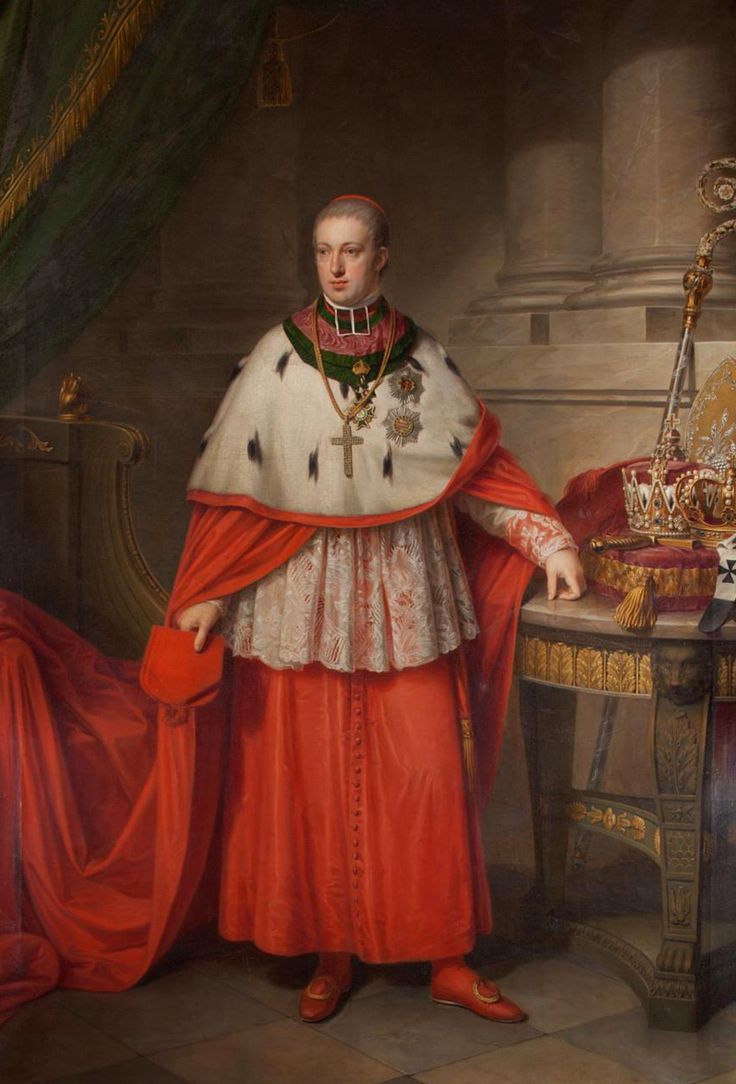
Beethoven’s pupil and friend, Archduke Rudolf of Austria, as Cardinal

“It is one of the most daunting works that I’ve ever put my mind to,” Butterman says. “I’m truly humbled by this piece. It seems so incredibly detailed, so dense, so masterful that I’m really in awe of this—written by someone who was probably profoundly deaf. It’s just staggering. The contrapuntal mastery that he displays over and over again, throughout the work, is astonishing.”

The use of counterpoint shows that Beethoven knew the traditions established in the mass settings by earlier composers. Other traditional gestures that he incorporated into the score include the use of fugue for certain texts, starting the Gloria with ascending joyful lines in the chorus, the use of traditional church modes, and the use of solo flute to represent the Holy Spirit. 

In other ways Beethoven added his own original ideas. One that is particularly powerful is the insertion of trumpets and drums suggesting military music right before the text Dona nobis pacem (Give us peace). Beethoven lived during a time of extended warfare across Europe, including the occupation of Vienna by French troops, giving the plea for peace special force.

Burrichter sees a relevance for that passage still. “Listen to how Beethoven changes the Dona nobis pacem, and how this relates to what’s happening in the world right now,” she says. “The message that Beethoven was trying to send in 1827 is just as relevant today.”

She also says “I think this piece has an unfair reputation as unsingable and an assault on the senses. What great composers do is demand great things of singers and instrumentalists. Beethoven was reaching for transcendence.” 

She advises the audience to “enter into the experience that Beethoven is trying to create. Enter into Beethoven’s world in the same way that you would one of his symphonies.”

But the last word on the Missa Solemnis should go to the composer. On the copy that he presented to his pupil and friend the Archbishop, Beethoven wrote “Von Herzen—Möge es wieder—Zu Herzen gehn!”

“From the heart—may it return to the heart!”

# # # # #

“Beethoven’s Magnum Opus”
Boulder Philharmonic, Michael Butterman conductor
With the Boulder Chorale, Vicki Burrichter, director
Tess Altiveros, soprano; Abigail Nims, mezzo soprano; Kameron Lopreore, tenor; and Pectin Chen, bass

  • Beethoven: Missa Solemnis, op. 123

4 p.m. Sunday, May 4, Macky Auditorium

TICKETS

Boulder Symphony weekend concerts will be recorded

U.S. premiere, arias by Rossini and Puccini, and Beethoven’s countryside

By Peter Alexander March 26 at 5:10 p.m.

The composer Peter Drew came late to a musical career.

After some inconclusive experiences in music as a youngster, he worked a succession of jobs including taxi driver and cruise-ship host and eventually settled in as a teacher. Feeling something was missing, he bought a clarinet and decided to take music more seriously. He played both classical and jazz and studied musical composition.

To make a long story short, his first symphony was recorded in 2022 by the Zagreb Symphony, with positive reviews. And now it will have its U.S. premiere by the Boulder Symphony Saturday and Sunday (March 29 and 30; details below).

Composer Peter Drew

Devin Patrick Hughes will conduct the performances, which will also include arias by Rossini and Puccini sung by soprano guest artist Anastasia Antropova. Beethoven’s “Pastoral Symphony” rounds out the program. Parma Recordings will record the performances.

Drew titled his First Symphony “Reminiscence.” He calls it a pastiche, based on music that had an impact on him and listing the specific sources for each movement. For example, the first movement is titled “Journey” and includes music reflecting Villa-Lobos’ descriptive piece for orchestra Little Train of the Caipira, as well as folk songs that recall Joseph Canteloube’s Songs of the Auvergne.

The second movement, “Pictures in an Album,” refers to Mussorgsky’s Pictures at an Exhibition, along with traces of Copland-esque Americana. The third movement evokes J.S. Bach while the finale, “The Return,” revisits ideas from the first movement.

Soprano Anastasia Andropova

Russian soprano Anastasia Antropova graduated from the St. Petersburg Conservatory in 2017 and since has performed extensively in Italy. She will perform Rossini’s “Una voce poco fa” (A voice spoke to me), the iconic aria of Rosina in The Barber of Seville; and Puccini’s poignant aria from Madama Butterfly, “Un bel di” (One fine day).

Boulder Symphony’s publicity material quotes Antropova commenting on “these iconic arias, each revealing a distinct operatic world. The fusion of music and text bring these characters to life, allowing me to fully immerse in their emotions.”

Beethoven Symphony No. 6 in F major, known as the “Pastoral Symphony,” is one of the composer’s more cheerful even-numbered symphonies, all of which are in major keys. It was made popular when it was used in Walt Disney’s animated musical film Fantasia, with a setting of pastoral scenes from Greek mythology.

Unlike most Beethoven symphonies, the Sixth has specific descriptive titles for the movements, all derived from the composer’s own excursions into the countryside outside Vienna. The five movements are titled “Awakening of cheerful feelings on arrival in the countryside,” “Scene by the brook,” “Merry gathering of country folk,” “Thunder, storm,” and “Happy and thankful feelings after the storm.”

The first performance took place in 1808 as part of a notorious four-hour concert that included premieres of the Fifth and Sixth symphonies, the Fourth Piano Concerto and the Choral Fantasy, along with selections from other works by Beethoven and improvisation at the piano by the composer. 

Held in an unheated hall, the program strained the audience’s attention. One attendee wrote afterwards, “There we sat, in the most bitter cold, from half past six until half past ten, and confirmed for ourselves the maxim that one may easily have too much of a good thing.”

Of course the Boulder Symphony performance will neither take place in a cold hall nor last four hours. And the good things it offers—a U.S. premiere, two beloved arias and a musical tour of the Austrian countryside—are pleasantly varied.

# # # # #

Boulder Symphony, Devin Patrick Hughes, conductor
With Anastasia Antropova, soprano

  • Rossini: “Una voce poco fa” (A voice spoke to me) from Barber of Seville
  • Peter Drew: Symphony No. 1 (“Reminiscence”), American premiere
  • Puccini: “Un bel di” (One fine day) from Madama Butterfly
  • Beethoven: Symphony No. 6 in F major, op. 68 (“Pastoral”)

7:30 p.m. Saturday, March 29
2 p.m. Sunday, March 30
Gordon Gamm Theater, Dairy Arts Center

TICKETS

GRACE NOTES: “The Feminine Divine” and string quartets

Boulder Bach’s CORE and the Takács Quartet fill the weekend

By Peter Alexander March 5 at 5:20 p.m.

COmpass REsonance (CORE), a string ensemble that began as the resident Baroque orchestra of the Boulder Bach Festival, will present a program of music by four women composers of the Baroque era on Saturday (4 p.m. March 8; details below).

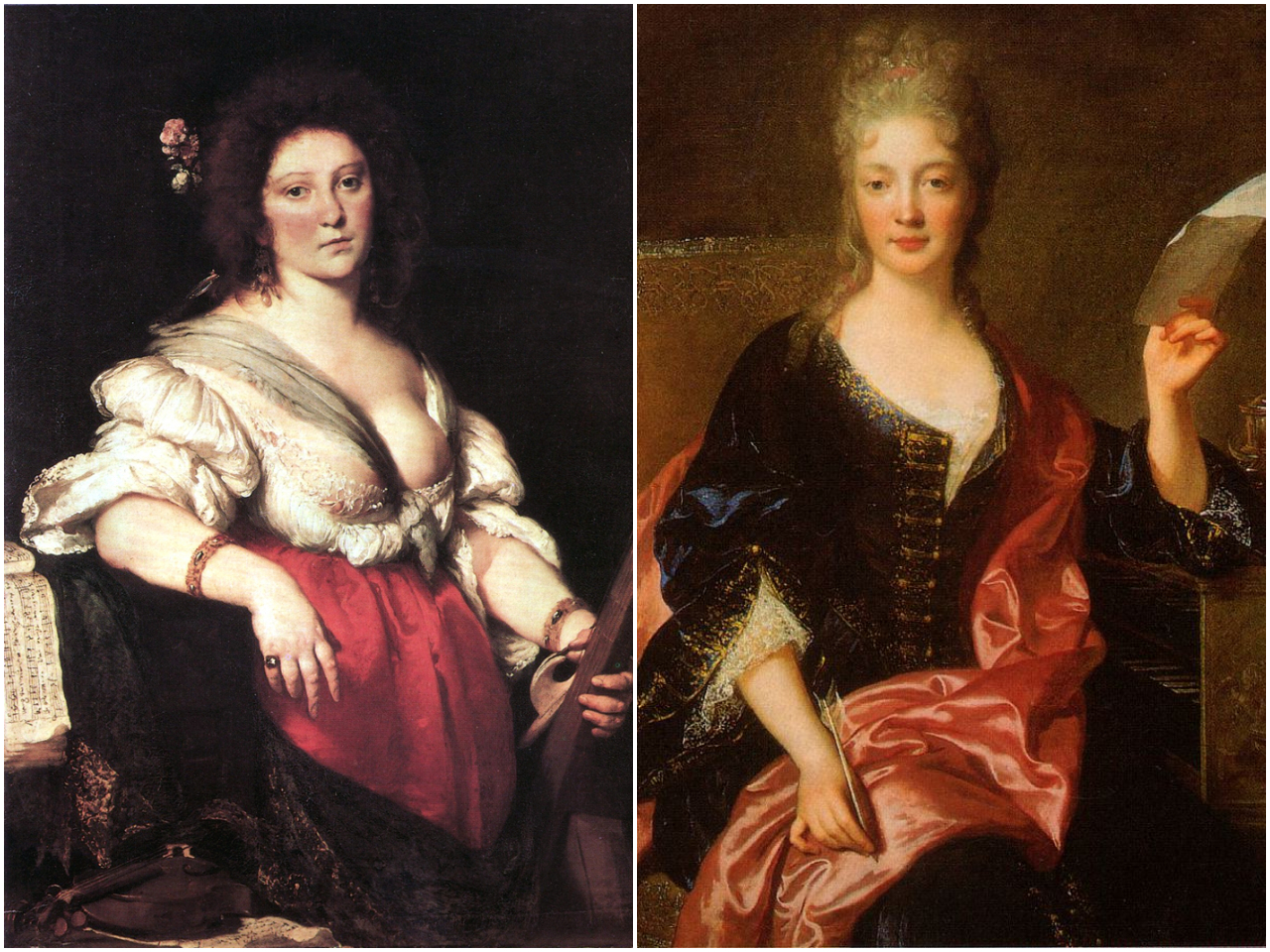
Titled “The Feminine Divine,” the program features works by Barbara Strozzi (1619–1677), Elisabeth Jacquet de la Guerre (1665–1729), Francesca Caccini (1587–1641?), and Isabella Leonarda (1620–1704). The performance will be directed by Zachary Carrettin and feature soprano Sarah Moyer and mezzo-soprano Claire McCahan. 

Other guest artists will be Minneapolis-based harpsichordist Tami Morse and cellist Joseph Howe, performing with members of CORE. Carrettin will perform as violinist.

Composers Barbara Strozzi and Elisabeth Jacquet de la Guerre

The most renowned composer on the program, Strozzi published eight volumes of music during her lifetime, and at one point had more secular music in print than anyone else in Europe. She accomplished this as an independent artist, without the usual aristocratic support that most musicians of her era depended upon.

Strozzi first came to prominence as a singer, having been recognized for her virtuosity in her teens. Her first volumes of published music, titled Bizzarrie poetiche (poetic oddities), appeared before she turned 20. Although she dedicated her volumes of published music—all but one using secular texts—to prominent members of the nobility, she never received regular patronage from any of them.

Jacquet de la Guerre came from a family of musicians and instrument makers. An accomplished harpsichordist who performed at the French court of Louis XIV, she composed vocal music, including dramatic cantatas and songs, as well suites for harpsichord and sonatas for violin and harpsichord.  

Francesca Caccini was the daughter of the important composer of early operas, Giulio Caccini. She spent most of her life in service to the Medici Court in Florence. Most of her music has disappeared, including several staged works written for the court. Today she is remembered as the first woman to write an opera, and for a collection of solo songs and duets with basso continuo.

The least known of the four women composers, Leonarda spent most of her life in an Ursuline convent in Novara, Italy. While living in the convent she wrote about 200 compositions, including vocal motets, and instrumental sonatas that are notable for their unusual structure of as many as 13 separate movements. 

# # # # #

“The Feminine Divine”
Compass Resonance Ensemble (“CORE”)
Zachary Carrettinn, director and violin; Tami Morse, harpsichord; and Joseph Howe, cello
With Sarah Moyer, soprano, and Claire McCahan, mezzo-soprano

Music by Barbara Strozzi, Elisabeth Jacquet de la Guerre, Francesca Caccini, and Isabella Leonarda

4 p.m. Saturday, March Dairy Arts Center

TICKETS

# # # # #

The world renowned Takács Quartet, comprising artists in residence and Christoffersen Fellows at CU-Boulder, is currently celebrating its 50th anniversary year.

Between teaching duties and an international touring schedule, they will present one of their campus concerts Sunday and Monday in Grusin Music Hall (March 9 and 10; details below). After 50 years, one of the original members of the Takács still plays with the quartet, cellist András Fejér. Currently performing with him are violinists Edward Dusinberre and Harumi Rhodes, and violist Richard O’Neill.

Paul Hindemith. Portrait by Rudolf Heinisch

Joining them for the March program, soprano and CU music faculty member Jennifer Bird-Arvidsson will perform Hindemith’s Four Songs, Melancholie, with the quartet. Bartók’s String Quartet No. 3 and Beethoven’s String Quartet in F major, op. 135, complete the program.

Hindemith served as a German soldier in the trenches near the end of Word War I. After the war he set four poems from a book by Christian Morgenstern titled Melancholie. The poems and the music reflect Hindemith’s feelings in the years after war, when he wrote to a friend “Everything is dreary and empty. I am deathly sad.” Hindemith dedicated Melancholie, one of his earliest and least known works, to a friend who died in the war.

As the last of his string quartets, Beethoven’s op. 135 comes from the opposite end of the composer’s life from Hindemith’s songs, and stands opposite to them in mood. Surprisingly one of Beethoven’s most cheerful and straightforward works—coming after other late quartets that explore unusual musical forms complex musical styles—Op. 135 shows the standard four movement layout for quartets, symphonies and other works.

Beethoven wrote to his publisher that this would be his last quartet, and headed the last movement “Der schwer gefasste Entschluss” (the difficult decision), suggesting that it was hard to give up a genre that he had explored throughout his life. Below that written title, the movement begins with three three-note motives that form its major themes. Under the musical notes, Beethoven wrote “Muss es seen? Es muss sein! Es muss sein!” (Must it be? It must be! It must be!)

The central piece on the program is Bartók, whose music has also played a central role in the 50-year history of the Takács Quartet, founded by four Hungarian string students. They have recorded the full set of six quartets twice and performed them frequently on tour. The shortest of Bartok’s quartets, the Third has a single movement divided into four parts that do, and don’t, recall the standard four-movement structure. 

# # # # #

Takács Quartet
With Jennifer Bird-Arvidsson, soprano

  • Paul Hindemith: “Melancholie,” Four Songs, op. 13
  • Bartók: String Quartet No. 3
  • Beethoven: String Quartet in F Major, op. 135

4 p.m. Sunday, March 9
7:30 p.m. Monday, March 10

Grusin Music Hall

In-person and streaming tickets available HERE.

Colorado Music Festival announces summer 2025 season

Two ninth symphonies among highlights

By Peter Alexander Jan 22 at 11:25 a.m.

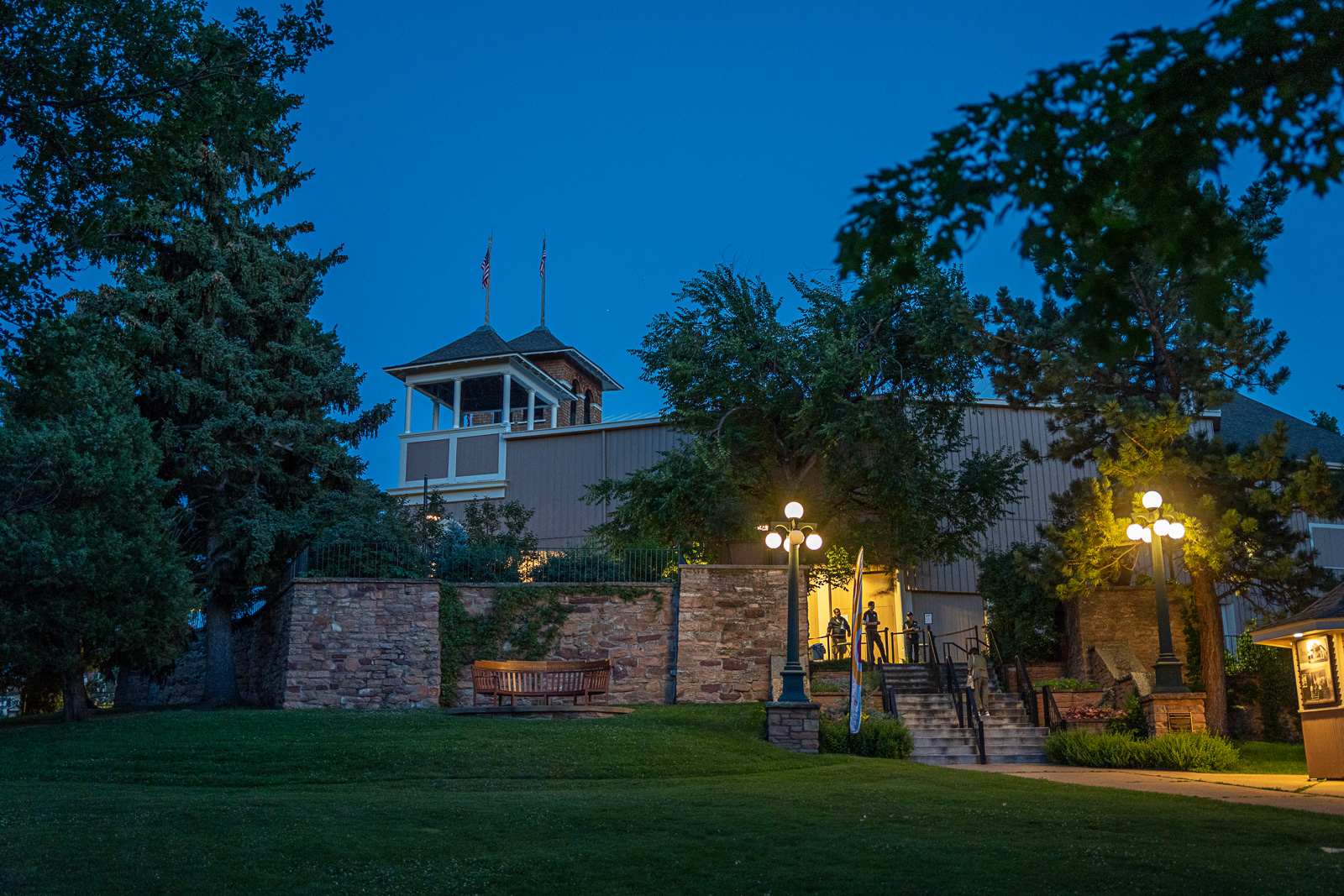
The Colorado Music Festival (CMF) has announced its summer schedule of concerts at the Chautauqua Auditorium in Boulder. 

Chautauqua Auditorium. Photo by Geremy Kornreich

The season of 19 concerts will culminate with performances of two different ninth symphonies: Beethoven’s masterpiece, featuring the “Ode to Joy” finale, July 31 and August 1; and Mahler’s Ninth Aug. 3. Both are their composer’s last completed symphony, which has given a special mystique to the number of the “Ninth Symphony.”

Other highlights during the summer include appearances by outstanding solo artists, including pianist Hélène Grimaud playing the Gershwin Concerto in F on the opening night concert July 3 and 6; saxophonist Steven Banks playing the world premiere of Joan Tower’s Love Returns for saxophone and orchestra; and violinist Anne Akiko Meyers playing Eric Whitacre’s Murmur, a CMF co-commission written for her. 

Two birth anniversaries will be celebrated during the summer: Ravel’s 150th, with performances of  Daphinis et Chloé, Suite No. 2 and Bolero on the opening concert program, and Aaron Copland’s 125th with a performance of Appalachian Spring on July 17 and 18 and An Outdoor Overture on July 11.

Some younger, rising artists will be featured this summer. Classical guitarist Xuefei Yang will perform Rodrigo’s popular Concierto de Aranjuez July 27. Violinist Benjamin Beilman and conductor Chloé van Soeterstède will appear on an all-Mozart program July 13. Cellist Hayoung Choi and conductor Maurice Cohn will perform July 20, and pianist Yeol Eum Son will appear with conductor Ryan Bancroft July 24 and 25.

This year’s Family Concert, presented at 10:30 a.m. July 6, will be an orchestral mystery, “Sherlock Holmes and the Case of the Missing Maestro.” Shira Samuels-Shragg will conduct the program, in which all of the musicians are suspects and Sherlock Holmes must investigate each of the instrument families.

All of the CMF’s summer concerts and programs are listed below. Tickets to the 2025 Festival will be available for purchase beginning March 4. For information or to purchase tickets for the 2025 festival, visit the CMF Web page, or call the Chautauqua box office at 303-440-7666.

# # # # #

Colorado Music Festival, Peter Oundjian, music director
2025 Summer Season
All performances in Chautauqua Auditorium

Peter Oundjian and the CMF Orchestra. Photo by Geremy Kornreich, 2023

Opening Night
Festival Orchestra, Peter Oundjian, conductor
With Hélène Grimaud, piano

  • Stravinsky: Feu d’artifice (Fireworks)
  • Gershwin: Piano Concerto in F
  • Ravel: Daphnis et Chloé, Suite No. 2
    Bolero

7:30 p.m. Thursday, July 3
6:30 p.m. Sunday, July 6

Family Concert
Festival Orchestra, Shira Samuels-Shragg, conductor

  • Sherlock Holmes and the Case of the Missing Maestro

10:30 a.m. Sunday, July 6

Chamber Music Concert
Colorado Music Festival musicians

  • Schubert: String Trio in B-flat major, D471
  • Prokofiev: Quintet in G minor, op. 39
  • Brahms: Piano Quartet No. 3 in C minor, op. 60

7:30 p.m. Tuesday, July 8

Festival Orchestra Concert
Peter Oundjian, conductor
With Steven Banks saxophone

  • Copland: An Outdoor Overture
  • Joan Tower: Love Returns for saxophone and orchestra (world premiere)
  • Brahms: Symphony No. 1 in C minor, op. 68

7:30 p.m. Thursday, July 10
6:30 p.m. Friday, July 11

An Evening of Mozart
Festival Orchestra, Chloé van Soeterstède, conductor
With Benjamin Beilman, violin

  • Mozart: Overture to Don Giovanni
    —Violin Concerto No. 5 in A major, K219 (“Turkish”)
    —Overture to Le Nozze di Figaro (The Marriage of Figaro)
    —Symphony no. 34 in C major, K338

6:30 p.m. Sunday, July 13

Chamber Music Concert
Brentano String Quartet

  • Schubert: Quartet in A minor, D804 (“Rosamunde”)
  • Anton Webern: Five Movements for String Quartet, op. 5
  • Brahms: String Quartet No. 3 in B-flat major, op. 67

7:30 p.m. Tuesday, July 15

Festival Orchestra Concert
Peter Oundjian, conductor
With Anne Akiko Meyers, violin

  • Copland: Appalachian Spring
  • Eric Whitacre: Murmur (CMF co-commission)
  • Ravel: Tzigane
  • Berlioz: Overture to Béatrice et Bénédict
  • Tchaikovsky: Romeo and Juliet Fantasy Overture

7:30 p.m. Thursday, July 17
6:30 p.m. Friday, July 18

Festival Orchestra Concert
Maurice Cohn, conductor
With Hayoung Choi, cello

  • Respighi: Gli uccelli (The birds)
  • Tchaikovsky: Variations on a Rococo Theme, op. 33
  • Beethoven: Symphony No. 1 in C major, op. 21

6:30 p.m. Sunday, July 20

Chamber Music Concert
Colorado Music Festival musicians

  • Nico Muhly: Doublespeak (2012)
  • Mozart: Quintet for piano and winds in E-flat major, K452
  • Dvořák: String Quintet No. 3 in E-flat major, op. 97

7:30 p.m. Tuesday, July 22

Festival Orchestra Concert
Ryan Bancroft, conductor
With Yeol Eum Son, piano

  • Sofia Gubaidulina: Fairytale Poem (Märchenpoem, 1971)
  • Beethoven: Piano Concerto No. 3 in C minor, op. 37
  • Shostakovich: Symphony No. 10

7:30 p.m. Thursday, July 24

6:30 P.M. Friday, July 25

Festival Orchestra Concert
Peter Oundjian, conductor
With Xuefei Yang, guitar

  • Zoltán Kodály: Dances of Galánta
  • Joaquin Rodrigo: Concerto de Aranjuez
  • Schubert: Symphony No. 5 in B-flat major, D485

6:30 p.m. Sunday, July 27

Chamber Music Concert
Dover Quartet

  • Leoš Janáček: String Quartet No. 1 (“Kreutzer Sonata”)
  • Schumann: String Quartet No. 1 in A minor, op. 41
  • Tchaikovsky: String Quartet No. 1 in D major, op. 11

7:30 p.m. Tuesday, July 29

Festival Orchestra Concert
Colorado Music Festival orchestra and the St. Martin’s Festival Singers
Peter Oundjian, conductor
With Lauren Snouffer, soprano; Abigail Nims, mezzo-soprano; Issachah Savage, tenor; and Benjamin Taylor, baritone

  • Michael Abels: Amplify (CMF co-commission)
  • Beethoven: Elegischer Gesang (Elegiac song), op. 118
    —Symphony No. 9 in D minor, op. 125

7:30 p.m. Thursday, July 31
6:30 p.m. Friday, Aug. 1

Festival Finale
Colorado Music Festival Orchestra, Peter Oundjian, conductor

Mahler: Symphony No. 9

6:30 p.m. Sunday, Aug. 3

GRACE NOTES: Chamber music on the weekend

Music for winds from the BCO, quartets and quintet from the Takács Quartet

By Peter Alexander Jan. 10 at 1:45 p.m.

The Boulder Chamber Orchestra (BCO) will present a program of French music for piano and winds for its third Mini-Chamber program of the season Saturday (7:30 p.m. Jan. 11; details below).

The orchestra’s current artist-in-residence, pianist Jennifer Hayghe, will be joined by members of the BCO to perform works by Vincent d’Indy, Albert Roussel, Francis Poulenc, Florent Schmitt and Louise Farrenc.

BCO artist in residence Jennifer Hayghe

The program that was curated by Hayghe offers an opportunity to hear pieces and composers that are little known to American audiences. French music in particular is less often programmed here than German and Austrian works. The least familiar, and the earliest of the composers is Farrenc, who lived in the 19th century. A successful concert pianist, she became the first woman to hold a permanent position at the Paris Conservatory, which she maintained for 30 years, from 1842 to 1872.

All the other composers lived and worked in the 20th century. The most familiar is probably Poulenc, who died in 1963. Known for his opera Dialogues des Carmélites (Dialogue of the Carmelites), his Organ Concerto and his choral Gloria, he also wrote a large number of pieces for chamber ensembles.

The other three composers—d’Indy, Roussel and Schmitt—were active in the first half of the 20th century. Offering a rare taste of a time and place that rarely shows up in concert programs in the U.S., Mini-Chamber 3 is a welcome opportunity for the chamber music audience to expand their horizons beyond the routine.

# # # # #

Boulder Chamber Orchestra Mini-Chamber 3
Jennifer Hayghe, artist in residence, piano
With Rachelle Crowell, flute; Brittany Bonner, one; Kellan Toohey, clarinet; Kaori Uno-Jack, bassoon; and Devon Park, horn

  • Vincent d’Indy: Sarabande et menuet, op. 72
  • Albert Roussel: Divertissement, op. 6
  • Francis Poulenc: Trio for oboe, bassoon and piano
  • Florent Schmitt: Sonatine en trio, op. 85
  • Louise Farrenc: Sextet in C minor, op. 40

7:30 p.m. Saturday, Jan. 11
Boulder Adventist Church, 345 Mapleton Ave., Boulder

TICKETS

# # # # #

The Takács Quartet will be joined by pianist Margaret McDonald to present one of the preeminent chamber works of the 19th century, Brahms’s Quintet in F minor for piano and strings.

The program will also feature Beethoven’s early String Quartet No. 1 in F major, op. 18 no. 1—actually the second quartet of the set to be written—and the String Quartet no. 1 by Stephen Hough, which was written for the Takács.

Hough’s quartet was first written to be heard alongside the Ravel String Quartet and Ainsi la nuit (Thus the night), a string quartet by the French composer Henri Dutilleux. Hough subtitled the quartet “Les Six Rencontres” (The six re-encountered), a reference to a group of early 20th-century composers active in France that did not include either Ravel or Dutilleux. Hough wrote that the subtitle “has in it a pun and a puzzle: the six movements as an echo of ‘Les Six,’ although there are no quotes or direct references from those composers; and ‘encounters’ which are unspecified.”

Margaret McDonald, guest pianist with the Takács Quartet

The six movements of the quartet have titles that indicate places, presumably in the Montparnasse district of Paris, where an encounter with a composer from “The Six” might have occurred: On the boulevard, in the park, at the hotel, at the theater, in the church and at the market. The Takács Quartet premiered “Les Six Rencontres” in Costa Mesa, Calif., Dec. 8, 2021.

One of the best known major pieces of chamber music from the 19th century, Brahms F minor Piano Quintet evolved through several forms before being finished as a quintet. It was first written as string quintet, a version that the composer later destroyed, and then as a duet for two pianos, and finally as a quintet for string quartet with piano. All of this stretched over six years, prior to the Quintet’s premiere in 1868.

# # # # #

Takács Quartet
With Margaret McDonald, piano

  • Beethoven: String Quartet in F Major, op. 18 no. 1
  • Stephen Hough: String Quartet No. 1, “Les Six Rencontres” (The six re-encountered)
  • Johannes Brahms: Piano Quintet in F Minor, op. 34

4 p.m. Sunday, Jan. 12
7:30 p.m. Monday, Jan. 13
Grusin Music Hall

In-person and streaming TICKETS

GRACE NOTES: Chamber music from the Baroque to 20th century

Events presented by The Academy, Boulder Bach and Boulder Chamber Orchestra

By Peter Alexander Oct. 16 at 10:33 a.m.

The Academy, University Hill will present pianist Eugene Gaub and violinist Nancy McFarland Gaub performing in their Chapel Hall Friday evening (7 p.m. Oct. 18; details below).

Their performance of works by Beethoven and César Franck will be free, but audience members are asked to RSVP in advance. Eugene Gaub will perform Beethoven’s late Piano Sonata No. 28 in A major op. 101, and together they will perform Franck’s Sonata in A major for violin and piano. 

Eugene Gaub is emeritus professor of music at Grinnell College in Iowa, where he taught music theory and courses in music history from 1995 to 2022. A graduate of the Juilliard School, he holds a doctorate and performer’s certificate from the Eastman School of Music.

The manuscript of Beethoven’s Piano Sonata No. 28

Throughout her career, violinist and composer Nancy McFarland Gaub has performed as a soloist, chamber and orchestral musician in the U.S., Europe and Africa. She also was an artist-in-residence and taught violin and chamber music at Grinnell College for 25 years.

Composed in 1816, Beethoven’s Piano Sonata No. 28 is considered the beginning of his third and final period of composition. The composer himself called the sonata “a series of impressions and reveries.” When he wrote the sonata he was almost totally deaf, only able to communicate with friends through the notebooks that he kept for the remainder of his life. This isolation may be the reason that, like the other late sonatas, No. 28 creates a sense of intimacy.

Franck wrote his Violin Sonata in 1886 as a wedding gift for the violinist Eugène Ysaÿe. The public premiere of the sonata, given by Ysaÿe with the pianist Marie-Léontine Bordes-Pène has become something of a legend. It was the last piece on a long program given at the Museum of Modern Painting in Brussels. By the time the performers started the Sonata, it was already dusk, but the museum did not allow artificial light. Ysaÿe and Bordes-Pène had to complete the performance from memory in the darkened room. 

From that auspicious beginning, the Sonata has become one of the most revered sonatas for violin and piano, and one of Franck’s best known works.

# # # # #

Eugene Gaub, piano, and Nancy McFarland Gaub, violin

  • Beethoven: Piano Sonata No. 28 in A major, op. 101
  • César Franck: Sonata in A major for violin and piano

7 p.m. Friday, Oct. 18
Chapel Hall, The Academy University Hill, Boulder

Free; RSVP HERE

# # # # #

The Boulder Bach Festival will present its COmpass REsonance (CORE) ensemble and guest artists in a program of music by relatively little known Baroque composers Saturday at the Dairy Arts Center (4 p.m. Oct. 19 in the Gordon Gamm Theater; details below).

Featured artists will be the festival’s director, violinist Zachary Carrettin and 10-string guitarist Keith Barnhart, a member of the CORE ensemble. They will be joined by Chris Holman, harpsichord; Joseph Howe, cello; and guest artist soprano Mara Riley.

With little known composers, the program provides an opportunity to explore an intriguing and idiosyncratic segment of music history. The performers will play and sing music of the early Baroque period, in a style known as the stile moderno (modern style) that represented a striking departure from the music of the late Renaissance. 

Many of the composers included on the program were themselves virtuoso performers, and their works expanded the possibilities of both instrumental and vocal music. The composers on the program are Alessandro Stradella, Nicola Matteis, Marco Uccellini, Johann Heinrich Schmelzer, Giuseppi Maria Jacchini, Silvia Leopold Weiss and Tarquinio Merula.

# # # # #

“Passion and Poetry“
Boulder Bach Festival CORE Ensemble, Zachary Carrettin, music director/violinist
With Keith Barnhart, 10-string guitar; Chris Holman, harpsichord; Joseph Howe, cello; and Mara Riley, soprano

  • Works by Alessandro Stradella, Nicola Matteis, Marco Uccellini, Johann Heinrich Schmelzer, Giuseppi Maria Jacchini, Silvia’s Leopold Weiss and Tarquinio Merula

4 p.m. Saturday, October 19
Gordon Gamm Theater, Dairy Arts Center

TICKETS

# # # # #

Boulder Chamber Orchestra’s Mini-Chamber I, their first concert of chamber music for the 2024–25 season, will feature music by Beethoven, British composer Frank Bridge, and French composer Lili Boulanger Saturday (7:30 p.m. Oct. 19 at the Boulder Adventist Church; details below).

The program is the first in a series of four Mini-Chamber performances that will be presented by the Boulder Chamber Orchestra (BCO). Three of the performances, including Oct. 19, will feature the BCO’s artist in residence for the current season, pianist Jennifer Hayghe. For the first program she will be joined by orchestra members Sarah Whitnah, violin, and Andrew Brown, cello, for a program of music for piano trio. 

English composer Frank Bridge is remembered today mostly as the teacher of Benjamin Britten, who honored the older composer with his “Variations on a Theme of Frank Bridge” for strings. Bridge wrote three sets of miniatures for piano trio, from which Hayghe has chosen four pieces for this program. They were written for one of Bridge’s violin students, but critics have suggested that they are too sophisticated to be considered “student works.” 

The younger sister of the music teacher Nadia Boulanger, Lili died at the tragically young age of 24. The first female winner of the Prix de Rome composition prize, Lili showed precocious musical talent as young as four, when she accompanied her older sister to classes at the Paris Conservatoire. Her music has recently become better known.

Jennifer Hayghe

Written in 1918, D’un matin de printemps (Of a spring morning) was one of the last works she completed. It was written in versions for solo violin, flute, and piano, for piano trio, and for orchestra. 

One of the most tuneful and frequently performed of Beethoven’s works, the Piano Trio Op. 97 is known as the “Archduke Trio.” It was dedicated to Archduke Rudolph of Austria, later the Archbishop of Olomouc (Olmütz) and a Catholic Cardinal. An amateur pianist, Rudolph was a patron and composition student of Beethoven, who dedicated several major works to him, including his Piano Concerto No. 5 (“Emperor”) and the Missa Solemnis.

The Trio was composed 1810–11, toward the end of Beethoven’s so-called “heroic” middle period of compositions. Written at a time when the composer was in unusually good spirits, the Trio has none of the angst or fierce drive of his Fifth Symphony and other music we associate with the more rebellious aspect of his character. It is composed in a traditional but expansive four-movement sonata form.

# # # # #

Mini-Chamber I
Jennifer Hayghe, piano, with members of the BCO

  • Frank Bridge: Miniatures for Piano Trio, Nos. III–IV–V–VIII
  • Lili Boulanger: D’un matin de printemps (Of a spring morning)
  • Beethoven: Piano Trio in B-flat major, op. 97 (“Archduke”)

7:30 p.m. Saturday, Oct. 19
Boulder Adventist Church

TICKETS

New and familiar works from the Boulder Chamber Orchestra

BCO launches 20th anniversary season that will take them to Carnegie Hall

By Peter Alexander Oct. 1 at 2:50 p.m.

About 20 years ago, Bahman Saless was standing in a church basement, getting ready to conduct his first concert ever.

“We started with just an idea, and I had never conducted before. We only had two professional players (in the orchestra) and didn’t know who was going to come. It was a complete surprise—it was standing room only!”

Bahman Saless leading the Boulder Chamber Orchestra

That successful idea, which became the Boulder Chamber Orchestra (BCO), celebrates its 20th anniversary this year, starting with a concert at the Boulder Adventist Church Sunday (7:30 p.m. Oct. 6; details below) and culminating with with a concert at Carnegie Hall in New York May 18 (7:30 p.m.; details HERE).

To open the anniversary year, Saless decided to write a piece celebrating Colorado, titled Ode to the Rocky Mountains. Although he has rarely programmed his own music before, he had several years of experience writing and scoring film music in Hollywood before he started the BCO.  “I did a lot of (uncredited) trailers for Hollywood films at Universal Studios,” he says.

To start the season, “I thought what’s better than something that celebrates Colorado?” Saless says. “I wrote a little piece that’s based on the two Colorado state songs, ‘Where the Columbine Grow’ and ‘Rocky Mountain High.’ It has five episodes that represent our own experience every time we go to the mountains.”

In the space of about five and half minutes, its five episode are: “Entering the Boulder Valley off Highway 36, heading West to the Mountains,” “Resting by the Brook in the Meadow,” “Playful Wildlife Amidst the Columbine,” “The Grand Landscape is to Behold,” and “Homeward Bound.”

The remainder of the opening concert program is all Beethoven: The Violin Concerto, featuring Edward Dusinberre of the Takács Quartet as soloist, and the Seventh Symphony. The concerto was chosen because Dusinberre had played with the orchestra before, and he suggested Beethoven for this concert. “He did the Brahms Concerto with us last year, and he did Mozart the previous year, so he’s going through the concerti,” Saless says.

Violinist Edward Dusinberre

Saless is especially thrilled to perform the Beethoven Concerto with Dusinberre. “It’s one of these pieces that I am very picky about who I would perform it with,” he says. “I think it requires a certain amount of maturity, no matter how good technically someone is. To play it with Ed is like a dream come true!”

As for the Seventh Symphony, Saless selected it to go on the Carnegie Hall program and then decided to open the season with it as well. “I wanted to do something (in New York) that I thought we could do really well, and would fit the programming (for the opening concert),” he says. “I thought, what could we do that I would feel comfortable, because I connect to it. If I’m going to go to Carnegie Hall and my legs are going to be shaking of nervousness, I need something that I could literally do in my sleep. So I picked Seven.”

He also wants the players to be comfortable. “If you’re going to perform in Carnegie Hall, you want a piece that you’ve already done during that season,” he says. “(That means) a smaller amount of preparation (later), and everybody feels less nervous.”

He also thinks you have to be a little bit crazy to perform the Seventh Symphony, but, he says, “I qualify!” Often noted for its dance-like rhythms, the Seventh Symphony is almost obsessive in repeating those rhythms. Saless calls it “borderline personality disorders in music, obsessive and frenetic.”

The powerful slow movement alternates a series of chords that underlay a mournful melody in a minor key with a bright theme in major. “It’s like (Beethoven) is trying to write a piece that is not a funeral march but sounds like one,” Saless says. “It’s kind of conflicted, and I find that very interesting.”

Saless faced a logistical complication in planning the season. As much as possible, he wanted to have the same players during the season as in New York. But he had to schedule around rehearsals and performance of the Colorado Ballet, because so many of his best players were also in their orchestra. 

“I have to literally set up my schedule based on Colorado Ballet,” he says. BCO’s musicians, like all orchestras in Boulder, are free-lance players and Colorado Ballet pays very well. And every ballet production has numerous rehearsals and performances, all of which had to be scheduled around.

The New York appearance was made possible by a sponsor who was willing to underwrite both the orchestra and piano soloist Adam Żukiewicz playing in New York. Żukiewicz, who appeared on one of the BCO’s Mini-Chamber Concerts in January, and returns for another chamber concert Nov. 23 (7:30 p.m.; see the BCO season schedule HERE) will play a concerto with the orchestra in Carnegie Hall.

# # # # #

“Titanic Journey”
Boulder Chamber Orchestra, Bahman Saless, conductor
With Edward Dusinberre, violin

  • Bahman Saless: Ode to the Rocky Mountains
  • Beethoven: Concerto in D major for violin and orchestra
    —Symphony No. 7 in A major

7:30 p.m. Sunday, Oct. 6
Boulder Adventist Church, 345 Mapleton Ave.

TICKETS

Takács String Quartet celebrates its 50th season

Mutual respect, love of music and supportive audiences inspire the players

By Peter Alexander Sept. 12 at 9:14 p.m.

Fifty years is a long time in any job, but that is the landmark that András Fejér, cellist of the world renowned Takács Quartet, is approaching as the quartet enters its fiftieth season, 

András Fejér

The Takács String Quartet was founded in Budapest in September 1975—49 years ago—and has been in residence at the CU College of Music since 1983. The only original member of the quartet still with the group, Fejér is now 70, but he shows no sign of seeking a quiet retirement.

“I’m loving it,” he says about playing in the quartet and continuing the group’s busy concert schedule around the world. “I feel passionate about it, and I cannot imagine doing anything else.”

Fejér and the other members of the quartet—first violinist Edward Dusinberre, second violinist Harumi Rhodes and violist Richard O’Neill—will take the stage at Grusin Music Hall Sunday and Monday (4 p.m. Sept. 15 and 7:30 p.m. Sept. 16) for a standard string quartet program—a 20th century quartet by Leoš Janáček, sandwiched between classical-era works by Joseph Haydn and Beethoven (see full program below). This is a standard Takács program, and Fejér says they have no special plans for the half-century celebration.

“We just do what we are trying to do—classics nicely mixed with contemporary pieces,” he says. “We try to play them as much as we can. It’s a heartwarming mission.”

Richard O’Neill

The newest member of the quartet, O’Neill feels the same way about the busy life in a world-traveling quartet. “The greatest luxury is getting to do what we do,” he says. “I really love travel, even in the worst scenarios. There are things that can go wrong nowadays, but I still get excited to pack my suitcase and go out the door.”

If he likes anything more than travel, it’s playing for the Boulder audience. “The community here is such a unique community and (Boulder is) such an incredibly beautiful place,” he says. “Every concert we’re backstage at Grusin I really like hearing all the people (in the audience) excited to be together.”

O’Neill noticed the musicians’ connection with their audience from his very first Boulder home concerts with the Takács in 2021, but the relationship has not changed over Fejér’s years in the quartet. “We found it extremely supportive here (in 1983), with a wonderfully enthusiastic audience, and that’s how we feel until this day,” he says. “We got the support and the love of the audience, and the way it makes you feel, it’s a wonderful reaction with the audience.”

With all the personnel changes over 50 years—two first violinists, two second violinists, now three violists with the one cellist—the Takács has maintained its place among the top quartets in the world. That’s not because they have one authoritative way of doing things. Fejér identifies their defining quality more in the integrity of their approach to the music. 

“The quality is the combination of expressivity, character and technique,” he says. “There are many ways to interpret the same phrase, many ways to interpret any page of any piece. We are listening to new ideas, because we feel it keeps the process fresh. As our wonderful teacher in Budapest put it, nobody has a letter from Haydn or Beethoven.

Takács String Quartet. Photo by Ian Malkin.

“We are honest, and being honest gives you a major conviction. As long as the message rings true, the audience is happy and immersed in the performance.”

That does not mean that the players always agree. “We had our fair share of arguments, especially when we were young and unwise,” he says. “But the moment we realized that there are many ways, what we can do is (say) ‘OK, in New York we try your idea, and then at Berkeley we will try my idea,‘ and then we will settle down with something. Everybody‘s happy, and then we all have a good giggle afterwards. It‘s great fun.”

O’Neill learned from the outset that every member is included in those conversations, no matter how long they have been with the group. “András could probably pull the seniority card on me, (but) he never does that,” he says.

“What I really love about the Takács is that if any one of us have a reservation, musical or personal about something that we’re doing, the quartet won’t do it. I really respect that. We’re all very distinct individuals, and of course we have our differences, but we respect each other. I think that‘s the magic combination.

“There‘s nothing like being in a group where you really get to know everyone like family,” he says. So whenever the Takács “family” walks onstage, you know they are doing what they love doing together. 

And they love the music. Of the first piece on the current program, Haydn’s Quartet in C Major, op. 54 no. 2, O’Neill says, “I have never played (the piece before), but it’s like vaudeville for music. The humor is so palpable and overt, and I love it. With Mozart, humor is either tinged with sadness or hidden in refinement, but with Haydn it’s unabashed. It’s just flat out funny. It‘s an amazing work.”

Janáček’s Quartet No. 1, however, is not humorous. Known as “The Kreutzer Sonata,” it is based on the Tolstoy novella of that name about a man who kills his wife for having an affair with a violinist with whom she plays Beethoven’s “Kreutzer” Sonata. Written by a composer of many great operas, the quartet is almost operatic in its drama and intensity.

“We adore both quartets (by Janáček),” Fejér says. “The language, the harmonies, the technical realization is so specific to Janáček. You can recognize his music right away. We are talking about murder and jealousy and seemingly idyllic music. We have everything in between idyllic and ‘I’ll kill you!’”

The final piece is one of the most loved works for string quartet, Beethoven’s Quartet in F Major, op. 59 no. 1, one of three quartets Beethoven wrote for the Russian ambassador in Vienna, Count Razumovsky. Originally regarded as audaciously long and difficult, all three are now accepted in the standard repertoire and loved by audiences.

The first of the set is in the key of F major, which in works like the Pastoral Symphony, the Symphony No. 8 and the Romance for violin, inspired some of Beethoven’s most lyrical and melodic music. That quality is evident from the very beginning of the quartet, with a long theme from the cello playing in its richest register. 

“When you start with a cello solo, how can you go wrong?” O’Neill says. “I love the piece very much.”

But equal to the music on the program is the survival of the Takács Quartet over the past 49 years, which few chamber music ensembles have matched and for which the Boulder audience shows its appreciation every year and every concert. Fejér gives what may be the best explanation for that when he says “We are like kids on the playground, enjoying the toys. 

“We are totally involved and just enjoying ourselves.”

# # # # #

Takács String Quartet

  • Haydn: String Quartet in C Major, op. 54 no. 2
  • Leoš Janáček: String Quartet No. 1, (“The Kreutzer Sonata”)
  • Beethoven: String Quartet in F Major, op. 59 no. 1 (“Razumovsky”)

4 p.m. Sunday, Sept 15 and 7:30 p.m. Monday, Sept. 16
Grusin Music Hall
Live Stream: 4 p.m Sunday, Sept. 15 until 11 p.m. Monday, Sept.

In-person and livestream TICKETS

Other fall concerts

Takács String Quartet

  • Beethoven: String Quartet in A minor, op. 132
  • Other works TBA

4 p.m. Sunday, Oct. 13 and 7:30 p.m. Monday, Nov. 4
Live Stream: 4 p.m. Sunday, Oct. 13 through Monday, Oct. 21

In-person and livestream TICKETS

Quartet Integra

4 p.m. Sunday, Nov. 3 and 7:30 p.m. Monday, Oct. 14
Live Stream: 4 p.m. Sunday, Nov. 3 through Monday, Nov. 11

In-person and livestream TICKETS