Boulder Chamber Orchestra offers small-scale Wagner, Beethoven’s “Emperor”

Pianist Jennifer Hayghe performs the first piece she ever heard

By Peter Alexander Jan. 30 at 9:45 p.m.

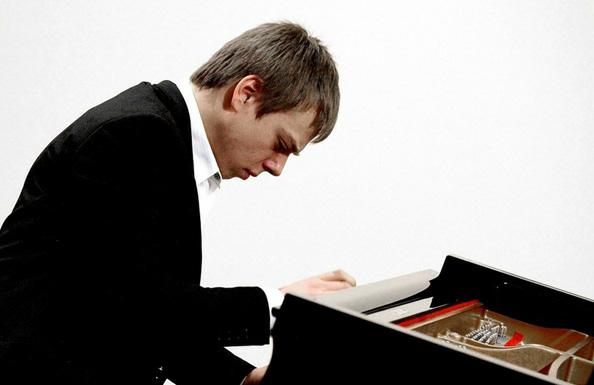
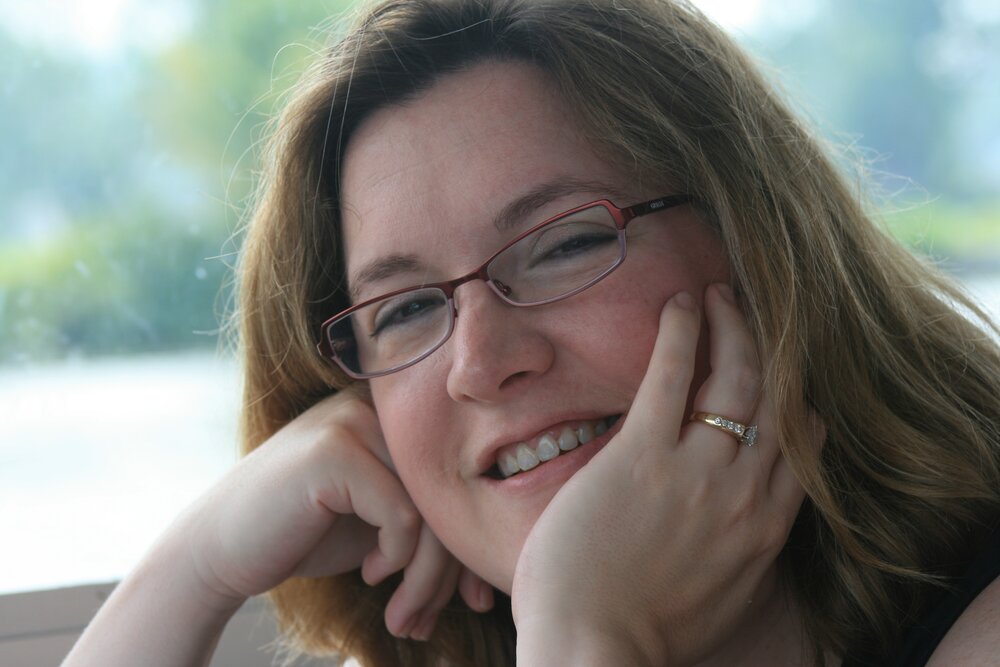
Pianist Jennifer Hayghe returns to one of the first pieces of music she ever heard when she performs Beethoven’ “Emperor” Concerto with the Boulder Chamber Orchestra and conductor Bahman Saless Saturday (7:30 p.m. Feb. 3; details below).
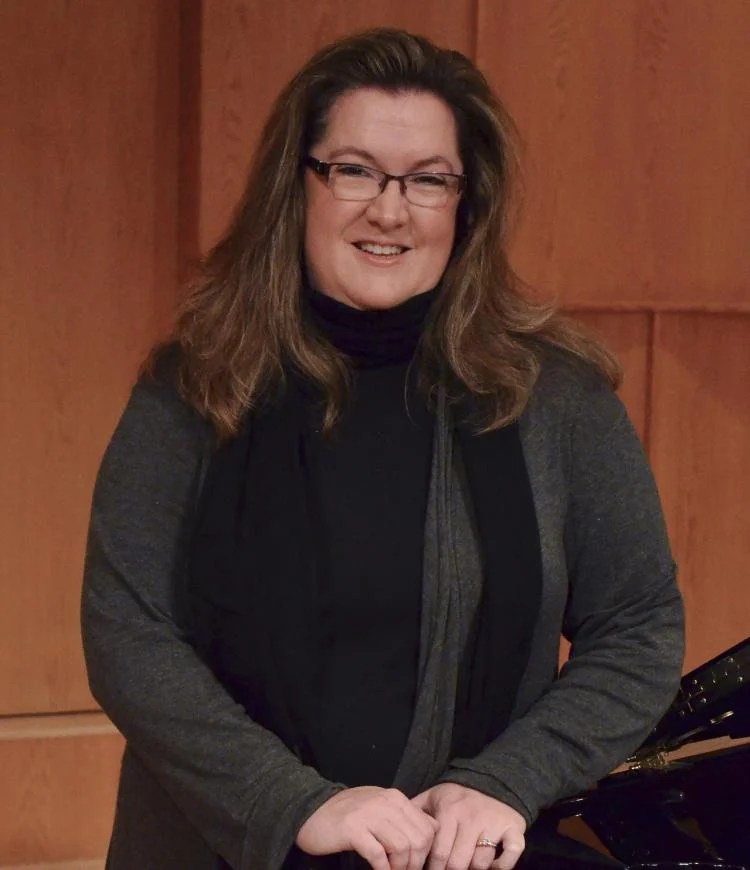
Jennifer Hayghe

“My mother was an artist and she would stay home and paint, and listen to records,” she says. “The record that she listened to the most was Arthur Rubinstein playing the ‘Emperor’ Concerto. I have know it since I was in utero!

In addition to the “Emperor”—Beethoven’s Piano Concerto No. 5 in E-flat major—the program features the Valse triste (Sad waltz) by Jean Sibelius, a melancholy piece that has often been used to create a mood for films and TV; and the only piece that Wagner wrote for small orchestra, his Siegfried Idyll.

While Hayghe admits that she doesn’t remember her earliest exposure to the concerto, she did study it in graduate school. “I think I’ve been playing this for over 30 years,” she says. “It’s very familiar to me, and it’s such a majestic piece. I’ve performed it both with chamber orchestra and with larger orchestras. I much prefer playing it with the smaller orchestra. It has a very different feel and a very different sound.

“As a pianist there are things that we have to do to project with full orchestra that you don’t have to do with chamber orchestra. So much of the piano part is really texture, as part of what the orchestra is doing. If you’re trying to create that texture with a larger orchestra, you’re playing very differently than you are if it’s a smaller orchestra and you’re able to blend in. I really enjoy playing it with the chamber orchestra.”
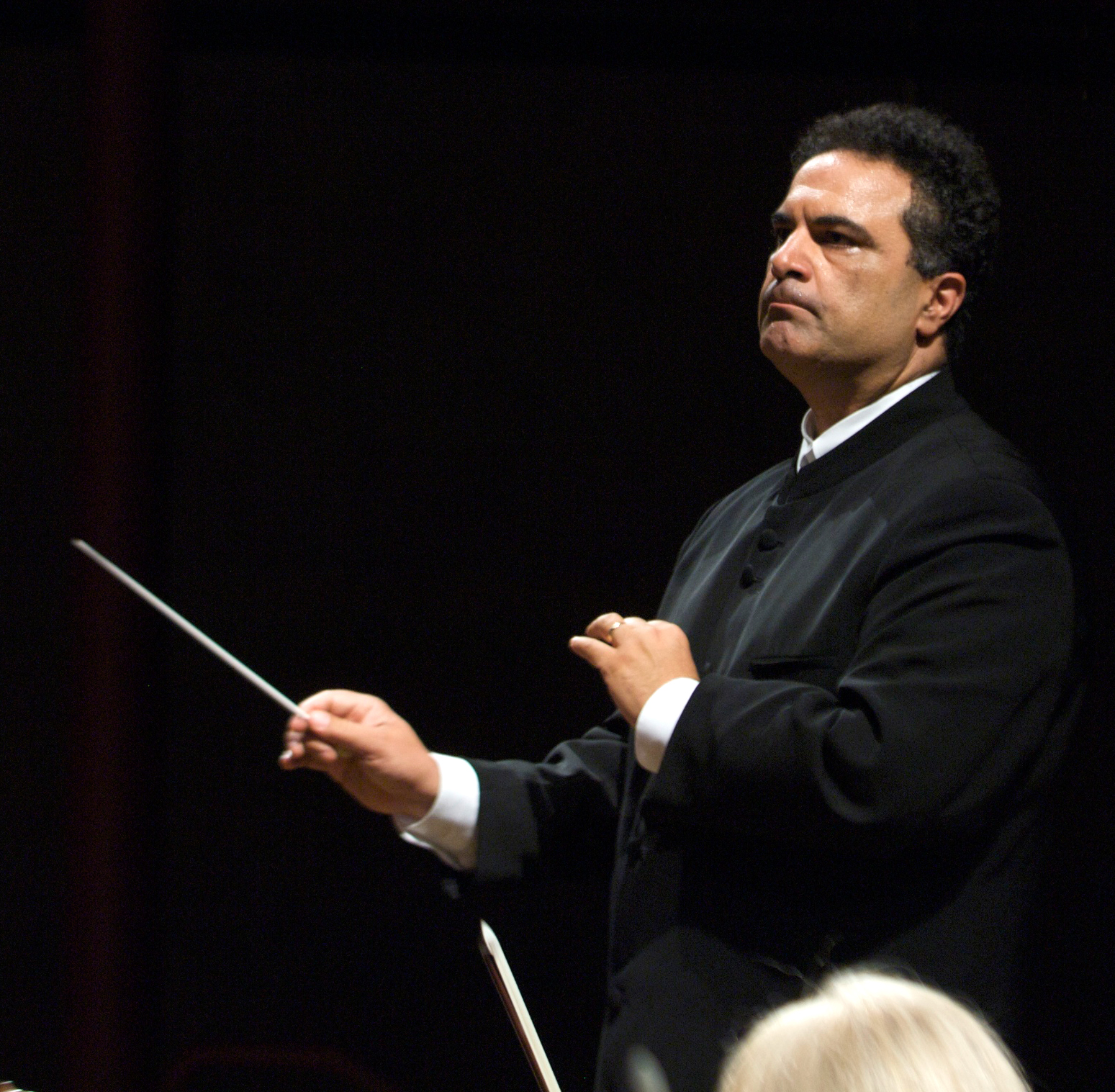
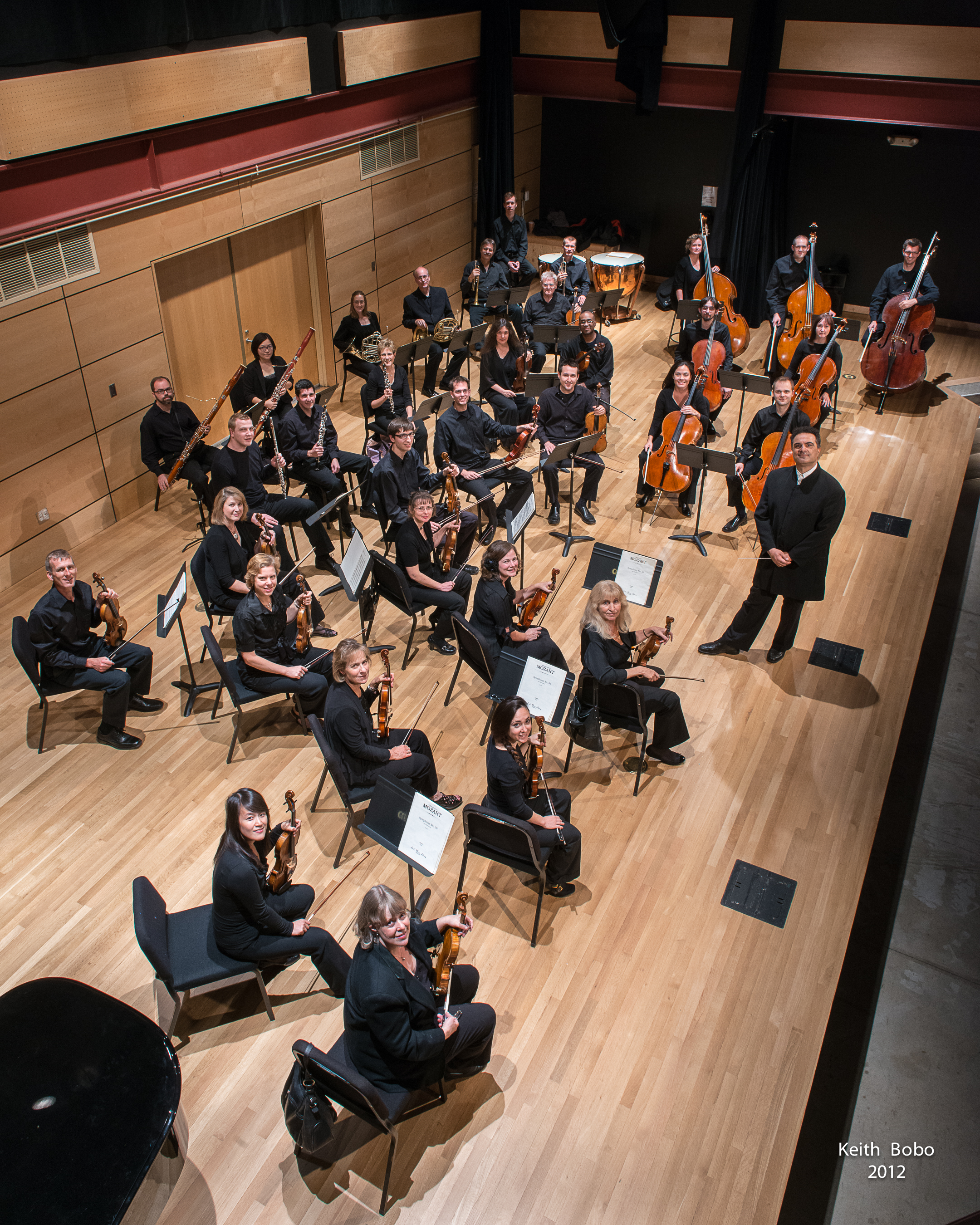
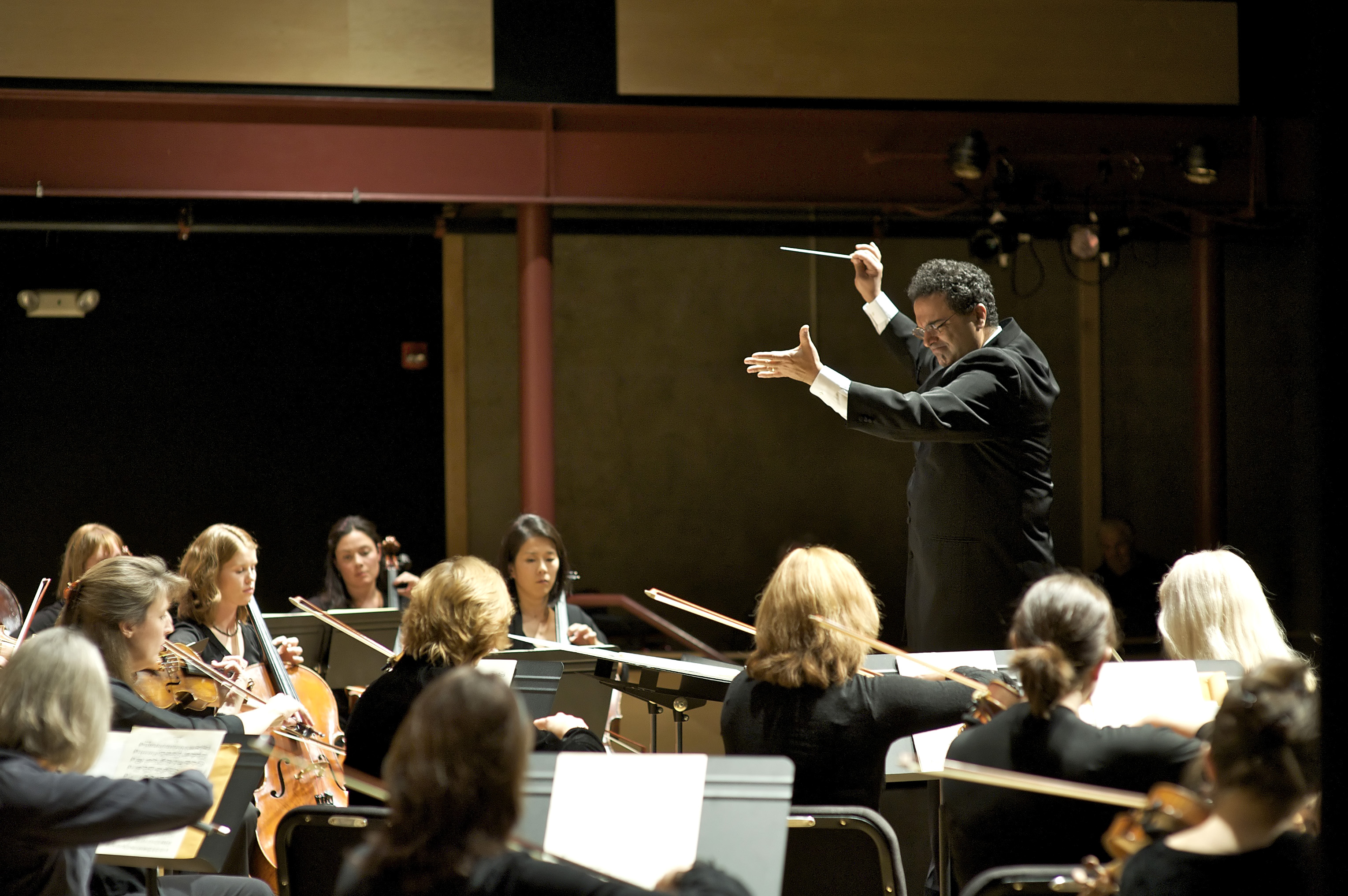
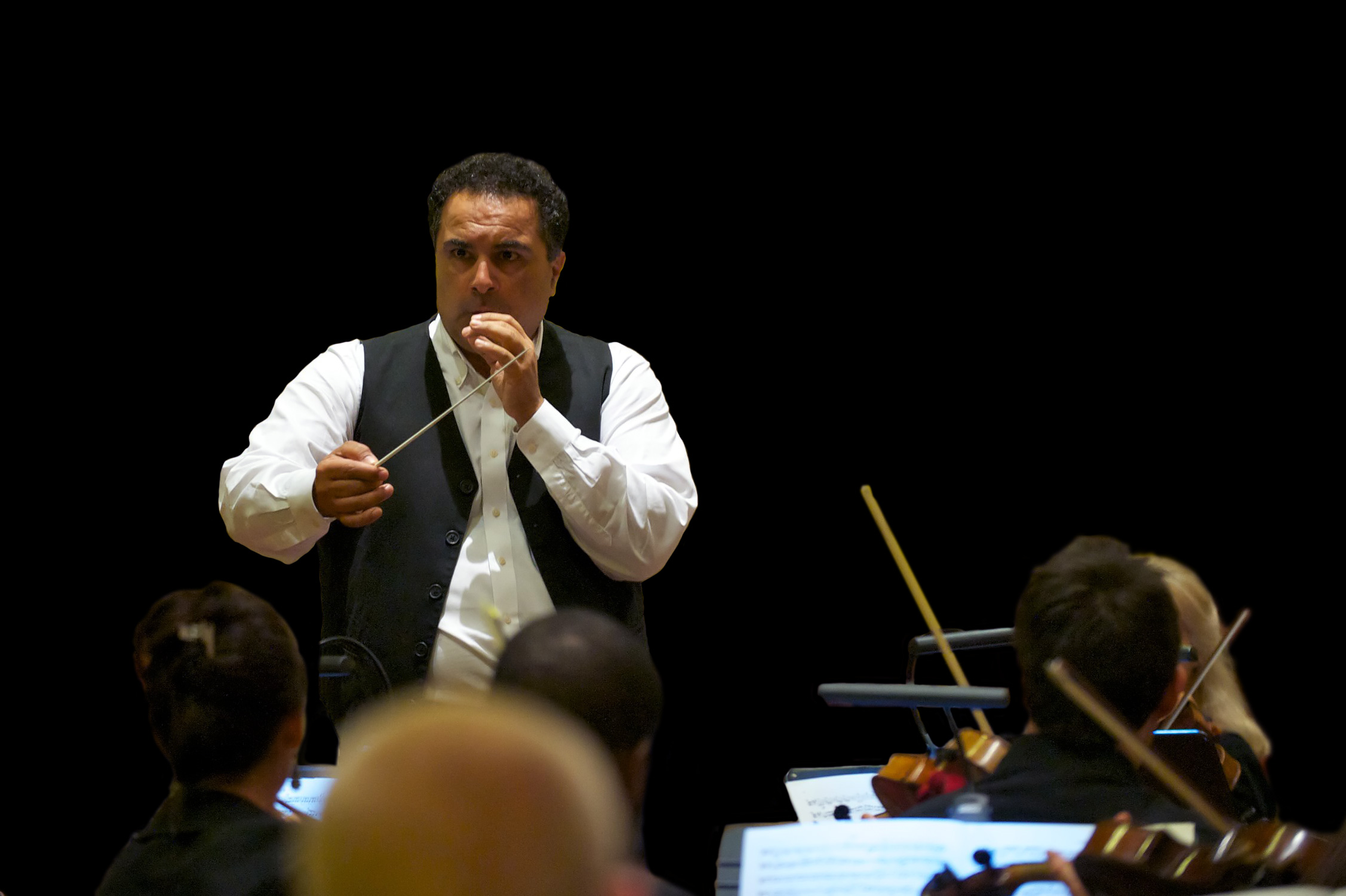
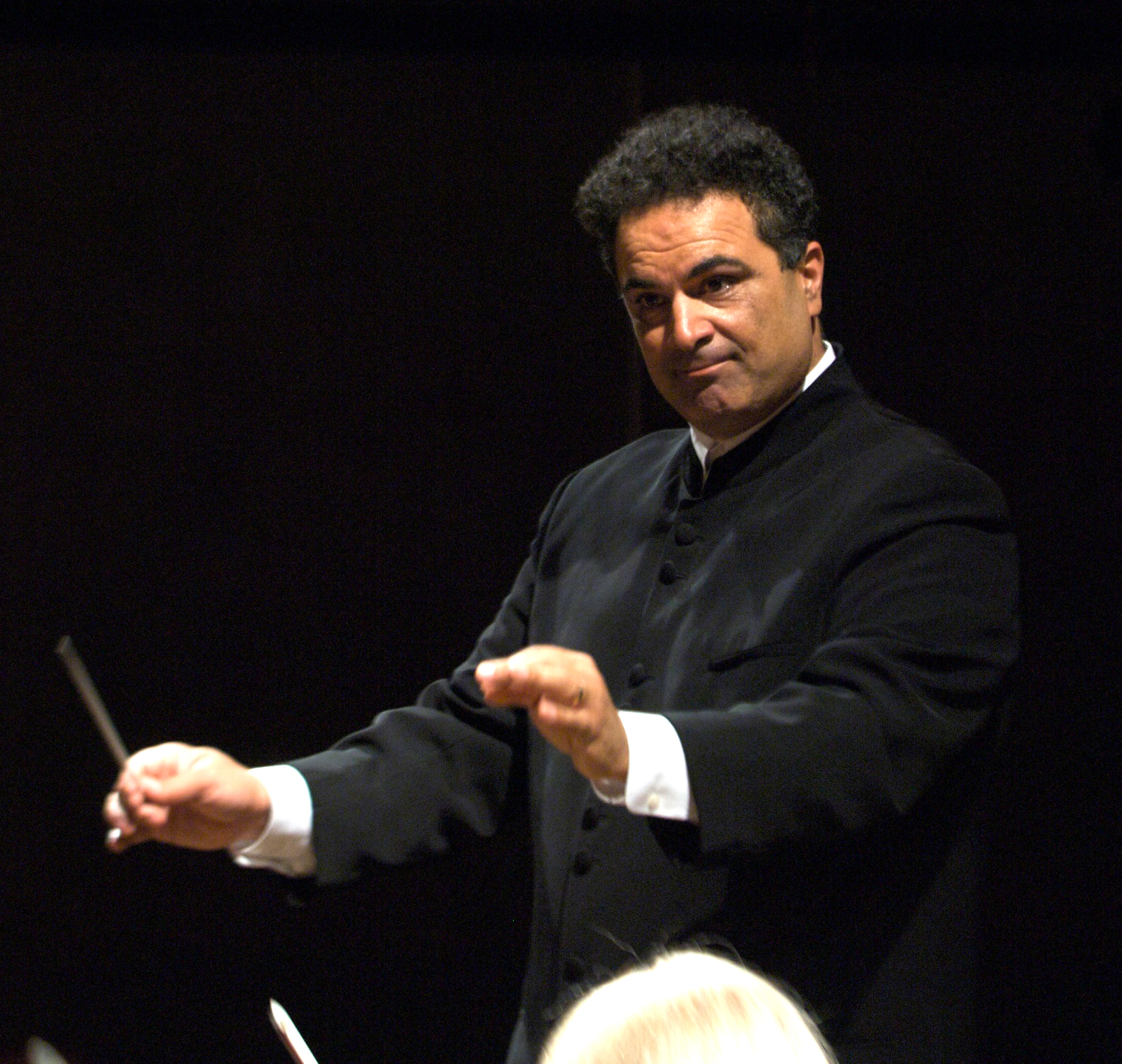
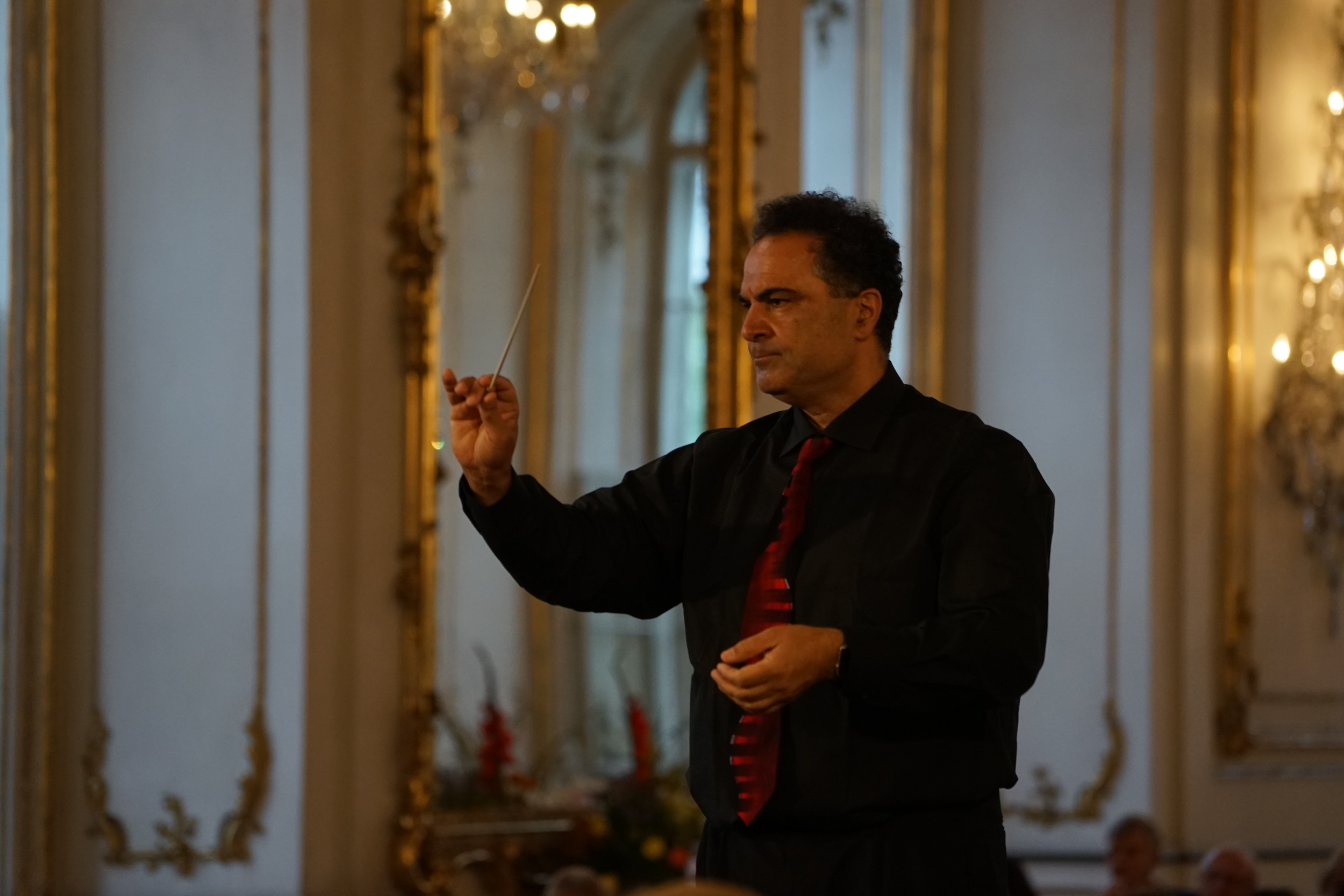
Bahman Saless. Photo by Keith Bobo

She particularly enjoys playing the concerto in Boulder, where she has so many friends. “I enjoy working with Bahman (Saless),” she says. “And the orchestra has lots of friends in it, so it will be a nice experience.”

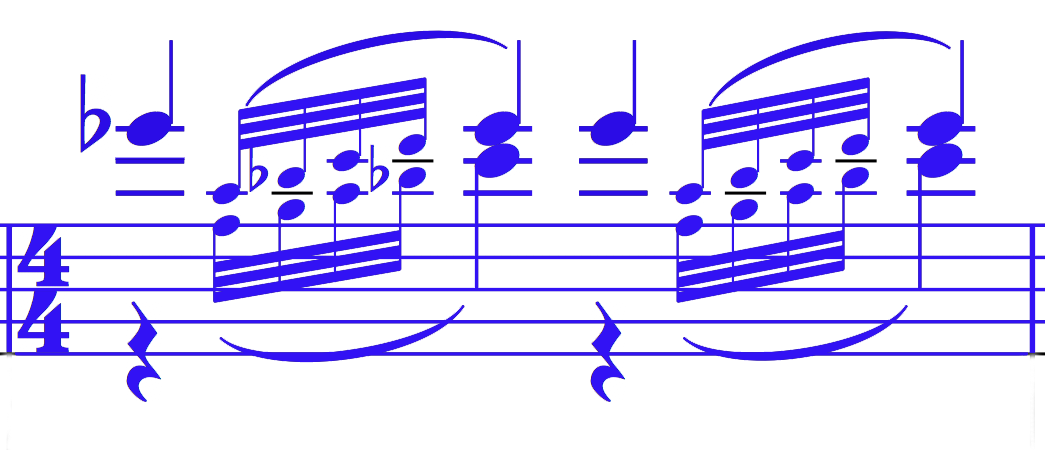
One of Beethoven’s most popular pieces, the Fifth Piano Concerto has several unusual or unique aspects. “The remarkable thing in the first movement is that the piano starts, with fantastic virtuoso cadenzas, but never really gets to [play a cadenza] again,” Hayghe says. In most concertos, she explains, “the piano gets to do their big cadenza at the end of the first movement. But after [the opening cadenzas in the ‘Emperor’], the piano is reigned in, and much of the movement the piano is providing texture—all of that figuration up at the top of the piano.”

Continuing a description of the concerto, she points out that the second movement is a set of variations with some moments that sound improvised. It’s “very sublime,” she says, and “completely different from the first movement. Again, the piano is blending with the orchestra in this very textural way. The second movement then never really ends, it transitions with a half-step move into this joyful, joyous, energetic last movement.”

Finally, she says, “everybody has to watch out, and listen for that very unusual timpani and piano duet at the end of the last movement.

“I think one of the fantastic things about this piece is the way Beethoven deals with the dual nature of concerto, the fighting of the forces that concertos often are, and also the the ‘in concert’ part of it as well. You do hear a lot of moments of the piano and the orchestra playing against each other, and then those fantastic moments where they come together and the soloist is playing inside the orchestra, in a sense. I don’t think people are always aware of that.”
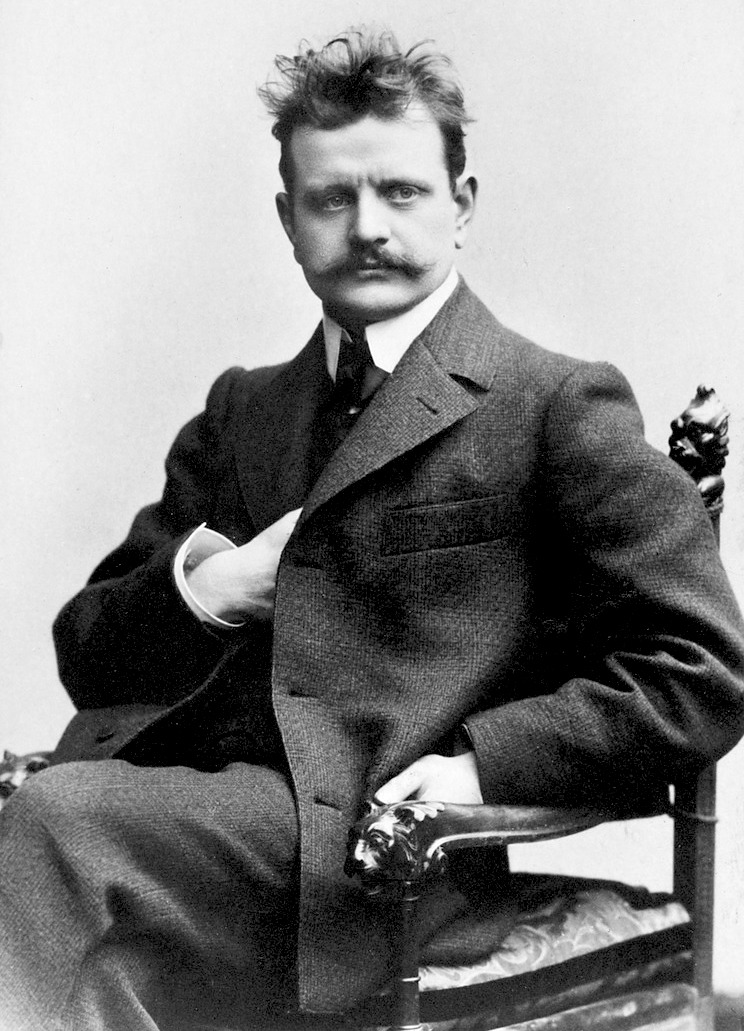
Jean Sibelius

Sibelius wrote Valse triste as part of music he wrote to accompany the play Kuolema (Death) by his brother-in-law, Arvid Järnefelt. In the play, it accompanies the last dance among spectral figures by a dying woman that ends when a door flies open and death stands on the threshold. This one piece proved more popular than the other movements written for the play, and has been performed alone in concert and used in film and TV, from Charlie Chaplin’s Great Dictator in 1940 to an episode of Twin Peaks in 1992.

Wagner wrote Siegfried Idyll as a birthday gift for his wife Cosima. It was first performed on the steps of their villa in Switzerland on Christmas morning, 1870. It was written as a celebration also of the birth of their son, named Siegfried, and the music was later used in part of Wagner’s 1876 music drama Siegfried. The score includes pieces of personal meaning to Wagner and Cosima, including the German lullaby “Schlaf, Kinder, schlaf” (Sleep little child, sleep) that was associated with their daughter. Originally scored for 13 players, Wagner later arranged it for a small orchestra of 35 players for publication. 

# # # # #

Boulder Chamber Orchestra, Bahman Saless, conductor
With Jennifer Hayghe, piano

  • Sibelius: Valse triste
  • Wagner: Siegfried Idyll
  • Beethoven: Piano Concerto No. 5 in E-flat major (“Emperor”)

7:30 p.m. Saturday, Feb. 3
Seventh Day Adventist Church, 345 Mapleton, Boulder
TICKETS

Rarely performed Mozart Mass in C Minor will be heard in Boulder, Greeley

Boulder Chamber Chorale and Chamber Orchestra join forces Friday

By Peter Alexander Oct. 4 at 12:10 p.m.

Conductor Bahman Saless and the Boulder Chamber Orchestra (BCO) will join together with Vicki Burrichter and the Boulder Chamber Chorale to perform one of the least known of Mozart’s major works Friday (7:30 p.m., First United Methodist Church; details below).

The C Minor Mass is, alongside the Requiem, one of two major choral works that Mozart left unfinished. Probably because it was never finished, and also because it is a difficult piece to put together, it is not performed very often. 

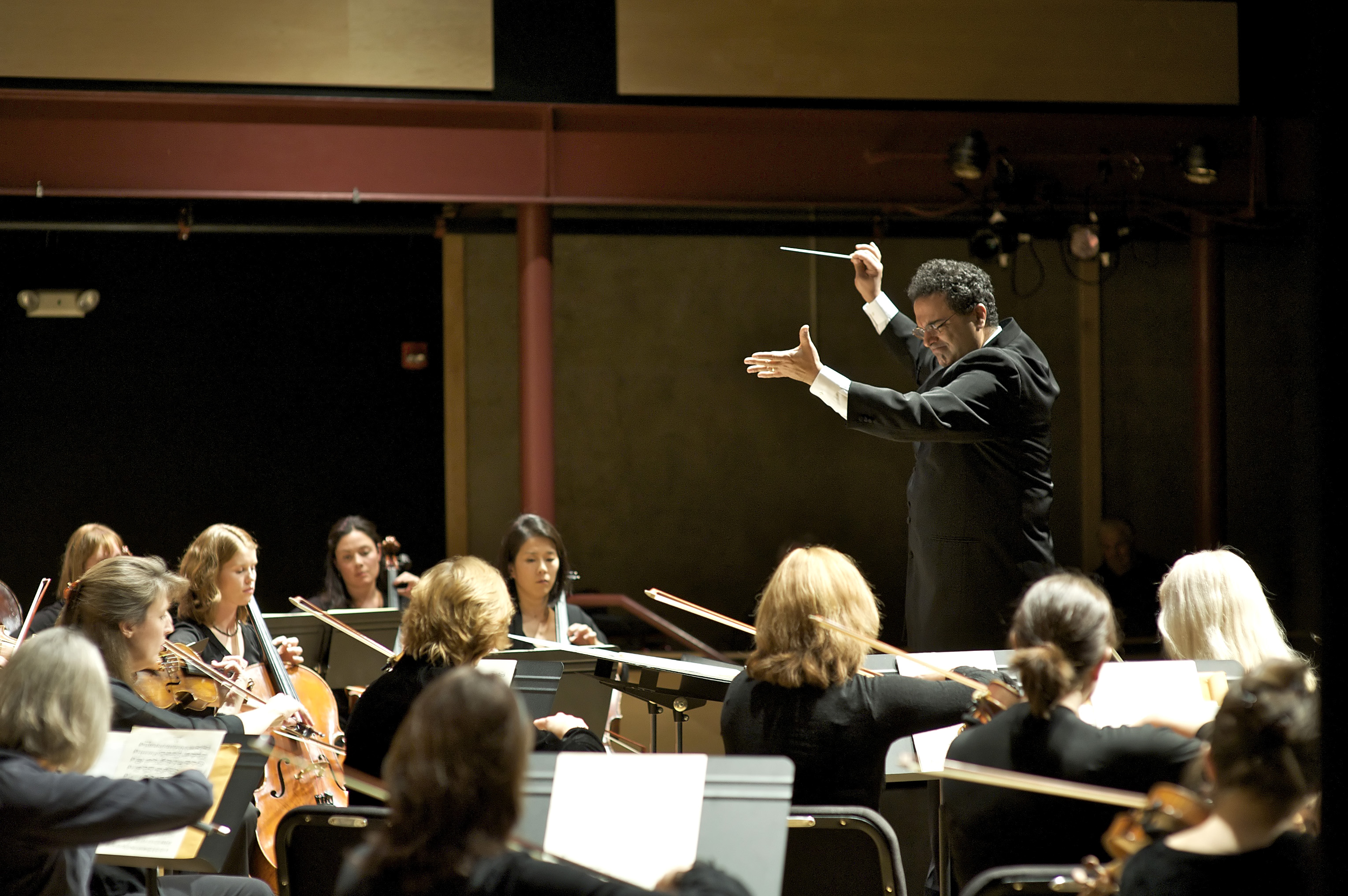
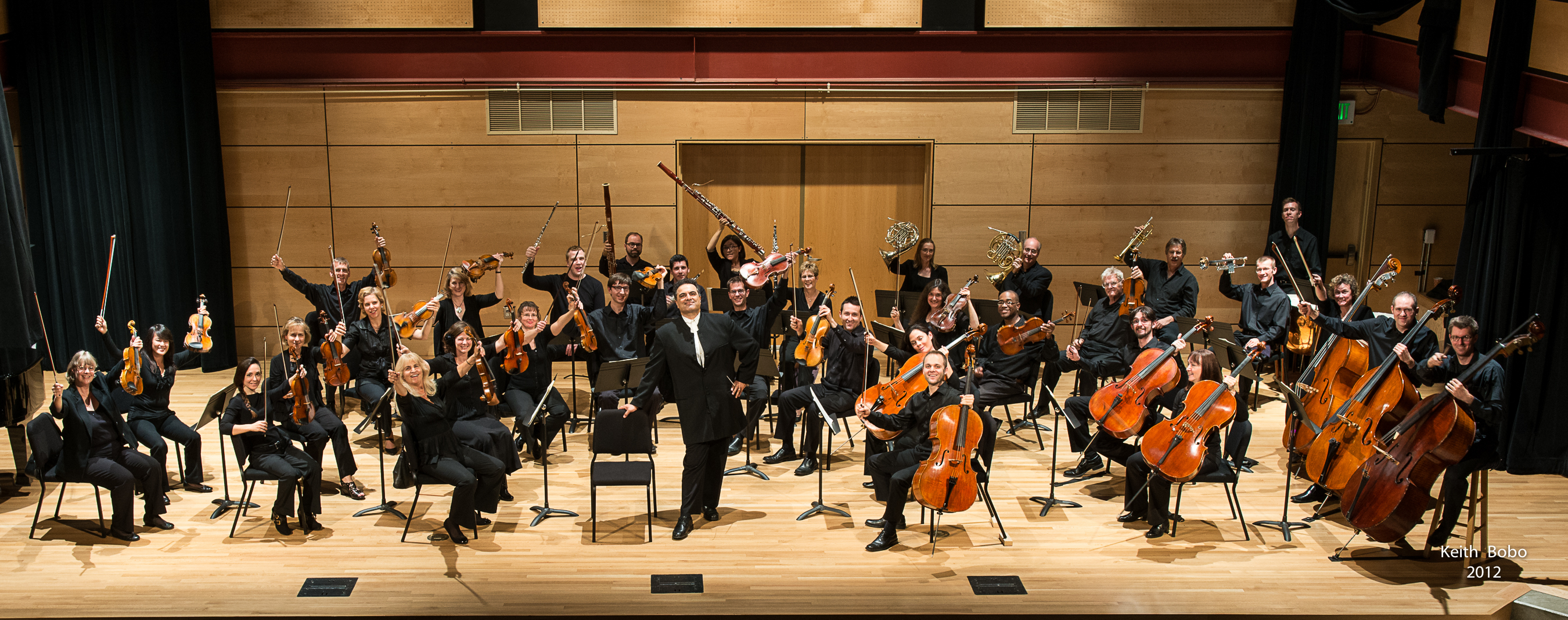
Bahman Saless with the Boulder Chamber Orchestra

Mozart began this very large-scale setting of the Ordinary of the Mass—those portions that are performed year-round as opposed to texts that are specific to individual days of the year—in 1782, soon after his marriage to Constanze Weber. Mozart said he started the Mass in honor of his marriage, but he never finished the work. 

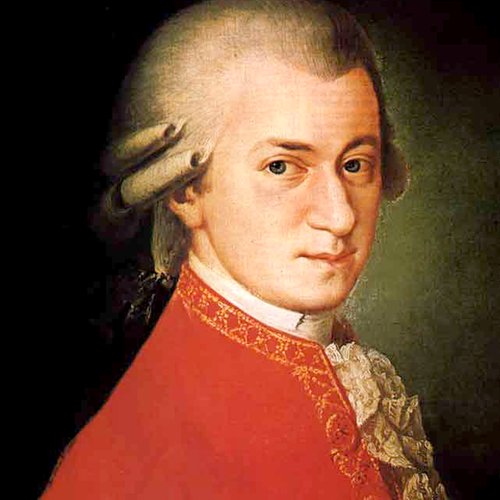
Mozart

The opening Kyrie movement and the Gloria were completed, as were two sections of the Credo, as well as the Sanctus and Benedictus. The remainder of the Credo and the Agnus Dei text were never written. On the basis of the completed movements, a full Mass would have been an extensive work.

Mozart and Constanze visited the composer’s father Leopold in Salzburg in October of 1782, with the completed portions of the Mass in hand. At least some portions of Mozart’s score were performed as part of a service in Salzburg, including Constanze singing Et incarnatus est, a beautiful and difficult soprano solo. What else was performed is unknown, and Mozart never wrote another note of the Mass after the visit to Salzburg.

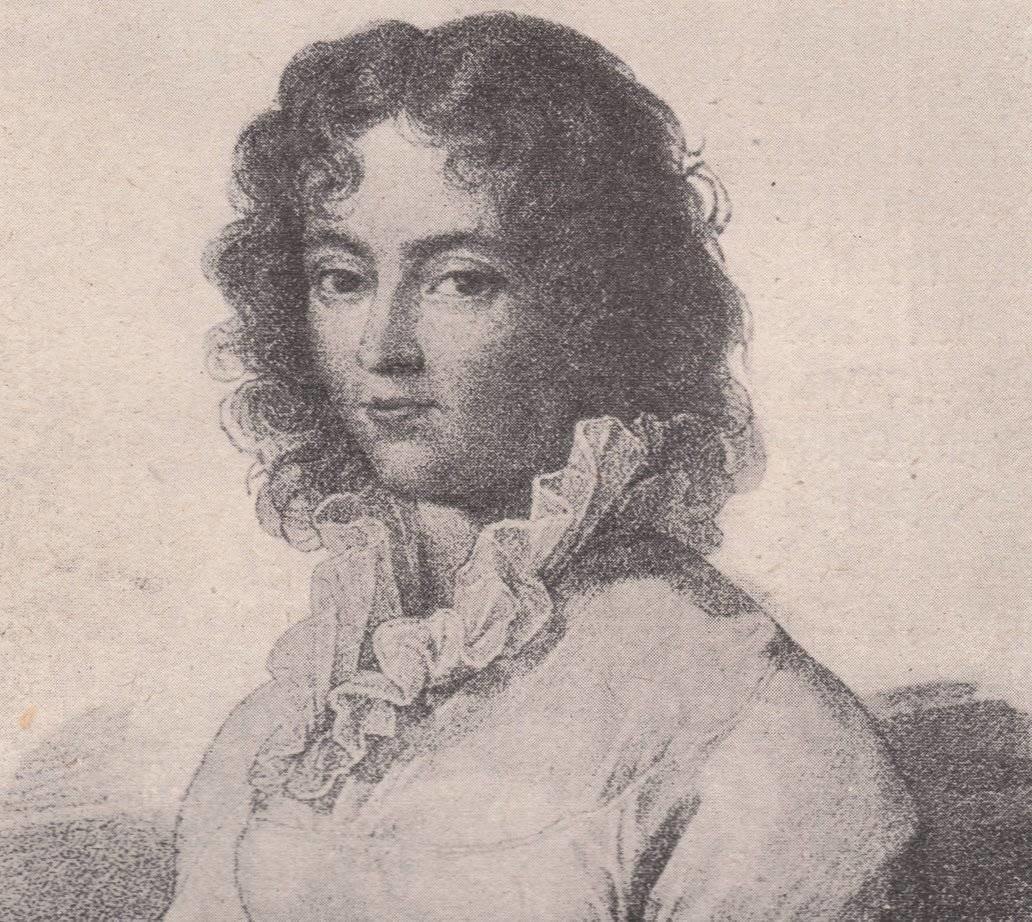
Constanze Mozart. Portrait by Joseph Lange

One theory is that Mozart had started the mass as a gesture to his very religious father, who had not approved of the marriage with Constanze. Having mollified the testy Leopold during his visit, he had no reason to write more, as there were no performance possibilities for a large-scale Mass setting in Vienna, due to the policies of the Austrian Emperor Joseph II.

In any case, the Mass in C minor falls at a transition point in Mozart’s life, at the time not only of his marriage but of his move to Vienna and his emergence as an independent composer. It also represents a new development in his musical style, which came about from his study of the Baroque masterpieces of Bach and Handel. The Mass contains several large-scale fugues and a few movements for double-chorus, which add to the complexity and difficulty of the choral parts.

“Every movement has a different challenge,” Burrichter, who rehearsed the chorus, says. “The double choruses certainly are challenging, in terms of listening to each other, and the fugues are extremely difficult and long. But in spite of the difficulties, we’ve all been thrilled with learning it. As Mozart is, it’s so beautifully melodic, it’s so emotionally powerful, and it’s a treat.”

Boulder Chamber Chorale with Burrichter (far right)

Saless, who will conduct the performance, shares Burrichter’s appreciation for Mozart’s music. “It’s a beautiful piece, and it has incredibly gorgeous arias,” he says. 

Among the arias, Burrichter points specifically to the one that Mozart wrote for Constanze. “The Et incarnatus est, one of the great soprano solos, is just one of the best things he ever wrote,” she says. “It’s really stunning!”

To sum up the Mass, Burrichter particularly likes to quote Patrick Mackie, who wrote in his book Mozart in Motion that “The C-Minor mass is . . . a sort of total statement on everything music could be . . . (It) has a surging monumentality and a giddy, athletic zip.”

The concert will open with the Colorado premiere of Summation, a brief piece for chorus and orchestra by composers Jim Klein and Ian Jamison. The performance by the BCO was commissioned by Klein, a successful businessman and entrepreneur who works as a visual artist in a studio outside Greeley and owns an art gallery in Scottsdale, Arizona. 

“We’re really delighted to showcase music by local Colorado composers,” Saless says. “It’s obvious this piece was inspired by a spiritual experience.”

Klein explains that source of inspiration in his program notes, where he writes “On my daily early morning walk down our farm lane over the decades, I have often asked the question, ‘Who am I?’” One day, while walking with his dog, he writes that the answer came to him in a text that begins “God is in me.” 

WIth that thought in mind, he worked with Jamison to express the text in music. “Hopefully,” he writes, “this internal investment will pass on for future generations.”

In addition to the Boulder performance Friday, the program will be presented at the University of Northern Colorado Commons in Greeley at 3 p.m. Sunday. Links for the purchase of tickets are listed below.

# # # # #

“Mozart Mass and More”
Boulder Chamber Orchestra with Boulder Chamber Chorale
Bahman Saless, conductor, with sopranos Szilvia Schranz and Moira Murphy; tenor Thomas Bocchu; and baritone Tyler Padgett

  • Jim Klein and Ian Jamison: Summation
  • Mozart: Mass in C Minor

7:30 p.m. Friday Oct. 6
First United Methodist Church, 1421 Spruce St, Boulder

TICKETS

3 p.m. Sunday, Oct. 8
University of Northern Colorado Commons
Beethoven in the Rockies Concert Series

TICKETS

Boulder Chamber Orchestra opens 2023-24 season Saturday

Both violin and piano soloists featured Sept. 16

By Peter Alexander Sept. 12 at 4 p.m.

The Boulder Chamber Orchestra is first out of the gate of the city’s five orchestras that present a season every year.

Bahman Saless with the Boulder Chamber Orchestra. Photo by Keith Bobo.

Their opening concert for the fall of 2023–24, featuring music by Mozart, Beethoven and Dvořák, will be the coming Saturday (Sept. 16 at 8 p.m. at the Boulder Adventist Church; program below) and will feature solo appearances by violinist Jubal Fulks and pianist Petar Klasan. Music director Bahman Saless will conduct.

This is ahead of all other local orchestras—the Boulder Philharmonic, the Boulder Symphony, the Pro Musica Colorado Chamber Orchestra and the University Symphony—by two weeks or more.

If there is a theme to the season, it might be the presentation of three different piano concertos by Beethoven by three different soloists: Concerto No. 3 played by Petar Klasan Sept. 16; Concerto No. 2 played by Adam Zukiewicz Oct. 21; and the “Emperor” Concerto played by Jennifer Hayghe in 2024. There is also the usual mixture of very familiar composers (Beethoven! Mozart!) with quirky, unfamiliar composers (Jim Klein and Ian Jamison! Maxim Goulet!) that reflect Saless’ eclectic tastes.

December offers the world premiere of a flute concerto written for the BCO and principal flutist Cobus DuToit by Czech composer Sylvie Bodorova. Compiled from previous works, the concerto was suggested to Saless this past summer when he met Bodorova in a conducting workshop.

Jubal Fulks

The “Romance” in the title of Saturday’s opening concert comes from Dvořák’s Romance in F minor for violin and orchestra. A gently enchanting piece, it was derived from the slow movement of the composer’s String Quartet no. 5 in F minor. The soloist, Jubal Fulks, teachers violin and heads the string area at the University of Northern Colorado.

Mozart’s Symphony No. 35 has a somewhat complicated backstory, having been preceded by two different serenades Mozart wrote for the Haffner family of Salzburg. The first, written for a wedding in 1776, is known today as the “Haffner Serenade.” Portions of the second, commissioned for the ennoblement of Siegmund Haffner in 1782, became Symphony No. 35, first performed in Vienna in 1783.

Beethoven composed his Third Piano Concerto in or around 1800—the exact date is disputed—and gave the first performance on a concert in April 1803 on which he also presented first performances of his Symphony No. 2 in D major and his oratorio Christ on the Mount of Olives. Although the concerto was complete, at least in the composer’s head, he had not yet written it all down. Ignaz von Seyfried, a friend who turned pages at the performance, later reported that almost all the pages were blank! 

Petar Klasan

“He played nearly all the solo part from memory since, as was so often the case, he had not had time to set it all down on paper,” Seyfried wrote.

With BCO, the soloist will be Croatian pianist Petar Klasan, who fortunately has studied Beethoven’s completed score. A prize winner in several European competitions, Klasan, 21, is a fellow of the International Music Academy in the Principality of Liechtenstein. He currently lives in Vienna, where he continues his studies and performs with “Con Brio,” a concert series that he founded in 2018.

A full listing of the BCO’s 2023–24 season, and access to ticket purchases, can be found on the orchestra’s Web page.

# # # # #

Boulder Chamber Orchestra
2023 Fall Concert Schedule

“Romance and Intrigue”
Boulder Chamber Orchestra, Bahman Saless, conductor
With Petar Klasan, piano, and Jubal Fulks, violin

  • Dvořák: Romance in F minor for violin and orchestra
  • Mozart: Symphony No. 35 in D major (“Hefner”)
  • Beethoven: Piano Concerto No. 3 in C minor

8 pm. Saturday, Sep. 16
Boulder Adventist Church, 345 Mapleton Ave.

“Mozart Mass and  More”
Boulder Chamber Orchestra, Bahman Saless, conductor
Boulder Chamber Chorale, Vicki Burrichter, conductor

  • Jim Klein and Ian Jamison: Summation  for choir and orchestra
  • Mozart: Mass in C minor

7:30 p.m. Friday Oct. 6
First United Methodist Church, 1421 Spruce, St. Boulder

“Capturing the Folk Spirit”
Mini-Chamber Concert 1
Hsing-sa Hsu, piano, with members of the orchestra

  • Bartók: Romanian Folk Songs for violin and piano
  • Dvořák: Quintet for piano and strings in A major
  • Brahms: Klavietstücke, op. 118 no. 3

7:30 p.m. Sunday, Oct. 21
Boulder Adventist Church

Holidays Celebration
Boulder Chamber Orchestra, Bahman Saless, conductor
Nadia Artman, guest conductor
With Adam Zukiewicz, piano, and Cobus DuToit, flute

  • Mozart: Overture to Marriage of Figaro
  • Maxime Goulet: Chocolats Symphonique
  • Sylvie Bodorova: Concerto for Flute and Orchestra (2023; world premiere)
  • Beethoven: Piano Concerto No. 2 in B-flat, op. 19

7:30 p.m. Saturday, Dec. 16
Boulder Adventist Church

TICKETS for all concerts available at the Boulder Chamber Orchestra Web site.

NOTE: Correction of spell-corrector errors, 9/12: paragraph 2, the violin soloists name is Jubal Fulks, not Forks; paragraph 4 and penultimate paragraph, the soloists name for the Third Concerto is Petar Klasan, not Peter.

Rarely heard, major work by Beethoven Saturday

Boulder Chamber Orchestra, Boulder Chamber Chorale: Mass in C

By Peter Alexander March 30 at 5:45 p.m.

“What are the chances to go to a Beethoven concert and hear something you never heard before?”

Bahman Saless with the Boulder Chamber Orchestra.

Bahman Saless is talking about the next concert he will conduct with the Boulder Chamber Orchestra, at 7:30 p.m. Saturday (April 1; details below). The orchestra, with the Boulder Chamber Chorale and soloists, will present Beethoven’s Mass in C major, written at the height of the composer’s fame and accomplishment but rarely performed today. The performance will be introduced by Beethoven’s very dramatic Overture to Coriolanus.

“This is your chance to imagine yourself, having lived in Beethoven’s time, and the master has just announced a new piece of music and you’re going to go hear it,” Saless says. “To me that’s really cool!”

Vicki Burrichter, who leads the Boulder Chamber Chorale and prepared the singers for the performance, thinks the Mass in C should be better known and appreciated. “I don’t really understand why its not more popular,” she says. “I think it’s one of the best choral pieces there is. I absolutely love it.”

When Beethoven wrote his Mass in C in 1807, he was an accomplished composer who already had many of his greatest works to his credit. He had completed his first four symphonies, his first four piano concertos, nine string quartets including the “Razumovksy” quartets Op. 59, and his Violin Concerto, among other works. He would soon complete his Fifth and Sixth symphonies.

Nonetheless, he is believed to have been less secure undertaking the Mass in C. It was his first setting of what had been one of the most important musical forms of the 18th century and before. Furthermore, the Mass was commissioned by Prince Nikolaus Esterhazy, which meant that Beethoven was following in the footsteps of his teacher Joseph Haydn, who had written six highly successful mass settings for the Esterhazy court.

The finished Mass is considered a major work, if somewhat unorthodox for the times—like many of the pieces Beethoven wrote. The musicians didn’t particularly like it and the rehearsals were chaotic, with only one of five altos in the chorus present, leaving the others to sightread the premiere. 

Vicki Burrichter with the Boulder Chamber Chorale

The first performance was not a success. The Prince disliked the Mass, and the work was seldom performed afterwards. Beethoven did only portions of the Mass once in December 1808, on a famous concert that included premieres of the Fifth and Sixth symphonies, the Fourth Piano Concerto and the Fantasy for Piano, Chorus and Orchestra.

Performances remain rare, but contemporary judgment of the Mass is more positive. Burrichter summed it up, saying “It’s been overshadowed by (Beethoven’s) Missa Solemnis and the Ninth (Symphony). It’s very dramatic, as only Beethoven can be, it’s immediately emotional from the first bar, and it continues that way the entire time. What Beethoven does with it is the kind of thing that only Beethoven can do.

“It’s not the Ninth in terms of overwhelming power, but I think it comes mighty close.”

The mass lasts less than an hour. To open the concert, Saless selected another work by Beethoven, his Overture to Coriolanus. “To me, that is the most perfect piece of dramatic music,” he says. “There is just nothing like it, because it’s eight minutes long, it carries emotions and content that could be a Mahler Symphony!”

Saless also discovered another reason that Coriolanus makes an ideal opener for the Mass. The overture is written in C minor, and after all of its drama it ends very softly with three unison Cs. This sets up the beginning of the Mass, which begins with the basses singing a unison C. That is followed by a move to C major, which will have immediate impact in performance.

Saless thought, “what kind of effect would that have on the audience?” And he decided it would be “a very Beethoven-esque approach to affecting the audience mentally and emotionally! And the connection from the C minor to just C and then C major makes a lot of sense.”

For audience members hearing the Mass for the first time—which will probably be most—Burrichter has some advice. “The Kyrie that starts (the first movement of the Mass) is just melodically so beautiful. People should listen for the beauty of that melody and then listen for its return at the end. And listen for the way that the soloists intertwine with the orchestra and the chorus.

“I think people will absolutely love it.”

# # # # #

Beethoven: Mass in C
Boulder Chamber Orchestra, Bahman Saless, conductor
With the Boulder Chamber Chorale, Vicki Burrichter, artistic director
Cristin Colvin, soprano; Gabrielle Razafinjatovo, mezzo-soprano; Paul Wolf, tenor; Brandon Tyler Padgett, bass

7:30 p.m. Saturday, April 1
Boulder Seventh-Day Adventist Church
345 Mapleton, Boulder
TICKETS

Takács Quartet’s Dusinberre appears as soloist in Brahms Concerto

Concert with the Boulder Chamber Orchestra will be Saturday

By Peter Alexander Feb. 9 at 2:10 p.m.

“You know you’re going to want more later,” Bahman Saless says about the Brahms Violin Concerto.

“It’s like German chocolate cake. It’s heavy, it’s sweet, it’s filling—I love the entire piece!”

Edward Dusinberre

Saless will conduct this tasty concerto with the Boulder Chamber Orchestra on Saturday (7:30 p.m., Feb. 11; details below) with violinist Edward Dusinberre of the Takács Quartet as soloist. Other works on the program will be Beethoven’s Overture to Egmont and Mendelssohn’s Symphony No. 4 in A major (“Italian”).

Dusinberre has especially warm feelings for the concerto, which he learned as a student at the Royal College of Music in London. “I first performed the piece with an amateur orchestra in northwest England,” he wrote in an email communication. “My grandfather was playing in the viola section. 

“What I remember more than the actual concert was my Dad driving from many miles away, both to hear the concert and so that he could drive me south afterwards. I was . . . a bit insecure about how I had played. I cherish that memory of his reassuring presence as we drove late at night through the countryside.”

Dusinberre cherishes the concerto not only because of that memory, but also for its musical qualities. “I love the balance of drama and lyricism,” he wrote. “The first solo entrance and other sections are propulsive and intense, but the movement has moments of ethereal wonderment—those are some of my favorite passages in all music.”

Both Saless and Dusinberre singled out the slow movement for comment. “The slow movement is one of the greatest slow movements of any violin concerto,” the conductor says, while the soloist wrote that “after the serenity of the slow movement, the high-spirited, at times joking mood of the finale is a necessary foil and satisfying conclusion.”

Saless hopes that as they listen to the concerto, the audience will pay attention to how the violin and orchestra relate and interact. “Brahms wrote it as a piece of music where it isn’t necessarily always the orchestra that’s going to accompany the violin,” he explains.

“A lot of the melodic line is in the orchestra, which is fascinating. There are some incredible parts that require the listener to really listen to the orchestra.”

Bahman Saless with the Boulder Chamber Orchestra

Saless chose to open the concert with Beethoven’s Egmont Overture because it is such an ideal program opener. “It’s so powerful and captivating that it’s like Beethoven’s Fifth Symphony in eight minutes,” he says. And “it’s a great piece, not only because of the quality of it, but as far as marketing is concerned there are a lot of people that know it.”

Following the drama of Beethoven and the deep beauty of the Brahms, the program switches gears for the final piece, Mendelssohn’s Symphony No. 4. Known as the “Italian” Symphony, it was begun when Mendelssohn was visiting Italy as a young man and is full of the cheery liveliness so often associated with that country. “It will be the jolliest piece I have ever done,” Mendelssohn wrote to his sister.

“To me it definitely does show that joy and brightness of Italy, and the energy and life of Italian culture,” Saless says. “It’s one of these pieces that as soon as I start listening to it or singing it, it doesn’t stop. It’s a very fun piece that I thought would be good compliment to a relatively heavy Brahms and Beethoven half (of the concert). It’s kind of a lighter, brighter piece, and also we’ve got such a great string section I thought it would be a really good showcase for them.”

Once again Saless wants to draw attention to the slow movement. “It’s simplicity at it best, short, very simple,” he says. “It also has a tiny bit of Bach. Mendelssohn was a huge fan of Johann Sebastian Bach, and it’s almost like an homage to him with the way that the basses have this little walking bass part that reminds you of a lot of Bach pieces.”

Saless and Dusinberre are both pleased to have the opportunity to work together. “I’m honored to have Ed perform with us,” Saless says. “I’m really, really looking forward to this.”

As for Dusinberre, in addition to his busy world-wide concert schedule with the Takács Quartet, he is happy to play a favorite concerto with the local musicians of the BCO. “Every now and again it’s great to return to works that I played before I joined the Takács,” he wrote. “It’s a joy to perform with Bahman and the BCO, many of whose players are friends or former students. There’s an inspiring spirit of community in the orchestra.

“I feel grateful to be part of that.”

# # # # #

Boulder Chamber Orchestra, Bahman Saless, conductor
With Edward Dusinberre, violin

  • Beethoven: Overture to Egmont
  • Brahms: Violin Concerto in D major
  • Mendelssohn: Symphony No. 4 in A major (“Italian”)

7:30 p.m. Saturday, Feb. 11
Seventh-Day Adventist Church, 345 Mapleton Ave., Boulder

TICKETS  

Grace Notes: Boulder’s Choral Groups’ 2022–23 Seasons

Ars Nova Singers, Boulder Chorale and Seicento lay out plans for 2022-23

By Peter Alexander Oct. 12 at 2:52 p.m.

The Ars Nova Singers, the Boulder Chorale and Seicento Baroque Ensemble—three of Boulder’s leading choral groups—have distinct qualities, in terms of repertoire and performance style. All three groups have now announced their concert schedules for the 2022–23 season:

# # # # #

Under director Tom Morgan, Ars Nova generally avoids the historical middle of standard repertoire, preferring music either side of the 18th and 19th centuries—the Renaissance or the 20th and 21st centuries. Their concerts are challenging to the singers, and can be equally so to audiences, but they are always interesting as well.

On Nov. 4 they will be the first of the three to present a concert this season (see time and place below). Their opening program is devoted to one of the most fascinating figures of the late Renaissance. Carlo Gesualdo, the Prince of Venosa and Count of Conza, was the composer of harmonically advanced, highly chromatic madrigals unlike anything else of their time. He was also known for having murdered his first wife and her lover when he found them together in bed, a fact that has not gone unnoticed in appreciation of his extreme music.

Performances of Gesualdo’s music are rare, as is often the case with Ars Nova programming, so this performance is worth noting.

One major event of the Ars Nova season will be the presentation in March of the world-touring British a cappella group Voces 8. Their two performances under Ars Nova’s auspices will be Wednesday March 1, 2023 in Macky Auditorium (7:30 p.m., details below) and Thursday, March 2, at St. John’s Cathedral in Denver (7:30 p.m.; tickets on sale Oct. 15). Please note that these are two separate programs. (details below).

Here is a full listing of the Ars Nova 2022–23 season:

“Wonder”
Ars Nova Singers, Tom Morgan, director
With Sandra Wong, violin and nyckelharpa, and Ann Marie Morgan, viola da gamba
Carlo Gesualdo: Madrigals from Books 5 and 6

  • 7:30 p.m. Friday, Nov. 4
    St. John Episcopal Church, 1419 Pine St., Boulder
  • 7:30 p.m. Saturday, Nov5
    Stewart Auditorium of the Longmont Museum
  • 4 p.m. Sunday, Nov. 6
    St. Paul’s Lutheran Church, 1600 Grant St., Denver 

“Solstice”
Ars Nova Singers, Tom Morgan, director
With John Gunther, woodwinds
Music for the Winter Solstice and Christmas

  • 7:30 p.m. Friday, Dec. 9
    First Congregational Church, 1500 9th Ave., Longmont
  • 4 p.m. Sunday, Dec. 11
    St. Paul’s Lutheran Church, 1600 Grant St., Denver

“Stardust”
Ars Nova Singers, Tom Morgan, director

  • 7:30 p.m. Friday, Feb 10, 2023
    First United Methodist Church, 1421 Spruce St, Boulder
  • 7:30 p.m. Saturday, Feb. 11, 2023
    Central Presbyterian Church, 1660 Sherman St., Denver

“Choral Dances”
Voces 8
Music by Byrd, Bach, Britten and Berlin

  • 7:30 pm. Wednesday, March 1
    Macky Auditorium

TICKETS 

“Lux Aeterna”
Voces 8
Music by Mendelssohn, Rachmaninoff and Monteverdi

  • 7:30 p.m. Thursday, March 2
    St. John’s Cathedral, 1350 n. Washington St., Denver

TICKETS available Oct. 15

“Reflections”
Ars Nova Singers, Tom Morgan, director
Music by Mahler, Thomas Jennefelt and Caroline Shaw

  • 7:30 p.m. Friday, April 21
    First United Methodist Church, 1421 Spruce St., Boulder
  • 7:30 p.m. Saturday, April 22
    Bethany Lutheran Church, 400 E. Hampden Ave. Cherry Hills Village
  • 7:30 p.m. Saturday, June 3
    TANK Center for Sonic Arts, 233 County Rd. 46, Rangely, Colo

(This program will also be performed on tour in Colorado and New Mexico.)

See more information on the Ars Nova Web page

CORRECTION: The two programs by Voices 8 March 1 and March 2 were originally listed incorrectly. The correct information is “Choral Dances” on March 1 and “Lux Aeterna” on March 2, as now shown above.

# # # # #

The Boulder Chorale is actually three different groups, and serves a role in music education as well as performance—in the words of the Web page, “for singers aged 5 to 85.” The Concert Chorale, the Chamber Chorale and the Children’s Chorale—the last divided by age into four different ensembles—perform separately as well as together. Under director Vicki Burrichter, the repertoire of the adult groups is eclectic, notably including world music, traditional styles from both European and non-European sources, and new works. As in the current season, their repertoire has often included work for chorus and orchestra.

Boulder Chorale opens their season Nov. 5, one day later than Ars Nova. Their opening weekends overlap, but you can easily plan to attend both. The chorale’s program is an example of their pursuit of world music. Titled “Origins: The Fertile Crescent,” the program highlights music from the Middle East and North Africa, including the Chorale’s own arrangements by Adam Waite of music from Israel, Afghanistan, Spain, Morocco and Syria.

Later in the year, the Chorale partners with the Longmont Symphony for performances of Handel’s Messiah (Dec. 17) and a Messiah  singalong (Dec. 18; details below); and with the Boulder Chamber Orchestra for performances of Beethoven’s Mass in C.

Here is the full listing of the Boulder Chorale 2022–23 season through April 2023:

“Origins: The Fertile Crescent”
Boulder Chorale, Vicki Burrichter, conductor, with Catrene Payan, vocalist, and Middle Eastern instrumental ensemble, David Hinojosa,leader

  • 4 pm. Saturday, Nov. 5, and Sunday, Nov. 6
    First United Methodist Church, 1421 Spruce Street, Boulder, CO

“A Celtic Winter”
Boulder Chamber Chorale and Concert Chorale, Vicki Burrichter, director, and Boulder Children’s Chorale, Nathan Wubbena, director

  • 4 p.m. Saturday, Dec. 10, and Sunday, Dec. 11
    First United Methodist Church, Boulder 1421 Spruce Street, Boulder, CO

Handel’s Messiah
Longmont Symphony, Elliot Moore, conductor
With the Boulder Chamber Chorale, Vicki Burrichter, director

  • 4 p.m. Dec. 17
    Westview Presbyterian Church, 1500 Hover St., Longmont

“Hallelujah! A Messiah singalong”
Longmont Symphony, Elliot Moore, conductor
With the Boulder Chamber Chorale, Vicki Burrichter, director

  • 4 p.m. Dec. 18
    Westview Presbyterian Church, 1500 Hover St., Longmont

“A Nation of Immigrants
Boulder Chorale, Vicki Burrichter, conductor

  • 4 p.m. Saturday, March 18, and Sunday, March 19
    First United Methodist Church, 1421 Spruce Street, Boulder, CO

Beethoven Mass in C
Boulder Chamber Orchestra, Bahman Saless, conductor
With the Boulder Chamber Chorale, Vicki Burrichter, director

  • 7:30 p.m. Saturday, April 1
    Boulder Adventist Church, 345 Mapleton Ave., Boulder

For more information on these and other concerts, visit the Boulder Chorale Web page.  

CORRECTION: The concert “Story of My life,“ previously listed here, was included by error. That is a performance by the Boulder Children’s Chorales, and has been removed from this listing. Also, clarification has been added as to which of the three chorales is performing in each of the concerts.

# # # # #

Seicento specializes in Baroque music of the 17th (“Seicento” in Italian) and 18th centuries performed with, to use the currently accepted language, “historically informed” performance practice, including period instruments. Today they are directed by the group’s founder, Evanne Browne.

Founded in 2011, Seicento launches its second decade in December with “Nöel: Christmas in the late Renaissance and Early Baroque” (December 2–4), a program that includes carols still familiar today as well as little known choral works. The major event of the season will take place in May, when Seicento will be joined by an orchestra of historical instrument performers to present Colorado’s first historically informed performance of J.S. Bach’s St. John Passion.

Here is the full listing of Seicento’s season:

“Nöel: Christmas in the late Renaissance and Early Baroque”
Seicento Baroque Ensemble, Evanne Browne, conductor

  • 7:30 p.m. Friday Dec. 2
    St. Paul Lutheran Church, 1600 Grant St., Denver
  • 7:30 p.m. Saturday, Dec. 3
    First United Methodist Church, 1421 Spruce St., Boulder
  • 3 p.m. Sunday, Dec. 4
    First Congregational United Church of Christ, 1500 9th Ave., Longmont

J.S. Bach’s St. John Passion (BWV 245)
Seicento Baroque Ensemble and historical instrument orchestra, Evanne Browne, conductor

  • 7 p.m. Friday, May 5
    Arvada United Methodist Church, 6750 Carr St., Arvada
  • 7 p.m. Saturday, May 6
    St. Paul Lutheran Church, 1600 Grant St., Denver
  • 3 p.m. Sunday, May 7
    Mountain View United Methodist Church, 355 Ponca Place, Boulder 

For more information, see Seicento’s Web page.  

Grace Notes: Three classical organizations announce 2022–23 seasons

Boulder Chamber Orchestra, Pro Musica Colorado and Boulder Opera

By Peter Alexander Oct. 3 at 5:15 p.m.

With the 2022–23 concert season getting underway, Boulder’s many classical music organizations are getting their season schedules up on the Web. Here are three of the planned seasons for the coming year, from the Boulder Chamber Orchestra, starting Oct. 29; Pro Musica Colorado Chamber Orchestra, starting Nov. 19; and Boulder Opera., starting Dec. 9.

While the seasons include some pretty standard repertoire, including Beethoven and Mendelssohn symphonies and two different renderings of Mozart’s early Symphony in A major, K201, it will also offer pieces that are not standard. These include Beethoven’s Mass in C by the Boulder Chamber Orchestra and Boulder Chamber Chorale, and music by Florence Price and Caroline Shaw by the Pro Musica Colorado Chamber Orchestra.

Here are the respective seasons:

# # # # #

The Boulder Chamber Orchestra opens its season Oct. 29 without conductor Bahman Saless. Guest conductor Giancarlo De Lorenzo and violinist Loreto Gismondi, both from Italy, will perform a mostly Mozart concert featuring that composer’s Violin Concerto No. 4 in D major, K218, and Symphony No. 29 in A major, K201. Opening the concert will be Handel’s “Arrival of the Queen of Sheba” from the oratorio Solomon. 

This concert is part of an exchange between De Lorenzo and Saless, who previously conducted the Italian orchestra with which De Lorenzo is affiliated.

Other orchestral concerts during the year will be “A Gift of Music” on Saturday, December 17, with soprano Szilvia Shrantz, BCO bassist Kevin Sylves and holiday selections; and a performance of music by Beethoven, Brahms and Mendlessohn with violinist Edward Dusinberre on Saturday, Feb. 11, 2023. The season concludes with a performance of Beethoven’s Mass in C with the Boulder Chamber Chorale on Saturday, April 1. Saless will lead these performances.

Concerts by the Boulder Chamber Orchestra will take pace in the Seventh-day Adventist Church, 345 Mapleton Ave. Here is the full season schedule:

7:30 p.m. Saturday, Oct. 29
Boulder Chamber Orchestra with guest conductor Giancarlo De Lorenzo and Loreto Gismondi, violin

  • Handel: “Arrival of Queen of Sheba” from Solomon
  • Mozart: Violin Concerto No. 4 in D major, K218
  • Mozart: Symphony No. 29 in A major, K201

7:30 p.m. Saturday, Dec. 17
Boulder Chamber Orchestra, Bahman Saless, conductor, with Szilvia Shrantz, soprano, and Kevin Sylves, double bass

  • Handel: Selected arias
  • Henry Eccles: Sonata in G minor for double bass and strings
  • J.S. Bach: Concerto in D minor for two violins and orchestra 

7:30 p.m. Saturday, Feb.11
Boulder Chamber Orchestra, Bahman Saless, conductor, with Edward Dusinberre, violin

  • Beethoven: Overture to Egmont
  • Brahms: Violin Concerto
  • Mendelssohn: Symphony No. 4 in A major (“Italian”)

7:30 p.m. Saturday, April 1
Boulder Chamber Orchestra, Bahman Saless, conductor, with the Boulder Chamber Choir

Beethoven: Mass in C

TICKETS  

# # # # #

The Pro Musica Colorado Chamber Orchestra will celebrate its “Sweet 16th” concert season with three programs, presented Nov. 19, Jan. 28, and April 29.

The programs feature several works by women composers, including a woman of color and two living composers, in addition to classic works by Mozart and Beethoven, and a major work of the early 20th century by Arnold Schoenberg. All three performances will be at 7:30 p.m. in Pro Musica’s musical home, Mountain View United Methodist Church at 355 Ponca Place Boulder.

Performances by Pro Musica Colorado will be under the direction of their music director, Cynthia Katsarelis. 

The opening concert will feature pianist Jennifer Hayghe, the chair of the Roser Piano and Keyboard Program at CU-Boulder, playing the Piano Concerto in One Movement by Florence Price. The first female African American composer to have a symphony performed by a major orchestra, Price was well known in the 1930s and 1940s/ After fading from prominence, her name has recently been returning to concert programs.

Other soloists during the season will be cellist Meta Weiss, chamber music coordinator at CU-Boulder, and Takács Quartet members Harumi Rhodes, violin, and Richard O’Neiill, viola. Each concert will be preceded by a pre-concert talk at 6:30 p.m. Here is the full season’s schedule:

7:30 p.m. Saturday, Nov. 19
“Apotheosis of the Dance”
Pro Musical Colorado Chamber Orchestra, Cynthia Katsarelis, conductor, with Jennifer Hayghe, piano

  • Ben Morris: The Hill of Three Wishes
  • Florence Price: Piano Concerto in One Movement
  • Beethoven: Symphony No. 7 in A major, op. 92

7:30 p.m. Saturday, Jan. 28, 2023
“Through the Looking Glass”
Pro Musical Colorado Chamber Orchestra, Cynthia Katsarelis, conductor, with Meta Weiss, cello

  • Caroline Shaw: Entr’acte
  • Haydn: Cello Concerto in C major
  • Mozart: Symphony No. 29 in A major, K201

7:30 p.m. Saturday, April 29
“Transfigured Night”
Pro Musical Colorado Chamber Orchestra, Cynthia Katsarelis, conductor, with Harumi Rhodes, violin, and Richard O’Neill, viola

  • Jessie Lausé: World premiere
  • Mozart: Sinfonia Concertante for violin and viola in E-flat major, K364
  • Arnold Schoenberg: Verklärte Nacht

TICKETS  

# # # # #

Boulder Opera has announced their 11th season, featuring a family-themed production for the holiday season and a French Grand Opera early in 2023.

The first production of the season will be Engelbert Humperdinck’s Hansel and Gretel, which is a perennial holiday event for families with children in Germany and Austria. The Boulder opera production, scheduled for Dec. 9 through 18 at the Dairy Arts Center, will be presented in an abridged English version with narrator. 

Designed as an ideal introduction to opera, the performances will last only one hour, and include a Q&A session after each performance. The performance is suitable for children age three and up.

After the new year, Boulder Opera will present two performances of Manon by Jules Massenet, one of the classics of the French Grand Opera tradition. Performances will be Feb. 18 and 19 in the Dairy Arts Center. Here is the full schedule:

Engelbert Humperdinck: Hansel and Gretel
Boulder Opera, stage directed by Michael Travis Risner
Aric Vihmeisterr, piano, and Mathieu D’Ordine, cello

7 p.m. Friday, Dec. 9
2 and 4 p.m. Sunday, Dec. 11 and Saturday, Dec. 17
2 p.m. Sunday, Dec. 18
Grace Gamm Theater, Dairy Arts Center

TICKETS  

Jules Massenet: Manon
Boulder Opera, Steven Aguiló-Arbues, conductor, and Gene Roberts, stage director

7 p.m. Saturday, Feb. 18
3 p.m. Sunday, Feb. 19
Gordon Gamm Theater, Dairy Arts Center

TICKETS   

Boulder Chamber Orchestra and Chorale present a Requiem for the Living

Howard Goodall’s Eternal Light: A Requiem Saturday at 8

By Peter Alexander March 31 at 11:35 p.m.

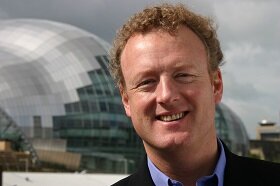
Howard Goodall

Howard Goodall wanted to write a Requiem for the living.

The English composer was not interested in creating a piece about the terrors of the last judgment that often feature heavily in older settings of the Latin Requiem. Instead, he composed a piece “intended to provide solace to the grieving,” he writes, comparing it in this respect to Brahms’s German Requiem.

Goodall’s 2008 work Eternal Light: A Requiem will be performed by the Boulder Chamber Orchestra (BCO) and Boulder Chamber Chorale—probably a Colorado premiere—at 8 p.m. Saturday (April 2) at the Boulder Adventist Church. Bahman Saless will conduct.

Also on the program is one the BCO’s most popular pieces from past concerts, the Suite Antique by John Rutter. The performance will feature flutist Rachelle Crowell, a member of the BCO (full details below).

When Saless first heard Eternal Light, he was captivated by the piece for two reasons. For one, it is a contemporary piece that should have broad appeal. “The piece is so approachable and so beautiful,” he says. “It has beautiful melodies, gorgeous violin solos and arias, and I thought here’s a piece that we can bring to the world and say ‘Hey, look! There is something really awesome here! Listen!’”

Bahman Saless

The second reason was more personal. “(Goodall) uses poetry from England, and also brings Church of England hymn tunes into it,” Saless explains. “I went to high school in England, and every morning we had to get up and sing these beautiful hymn tunes. So a couple of the pieces hit me directly in my heart and in my past of being a schoolboy in England. That was another reason I fell in love with it.”

The inclusion of English poetry was part of Goodall’s aim of creating a Requiem that focuses on consolation for the grieving. “The writing of a Requiem is a special challenge for any composer,” he writes. “For me, a modern Requiem is one that acknowledges the unbearable loss and emptiness that accompanies the death of loved ones, a loss that is not easily ameliorated with platitudes about the joy awaiting us in the afterlife.”

Goodall’s solution was to create his own text for the Requiem, using English poetry to comment on the liturgical text, and adding movements not part of the usual liturgy. Some movements that juxtapose the Latin liturgical text with English poetry recall Benjamin Britten’s War Requiem (“Kyrie: Close now thine eyes”). Other movements stick entirely to the Latin text—e.g., “Agnus Dei” (Lamb of God). 

The “Dies Irae” (Day of wrath) movement drops the Latin text describing the agonies of the final judgment entirely, setting in its place John McCrae’s well known First World War-era poem “In Flanders Fields.” The “Lacrimosa” (Tearful) movement does the same, using the 17th-century poem by Phineas Fletcher “Drop, drop slow tears,” which was set by the Renaissance composer Orland Gibbons and used as a hymn text in the English church.

Another unusual aspect of the Requiem is that it was commissioned as a dance piece as well as a choral-orchestral piece. None of the movements are labelled as dances, but Saless notes that parts are “somewhat dance-y. It’s really a new concept,” he says.

The score calls for chorus and string orchestra, with other parts that can be handled with some flexibility. For the BCO performance, the strings will be supplemented by a piano and an electronic keyboard with harp and organ sounds.

Goodall’s compositional output marks him as a composer who can write accessible music for a broad audience. In addition to his choral works, he has composed musical theater pieces and music for film and television. These include the film Mr. Bean and the highly popular Mr. Bean television series, two of Goodall’s many collaborations with the actor and comedian Rowan Atkinson.

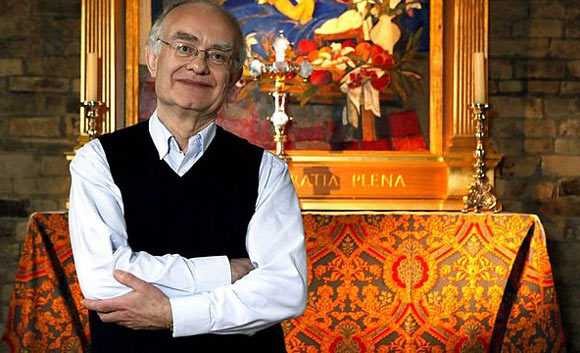
John Rutter

Saless decided to fill out the program with Rutter’s Suite Antique. BCO has performed the suite several times, and their YouTube video with flutist Cobus DuToit has received more than 77,000 hits. “This is our most popular YouTube video,” Saless says.

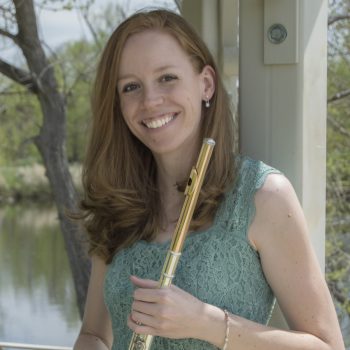
Flutist Rachelle Crowell

The score is nearly a flute concerto, with the instrument featured as soloist in each of the six movements. Scored for strings, harpsichord and flute, it is reminiscent of Baroque dance suites, with movements titled Prelude, Ostinato, Aria, Waltz, Chanson and Rondeau. The score adheres comfortably to Rutter’s usual accessible and unchallenging style.

“The other nice thing about the concert choice is that it’s basically a British composers concert,” Saless says. “And they’re both alive, so you can chalk that against performing contemporary music!”

Saless originally planned to perform Eternal Light two years ago, as a consoling musical gesture to audiences during the pandemic. “It’s been one of my goals to bring this to Boulder,” he says, but the original plans had to be postponed. Now that it finally will be performed, he says, “I’m really excited.”

# # # # #

“Eternal Light”
Boulder Chamber Orchestra, Bahman Saless, conductor
With Rachelle Crowell, flute, and Boulder Chamber Chorale, Vicki Burrichter, director

  • John Rutter: Suite Antique
  • Howard Goodall: Eternal Light: A Requiem

8 p.m. Saturday, April 2
Boulder Adventist Church, 345 Mapleton Ave.

TICKETS

Pianist Andrew Staupe brings two very different concertos to the BCO

Bahman Saless will conduct works by J.C Bach, Shostakovich and Tchaikovsky

By Peter Alexander Jan. 26 at 10 p.m.

Bahman Saless. Photo by Keith Bobo.

Conductor Bahman Saless will join with pianist Andrew Staupe and the Boulder Chamber Orchestra Saturday (7:30 p.m. Jan. 29 at the Boulder Adventist Church) to present “Diversions from History,” a program that balances some diversions from the usual programming with one of the most familiar works from the Romantic era.

“That’s what you do when you do programming,” Saless says. “You go ‘well, we need something that brings the audience in.’”

“Something” in this case is the Tchaikovsky Serenade for Strings, a piece that the often self-critical composer wrote “does not lack artistic worth.” It does not lack admirers, either, being one of the most performed of Tchaikovsky’s works. It has been heard in films, TV shows, and, remarkably, as the lead in to commercial breaks for an NFL playoff game.

If the Serenade provided the audience draw, the other two works on the program provided the concert’s title. And they are certainly a diversion from the standard repertoire: the Piano Concerto in E-flat, op 7 no. 5, by Johann Christian Bach, and the Concerto No. 1 for Piano by Shostakovich. 

Andrew Staupe

“Staupe wanted to do two small concertos,” Saless explained. This may have been a reaction to his last performance with Saless and the BCO in 2018, when he played the massive Piano Concerto No 3 of Johann Nepomuk Hummel, a contemporary of Beethoven. “It’s crazy hard!” Saless says of that concerto, suggesting that Staupe wanted something different this time.

When they started looking for shorter concertos, Saless remembered conducting music by J.C. Bach in Europe. “I was fascinated,” he says. “Also, I read that he and another composer, (Carl Friedrich) Abel, wrote the first piano concertos, the way we know them, in terms of writing for piano rather than harpsichord.”

The youngest son of J.S. Bach, Johann Christian is known as “The London Bach” from having lived there for many years. He is important in history as a transitional figure between his father’s Baroque style and the high classic style of Mozart and Haydn, and for having taught the eight-year-old Mozart in London. In fact, the young Mozart’s first concertos were modeled on works by J.C. Bach.

At a distance of more than 150 years, Shostakovich stands at a long remove from J.C. Bach. “We’re basically playing the music by a composer from the beginning of piano concerto as we’re familiar with, to the end of piano concerto as we’re familiar with,” Saless says.

But there is a musical connection, in that Shostakovich ties his concerto to earlier eras in various ways. He uses contrapuntal textures that recall the Baroque era of the elder Bach in the concerto’s fast movements, and quotes themes by Beethoven, including the “Appassionata” Sonata at the very outset, and the so-called “Rage Over a Lost Penny” in the finale.

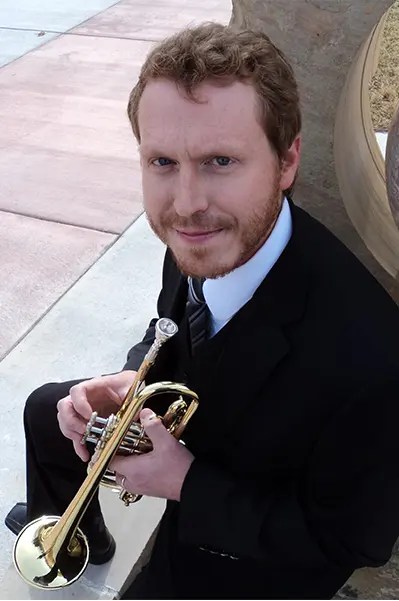
Derek McDonald

Shostakovich originally set out to write a trumpet concerto, but at some point he decided that the music needed a piano. As he continued to compose, the piano became more prominent, until he decided it was turning into a concerto for piano—with trumpet—although it is effectively a double concerto for the two instruments. The trumpet soloist will be Derek McDonald, the principal trumpet of the BCO.

The two soloists have their work cut out for them, Saless says. “The tempos are so wild! When it’s that fast, it’s a hard piece to put together. We’re going to have to practice a lot.”

Because of the fast tempos, “the pianist makes the decisions because the jumps in the left hand between the very end of the piano and the middle are ridiculous. Most of the tempos came from (Staupe) and (McDonald) is just making sure that he can play at the tempo that Andrew wants.”

In places it goes so fast that “the best thing (for the conductor) is not to get in the way,” Saless says. “You just conduct really small and let them do it. And you pray!”

Tchaikovsky wanted a large, lush string orchestra for the Serenade. The BCO is limited in numbers, due to COVID and the small stage space of the Adventist Church where they perform. “The problem is, how many people can we fit on that stage, and how many people do we WANT on the stage during the pandemic,” Saless says.

“But we’ve got 24 strings, so this is one of our bigger string sections. We have five cellos and two basses, which is pretty big for us. It’s going to be a nice, full sound.”

It’s not obvious, but the Serenade’s rich, Romantic score has a connection to the Classical elements of the other works on the program. Tchaikovsky was an ardent admirer of Mozart, to whom he intended a tribute in the Serenade’s first movement.

Whether you hear a connection with Mozart—and it is subtle—or hear the Beethoven quotations in Shostakovich, the program of three varied works is designed to appeal to varied tastes. And Saless hopes you will want to experience all three. “Come hear,” he says, suggesting a pun. 

“Come see. And listen!”

# # # # #

“Diversions in History’
Boulder Chamber Orchestra, Bahman Saless, conductor
With Andrew Staupe, piano, and Derek McDonald, trumpet

  • Johann Christian Bach: Piano Concerto in E-flat major, op. 7 no. 5
  • Shostakovich: Concerto No. 1 for Piano
  • Tchaikovsky: Serenade for Strings

7:30 p.m. Saturday, Jan. 29
Boulder Adventist Church, 345 Mapleton Ave., Boulder

TICKETS

All-Beethoven concert will celebrate the heroes battling COVID

Boulder Chamber Orchestra will present the “Eroica” Symphony Saturday

By Peter Alexander Oct. 21 at 4:40 p.m.

Bahman Saless says that performing Beethoven is like reciting Shakespeare. 

“There are so many ways to say something that it never ends,” he says. “You can say it 50 different ways, and the way you phrase everything will make it a little bit different.” In other words, Beethoven is so protean that every performance reveals something new.

Jennifer Hayghe will play Beethoven/ Fourth Piano Concerto Oct. 23

Saless is talking about the next concert he will conduct as music director of the Boulder Chamber Orchestra. At 7:30 p.m. Saturday (Oct. 23), he and the orchestra will perform an all-Beethoven concert at the Boulder Seventh Day Adventist Church. Pianist Jennifer Hayghe from the CU Boulder College of Music will be the soloist for Beethoven‘s Fourth Piano Concerto, and the orchestra will perform the Third Symphony, known as the “Eroica.”

The in-person audience will be required to show either proof of vaccination, or a negative COVID test in the past 72 hours before the concert. All audience members 2 and older will be required to wear a mask; children 2 to 12 will be admitted with proof of a negative COVID test. (See details here.) Tickets are available on the BCO Web page.

Saless said that Beethoven, and particularly the “Eroica” Symphony, were chosen to honor the heroes of the past year who worked on the front lines of the battle against COVID. The comparison to Shakespeare certainly illustrates the composer’s iconic stature: his music is often chosen for special occasions, such as the return to the stage after a pandemic.

Beethoven’s Fourth Piano Concerto is not as well known as his Fifth—the “Emperor” Concerto—but it is equally esteemed by pianists and other musicians. “It is definitely the most intimate of Beethoven’s concertos, especially the first movement,” Saless says.

That intimacy is signaled at the very beginning as the concerto begins, not with the traditional orchestral introduction, but with a gentle chordal gesture by the piano that is answered by the orchestra, creating a pattern of intimate dialog for the rest of the concerto.

Bahman Saless

“Beethoven sets up a conversation, and literally the entire movement is the dialog between the orchestra and piano,” Saless says. “It’s very personal. It’s his softest first movement, I would say gentlest, and absolutely just gorgeous.

“The slow movement is the most intriguing movement of the three. It starts with the orchestra dominating the scene, and the piano has the meeker answer. Then gradually the piano takes over. It’s really an amazing piece of music.”

The “Eroica” is one of the best known works in the orchestral repertoire. But Saless wants you to know that this performance will have its own individual character. “You’re going to hear a chamber orchestra version, rather than a full symphonic version,” he says. 

He points out two things to listen for in the chamber orchestra performance. The first is that the winds will be more prominent than with a larger string section. “They will be a lot more prominent, and they have a much bigger role,” he says. Where they “have the really important parts, we’re going to make sure that you can hear all the detail.”

The other is that as a smaller and more agile orchestra, the BCO can come closer to the fast tempos that Beethoven marked in his score. Those tempos are regarded as so extreme that they are rarely observed, but “we’re going to try to take the first movement close to Beethoven’s tempo marking,” Saless says. 

“It’s going to be really fun. And it’s scary! It’s very scary to do this symphony. The ‘Eroica’ is a Titanic, but [the players and I] have a bond when it comes to Beethoven. I know the orchestra is looking forward to it, and they are aware of what it means to me.”

Saless is happy to be returning to live performances after the past two years. In fact, the experience of the pandemic has led him, like many musicians, to be reflective about returning to the music he loves. 

“After COVID, you know that we could be dead tomorrow,” he says. “When you’re doing the Beethoven Third, you have to realize this could be the last time you’re dong it. You need to be really thankful that you can be up there and present this work of art to the public. There’s nothing like it. It’s the ultimate experience.

“I’m the luckiest person alive.”

# # # # #

Boulder Chamber Orchestra
Bahman Saless, music director
Fall 2021 concerts

“Celebrating the Heroes:” All-Beethoven Concert

  • Beethoven: Symphony No. 3 in E-flat major, op. 55 (“Eroica”)
  • —Concerto for Piano No. 4 in G major, op. 58
    Jennifer Hayghe, piano

7:30 p.m. Saturday, Oct. 23, 2021
Boulder Seventh-Day Adventist Church

TICKETS

“A Gift of Music:” Celebrating the Season with BCO Stars.

  • Maxime Goulet: Symphonic Chocolates
  • Tchaikovsky: Variations on a Rococo Theme
    Joey Howe, cello
  • Mozart: Concerto in A for clarinet and orchestra
    Kellan Toohey, clarinet

7:30 p.m. Saturday, Dec.11
Boulder Seventh-Day Adventist Church

TICKETS