Series of educational sessions are open to the public
By Peter Alexander April 7 at 6:50 p.m.
Imagine that you are leading a chorus. What do you do when a pandemic prevents you from presenting concerts, or even gathering for rehearsals?
If the chorus is the Seicento Baroque Ensemble, Boulder’s chamber choir devoted to the music of the early Baroque period, you might see this as an opportunity to expand knowledge and understanding of the Baroque style of music. You could, for examle, provide educational sessions designed to “demystify ‘Baroque Performance Practice’ in classical music and dance.”
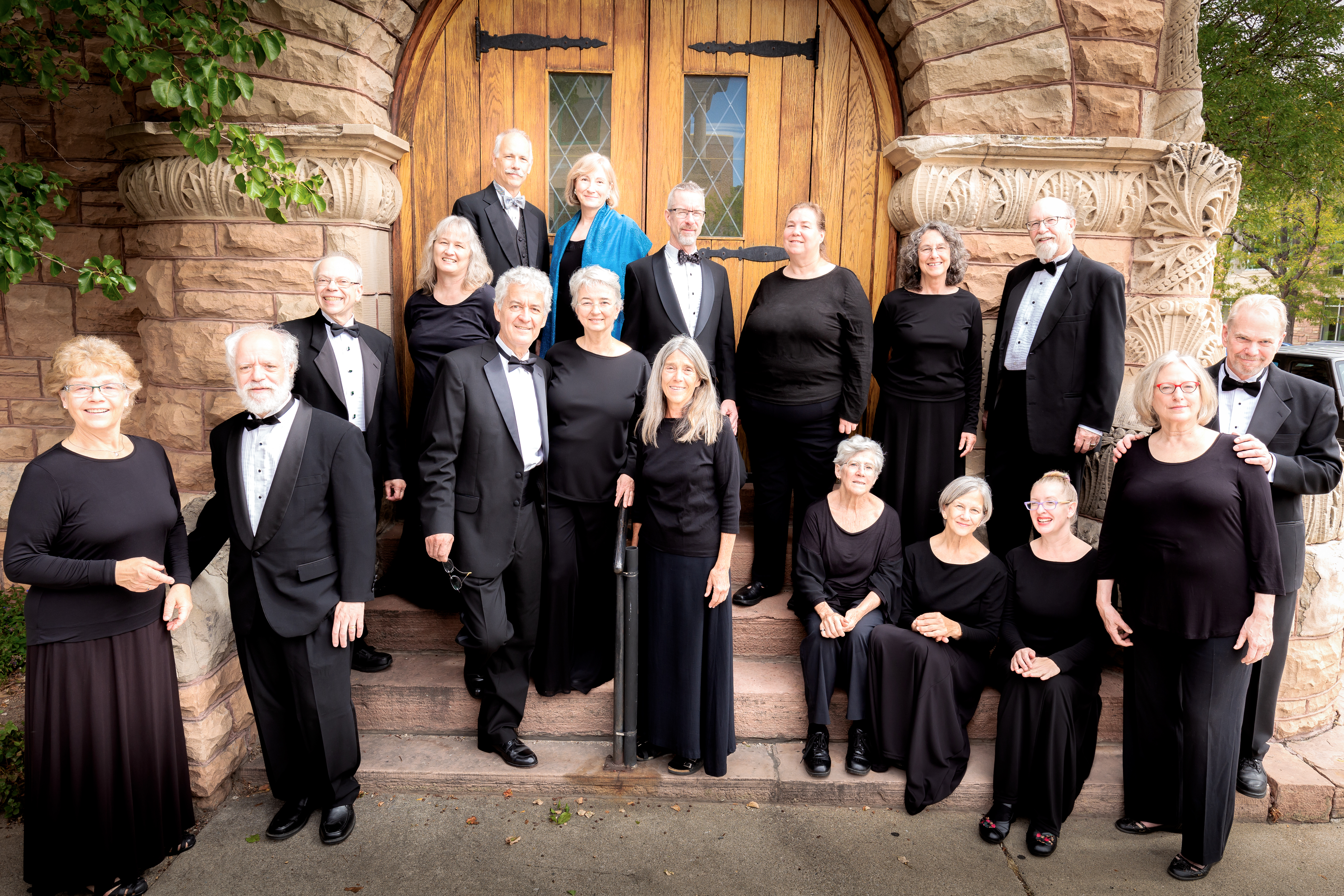
Seicento Baroque Ensemble with their director, Amanda Balestrieri (in blue)
In fact, that is exactly what Amanda Balestrieri, Seicento’s artistic director, decided to do this spring.
This intriguing appraoch allows safe distancing, since each session only requires a single presenter, and perhaps one or two other participants. It provides insight into the often arcane matters of early Baroque performance—knowledge that will benefit both the choir’s audience and their members. It allows Seicento to stay in contact with their supporters, and might attract the attention of potential new listeners.
The first of the “Inspire Baroque” series, as it is called—a class on Baroque dance—was held in March, but four sessions remain. The first of those remaining sessions, “Cellos & Viols and Students, Oh My!” will premiere on YouTube at 6 p.m. Friday, April 9.
Sarah Biber
For that session, Baroque and viola da gamba specialist Sarah Biber will explore and explain the viol family of instruments—bowed stringed instruments of the Renaissance and Baroque periods that are similar to, but distinct to the more familiar violin and its larger relations. Assisted by colleagues and students, Biber will use the “La Folia” theme, employed by many Baroque composers and familiar to Baroque music enthusiasts.
Other sessions of the “Inspire Baroque” series and their premieres will be:
—“Historic Organs Meet 21st-Century Tech,” 6–7 p.m. Friday, April 23. Using a Virtual Pipe Organ (VPO) setup, historical keyboard specialist Wesley Leffingwell will discuss organ history and music that showcases the versatility of a virtual instrument.
—“What’s Your Temperament (and why does it matter)?” 6–7 p.m. Friday, May 7. Organist and harpsichord performer Eric Wicks will venture into the complex and deeply mystifying subject of Baroque-era intonation and systems of tuning, and explain the ways that different temperaments affect the sound and expression of early music performances.
—“The Flute’s Pleasure Garden,” 6–8:15 p.m. Friday, May 21. Flutist and recorder specialist Rob Turner will present Baroque music written or arranged for unaccompanied recorder and transverse flute, using his extensive personal collection of instruments. The YouTube premiere of the “Inspire Baroque” session will be followed by a Q&A session by Zoom.
Each session is free, with a requested donation to Seicento. You may sign up for the individual sessions here.
Music by Haydn, Schubert, Dutilleux: Stream available through May 10
By Peter Alexander April 7 at 12:30 p.m.
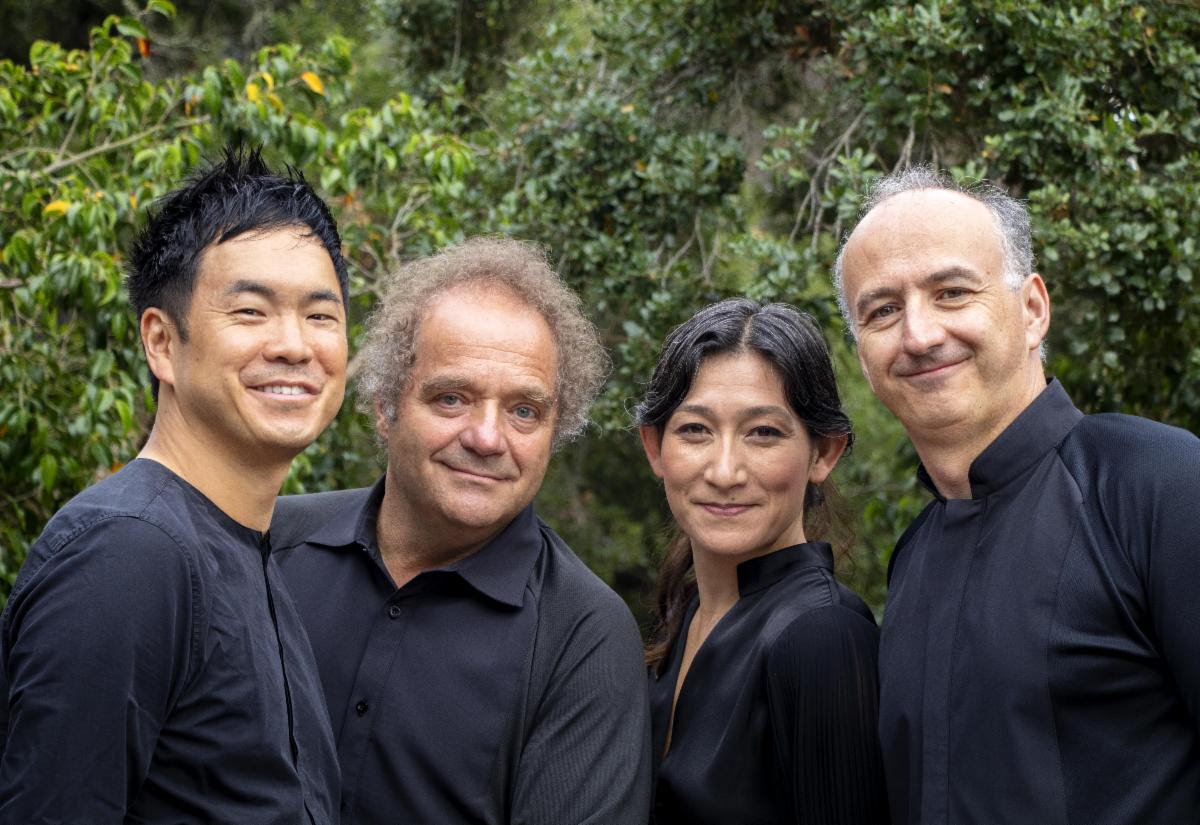
The CU-based Takács Quartet has played a series of concerts in Grusin Hall this year, but you can be forgiven if you missed them. They were played without an audience, and most of the live streams were available only to season ticket holders.
The final concert of ’20-21, at 4 p.m. Sunday, April 11, will again be in an empty hall, but tickets for the stream are available to the general public. The performance will be streamed live at 4 p.m., and the stream will remain available through Monday, May 10.
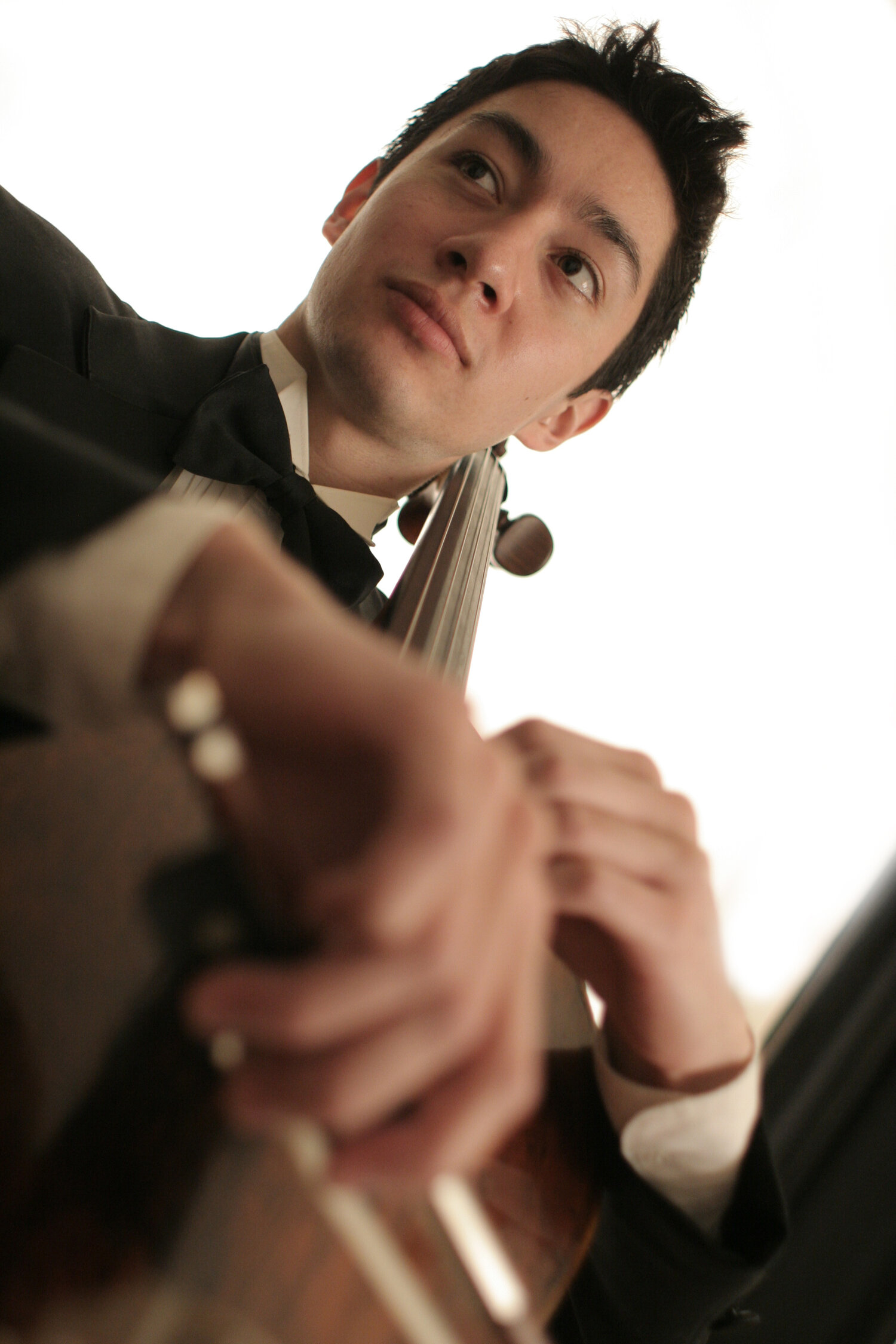
David Requiro
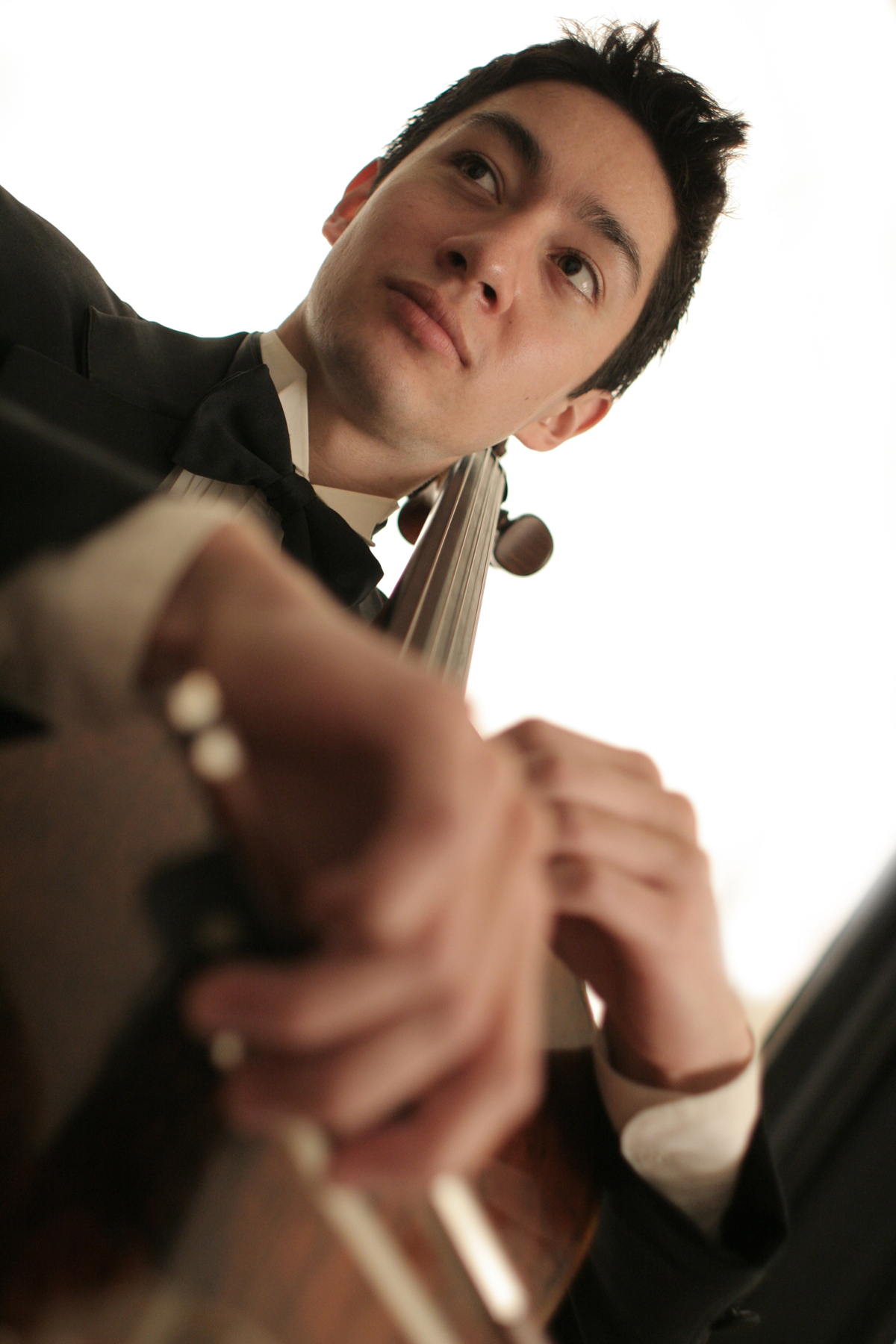
Cellist and CU faculty member David Requiro will join the Takács for Schubert’s much loved Quintet in C major for Strings, D956. Other works on the program will be two quartets by Joseph Haydn—Op. 42 and Op. 103, both in D minor—and the atmospheric Ainsi la nuit (Thus the night) by 20th-century French composer Henri Dutilleux.
András Fejér, the quartet’s cellist, has been with the Takács since it was founded in 1975. He has played everything on the program many times, but he never gets tired of his job. “The literature is so incredibly rich!” he says. “One can argue and counter argue on any page of any of the pieces for lifetime. It’s a joy to listen to (other players’) ideas.”
Take for example the two Haydn quartets that will open the program. “With Haydn, whenever we start learning and studying you are just swept away by his generosity of ideas—surprising key changes, character changes and trickery,” he says.
Fejér believes the “trickery,” for which Haydn is well known, was done for the composer to entertain his audience—and himself. “If you spend 40 years in a palace on the Austro-Hungarian border, however generous your patron is, you need to care about your own entertainment,” he says.
Some of the fun also comes from Haydn’s contact with the local peasants, Fejér believes. “They were full of joy, they were full of rowdiness, probably some dancing, and we can find most of it on those pages. Hopefully you will see the enjoyment in our body language, and you will be transported into the 18th-century. It’s got such spice and an earthy, primal energy. Wonderful!”
Both Haydn quartets are unusual among the composer’s works. For one thing, they are both in D minor, at a time when few works were written in minor keys. Further, both are short works that do not belong to a larger set, as most Haydn quartets do. Op. 42 is in four short movements—less than 20 minutes all together.
One of the last pieces Haydn wrote, Op. 103 remains a fragment of two movements. Written in B-flat major and D minor, they are assumed to have been the second and third movements of a planned four-movement quartet, but even that is uncertain. Haydn was in poor health as he was writing, and was unable to finish a full quartet.
Like the Haydn Op. 103, Schubert’s Quintet in C major was the composer’s last piece of chamber music. It was completed about two months before Schubert’s death in Nov. 1828 but was not performed until 1850, and published three years after that.
Schubert added a second cello to the standard string quartet, which gives a great resonance and warmth of sound to the ensemble. This is especially true because the piece is in C major, and the two bottom string of the cello are C and G, tonic and dominant of the key. Fejér explains that “the open strings of the cello, C and G, resonate just by lightly touching the instrument. It just rolls out—wonderful!”
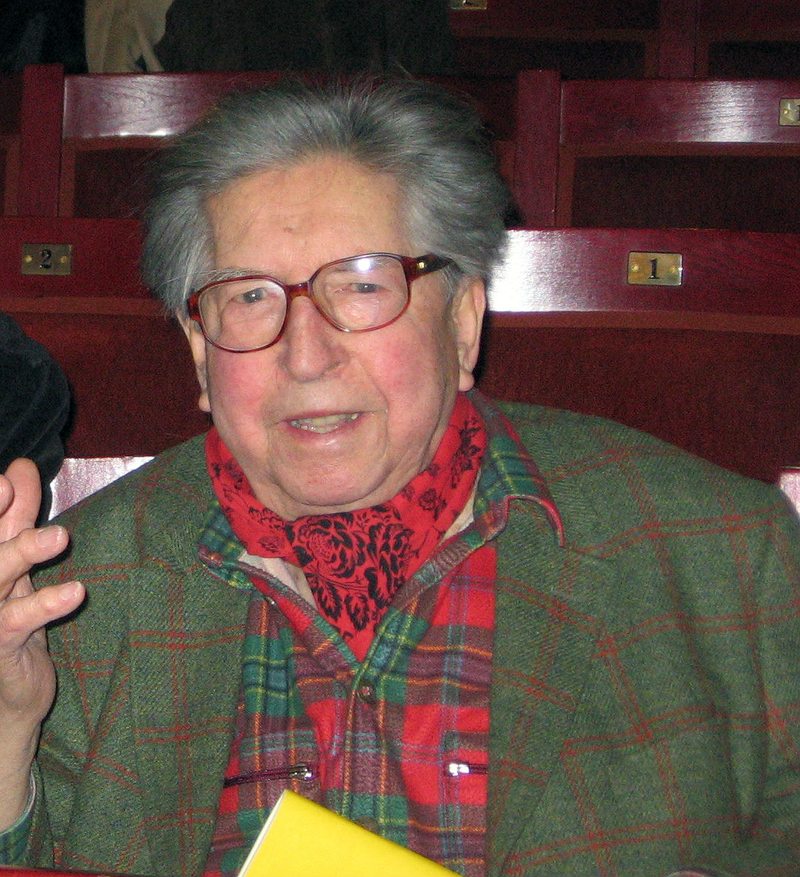
Henri Dutilleux
The Takács Quartet has performed the Schubert with Requiro in the past, including a performance at Lincoln Center. “We are just looking forward to (performing with) David Requiro,” Fejér says. “We already played the Quintet many times with him, and it was wonderful.”
Schubert’s String Quintet has become one of the most loved pieces of chamber music from the 19th century. Like many of Schubert’s last works, it has a warmth and benedictive quality that audiences have responded to. It is indicative of that quality, Fejér says, that “the most people I know ask for the Schubert Quintet slow movement for their own funeral.”
That is unlikely to be true for the final piece on the program, which comes from another world. Dutilleux’s Ainsi la nuit (Thus the night) is a highly atmospheric work from the late 20th century. The composer has been identified with the atonal 12-tone style of composition, although he notably rejected the more radical and intolerant aspects of musical modernism.
“The music is extremely atmospheric,” is how Fejér describes Ainsi la nuit. “Many composers were trying to give meaning for the noises of the night, and Dutilleux certainly tries it his own ways. As performers, we need to (bring out) the colors and character to give the audience some sense of within what cosmos are we moving about.
“There are clashes and supernovas and black matter and God knows what else, but the beauty and atmosphere keep recurring.”
# # # # #
Takács Quartet
Takács Quartet, with David Requiro, cello
Haydn: String Quartet in D minor, op. 42 Haydn: String Quartet in D minor, op. 103 Henri Dutilleux: Ainsi la nuit (Thus the night) Schubert: String Quintet in C major, D956
Live stream at 4 p.m. Sunday, April 11; available through 11 p.m. Monday, May 10
Streamed concert available April 3 will feature Stravinsky’s “Soldier’s Tale”
By Peter Alexander April 2 at 1 p.m.
The past year has been the year of the chamber orchestra.
To respect the need for safe distancing between players, orchestras including the Boulder Philharmonic have presented entire programs of music written, or arranged, for reduced orchestra or chamber ensembles. Each of the Philharmonic’s 2020-21 performances has been recorded and streamed for ticket purchasers to access from the safety of their homes—as most orchestras have done.
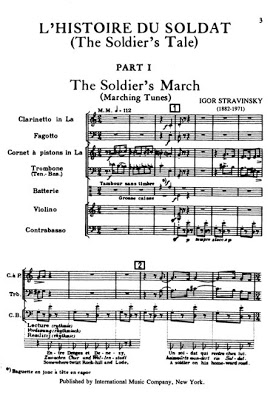
That trend continues with the Phil’s next concert, but with a twist. The one piece on the program for Saturday (April 3, available from 7:30 p.m.), Stravinsky’s theater piece L’Histoire du soldat (The soldier’s tale), is ideal for performance during a pandemic—because it was in fact written during the last global pandemic, the Spanish Flu of 1918–19.
Stravinsky sat out World War I in Switzerland. As the war was coming to an end, the production of large-scale works, such as his previous ballets The Firebird, Petrushka and The Rite of Spring, was no longer possible. Instead, Stravinsky thought of creating a theater piece for a small group of musicians and actors that could be toured to Swiss villages.
Stravinsky and the Swiss writer C.F. Ramuz collaborated to write L’Histoire du soldat, based on a Russian folk tale and written for seven players (violin, string bass, clarinet, bassoon, trumpet, trombone and percussion), three actors and a dancer—ideal numbers for safely distanced performances. In the end, the flu defeated Stravinsky’s plan for a tour, but L’Histoire was premiered in Lausanne, Switzerland, in 1918. The music has retained a place in the chamber orchestra repertoire, and the score is important as a bellwether of the transition from the massive musical works of the pre-war period to the neo-classicism of the late 19-teens and ‘20s.
The folktale that provided the plot is one that Stravinsky knew from Russia, but it is found in many different cultures: A lonely soldier engages in a contest with the devil. This is a well known story, from legends of Paganini selling his soul for unnatural fiddle skills, to Blues musicians being in league with the devil, to the Charlie Daniels Band’s “The Devil Went Down to Georgia.”
C.F. Ramuz and Stravinsky
In the story worked up by Stravinsky and Ramuz, the soldier trades his fiddle—representing his soul—to the devil for knowledge that will make him wealthy. The soldier prospers and marries a princess, but the devil returns and triumphs in the end.
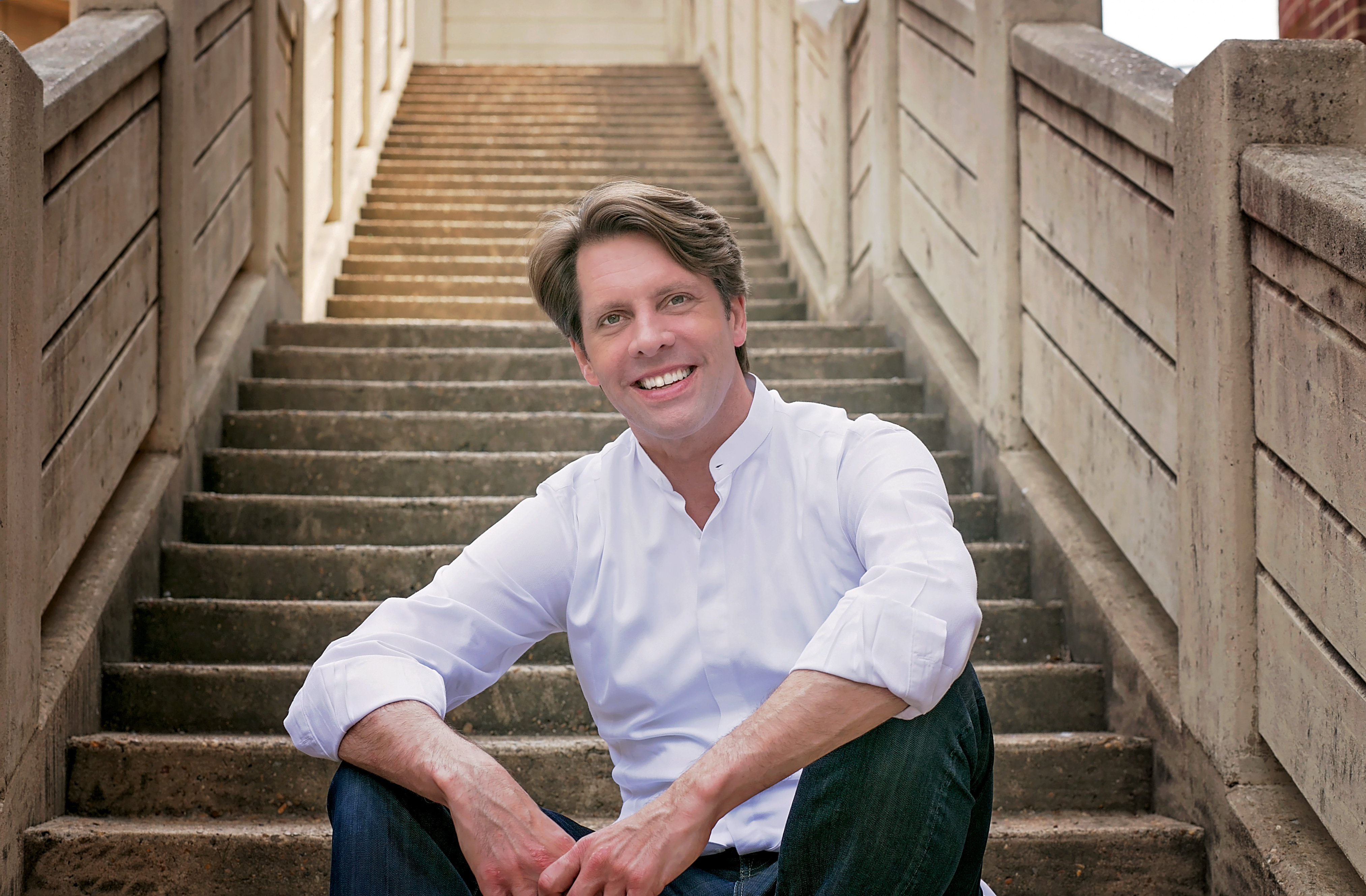
“I think it’s a confusing story to follow,” Michael Butterman, conductor of the Boulder Phil, says. “It helps to have some frame of reference. I’m going to give a brief outline of what’s happening, so that people understand that the devil keeps coming back in different guises and disguises.”
The basic moral of the story, Butterman says, is that the soldier gets lots of stuff, but stuff doesn’t make him happy. “It’s all nothing without the fiddle—that’s your soul,” Butterman says. This is essentially the message of a passage from the Gospel According to Mark, “What shall it profit a man, if he shall gain the whole world, and lose his own soul?” Butterman suggests.
Although 20th-century modernist in style, the music is easily grasped by listeners. “We have marches,” Butterman explains. “Although they are not totally regular in their march rhythm, they still feel like left, right, left, right. You have three dances that are stylized, but clearly identifiable. And there’s chorales that sound like chorales.”
The dances are a tango, a waltz, and one titled “Ragtime”—but, Butterman observes, “it’s not going to remind anybody of Scott Joplin.” Stravinsky had never heard American jazz performed, although he had some printed copies. He used the rhythms as he saw them on the page and listeners will likely recognize the syncopations.
Michael Butterman. Photo by Rene Palmer.
“Stravinsky sees everything through his own unique prism,” Butterman says. “What’s interesting about the piece to me is that it sounds less complex that it appears on the page. It’s a very complicated piece to put together and to conduct, just technically speaking. Much of the music does not line up at all with the meter that he’s [notated].”
Those are complications for the performers, but not necessarily for the listeners. “There’s enough familiar both in terms of the story and in terms of the musical forms that you know where to glom onto it” Butterman says. “The music is accessible, it’s not highly dissonant, it’s downright tuneful, quite clever, and always given to you in digestible chunks.”
The performance is presented in collaboration with the CU Department of Theater and Dance and the Boulder Ballet. The performance, which has already been recorded, was staged by Bud Coleman, department chair. Theater students fill the roles of four actors—a narrator, the soldier, and two actors to portray the devil. Boulder Ballet has provided the dancer and choreography.
# # # # #
Members of the Boulder Philharmonic Orchestra Michael Butterman, conductor Staged by Bud Coleman with actors from the CU Dept. of Theater and Danc Dance from the Boulder Ballet
Stravinsky: L’Histoire du soldat (The Soldier’s Tale)
Available at 7:30 p.m. Saturday, April 3 (through April 17)
Season will offer 22 performances at Chautauqua Auditorium July 1–Aug. 7
By Peter Alexander March 29 at 10 a.m.
The Colorado Music Festival’s 2021 summer season will include both live in-person performances at the Boulder Chautauqua Auditorium, and live streams you can view from home.
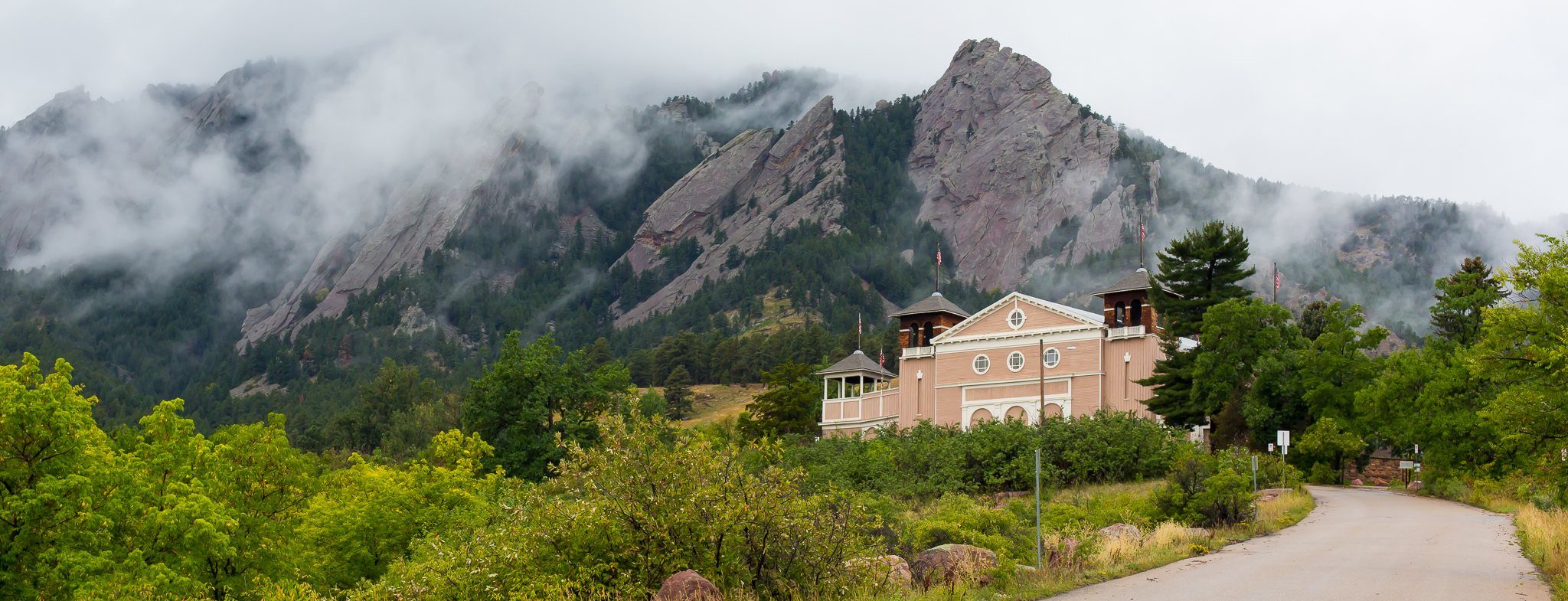
Chautauqua Auditorium
These will be the first in-person CMF performances at Chautauqua since the end of the 2019 season. Last year, the planned summer season was cancelled and replaced with a series of intimate performances featuring selected guest artists and interviews by the CMF Music Director, Peter Oundjian.
In a release from the festival, CMF executive director Elizabeth McGuire is quoted saying “After moving to a virtual festival in 2020, we look forward to offering safe, socially-distanced concerts, alongside streaming options for several of this season’s concerts. We want these performances to be available to as many people as possible.”
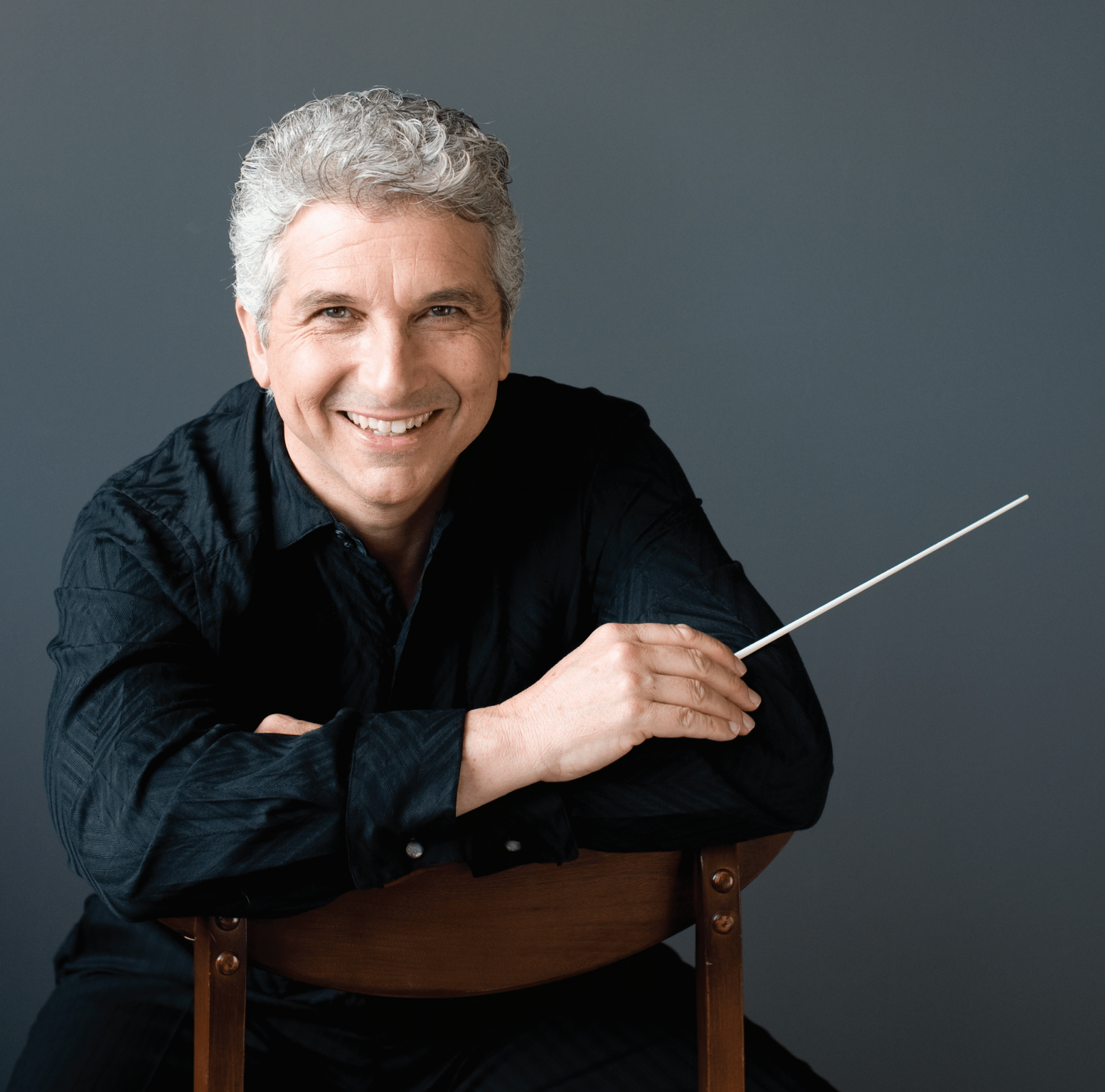
CMF Music Director Peter Oundjian
Oundjian is quoted in the same news release: “In our 2021 season, we wish to commemorate the challenges of the pandemic, while celebrating the return to live, communal music-making.”
The summer’s schedule will parallel previous summers in many ways: Major orchestra concerts will be played on Thursdays at 7:30 (July 1–Aug. 5); four of the six Thursday concerts will be repeated on the following Friday, this year at 6:30 p.m.; chamber concerts featuring renowned guest artists and CMF musicians, will be Tuesday nights (July 6–Aug. 3); and there will be concerts on Sunday evenings featuring smaller orchestral forces (July 11–Aug. 1).
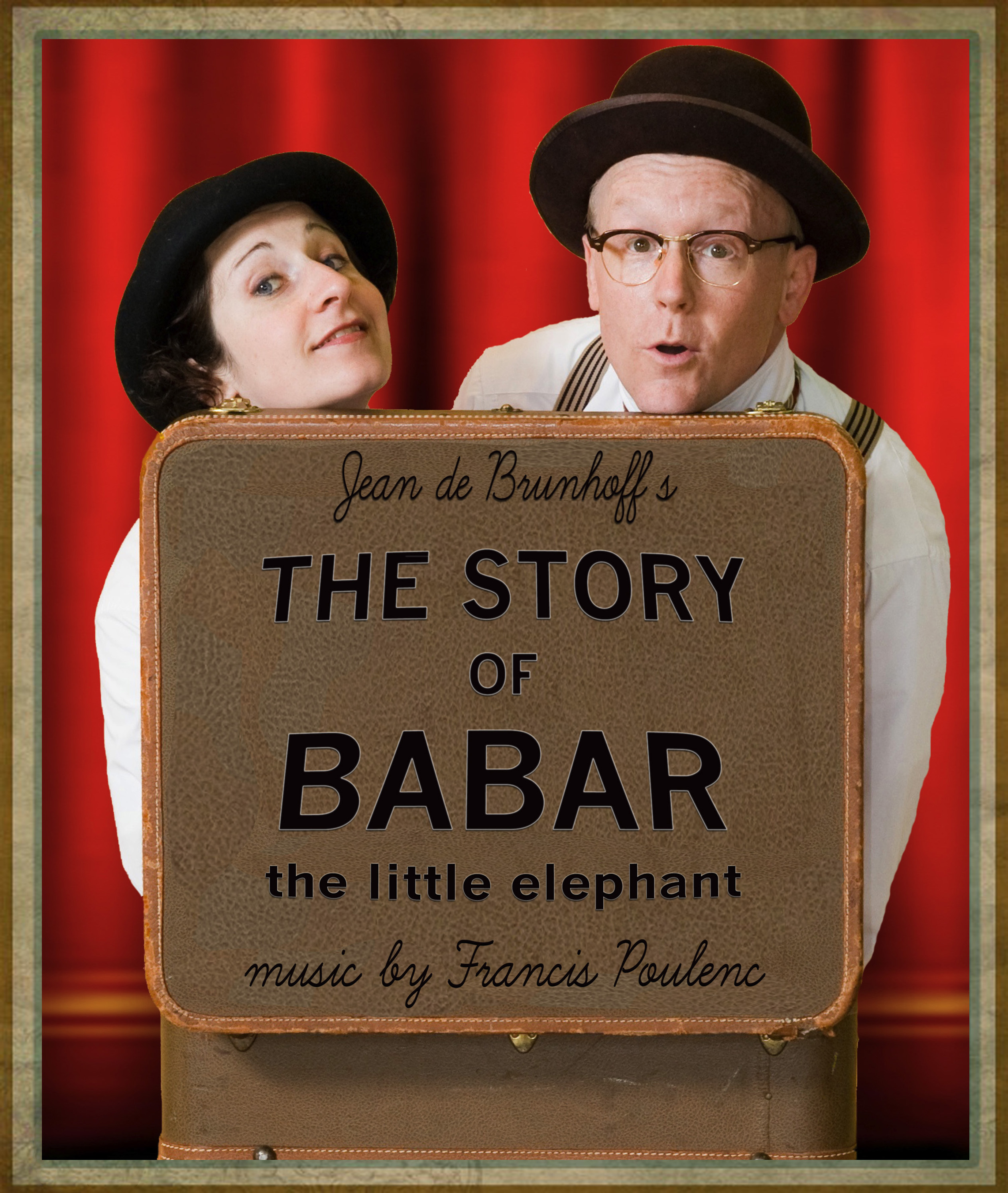
The annual family concert, this year with Really Inventive Stuff performing Francis Poulenc’s Story of Babar, will be at 11 a.m. on the opening Saturday of the season, July 3. And the season will conclude at 7:30 p.m. Saturday, Aug. 7. Oundjian will lead orchestra concerts the first week of the festival, and weeks three through six, with guest conductors David Danzmayr and Ludovic Morlot picking up weeks two and three (see full schedule below).
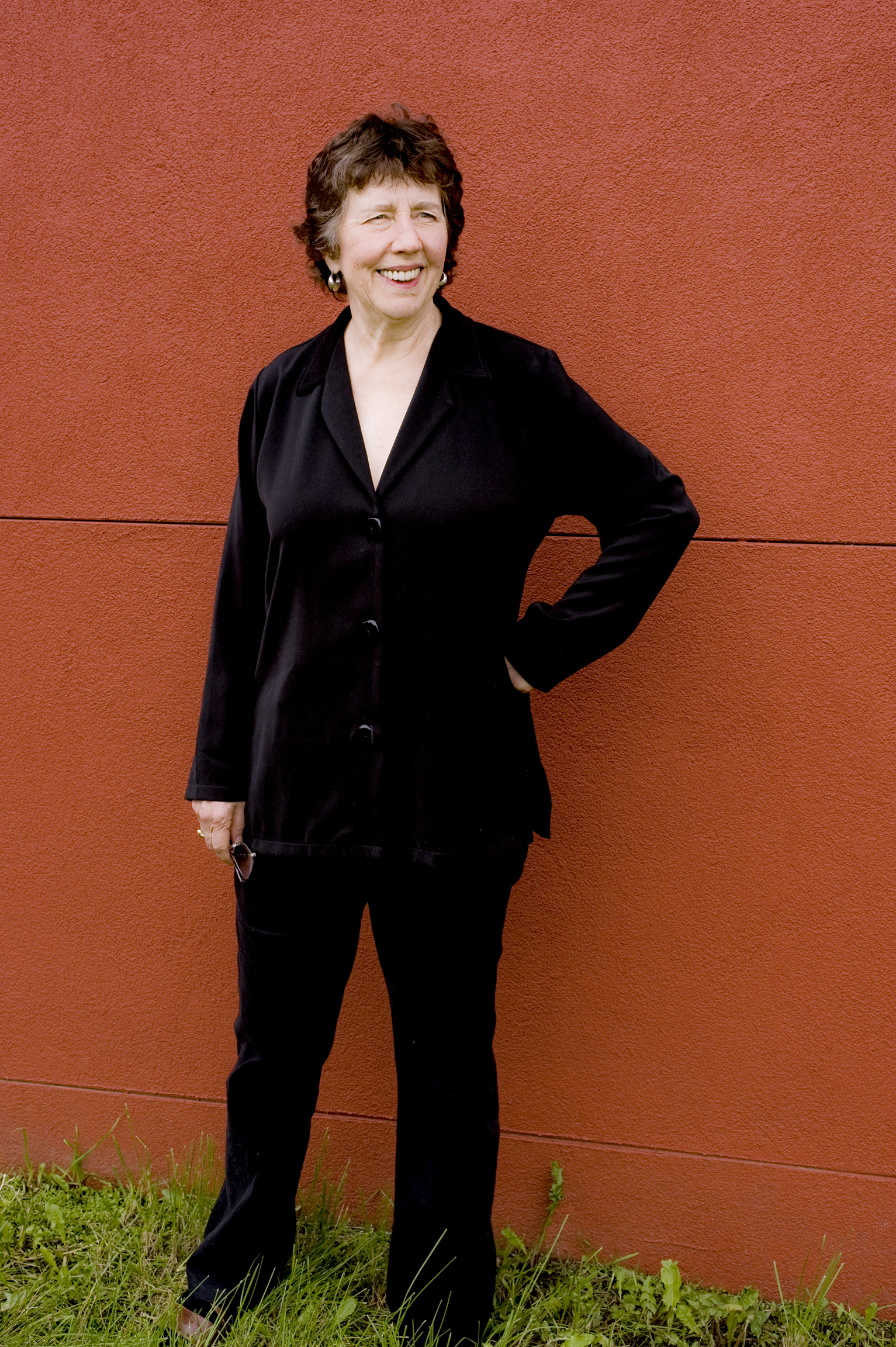
Joan Tower. Photo by Bernie Mindich
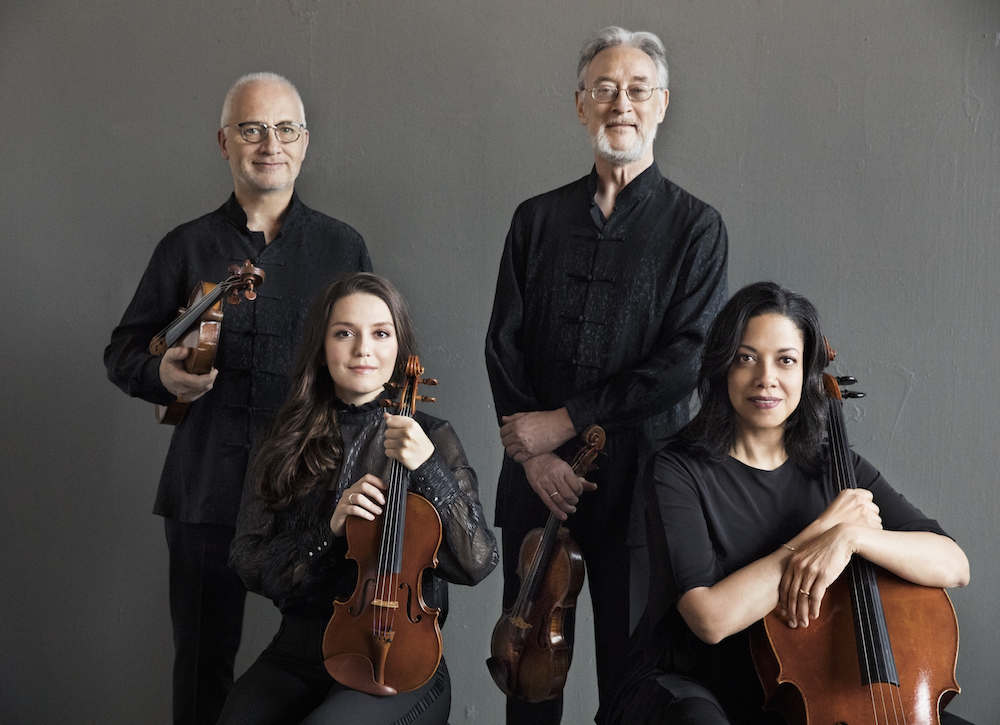
There will be some notable innovations this year. The Tuesday chamber concerts will be known as the Robert Mann Chamber Music Series. Named for Robert Mann—composer, conductor, founding first violin of the Juilliard String Quartet and mentor to CMF Music Director Peter Oundjian—the series will feature CMF orchestra members, as well as three string quartets making their CMF debut appearances.
The first, on July 13, will be the Juilliard Quartet, which retains Mann’s legacy. The St. Lawrence String Quartet, once coached by Mann, will perform July 20, and the Danish String Quartet will present a strikingly original program, including a collection of dances, loosely modeled on the Baroque dance suites and assembled by the quartet from works by different composers, on Aug. 3.
The 2021 Festival will include four world premieres: commissions from Hannah Lash (July 22), Joan Tower (July 25) and Joel Thompson (Aug. 5), and a new work from Aaron Jay Kernis on opening night that will commemorate victims of the COVID-19 pandemic. The concert on July 25 will be devoted entirely to works by Tower, who plans to attend the performance.
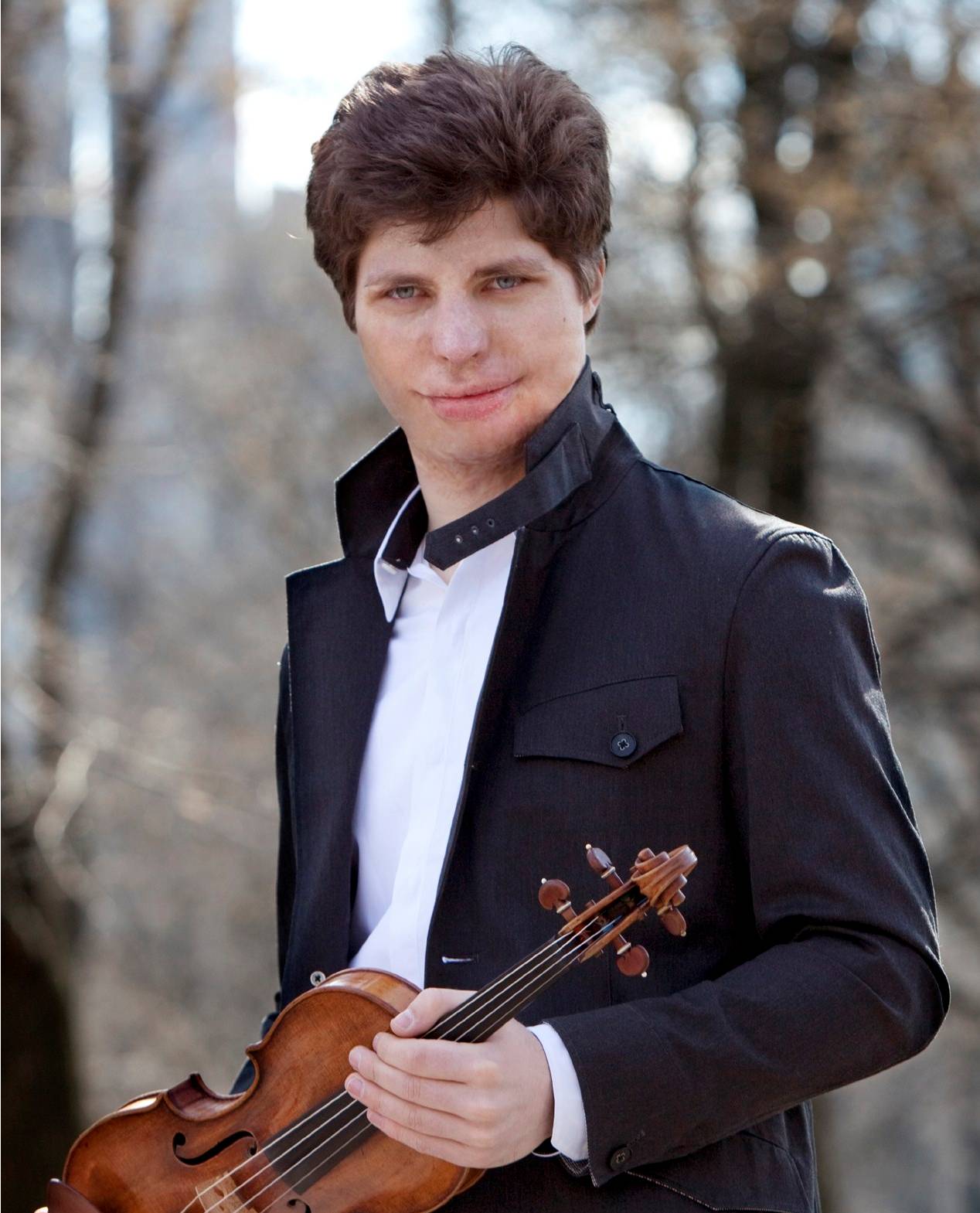
Summer artist-in-residence will be violinist Augustin Hadelich, who appeared at the festival in 2018, and was scheduled for the 2020 Festival. When the latter was canceled, he made a solo appearance from Oundjian’s home as one of the summer’s online presentations. This year he will play Mendelssohn’s Violin Concerto with Oundjian and the Festival Orchestra on opening night, Thursday, July 1, and Friday, July 2; and Beethoven’s Violin Concerto Thursday, July 29, and Friday, July 30.
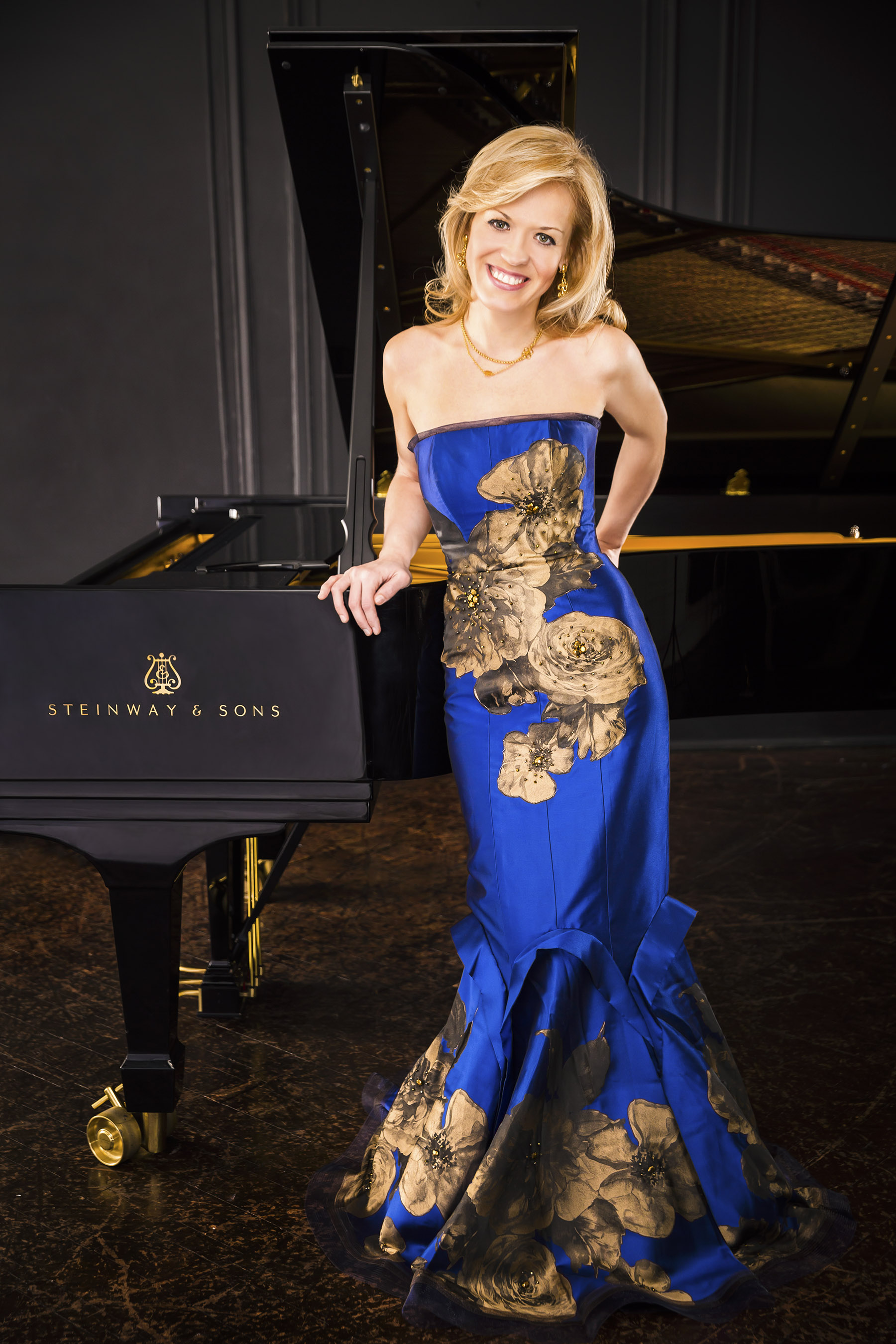
Olga Kern, pianist, photographed by Chris Lee at Steinway Hall.
There will be other Beethoven performances through the summer: Symphony No. 7 on the opening concert (July 1 and 2); an orchestration of String Quartet No. 14, op. 131 (July 22); the Quintet for piano and winds, op. 16 and the Septet, op. 20 (July 27); Symphony No. 3 (Aug. 5) and Symphony No. 5 on the final concert (Aug. 7). Other traditional Classical repertoire will be represented through works by Haydn, Mozart, Brahms and Mendelssohn scattered through the summer.
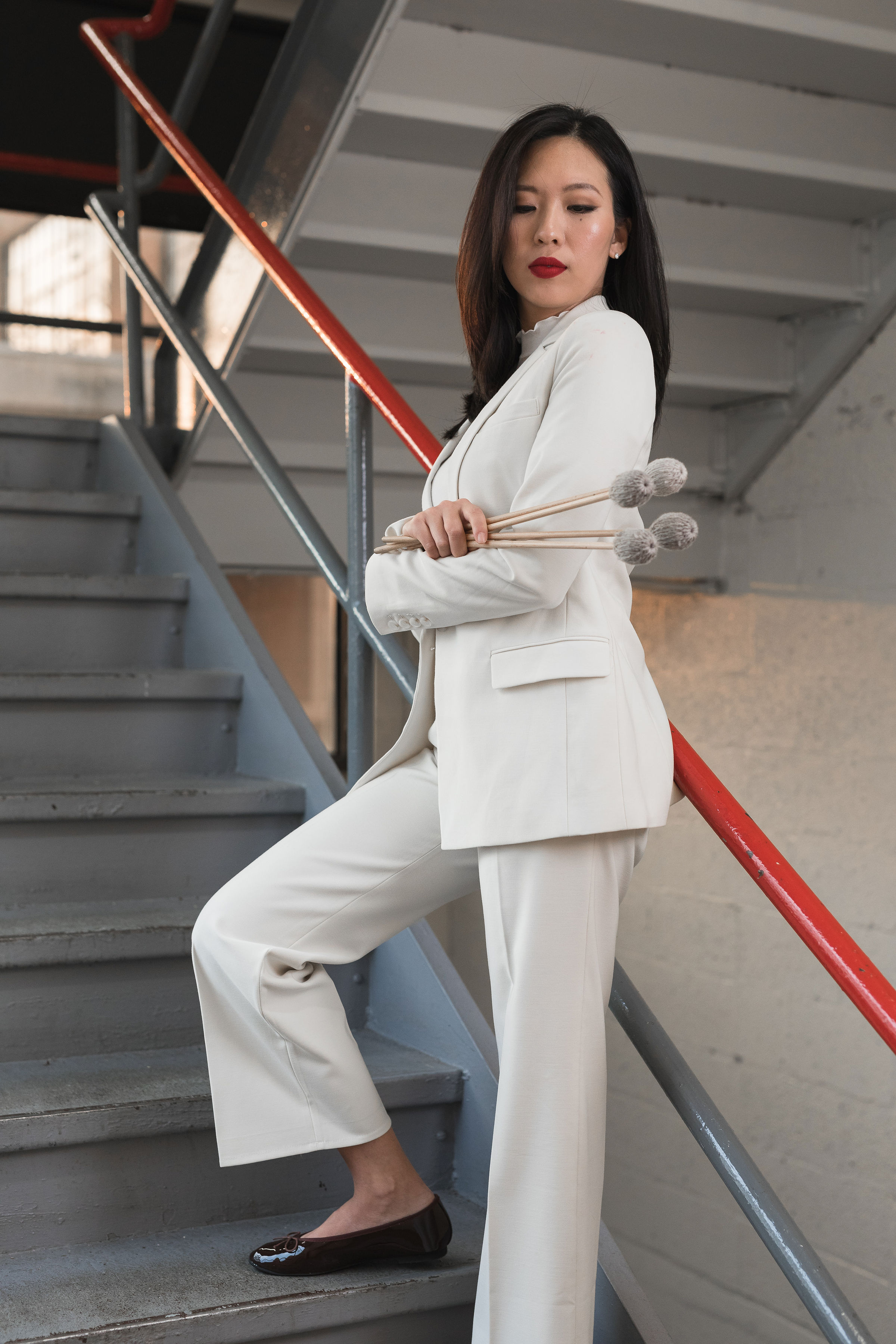
Other solo artists during the summer will include CMF favorite Olga Kern (July 15–16), pianist Stewart Goodyear, violinist Angelo Xiang Yu, pianist Conrad Tao, marimbist Ji Su Jung, pianist Christopher Taylor, cellist Alisa Weilerstein and saxophonist Steven Banks. Boulder resident and longtime CMF supporter Chris Christoffersen will narrate Copland’s Lincoln Portrait (Aug. 1).
Tickets for the 2021 season will be for sale on the CMF Web page beginning April 20. The CMF release also noted that “guidance for safe social distancing practices will be observed closely in the months to come and will most likely include limiting the number of orchestra members on stage.“The event’s venue, Chautauqua Auditorium, will implement a COVID-19 safety plan throughout the 2021 season, including the latest guidelines for spacing between seats, distance between performers and audience members, and mask requirements for all.” Information and updates to the Chautauqua safety plan will be posted on the venue’s Web site.
CMF is offering a remote viewing experience for the 2021 Colorado Music Festival with a selection of the performances available via live streaming. For a full list of live-streaming performances and to purchase tickets beginning April 20, click here.
# # # # #
Colorado Music Festival 2021 Season programs All performances in the Chautauqua Auditorium
7:30 p.m. Thursday, July 1 6:30 p.m. Friday, July 2 Opening Night Peter Oundjian, conductor, with Augustin Hadelich, violin
Aaron Jay Kernis: Elegy (to those we’ve lost) (world premiere) Mendelssohn: Violin Concerto in E minor, op. 64 Beethoven: Symphony No. 7 in A major, op. 92
11 a.m. Saturday, July 3 Family Concert: The Story of Babar Really Inventive Stuff, Erina Yashima, conductor
Leopold Mozart: Toy Symphony Francis Poulenc: The story of Babar, the Little Elephant
7:30 p.m. Tuesday, July 6 String Quintets CMF Orchestra Members
Mozart: Viola Quintet in G minor, K516 Brahms: Viola Quintet in G major, op. 111
7:30 p.m. Thursday, July 8 6:30 p.m. Friday, July 9 David Danzmayr, conductor, with Stewart Goodyear, piano
Jessie Montgomery: Strum Saint-Saëns: Piano Concerto No. 2 in G minor, op. 22 Brahms: Symphony No. 4 in E minor, op. 98
6:30 p.m. Sunday, July 11 David Danzmayr, conductor, with Angelo Xiang Yu, violin
Samuel Coleridge-Taylor: Novelletten for string orchestra, nos. 3 and 4 Mozart: Violin Concerto No. 3 in G major, K216 Haydn: Symphony No. 104 in D major (“London”)
Juilliard String Quartet
7:30 p.m. Tuesday, July 13 Juilliard String Quartet
Ravel: String Quartet in F major Henri Dutilleux: Ainsi la Nuit (Thus the night) Dvořák: String Quartet No. 12 in F major, Op. 96 (“American”)
7:30 Thursday, July 15 6:30 Friday, July 16 Ludovic Morlot, conductor, with Olga Kern, piano
Dvořák: Legends, op. 59 (6, 7 and 9) Prokofiev: Symphony No. 1, op. 25 (“Classical”) Haydn: Piano Concerto in D major, Hob. XVIII:11 Shostakovich: Piano Concerto No. 1 in C minor, op. 35
6:30 p.m. Sunday, July 18 Ludovic Morlot, conductor, with Conrad Tao, piano
Mozart: Ballet Music from Idomeneo, K367 Mozart: Piano Concerto in A major, K488 Mozart: Symphony No. 40 in G minor, K550
7:30 p.m. Tuesday, July 20 St. Lawrence String Quartet
Haydn: String Quartet in D major, op. 20 no. 4 John Adams: String Quartet No. 1 Debussy: String Quartet in G minor, op. 10
Ji Su Jung
7:30 p.m. Thursday, July 22 Peter Oundjian, conductor, with Ji Su Jung, marimba
Hannah Lash: Forestallings (CMF Co-commission) Kevin Puts: Concerto for Marimba Beethoven: String Quartet No. 14, op. 131 (orchestrated by Peter Oundjian)
7:30 p.m. Friday, July 23 “Kaleidoscope” CMF Orchestra strings and percussion, with Christopher Taylor, piano, and Ji Su Jung, marimba
Nebojsa Zivkovic: Trio per Uno Nico Muhly: Big Time for String Quartet and Percussion Peter Klatzow: Concert Marimba Etudes Derek Bermel: Turning Keith Jarrett: The Köln Concert (Part IIC) Leigh Howard Stevens: Rhythmic Caprice William Bolcom: Piano Quintet No. 2
6:30 p.m. Sunday, July 25 Music of Joan Tower Peter Oundjian, conductor, with Alisa Weilerstein, cello
Joan Tower: Fanfare for the Uncommon Woman No. 5 Joan Tower: Made in America Joan Tower: Duets Joan Tower: Cello Concerto (world premiere)
Augustin Hadelich
7:30 p.m. Tuesday, July 27 Colorado Music Festival Orchestra members
Beethoven: Quintet for piano and winds in E-flat major, op. 16 Beethoven: Septet in E-flat major, op. 20
7:30 p.m. Thursday, July 29 6:30 p.m. Friday, July 30 Peter Oundjian, conductor, with Augustin Hadelich, violin
Carl Maria von Weber: Overture to Oberon Zoltán Kodály: Dances of Galánta Beethoven: Violin Concerto in D major, op. 61
6:30 p.m. Sunday, Aug. 1 Peter Oundjian, conductor, with Steven Banks, saxophone, and Chris Christoffersen, narrator
Copland: Fanfare for the Common Man Florence Price: String Quartet No. 2 (Movement 2) Alexander Glazunov: Saxophone Concerto in E-flat major, op. 109 Jacques Ibert: Concertino da Camera Copland: Lincoln Portrait
Brooklyn Rider
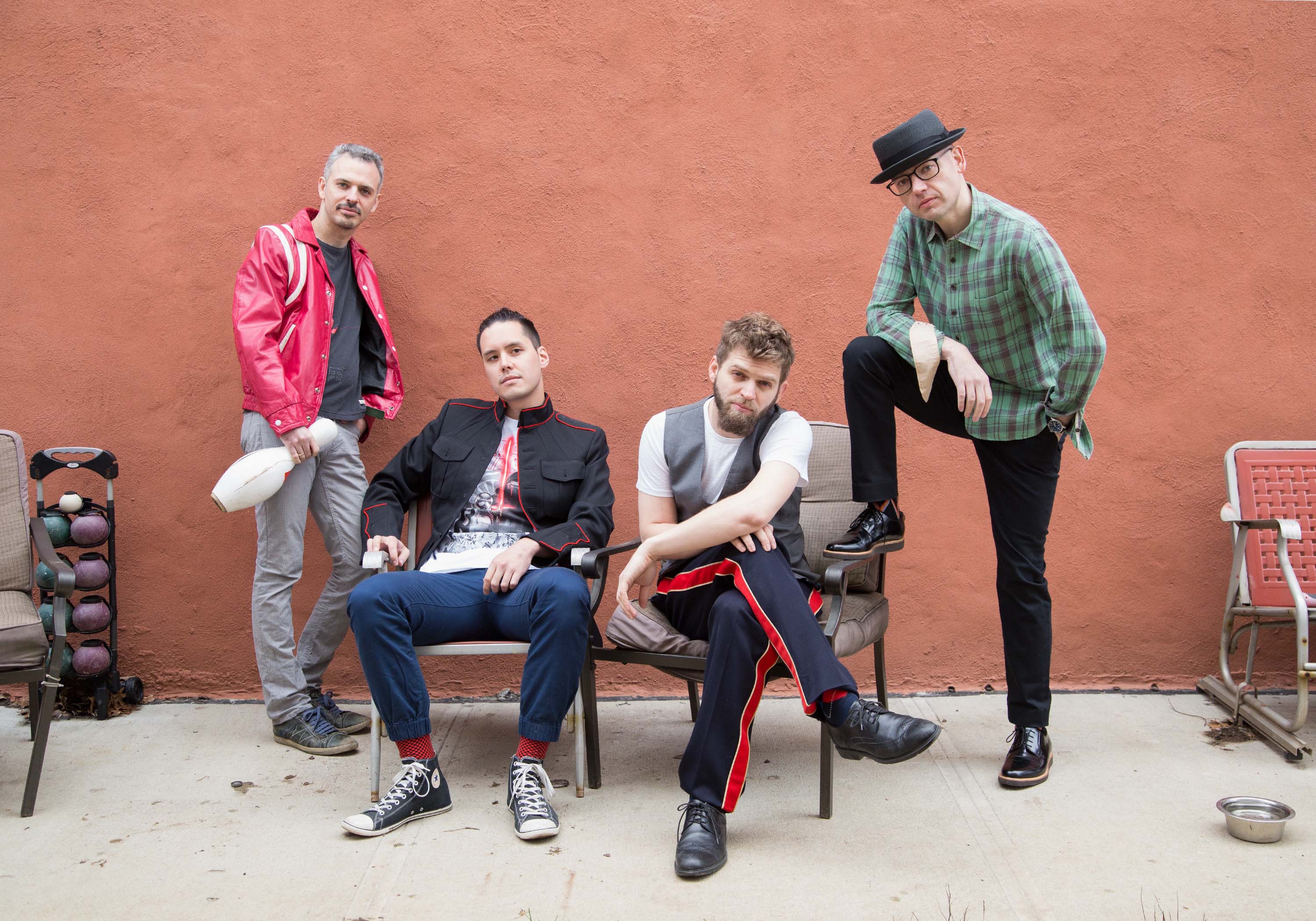
7:30 p.m. Tuesday, Aug. 3 Danish String Quartet PROGRAM CHANGE: Due to COVID, the Danish String Quartet is unable to travel to the United States. This date will be filled by the Brooklyn Rider string quartet. Their program will be:
Carolyn Shaw: Schisma
Oswaldo Golijov: Tenebrae
Schubert: Styring Quartet No 14 (“Death and the Maiden”)
7:30 p.m. Thursday, Aug. 5 Peter Oundjian, conductor
Joel Thompson: World Premiere commission Beethoven: Symphony No. 3 in E-flat major, op. 55 (“Eroica”)
7:30 p.m. Saturday, Aug. 7 Festival Finale Peter Oundjian, conductor
Giovanni Gabrieli: Canzon septimi toni à 8, arr. R.P. Block Dvořák: Serenade for Wind Instruments in D minor, op. 44 Beethoven: Symphony No. 5 in C minor, op. 67
Conductor Peter Oundjian with the CMF Orchestra (2019)
Tickets on sale beginning April 20 on the CMF Web page.
Violist Richard O’Neill, newest member of the Takacs Quartet, wins first Grammy award
By Peter Alexander March 22 at 3:51 p.m.
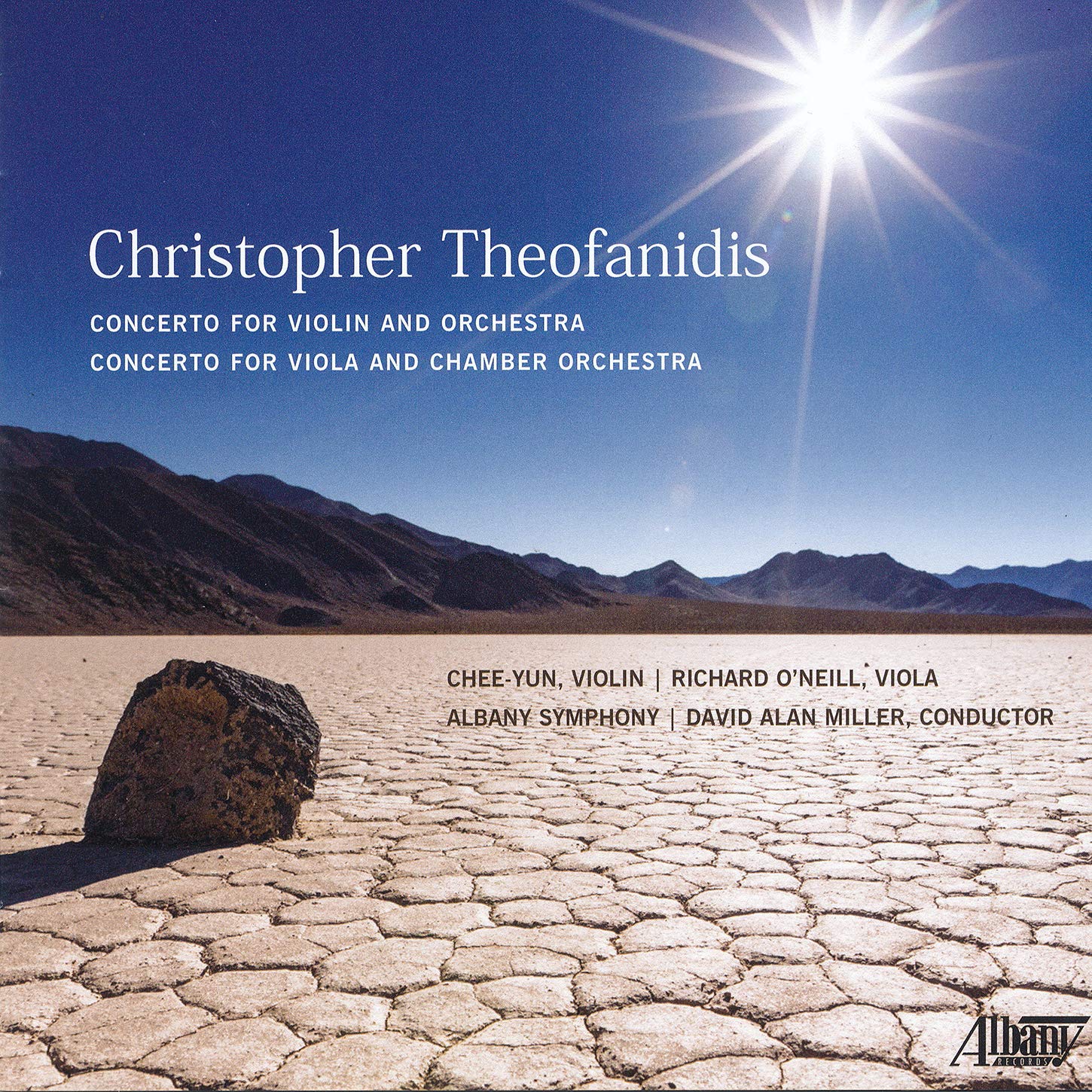
Violist Richard O’Neill, member of the CU College of Music faculty and the Takacs Quartet, has won the Grammy award for “Best Classical Instrumental Solo.”
His recording of Christopher Theofanidis’ Concerto for Viola and Chamber Orchestra with David Alan Miller and the Albany Symphony (Albany Records TROY1816, released August 2020) was nominated along with these recordings: • pianist Kirill Gerstein playing the Thomas Adès Piano Concerto, with Adès and the Boston Symphony; • pianist Igor Levit playing the complete Beethoven piano sonatas; • violinist Augustin Hadelich playing “Bohemian Tales,” a collection of music by Dvořák, Janáček and Josef Suk, with Jakub Hrůša and the Symphonieorchester des Bayerischen Rundfunks; and • pianist Daniil Trifonov playing the Second and Fourth piano concertos of Rachmaninov with Yannick Nézet-Séguin and the Philadelphia Orchestra.
O’Neill was caught by surprise last year when the nominees were announced. This time, of course he knew that he was in the running for the award and when the awards would be announced, but he nearly got caught by surprise again. For one thing, he looked at the distinguished list of other nominees, and thought, ‘OK, we’re going to lose’.”
For another, the streamed Grammy ceremony was held Sunday, March 14, the same day that Boulder was under a heavy blanket of snow. O’Neill had arranged to attend the ceremony online, but Sunday morning his internet kept going out. “I was like, ‘How am I going to be able to Zoom if I don’t have internet?’” he says. He even planned to walk to his studio in the CU Imig Music Building if he had to—since he couldn’t get out of his driveway.
Finally, the internet came back on just in time, but the ceremony was running ahead of schedule. “There was supposed to be 30 minutes buffer, and then you’re on,” he says. “I tuned in and it was basically five minutes to go! So I was like, ‘Holy, bleep!’
“And when they said ‘the Grammy goes to,’ I almost burst into tears. I just wasn’t expecting it.”
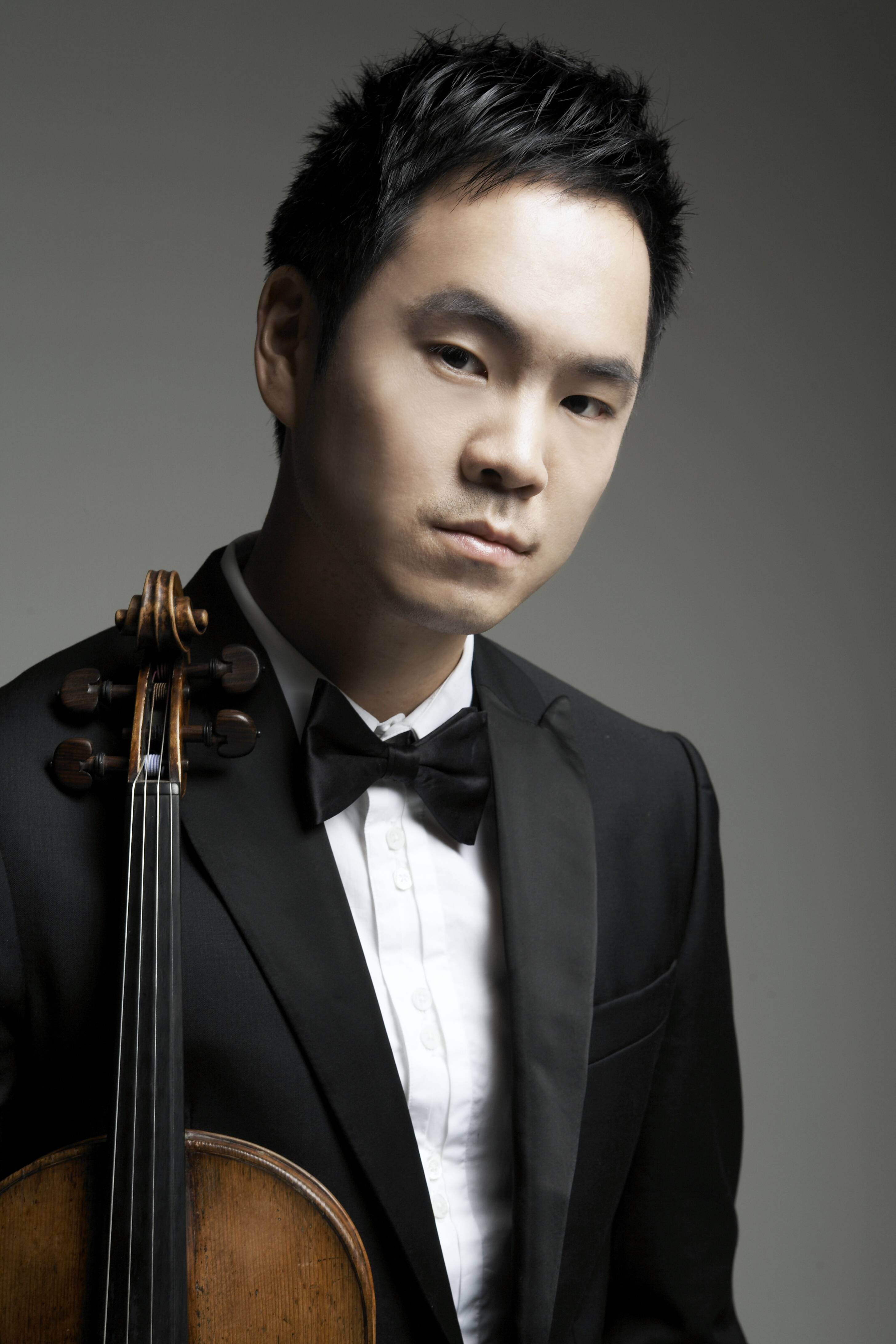
Richard O’Neill
To keep the ceremony on schedule, each recipient is allowed just 30 seconds to thank everyone. “There’s a very conspicuous clock, and it started right as they announced my name. Basically, they’ll just cut you off! It’s very, very short, but I tried my best to get everybody thanked. It was a really great, great moment, and then my phone was going crazy with all my friends who were watching.”
After than, O’Neill was asked to enter the virtual press room to take questions, and later he had several interviews with press from South Korea, where he is very well known. He took a quick break to step outside and gather his thoughts and chat with his neighbors, who were all out clearing their driveways and had no idea that he had just won a Grammy.
This was O’Neill’s third nomination for a Grammy and his first win. He also has won an Emmy Award and an Avery Fisher Career Grant. He has an extensive record of working with living composers, including the premieres of works written for him. Theofanidis’s Concerto was written for the distinguished violist Kim Kashkashian in 2002 and revised for O’Neill in preparation of his performances and recording.
O’Neill joined the Takacs Quartet in June of 2020, replacing Geraldine Walther as the group’s violist. He has appeared in streamed performances by the quartet, and in a handful of concerts before small, distanced audiences, but has not yet appeared onstage before a live Boulder audience.
Reflecting on the past year, O’Neill says it has been tough. He moved to Boulder, he joined the Takacs Quartet and the CU faculty, planned tours as solo artist and with the Takacs were interrupted by the pandemic, and his mother has had breast cancer—“This has been a long haul,” he says.
Outdoor venue will host socially-distanced Rigoletto, Carousel
By Peter Alexander March 19 at 1:50 p.m.
Central City Opera has announced that due to COVID precautions, their 2021 mainstage productions—Verdi’s Rigoletto and Rogers and Hammerstein’s Broadway hit Carousel—will not be performed in their intimate theater in Central City.
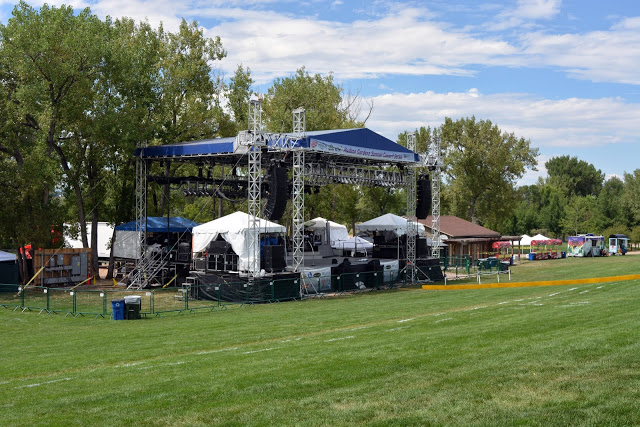
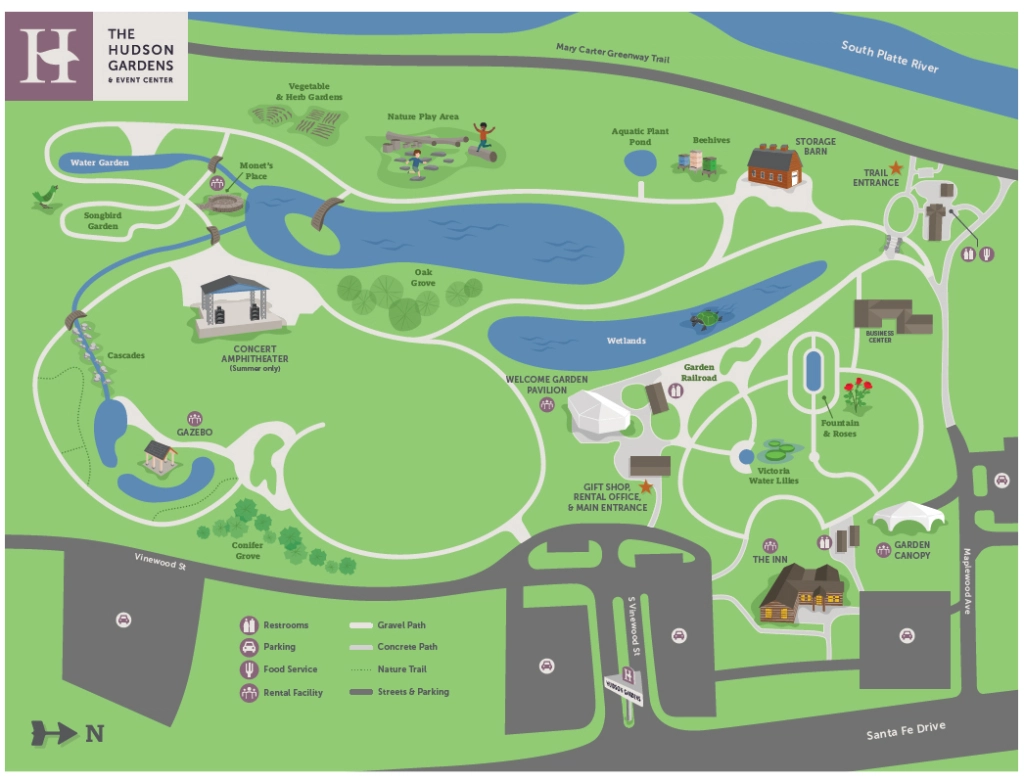
Hudson Gardens Concert Amphitheater
Instead, CCO has partnered with Hudson Gardens in Littleton to present both productions in an open-air theater. The summer’s third production, Henry Purell’s Dido and Aeneas, will be presented outdoors in Central City, in the Opera House Gardens, as will the CCO AL Fresco concert series. All three operas were postponed from the planned 2020 season, which was canceled.
In a media release sent out in early March, Central City Opera’s general/artistic director Pelham “Pat” Pearce was quoted saying, “We had hoped that by now it would be safe to return to the Opera House and resume normal operations.
“In order to prioritize the health and safety of our patrons, performers and company members, we determined it was necessary to secure an outdoor venue in order to return to live, in-person performances this summer. We are thrilled to partner with Hudson Gardens to host our 2021 Festival in their beautiful outdoor amphitheater.”
CCO will release tickets in phases, in accordance with the State of Colorado and CDC guidelines for capacity in the Hudson Gardens Concert Amphitheater. Subscribers to the 2020 season will be contacted b the CCO Box Office about tickets options for the 2021 season. Single tickets will go on sale in late April. Free parking will be available at Hudson Gardens, and subscribers will have priority access to purchase reserved parking. Other policies for the summer—including weather policies and the opera bus—are currently under review and will be announced in coming days. For more information, access CCOs 2021 Festival Frequently Asked Questions here.
# # # # #
Central City Opera Summer Festival 2021
Carousel Music by Richard Rogers, book by Oscar Hammerstein
7 p.m. Saturday, July 3; Friday, July 9; Tuesday, July 13; Thursday, July 15; Saturday, July 17; Friday, July 23; Tuesday, July 27; Thursday, July 29 3 p.m. Wednesday July 7; Sunday, July 11; Sunday, July 25; Thursday, July 29; Sunday, August 1
Hudson Gardens, Littleton, Colo.
Rigoletto Music by Giuseppe Verdi, libretto by Francesco Maria Piave
7 p.m. Saturday, July 10; Friday, July 16; Tuesday, July 20; Thursday, July 22; Saturday, July 24; Wednesday, July 28; Friday, July 30 3 p.m. Wednesday, July 14; Sunday, July 18; Tuesday, July 27
Hudson Gardens, Littleton, Colo.
Dido and Aeneas Music by Henry Purcell, libretto by Nahum Tate
1 p.m. Saturday, July 17; Tuesday, July 20; Thursday, July 22; Wednesday, July 28
Soloist Zuill Bailey joins the Boulder Phil for an intimate, cello-centric program.
By Izzy Fincher March 11 at 9:35 p.m.
“Why write for violin when there is cello?” Rachmaninov asked.
There is something particularly captivating about the cello, with its sonorous tenor and subtle grandeur. It is wildly expressive—lyrical, passionate and romantic, yet also mournful and solemn, and profound in a way that captures the heart and soul.
Zuill Bailey
To celebrate this instrument, the Boulder Phil will present “A Celebration of Cello” with soloist Zuill Bailey, streamed from 7:30 p.m., on Saturday, March 13.
The cello-centric program includes a reduced instrumentation of Schumann’s Cello Concerto and a double-cello concerto by contemporary Italian composer Giovanni Sollima. Other works on the program are a violin trio by the Phil’s own Paul Trapkus, plus works by Debussy and Wagner.
Bailey, a Grammy-award winning cellist, will lead the “cello-bration.” He will appear on two contrasting concertos, which displays the cello’s multifaceted personality. In Schumann’s Concerto in A minor, the cello’s sensitive lyricism is shown, while Sullima’s double- concerto, to be performed with Boulder Phil principal cellist Charles Lee, exhibits more of the cello’s boldness and virtuosity.
“In Schumann’s concerto, the cello is refined and elegant,” Boulder Phil conductor Michael Butterman says. “Whereas in Sollima’s (double concerto), the cello is an outgoing, extroverted rebel. The cadenza feels like rock’n’roll—it shreds. It’s crazy, with a lot of flash, energy and edginess.”
Lee believes the energetic double-cello concerto, titled “Violencelles, Vibrez!” (Cellos, vibrate!), will be a highlight of the program. Sollima, an Italian cellist and post-minimalist composer, juxtaposes the cello’s different moods, moving from brooding, dark echoes to a sweet, lyrical duet to a brisk, vivacious cadenza.
Charles Lee at rehearsal with the Boulder Phil
“It starts very mysterious and lyrical with long, romantic lines, using lots of vibrato, sustaining sounds,” Lee says. “The added element of two cellists alternating gives it a special effect, like an echoing cave.”
In the opening, the two cello lines weave together, nearly indistinguishable from each other. “At first, it’s not so striking that there are two cellos when you don’t focus on the visuals,” Lee says.
Later, the distinct cello parts emerge in captivating musical dialogue, riffing off each other’s energy in a virtuosic display. Lee described the cadenza with Bailey as exciting but very challenging to play.
The rest of the program focuses on orchestral works, adapted for a smaller chamber setting, including Debussy’sPrelude to the Afternoon of a Faun and Wagner’s Siegfried Idyll,” an intimate musical love letter to his wife Cosima.
Prelude to the Afternoon of a Faun has been arranged for chamber orchestra, created by Schoenberg’s student Benno Sachs during World War I. It was first played for Schoenberg’s Society for Private Musical Performances, a chamber concert series held in Vienna from 1918 to 1921.
During the war and the 1918 Flu Pandemic, chamber series like this one were popular in Europe due to limited financial resources and available musicians. Now, in our current pandemic, the reorchestration is once again ideal for a smaller, socially-distanced orchestra.
Though the cello isn’t directly in the spotlight in either work, it still plays a more prominent role than usual. “When you adapt a large work for a smaller ensemble, the cellos become even more noticeable and exaggerated,” Lee says.
“We usually aren’t the go-to melody instrument (in larger works). When the cellos take the melody, it’s a treat.”
The violin, however, does snatch back the orchestral spotlight with Trapkus’ Trio for 3 Violins. Trapkus, a former violinist for the Boulder Phil, is also an active composer, who has written four works for string quartet and string ensemble. “Trio for 3 Violins,” written in 2012, features the three violins as equal soloists, and its energetic, minimalistic aesthetic is similar to Sullima’s Violencelles, Vibrez!.
Paul Trapkus
Butterman is excited for the Boulder Phil to perform Trapkus’s trio for the first time. He believes the Boulder Municipal Airport’s hangar, where the concert was filmed last fall, is an ideal setting for the trio, far more intimate than Macky Auditorium.
“(The trio) is a work that I found interesting, tuneful and appealing on first hearing,” Butterman says. “It uses a lot of repeated, minimalistic patterns. There’s a lot of interplay, exchanges of ideas and taking turns between the three equal violin parts.”
Despite the brief violin interlude, the concert is still a “cello-bration” through and through. For cello lovers, it should be a special treat—a musical extravaganza with two talented soloists.
As Bailey comments, “I always say the only thing better than a cello is two cellos.”
# # # # #
“A Celebration of Cello” The Boulder Philharmonic, Michael Butterman, conductor. with Zuill Bailey and Charles Lee, cellos
Debussy, arr. Schoenberg: Prelude to the Afternoon of a Faun Schumann, arr. Philip Lasser: Cello Concerto in A minor, Op. 129 Paul Trapkus: Trio for 3 Violins Giovanni Sollima: Violencelles, Vibrez! Wagner: Siegfried Idyll
Tickets can be purchased for $40 here. The concert can be streamed starting at 7:30 p.m., on Saturday, March 13.
March 9 CU Faculty Tuesday performance takes a look at identity in music
By Izzy Fincher March 4 at 11:55 p.m.
Is our cultural identity more of a mosaic or a melting pot?
With a cultural mosaic, individuals retain their distinct ethnic identities, while coexisting as a greater whole. With a melting pot, ethnic identities mix together, assimilating to create a singular culture.
Alexandra Nguyễn
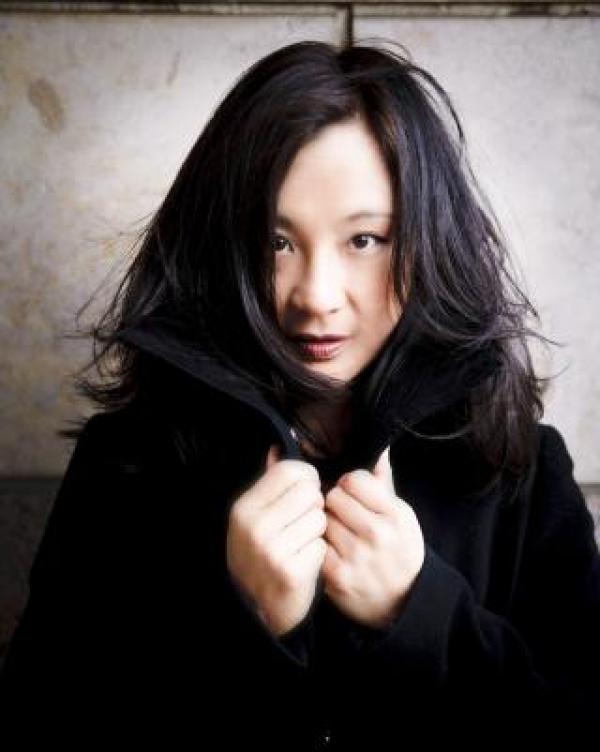
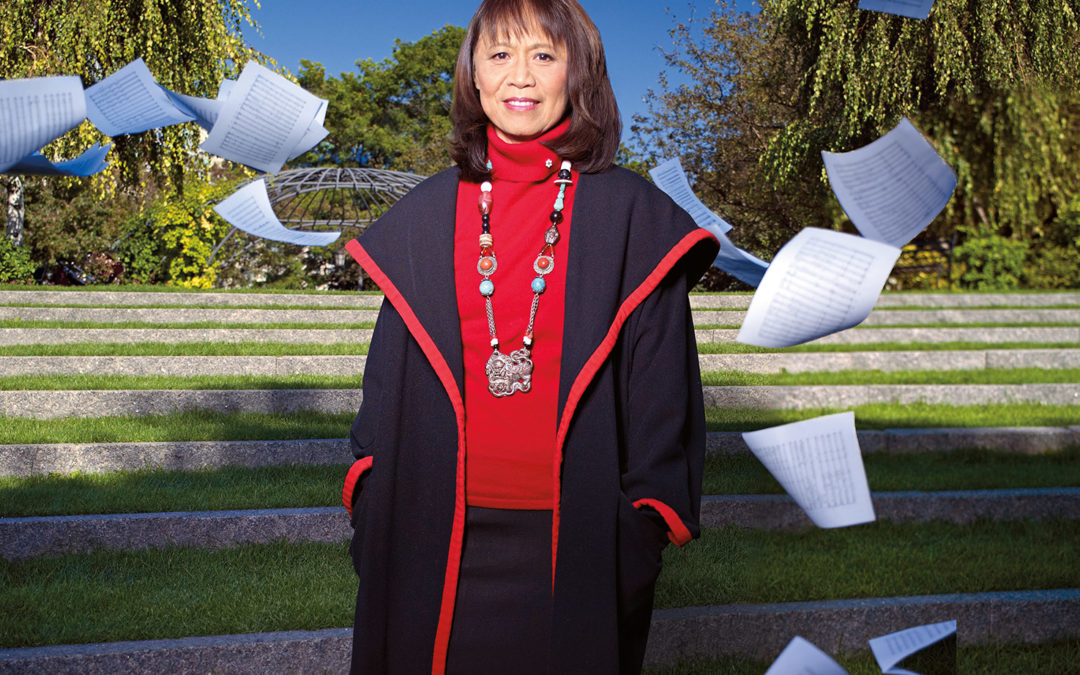
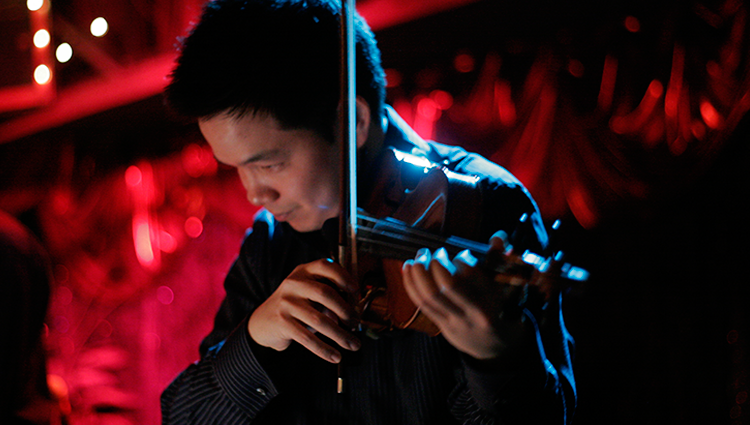
In “Exploring Cultural Identities,” three CU Boulder professors, pianist Alexandra Nguyen, violinist Claude Sim and cellist David Requiro, will tackle this dichotomy of cultural representation versus assimilation by exploring Asian and Slavic cultural identities in classical music. The program will include compositions by Zoltan Kodaly from Hungary, Alexina Louie from Canada and Antonín Dvořák from Bohemia (present-day Czech Republic).
“Exploring Cultural Identities” will be streamed on CU Presents at 7:30 p.m. on Tuesday, March 9, as part of CU Boulder’s Faculty Tuesday concert series.
“Presenting music through the lens of cultural identity is a fascinating exploration,” Sim says. “I believe that we truly play as we are. In other words, our artistry is a result of our diverse backgrounds, heritage and upbringing.”
Nguyen curated the program for “Exploring Cultural Identities” to pay tribute to her diverse heritage, later choosing her collaborators Sim and Requiro. As a Vietnamese Canadian, Nguyen often doesn’t see her identity reflected in the music she plays.
“As an Asian woman, I am playing music by dead white men a majority of the time,” Nguyen says. “How can I relate to this music?”
To represent her own cultural identity, Nguyen has decided to champion Asian composers, particularly Louie, a Chinese Canadian. She feels very connected to Louie, who shares her Asian-Canadian heritage.
Alexina Louie
“In Canada, your heritage is a substantial part of your identity,” Nguyen says. “But in the U.S., the approach is very different. You want to blend in. No one wants to be the ‘other’.”
Nguyen will be playing Louie’s most famous work for solo piano, Scenes from a Jade Terrace, written in 1988, as the second piece on the program. The suite is filled with references to Chinese culture and folklore, while the harmonic language is colorful and complex, similar to contemporary composers George Crumb and Olivier Messiaen.
David Requiro
Overall, the suite is aggressive in its texture and timbre. The first movement, “Warrior,” depicts the ghost of an ancient warrior and combines aggressive virtuosity with vulnerability. The second movement, ”Memories in an Ancient Garden,” feels eerily peaceful. Louie’s written direction on the score reflects this poetic, dreamy feeling, as she tells the performer “to play as if intoxicated by the scent of a thousand blossoms.” In the final movement, “Southern Sky,” the music depicts a dynamic starry night, as fast notes explode from the piano with sudden dynamic changes and intense dissonances.
To complement Louie’s suite, Nguyen wanted to pivot toward exploring cultural identity through a European lens. She decided to program chamber music written by two Slavic composers, Kodaly and Dvořák, and to explore the role of Slavic nationalism in 19th and 20th century classical music. “Kodaly and Dvořák are two composers who felt strongly about their cultural identity and national heritage and (wanted to) reflect it in their music,” Nguyen says.
Claude Sim
The program will begin with Nguyen and Requiro performing Kodaly’s Sonata for Cello and Piano, Op. 4, which incorporates harmonies and dance forms from Hungarian folk music. To finish the concert, Requiro and Sim join Nguyen for Dvořák’s Piano Trio No. 4, Op. 90, nicknamed the “Dumky.” The trio uses elements of Bohemian folk music. The six-movement work is a “dumka,” a form used by Slavic composers to indicate a brooding, contemplative lament interspersed with cheerful, rhythmic, dance-like moments.
For her next Faculty Tuesday concert, Nguyen aims to go even further with her exploration of cultural identities with an all-Asian program with Asian performers. She wants to represent distinct cultural mosaics in CU Boulder’s concert hall, as her personal contribution to more diversity and inclusivity in classical music.
“If we want to represent all voices, then we have to perform all those voices,” Nguyen says. “If we want to respect all voices, then we have to hear them all.”
# # # # #
“Exploring Cultural Identities” Alexandra Nguyen, piano; Claude Sim, violin; and David Requiro, cello
Zoltan Kodaly: Sonata for Cello and Piano, Op. 4 Alexina Louie: Scenes from a Jade Terrace Dvořák: Piano Trio No. 4, Op. 90 (“Dumky Trio”)
From America’s musical heritage to 21st-century Geneva
By Peter Alexander Feb. 22 at 11:25 a.m.
One of the perks of job that I do is that people send me recordings.
They want me to review or write about them. Sometimes they come in the U.S. mail, actual CDs. Sometimes they come in the form of links to Mp3 files, although I prefer not to review those because the sound quality of CDs is better. Sometimes I write and ask for a CD instead, and sometimes they send me one.
These recent CDs that showed up in my mailbox all provide opportunities to hear music outside of standard concert fare. This is all the more welcome as the past year has shown even more clearly than usual how much of the music on offer is the same from concert to concert, place to place, year to year. These discs contain music that is definitely not standard concert fare, and they are recommended to help widen your horizons.
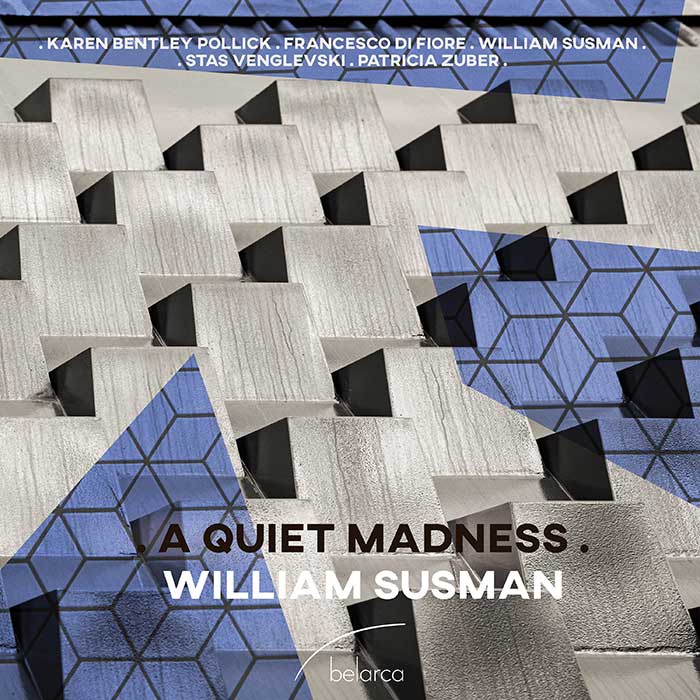
“A Quiet Madness” (Belarca records belarca-008) features music by composer William Susman (b. 1960). In addition to composing for concert and film, Susman heads the New York-based contemporary ensemble OCTET and Belarca Records.
His music has the characteristics of post-20th-century minimalism—a term he apparently accepts, since it appears in the liner notes for the CD. It is generally characterized by sections of unchanging textures with shifting harmonies. Endings of sections and pieces are not preceded by any recognizable cadential momentum; they just stop, as if to say, “And that’s all I have to say on that subject.”
The CD has six tracks, opening with “Aria,” performed by Susman on piano with violinist Karen Bentley Pollick, who is known in Boulder as festival artist and principal second violin with Mahlerfest. Tracks 2, 4 and 6 are titled “Quiet Rhythms” nos. 1, 5 and 7, solo piano pieces played by Francesco Di Fiore. Filling the other slots are “Seven Scenes for Four Flutes,” all parts performed with apparently effortless cohesion by Patricia Zuber (Track 3); and “Zydeco Madness,” performed on accordion by Stas Venglevski.
In “Aria,” Pollick soars sweetly above a murmuring piano accompaniment for long passages broken by occasional spells of pizzicato and rhythmic double stops. The music moves organically through several sections that are unified by a mood of calm continuity At the end, the violin’s long descending scales build in intensity and weight. Not exactly purposeful, this is music of sustained grace and tranquility.
The three “Quiet Rhythms” convey the essence of Susman’s style. Each is in two sections separated by a sudden stop and instant of silence. While the rhythmic motion and mood of each section is distinct, they all convey a sense of a boundless vista, suddenly interrupted.
With a sense of nervous energy, “Zydeco Madness” stands apart from the others. The rate of change is faster, creating an impression of a series of studies in accordion techniques. Characteristic textures are animated by cheerful syncopations, creating the mood of zydeco if not the sound.
All performances are exemplary, within the relatively narrow palette of emotions and musical impulses Susman requires. This is not a recording that will quicken your pulse, but in these days it is a welcome break from the tensions and stresses of our daily lives, a musical environment that you can sink comfortably into.
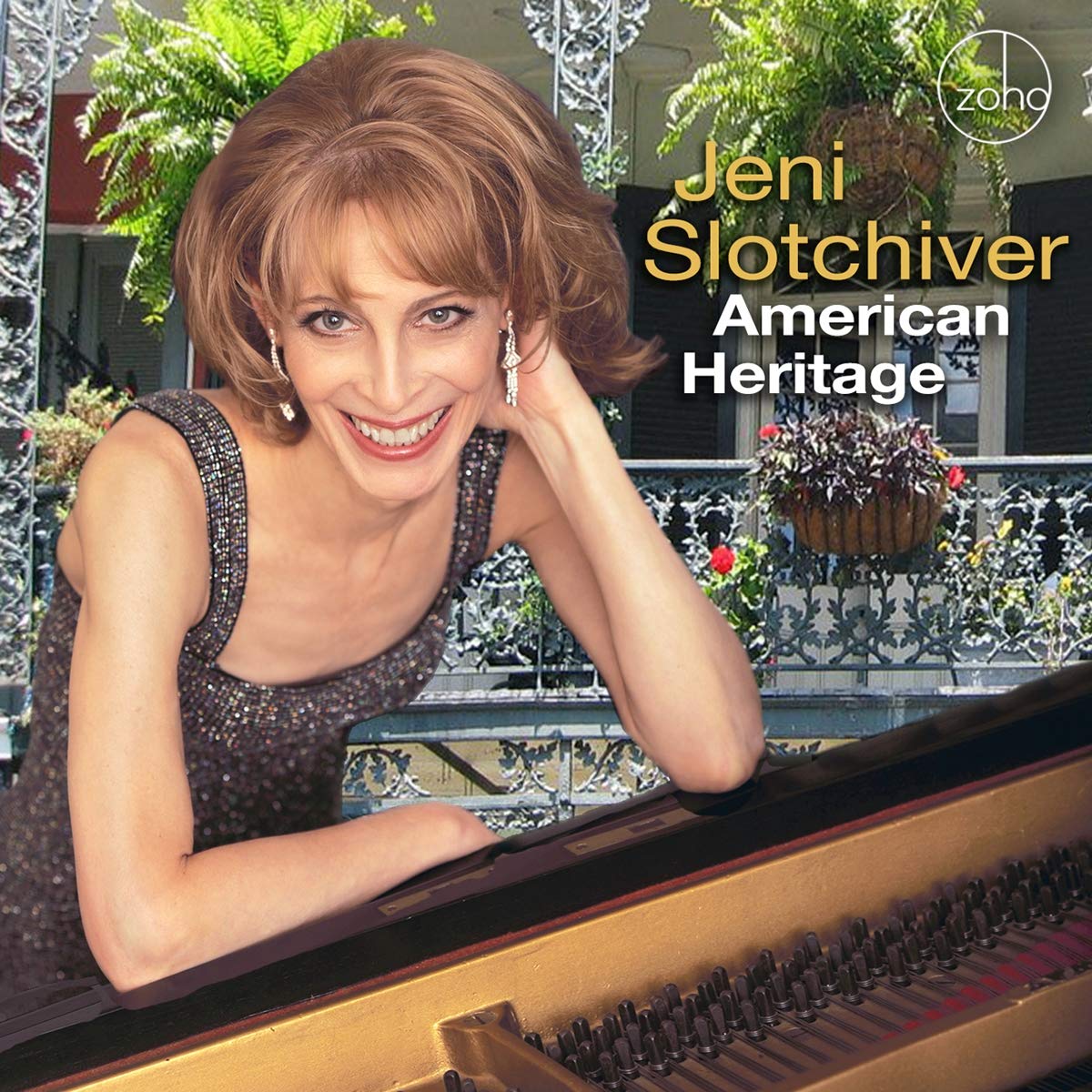
Pianist Jeni Slotchiver is catching the wave of interest in music by African-American composers with the well chosen and intriguing program for her disc titled “American Heritage” (Zoho clasix ZM202008).
The disc includes works by virtually all of the most important Black composers from the 19th and early 20thcenturies, starting with the American Jewish/Creole virtuoso pianist Louis Moreau Gottschalk (1829–69); Harry T. Burleigh (1866–1949), who sang spirituals for Dvořák; The English Samuel Coleridge-Taylor (1875–1912), who toured the U.S. three times; R. Nathaniel Dett (1882–1943); the remarkable African-American women composers Florence Price (1887–1953) and Margaret Bonds (1913–1972); and William Grant Still (1895–1978).
Many of these composers have undergone a rediscovery during the past year, as political winds and the time to explore new repertoire have liberated performers from the tyranny of expected repertoire. (Note recent CU faculty Tuesday recitals by David Korevaar and Andrew Cooperstock.) The advantage of Slotchiver’s disc is that it brings so many disparate voices together in one place, giving both listeners and performers an entrée into an important and underrepresented part of our musical history.
The pieces that stood out for me were Burleigh’s suite of six small pieces From the Southland and Price’s three Dances in the Canebrakes, two sets of Romantic character pieces transported to the American south. They are marked with gentle syncopations, just enough to be a little “raggy” but not too much for the genteel listeners of their era.
Gottschalk contributes two showpieces to the collection: “Union,” a collection of Civil-War-era patriotic songs, including “The Star Spangled Banner” (not yet the National Anthem): and “Banjo,” a captivating pianistic evocation of the ultimate southern folk instrument. Dett’s “Juba,” his most frequently performed piece, sparkles along energetically, and Still’s “Blues from Lenox Avenue” enters a different expressive realm altogether.
One piece stands apart, as it is by a living composer and therefore stylistically removed from the others. Although it is by white composer, Frederic Rzewski’s “Down by the Riverside” is based on an African-American spiritual and thus dips into similar source material as other works on the disc.
One of the most interesting composers writing today, Rzewski is well worth knowing. If you have not heard his great set of variations “The People United will never be Defeated,” listen to it now. At just under seven minutes, “Down by the Riverside” cannot rival “The People United” for impact, but it is a good example of Rzewski’s virtuosic and dazzlingly modern style.
Slotchiver’s performances are precise and detailed throughout, with individual lines and syncopations carefully delineated. Her performances reflect the salon more than the concert stage. The syncopations are all gentle, the style refined, when a little more raw energy would bring the music more vividly to life and cast the profile of each piece into greater relief.
This is a worthwhile collection, perfect for our times. Here you can venture off the beaten path with music that sounds reassuringly familiar in its American-ness. It is an important part of our musical heritage that is way overdue for discovery.
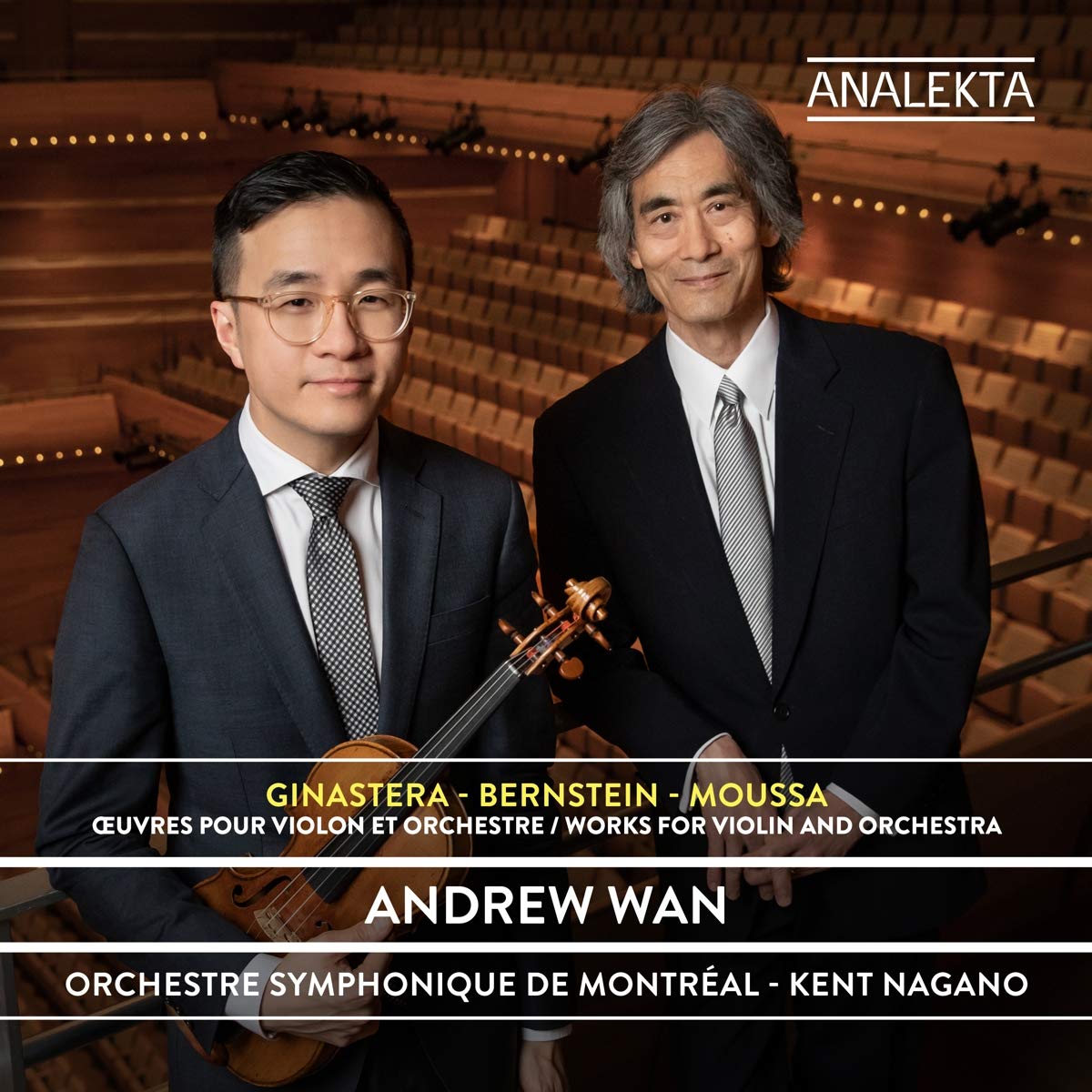
The great Romantic violin concertos—Beethoven, Brahms, Tchaikovsky and others—are standard parts of the concert repertoire. You may be familiar with the normal outline of those concertos. Meanwhile, violinist Andrew Wan will rewire your conception of music for violin and orchestra with his CD Ginastera – Bernstein – Moussa recorded with conductor Kent Nagano and the Orchestre Symphonique de Montréal (Analekta AN 2 8920).
Two of the three works on the CD are called concertos, but neither quite conforms to the standard mold. And the third piece may sound like a concerto, but it is actually a hybrid of the concerto and the descriptive tone poem.
First on the CD is the Violin Concerto of Argentine composer Alberto Ginastera (1916-1983). A late work in the composer’s output, the concerto does not have the colorful folkloric elements of his earlier music. Instead, it is a more thorny work based on 12-tone serial techniques.
Nor does it present a familiar concerto structure. Its barely discernible three movements unfold in five sections. The first movement starts with a wandering, introspective cadenza for solo violin. The second half of the movement comprises six studies, each a variation on the work’s tone row, each exploiting a different violin technique and a different orchestral sound quality.
The slow movement is a lyrical interlude that comes closest to a normal concerto movement. The finale is again in two parts: a pianissimo scherzo that leaps from one virtuosic flourish to another, interrupted by fleeting fragments, including hints of Paganini; and a fiery, whiplash Perpetuum mobile.
Wan plays with extreme delicacy when needed, but no shortage of flair. You won’t come away humming the themes of Ginastera’s score, but you might have a broader view of what a concerto can be.
The disc’s other concerto, by young Canadian composer Samy Moussa (b. 1984), stretches the frame in different ways. Three movements—an ethereal prelude, another written-out cadenza, and an ominous, driven movement that surges to a powerful close bound to elicit applause—are played without pause. Than, after the apparent ending, the beginning returns, a sweetly ascending line that takes the soloist into the heights of the violin’s range.
This is music that seduces the listener from the outset. Through the first two movements, there is a hint of menace beneath the soaring violin part. That menace is realized with a sudden outburst of ominous chords after the cadenza. These movements create a dramatic arc culminating with the final chords of the third movement, while the unexpected return to the opening idea provides relief and a surprise. I look forward to hearing more of the inventive composer’s music.
Between the two concertos is Leonard Bernstein’s Serenade, after Plato’s “Symposium.” This work is hardly unknown—it was played at the Colorado Music Festival’s opening concert in 2018—but it has not quite entered the standard solo repertoire.
Plato’s Symposium presents a series of seven discourses on love, placed in the context of an evening of eating, drinking and carousing. Bernstein portrays Plato’s discourses in music, making the score half concerto, half program music. The seven parts are compressed into five movements, each in a separate and distinct style reflecting the content the speeches.
You need not read Plato to enjoy the Serenade. The score in unified by Bernstein’s genial, accessible style. The violin is shown to good advantage, particularly its lyrical qualities. Most memorable is the last movement, in which a sober, serious speech by Socrates is suddenly interrupted by the arrival of the drunken Alcibiades. As the party descends into raucous chaos, Bernstein’s jazzy side emerges, for a flashy and virtuosic ending.
Wan performs with aplomb in these three very different works. He charges fearlessly through Ginastera’s atonal fireworks, and soars sweetly through the first two movements of Sousa. Nagano and the Montréal players provide expressive support. This is a fascinating disc, a musical adventure to be relished.
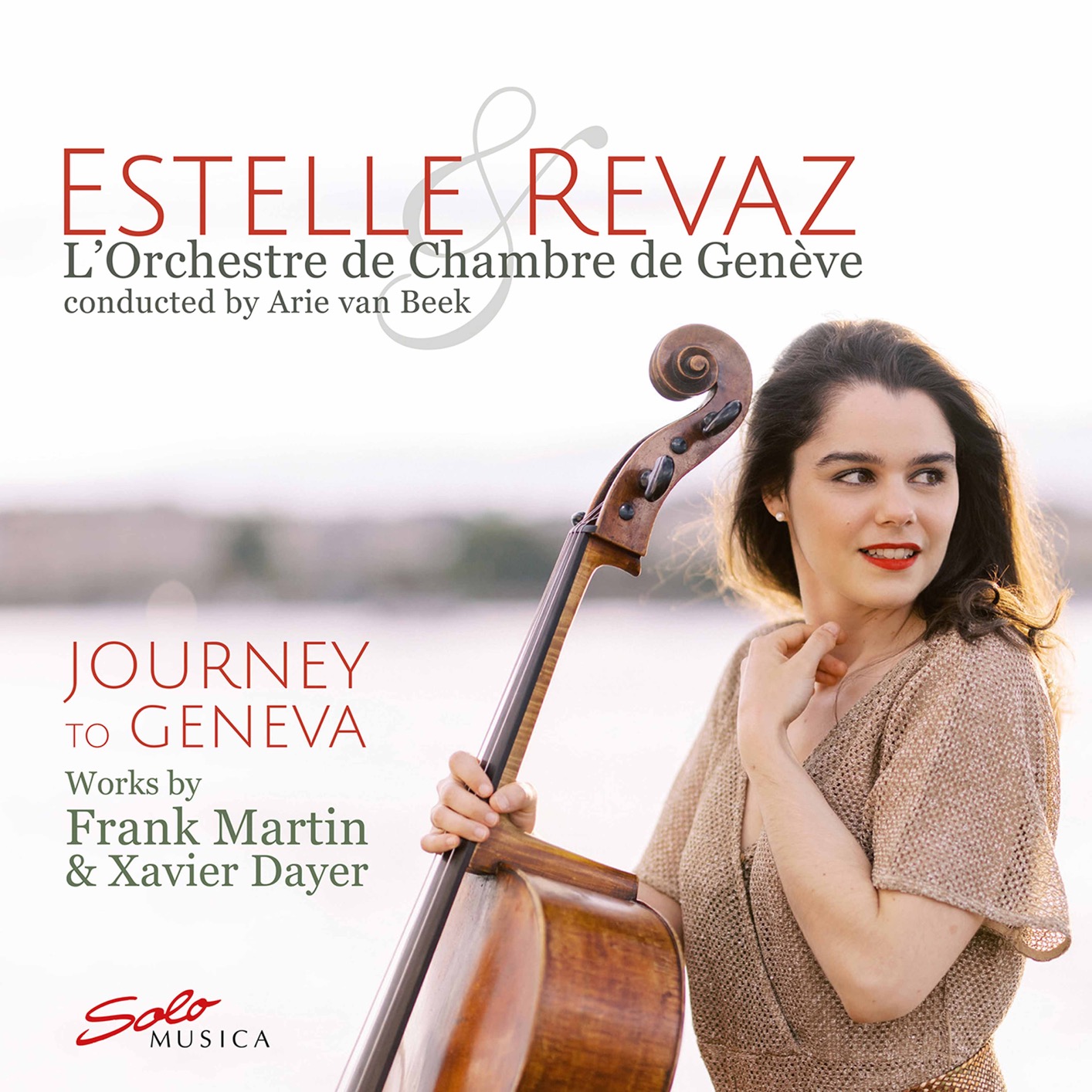
The disc titled Journey to Geneva (Solo Musica SM 345) with cellist Estelle Revaz and conductor Arie van Beek with the L’Orchestre de Chambre de Genève is more a celebration of Geneva than just a journey. The composers represented on the disc, Frank Martin (1890–1974) and Xavier Dayer (b. 1972) , are natives of Geneva, as is Revaz, while the orchestra and conductor are based there.
Martin is a highly individual composer who nonetheless observes the outer conventions of the form in his Concerto for Cello and Orchestra (1956-66). The son of a Calvinist minister, Martin wrote music of a seriousness derived from his Christian faith, which he described as “certainly broader than Calvinism.” His personal use of a more or less tonal variant of the 12-tone technique gives his music a searching, unsettled quality that is enriched by pulsing rhythms.
The Cello Concerto opens with a singing solo passage, played by Revaz with beautiful tone and great expression. The first movement continues with a faster section marked by motor rhythms that propel the music forward until the return of the opening soliloquy. The second movement presents a bleak landscape, with a melancholy, searching quality in the solo part. The finale has a driving, angst-ey feeling. Reflective, slower passages in the solo are interrupted by Martin’s characteristic rhythmic bursts in the orchestra. An uneasy cadenza leads to a rather sudden close.
The Concerto is followed by Martin’s Ballade for Cello, which the composer aptly described as “lyrical and epic.” A highly chromatic opening from the cello leads to a series of contrasting episodes in a free, fantasy-like form that is anchored at the end with a definitive, tonal-sounding ending. With its free-flowing form, this is an even more characteristic expression of Martin’s semi-tonal style: largely untethered from key, often slightly uneasy, always moving toward an uncertain resolution.
Martin’s music is highly individual and represents an eloquent musical expression of mid-twentieth-century anxiety. Not particularly comforting, not necessarily pleasurable on the surface, it is deeply human and powerfully communicative.
Dayer was born in Geneva and studied guitar and composition in his home country; today he teaches composition in Bern. An eclectic composer of many varied works, he finds inspiration in Renaissance polyphony, in contemporary visual arts and poetry, and the works of modernist composers including Webern, Elliott Carter and Iannis Xenakis.
His Lignes d’Est (Vanishing Lines to the East; 2020) opens with another solo cello statement, but in a very diferent world than in Martin’s works. Here the soloist is heard against a vibrating background of orchestra trills and emphatic, punctuating chords. Like Martin’s Ballade, the solo opening is followed by a series of loosely connected episodes, each marked by a distinctive sound from the orchestra.
I cannot hear what Dayer descries as “vanishing lines in a vast landscape.” The music moves through its various episodes, with the cello providing commentary to the orchestra’s varying landscapes. The solo part presents fragments of repeated pattens with no evident destination, until, with a sudden plucked, consonant chord, the piece comes to and end.
All of these pieces are performed with dedication and commitment by Revaz and the orchestra. Her tone is gorgeous throughout, and she extracts deep feeling from every gesture.
For me, their performances of the Martin works, fascinating artifacts from the mid-20th century, are the highlights of the disc. Dayer provides a glimpse of current musical work from Switzerland, something we do not often hear. As such it is an illuminating piece of the many-colored musical world that we live in.
“Mozart and Mendelssohn” program includes “a perfect piece of music”
By Peter Alexander Feb. 11 at 9:10 p.m.
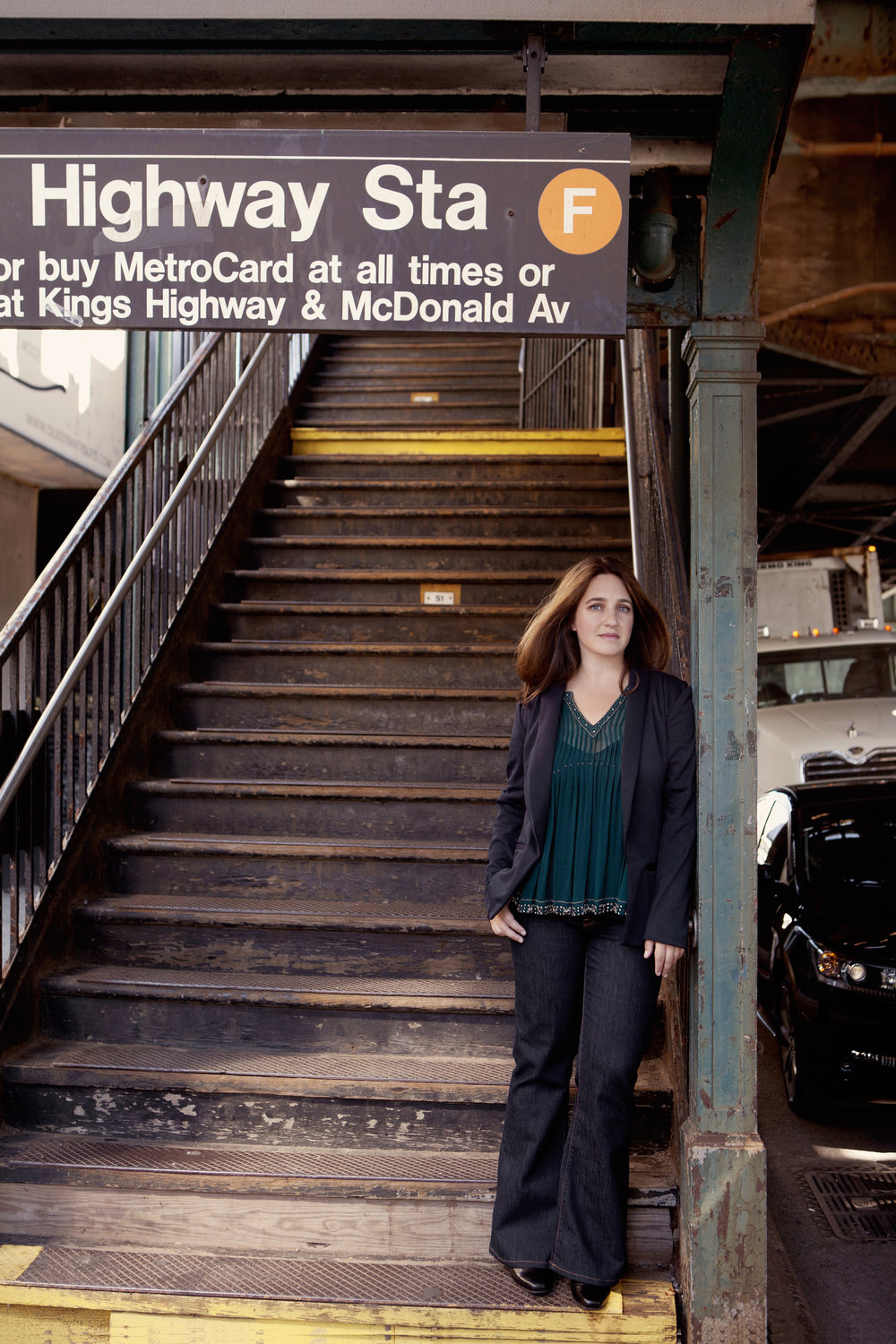
Dinnerstein, near her home in Brooklyn. Photo by Lisa Marie Mazzucco
Pianist Simone Dinnerstein was in Boulder last September, but since then she has hardly left her home in Brooklyn. A prisoner of COVID, she has had to cancel planned trips for concerts and recordings.
“I’ve gone to New Jersey,” she says. “That’s about as far as I’ve gone, and that was a big trip!”
Fortunately for us, she recorded two concerts with members of the Boulder Philharmonic when she was here. The first was streamed in November, and the second will be streamed starting Saturday (Feb. 13) at 7:30 p.m., remaining available through Saturday, Feb. 27. Titled “Mozart and Mendelssohn,” the program features the former’s Piano Concerto in C major, K467, in a COVID-friendly arrangement for strings and piano, as supplemented by Dinnerstein and members of the orchestra; and the latter’s joyous Octet for Strings.
The concert also features Dinnerstein playing two works by Scott Joplin. The Boulder Phil asked her if she would play something for solo piano to complete the program. She picked two of her favorite pieces by Joplin, both in order to include a composer from an under-represented group, and as an opportunity to add some Joplin to her repertoire.
“Scott Joplin was one of the great 20th-century American composers,” she says. “I’ve read it for myself but I’ve never performed it.”
The pieces she picked are not the usual rags that Joplin is best known for. “Solace, a Mexican Serenade” has been part of the Joplin revival that began with the 1973 film The Sting, but “Bethena, a Concert Waltz” remains less known. Both pieces are tinged with melancholy, which seems to be fine with Dinnerstein.
“I’ve always loved these two pieces,” she says. “I do tend to like things that are a little bit gloomy.”
In spite of the chronological, geographic and cultural distances involved, she sees a connection between Joplin and the other two composers on the program. “There is a kind of freshness to [Joplin’s] music,” she says. “The music has more layers to it than you first hear, and I think that’s true of Mozart and Mendelssohn. In that way these three composers do relate to each other.”
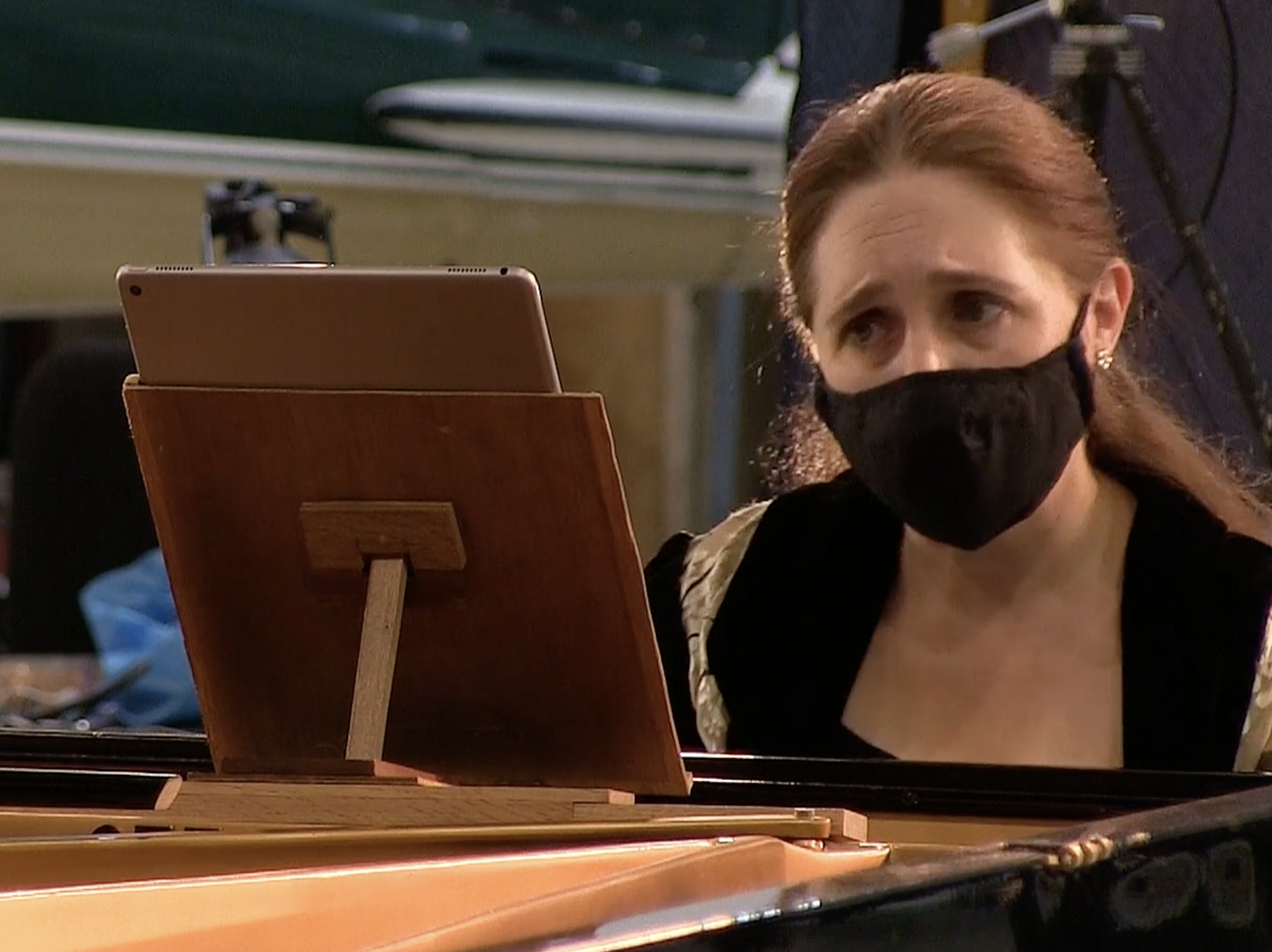
Dinnerstein during a recording session with the Boulder Philharmonic at Brungard Aviation, Boulder Municipal Airport. (Screenshot)
Neither the Mozart nor Mendelssohn pieces could remotely be considered gloomy. Mozart’s Piano Concerto K467 is in the sunny key of C major, and sunny it remains. “It’s been one of my favorite concertos since I was a teenager,” Dinnerstein says, adding thoughtfully, “I don’t normally relate much to music that is straightforwardly joyful.”
The version she and members of the Phil will perform was arranged for sting quintet by German composer Franz Lachner, probably to make the music available for home music making. But Dinnerstein discovered in rehearsal that Lachner’s arrangement was incomplete.
“There was no score , only the individual parts, which was slightly confusing,” she says. “When we started rehearsing I realized that certain lines were missing, and [the orchestra players] were very accommodating and wrote in some extra parts for themselves.”
The Concerto opens with a jolly march that has the usual proliferation of Mozartian themes from the very beginning. There are march rhythms, fanfares, lyrical moments, and a pervading sense of delight.
The concerto is best known for its dreamy slow movement, which was used in the 1967 Swedish film Elvira Madigan. The movement, Dinnerstein says, “has the sense of romance to it, which may be colored by having seen the film when I was a teenager.
“Basically, the concerto is just effervescent and yet it has a weight to it as well. It’s just a perfect piece of music.”
The final piece on the program, Mendelssohn’s Octet for Strings was chosen by Boulder Philharmonic music director Michael Butterman. As Butterman has pointed out in the orchestra’s promotional materials, Mendelssohn is one of the few composers who ranked with Mozart as a youthful musical prodigy.
The Octet was written when he was 16, as a birthday present for his violin teacher. Today it is one of the composer’s most loved pieces.
Its sheer exuberance is enjoyed by players and audiences alike. It is filled with the kind of sprightly music that Mendelssohn used to characterize the Shakespearian fairies in his music for A Midsummer Night’s Dream. Beneath the dazzling surface, however, Mendelssohn demonstrates his precocious mastery of counterpoint, especially in the eight-part fugue that opens the finale.
Paralleling Dinnerstein’s characterization of the Mozart Concerto, Scottish music critic Conrad Wilson wrote that the Octet’s “youthful verve, brilliance and perfection make it one of the miracles of 19th-century music.”
# # # # #
“Mozart and Mendelssohn” Members of the Boulder Philharmonic Orchestra with Simone Dinnerstein, piano
Scott Joplin: Solace, a Mexican Serenade and Bethena, Concert Waltz Mozart, arr. Franz Lachner: Piano Concerto in C major, K467 Mendelssohn: Octet for Strings, op. 20
Streamed starting at 7:30 p.m. Saturday, Dec. 13, through Saturday, Feb. 27 Tickets available HERE


 Sharps & Flatirons