Time to tend the garden and try to make some sense of life
By Peter Alexander July 30 at 12 noon
I am writing this post to let you know that at the end of the summer I will give up my work on Sharpsandflatirons.com. My reviews of the 2025 summer season at the Santa Fe Opera are the last posts I plan to make. That is a suitable place to end, since I first attended the Santa Fe Opera in the original opera house nearly 60 years ago, while I was still an undergraduate music student. Santa Fe has remained a favorite location for experiencing, and learning, great opera for all of those years.
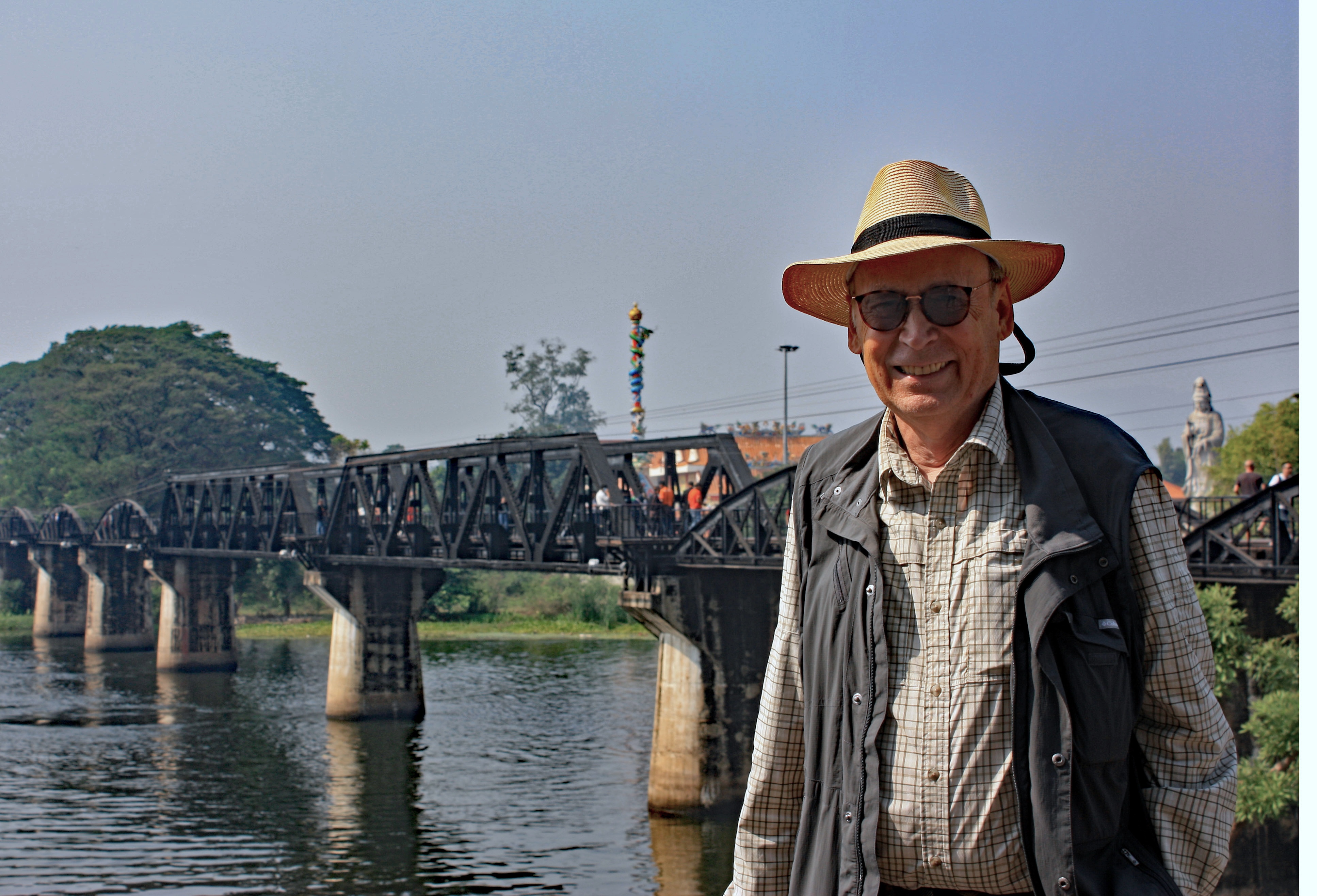
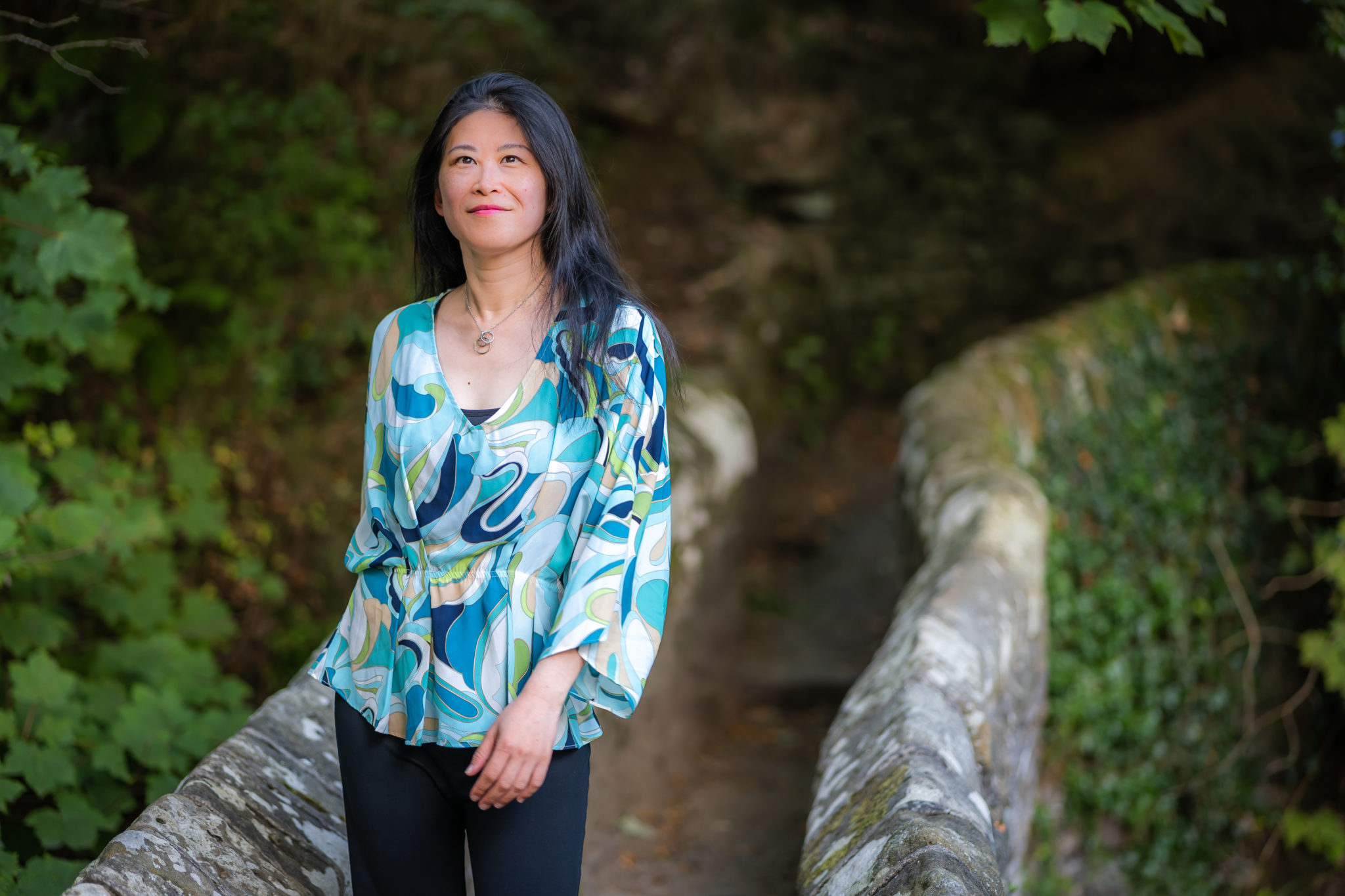
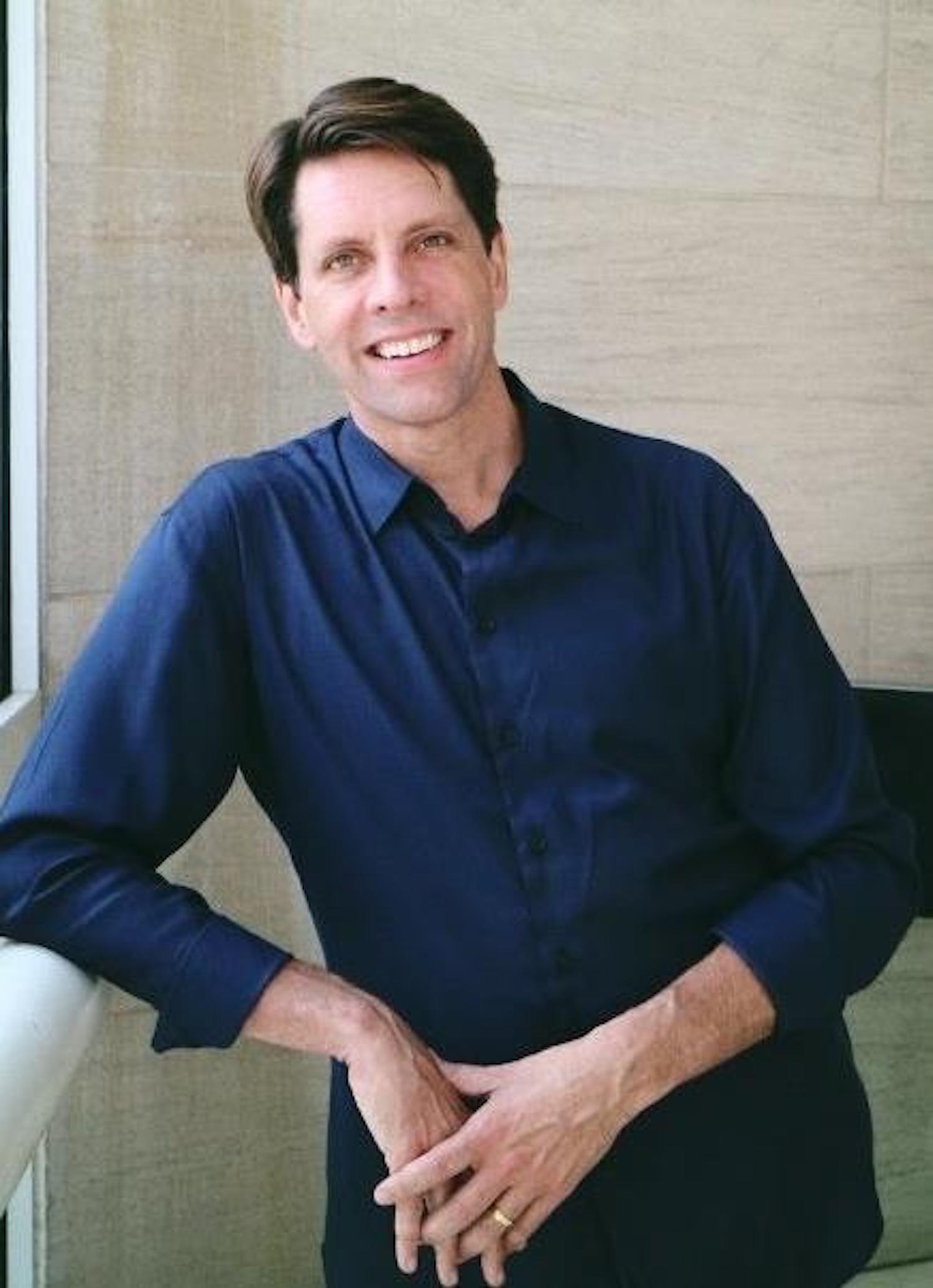
The author while traveling in Asia, before he turned 80
Fourteen years ago I took up work as a music journalist covering classical music in “Boulder & Environs” as a way of making productive use of the extraordinary education I was fortunate enough to receive. It was also a way of giving back to the greater world of music in a small way, on the fringes of our shared musical life.
As the proprietor of the site, I got to define the environs, which certainly include Santa Fe, since it is within a one-day drive of Boulder—and the food in Santa Fe is fabulous. When there were Boulder connections, I have also reviewed operas in Minneapolis and Seattle—just coincidentally, the cities where my two oldest sons live.
I will maintain the site for now, only adding a post if I discover something really important to report: a news event in the local music world, or an issue I feel compelled to comment on. But I don’t think that is very likely, so don’t wait for me, or for Godot.
I have enjoyed getting to know all the musicians in the Boulder area, working with all of them, and bringing their activities to the attention of potential audiences. But I am now 80, and it is better to step back while I am still doing good work, rather than letting it decline. Besides, there are so many great British TV shows still to watch, great Russian novels to read, obscure operas to track down and see, and work to be done tending my back yard and making my garden grow.
If you see me in the lobby, say “Hi.”
And let us try, Before we die, To make some sense of life. We’re neither pure, nor wise, nor good We’ll do the best we know. We’ll build our house and chop our wood And make our garden grow… And make our garden grow.
Premiere by Gabriela Lena Frank, Concerto by Joan Tower showcase the Festival Orchestra
By Peter Alexander July 22 at 12:15 a.m.
The Colorado Music Festival Orchestra and conductor Peter Oundjian hit the jackpot last night (July 21) with a program of three pieces by women composers.
All three works, by Florence Price, Gabriela Lena Franck and Joan Tower, were performed memorably. Both living composers—Frank and Tower—were present and spoke to the audience.
The concert opened with Price’s Adoration, a piece that she originally wrote for organ in 1951 and that here was performed in a setting for string orchestra. Played tenderly by the Festival Orchestra strings, it is almost too soothing and gentle to serve as an opener. Oundjian and the players thoroughly embraced the mood, creating a comforting start to a program that soon turned adventurous.
Frank’s Kachkaniraqmi (“I still exist” in the Quechua language of her Peruvian forebears) was commissioned by CMF as a concerto for string quartet and string orchestra, written for Boulder’s Takács Quartet and the CMF Orchestra. As an introduction by Oundjian, Frank and Takács violinist Harumi Rhodes spelled out, the commission emerged from a suggestion by CMF contributor and long-time patron Chris Christoffersen for a concerto for the Takács, and then from a friendship between Frank and Rhodes.
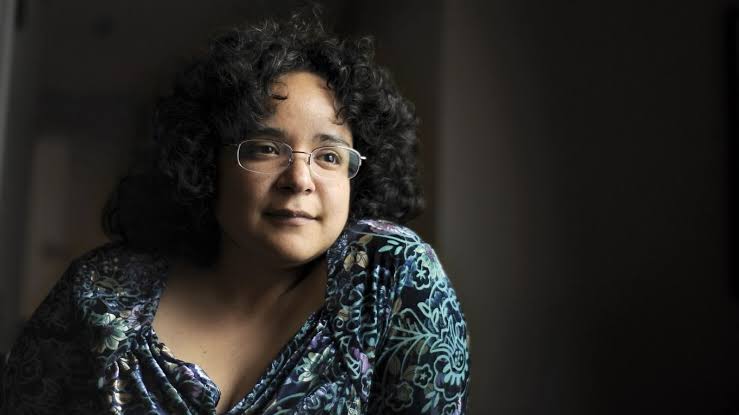
Gabriela Lena Frank
Kachkaniraqmi is a piece of great imagination and creativity. Frank refuses to cozy up to the listener with easy tunes and catchy ideas. In fact, Kachkaniraqmi sounds like no other piece I have heard, but it makes great use of string timbres and textures. It opens with highly individual, sometimes quirky gestures for the solo violist and orchestral violas before moving into a fuller texture. At places, the strings sound like a single instrument, leaping across a large range from top to bottom, and at other times like a large organ moving in full orchestral chords.
The middle section, or second movement, presents a rushing, incessant forward drive. All texture and motion, this portion of the concerto is not hummable, but identifiable musical ideas can be followed as they are passed from section to section over an unrelenting rhythmic foundation. This driven middle section settles into a more contemplative final portion that explores different techniques of string playing to create a startling range of sounds and gentling moods as the music moves toward silence.
Kachkaniraqmi is a remarkable creation, an intriguing piece that I expect will reveal more and more as one listens to it again and again. I hope that the Takács will take the score well beyond Boulder and introduce it to the wider musical world.
The concert concluded with a stunningly complex and difficult piece, Joan Tower’s Concerto for Orchestra. Composed in 1991 for the New York Philharmonic, Chicago Symphony and St. Louis Symphony, it has had modest success in the intervening 33 years. “This piece should be played everywhere!” Oundjian said in his introductory comments, standing onstage with the composer.
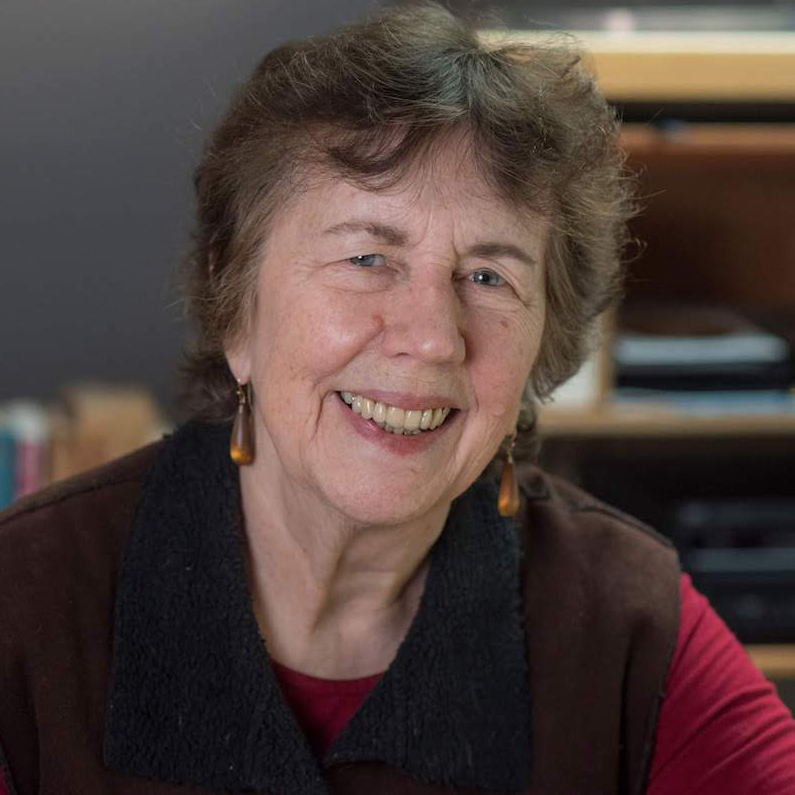
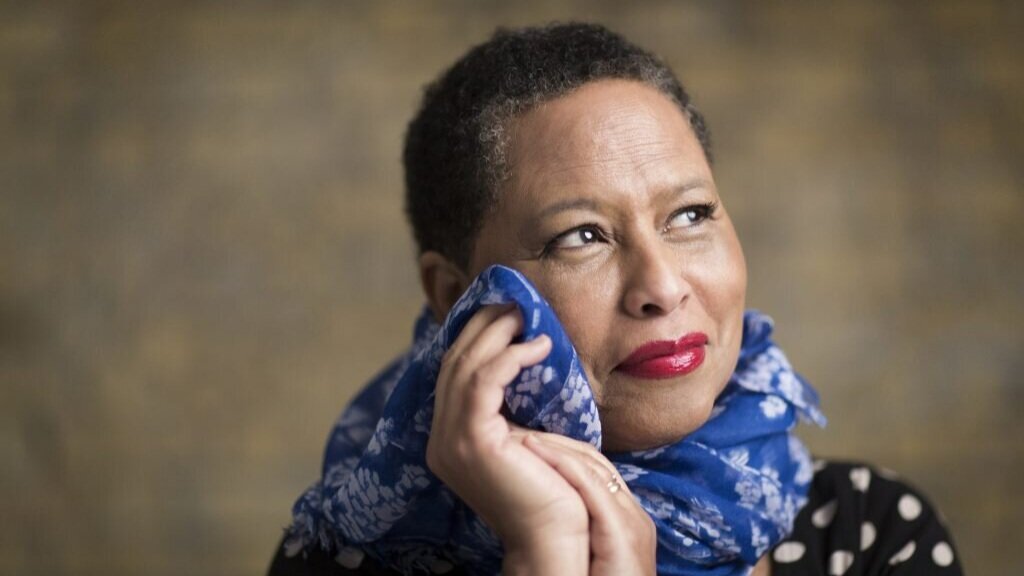
Joan Tower
Tower noted that it is a difficult piece to conduct—on top of being very difficult to play—which may be one barrier, but the CMF Orchestra’s performance showed what musical fireworks it sets off when played at the highest level. Clearly, Oundjian had mastered all the shifting meters and tricky rhythms, and the CMF players responded with a virtuoso display.
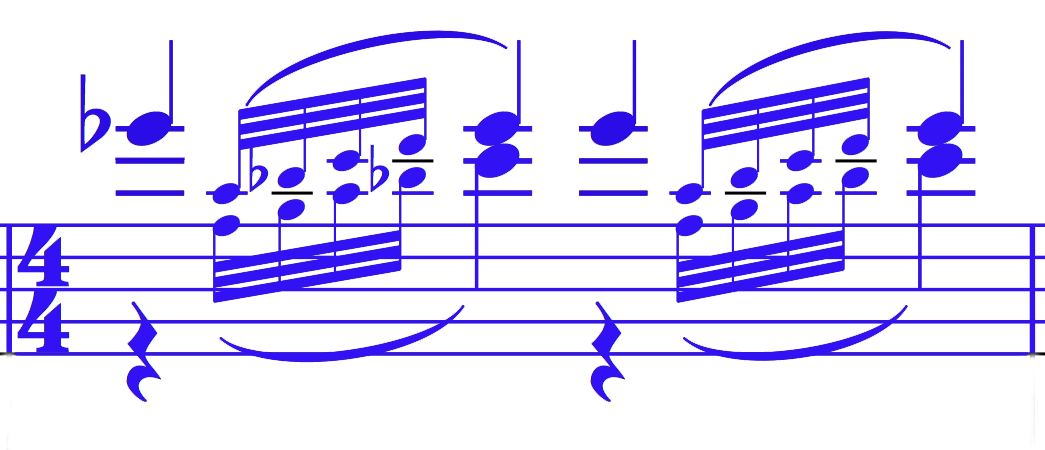
As expected, there are many solos in the course of the score’s 25+ minutes, for horn, for English horn, for tuba, but more stunning are the intricate passages for whole sections—trumpets, woodwinds, a tricky motive passed up and down from trumpets to horns and back. Often played at a breakneck pace, these are the most virtuosic passages of the concerto, and they were played with precision and confidence by the CMF orchestra.
Other noteworthy moments included a cello section solo that gives a lyrical contrast to the more driving and excitable portions of the score, with the cellos at times divided into parts to create full chords, and at other times reduced to two eloquent solo players. A later softening and lowering of temperature allows two violinists to come forward, before the rhythmic frenzy starts again.
As Tower promised, the percussion players are kept busy, running from instrument to instrument, culminating with a viciously fast running beat by several drums that requires extreme concentration to keep together. This exciting moment, played with perfect precision, leads to a final crashing chord—and inevitably, wild enthusiasm from the audience.
They were still cheering as I gathered my things and snuck out the side door.
Under Oundjan’s leadership, the CMF has established itself as a forward-looking summer festival that all Boulder should support. His thoughtful programming, his embrace of living composers, and the commissioning of new pieces are admirable and exciting. A concert of works by three women, two of them present for the performance, is a perfect illustration of his vision of the festival. On this occasion, it was brilliantly realized.
Correction: Misspellings of string as “sting“ in paragraph six and viciously as “viscously” in paragraph 12 corrected 7/22.
Piano trios, Tchaikovsky 5 and two Romantic piano concertos on programs
By Peter Alexander Feb. 13 at 2:38 p.m.
The Boulder Symphony will be the first of two area orchestras to perform Tchaikovsky’s Fifth Symphony this weekend, as part of a program Friday and Saturday (Feb. 16 and 17; details below) that also features Rachmaninoff’s Third Piano Concerto played by Chinese pianist Jialin Yao.
The program opens with Conga del Fuego Nuevo (“New fire” conga) by Mexican composer Arturo Marquez. The son of a Mexican mariachi musician, Marquez studied in Mexico and the United States, where he earned an MFA in composition at the California Institute of Fine Arts. A Cuban carnival dance, the conga was the source of the “conga line” made popular in the U.S. by Xavier Cougat and other bandleaders.
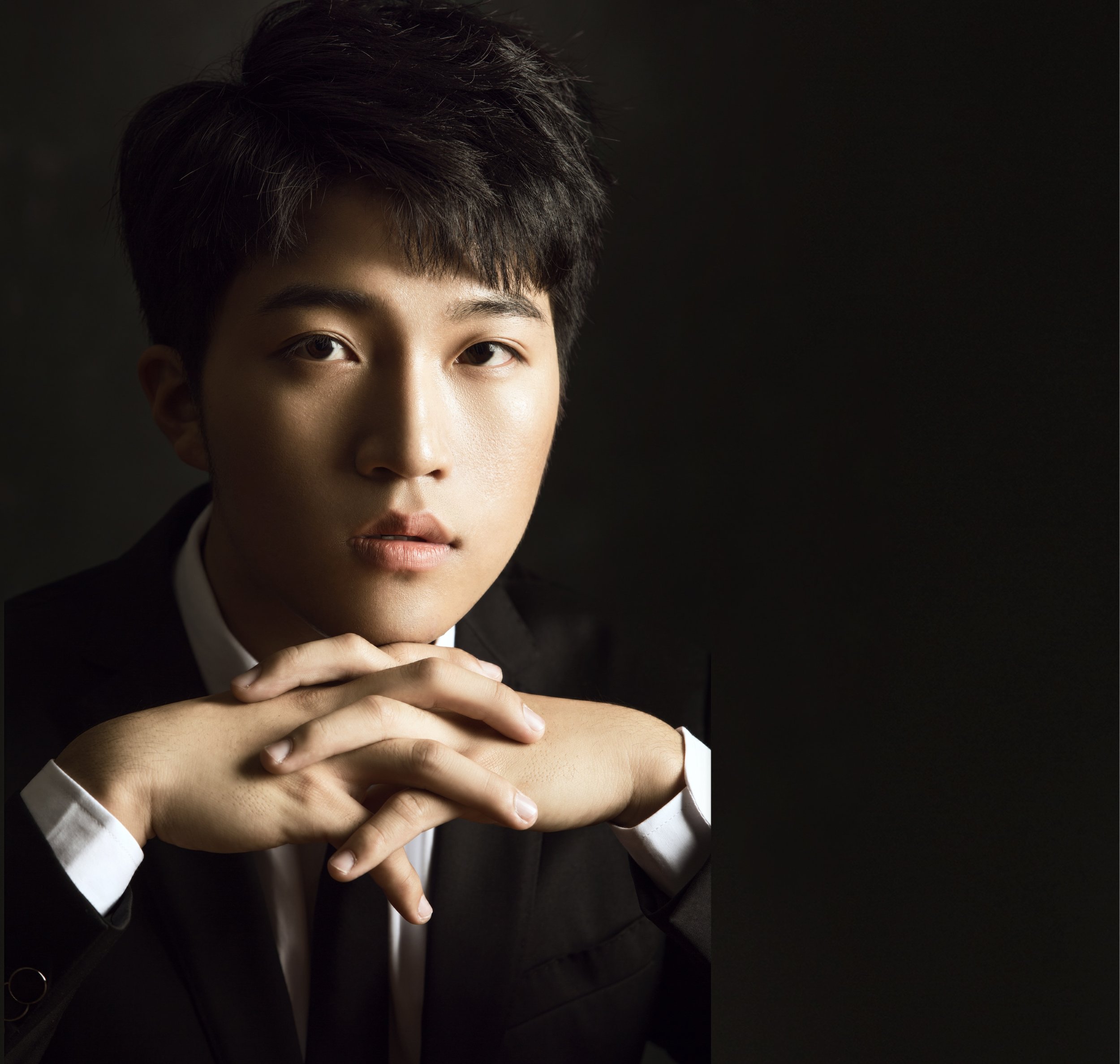
Jialin Yao
Currently a student at the Juilliard School of Music, Yao won the 2023 International Keyboard Odyssiad® and Festival Competition. Boulder Symphony’s conductor, Devin Patrick Hughes, was quoted in the concert press release: “Jialin is a rockstar! He plays the Rachmaninoff 3 . . . with ease, soulfulness, and a virtuosity that rivals any of the great pianists.”
Rachmaninoff wrote his Third Piano Concerto, considered one of the most virtuosic and challenging piano concertos, in 1909 and played the first performance in New York later that year. The initial reception was mixed at best, but Rachmaninoff gave a more successful second performance the following January conducted by Gustav Mahler. Today the concerto is widely accepted as one of the greatest and most demanding works in the piano repertoire.
The work that audiences can hear twice this weekend, Tchaikovsky’s Fifth Symphony, was composed over the summer of 1888. In spite of powerful emotional currents, the composer did not give the symphony any program or explicit personal meaning. After the first performances, he wrote in a letter “I have come to the conclusion that [the symphony] is a failure. There is something repellent in it . . . which the public instinctively recognizes.”
In spite of that conclusion, the Fifth Symphony has become on of Tchaikovsky’s most performed orchestra works. The coincidence of two performances, by two different orchestras on the front range in a single weekend, is an indication of how successful the symphony has been with both conductors and audiences.
The Boulder Symphony will also play the Symphony on Sunday as part of its GLOW Project, free concerts designed for people with dementia, neurological and developmental disabilities. That performance will consist of only the symphony, played with no intermission and lasting approximately 45 minutes.
* * * * *
Boulder Symphony, Devin Patrick Hughes, conductor With Jialin Yao, piano
Arturo Marquez: Conga del Fuego Nuevo (“New fire” conga)
Rachmaninoff: Piano Concerto No. 3 in D minor
Tchaikovsky: Symphony No. 5 in E minor
7:30 p.m. Friday and Saturday, Feb. 16 and 17 Gordon Gamm Auditorium, Dairy Arts Center
The weekend’s second performance of Tchaikovsky’s Fifth Symphony will be provided by the Longmont Symphony (LSO)and conductor Elliot Moore (7 p.m. Saturday, Feb. 17; details below).
The program, which includes Tchaikovsky’s Fantasy Overture Romeo and Juliet and the Piano Concerto No. 1 in B-flat minor played by Marika Bournaki, is billed as “Portrait of a Composer.” This is an annual series for the LSO and Moore, providing an opportunity to focus on the life and works of a single composer who is part of the orchestral tradition.
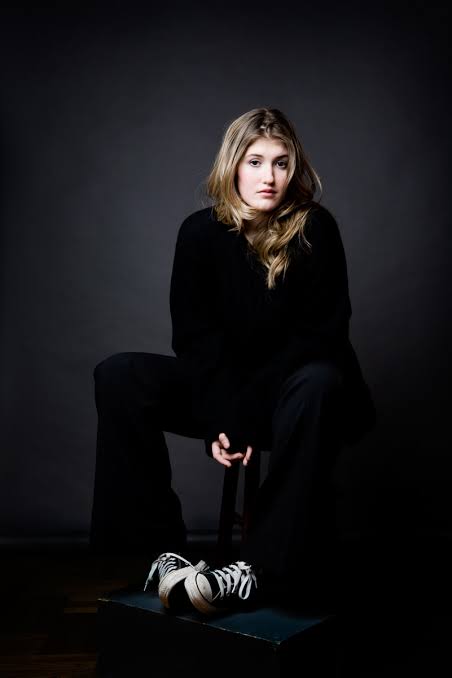
Marika Bournaki
Bournaki teaches piano as a faculty member of Shenandoah University in Winchester, Va. She was born in Montreal—leading to her being dubbed “the Celine Dion of classical”—and received bachelor’s and master’s degrees from the Juilliard School of Music. She was the subject of an award-winning documentary film, “I Am Not a Rockstar,” that covered her musical studies, staring when she was 12 and first took lessons at Juilliard, through the age of 20.
She has performed extensively with regional orchestras in the United States and Canada as well as in Switzerland, Russia and Romania. She is also an active chamber musician who has performed at Bargemusic in Brooklyn and the Cape Cod music festival, among other venues. Her educational activities have included programs that bring music to underserved populations in Canada.
Tchaikovsky’s First Piano Concerto had its premiere in 1875 in Boston played by Hans von Bülow. Nikolai Rubinstein, for whom it had been written, was first critical of the piece leading to the first performance being given outside of Russia. Rubinstein later changed his mind about the concerto, and performed it widely.
Today it is one of the most popular piano concertos. In addition to frequent appearances on orchestral programs, it was used as the sporting anthem for the Russian Olympic Committee at the Beijing Winter Olympics in 2022, during the time that Russian athletes were banned from appearing under the Russian national flag. American pianist Van Cliburn famously won the 1958 Tchaikovsky Competition in Moscow playing the concerto.
Almost as popular as the Piano Concerto, Tchaikovsky’s Romeo and Juliet is one of several works by the composer inspired by Shakespeare. After a stormy beginning, the music breaks into a soaring love theme that has been used in films and television, from The Three Musketeers to SpongeBob SquarePants.
The concert concludes with the Fifth Symphony, one of four by two different organizations over the weekend—yet another testament to Tchaikovsky’s place in the orchestral repertoire and in the hearts of audiences.
* * * * *
Tchaikovsky: A Portrait Longmont Symphony Orchestra, Elliot Moore, conductor With Marika Bournaki, piano
Tchaikovsky: Romeo and Juliet Fantasy-Overture —Piano Concerto No. 1 in B-flat minor —Symphony No. 5 in E minor
The Boulder Chamber Orchestra (BCO) will present their current artist-in-residence, pianist Hsing-Ay Hsu, in a program of piano trios, played with members of the orchestra.
The concert, Saturday at 7:30 p.m. (Feb. 17; details below), is the third in the BCO’s series of mini-chamber concerts of the 2023–24 concert season. The fourth mini-chamber concert, featuring works including trios for clarinet, cello and piano, will be at 7:30 pm. April 6. (See the BCO Web Page for details.)
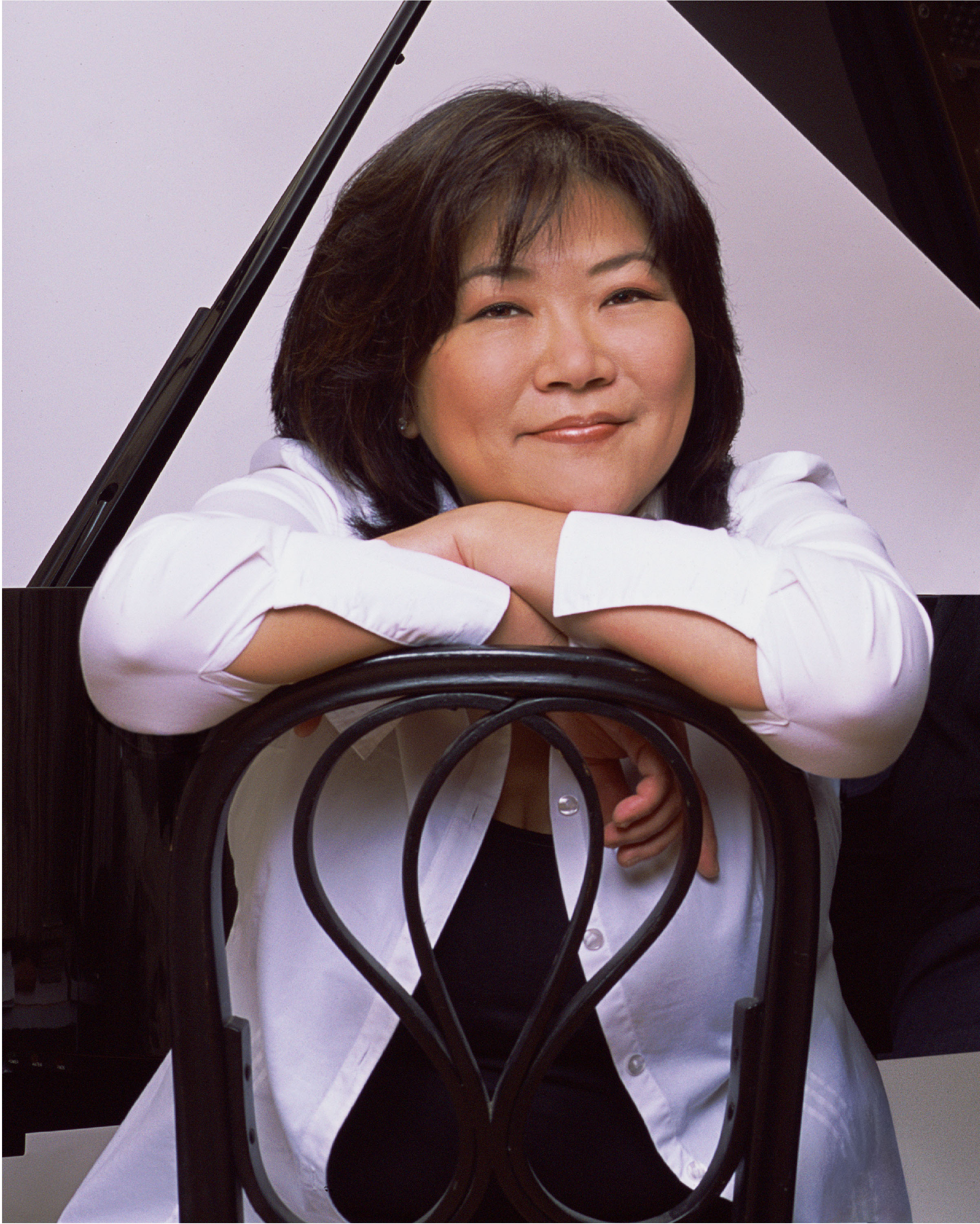
Hsing-Ay Hsu
Born in China, Hsu has studied at Juilliard, the Yale School of Music, the Ravinia Steans Music Institute, and the Aspen and Tanglewood festivals. A Steinway artist, she won the silver medal of the William Kapell International Piano Competition and first prize of the Ima Hogg National Competition, as well as several artist grants and fellowships. She taught at the CU College of Music, where she was artistic director of the Pendulum New Music Series.
The piano trio emerged as a distinct genre out of domestic music-making in the early classical era, when it was known as an “accompanied piano sonata.” Originally, the piano part was written for women, who were thought to have time for practice, with men—who were not expected to master instruments—playing violin and cello parts to reinforce the melody and bass line of the piano part.
It was Mozart who first created piano trios with three equal parts, starting around 1780, followed by Beethoven. By the time that Brahms wrote his second and third piano trios, in the late 19th century, it had become a recognized chamber music genre.
* * * * *
Mini-Chamber Concert 3: Triptych of Trios Hsing-Ay Hsu, piano, and members of the BCO
J.S. Bach: Trio Sonata in G major, S1039 (arr. from trio sonata for two flutes and continuo)
Notable musicians who have died over the past 12 months
By Peter Alexander Dec. 28 at 5:42 p.m.
Now is the time to reflect on the past year, and among the many good things we all can recall there are losses, as well. The following list is necessarily incomplete, and likely represents my personal interests, as it includes a few people that I knew personally. Readers are encouraged to add any names they want in the comments section.
Dec. 31, 2022: Anita Pointer, the lead vocalist of the Pointer Sisters, the popular Grammy-winning vocal group of the 1970s and ‘80s that comprised Anita with her sisters Ruth, Bonnie and June and their band, whose recorded hits includes “Slow Hand,” “I’m So Excited,” “Dare Me” and “Yes We Can Can,” 74
Jan. 10: Jeff Beck, rock guitarist who is considered one of the most skilled and influential guitarists in rock history, who succeeded Eric Clapton in the Yardbirds and later formed his own band, The Jeff Beck Group featuring the singer Rod Stewart, and who also had a significant solo career, 78
Jan. 12: Lisa Marie Presley, a singer-songwriter who aimed to create her own sound and also pay homage to her famous father, Elvis; who not only lost her father when she was nine, but also her former husband, Michael Jackson, and her son, Benjamin Keough, and who appeared at the Golden Globes award ceremony only two days before her death, 54
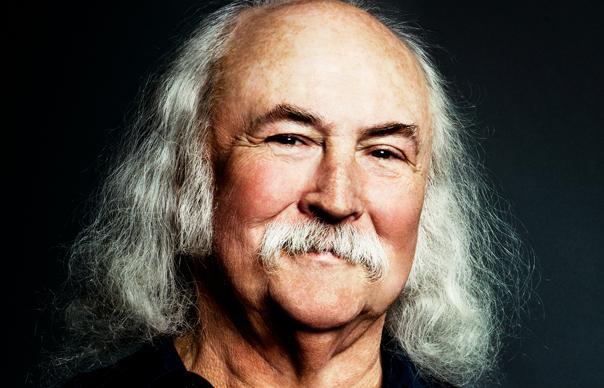
David Crosby
Jan. 19: David Crosby, the singer-songwriter-guitarist and founding member of the Byrds and Crosby, Stills and Nash (later Crosby, Stills, Nash and Young), and two-time inductee into the Rock & Roll Hall of Fame, who struggled with addictions but continued to record until last year, 81
Feb. 8: Burt Bacharach, composer, arranger, conductor and record producer, winner of two Academy Awards for film scores, whose upbeat hit songs including “The Look of Love,” “What the World Needs Now is Love” and “Raindrops Keep Fallin’ on my Head” were part of the 1960s, 94
Feb. 14: Friedrich Cerha, Austrian composer and conductor who took on the difficult task of completing Alban Berg’s unfinished opera Lulu, considered one of the greatest operatic works of the 20th century, who was himself the composer of several operas and other stage works, as well as orchestral and chamber music, 96
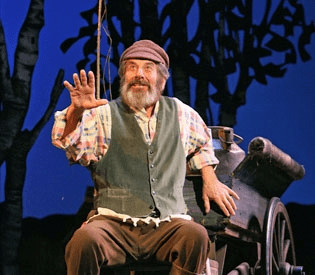
Topol as Tevye
March 2: Wayne Shorter, saxophonist who contributed to the modern jazz style from the 1960s on, working with two of the leading groups of times, Art Blakey’s Jazz Messengers and the Miles David Quintet; and later as a leader of Weather Report and in collaborations with Joni Mitchell, Carlos Santana and Steely Dan, 89
March 9: Chaim Topol, known simply by his last name, the Israeli actor who sang and acted his way through more than 3,500 performances as Tevye in the beloved musical Fiddler on the Roof starting with the 1971 movie version and including a 1990 Broadway revival, and also appeared in films including Galilleo (1975) and the James Bond flic For Your Eyes Only with Roger Moore (1981), 87
Virginia Zeani as Aida
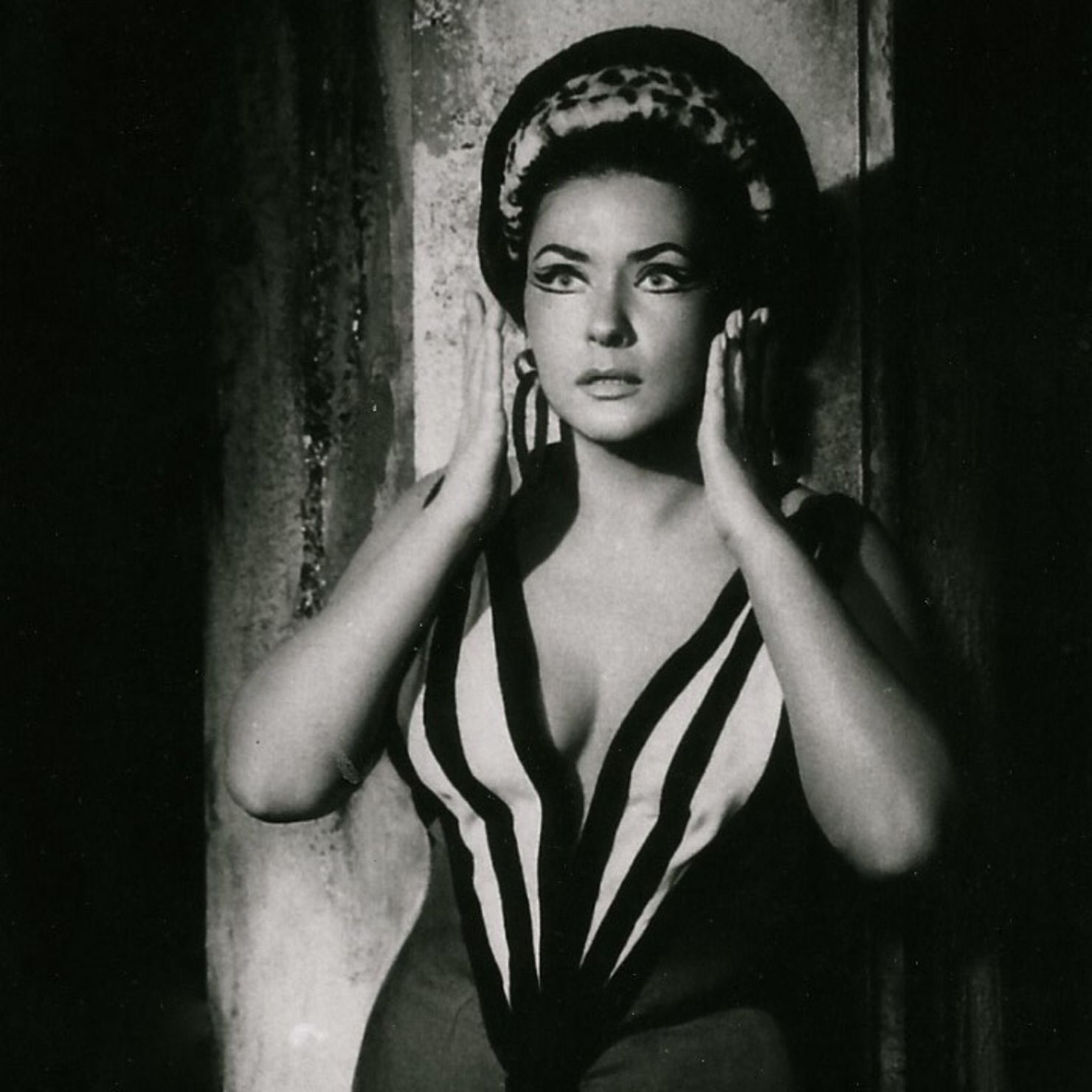
March 20: Virginia Zeani, Romanian soprano who sang 69 roles over her 34-year operatic career, at La Scala, the Met, and other major houses worldwide, including an astonishing 648 performances as Violetta in Verdi’s La Traviata, who originated the role of Blanche in Poulenc’s Dialogues of the Carmelites in 1957, and who passed on her skill as a teacher at Indiana University (1984–2002) and later from her home in Florida, 97
March 25: Christopher Gunning, British composer, arranger and conductor, best known in England for his music for film and television, whose Symphony No. 10 was performed on the same program with Mahler’s Symphony No. 3 as part of Colorado MahlerFest XXXV last year in Macky Auditorium, 78
Blair Tindall
April 12: Blair Tindall, accomplished freelance oboist and later journalist, author of Mozart in the Jungle: Sex, Drugs and Classical Music, a salacious memoir that led to a television series; whose candor or exaggerations, depending on your point of view, divided critics while the author always said she intended serious points about the classical music world, 63
April 17: Ahmad Jamal, jazz pianist who won a lifetime achievement Grammy and a National Endowment for the Arts Jazz Master award, and whose spare style influenced artists including Miles Davis, 92
April 19: Otis Redding III, son of the legendary soul singer who formed the funk band The Reddings with his brother, Dexter, in the 1980s, and who was often asked to sing his father’s songs including “Sitting on the Dock of the Bay,” 59
Harry Belafonte
April 25: Harry Belafonte, smooth-voiced American singer who smashed racial barriers in the 1950s and ignited the craze for Caribbean music with songs including “Day-O (The Banana Boat Song)” and “Jamaica Farewell,” who also starred in several movies and continued to perform into the 21st century, and who concentrated on Civil Rights later in his life at least as much as his entertainment career, 96
May 1: Gordon Lightfoot, Canadian folksinger known for “The Canadian Railroad Trilogy” and the perennial November favorite “The Wreck of the Edmund Fitzgerald,” who was inspired to join the folk music scene in Toronto in the 1960s, went on to international recognition, continued to perform even after a mild stroke in 2006, and recorded his final album in 2020, 84
Menahem Pressler
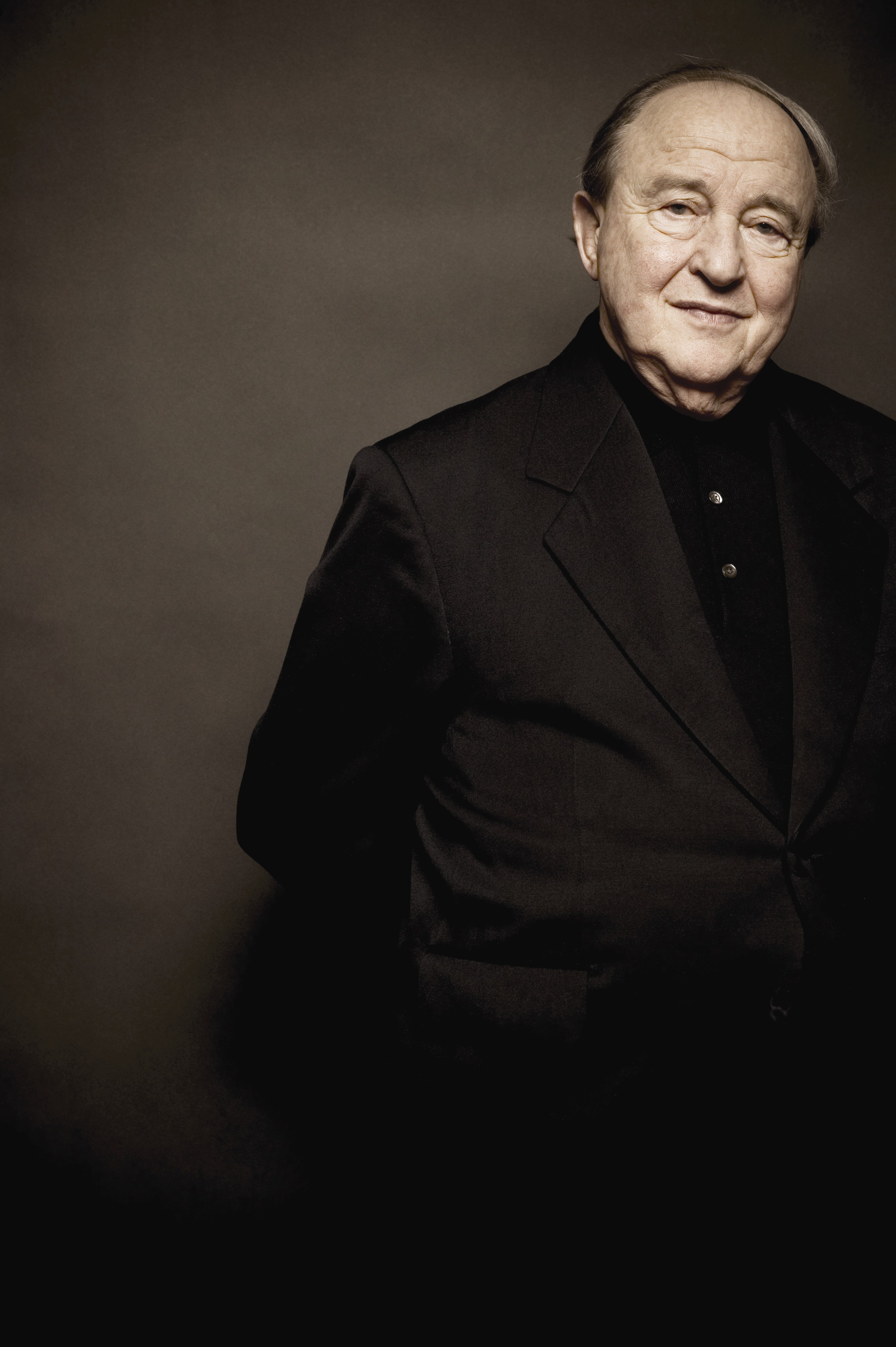
May 6: Menahem Pressler, distinguished professor of piano at the Indiana University Jacobs School of Music and founding member of the renowned Beaux Arts Trio, of which he was the heart and soul for more than 50 years and with whom he recorded nearly all of the piano trio repertoire, who fled from his native Germany to Israel in 1939 and joined the Indiana faculty in 1955, where he taught until his death, and who continued to tour as soloist and chamber musician until 2018, 99
May 7: Grace Bumbry, courageous and ground-breaking mezzo-soprano who became one of the first Black opera stars, who created a scandal by singing Venus in Wagner’s Tannhäuser at Bayreuth in 1961, which led to a performance at the White House, a contract with impresario Sol Hurok, major mezzo and soprano roles around the world, and more than 200 appearances at the Metropolitan Opera, 86
May 14: Ingrid Haebeler, Viennese pianist known for her performances and recordings of music by Mozart who gave her first public performance at 11 and later studied at the Mozarteum in Salzburg, was featured on many recordings of Mozart and other composers, most recently a boxed set, “Ingrid Haebeler: The Philips Legacy,” released by last year by Decca; believed to be 96
May 24: Tina Turner, soul and rock singer of vast energy since the 1960s, who came to prominence in the Ike and Tina Turner Revue with major tours in the late ‘60s, suffered a setback following her breakup with husband Ike Turner but returned to stardom in the 1980s after her recording “What’s Love Got to Do With It” won three Grammies in 1985, later recognized by the Guinness Book of World Records as having appeared live before more people than any other individual artist, 83
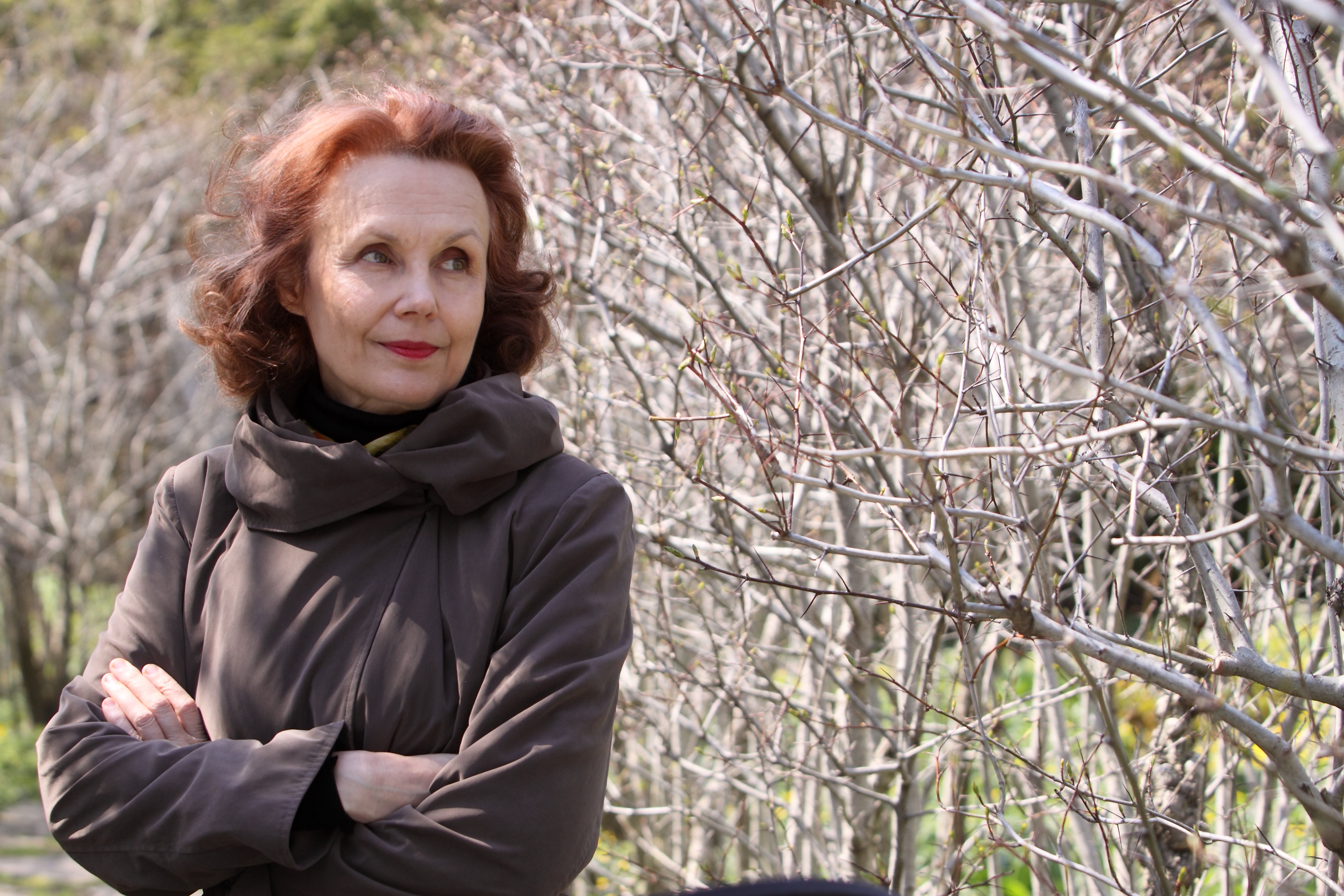
Kaija Saariaho
June 2: Kaija Saariaho, Finnish composer whose opera L’Amour de Loin (Love from afar) broke a 2013-year absence of female composers at the Metropolitan Opera in 2016 and propelled her to international renown, a minor celebrity in her home country where she was often recognized on the street, known for creating works that challenged traditional forms and genres while remaining accessible, 70
June 4: George Winston, pop-music pianist who played what he called “rural folk piano” and others described as “new age,” whose albums of soothing instrumentals carried titles referring to seasons and nature including “Autumn”—his 1980 breakthrough hit on the Windham Hill label—“Sea,” “Woods,” and “December”; 74
June 5: Astrud Gilberto, sexy-voiced Brazilian singer whose first recording ever made her famous world wide, performing the bossa nova hit “The Girl from Ipanema” by her then husband João Gilberto with saxophonist Stan Getz in 1963, a recording that won the Grammy Award for record of the year and eventually sold more than a million copies, 83
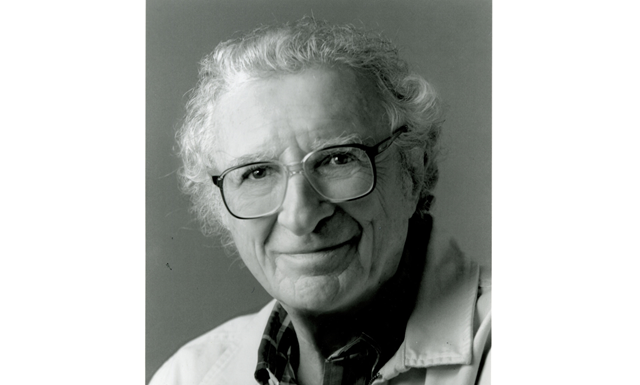
Sheldopn Harnick
June 23: Sheldon Harnick, lyricist for memorable Broadway shows including Tony-award winners Fiddler on the Roof and Fiorello! which he created with composer Jerry Bock, as well as the musical She Loves Me, which was based on the same play as the movie You’ve Got Mail, and other shows, and who also wrote and translated opera librettos, 99
July 6: Graham Clark, English tenor who sang a wide variety of roles from Mime in Rheingold and Siegfried to the Captain in Wozzeck and Almaviva in Barber of Seville, at the English National Opera, Covent Garden, the Bayreuth Festival, and the MET where he sang 82 times over 15 seasons, including Bégearss in the 1991 world premiere of John Corgiliano’s Ghosts of Versailles, 81
July 6: Peter Nero, concert pianist and consummate showman who combined classical and pops and light jazz, whose banter with the audience earned a large and devoted following, who appeared with Frank Sinatra, Mel Tormé, Johnny Mathis and others, released 72 albums and conducted the Philly Pops for 34 years, mixed Liszt, Prokofiev and the American songbook on his programs, and wrote a cantata based on The Diary of Anne Frank, 89
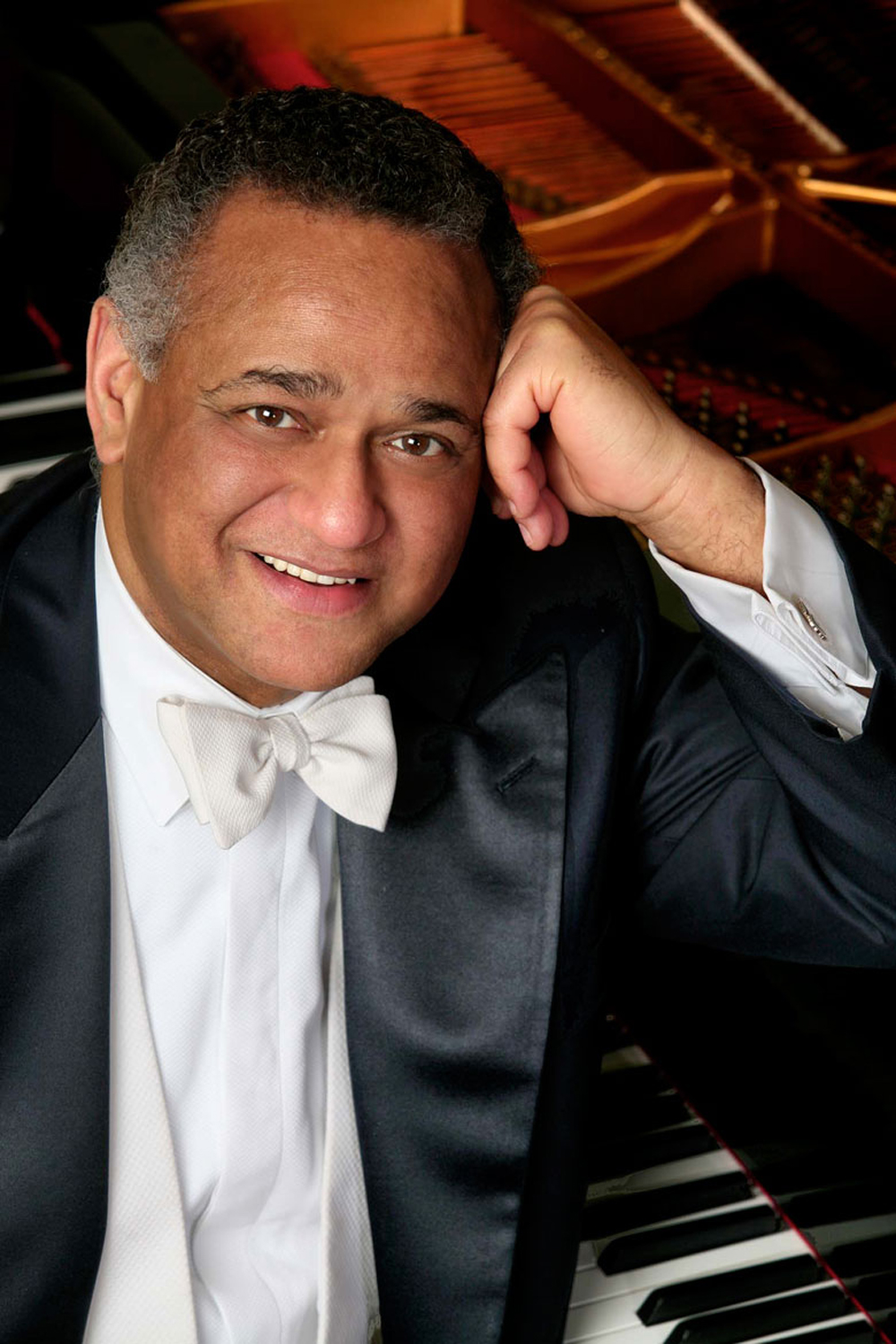
Andre Watts
July 12: André Watts, Black American pianist and classical music superstar who rose to fame starting with an appearance with Leonard Bernstein and the New York Philharmonic at the age of 16 in 1963, who won a Grammy the following year, performed at White House state dinners in addition to his solo and orchestral appearances on tour, and joined the faculty of the Indiana University Jacobs School of Music in 2004, 77
July 21: Tony Bennett (born Anthony Dominick Benedetto), a quintessential interpreter of the American songbook and other musical standards over a career of more than 70 years, performing concert and club dates, making more than 150 recordings, who joined other entertainers to participate in the Selma-to-Montgomery Civil Rights March in 1965, performed at the While House of presidents Kennedy and Clinton, at Buckingham Palace for Queen Elizabeth and for Nelson Mandela in South Africa, and who continued to perform into his 90s in spite of the onset of Alzheimer’s, notably with Lady Gaga in 2021 for his last public performance, 96
About July 25: Sinead O’Connor, outspoken Irish singer/songwriter whose 1990 Grammy- winning album “I Do Not Want What I Haven’t Got” included a cover of Prince’s “Nothing Compares 2 U,” which became a world-wide hit; whose strong political stances led to controversy, especially in 1992 when she tore up a portrait of Pope John Paul II on “S.N.L.” as protest against sexual abuse in the Catholic Church, and whose mental health struggles were well documented and publicly acknowledged by the singer, 56
Aug. 9: Robbie Robertson, Canadian musician who was lead guitarist and composer for The Band, often celebrated for his ability to capture a vision of rural and Southern America that came to be known as Americana, in such songs as “The Night They Drove old Dixie Down,” “Up On Cripple Creek” and “The Weight,” 80
Aug. 11: Tom Jones, the lyricist who with composer Harvey Schmidt wrote The Fantasticks, a musical comedy that opened in Greenwich Village in 1960 and ran for 42 years, making it the longest running musical in history; who also wrote the lyrics to 110 in the Shade and I Do! I Do!, other collaborations with Schmidt, 95
Renata Scotto
Aug. 16: Renata Scotto, brilliant Italian soprano who was a favorite at the Metropolitan Opera with more than 300 performances in 26 roles, and who was renowned for her acting as well as her singing in major roles including Cio-Cio San in Madama Butterfly, Mimi in La Bohème and Violetta in La Traviata, and who was also known for her fiery temperament, 89
Aug. 19: Gloria Coates, composer of 17 idiosyncratic symphonies including works subtitled “Music on Open Strings” and “Music in Microtones,” known particularly for her use of glissandi, a Wisconsin native who lived most of her adult life in Germany, where she curated a concert series of American contemporary music, 89
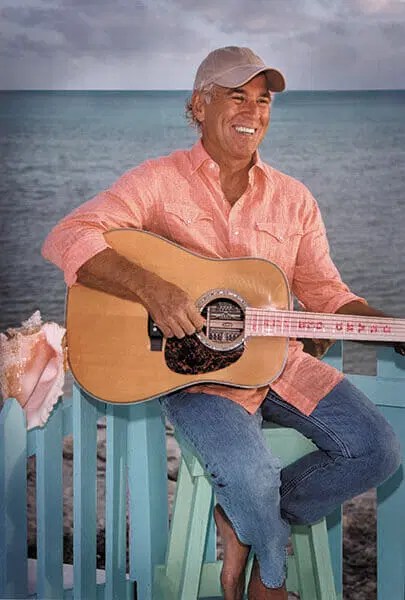
Jimmy Buffett
Sept. 1: Jimmy Buffett, singer/songwriter who celebrated the beach-bum life of the Caribbean and the Gulf Coast, leader of a group of like-minded fans known as “Parrot Heads,” with hits including “Margaritaville” and “Cheeseburger in Paradise,” backed by the Coral Reefer Band that gave his songs an easy-going blend of calypso, country and rock, and who became a multi-millionaire with a business empire of restaurants, hotels, tequila, t-shirts and footwear, 76
Sept. 30: Russell Batiste Jr., drummer who was a vital part of the New Orleans funk and R&B scene, member of a celebrated musical family who started playing with the family band at the age of 6, known for playing with a ferocity that sometimes broke his foot pedals with bands including Russell Batiste and the Orchestra From Da Hood and a trio named for the Cy Young Award-winning pitcher Vida Blue, 57
Sept. 30: Russell Sherman, an American pianist and music educator who was the first American to record the complete Beethoven sonatas and concertos for piano but also recorded other composers from Liszt to Schoenberg as well as new pieces composed for him, who performed with major orchestras in the US and abroad, and who gave his last recital five years ago at the age of 88, 93
Oct. 11: Rudolph Isley, one of the Isley Brothers from their breakthrough in 1959 until he left the group in 1989 to pursue a career in the ministry, who was both a harmony singer in the group and co-writer of many of their hits, and was known for making fashion statements by wearing hats and furs and carrying a jeweled cane, 84
Carla Bley
Oct. 17: Carla Bley, prolific jazz composer, arranger and pianist known for everything from delicate miniatures to rugged fanfares, who was considered an avant-garde musician early in her career and continued to surprise thereafter, whose jazz-rock opera Escalator Over the Hill won the Grand Prix du Disque in 1973, 87
Oct. 25: Zdenek Macal, Czech-born conductor who performed around the world, including visits to the United States where he led the New Jersey Symphony 1992–2003 and guest conducted the Chicago Symphony, as well as other major orchestras world-wide; known for his performances of late Romantic composers including his fellow-Czech Dvořák, 87
Nov. 2: Yuri Temirkanov, Russian conductor who was music director of the St. Petersburg Philharmonic 1988–2022 as well as the Baltimore Symphony 2000–2006 and artistic director of the Kirov opera, known especially for his leadership of the Russian repertoire, including Shostakovich, whom he knew, as well as Tchaikovsky and Prokofiev, 84
David Del Tredici
Nov. 18: David Del Tredici, Pulitzer Prize-wining composer known first in the 1960s as an experimental composer who set works of James Joyce; in the 1970s and ‘80s as an exponent of “new romanticism” in a series of works based on Lewis Carrol’s “Alice” books, culminating in the hour-long “Final Alice” for soprano and very large orchestra (1975), and in the early 2000s, a series of works about gay sexuality, 86
Nov. 19: Colette Maze, French pianist who began lesson at the age of 5, later studied with Alfred Cortot and Nadia Boulanger, who recorded her first album at the age of 90, became an internet sensation at 105, and became the oldest pianist ever to record an album, “109 ans de piano” (109 years of piano), released just this year and featuring music of Gershwin, Debussy and others, 109
Nov. 29: Mildred Miller (Posvar), an American mezzo who sang Mozart’s Cherubino at the Metropolitan Opera 61 times and many other mezzo roles, famously recorded a definitive Das Lied ben der Erde with Bruno Walter, and after retirement from the Met co-founded the Opera Theater of Pittsburgh, 98
Richard Gaddes
Dec. 12: Richard Gaddes, founding director of the St. Louis Opera Theater who led that company from 1976 to ’85, and was general director of the Santa Fe Opera 2000–08, succeeding founder John Crosby, winner of the Opera Honors Award from the National Endowment for the Arts (2008), known for having introduced important artists to the U.S. including soprano Kiri Tr Kanawa and mezzo-soprano Frederica von Stade, 81
DEc. 15: Eduardo Villa, American tenor who came to opera from a career in musicals, studied voice at USC and with Margaret Harshaw, won the Metropolitan Opera Auditions in 1982, and had contracts in Basel, Paris and Munich before singing 25 performances in 10 different roles at the Met, 70
Dec. 17: Buddy Baker, trombonist from Indiana who toured with both Stan Kenton and Woody Hermann, later established the jazz program at the Indiana University School of Music, taught at the University of Northern Colorado, played in the Greeley Philharmonic for 33 years, and served as president of the International Trombone Association, 91
Popular themes of the 2023 Holidays include the solstice and music of the Baroque
By Peter Alexander Nov. 29 at 2:41 p.m.
The Longmont Symphony and Boulder Ballet start their 2023 series of Nutcracker performances Saturday afternoon (1 p.m. Dec. 2) at Vance Brand Civic Auditorium with their annual “Gentle Nutcracker.”
A shortened, sensory-friendly performance designed for neurodiverse individuals, their families and caregivers, the “Gentle Nutcracker” is approximately 90 minutes in length.
That special presentation will be followed by two full performances Saturday and Sunday of Tchaikovsky’s beloved ballet, with the Christmas party, the Nutcracker Prince, “The Dance of the Sugar Plum Fairy,” and all the other features that have made both the music and the ballet a Holiday favorite (4 p.m. Saturday, Dec. 2 and 2 p.m. Sunday, Dec. 3; details below).
NOTE At the time of writing, there are only a few seats left, mostly in the balcony. There is no guarantee that tickets will be available by the time this story appears.
Conductor Cynthia Katsarelis and the Pro Musica Colorado Chamber Orchestra will present the Christmas portion of Handel’s MessiahSaturday (7:30 p.m. Dec. 2) at Mountain View Methodist Church (details below).
In addition to the Christmas section, chorus and orchestra will perform the much loved “Hallelujah” chorus from Messiah. The program opens with “Adoration” by Florence Price and Mozart’s Divertimento in D major, K136.
The Christmas portion of Messiah is one of three major divisions of the work. It comprises 21 separate movements including the opening Overture, choruses including “For unto us a Child is Born” and “Glory to God,” recitatives, and arias for soprano, tenor and bass soloists. Pro Musica will be joined by the Boulder Chamber Chorale and soloists Jennifer Bird-Arvidsson, soprano; Nicole Asel, alto; Steven Soph, tenor; and Ashraf Sewailam, bass.
– – –
Pro Musica Colorado Chamber Orchestra, Cynthia Katsarelis, conductor With the Boulder Chamber Chorale and Jennifer Bird-Arvidsson, soprano; Nicole Asel, alto; Steven Soph, tenor; and Ashraf Sewailam, bass
The CU College of Music presents its annual Holiday Festival this coming weekend, Friday through Sunday in Macky Auditorium (Dec. 8–10; details below).
One of the most popular Holiday events in Boulder, the Holiday Festival features numerous ensembles from the College of Music, each presenting their own selections. Featured groups in this year’s program are the Chamber singers, the Holiday Festival Chorus made up of singers from several groups in the college, the Holiday Festival Orchestra, the Trombone Choir, Holiday Festival Brass, Holiday Festival Jazz, and the West African Highlife Ensemble.
NOTE: At the time of writing, there are limited tickets available for the four performances of the Holiday Festival program. Performances generally sell out, so interested persons should check the CU Presents Web page for availability.
– – –
Holiday Festival, Donald McKinney, artistic director CU College of Music Ensembles
Cellist Charles Lee, the principal cellist of the Boulder Philharmonic Orchestra, will join Ars Nova Singers and conductor Tom Morgan for “Evergreen,” the latest edition of their annual celebration of the winter solstice.
The program will be presented four times, once in Longmont (Saturday, Dec. 9), once in Denver (Sunday, Dec. 10) and twice in Boulder (Thursday and Friday, Dec. 14 and 15; times and locations below). The program includes music by the medieval Benedictine abyss Hildegard Bingen, the English Renaissance master William Byrd, and the north German early Baroque composer Heironymus Praetorius.
Not to be confused with his better known younger contemporary Michael Praetorius, Heironymus is known for his elaborate multi-voices motets. Also on the program are more contemporary works by the living composers Eriks Esenvalds, Jocelyn Hagan and Taylor Scott Davis.
In a written news release, Morgan sets the stage for this concert timed to nearly coincide with the solstice, writing: “Dark and light, motion and stasis, intimate and universal, deeply familiar and refreshingly new—our season searches for the balance point in all of these, through the power and majesty of the human voice.”
– – – Ars Nova Singers, Tom Morgan, director With Charles Lee, cello
“Evergreen”
Hildegard of Bingen: O frondens virga
Two 15th century English carols
Heoronymus Praetorius: In dulci jubilo (à 8)
William Byrd: O magnum mysterium
Ola Gjeilo: Serenity (O Magnum mysterium)
Andrea Casarrubios: Caminante
Taylor Scott Davis: Solstice
Eriks Esenvalds: Rivers of Light
Jocelyn Hagen: Mother’s Song
Dan Forrest: The Sun Never Says
Michael Head: The Little Road to Bethlehem
Arrangements of Holiday songs by Tom Morgan, Joanna Forbes, Alexander L’Estrange and others
7:30 p.m. Saturday, Dec. 9 United Church of Christ, 1500 9th Ave., Longmont
12:30 p.m. Sunday, Dec. 10 St. Paul Lutheran Church, 1660 Grant. St., Denver
7:30 p.m. Thursday, Dec. 14 and Friday, Dec. 15 Mountain View United Methodist Church, 355 Ponca Place, Boulder
CU Presents will round out the university’s holiday performances with Christmas with the Canadian Brass at 7:30 p.m. Tuesday, Dec. 13 in Macky Auditorium.
The Canadian Brass generally announce their program from the stage. Nonetheless, the Christmas set list is more predictable and will likely feature some Canadian Brass favorites, including “Ding Dong Merrily on High,” evergreen Holiday music including “White Christmas” and “Carol of the Bells,” and jazzy arrangements including “Glenn Miller Christmas.”
Founded in 1970, the Canadian Brass has been a recognized and esteemed part of the musical scene for more than 50 years. Touring world-wide, they have made the repertoire of chamber music for brass, and specifically brass quintets, widely appreciated.
There is still one original member of the quintet, tubist Chuck Dellenbach, while other members have joined over the years. The most recent addition, making her Canadian Brass debut this year, is trumpet player Ashley Hall-Tighe, who first met the members of the Canadian Brass in 2001 as a student in their chamber music residency at the Music Academy of the West.
With more than 10 Christmas albums, the Canadian Brass are especially well known for their holiday performances. Their total recording history currently totals more than 130 albums and more than 2 million sold worldwide.
NOTE: At the time of writing, there are limited tickets available.
– – –
Canadian Brass
“Christmas with the Canadian Brass”
Program to be announced from the stage may include:
“Ding Dong Merrily on High” (arr. Henderson)
Gabrieli: Canzona per sonare No. 4
“White Christmas” (arr. Henderson)
Mykola Leondovich: “Carol of the Bells” (arr. McNeff)
Vince Guaraldi: “Christmas Time is Here” (arr. Ridenour)
Glenn Miller: “Glenn Miller Christmas” (arr. Dedrick)
The Longmont Symphony will look back to the 18th century for Candlelight: A Baroque Christmas at 4 p.m. Saturday, Dec. 16, in Vance Brand Civic Auditorium.
Under the direction of Elliot Moore, the featured work on the program will be the Gloria of Antonio Vivaldi. Composed around 1715, it is one of the Venetian composer’s most frequently performed works. Its 12 movements, divisions of the “Gloria” text from the Catholic Mass ordinary, call for chorus, orchestra, and soprano and alto soloists.
Celebrating the holiday season, the Candlelight Concert has long been a part of the Longmont Symphony’s season. There will be candles again this year, although the orchestra has announced that they will be battery-operated this year, rather than relying on a flame.
– – –
Longmont Symphony and Chorus, Elliot Moore, conductor
“Candlelight: A Baroque Christmas”
Corelli: Concerto Grosso
Handel: “Rejoice greatly” from Messiah
Scarlatti: Christmas Cantata for soprano and strings
All the choirs of the Boulder Chorale and Boulder Children’s Chorale will join together to present “Season of Light,” their annual concert of music for the holidays, Saturday and Sunday (Dec. 16 and 17; details below).
The concert title refers to the tradition found in many different cultures to use light to counteract the dark of winter and forecast the return of the light in the weeks to come. In the words of the Boulder Chorale’s press information, the program “traces the history and development of many of the world’s most endearing holiday customs, all of which involve lighting up the winter season—from the burning Yule log, sparkling Christmas tree lights and candles in windows, to the lighting of luminaries (often called luminarias) in the American Southwest and the traditional ritual of the Hanukkah menorah.”
Tickets are available both at the door and through the Boulder Chorale Web page. The Sunday performance will also be presented through live streaming, available at the same Web page.
– – –
Boulder Chorale, Vicki Burrichter, artistic director With Boulder Children’s Chorales, Nathan Wubbena, artistic director
The Boulder Chamber Orchestra will combine its holiday celebration with the music of Beethoven in a program featuring pianist Adam Zukiewicz.
Their “Holidays Celebration with Beethoven” will be at 7:30 p.m. Saturday, Dec. 16 in the Boulder Seventh-Day Adventist Church. Zukiewicz will perform Beethoven’s Piano Concerto No. 2 with the orchestra and conductor Bahmann Saless.
Other works on the program are Mozart’s Overture to The Marriage of Figaro, conducted by Nadia Artman; Chocolats Symphoniques (Symphonic chocolates) by Maxime Goulet; and the world premiere of the Concerto for Flute and Orchestra by Sylvie Bodrova with the BCO’s principal flutist Cobus DuToit as soloist.
Part of the reason for combining the holiday music with Beethoven is that the composer’s birthday is believed to be Dec. 16. The date is not certain, since the only documents record his baptism on Dec. 17, but the birthday is traditionally observed on Dec. 16. That would make Dec. 16, the date of the concert, the 253rd anniversary of his birth.
As it happens, the full 2023–24 season has three of Beethoven’s five piano concertos listed. the Third Concerto was played by Petar Klasan Sept. 1, and the Concerto No. 5 (“Emperor:) will be performed with the BCO by Jennifer Hayghe Feb 3 (7:30 p.m., Boulder Seventh-Day Adventist Church).
Goulet’s Chocolats Symphoniques was previously performed by the BCO on their holidays concert in 2021. The work’s four movements refer to four different flavors of chocolate: “Caramel Chocolate,” “Dark Chocolate,” “Mint Chocolate” and “Coffee-infused Chocolate.”
– – –
Boulder Chamber Orchestra, Bahman Saless, conductor With Cobus DuTois, flute, and Adam Zukiewicz, piano Nadia Artman, conductor
“Holidays Celebration with Beethoven”
Mozart: Overture to The Marriage of Figaro
Maxime Goulet: Chocolats Symphoniques (Symphonic chocolates)
Sylvie Bodorova: Concerto for Flute and Orchestra (world premiere)
The Boulder Bach Festival (BBF) will present “Handel’s Messiah Reimagined” in their very own version, based on an edition created by music director Zachary Carrettin.
Messiah will be performed by a string orchestra from the BBF’s Compass Resonance (CORE) Ensemble with harpsichord and chamber organ continuo and a 16-voice choir. Five featured solo singers will also perform within the chorus. The entire performance will be presented without conductor.
The program also incudes two a cappella vocal works and a violin concerto b Antonio Vivaldi. The concerto will be played by BBF’s artistic director, Zachary Carrettin, with Baroque guitar continuo played by Keith Barnhart.
– – –
Boulder Bach Festival CORE ensemble Mara Riley, soprano; Sarah Moyer, soprano; Claire McCahan, mezzo-soprano; Daniel Hutchings, tenor; and Adam Ewing, baritone With Zachary Carrettin, violin, and Keith Barnhart, Baroque guitar
“Transformations” and “Visions of a Brighter Tomorrow” on the masterworks series
By Peter Alexander Oct. 11 at 5:40 p.m.
Conductor Michael Butterman and the Boulder Philharmonic Orchestra will slip gently into their new season with a concert at 4 p.m. Sunday, Oct. 15, in Macky Auditorium. (Please note the change of time and day from recent seasons.)
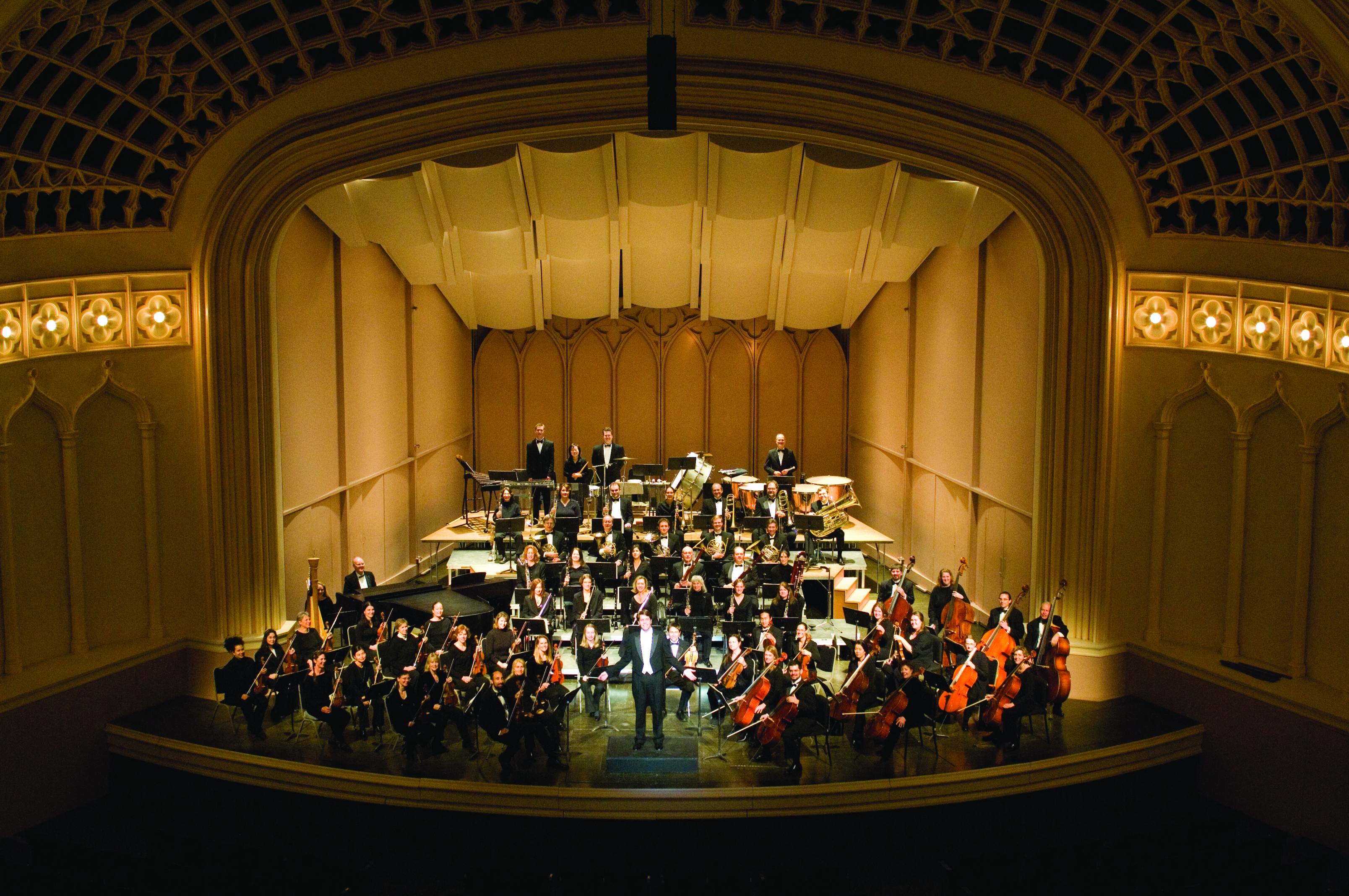
Michael Butterman and the Boulder Phil in Macky Auditorium
The first piece on the program will be Cantus in Memory of Benjamin Britten by the living Estonian composer Arvo Pärt, a quiet, reflective piece for strings and a tolling chime. “It’s a very effective work,” Butterman says. “It’s totally hypnotic, this sort of neo-minimalist language, if you want to call it that, that is very deeply felt and meditative.
“There are typically two ways to start a program. Either you get people’s attention with a lot of fireworks, loud and fast, or (you can have) a very centered piece to open the concert, rather than one that gets your blood pressure up. Either approach is effective, but we’re going to (open the season) relatively calm and quiet.”
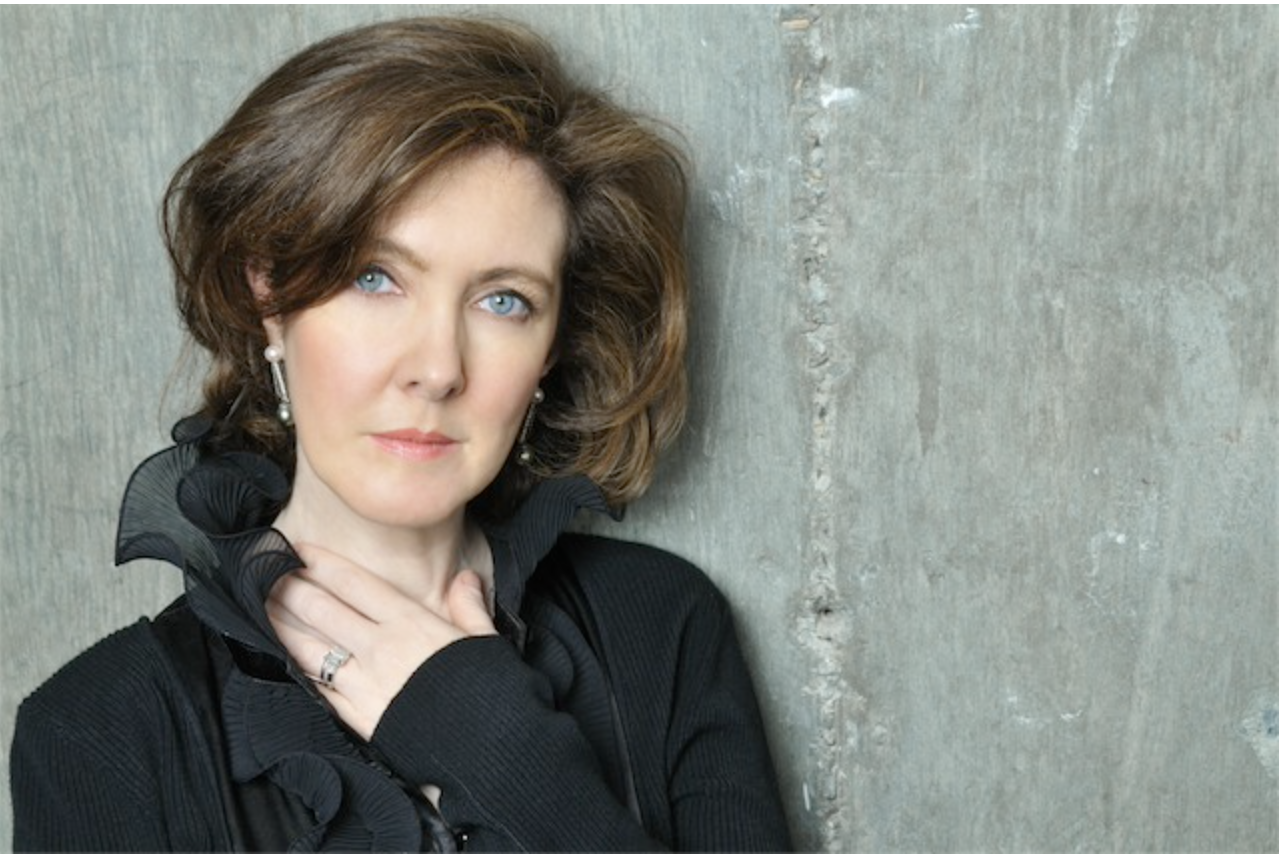
Anne-Marie McDermott
Following the gentle and soothing strains of the Cantus, Butterman and the Phil will be joined by pianist Anne-Marie McDermott for Beethoven’s Fourth Piano Concerto, a work that certainly has its showy moments but is generally more amiable than most Beethoven.
“The Beethoven Fourth is my favorite piano concerto,” Butterman says. “There’s something very special about it, especially the second movement. It’s very affecting and dramatic in its relatively simple construct.”
Unlike other concertos of the time, Beethoven Fourth Piano Concerto starts with the solo instrument alone, playing dolce e piano (sweetly and softly)—continuing the gentle mood of the concert. The dramatic second movement, which juxtaposes the piano and the strings, has been described by Beethoven’s pupil Carl Czerny as “an antique tragic scene.” The following finale is both lyrical and jovial, more in the mood of Haydn than either the grandiosity or the ferocity of Beethoven’s more powerful concertos and symphonies.
Butterman has not worked with McDermott before, but he knows her recordings and her reputation in the music world. “Knowing especially her affinity for and experience in chamber music, this seems like an ideal concerto for her to play,” he says. “I’m looking forward to welcoming her.”
In addition to her recordings of music by composers form Bach to Shostakovich, McDermott has been an artist member of the Chamber Music Society of Lincoln Center. Her recordings of 20th-century music, including the complete piano works of Prokofiev and Gershwin, have received extensive critical praise. She is currently director of Colorado’s Bravo! Vail Music Festival.
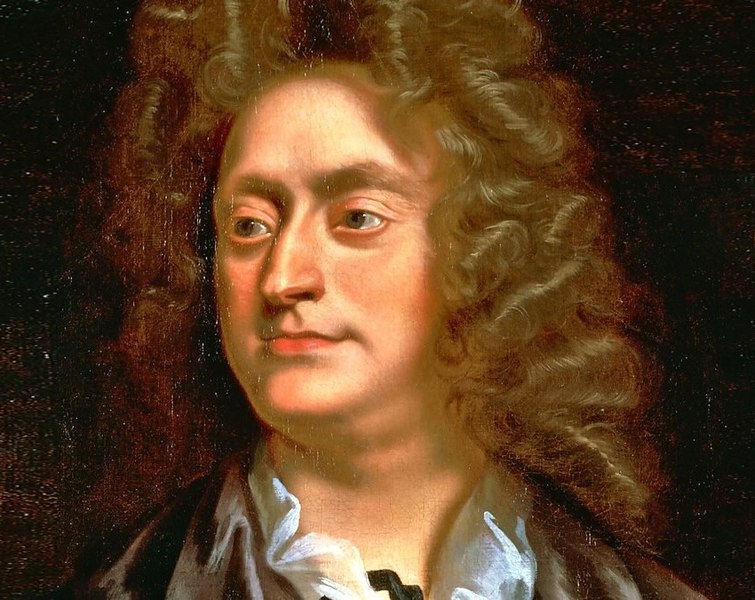
Henry Purcell
Butterman explains how he selected the remainder of the concert program: “The question was, do you end with a symphony or something like that?” he says. But instead of a single larger work, he selected two pieces, both by 20th-century composers and both based on earlier music from their home countries: Benjamin Britten’s Variations on a Theme by Purcell and Paul Hindemith’s Symphonic Metamorphosis of Themes of Carl Maria von Weber.
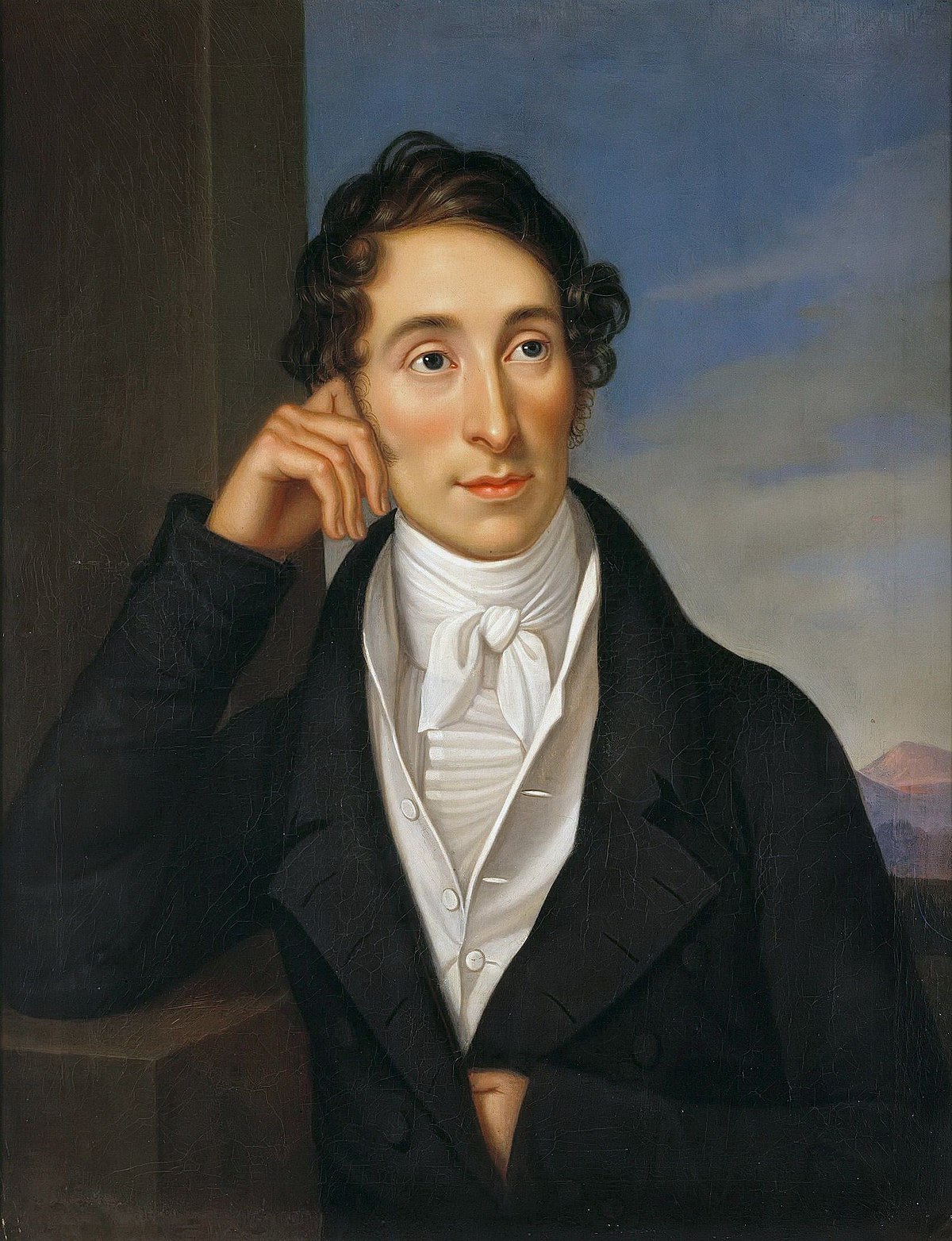
Carl Maria von Weber. Portrait by Caroline Bardua
Britten’s score, known as A Young person’s Guide to the Orchestra when performed with a narration, comprises 13 variations, each devoted to a single instrument or section of the orchestra, and a fugue that brings them all together. Hindemith’s Symphonic Metamorphosis features four movements, each a transformation of music by the early Romantic German composer Carl Maria von Weber. Like Britten’s piece, it is a virtuoso score for orchestra, although it is not constructed as a set of variations.
“Together the two of them are 40 or 44 minutes,” Butterman says. “Taken together they have the time span and the weight of a symphony, although they are not constructed that way. They are much more episodic, and they are each colorful in their own way.
“I think of each of them as real showcases for the orchestra—Britten intentionally so, but no less so in the case of Hindemith as he crafts some really colorful and stirring renditions of these pieces.
“I think those are good season-starter kinds of pieces, because they’re rousing.”
The second masterworks concert of the fall (Nov. 12) is listed below. Tickets for the entire Boulder Phil season are available HERE. Please note that the opening concert will be at 4 p.m. Sunday. All of the masterworks concerts during the fall will be Sunday afternoon, as opposed to the usual Saturday evening times of recent seasons.
# # # # #
Boulder Philharmonic Orchestra Fall 2023 concert series
“Transformation” Boulder Philharmonic, Michael Butterman, conductor With Anne-Marie McDermott, piano
Arvo Pärt: Cantus in Memory of Benjamin Britten
Beethoven: Piano Concerto No. 4 in G major
Benjamin Britten: Variations on a Theme by Purcell
Paul Hindemith: Symphonic Metamorphosis of Themes of Carl Maria von Weber
This will be the final season for director Cynthia Katsarelis
By Peter Alexander Oct. 2 at 10:28 p.m.
Boulder’s Pro Musica Colorado Chamber Orchestra made a major announcement over the weekend.
Actually, it was two announcements: first, the concert dates and repertoire for the coming season; and second, that the season would be conductor Cynthia Katsarelis’s last with the orchestra that she founded in 2007 and has led since. She has taken a position in South Bend, Ind., and will return to Boulder to conduct all three concerts on the current season. No replacement has been announced.
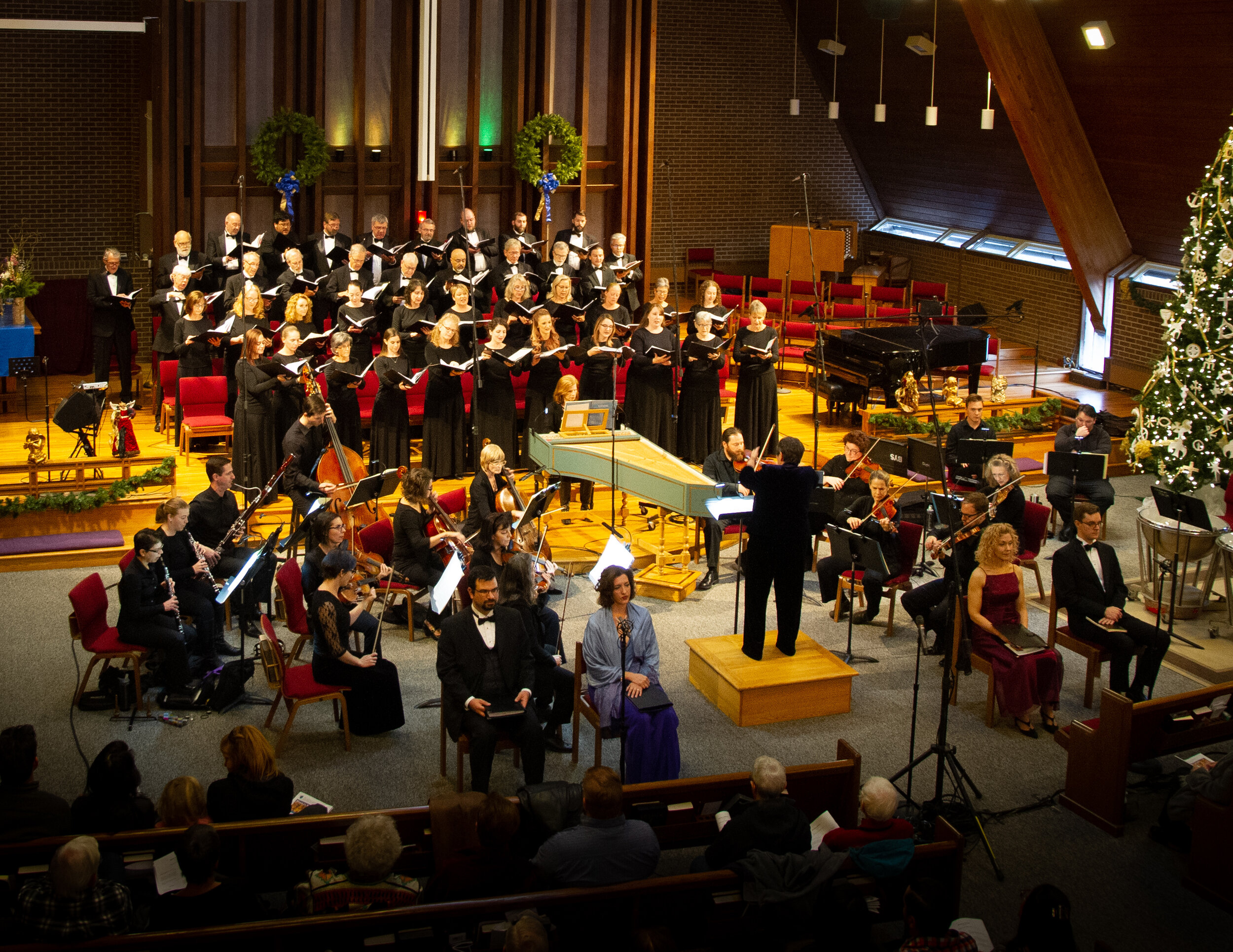
Cynthia Katsarelis, the Pro Musica Colorado Chamber Orchestra and the Boulder Chamber Chorale perform Messiah in 2018
All three concerts will be held at the Mountain View Methodist Church at 7:30 p.m. on Saturdays Oct. 28, Dec. 2 and April 6. Full program listings and ticket information are given below.
Composer Jessie Lausé
The announcement noted several highlights of the coming season: the world premier of a new work by University of Colorado graduate student Jessie Lausé, a performance of the Christmas portion of Handel’s Messiah, and collaborations with local soloists including guitarist Nicolò Spera, soprano Jennifer Bird-Arvidsson, and bass-baritone Ashraf Sewailam.
Each of the three programs includes a work by a woman: Lausé’s Periphery on Oct. 28, Florence Price’s Adoration on Dec. 2, and the Symphony No. 3 in G minor by little-known 19th-century French composer and virtuoso pianist Louise Farrenc on April 6.
Katsarelis released a statement when she announced her departure. “I’m really excited about this season.” the statement reads. “It gives me the opportunity to express my gratitude to all our supporters and patrons, as well as our tremendous musicians, soloists, and artistic partners, and we end on mission, with tremendous works by women composers on each concert.”
# # # # #
Pro Musica Colorado Chamber Orchestra Cynthia Katsarelis, conductor 2023-24 Season
“Passione!” With Stacy Lesartre, violin
Jessie Lausé: Periphery
Mozart: Violin Concerto No. 5 in A Major (“Turkish”)
“Messiah!” With Jennifer Bird-Arvidsson, soprano; Nicole Asel, alto; Steven Soph, tenor; Ashraf Sewailam, bass-baritone; and the Boulder Chamber Chorale, Vicki Burrichter, director
Florence Price: Adoration
Mozart: Divertimento in D Major
Handel: Messiah, Part I, Christmas
7:30 p.m. Saturday, Dec. 2, Mountain View United Methodist Church
“Nicolò!” With Nicolò Spera, guitar
Joaquin Rodrigo: Fantasía para un gentilhombre
Louise Farrenc: Symphony No. 3 in G Minor
7:30 p.m. Saturday, April 6, Mountain View United Methodist Church
Program centers on piano-and-orchestra works by Ravel, Rachmaninoff, with pianist Angela Cheng
By Peter Alexander April 20 at 5:10 p.m.
Conductor Michael Butterman, pianist Angela Cheng and the Boulder Philharmonic will visit France and Russia for their concert Saturday (7 p.m. April 22 in Macky Auditorium; details below).
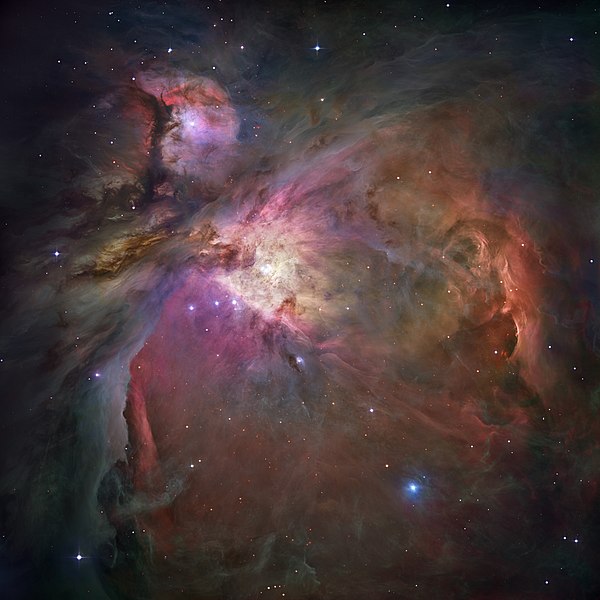
Image taken by the Advanced Camera for Surveys (ACS) aboard NASA/ESA Hubble Space Telescope, the sharpest view ever taken of the Orion Nebula, including more than 3,000 stars of various sizes. Image from 2006.
Those are the native countries of composers Ravel and Rachmaninoff, whose works are featured. But if you add in the subjects of the other programmed works by Tchaikovsky and Boulder native Leigha Amick, the itinerary expands to Shakespeare’s Verona and the Orion Nebula as seen by the Hubble telescope.
The concert will open with the world premiere of Amick’s Gossamer Depths, the 2022 winner of the “Resound Boulder” composition competition. Now a graduate student at the Curtis Institute, Amick grew up in Boulder, where she began her composition studies with CU faculty member Daniel Kellogg. One of her earlier pieces was played at a Boulder Phil Discovery Concert when she was still in high school.
Gossamer Depths was inspired by a photo taken from the Hubble Telescope. “I saw that and thought it needed to be depicted in an orchestra setting,” Amick says. Her music portrays different elements that can easily be seen in the photo: “The different (harmonic) layers of the piece represent the different layers of color within the photograph,” she says.
Boulder native and composer Leigha Amick
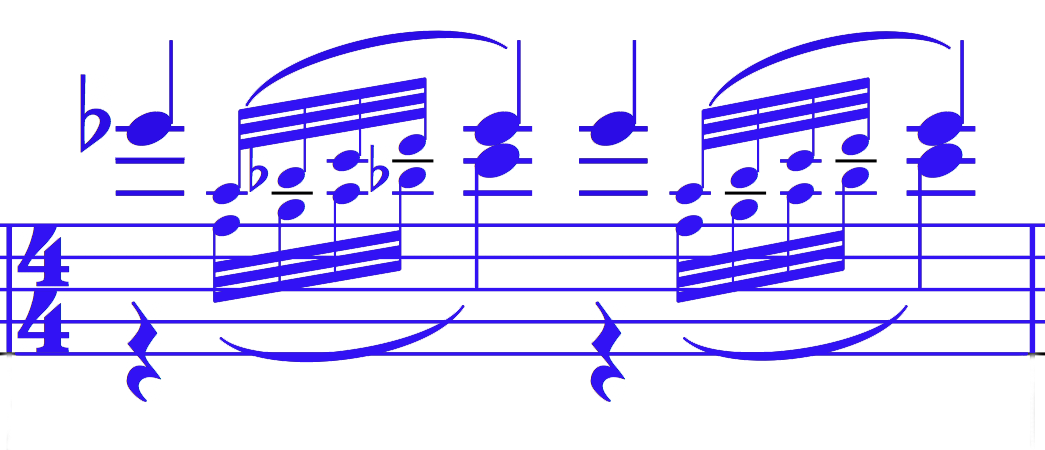
On top of those layers of chords that move independently of one another, Amick explains, “swirls of dust and space gasses are represented by 16th-note runs throughout the orchestra. And then there are stars on top of all this, and those are accented notes, mostly in winds, brass and percussion.”
Amick’s evocative score will be followed by two separate piano solo works with orchestra, played by Angela Cheng: first Ravel’s Concerto in G major before intermission, and then Rachmaninoff’s popular Rhapsody on a Theme of Paganini opening the second half. Although both works were written around 1930, Ravel’s restrained, jazz-influenced concerto contrasts strongly with Rachmaninoff’s deeply romantic Rhapsody.
Angela Cheng
“They are such different kinds of music—different sonorities, different kinds of touch required of pianists,” Cheng says. “The one similarity is the orchestra is fully an equal partner. In the Ravel Concerto, the orchestra part is just as difficult for some of the wind instruments—it’s almost like concerto for orchestra and Piano. And the same thing with the Rachmaninoff, you really feel like the orchestra is a full partner.
“Of course the sound that needs to come out of the piano is completely different—the (Ravel Concerto) is much lighter, much more transparent. In the Rachmaninoff, the lushness, the richness of the sonorities in the writing and what is required of the pianist, is great in the piano.”
Beyond the differences in playing technique, Cheng struggles to find just the right metaphor to describe the two pieces. Clearly she loves both, each in its own way. “I don’t know very much about wine, but what I know, how whites can be a little bit lighter, maybe that’s Ravel? And a richer red for the Rachmaninoff.
“Or you could compare it to food, even Chinese cooking: Cantonese, where there’s a lot of steaming, lightness, fresh vegetables, would be the Ravel. Rachmaninoff has heavier sauces, maybe northern cooking where it’s richer. Something like that, but they’re both delicious.”
Michael Butterman. Photo by Jiah Kyun
The Rhapsody is a series of variations on a theme used by the violin virtuoso Paganini for his own set of challenging variations in his Caprice No. 24 for solo violin. A simple harmonic outline, it is so well suited for creating variations that dozens of composers have used the same framework for their own variations.
The most familiar of Rachmaninoff’s variations is No. 18, in which the melodic outline is inverted—turned upside down—and turned into a dreamy, Romantic tune out of character with the dramatic nature of other parts of the score. “It seems to come from a completely different world than the rest,” Butterman says. “It’s marvelous!”
The combination and contrast of Ravel and Rachmaninoff was the starting point of the program, Butterman says. “Originally this was going to be a French and Russian thing,” he says. “I have always thought (there were) color similarities between French and Russian music.”
The concert will conclude with Tchaikovsky’s well known Romeo and Juliet: Fantasy-Overture, which Butterman describes as “an example of music that has made its way into the popular awareness of filmmakers and more. I find it a really effective piece that doesn’t attempt to trace the narrative arc, but gives you the emotional arc of the play, from tragedy, of course, to the overwhelming sense of being head over heels in love. You can go through this whole gamut of emotions in 20 minutes.
“It’s marvelous, and people will love it and I think it pairs well with the Rachmaninoff.”
The concert will be dedicated to the memory of violist Megan Edrington, a member of the Boulder Philharmonic who died March 16 at the age of 43.
# # # # #
Boulder Philharmonic, Michael Butterman, conductor With Angela Cheng, piano
Concert dedicated in loving memory of Megan Edrington (1979–2023)
Leigha Amick: Gossamer Depths (World premiere; Resound Boulder Commission) Ravel: Piano Concerto in G Rachmaninoff: Rhapsody on a Theme of Paganini Tchaikovsky: Romeo and Juliet: Fantasy-Overture
CORRECTIONS: The original post was incorrectly dated April 22. April 22 is the date of the concert, not of the blog post. April 20 is the correct date. The correct title of Leigha Amick’s piece is Gossamer Depths. And earlier version of this story misstated the title as Gossamer Depth.
Not just fast-paced Vivaldi, program is ‘more floating than serious’
By Peter Alexander March 20 at 6:10 p.m.
If you think all Vivaldi sounds the same—fast-paced, chugga-chugga “sewing-machine music”—the Jupiter Ensemble has a surprise for you.
The youthful early-music ensemble brings an all-Vivaldi program to Macky Auditorium as part of the CU Presents Artist Series Wednesday (7:30 p.m. March 22). When they played the same program in New York’s Weill Hall, the Times critic Zachary Woolfe characterized their performance as “slow, serene, more floating than serious. . . . A broad range of (Vivaldi’s) artistry was on display.”
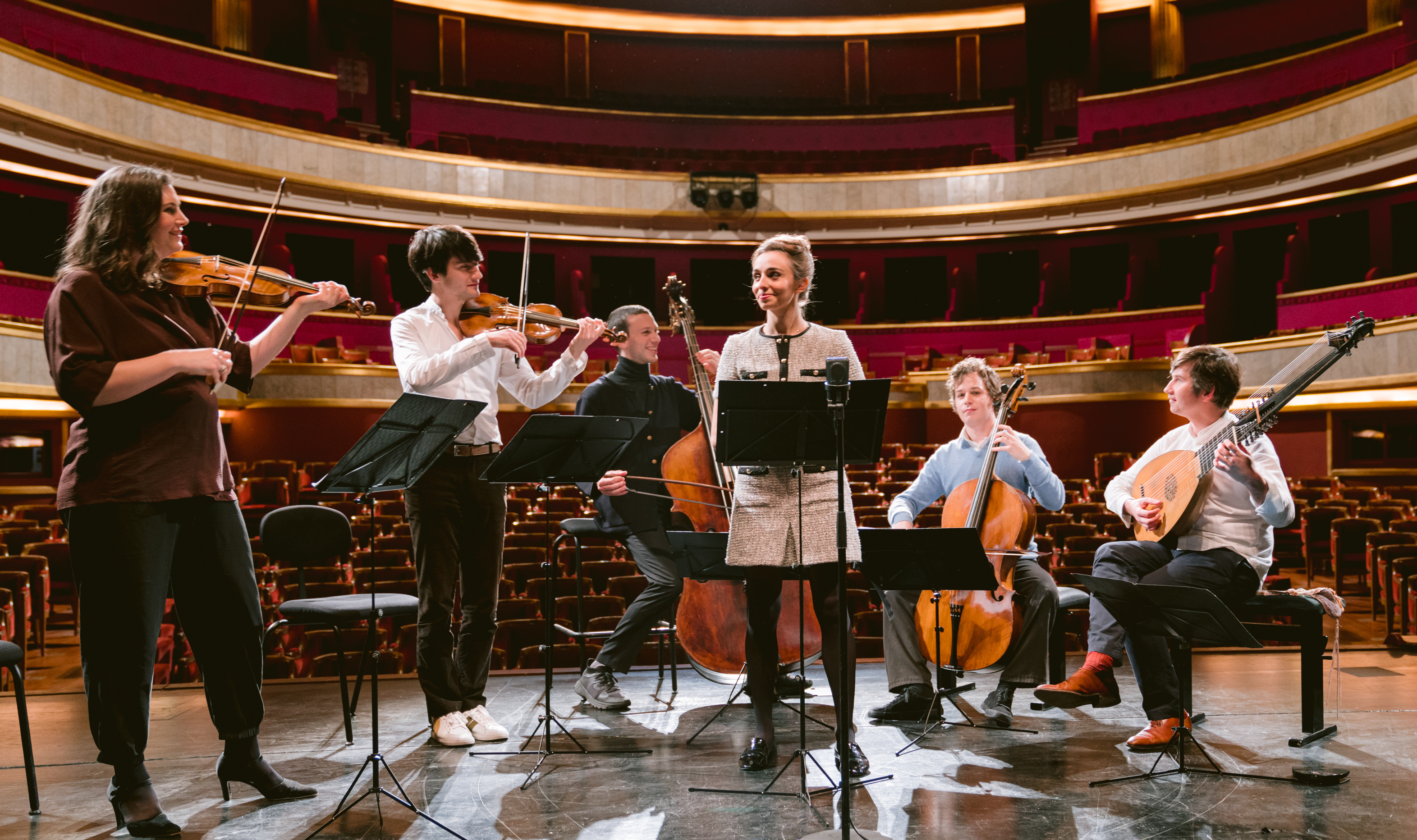
Jupiter Ensemble and Lea Desandre. Photo by Alina Sepp.
Formed in 2018 by French lutenist Thomas Dunford, the Jupiter Ensemble is a flexible group of early-music specialists based in France. In addition to Jupiter’s roster of instrumental players, the Vivaldi program also features the youthful, 30-something mezzo-soprano Lea Desandre singing arias from four of Vivaldi’s underappreciated operas.
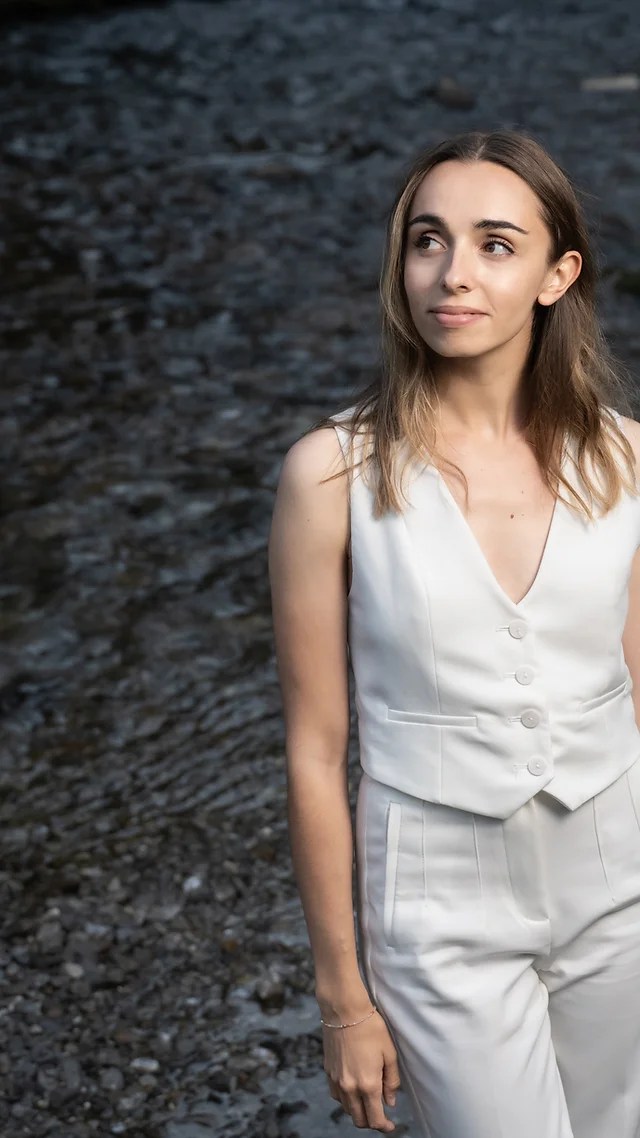
Lea Desandre
The group is taking their all-Vivaldi program (listed below) on tour around the United States. In addition to the virtuoso arias that Desandre will sing, the program includes concertos for lute and cello, interspersed between the vocal numbers to give Desandre some much needed breaks between numbers.
Continuing his NYT “Critic’s Pick” review of Jupiter’s Vivaldi, Woolfe wrote, “the young early music ensemble . . . made a delightful debut in Carnegie Hall’s intimate Weill space.” About mezzo-soprano Desandre, he wrote that her “fast runs emerged with smooth legato flow” and “her clarinet-mellow voice provided the spine of the evening.”
Woolfe was equally complimentary of the group‘s leader. “The lute is not a loud instrument, but Dunford makes it speak,” he wrote. “He wove a subtle but clear, golden filament of sound.”
Once characterized by BBC Magazine as “the Eric Clapton of the Lute,” Dunford decided four years ago to create an ensemble of virtuosos to follow in the footsteps of the early-music pioneers. “All of the artists invited to take part in the (Jupiter) project are brilliant masters of their instruments,” he wrote. “Some of them are already renowned soloists.”
As a child, Desandre joined the chorus of the Paris Opéra, where her idol was the great French singer Natalie Dessay. An early interest in dance turned more to singing, and her early-music experience included work with William Christie, founder of the superstar group Les Arts Florissants, and studies with Véronique Gens and Paul Agnew, both stars on the French early-music scene.
Many of the works on Wednesday’s program can be heard on group’s 2019 CD recording, Vivaldi/Jupiter.
# # # # #
Jupiter Ensemble
Thomas Dunford, Artistic Director and lute, with Lea Desandre, mezzo soprano; Louise Ayrton, violin; Augusta McKay Lodge, violin; Manami Mizumoto, viola; Bruno Philippe, cello; Douglas Balliett, double bass; and Tom Foster, harpsichord and organ
All-Vivaldi Program:
“Vedro con mio diletto” from Il Giustino
“Armatae face et anguibus” from Juditha triumphans
Lute concerto in C Major (arr. from Trio Sonata in C Major)
“Cum dederit” from Nisi Dominus
“Veni, veni me sequere fida” from Juditha triumphans
Lute concerto in D Major
“Gelido in ogni vena” from Il Farnace,
“Gelosia, tu già rendi l’alma mia” from Ottone in Villa
Cello concerto in G minor
“Onde chiare che sussurrate” from Ercole su’l Termodonte
“Scenderò, volerò, griderò” from Ercole su’l Termondonte
Performances will be on the Takács Quartet concert series, Sunday and Monday
By Peter Alexander Nov. 2 at 4:46 p.m.
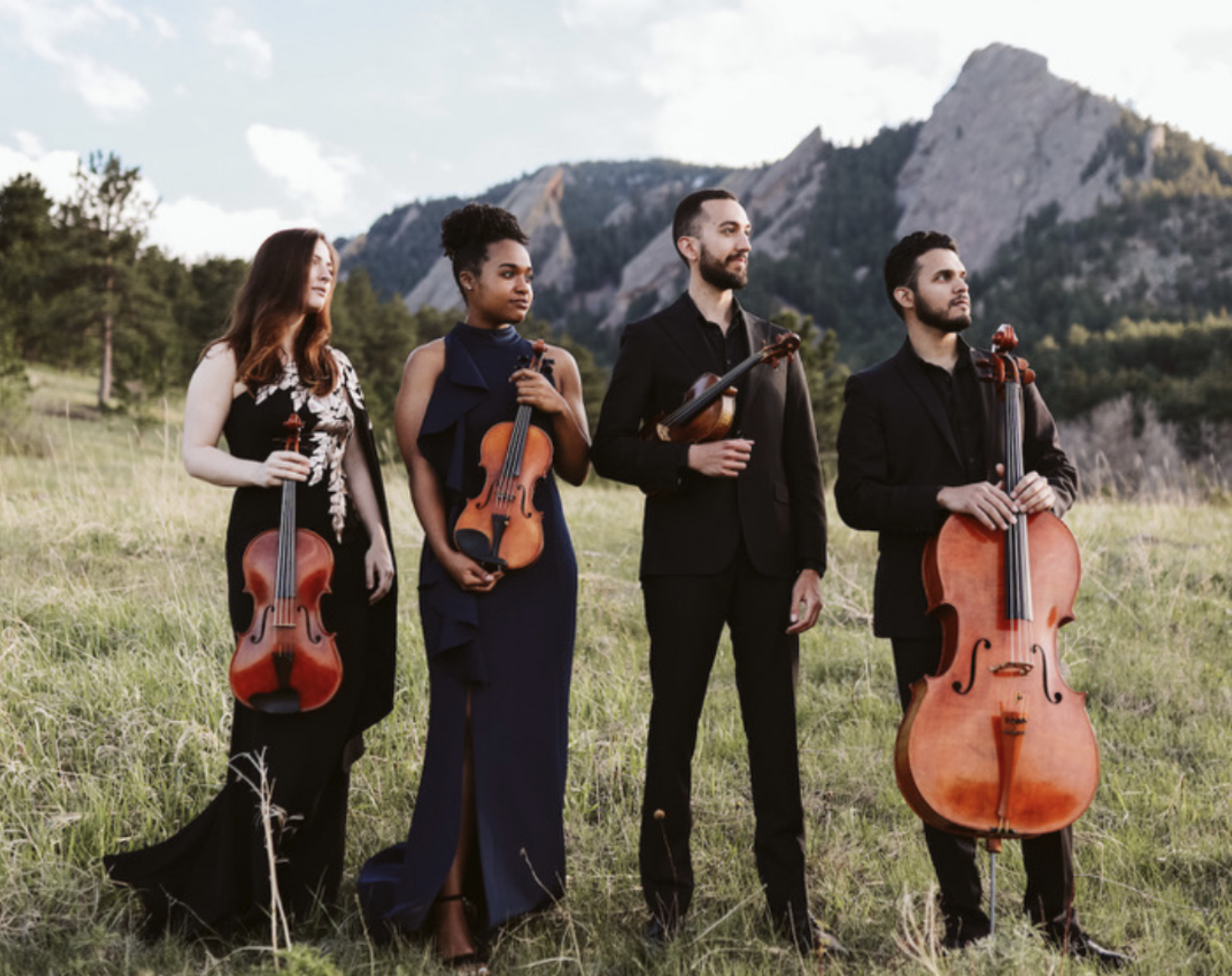
The Ivalas Quartet spent the years 2019-22 in residence at CU-Boulder, under the mentorship of the Takács Quartet. Now serving as the Graduate Resident String Quartet at the Juilliard School in New York, they have returned to the CU campus to perform as guests on the Takács’s concert series.
Their program, featuring the music of Beethoven, Eleanor Alberga and Osvaldo Golijov, will be performed at 4 p.m. Sunday, Nov. 6, and 7:30 p.m. Monday, Nov. 7, in Grusin Music Hall of the Imig Music Building. Tickets to both live performances, and to a live stream that will be available from 4 p.m. Sunday, Nov. 6, though 11 p.m. Monday, Nov. 14, are available from CU Presents.
Composer Eleanor Alberga
The Ivalas Quartet has always been creative in the their programming. The group has stated a goal to “disrupt the classical music world by . . . spotlighting BIPOC composers.” Among the composers whose works they have presented is Eleanor Alberga, a Jamaican composer who currently lives and works in the United Kingdom.
Although not well known in the U.S, Alberga’s music has been performed throughout the United Kingdom as well as in Australia, China, South American and Canada. She was appointed an Officer of the Order of the British Empire (OBE) in 2021. She has said that her First String Quartet was inspired by a lecture on physics, particularly the notion that our bodies are made of stardust.
Argentinian composer Osvaldo Golijov draw on both his Jewish heritage and his Latin American roots in works such as The Dream and Prayers of Isaac the Blind for klezmer clarinet and string quartet, and his opera Ainadamar. Golijov described Tenebrae as “the slow, quiet reading of an illuminated medieval manuscript” that offers “a ‘beautiful’ surface” but with pain beneath that surface.
Compared to works by Alberga and Golijov, Beethoven’s String Quartet op. 130, is familiar to most classical music audiences. One of the composer’s late quartets, it was completed in 1826. The slow movement, titled “cavatina,” is considered the high point of the score and was included on the “Golden Record” sent on the Voyager spacecraft in 1977.
# # # #
Ivalas Quartet
Ivalas Quartet
Eleanor Alberga: String Quartet No. 1
Osvaldo Golijov: Tenebrae
Beethoven: String Quartet No. 13 in B-flat Major, op.130
4 p.m. Sunday, Nov. 6 7:30 p.m. Monday, Nov. 7 Grusin Hall, Imig Music Building
Tickets to both live performances and a live stream of the concert are available HERE.












 Sharps & Flatirons