Pianist Awadagin Pratt, Scheherazade make an impression with CMF Orchestra
By Peter Alexander July 26 at 12:15 a.m.
The Colorado Music Festival orchestra presented an intriguing program last night (July 25), combining a new piece for piano and strings, played by a striking individual soloist, and a dramatic reading of Rimsky-Korsakov’s colorful tone poem, Scheherazade.
The soloist, Awadagin Pratt, has earned a reputation as committed musician who devotes himself fully to the programs he plays. The piece that formed the focus of his performance with the orchestra and conductor Peter Oundjian was Rounds by Jessie Montgomery, one of the leading young American composers today.
Pianist Awadagin Pratt
Rounds was part of the Still Point project, in which six composers including Montgomery were commissioned to write a new piece to be inspired by T.S. Eliot’s Four Quartets. Pratt was one of the performers in the project, along with the vocal group Roomful of Teeth and the self-conducted orchestra A Far Cry. The six works were released on an album titled Still Point, taken from the poem: “At the still point of the turning world. . . . there is only the dance.”
The album was released by New Amsterdam Records in 2023. Pratt has played Rounds with several different orchestras since then, including the Colorado Symphony, which was one of the co-commissioners.
Rounds opens with a rushing figure that, in different forms, recurs in-between and after other episodes. In about 15 minutes, the music carries the listener into different places and moods, from the rapidly pulsing opening to moments of stillness, to moments of great force.
This is clearly a piece that Pratt enters with great enthusiasm.His playing embraced wispy chords and thundering outbursts, and he navigated the partly-written cadenza that allows improvisation with confidence. All the sudden contrasts emerged clearly and cleanly in a riveting performance that evoked an enthusiastic response. After several curtain calls, Pratt came back for a gently touching encore by French composer Françoise Couperin.
The concert had opened with a performance by Pratt, Oundjian and the CMF strings of J.S. Bach’s Keyboard Concerto in A major, S1055. In spite of Pratt’s tidy technique and expressive playing, the performance was an example of the problems of playing Baroque music on the modern concert grand. The balance was not consistent, with inner voices often lost in the thick sound. Nevertheless, the performers showed an elegant grasp of Baroque phrasing, and the performance was never less than enjoyable.
A masterfully written score, Scheherazade is one of the most popular of orchestral potboilers. I don’t mean to denigrate the work, which contains gems of orchestration and great orchestral effects from beginning to end, but the pot does indeed boil in the best performances.
You might say that it not only boiled, it exploded last night on the Chautauqua stage. The orchestra demonstrated an extreme dynamic range, which really means that the soft passages were wonderfully, lean-forward-to-hear soft. Any orchestra with a brass section can play loud, but not all can play as softly as the Festival Orchestra did without ever losing intonation or fullness of tone. And you will never hear a softer, or cleaner, snare drum solo than accompanying woodwind solos in the third section of the score.
Oundjian clearly knows how to find the drama in a piece that is bursting with it. He also knows when to trust the musicians and let them take the lead, as he did with the robust trombone solos in the second section, and also some of the delicate woodwind solos. All of the soloists played with finesse and an alluring tone, especially the clarinet and flute. Of the winds, the bassoon, oboe, horn and trumpet soloists also shone.
The largest share of solos in Scheherazade goes to the concertmaster, Jonathan Carney from the Baltimore Symphony, who lent a gentle, sweet tone to the portrayal of the heroine, Scheherazade herself. In places, you could imagine you were hearing a violin concerto, which Carney executed eloquently.
Once again the audience stood and cheered. Oundjian made it a point to recognize all of the individual soloists, including the harpist who has much to do.
This attractive program will be repeated at 6:30 p.m. tonight (Friday, July 26) in the Chautauqua Auditorium. Tickets are available from the Chautauqua Box Office.
Kurt Weill’s seldom seen Street Scene has it all—music, dance, drama
By Peter Alexander July 23 at 3:20 p.m.
Anyone who loves Broadway theater, drama, bluesy musical numbers and zippy dance routines needs to go into the mountains.
Central City Opera’s production of Street Scene by the German-American composer Kurt Weill has all that and more. A thoroughly strong cast brings the drama to life, and the direction and choreography by Daniel Pelzig hits all the right notes. A realistic setting with no revisionist points to make captures the essence of the 1946 original, a gritty portrait of life in a Manhattan tenement building, with gossipy neighbors, a bullying husband and cheating wife, idealistic young lovers yearning to escape, and a potpourri of ethnicities.
Weill had one of the most remarkable and diverse careers of any 20th-century composer. Following his sensational success in Berlin working with playwright Bertolt Brecht on the jazzy Dreigroschenoper (Threepenny opera) and other works he fled Nazi Germany in 1933 and came to New York in 1935. From that point on, he wrote musicals for Broadway and aimed to create an American opera that combined popular styles with grand opera.
Tenement house neighbors in Street Scene. Image by Amanda Tipton Photography
Street Scene, which opened on Broadway in 1946, may be the closest he came to that goal, and it is certainly one of this finest works. It has an ideal American pedigree, with lyrics by Langston Hughes and a story based on the Pulitzer-prize winning play of the same title by Elmer Rice, who also wrote the book for the opera.
The music is appealing, combining Broadway set pieces like the ensemble for graduating students “Wrapped in a Ribbon and Tied in a Bow” and the dance number “Moon-faced, Starry-eyed,” with blues-tinged arias, like “Lonely House” sung by the young hero Sam Kaplan, and Puccini-esque arias like “Somehow I could Never Believe” sung by Anna Maurrant.
As great as it is, Street Scene is not often performed—another reason to travel to Central City this summer. Among reasons for its rarity are the challenges it presents, including a cast with more than 30 named roles, each with their own story to tell. Without care, a performance can become loosely episodic. A similar danger is that the most appealing Broadway-style numbers are extraneous to the plot, and can easily seem tacked on.
Front steps of the tenement building. Design by David Harwell. Kevin Burdette (Frank Maurant) and Brian Erickson (Willie Maurant). Image by Amanda Tipton Photography
Fortunately, Pelzig’s direction met these difficulties head on. He created a fast-moving show, where the diversity of the tenement community is part of the story, and the numbers were pulled into the musical flow. David Harwell’s set was traditional, with realistic tenement steps and apartment windows on two floors looking out to the street, but it suits the show perfectly. Once again, the gritty realism is part of the plot.
With so many singers, it is not possible to recognize all of the many cast members who made a strong contribution to the show. Of the leading roles, Katherine Pracht in the role of Anna Maurant, the wayward but kindly wife of the building bully, gave a good portrayal of a fragile woman with romantic dreams while living on the brink of disaster. She sang with great expression, but with a strong vibrato that occasionally threatened to obscure the text.
Katherine Pracht (Anna Maurant), Kevin Burdette (Frank Maurant) and Christie Conniver (Rose Maurant) in Street Scene. Image by Amanda Tipton Photography
As her abusive husband, Frank Maurant, Kevin Burdette used a rough edge to his voice to convey the character’s menace. A veteran of bad guy roles, including Claggert in Billy Budd in Central City and Sweeney Todd in Dallas, he softened his portrayal in the final scenes, creating a whole character. If his sudden tenderness seems less than convincing, that is the script and not the performance, which was heartfelt.
Christie Conover was endearing as Rose, the Maurants’ daughter who is pursed by a number of undesirable suitors as well as by Sam, the shy young male romantic lead who cannot quite express his love. She sang with a poised and polished sound that stood out from the more rough-hewn characters. As Sam, Christian Sanders had to reach for some of the high notes, but sang an appealing and well shaped aria in “Lonely House.” Their gradually blooming romantic duet, “Remember that I Care,” offered the opera’s tenderest moments.
I enjoyed the gossiping neighbor ensembles, which become a latter-day Greek chorus commenting on the action. The cast embraced the ethnic types written into the score, rarely overdoing it. Apprentice singer James Mancuso produced a definitively Italian sound as Lippo Fiorentino, the most strongly stereotyped of the neighbors.
Lauren Gemelli and Jeffrey Scott Parsons in the dance routine “Moon-faced, Starry-eyed.” Image by Amanda Tipton Photography
Bernard Holcomb brought a big, robust voice and a friendly demeanor to the role of Henry Davis, the building janitor. As the overheated lovers in the big dance number, “Moon-faced, Starry-eyed,” Lauren Gemelli and Jeffrey Scott Parsons nearly stole the show with their saucy dialog and athletic dancing.
Members of the Colorado Children’s Chorale sang strongly and conveyed a rowdy sense of fun in their teasing game at the beginning of the second act. Brian Erickson acted strongly in the role of Willie Maurant, Rose’s rowdy little brother.
Conductor Adam Turner led the Central City orchestra in a stylish performance, getting the Broadway idioms right and supporting the singers well. A few times they covered the spoken dialog, but the big musical numbers were all outstanding. In short: this production of Street Scene is a rare opportunity to see an important work of American musical theater done well.
Quintets by Nielsen and Schubert on chamber series
By Peter Alexander July 17 at 12:15 a.m.
Last night’s chamber music concert at the Colorado Music Festival (July 16) offered the kind of program that makes the festival such a valuable cultural asset.
The program comprised two quintets, both treasures of the chamber repertoire, one of them a rarity in concert, the other a deeply loved and profound gem. The first was the Quintet for Winds by the Danish composer Carl Nielsen, the other the Quintet in C major for strings by Schubert. The opportunity to hear both on the same program is most unusual. It is what CMF, with its deep roster of top professional players, can offer its audiences that few other venues can match.
Nielsen’s Wind Quintet is a quirky and delicious piece that is seldom heard in concert. Indeed, one of the joys of the concert was hearing a piece live that is rarely found outside recordings, and it is a testament to the quality of the players from the CMF Orchestra that a genuinely tricky piece seemed, not quite easy but comfortable to play. As an amateur clarinetist I was blown away by Louis DeMartino’s rich, warm clarinet sound, but the other players—Vivian Cumplido Wilson, flute; Zac Hammond, oboe and English horn; Wenmin Zhang, bassoon; and Roy Femenella, horn—were also consistently terrific.
The performance was marked by impeccable precision within the ensemble. The give and take between the parts, within a changeable texture marked by frequent imitation between instruments, was handled brilliantly. Such a level of ensemble is not easily reached with an informal group assembled for a single concert.
One of the challenges of the wind quintet genre is finding the right balance with five very different instruments. Matching a flute with a horn, or a clarinet with an oboe, requires careful listening, and it is a challenge that the CMF players consistently overcame. Not once did I hear a player covered, or obscured by a different tone quality.
String players face a different challenge, especially when they have a limited time to form an ensemble. While they can match each others’ sounds more easily than the winds, and thereby create a unified tone quality, much like an organ, within that harmonized sound small deviations of style become more perceptible. Indeed, there are elements of style that can only be polished when players have known each other over time. (Boulder audiences know this quality from the resident Takács Quartet, who will be featured on Sunday’s CMF Orchestra concert; see the CMF calendar for details and tickets.)
There were occasional smudged passages, and moments of interpretive uncertainty in last night’s Schubert, both signs of a temporary ensemble. Likewise, the dance-like third movement seemed briefly to be pulling ever so slightly apart, and the thick chords at the movement’s opening were not always ideally balanced.
But it is the positive side of the ledger that dominated. The long slow crescendo at the start of the slow movement built beautifully, and the Finale had great unity of ensemble and well executed group rubato, creating a deeply expressive musical flow and a strong ending. The individual players—Kevin Lin and Kate Arndt, violin; DJ Cheek, viola; Austin Huntington and Britton Riley, cello—all performed beautifully, and the audience showed appreciation with a standing ovation at concert’s end.
Finally, I have to note that the Chautauqua Auditorium was well under half full. The audience, while appreciative, was far less than the delightful and fulfilling program deserved. Do yourself a favor: look up the chamber concerts on the CMF calendar. You will find rare and rich rewards among them.
Central City Opera’s performance of Gilbert & Sullivan’s Pirates of Penzance (July 13) started with a delightful, well nuanced reading of the Overture, and from there went from one entertaining moment to another.
The Pirates of Penzance holding Frederic, the heartthrob hero. Image by Amanda Tipton Photography
The cast conveyed the silly and satirical spirit of the popular G&S operetta. Even 145 years later, their soft-hearted pirates, ineffectual police, sentimental lovers and ridiculous misunderstandings—all delightful skewerings of British stereotypes in 1879—can still delight audiences, even as far removed from Albion as in a Colorado mining town that was barely 20 years old when Pirates premiered in New York City.
The attractive and practical stage settings from Papermoon Opera Productions, known for their creative use of paper in building scenery, worked well on Central City’s small stage, leaving space for pirates, police and Major General Stanley’s many daughters to move about. Direction by Kyle Lang both honored and departed appropriately from the traditions of G&S comedy. Some of the shtick preserved in traditional English productions was replaced by more up to date shtick—such as young women competing to provide CPR and mouth-to-mouth on the heatthrob hero.
The Major General daughters and Frederic (Chris Mosz) in Pirates of Penzance. Image by Amanda Tipton Photography
Lang handled the three groups of characters well, including enjoyable moments when the chorus burst off the stage into the audience or entered through the back of the house. There was a little too much of the daughters moving here and there in a tight clump, a consequence of the small stage at CCO, but otherwise the handling of the the different groups contributed well to the comedy.
If at times the humor was overacted, it never crossed the line into gross parody—quite. The greatest flaw was the uneven adoption of a British accent, noticeable only on certain words. Especially ripe for modification was the vowel sound “o” as “eeow” as in “Altheeow” or “You may geeow.” Even this simplified Biritishism was unevenly applied, with some actors (Jennifer DeDominici as the nursemaid Ruth) applying it thicker than others (Alex DeSocio as the Pirate King). Used consistently it might have been a useful class distinction (working class vs. nobility, as the pirates turn out to be), but English class accents are more varied than non-English casts are likely to convey. It was noticeable, but distracted little from enjoyment of the comedy.
The cast was full of strong comic-opera voices. Pirate King DeSocio has a robust voice and, like most of the cast and chorus, sang with clear diction. His stage movements were fluid, no doubt due to Lang’s choreography as well as stage direction.
Frederic (Chris Mosz) and Mabel (Jasmine Habersham). Image by Amanda Tipton Photography
As the romantic lead Frederic, Chris Mosz sang with a strong but edgy tenor sound and a rapid vibrato that cut through orchestra and chorus. His voice was more than powerful enough for the small Central City house, but more tenderness would be welcome.
Jasmine Habersham handled Mabel’s coloratura flights with firm accuracy. Her bright, clear voice came on a little too forcefully at first, but in the second act melted nicely into the warm, lyrical passages. Her “Poor Wand’ring One,” one of the highlights of any performance, was especially lovely, first smooth then popping the top notes.
Adelmo Guidarelli as the pompous Major General. Image by Amanda Tipton Photography
As Ruth, DeDominici is fairly young, and as presented onstage far too attractive, for the joke about her age (supposedly 47) to work. When Frederic first sees the General’s daughters, he exclaims that she misled him in saying she was attractive (“I’ve been told so,” she says coyly). Otherwise, she was effective and funny as the hard-of-hearing nursemaid whose error in apprenticing Frederic to a pirate rather than a nautical pilot launches the whole plot.
Baritone Adelmo Guidarelli was an appropriately self-important Major General. He was first-rate at everything the role requires: pomposity, patter song and comic timing. Milking it for all it was worth, he breezed through the accelerated reprise of his well known patter song (“I am the Very Model of the Modern Major General”; one cannot complain about dropped final consonants at that speed!), and weeped equally comically in the second act.
Andrew Harris and his bumbling bobbies. Image by Amanda Tipton Photography
Andrew Harris’s booming bass made a powerful effect as the bombastic, if less than dauntless Sargeant of Police. The policeman’s chorus added their own touch of humor, waddling in and out and about, singing as forcefully as required. The entire chorus—pirates, daughters and police—deserve mention for their musical performance filling the house at times, or dissolving into softer moments.
The small orchestra under Brandon Eldredge was excellent from the overture on, supporting but never drowning the singers. Tempos were brisk, but only in the Major General’s encore breakneck.
If you are a fan of light opera, you will want to see CCO’s Pirates of Penzance. You can’t do better than to see Gilbert & Sullivan in an opera house built in their lifetimes. But if you go, be warned: repairs on I-70 create massive slowdowns and outright stoppages between Denver and Idaho Springs. Choose another route into the mountains.
# # # # #
Gilbert and Sullivan’s hapless pirates are tenderhearted, and as it turns out so are the gritty goldminers in Puccini’s Fanciulla del West (Girl of the Golden West).
The romanticized story, based on wild west myths and set in a location Puccini never saw, has the miners singing sentimental songs about home and wanting to see “mama” again, and in the end forgiving the outlaw Ramerrez, removing the noose from his neck and allowing him to walk away with Minnie, the love of his life—and theirs.
Jack Rance (Grant Youngblood, L) and Wells Fargo agent Ashby (Christopher Job, R) in the Polka Saloon. Image by Amanda Tipton Photography
With a strong cast and thoughtful production, CCO’s Fanciulla is well worth the trip into the mountains. Transferred from the California gold fields to Central City in the 1860s, the revised setting makes perfect sense with only the slightest of changes in the text (Ramerrez and Minnie are “returning to California” instead of “leaving California” at the end). Occasional projections suggest the Central City location.
The sets by Papermoon Opera Production are refreshingly downscale and simple, much closer to the reality of a mining camp than the large-scale sets major opera companies often choose to provide. Made largely with paper and cardboard, the sets are evocative of a time and place the people in Central City know well, having models right outside the theater. Minnie’s Polka saloon is appropriately ramshackle, as is her cabin, and the final scene is placed, as written, in a forest. The simplified sets, based in goldfield reality, helped bring the drama to the fore.
Minnie (Kara Shay Thomson) reading the Bible to the miners. Image by Amanda Tipton Photography
In the title role of Minnie, the “Fanciulla” who commands the Polka saloon, Kara Shay Thomson offered a large, powerful voice. Hers is the critical role, controlling the plot throughout; she is the one Puccini heroine who is never a victim but survives by being the strongest character in town. She was superb throughout.
At her best Thomson produced a bright, shining soprano, only occasionally sliding into the top notes. Her Bible-reading scene with the miners was well modulated, gentle or soaring as needed. In Act II she was girlish with her lover Ramerrez and defiant before the Sheriff Jack Rance, always in control musically and dramatically. Her brief scene in the final act, when she faces down Rance again and persuades the miners to release the outlaw Ramerrez for her, she continued to dominate the action.
The fatal card game: Rance (Grant Youngblood) and Minnie (Kara Shay Thomson). Image by Amanda Tipton Photography
As Rance, baritone Grant Youngblood filled the stock role—spurned lover, blustering villain—effectively. In the standard black hat and suit he was every inch the bullying lawman, showing his obsession with Minnie any time he was onstage. He made the second act showdown a dramatic highpoint, and sang solidly throughout.
As lead tenor Dick Johnson/Ramerrez—the last of the three corners of the love triangle to enter the stage—Jonathan Burton expressed more with this singing than his acting. He was able to belt out the soaring climaxes of his individual numbers with a ringing tone, and conveyed musically his growing love for Minnie. His one aria, “Che’lla mi creda libero e lontano,” the keystone of the final act, was warmly received. His stage presence was not always assured, however, and he relied too often on an artless grin to make himself look guiltless.
Supporting roles were all filled ably. At the performance I saw (July 14), apprentice artist Nicholas Lin filled in capably as Nick, the bartender-of-all-trades. Christopher Job used his deep bass and a gritty sound to create the menacing character of Ashby, the Wells Fargo agent who only wants to catch the bandit. Matthew Cossack sang expressively as Sonora, the most sympathetic of the miners.
Jonathan Burton as Johnson/Ramerrez, singing his final-act aria. Image by Amanda Tipton Photography
A special word should go to Steele Fitzwater and apprentice artist Xochitl Hernandez as the couple Billy Jackrabbit and Wowkle. Too often portrayed as racist, native American stereotypes, here they were characters with dignity. In this production directed by Fenlon Lamb, Billy is a white man who has had a child by an Indian woman, an historically viable and interesting choice that puts a more subtle spin on characters traditionally based on narrow, hidebound notions of the American Indian. Both sang well.
Lamb’s direction made good use of the space available, like Pirates expanding briefly into the house. The action was clear, and the second act conveyed the rising tension powerfully. The card game—one of Puccini’s greatest moments of suspense, created with the simplest of musical means—was exquisitely melodramatic. The chorus—all men, naturally—generated excitement in the final act, filling the hall with sound. Conductor Andrew Bisantz led the outstanding CCO orchestra with a fine feeling for the ebb and flow of Puccini’s flexible musical fabric.
__________
Both Pirates of Penzance and Fanciulla del West continue in repertory through the remainder of the Central City Opera summer season, which ends August 4. The calendar is listed HERE, and tickets may be purchased through the CCO Web page.
The production of Kurt Weill’s Street Scene, originally scheduled to open July 13, will open Wednesday, July 17. A review will appear next week.
Production opened Saturday, continues next week May 7, 10, 12
By Peter Alexander May 6 at 12:10 p.m.
Opera Colorado opened an effective and at times powerful production of Saint-Saens’s Samson et Delilah Saturday (May 4) at the Ellie Caulkins Opera House in Denver.
The final production of 2023–24 season, Samson et Delilah will run for a total of four performances, with additional shows scheduled for 7:30 p.m. May 7 and 10, and 2 pm Sunday, May 12.
The production is a traditional take on the story, meaning there are no attempted updatings or imposed psychological meanings. Sets and costumes represent Biblical times—“as much as you can set something in Biblical times and be accurate,” in the words of stage director Keturah Stickann.
Act III of Opera Colorado’s production of Samson et Delilah. Photo by Matthew Staver for Opera Colorado.
The sets by Peter Dean Beck are evocative of the locations without devolving into middle-eastern kitsch. The first act opens on a nicely lit scene of the suffering Hebrews, in a public square under captivity by the Philistines. Here the set leaves plenty of space for the limited action that takes place, which is useful with so much of that act being otherwise static choral singing. Most impressive is the final scene, with the requisite pillars of the temple looming over the stage. The final collapse of the Philistine’s temple is simply accomplished but effective.
Stickann’s staging is never less than serviceable, which is what is needed for an opera with no hidden motives or deep psychological drama: everything that happens is out in the open. In the first act, the limited movements helped vary the stand-and-sing choral material. Repeated raised-arm gestures by the chorus are overdone but expressive of the repeated pleas of the Hebrews. Otherwise, the action moves smoothly.
The second act confrontations of Delilah with the High Priest and with Samson are well dramatized. However, the end of the act does not follow the libretto. In this production, Delilah gives Samson a magic potion, he passes out, and she takes a knife given to her by the High Priest and cuts Samson’s hair. But the libretto is clear: the hair cutting does not take place on stage for the simple reason that she never hears Samson’s secret onstage.
What Saint-Saëns and the libretto indicate is that Delilah and Samson go into her house, where she seduces him and learns his secret during an orchestral interlude. Delilah calls for the Philistine soldiers who take Samson away. It’s not clear if she has cut off his hair in her house, or the Philistines do so later, but it does not happen onstage. That is awkward, but a magic potion is too easy a way out. The composer’s version is better.
Rafael Davila as Samson. Photo by Matthew Staver for Opera Colorado
The final act is the best part of the evening. The first sene, of Samson pushing a mill wheel, is uncomplicated but moving. The destruction of the temple in the final scene works well on stage. Again, there’s not anything complicated to direct: there is a dance (the famous Bacchanale), Samson is brought in and mocked by the Philistines, then he moves between the pillars and brings down the temple. I was happy to see that the child who guides the blinded Samson was not forgotten: Samson sends him out of the temple before it collapses.
A fine cast gave top-flight performances. As Samson, tenor Rafael Davila made the strongest impression, singing with a solid, heroic-tenor quality. He consistently sang the words expressively, but did not always convey Samson’s internal struggle between his feelings for Delilah and his religious convictions. He was at his best in the final scene, creating great pathos while pushing the mill wheel and ringing out his denunciations of the Philistines at the end.
Katherine Goeldner as Delilah (center) with Philistine maidens and dancers in Act I of Samson et Delilah. Photo by Matthew Staver for Opera Colorado.
As Delilah, Katherine Goeldner brought extensive experience to her performance, including a prior appearance as Delilah at Virginia Opera. She no longer has the bright, focused tone of a young singer, but she had all the strength Saturday night to carry off the climactic moments. She sang with firmness of tone and great expression. And her Delilah is multilayered: aristocratic, calculating in her seduction of Samson, and vicious in her mockery in the final scene.
Nmon Ford was a tall, imposing High Priest, capturing both the authority and the evil implicit in the Biblical narrative. He brought a powerful and orotund, if occasionally rough-hewn sound to his portrayal. In the small part of Abimelech, the Philistine ruler who is killed by Samson in the first act, Christian Zaremba provided a dark, sometimes tight bass. Turner Staton was a solid Old Hebrew in his Act I dialog with Samson.
I am not dance critic, but I thought the dancers were smoothly integrated in the first act, more disconnected in the Bacchanale. The singers of the Opera Colorado chorus gave their lengthy, critical numbers a rich sound and secure ensemble.
The orchestra under conductor Ari Pelto propelled the action effectively, especially in Act II where the woodwinds shone in their prominent roulades. The full orchestral sound and expression supported the story throughout. The only reservation would be the Bacchanale, which was too fast. It is a frenzied dance, but taken too fast it looses clarity and precision, and the sudden tempo change near the end, which should be an explosion of sound and fury, looses its impact. Nevertheless, audience granted the expected spontaneous applause.
Tickets to additional performances may be purchased HERE.
Ricardo Morales played a new Clarinet Concerto by Aldo López-Gavilán
By Peter Alexander Jan 8 at 12:15 a.m.
The Boulder Philharmonic Orchestra and renowned clarinetist Ricardo Morales presented the world premiere of a concerto by Cuban composer Aldo López-Gavilán yesterday afternoon (Jan. 7) in Macky Auditorium. Michael Butterman conducted.
Ricardo Morales
Principal clarinet of the Philadelphia Orchestra, Morales is one of the most distinguished clarinet soloists today. His performance of López-Gavilán’s concerto—a work at times dreamy, quirky, playful and jazzy—had all the hallmarks of a top-rate performance. His fluid, resonant tone was captivating, and he was fully equal to the fiercely virtuosic passages of the scampering final movement. The Boulder Phil has a record of bringing notable soloists to Macky Auditorium, but none will exceed Morales for flair and artistry. (Disclosure: as a clarinetist I was delighted to hear Morales in person.)
The concerto unfolds in a traditional three-movement format. The first starts with pensive lines floating above the orchestra before settling into oddly off-beat rhythms in the orchestra. The movement proceeded energetically, even when the tumbling lines of the solo part were not clearly audible above the orchestra. These roulades colored the music without leaving a memorable imprint.
The second movement began as a mildly jazzy lullaby in which Morales’s velvety sound perfectly fit the music’s mood. Later, the soloist offered flitting, bird-like decoration over a gentle ebb and flow in the orchestral strings.
The final movement emerged suddenly with playful, romping rhythms that featured the clarinet at its best: brilliant, jaunty, scampering here and there with abandon. This frisky material was interrupted by a contrasting passage with a lazy clarinet line accompanied by pinging mallet percussion. As soon as the listener got into that calmer mood, the scampers began again, skipping to a breakneck finish.
Under Butterman’s firm direction, the Phil made a strong case for López-Gavilán’s music. This is a concerto that should be welcomed by all clarinetists. It will please audiences with its varied moods and overall good nature, while the soloist has opportunities for both gentle expression and virtuoso flourishes.
Also López-Gavilán
The concerto was paired on the first half of the program with López-Gavilán’s three-movement piano concerto, titled Emporium, with the composer as soloist. A work that López-Gavilán and the Phil presented here in 2019, it was nevertheless welcome again. First begun as a birthday gift for López-Gavilán’s twin daughters’ ninth birthday, it is a gently ingratiating piece rather than a heroic concerto in the Romantic mold.
López-Gavilán was an ideal soloist, both in his command of the various classical, Afro-Cuban, jazz and even church-hymn elements of the score, and in his evident devotion to the music. I particularly enjoyed the middle movement, which featured ominous drum rolls and eerie chords—a scary story for López-Gavilán’s girls?—that resolves safely into a hymn that almost sounds familiar before settling into sweet and comforting material. That benediction suddenly sweeps into full chords as the boisterous finale busts forth. Here I imagine that the children have awakened with energy.
It was in this movement that López-Gavilán showed his formidable technique. A cadenza-like passage leads to a grandiose finish. Once again the orchestra performed admirably, especially the solid, punctuating chords of the finale. Butterman apologized for bringing Emporium back to Macky again so soon, but the audience embraced the return enthusiastically.
The concert concluded with a somewhat subdued performance of Mussorgsky’s much-loved Pictures at an Exhibition in the familiar Ravel orchestration. After a brisk opening promenade in the solo trumpet, the character and mood of each picture—from the “Old Castle” with its saxophone minstrel, to the romping children of the “Tuileries,” to the lumbering oxcart “Bydlo, and on to the concluding “Great Gate of Kiev”—was carefully attended to.
Too carefully? The performance seemed restrained. The individual solos were generally well played by the Phil’s first-rate players, especially the woodwinds, and the contrasts between pictures were well delineated. I would single out the saxophone solo, and the flittering woodwinds in the “Tuileries” and “Unhatched Chicks” for special praise.
But the Macky stage cannot hold an orchestra large enough to provide the full impact of the “Great Gate,” even with strong brass and staunch percussion sections. “Baba Yaga’s Hut,” with its percussion blows and emphatic chords, was a fierce highpoint of the performance, but elsewhere more was wanted.
World premiere by Jeffrey Nytch, “Land Without Evil” by Richard Scofano, and Brahms
By Peter Alexander Nov. 13 at 12:20 a.m.
The Boulder Philharmonic with conductor Michael Butterman presented a concert in Macky Auditorium last night (Nov. 12) of music expressing hope and optimism.
Michael Butterman and the Boulder Philharmonic in Macky Auditorium
Titled “Visions of a Brighter Tomorrow,” the program featured Brahms’s uplifting Symphony No. 1, a musical depiction of a “Land without Evil” by Argentinian composer/bandoneonist Richard Scofano, and the world premiere of a new piece by CU music professor Jeffrey Nytch. In very different ways, all three pieces fulfilled the spirit of the concert’s title.
The concert opened with Nytch’s Beacon, a piece written in celebration of the 75th anniversary of the Boulder Star. Speaking before the performance, Nytch explained that he was inspired not only by the star as a symbol of the Holidays, but also it’s role as a source of consolation and comfort in times of stress in the community, including the days after 9/11, the King Soopers shooting and the Marshall Fire.
CU Prof. Jeffrey Nytch
Beacon is undoubtedly an effective concert opener, starting with bright sounds, transitioning into the mournful reflectiveness of somber emotions, and returning to the brightness of the Holiday season. My only question is whether it is too Boulder-centric to be widely performed, because it the kind of piece that on a musical basis alone should reach a wider audience.
The opening captures our cultural perceptions of the Holiday season so well that I expected to look up and see images of snowy but brightly-lit streets filled with revelers carrying home their Christmas packages. After a sparkly (Nytch’s word), high-pitched introduction, lyrical horns are accompanied by fluttery woodwinds, followed by soaring strings.
For the central section, Nytch recalls CU cello student Louis Saxton, who played at the makeshift memorial outside of King Soopers in the days following the shooting. The familiar opening of Bach’s Suite No. 1 for solo cello, one of the pieces that Saxton played, was freely adapted to the orchestral setting. Played by the Phil’s principal cellist Charles Lee, it had an eloquent flexibility. The score quickly returns to a Holiday mood with bright statements in the brass and more sparkly timbres.
This new score was played with evident care and commitment by the orchestra. It was actually Nytch’s second world premiere in two days, since he adapted parts of Beacon for brass quintet as a “Boulder Star Fanfare” that was played Saturday at the official lighting ceremony on the roof of the Boulder Museum. An effective occasional piece, this should become an annual part of the lighting ceremony.
The performance of Scofano’s La Tierra sin mal (The land without evil) featured Scofano on bandoneon—a concertina associated with the tango music of Argentina—and a performance by Boulder’s 3rd Law Dance/Theatre. The score convey’s Scofano’s image of an idyllic paradise, a world that has no pain. As such it is a more than pleasurable journey that features insistent Latin rhythms as well as moments of peacefulness that seem to come from another world, one exotic to our north American ears.
In a convincing and impactful performance, Butterman and the Phil conveyed well the imagery of the score. The bandoneon part, expressively played by Scofano, is generally part of the orchestral texture, so I cannot judge him as a soloist. Likewise, I am in no sense a dance critic; I will only note that the dancers, limited to the front of the stage, made creative use of their narrow space. To my eye, the choreography responded meaningfully to the music without slavishly following the score, gesture by gesture.
Butterman gave a cogent music-appreciation introduction to Brahms’s First, pointing out its connection to Beethoven, especially the latter’s “Ode to Joy,” while describing the mood and affect of each movement in turn. Although abbreviated, it was an almost Bernstein-like presentation. In performance, Butterman emphasized the turn from a dramatic, tense C minor in the opening movement, to a jubilant C major at the end.
The sound throughout the symphony was a little hazy where it needed to be decisive, but in Macky Auditorium it’s difficult to know if that is the orchestra or the unreliable acoustic. If there were no audience, I would wandered about and see if I could find a better spot to listen; the front balcony is often better than anywhere on the main floor.
That said, individual solos in the winds—clarinet, flute, oboe—were all outstanding. The individual players of the Phil are exceptional and always worthy of careful listening. I found the slow movement the least successful, carefully executed but too blurry to take flight. The third movement Intermezzo, “poco allegretto e grazioso,” was the most rewarding movement, gently moving with a nice flow and, again, good woodwind playing.
The lack of clarity was most problematic in the finale, which never took fire or landed with the impact it can have at its best. Again, I attribute that in part to the hall, which often deadens warmth and suppresses richness of sound. I have been told that the Phil generally sounds better in other halls. I look forward to an opportunity to test that report.
The Santa Fe Opera house and the Northern New Mexico twilight. Photo by Robert Goodwin.
Realistic, traditional productions are out. Most major opera houses today present re-interpretations of the original works, either transposed in time or symbolically represented to get at deeper truths within the artwork. At the Santa Fe Opera this summer, there were five productions, and each was presented in some kind of re-imagined setting. Every one offered some very strong musical performances, but the physical productions varied considerably.
Puccini’s Tosca (which I saw Aug.1) is the least re-interpreted of the summer’s five productions. It tells a story that is direct, brutal and melodramatic, a story of lust, piety, love, betrayal, and murder. Embedded in theatrical realism, it is not as suitable for symbolic or complex psychological representation as opera based in legend, myth, or literary symbolism. The current Santa Fe Opera production changes the time setting, but otherwise remains mostly faithful to the text.
The opera’s original setting—Rome in June 1800, during the Napoleonic Wars—is believably transferred to Fascist Rome of the 1930s, with few incongruities. That time period, shown by costumes, electric lights, an electric floor polisher and a camera, fits the main points of the story well. Scarpia is a believable representative of Mussolini’s regime. All the other characters—political prisoner, rebellious painter, operatic diva, pious sacristan and thuggish toadies—are types found in virtually any era.
However, not all updatings are equally successful. In the second act, designer Ashley Martin-Davis invented a cartoonish torture device with pulleys and levers that is more comical than frightening; Cavaradossi’s screams from an unseen room are more terrifying than watching him hoisted up and down with 1950s sci-fi electrodes attached to his head.
Leah Hawkins (Tosca) and Joshua Guerrero (Cavaradossi) in Ashley Martin-Davis’s set for Tosca. Photo by Curtis Brown for the Santa Fe Opera.
The substitution of electric lights for the iconic candles when Tosca stages Scarpia’s dead body was probably inevitable, but the effect is tame. I still don’t know how Tosca got blood on her hands from garotting the police chief, in place of the traditional stabbing, and Scarpia’s post-mortem convulsion was a shock without consequence.
Act III has some awkward moments. In spite of singer Joshua Guerrero’s best efforts, Cavaradossi’s collapse when shot is hampered by his being shackled to a post. The set does not allow Tosca to jump dramatically from the wall of the Castel Sant’Anglelo. Instead, she pulls out a gun she took from Scarpia and holds it to her head as she fades into darkness and another actor—a doppelgänger? A younger Tosca? A mysterious “other woman”?—rises from the floor and walks slowly into a gap at the back of the stage.
Martin-Davis’s minimal but serviceable set consists mostly of arcades of archways that can be moved around the stage during transitions, going smoothly from suggesting the church of Sant’Andrea della Valle in Act I, to Scarpia’s rooms in the Palazzo Farnese in Act II, to the Castel Sant’Angelo for the final act, with no attempt to duplicate the actual places.
Joshua Guerrero as Cavaradossi. Photo by Curtis Brown.
The opening act features a tower at the back of the stage that provides an opportunity to portray Angelotti’s escape from prison via a daring rope descent by an athletic Blake Denson. This nicely fills in the background for his breathless appearance in the church and rush to hide in the side chapel before he is seen. We already know he is an escapee.
The Santa Fe cast is filled with strong voices. Joshua Guerrero brought a vivid tenor and a strong sense of style to his portrayal of Cavaradossi. His sense of control and shaping of phrases were strengths throughout, with only a slight moment of strain marring the final act. His aria “E lucevan le stelle” was carefully controlled, from a quiet, reflective opening to a bold ending.
Leah Hawkins as Tosca. Photo by Curtis Brown.
Throughout he was a good partner for Leah Hawkins’ Tosca. Her soaring soprano met the part’s requirements well, with great intensity in Tosca’s fiercest moments. From her first entry in white furs that could have come directly from the glamour photos of the 1930s, she was every inch the diva, standing up to Scarpia’s threats and demands with appropriate hauteur.
As Scarpia, Reginald Smith Jr. conveyed well the brutal aspects of his character. But in spite of the gang of thugs that surround him, he is more than a back-alley bully. The aristocratic Baron Scarpia is polished as well as evil, and should display as much icy menace as overt threat. Smith sang strongly, never leaving any doubt of his power and brutality, but never quite conveyed the aloof and oily side of his character.
Scarpia takes over the church: Spencer Hamlin (Spoletta), Reginald Smith, Jr. (Scarpia), Ben Brady (Sciarrone). Photo by Curtis Brown.
At the end of the first act, Smith showed Scarpia’s command of the crowd and the terror he inspires, through the strength of his voice and his powerful presence on stage. But this point went over the top when he was shown being worshipped by the crowd and choristers. That sight clashes with the singing of the Te Deum in an Italian cathedral; Scarpia knows how to observe religious expectations.
Denson sang well in the relatively small part of Angelotti. Dale Travis was fine as the pious and comical Sacristan, earning the usual laughs in the usual places. Scarpia’s unprincipled henchmen Spoletta and Sciarrone were well portrayed by Spencer Hamlin and Ben Brady. Kai Edgar was a strong and clear voiced Shepherd Boy. Dressed like Cavaradossi, he was heard not outside the castle walls but onstage alongside the prisoner.
Conductor John Fiore gave an idiomatic and stylish account of Puccini’s score, with all the flexibility necessary to keep the opera on track. The orchestra followed well, providing firm and lush support for the singers. Only once during the offstage cantata did the balance go awry; otherwise it was well controlled and the singers remained clearly audible and understandable throughout.
* * * * *
At the opposite end of the dramatic spectrum, Monteverdi’s Orfeo (Aug. 2) is based on the ancient myth of Orpheus’s descent to Hades and rescue of Eurydice through song, and is therefore at its heart symbolic in meaning. Alas, Santa Fe’s disjointed production is by turns stunning, baffling, effective and frustrating. It is the kind of production we see too often, filled with ideas, many ideas, without a unifying point of view.
As performed at Santa Fe, Monterverdi’s 1607 masterpiece has been orchestrated for modern orchestra by composer Nico Mulhy. This is not the first time Santa Fe has presented updated versions of Baroque operas. In the 1970s and ‘80s they presented three different operas by Francesco Cavalli as arranged and orchestrated by Raymond Leppard. That was a time when authentic Baroque orchestras and trained Baroque singers were in short supply, and Leppard’s arrangement brought works to life that we would not otherwise hear.
Amber Norelai (Euridice), Rolando Villazón (Orfeo), Lucy Evans (La Ninfa), Luke Elmer (3rd Pastore). Photo by Curtis Brown.
In the Santa Fe program book, Muhly justifies his arrangement using the same argument today. He writes, “The reason to orchestrate Orfeo for modern orchestra is so it can actually be done,” but that is no longer a valid position. It would certainly surprise musicians and audiences in Europe, where Baroque opera is frequently presented with original instruments and Baroque performance specialists.
Nonetheless, Monteverdi was the first great composer of operas, and Orfeo was the first opera to remain stageworthy, and any opportunity to hear this wonderful music is a cause for celebration. The cast, led by tenor Rolando Villazón in the taxing role of Orfeo, sang with conviction and commitment, if somewhat uneven application of Baroque performance style.
Villazón began his career with traditional tenor roles, including Rodolfo (La Boheme), Don Jose (Carmen) and Alfredo (La Traviata). He has more recently added Orfeo to his repertoire, with performances in Europe, and while he applies some appropriate ornaments, his overall approach is intensely expressive, with no holds barred for the top notes and the expressive highlights, of which there are many in Orfeo’s music.
Rolando Villazón (Orfeo) suspended in the river Styx. Photo by Curtis Brown.
Villazón showed signs of stress throughout the evening. And Monteverdi’s music speaks best for itself when presented with restraint and careful application of ornamentation to provide emotional emphasis. The use of modern instruments in the pit, with their capacity for greater volume than Baroque strings, cornetti and sackbuts, no doubt encourages the greater volume and more intense projection that Villazón applied, but they do not serve Monteverdi’s music well.
One exception would be Orfeo’s great Act III aria “Possente Spirto,” directed to Charon, the gatekeeper of Hades. Considered one of the greatest musical pieces of the early Baroque, this show-stopping number was sung by Villazón while suspended above the stage, apparently swimming in the River Styx as represented by rippling projections. Perhaps it was the harness that held Villazón in the air, or the aria’s length, but he sang with more restraint here than in most of the opera, and the less passionate approach allowed the aria to build carefully to its end. This was a highlight of the performance.
Paula Murrihy (La Messaggera). Photo by Curtis Brown.
Another highlight was provided by Paula Murrihy as La Messaggera (The Messenger), who brings the news of Eurydice’s death. Her immobile figure against the darkening New Mexico sky behind the stage was striking enough, but she also sang beautifully, with a purity of sound that allowed the carefully applied ornaments to do their work and Monteverdi’s music to convey the depth of the tragedy with no unnecessary exaggeration.
Lauren Snouffer sang effectively as both La Musica and Speranza (Music and Hope), who first introduces the story and then conveys Orfeo to the gates of Hades. Her bright voice and straight tone allowed her to apply vibrato as an ornament, as is appropriate Baroque style. Eurydice has relatively little to sing, and Amber Morelai made the most of the expressive opportunities in her third-act aria.
James Creswell as Charon and Blake Denson as Pluto were appropriately sepulchral of voice. One is at a loss to accurately distinguish among the pastores and ninfe (shepherds an nymphs) who emerge from the chorus in brief solos, but they all fulfilled their roles well. The chorus sang with the rhythmic impulse that their dance-like music requires.
Rolando Villazón (Orfeo)with his golden gramophone. Photo by Curtis Brown.
There are many confounding aspects of the physical production. Some of the effects—the stark imagine of La Messaggera against the sunset sky, well timed for early August, Orfeo’s swimming in the projected waves of light, and Speranza’s appearance on a rising moon in the last scene—are stunning. Others, however are not effective, or seem outright humorous. For example, Pluto presenting Orfeo with a golden gramophone—as a going-away gift?—induced chuckles. I have more ideas of what that might symbolize than one opera can encompass.
More problematic is the setting of the opening and closing scenes on earth (as opposed to Hades). The stage is filled with a large green mound that apparently stood for the idyllic fields where the shepherds and nymphs live and play, but it was awkward in the extreme. Singers had to balance carefully on its steepening slope, and slide down to stage level; it had to be clambered onto with effort; and it so filled the stage that there was no room for the chorus to dance, when their music is definitely dance music. The chorus costumes in orange and fuchsia conveyed anything but arcadian shepherds and nymphs.
Orfeo: Santa Fe Opera chorus as shepherds and nymphs. Photo by Curtis Brown.
I have other questions. Why were La Musica and later Eurydice in hospital beds? Why did the chorus dress up as birds, rabbits, and donkeys? These and other ideas show that stage director Yuval Sharon was busy thinking about all of the meanings embedded in the opera, as is his reputation, but not all the ideas contributed to the whole. Harry Bickett led the orchestra with sensitivity to the expression embedded in the Baroque style. Muhly’s orchestration reflects the original sounds as well as one could want with modern instruments.
But the question remains: is it really necessary to update Monteverdi’s operas for modern orchestra, when we now have so many accomplished orchestras and Baroque performance specialists in the world? Any re-orchestration is in effect a compromise with what Monteverdi wrote. Fifty years ago that was the only way we could hear professional-level performances of Monteverdi, Cavalli, Caccini, or in some cases even Handel. But we are past those days.
* * * * *
Debussy’s Pelléas et Mélisande (Aug. 3), based on a symbolist drama by Maurice Maertilinck, is imbued with multiple layers of meaning.
That was the intent of the composer, who said that his ideal librettist would be “one who only hints at what is to be said.” In the case of Pelléas et Mélisande, both the text and the music fulfill that ideal. Many elements of the plot hint at symbols, some clear and others not. Mélisande is found alone in the forest; Golaud exits the first scene saying “I’m lost too.”
Some symbols are clear: Mélisande’s hair that in most productions engulfs Pelléas, sheep that are lost and not heading home, the setting sun as Mélisande dies. Others seem meaningful, even when the meaning is murky: A ship sailing into a storm, Golaud taking Pelléas to smell the stench of death below the castle. Clear or not, the action conveys many meanings.
Samantha Hankey (Mélisande), Huw Montague Rendall (Pelléas) in Netia Jone’s stage set with projections and doppelgängers. Photo by Curtis Brown
The production designed and directed by Netia Jones for Santa Fe Opera makes sure that you know that. Every major character has a doppelgänger who often moves in the background, or enters on the opposite side of the stage simultaneously with the actor singing the role. The fact that you may not know which is which until the singing starts certainly reinforces the murkiness, but it doesn’t help the audience.
Samantha Hankey (Mélisande), Zachary Nelson (Golaud). Photo by Curtis Brown.
The costumes are essentially stylized modern dress—Pelléas wears white tennies and in one scene has a hoodie—but the time period is uncertain. The setting may be a post-apocalyptic time with the castle a sanctuary against the outside world that Mélisande fears. Projections suggest at different times an industrial setting, or a laboratory with chemical diagrams and texts projected on the walls. Outside scenes are suggested by projections of leaves or water.
And then there is the shadow box downstage left that rotates to offer a screen for shadows of the doppelgängers, or other projections that may or may not be the same as the walls. One open side provides a space for Goulaud’s bed after his riding accident, and Mélisande’s death bed in the final scene. Of the window she asks to be opened to the setting sun, there is no hint, which indicates that not all symbols of the original remain in Jones’s realization.
Another lost symbol in this production is Mélisande’s hair, which in the plot reaches from her tower to Pelléas below. At Santa Fe, however, her hair is not long enough to reach her waist, and when the time comes for her to let it down to Pelléas, she takes scissors and cuts off tufts that she drops.
Zachary Nelson (Golaud), Raymond Aceto (Arkel). Photo by Curtis Brown.
Jones also added symbols, particularly with the character doubles. At the opening, Mélisande is sitting by a stream, with her double—drowned?—floating past, suggesting the character’s drift away from the real world. In one scene, the double of Pelléas and Mélisande moves slowly closer as the singers act out the text.
And there are curiosities in Jones’s direction. Arkel is nearly blind (shown by his darkened glasses) and only hobbles with a cane, yet he enters and exits down a steep spiral stairway before collapsing into a wheelchair. After his accident, Golaud is in bed, yet recovers fast enough to spring up to attack Mélisande. And why has Golaud’s sword become a knife—is that because of the modern setting? It is less menacing than a sword.
Huw Montague Rendall (Pelléas). Photo by Curtis Brown.
If piling obscurities on top of obscurities leaves the audience without a sure footing, the same cannot be said of the singers. Pelléas is as well cast as any production of this difficult work I have seen. Huw Montague Rendall’s Pelléas was clear voiced, secure into the top range, and eloquent. His voice sounded in turns clear, tentative, trembling, tender. It was a delight to hear such an expressive and well managed interpretation.
As Golaud, Gihoon Kim was solid, powerfully portraying the character’s growing menace. By the final scene Kim made his threat to the title characters palpable. Raymond Aceto was commanding as Arkel, the closest thing the opera has to a conscience. He used a rough hewn sound to convey his character’s age and infirmity, as well as an unsettled sense of moral authority.
Susan Graham (Geneviève). Photo by Curtis Brown.
Samantha Hankey sang Mélisande beautifully. Is it the director’s interpretation that she seemed more forthright and steady than the conventional, fragile Mélisande? Often immobile for long periods, she conveyed both hesitation and firmness, which added a different slant on her relationships. Susan Graham, well known and loved by Santa Fe audiences, provided just about the best French of the evening, and a memorable performance overall. She sang with the confidence of the veteran she is. As Geneviève, she commanded the stage in her short scenes.
Treble Kai Edgar made Yniold the vulnerable target of Golaud’s growing frustration. A sure-footed actor, he sang with a clear and precise sound; I only wish he had not been nearly covered by the orchestra so that his increasing fear could be heard more surely. As the physician, Ben Brady was a steady presence attending to first Arkel, then Golaud, then where he is usually seen, at Mélisande’s bedside.
Conductor Harry Bicket and the Santa Fe Opera orchestra capture the elusive quality of Debussy’s music, both the delicate sonorities and the constantly flexible rhythms. Pelléas et Mélisande is so steeped in French language and theatrical custom that it is difficult for most Americans to fully embrace. It communicates through the treatment of language more than melody. Even if one cannot grasp the subtleties, one can sense the subtle beauties even of a work that remains just beyond reach. Musically, Santa Fe provides that opportunity.
__________
NOTE: The remaining productions of the Santa Fe Opera’s 2023 season, Dvořák’s Rusalka and Wagner’s Flying Dutchman, will be reviewed in a later post.
Kiss Me Kate, Roméo et Juliette, Otello comprise a Shakespearean trifecta
By Peter Alexander July 21 at 7:10 p.m.
Cole Porter’s racy Kiss Me Kateis the apotheosis of the ‘40s musical: spicy, jazzy, witty, full of spiffy dance and raucous fun.
It is also a work filled with the stereotypes of the era that in 2023 push the bounds of taste and acceptability. The current production at Central City Opera, under the direction of veteran Ken Cazan, certainly conveys the style and fun of the ‘40s musical. Whether it avoids all of the pitfalls will be a matter of taste.
Kiss Me, Kate at Central City Opera. All images by Amanda Tipton Photography
The production is flawlessly cast with Broadway-style performers. Cazan’s direction takes the show as it is and capitalizes on all its strengths. The pit orchestra, under the direction of Adam Turner, plays smoothly and with a natural sense of style. The set, by Matthew S. Crane, serves the script well, moving easily between scenes onstage and backstage.
Kiss Me, Kate at Central City Opera.
This is no mean accomplishment, as the stage at the Centra City Opera House is really small. A few well chosen items, easily moved in and out, convey the superficial glamour of the stage setting and the contrasting shabbiness of the backstage. Especially noteworthy is choreographer Daniel Pelzig’s staging of the ensemble number “Too Darn Hot” which opens the second act and manages to offer a full production number in spite of the cramped quarters for dancers.
My only real complaint is the use of amplification for the sung numbers. I assume this is done to balance the singers with the orchestra, but the transition from natural speaking voices onstage to disembodied singing voices coming from everywhere and nowhere is jarring. When they happen, naturally sung choral numbers are a relief.
The leading couple of Jonathan Hays as Fred Graham/Petruchio and Emily Brockway as Lilli Vanessi/Kate sparred delightfully. If anything, Hays, all smooth baritone and pleasant crooning, could be more obnoxious. His “Were Thine That Special Face” was a musical highlight, but there were times I wanted more disdain toward Lilli. He is supposed to be a jerk.
Emily Brockway as Lilli Vanessi/Kate and Jonathan Hays as Fred Graham/Petruchio in Kiss Me, Kate
Brockway embellished her light and lovely voice well with a snarling rage, particularly in her showstopper “I Hate Men.” The fight scene between her and Hays is a hilarious highlight, as it should be, with neither holding back. Special credit should go here to fight choreographer Matt Herndon, although I have it on good authority that the sound was deafening in the orchestra pit below the stage.
Lauren Gemelli as Lois/Bianca was just the kind of brassy dame—to adopt the sexist language of the time—that every ‘40s musical needs. Her hit number “Always True to You in my Fashion” was an ideal representation of her loose but lovable character. Jeffrey Scott Parsons was an audience favorite as Bill/Lucentio, for both his smooth tenor and his fluid dance moves, especially the tap dance at the top of Act II.
General Harrison Howell is one of the show’s most obvious stereotypes, brought up to date with a few script additions. Matthew Cossack fulfilled the stereotype of the Southern military martinet and sang his one number, “From This Moment On,” well. Likewise Adelmo Guidarelli and Isaiah Feken as the central-casting gangsters, who found individual ways to personify the dim-witted and swaggering thugs. Their in- and comically out-of-character “Brush up Your Shakespeare” was perfectly enjoyable.
On the subject of stereotypes, it is the sexist tropes that are the most troubling. The relationship between a man-hating harridan and the man who will dominate her, the kernel of so much stale humor, is unavoidable as it is built into the script. In defense of book authors Sam and Bella Spewack, and with a nod to Shakespeare, this show brings a deft touch to the old story. Cazan and Brockway did what they could to make Lilli/Kate more than a doormat, and at the end the traditional obsequious groveling submission to Fred/Petrucchio was reversed, with Fred raising her back up and kneeling at her feet.
Is that enough to redeem a fundamentally misogynist premise? I guess it depends on your own ratio of laughs to cringes. I enjoyed the show, but not without reservations.
# # # # #
Central City’s production of Gounod’s Roméo et Julietteis set in the crypt of the Capulet family, where Juliette’s body will be placed and where she and Romeo will both die.
This unit set designed by Matthew S. Crane serves the entire opera, with two large, raised catafalques that double as serving tables and beds in other scenes. The setting serves a symbolic purpose: with its high walls on the small Central City stage, it portrays physically the claustrophobia of living in a society where hatred seals off half of your neighbors, and it represents how the hatred between Capulet and Montague has turned all of Verona into a boneyard.
Madison Leonard as Juliette and Ricardo Garcia as Roméo in Matthew S. Crane’s effectively claustrophobic set. All images by Amanda Tipton Photography
But it barely contains a French Grand opera. The intimate scenes worked best, while larger scenes became so full of singers that they were almost static. The Capulet ball in Act I and the Act III fight were especially challenging. The latter was a directorial tour de force, with the combatants swirling around the stage so fluidly one almost forgot how small the space is. Fight choreographer Matt Herndon has his hands full.
Fight scene from Act II
Director Dan Wallace Miller adheres closely to Shakespeare’s characters, notably the fact that Roméo and Juliette are young teens—she explicitly not yet 14, he probably about 17. Miller writes in his Director’s Note about the “teenagers’ hurricane of uncontrollable emotion,” which makes more sense to them than the curdled adult world of hatred and violence they see around them.
This sounds exactly right, and the singers—Madison Leonard as Juliette and Ricardo Garcia as Roméo—do a remarkable job of acting like teens. Particularly revealing were the moments right after their balcony scene when they couldn’t tear themselves apart. Likewise, the wedding scene is an appropriate mixture of joy, impatience and reverent wonder. The point was well made that they were adolescents who had known each other less than a day and were at the mercy of their abruptly aroused lust.
But the fundamental problem with the opera (and many others from the 19th century) is that the music written for young characters requires mature adult artists. No 13-year-old can sing Juliette’s music. So while the singers performed admirably as young lovers, the musical performances revealed their age and experience.
Madison Leonard as the teenaged Juliette at the Capulet’s ball
Still, the music is gorgeous. Leonard as Juliette has a full voice that commands the stage and fills the house. The first act Waltz was graceful if not quite girlish. Her singing throughout was bright and focused. Her performance of the poison scene was particularly effective, with mercurial mood changes, terror, and beautifully sung lyric outbursts.
As Roméo, Garcia has an expressive, soaring tenor that was occasionally strained on top. In an opera largely defined by its duets, he was a worthy partner for Leonard. Their duet concluding the balcony scene was especially beautiful.
Sable Stout as Stéphano
In the smaller roles, Skyler Schlenker brought a big voice to his portrayal of Count Paris. As Tybalt, Kameron Alston sang with a penetrating, edgy tenor, while his opponent from the Montagues, Shea Owens as Roméo’s pal Mercutio, sang with power and a nice ring at the top. Boulder’s Wei Wu lent his fine, rich bass to a slightly tipsy Frère Laurent.
Soprano Sable Stout had fun in the trousers role as Roméo’s page Stéphano, in spite of a moment or two of unsettled pitch. Mezzo-soprano Sarah Neal was sympathetic as Juliette’s nurse, Gertrude. Bass Adam Cioffari made Juliette’s father, Count Capulet, a benevolent host in Act I and a vengeful head of the Capulets after Tybalt’s death.
Brandon Eldredge led the orchestra, which had been conducted by CCO Music Director John Baril in earlier performances, with sensitivity to the emotional sweep of the score. The chorus, which Eldredge prepared, was ragged in the prologue that lays out the hatred between families, but offered a rich and homogenized sound afterward.
# # # # #
Long before “The Three Tenors” became a world-wide phenomenon, there was Rossini’s Otello.
Composed in 1816, Rossini’s opera—based loosely on Shakespeare’s play as translated into French—was premiered in Naples, where the company apparently had a surplus of strong tenors. Rossini obligingly wrote highly decorated tenor parts for three of the characters: Otello, his nemesis Iago, and Rodrigo, his rival for Desdemona’s love.
Christopher Bozeka (Rodrigo) and Bernard Holcomb (Iago) sing one of the many tenor duets in Otello. All images by Amanda Tipton Photography
This casting is both the glory and the curse of Rossini’s Otello. The score is filled with stirring arias and duets for tenors in the elaborate style Rossini’s early tenor roles, but finding three tenors up to the challenges in not easy. This is one reason that this opera is not heard often today. The other is that it was surpassed in drama, music and popularity 71 years after its premiere by Verdi’s masterpiece on the same subject.
Nonetheless, Rossini’s three-tenor Otello remains a great opera, full of musical fireworks and potent drama. On that basis, Central City’s production is a welcome opportunity to hear a genuine rarity. It does not quite tell the story that is familiar from Shakespeare’s play and Verdi’s opera. For one thing, it all takes place in Venice; for another the marriage between Otello and Desdemona is secret, opposed by her father who prefers the White Rodrigo to the Black Otello as a match. And Rodrigo is promoted to a major character, one of the three tenors.
Elmiro (Federico de Michelis)tries to persuade his daughter Desdemona (Ceciia Violetta López) to marry Rodrigo
But the biggest difference is that Otello’s downfall comes not from jealousy but racism. Both the text, where Otello is referred to repeatedly as “The African,” and the staging, where characters repeatedly wash their hands after contact with Otello, point to the pervasive racism of the world in which he lives. Stage director Ashraf Sewailam explains that Otello himself came to “believe the narrative” of his own inferiority.
An extra layer is provided by the coincidence that in CCO’s cast, Otello and Iago are performed by Black singers. Sewailam does not fail to make use of this opportunity: action during the Overture make it clear that Iago has been rejected, romantically and otherwise, because of his skin color, which fuels his hatred of Otello. At the same time, his skin color enables him to feign friendship with Otello. He also pretends to help Rodrigo, while laying a trap for Otello to believe that Desdemona has betrayed him.
In the production it is all much clearer than my synoptic outline. Sewailam does an excellent job of keeping actions and motivations clear. He also faces down the opera’s greatest difficulty—the large number of musical numbers where the actors sing but no action takes place. He finds various ways of keeping attention on the stage, some quite successful and others looking more like busywork designed to disguise the static action.
The setting is moved from Venice to Imperial Rome. Done on the basis that the Empire allowed peoples of all nations to succeed on merit, this is a distinction that makes no difference. Matthew S. Crane’s unit set is perfectly serviceable. Plot twists are carefully laid out in performance, both by Sewailam’s thoughtful direction and by the three tenors, who are all capable singing actors.
In the title role Kenneth Tarver is a figure of strength, vocally and dramatically, who is twisted into turning that strength against himself. With his lightning-fast roulades he handles Rossini’s lines comfortably. As a character, he is never less than dignified and controlled.
Kenneth Tarver as Otello, shortly after his murder of Desdemona (Cecilia Violetta López)
Christopher Bozeka (Rodrigo) sings with ease into his highest registers, not always cleanly but with great feeling. He effectively uses facial expressions to connect with the audience and announce his rarely failing hopes—illicitly encouraged by Iago—to turn Desdemona to his wishes. Bernard Holcomb as the treacherous Iago has at times the cleanest execution, and always projects the cunning ease of the true villain. The various duets featuring two of the tenors—a distinguishing feature of Otello—are rousing highlights.
Desdemona has her own spectacular moments that she carries off comfortably, to the top of her range. She delivers the “Willow Song,” the one aria sung outside of full performances, affectingly. Federico de Michelis’s well rounded bass lends weight to Elmiro, Desdemona’s father, making him so convincing a racist enemy of Otello that his conversion at opera’s end—part of a rapid turn of events that also unmasks Iago’s treachery—is scarcely credible. Hilary Ginther is a warm and sympathetic Emilia.
Under John Baril, the orchestra gives a sprightly and stylish performance of Rossini’s score. Special credit goes to the sparkling woodwinds and horn players for their solo turns.
# # # # #
All three productions on the summer schedule—Kiss Me Kate, Roméo et Juliette, Otello —are presented in attractive productions, their stories cleanly told and well sung. Any one of them makes for a good summer excursion to the mountains, but if you can only make one trip to Central City, see Otello. It is a true rarity that is worth hearing, and its story of the harm done by thoughtless racism still resonates. And where else outside reruns can you hear three tenors?
# # # # #
Central City Opera Remaining performances of the 2023 Season All performances in the Central City Opera House
Roméo et Juliette By Charles Gounod, Jules Barbier and Michel Carré John Baril, conductor, and Dan Wallace Miller, stage director
Performed in French with English supertitles
2 p.m. Friday July 28; Sunday, July 30; Wednesday, Aug. 2; Saturday, Aug. 5
Kiss Me, Kate By Cole Porter, Samuel and Bella Spewack Adam Turner, conductor, and Ken Cazan, stage director Performed in English with English supertitles
7 p.m. Saturday, July 29; Saturday, Aug. 5 2 p.m. Wednesday, Saturday, July 22; Wednesday, July 26
Otello By Gioachino Rossini and Francesco Berio di Salsa John Baril, conductor; Ashraf Sewailam, stage director Performed in Italian with English supertitles
7 p.m. Saturday, Friday, Aug. 4 2 p.m. Wednesday, July 23; Saturday, July 29; Sunday, Aug. 6
CORRECTION: The original version of this review inadvertently omitted the name of tenor Kameron Alston, who sang the role of Tybalt in Roméo at Juliette. I apologize for the oversight, which has been corrected as of 7.27.23.
Peter Oundjian led an all-Corigliano program by the CMF Festival Orchestra
By Peter Alexander Jan. 14 at 12:24 a.m.
There are several reasons that John Corigliano is an important composer, and many of them were on display last night (July 13) at the Colorado Music Festival.
The Festival Orchestra under music director Peter Oundjian played an all-Corigliano program—a rare honor for a living composer that Oundjian has made a feature of his annual “Music of Today” programming. The three pieces on the program spanned not only 50 years of Corigliano’s work, as Oundjian pointed out from the stage; they also displayed some of the breadth and diversity of his creativity.
John Corigliano. Photo by J. Henry Fair
That breadth is certainly one of the reasons the Corigliano in important. For last night’s concert, the CMF Orchestra played two pieces that are great entertainment—the Gazebo Dances of 1974, and his recent Triathlon for saxophone and orchestra (2020), played by virtuoso saxophonist Timothy McAllister.
The third piece on the program, One Sweet Morning for voice and orchestra (2011), reaches for greatness, and find it though both texts and their settings. The expressive depth of this piece, commission for the 10th anniversary of the 9/11 attacks, clearly signals Corigliano’s importance. Grammy award winning mezzo-soprano Kelley O’Connor was the soloist.
Opening the program, Gazebo Dances seemed like a continuation of the Tuesday program by the JACK Quartet, titled “New York Stories.” The Dances come straight out of the 1970s New York and Broadway milieu that inspired Leonard Bernstein and others of the times.
Oundjian and the Festival Orchestra captured well the buoyant energy and sweet sentimentality of the Overture movement. The Waltz was just humorous enough, and the dreamy Adagio movement, played with careful attention to balance among the instruments, provided a comforting moment of relaxation before the jolly Tarantella.
Multi-saxophonist Timothy McAllister
Triathlon requires a saxophonist who is a virtuoso on the soprano, alto and baritone saxes—the three events of the athletic triathlon the concerto represents—and the CMF certainly had that in McAllister. Apparently comfortable in every possible range—and some impossible ones, too—of each instrument, he was unquestionably the medalist of this Triathlon.
The first movement is filled with incredibly virtuosic passages all over the soprano sax. Sadly the balance was not always well judged, but when the soloist emerged from the brassy orchestral texture, blisteringly fast things were going on. McAllister played with silky smoothness on the alto sax for the second movement, even over passages of riverine rapids.
The baritone sax is the boisterous cousin of the other instruments, ideal for all kinds of playful hijinks—and all kind of playful hijinks is what Corigliano asks for and McAllister provided, from loudly slapped keys to slap-tongue blasts. The only thing missing was a return to the screaming heights of the soprano instrument, which is exactly what the score calls for at the end. With a soloist like that, who wouldn’t have fun at the concert?
Mezzo-soprano Kelley O’Connor
But it is One Sweet Morning that provided the emotional depths of the evening. Corigliano made inspired decisions picking four poetic texts that lament the horrors of violence and hope for a world without war. The poets could not be more diverse—Polish poet Czesław Miłosz foreseeing the end of the world in 1944, Homer describing the man-to-man brutality of the Trojan War, 8th-century Chinese poet Li Po revealing the anguish of wives and mothers, and pop-song lyricist E.Y. “Yip” Harburg (“Wizard of Oz”) dreaming of a world when “the rose will rise . . . (and) peace will come.”
The texts make an eloquent progression from anguish to brutality to hope, and here is where Corigliano reaches for greatness. Not only has he selected deeply moving poems, he matches each with music that powerfully captures in turn the deep melancholy of Miłosz’s words, the concentrated barbarity described by Homer and Li Po, and the healing grace suggested by Harburg.
Oundjian has a profound grasp of this music, and brought it out through the players. O’Connor sang with control and expressive precision, with no audible strain from the lowest notes to the highest. If she could not be heard during the scenes of war, that was not her fault; the orchestral sound there was as loud as I have heard at Chautauqua, but never uncontrolled.
These three pieces—fun dances, a fervent memorial and a splashy concerto—made up an optimal concert program, and it is one that I will remember as one of my favorite evenings at CMF.
__________
NOTE: The title of John Corigliano’s piece was corrected in the 10th paragraph on 7/14. The correct title is One Sweet Morning, not One Fine Day. We apologize for the error.

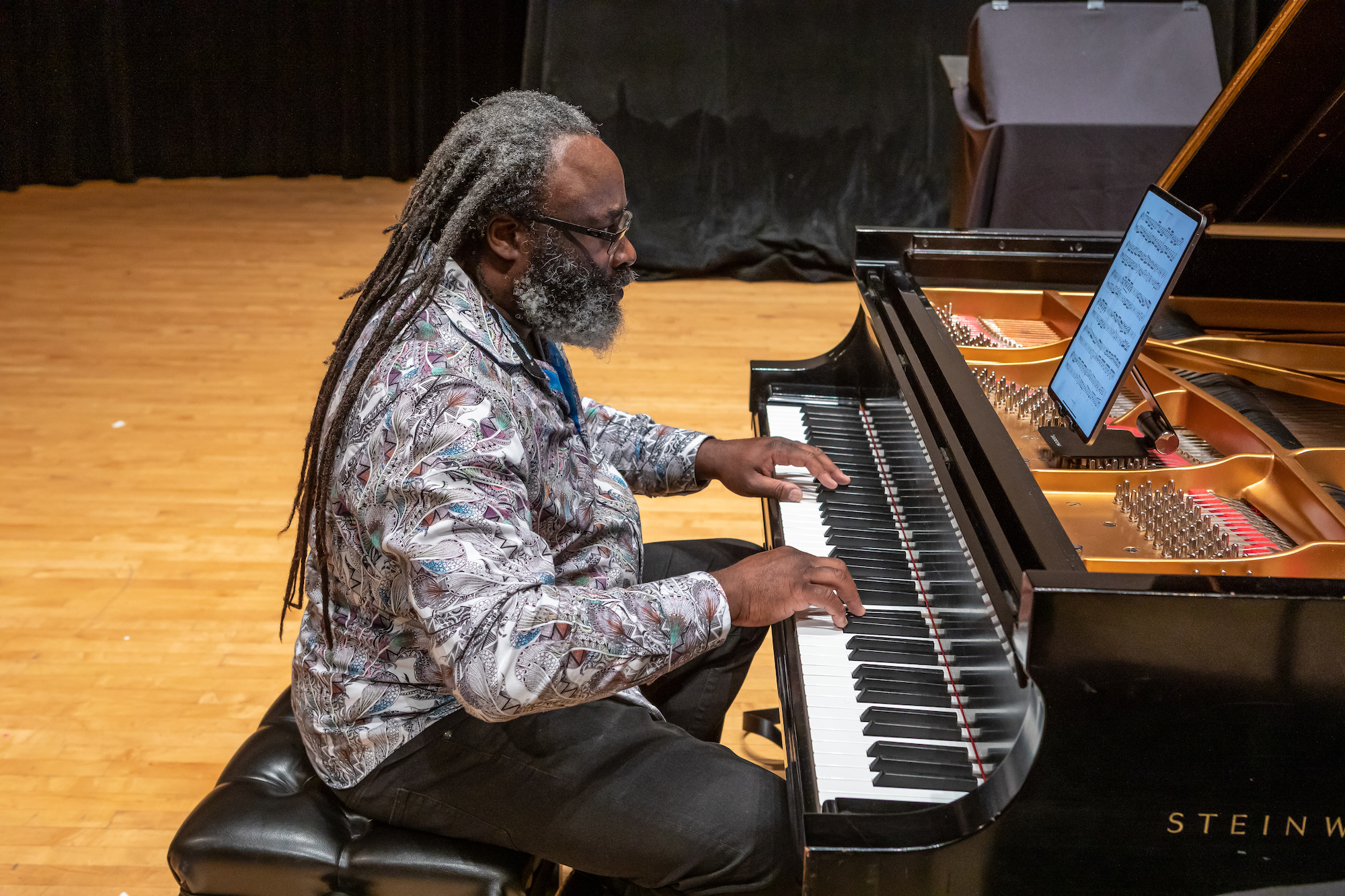
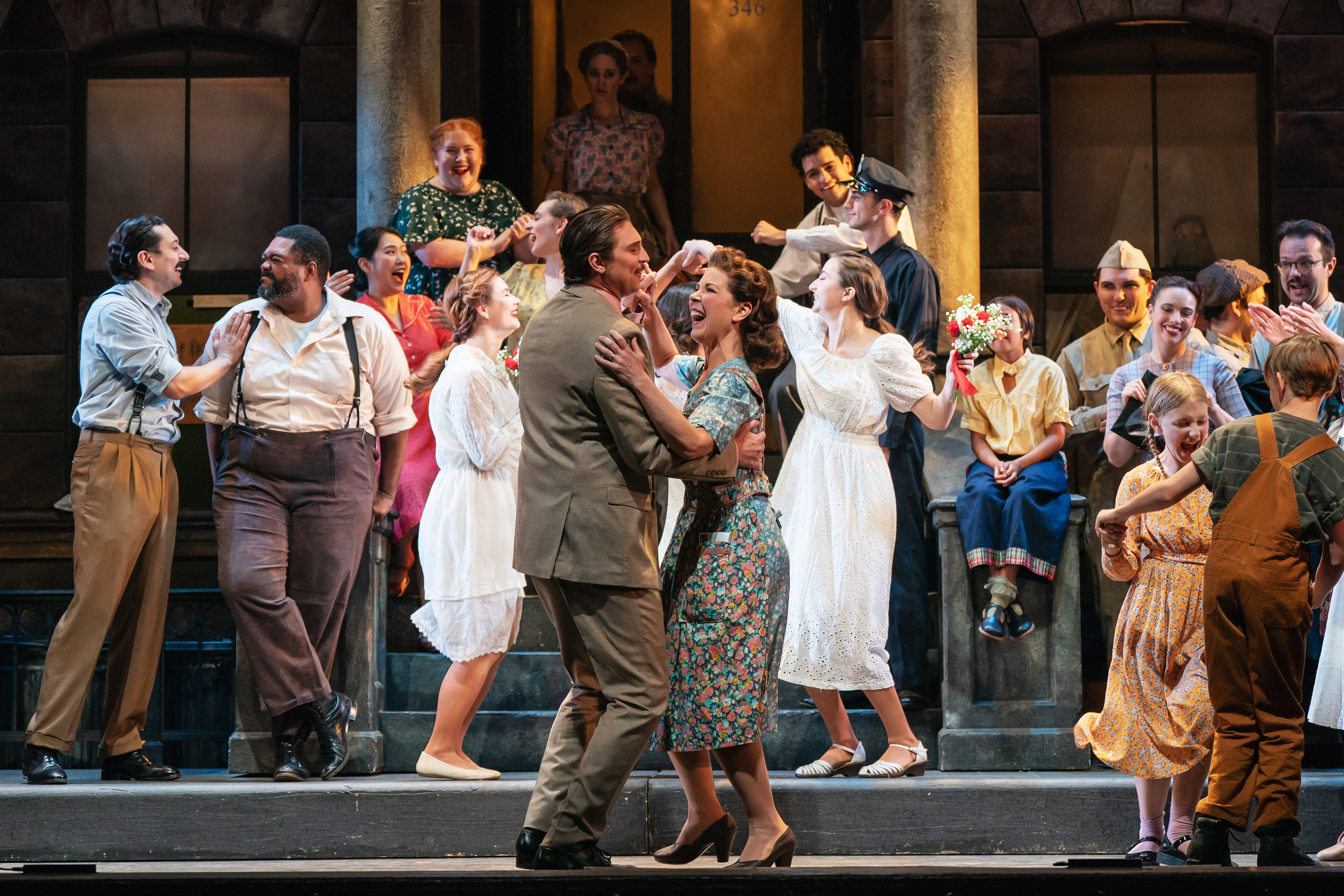
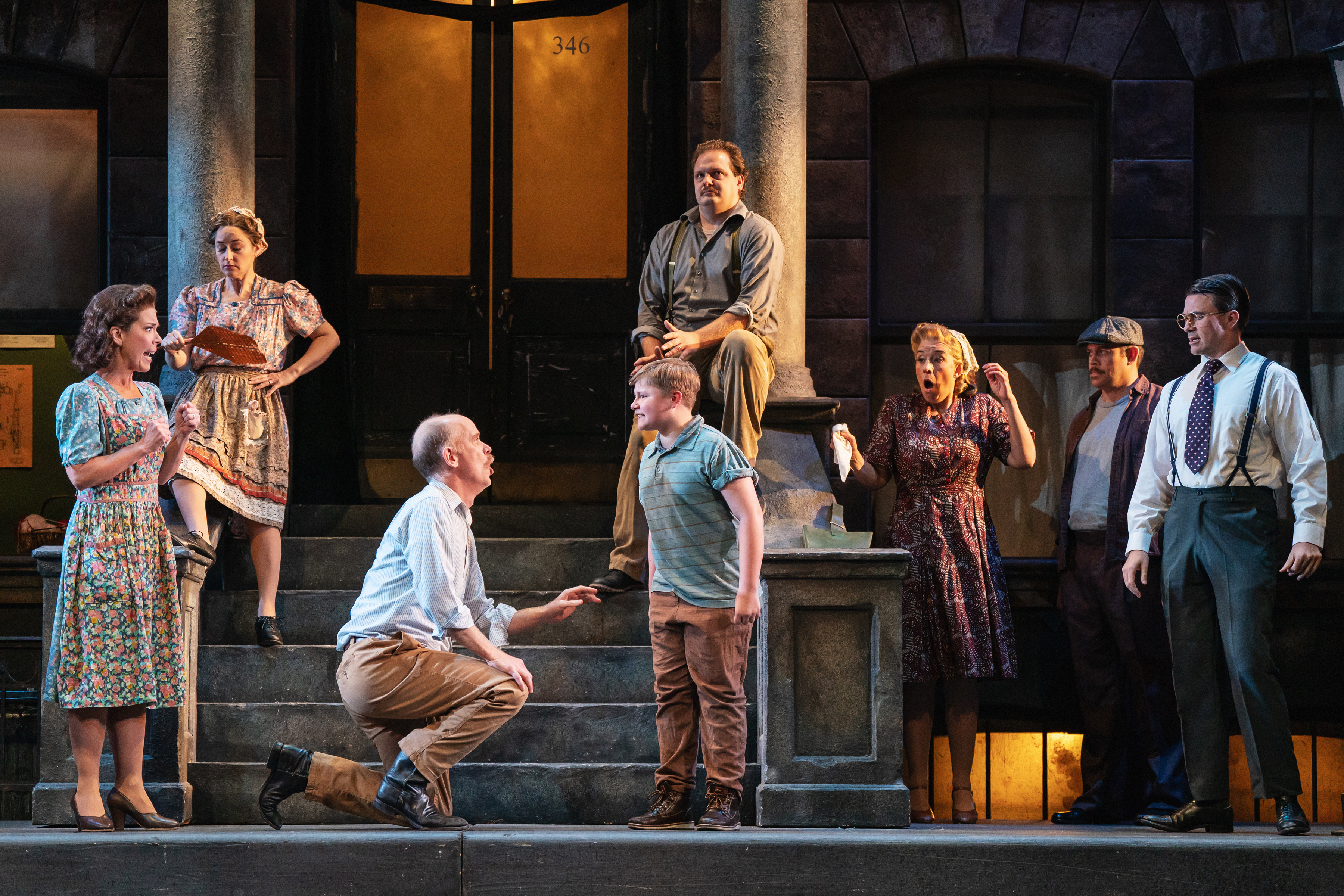
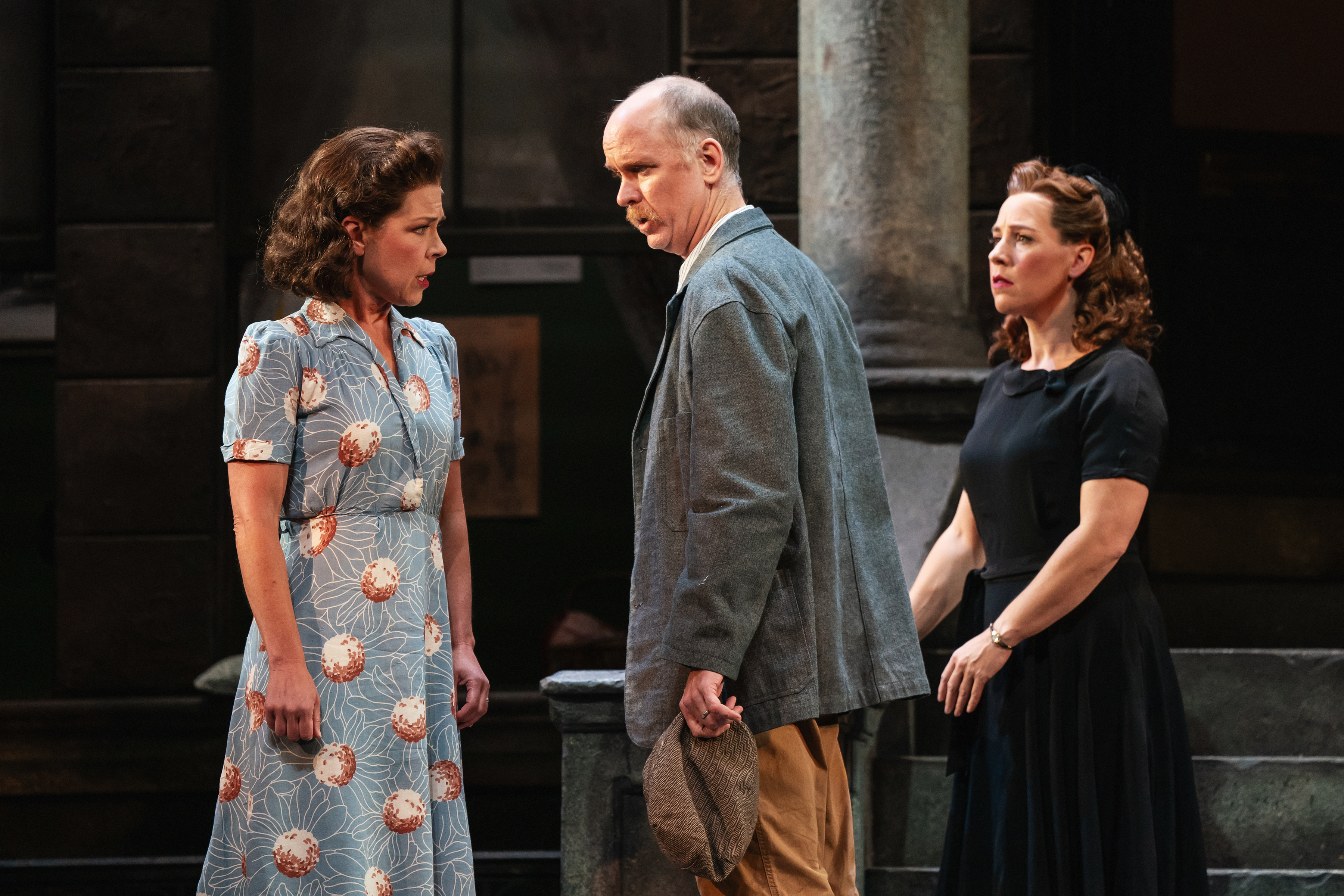
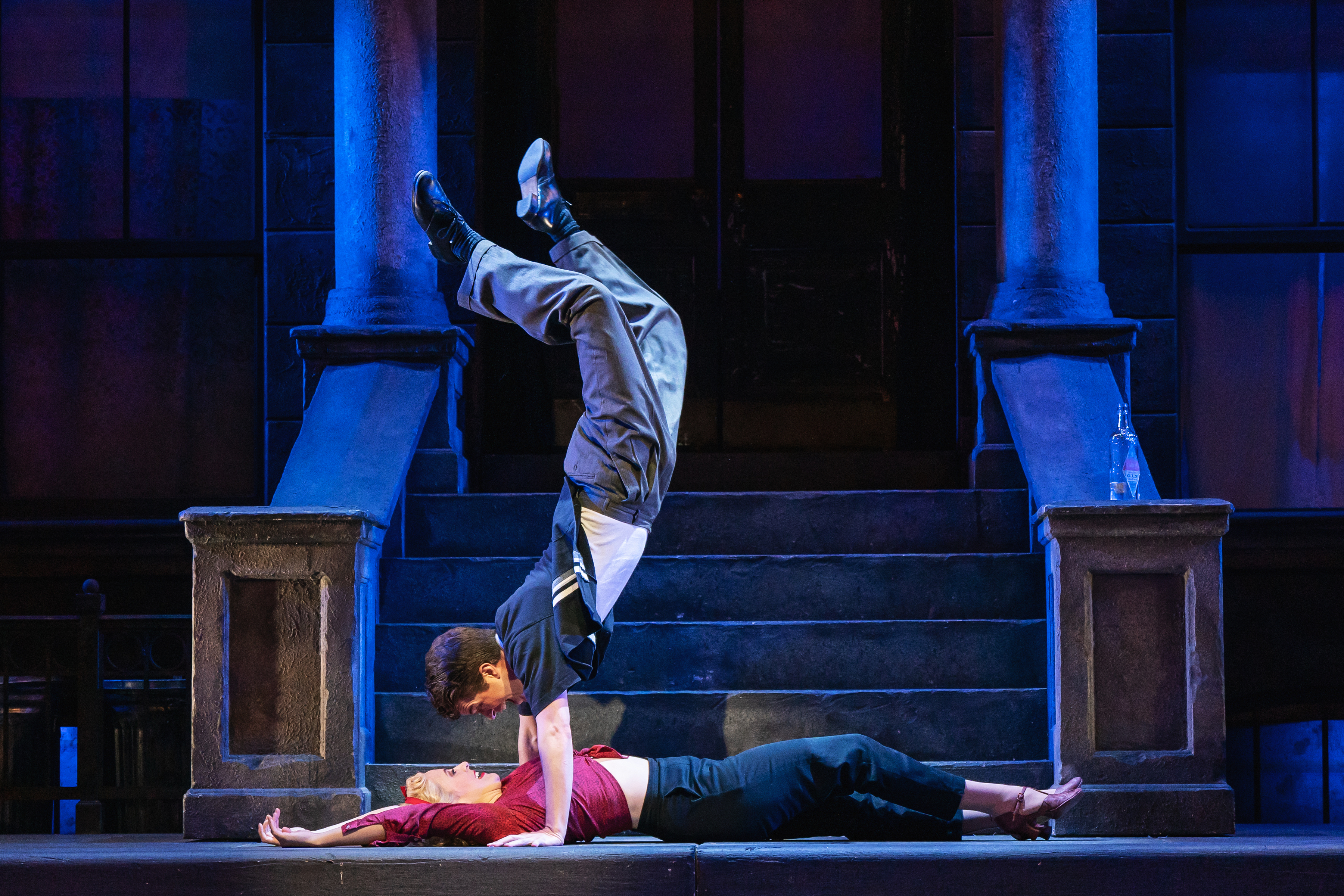
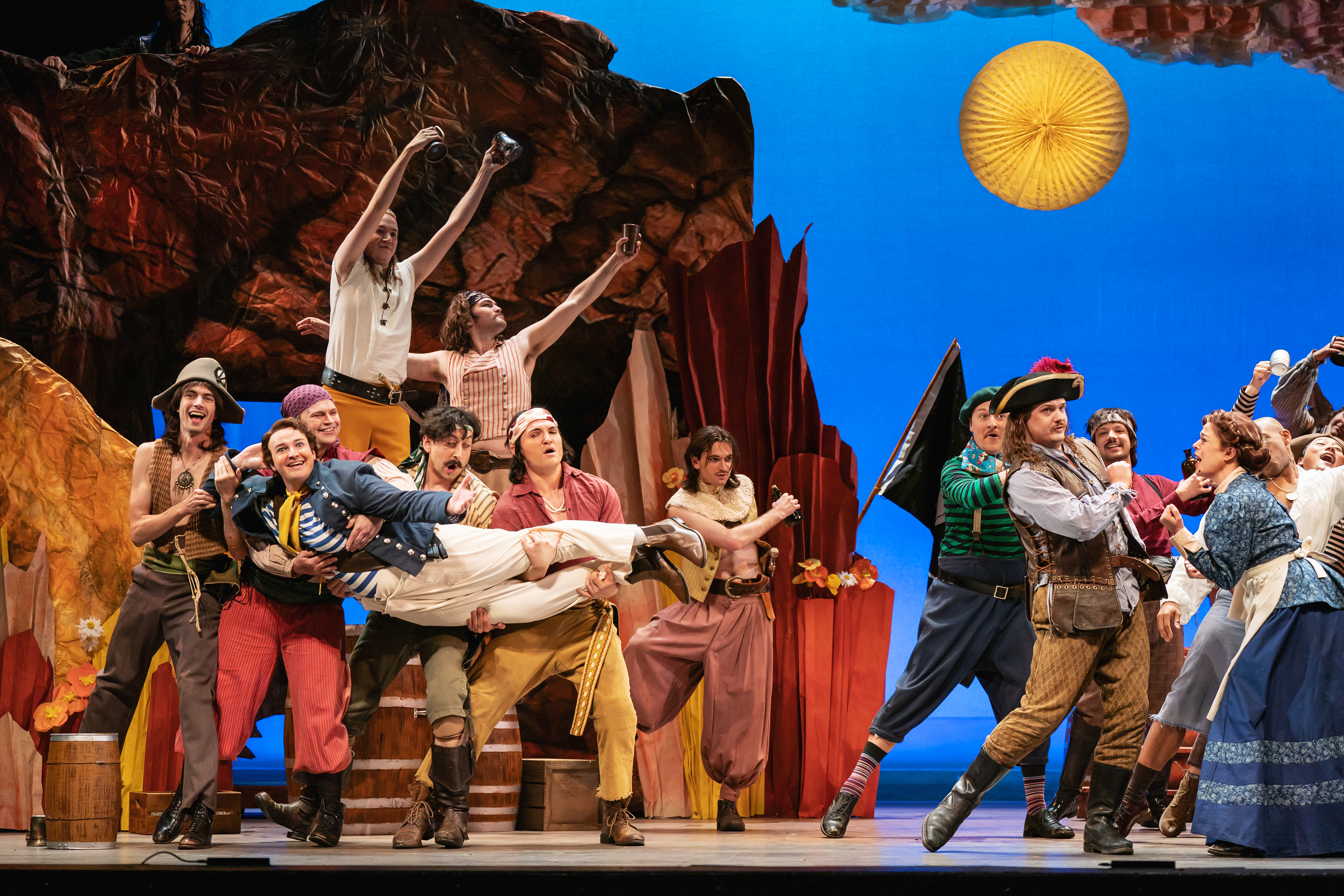
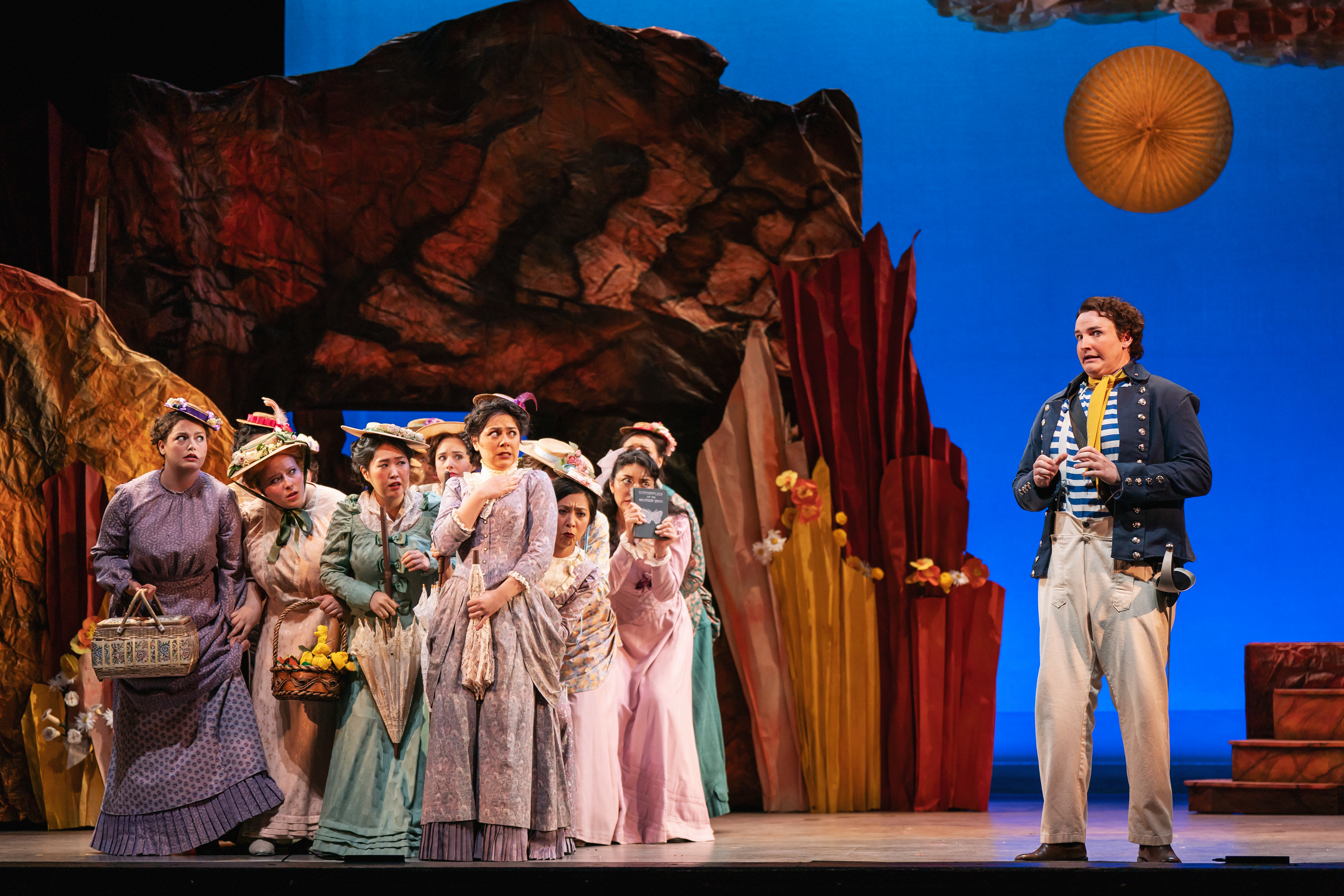
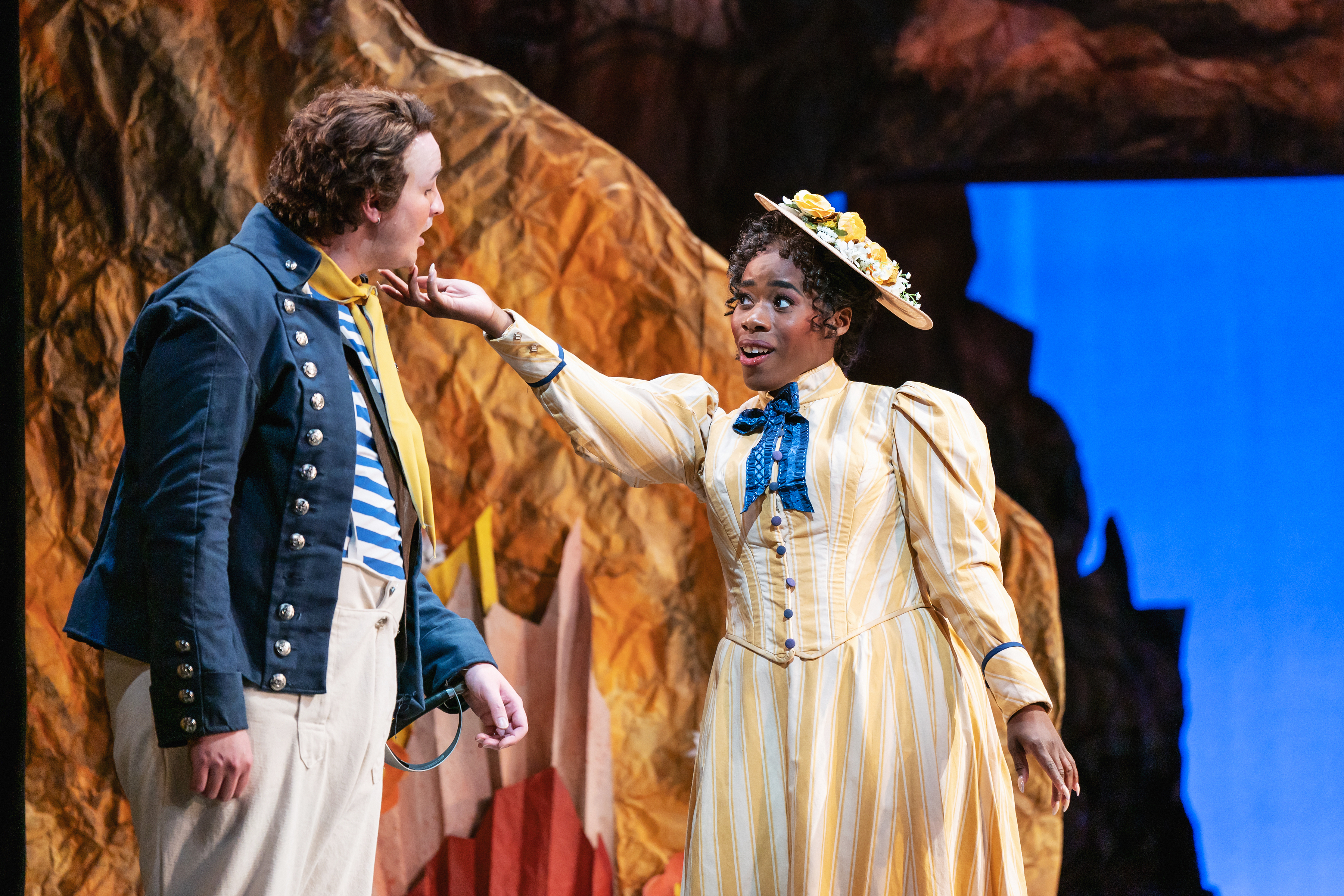
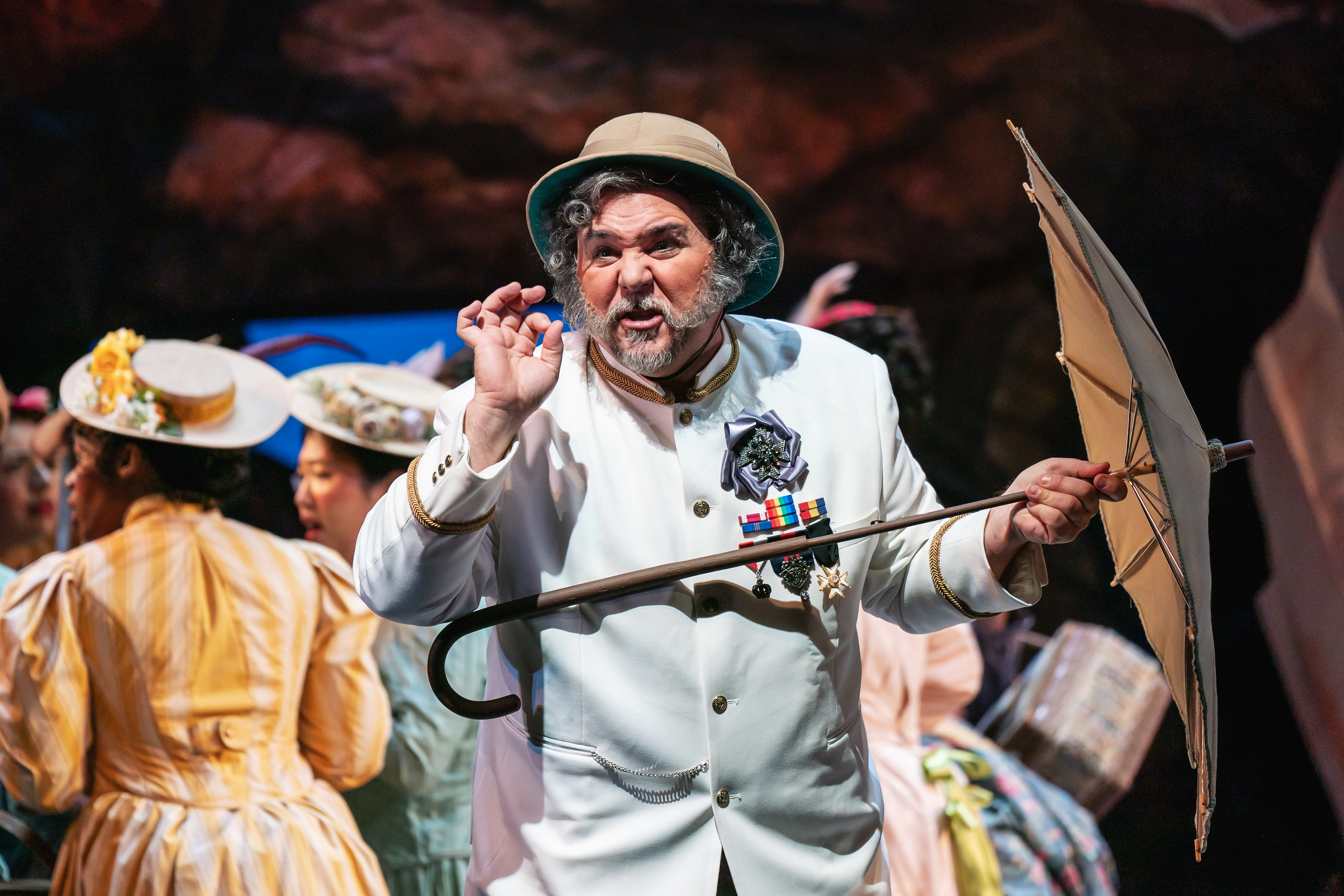
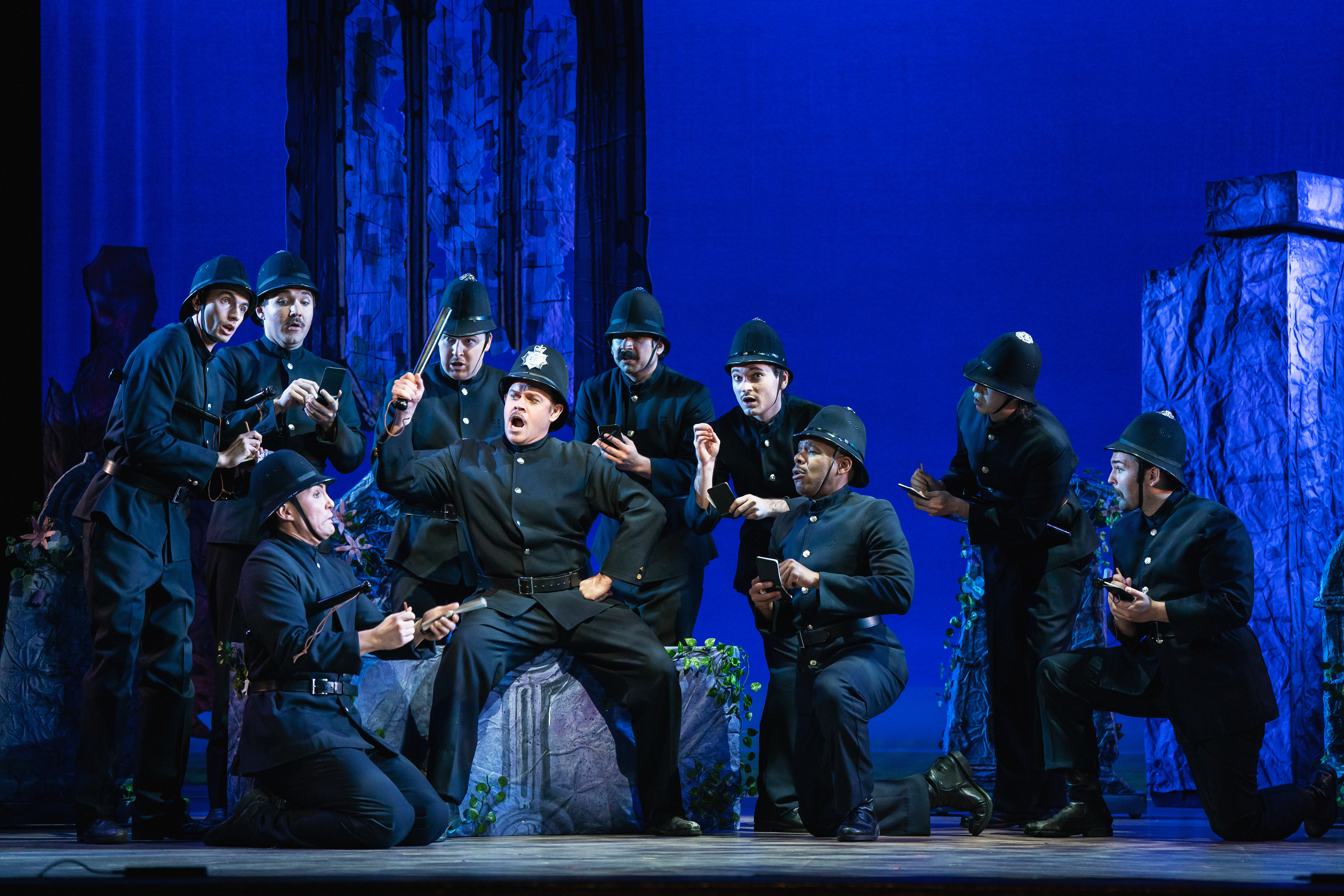
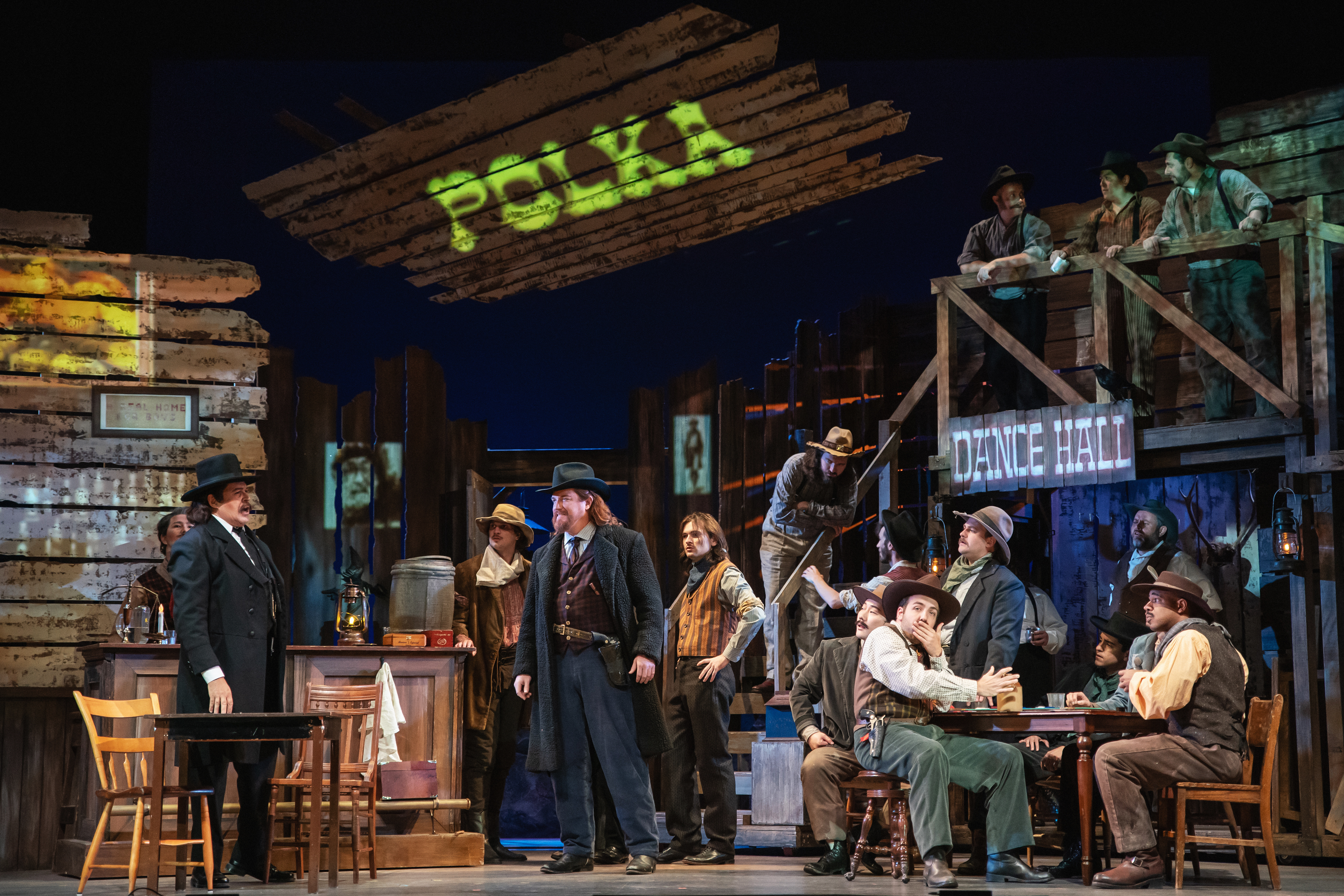
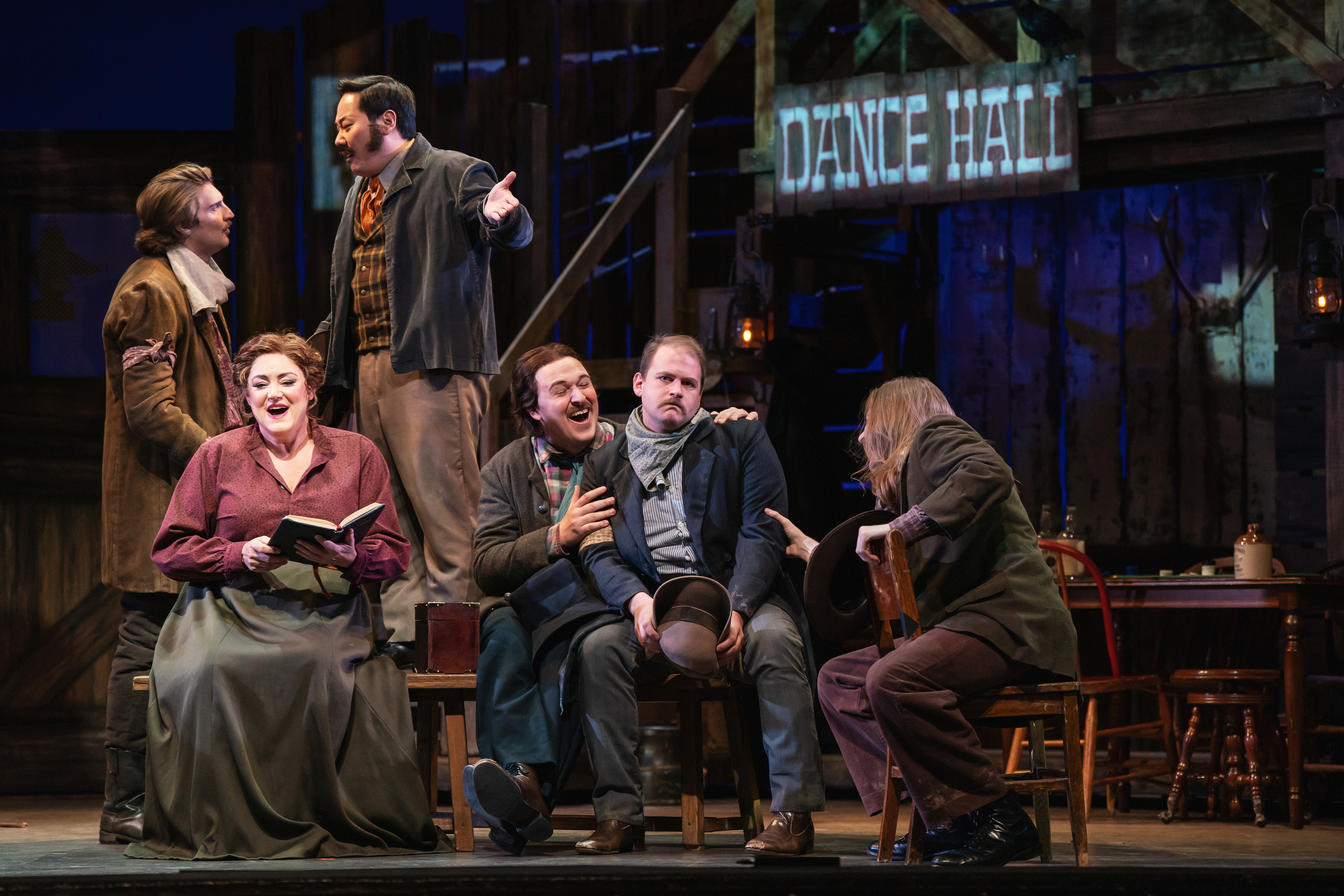
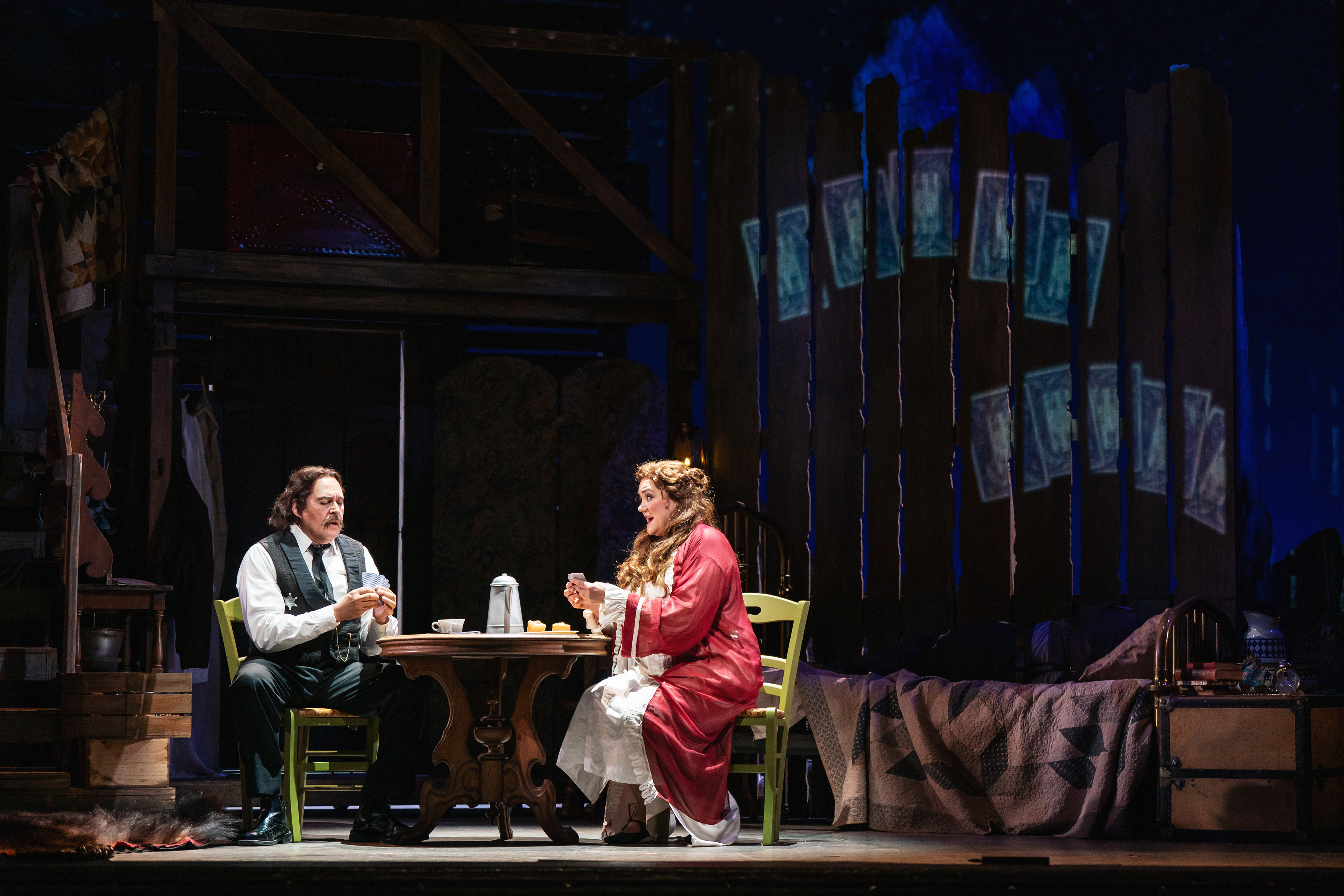
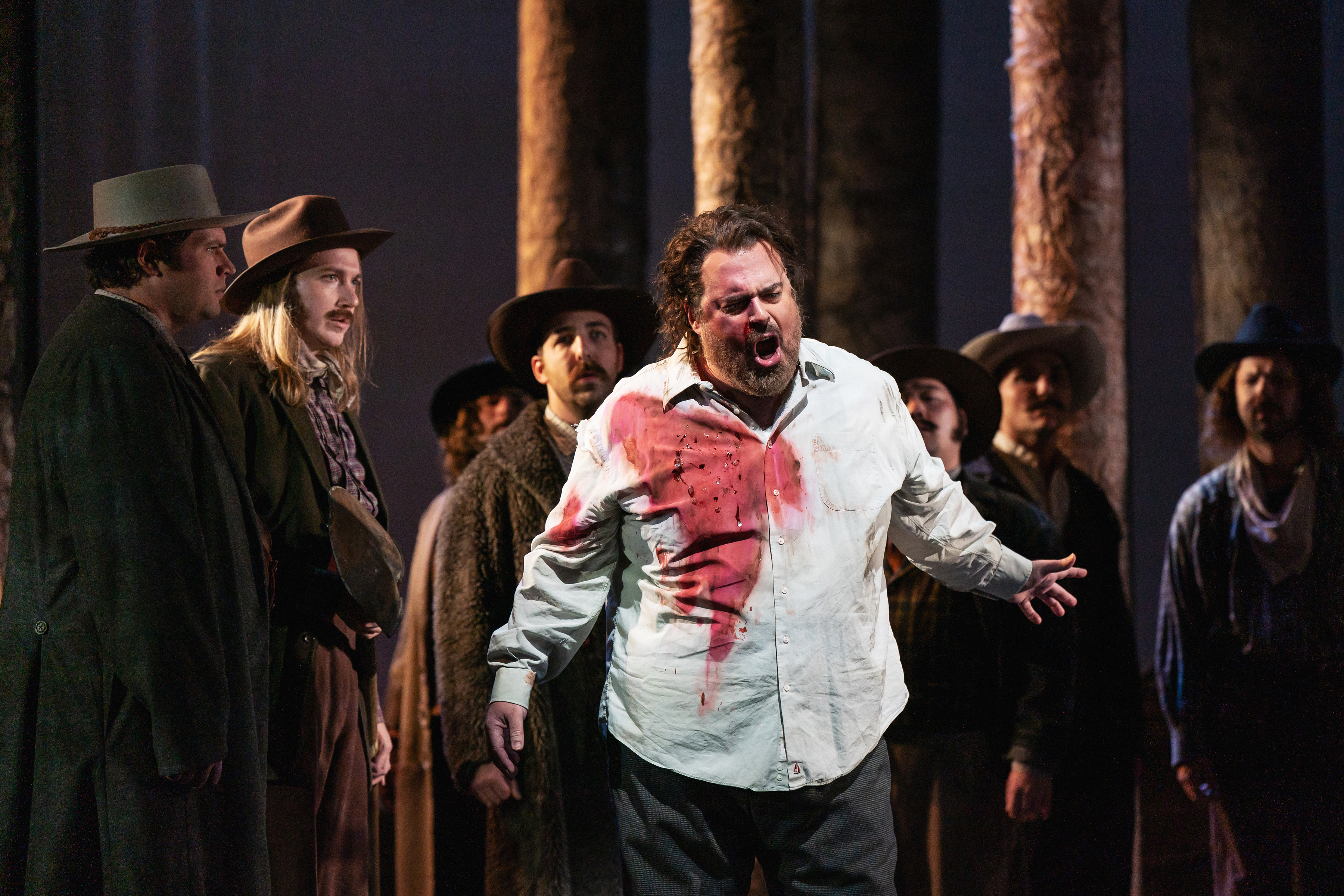

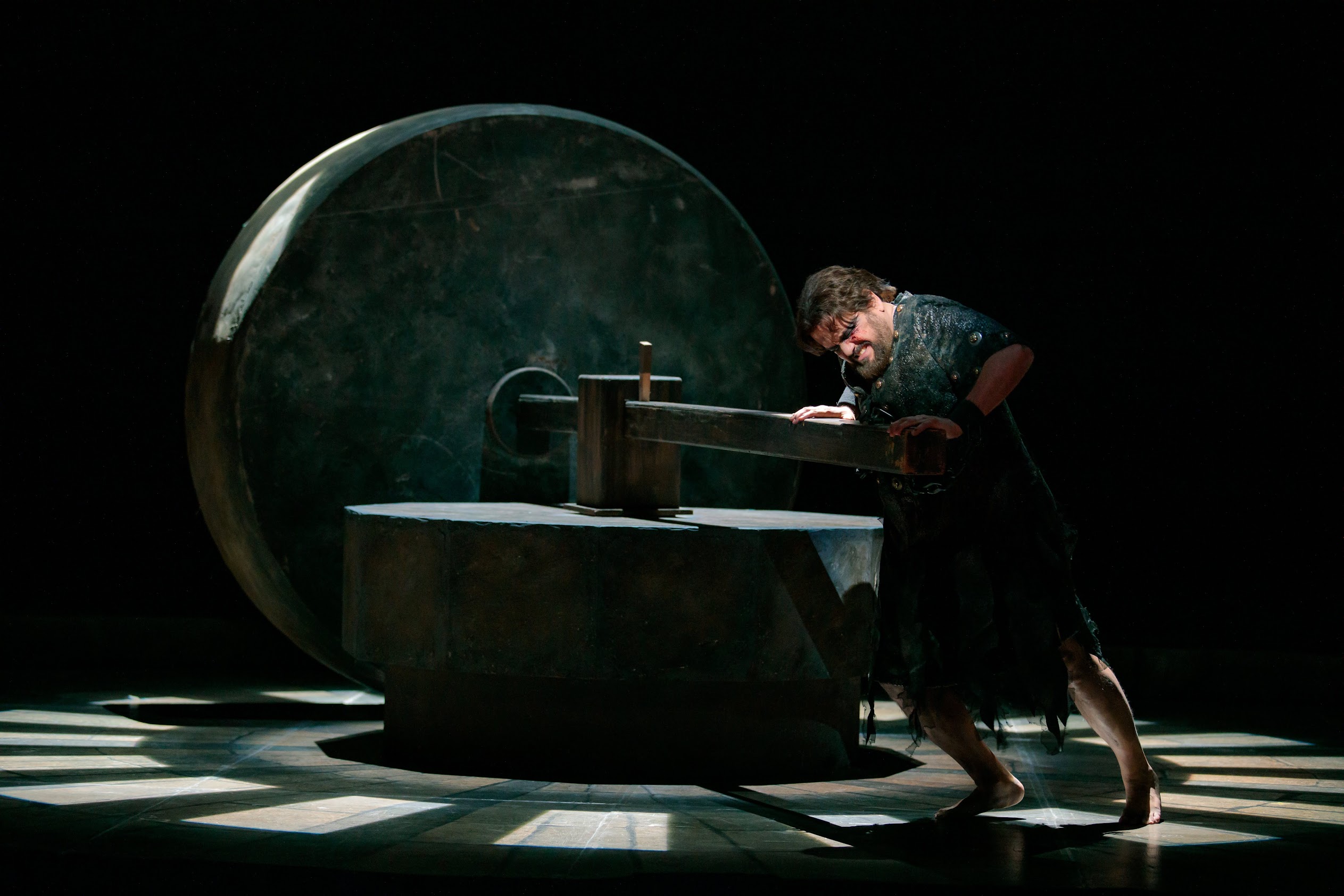
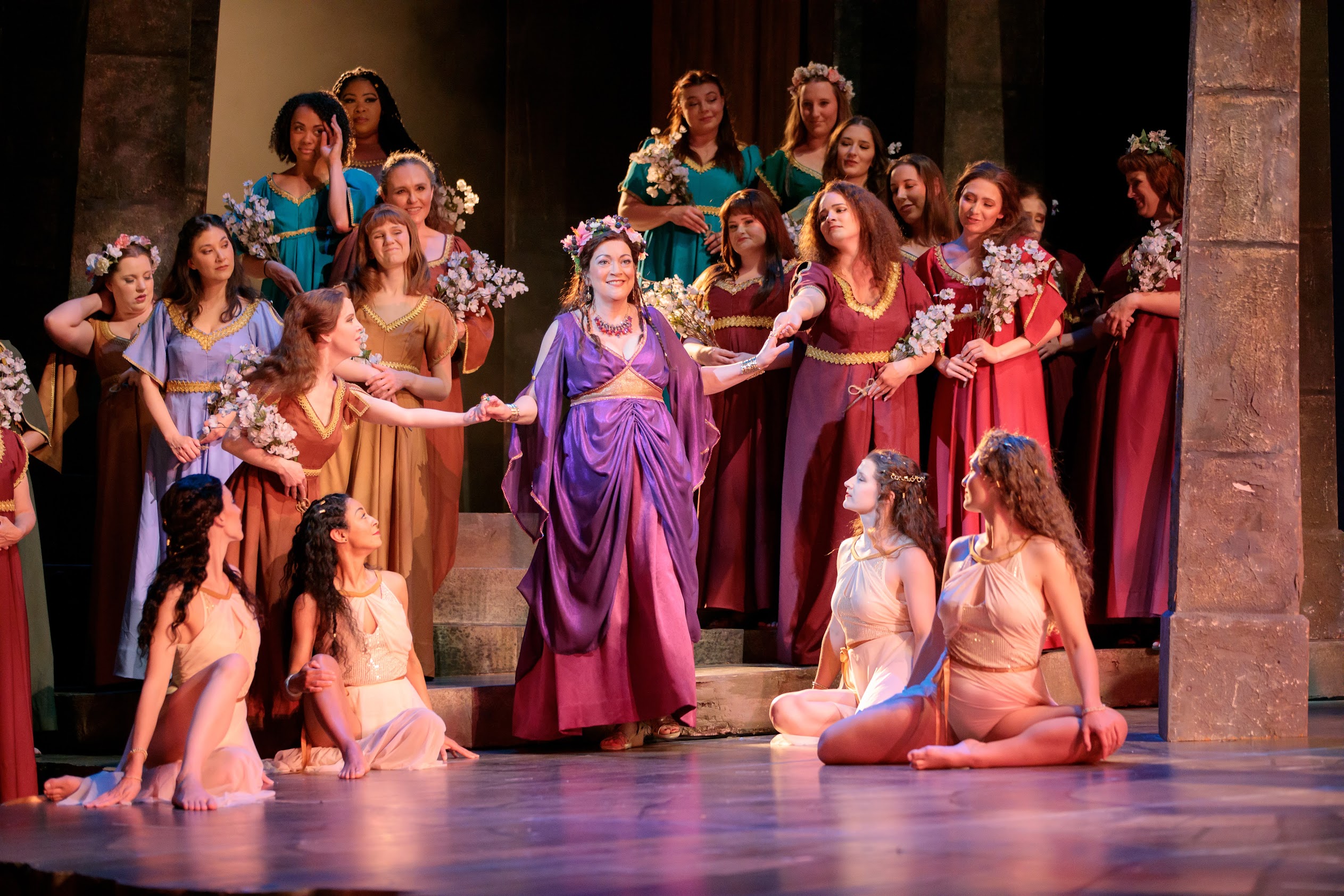
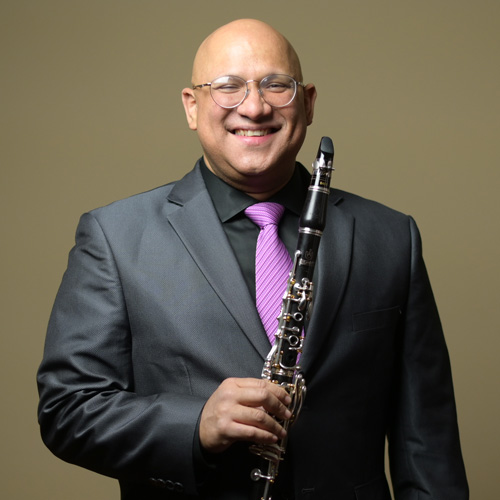
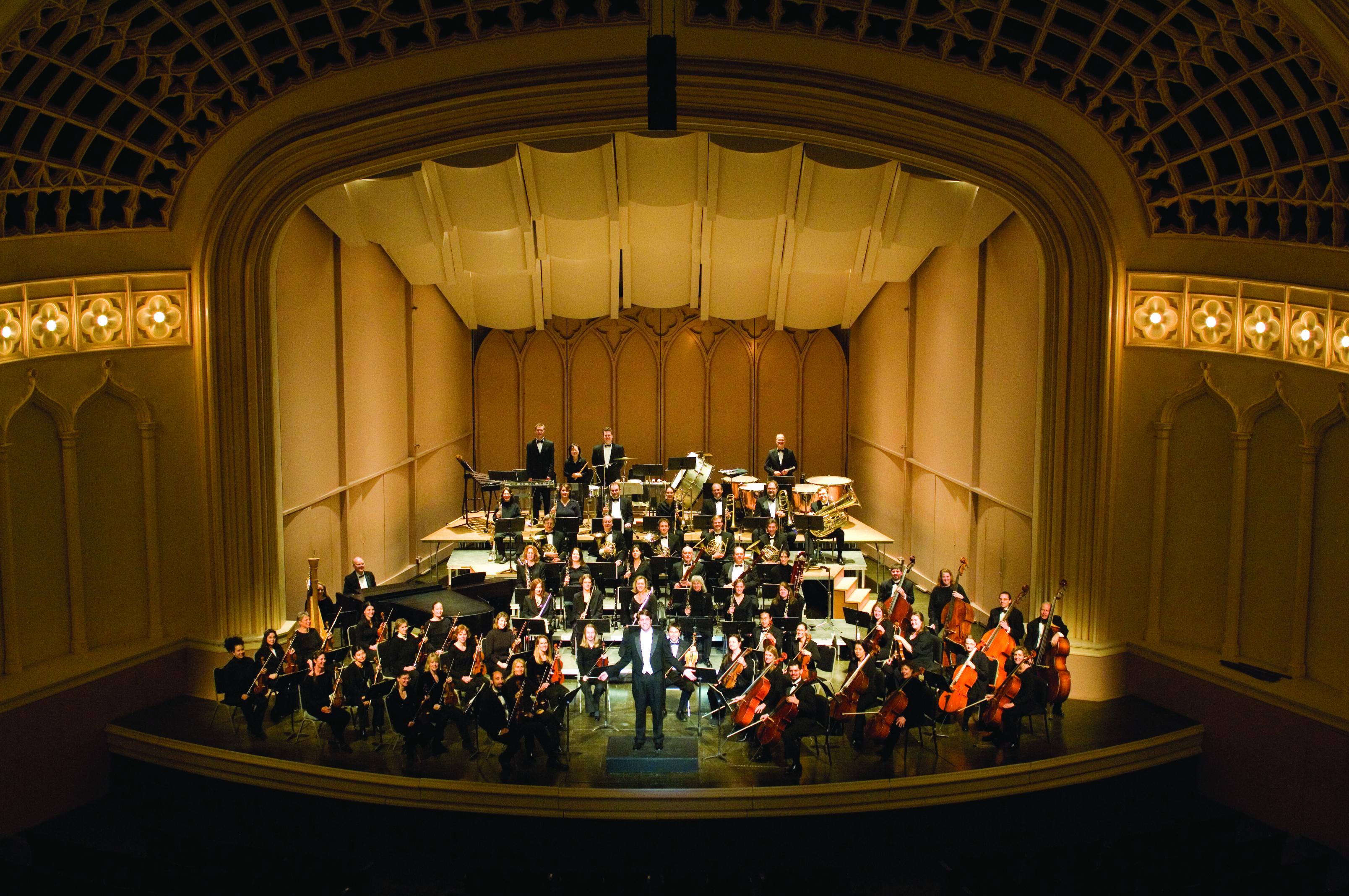


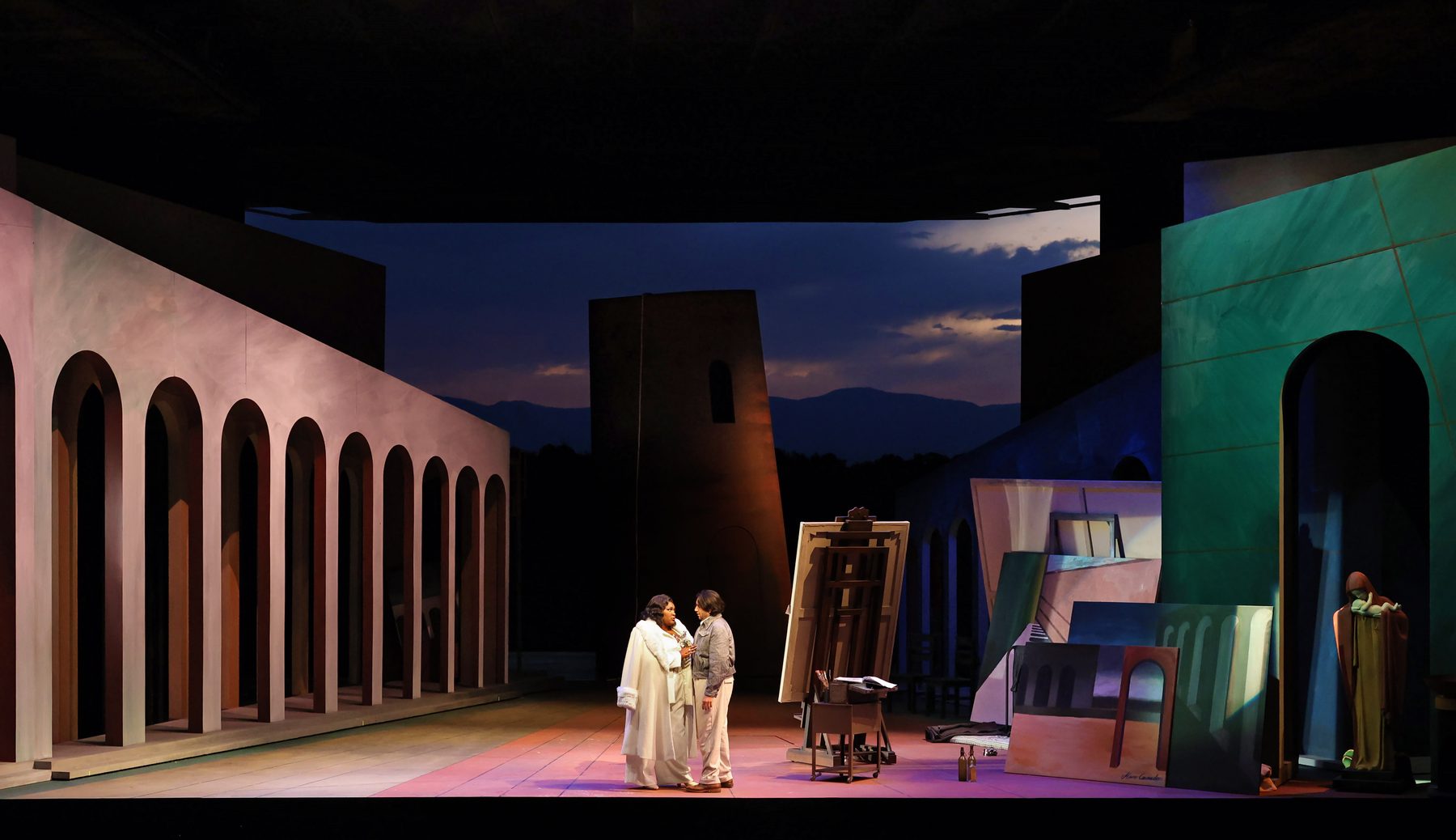
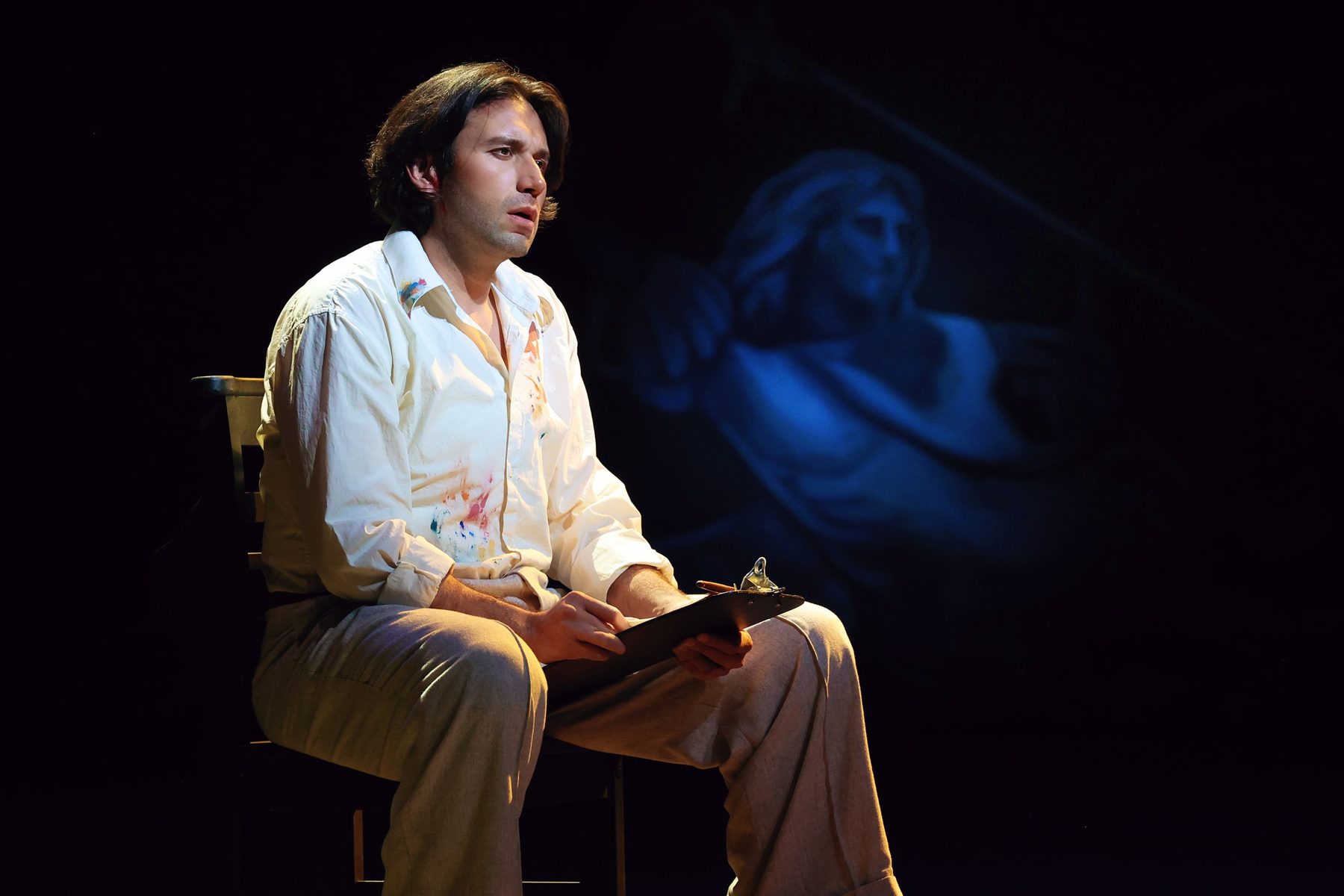
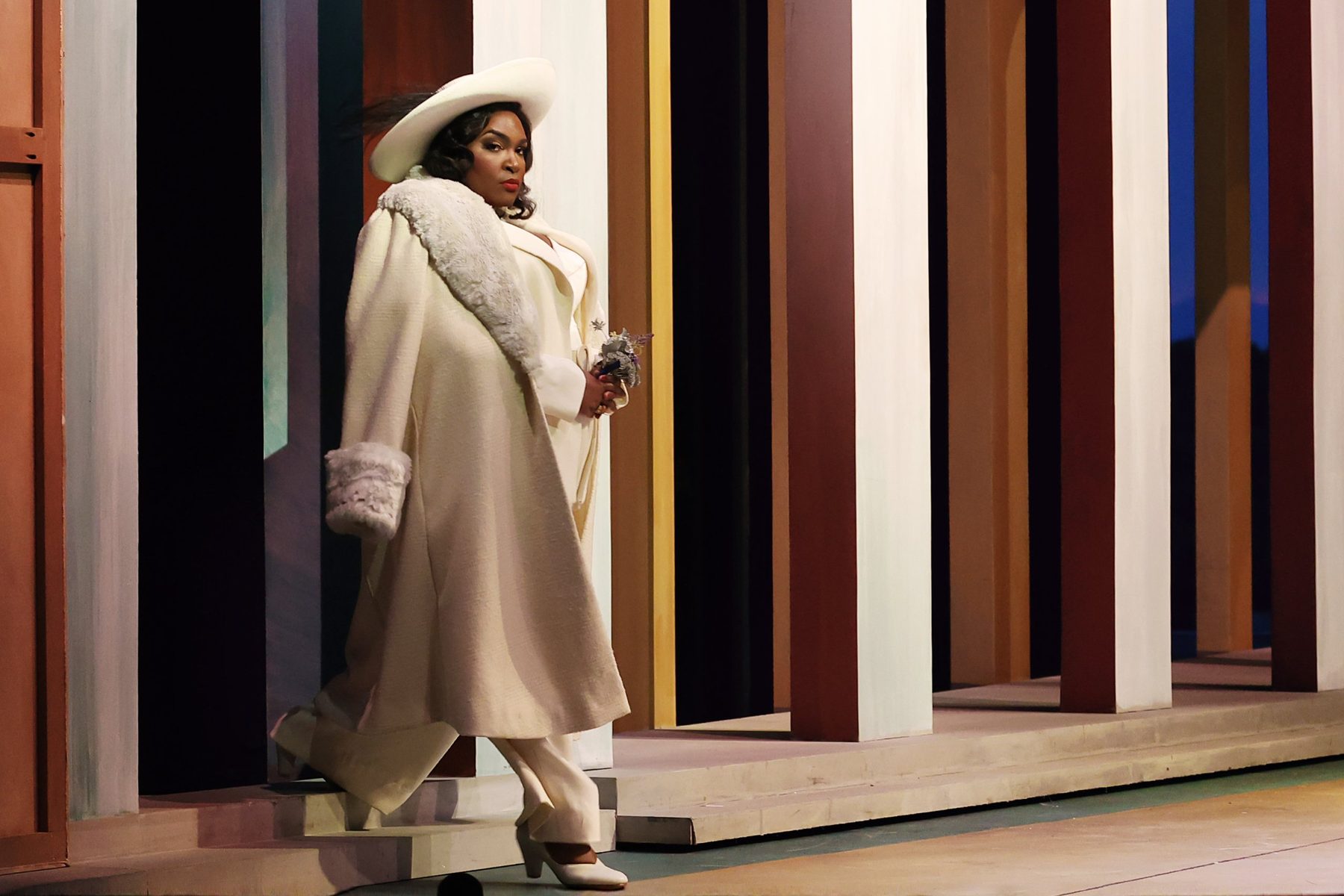
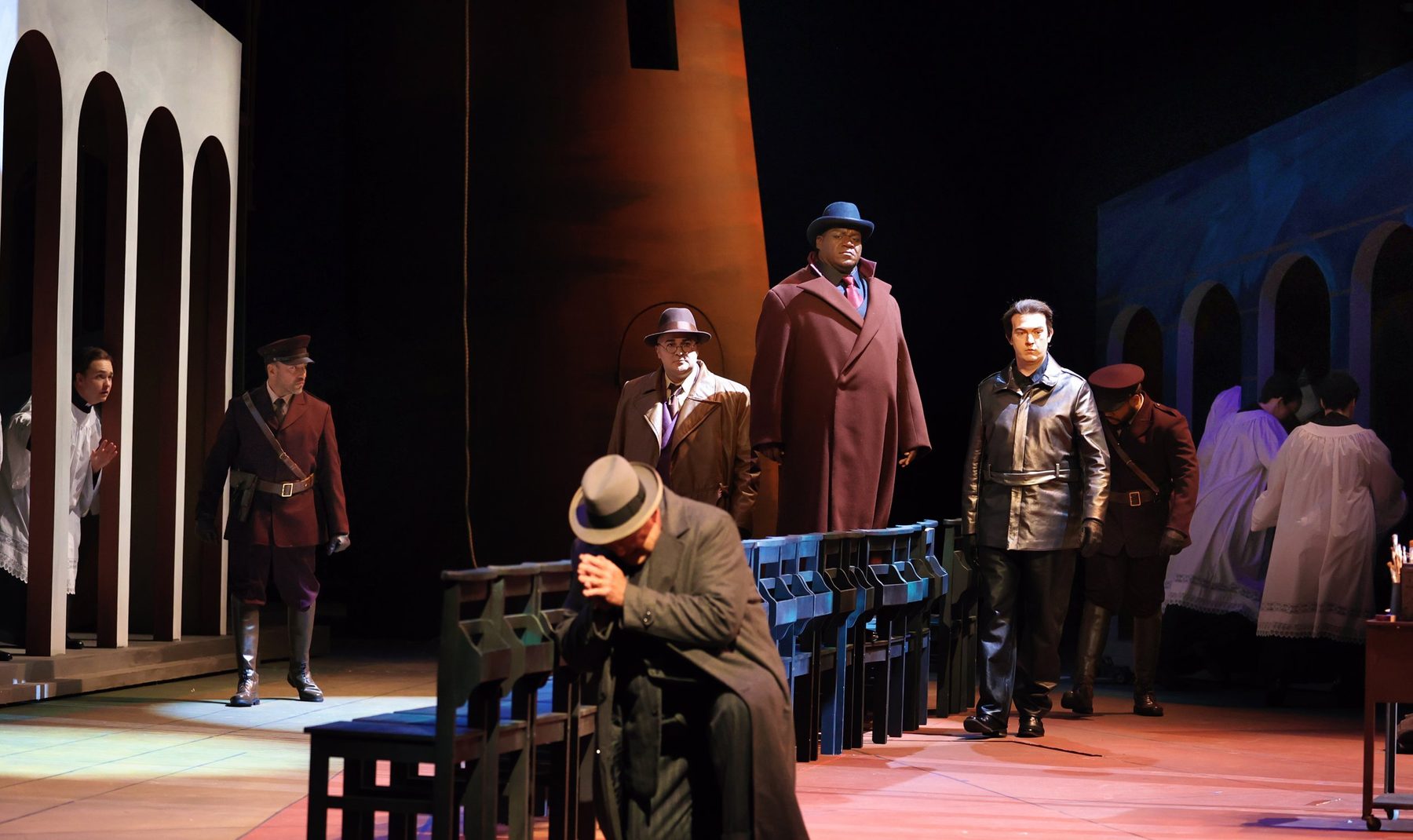
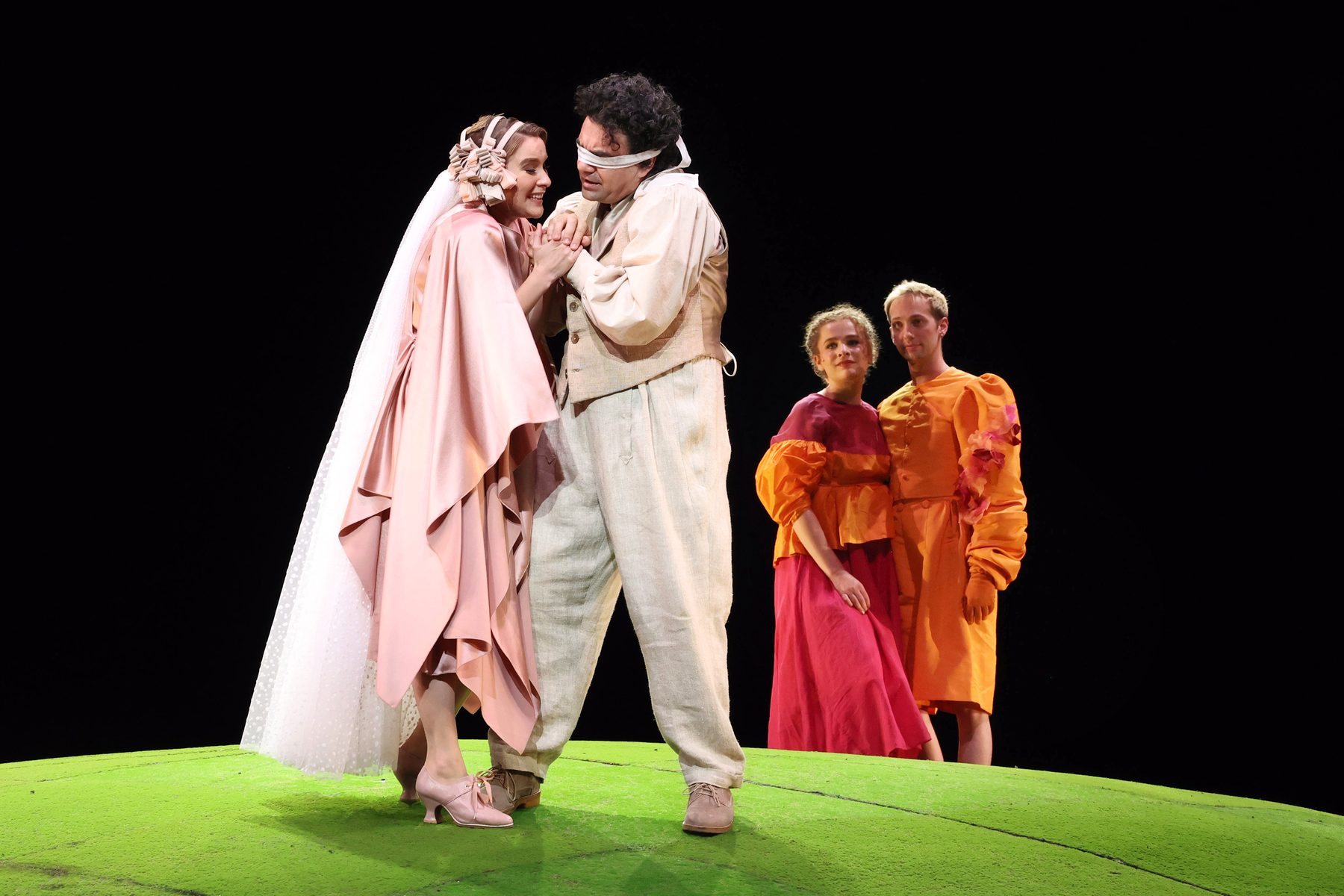
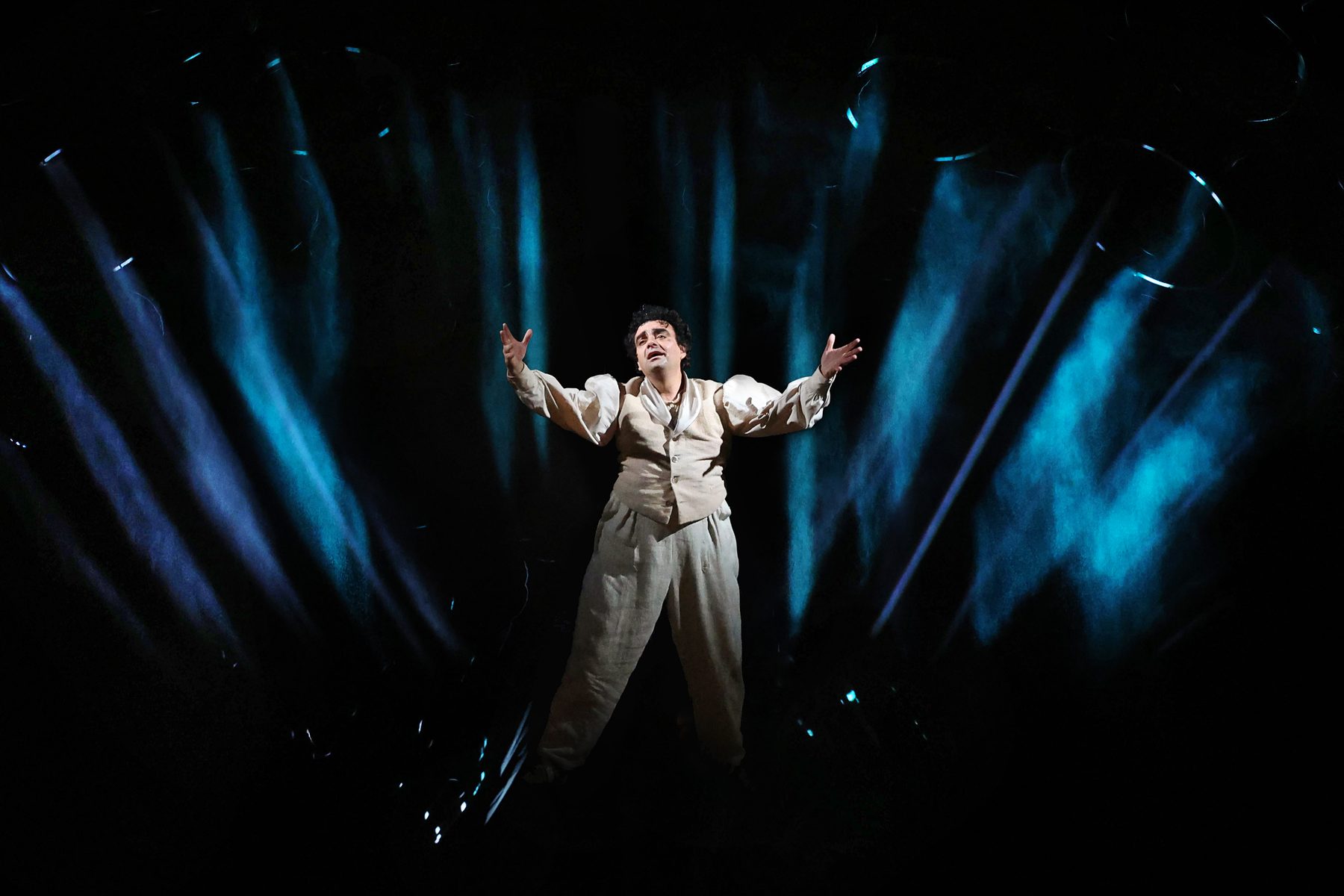
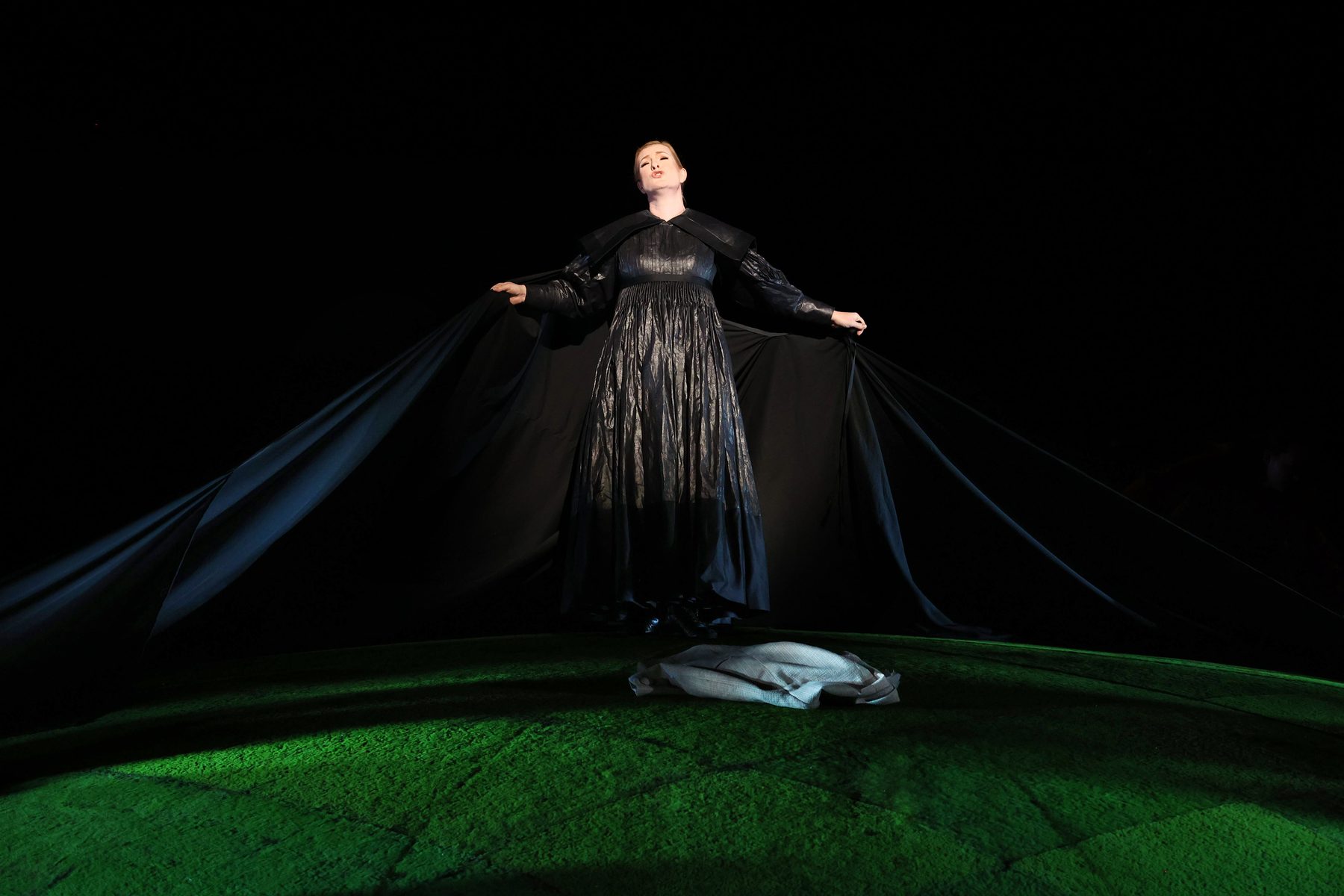
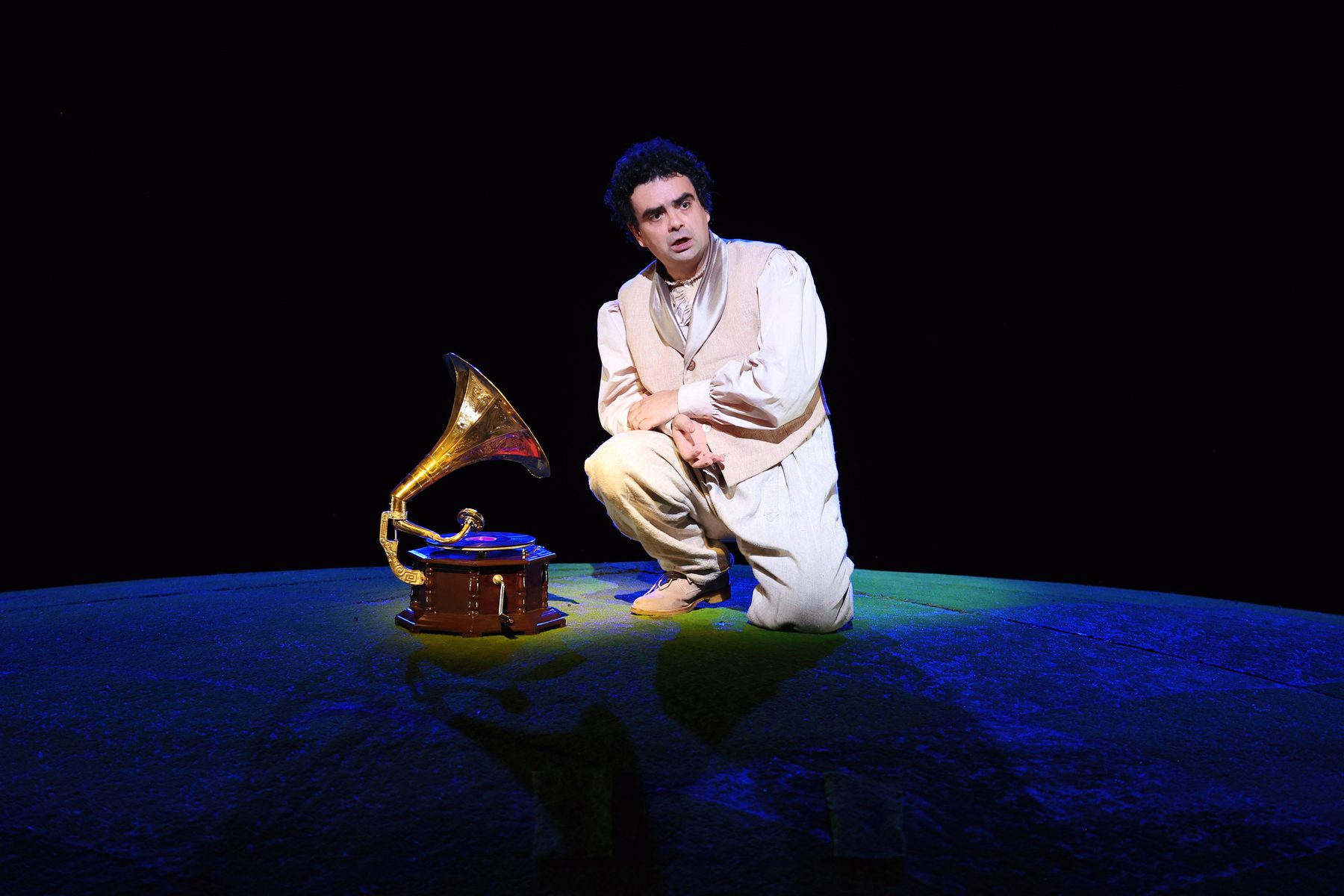
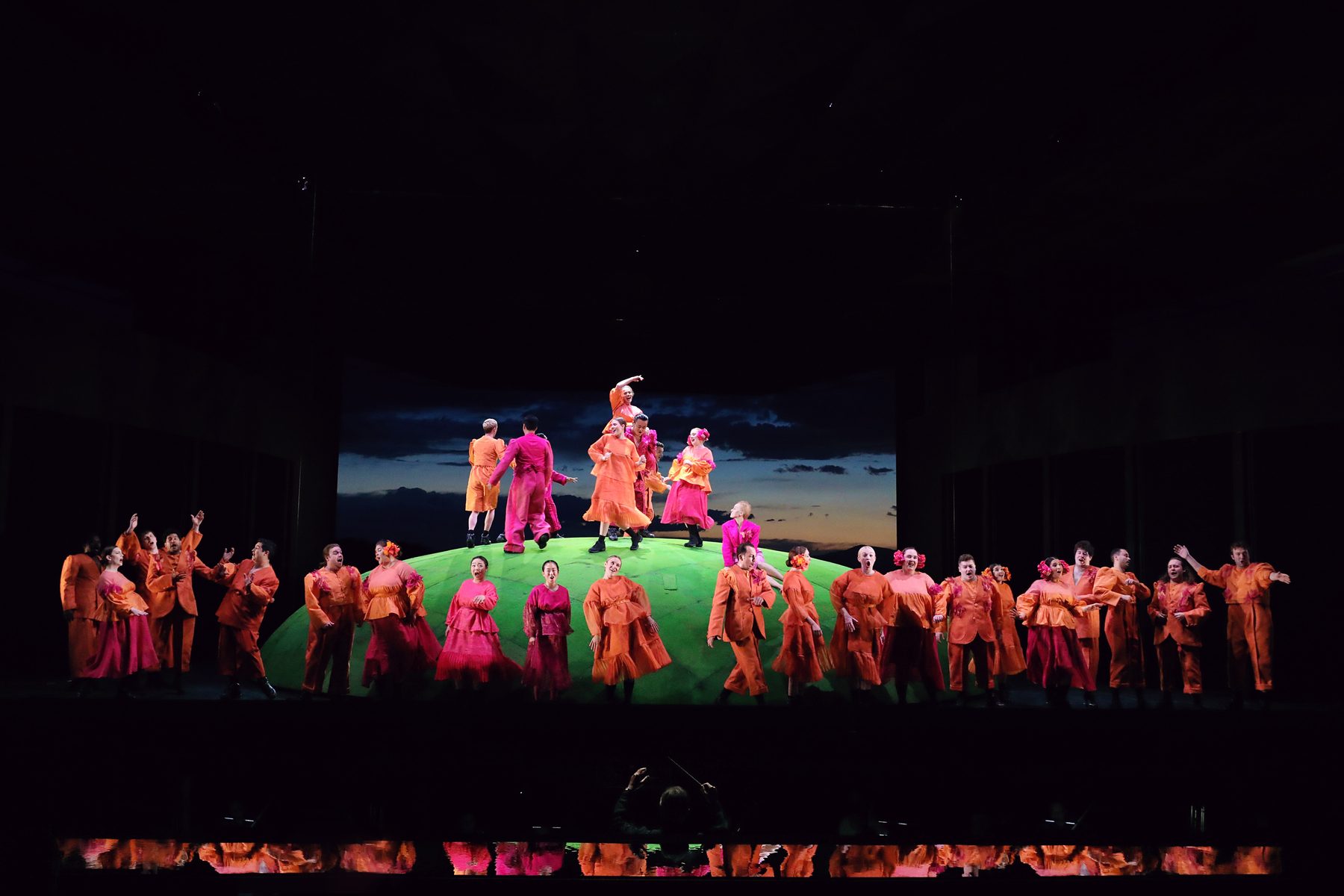
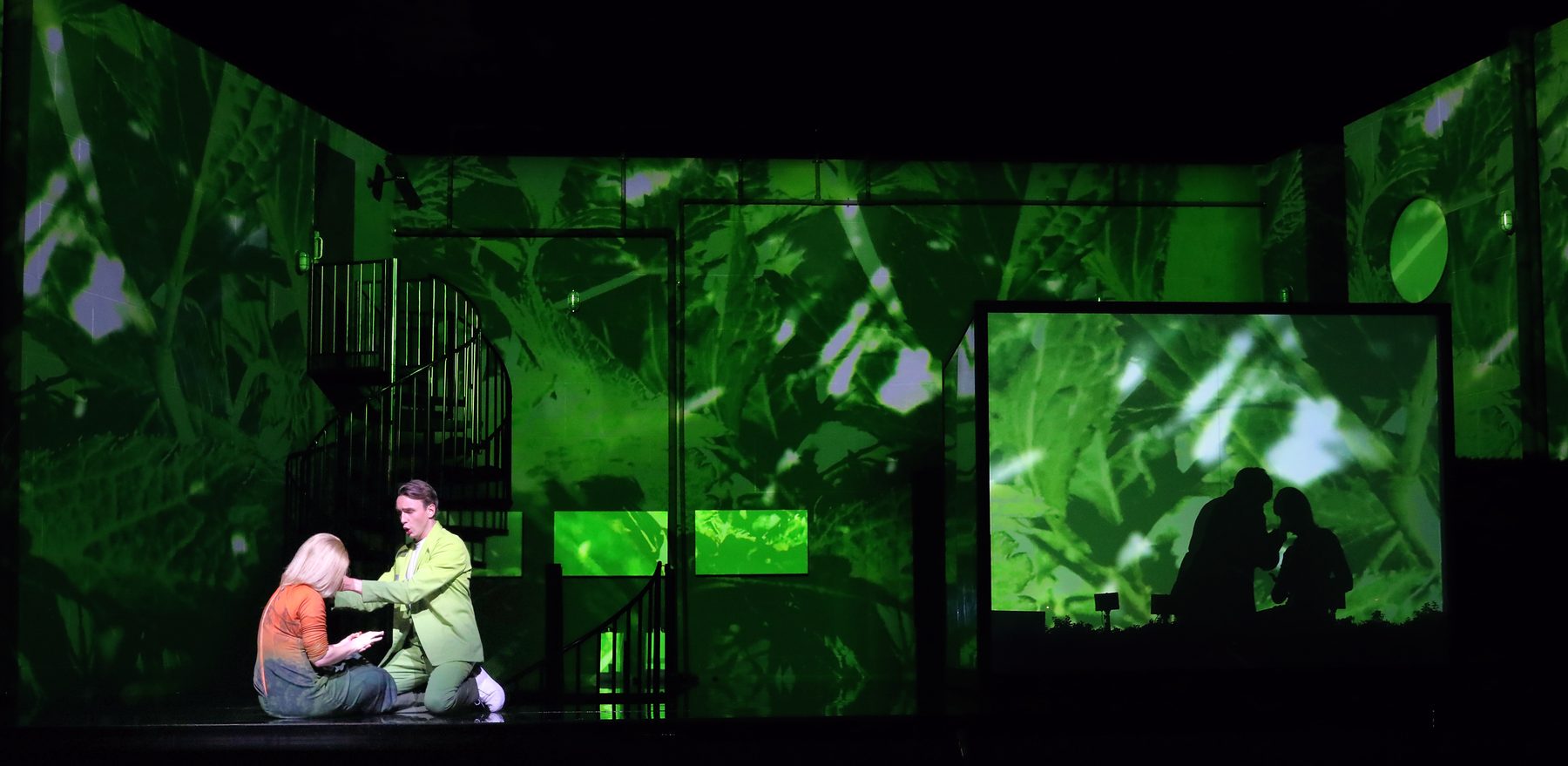
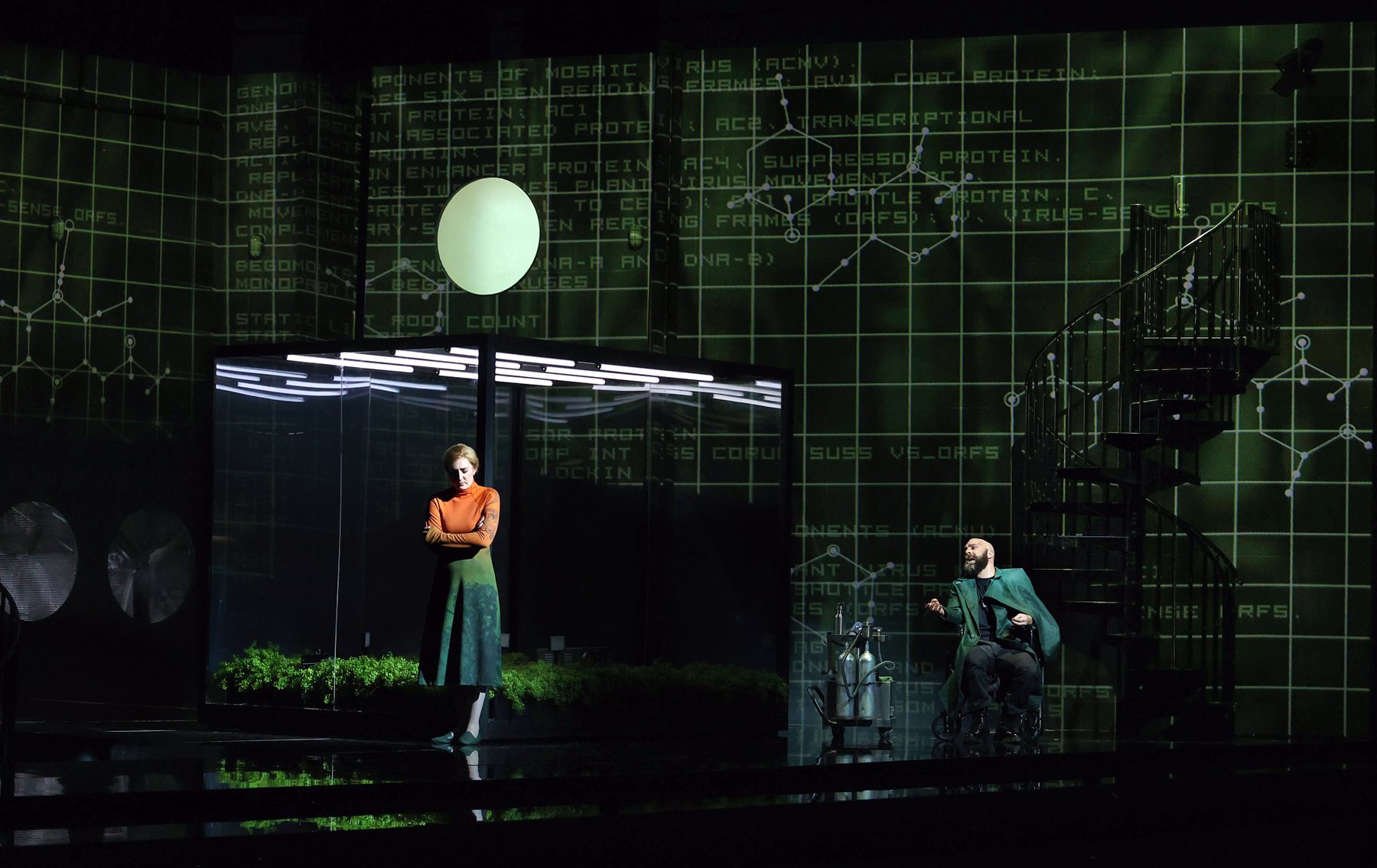
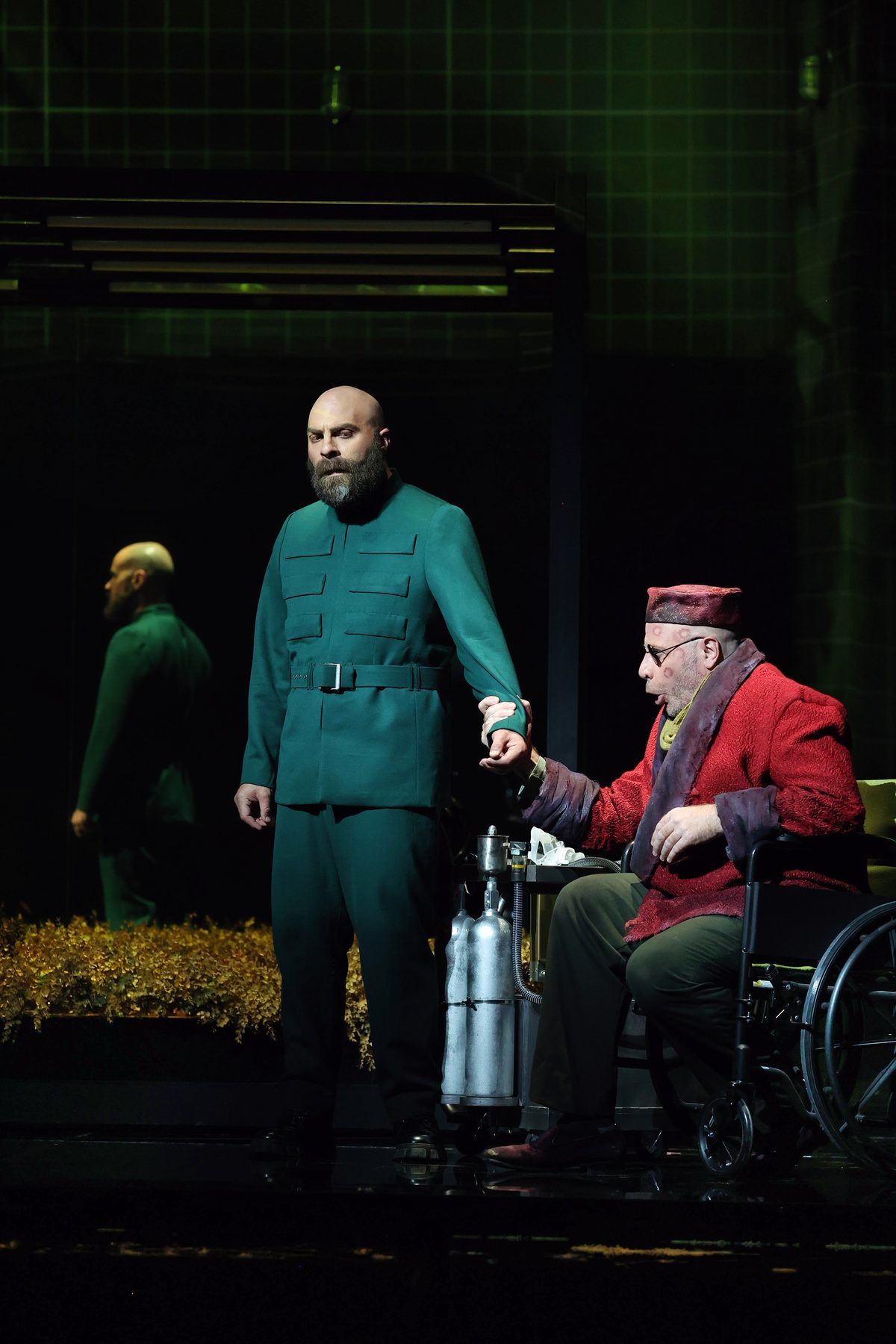
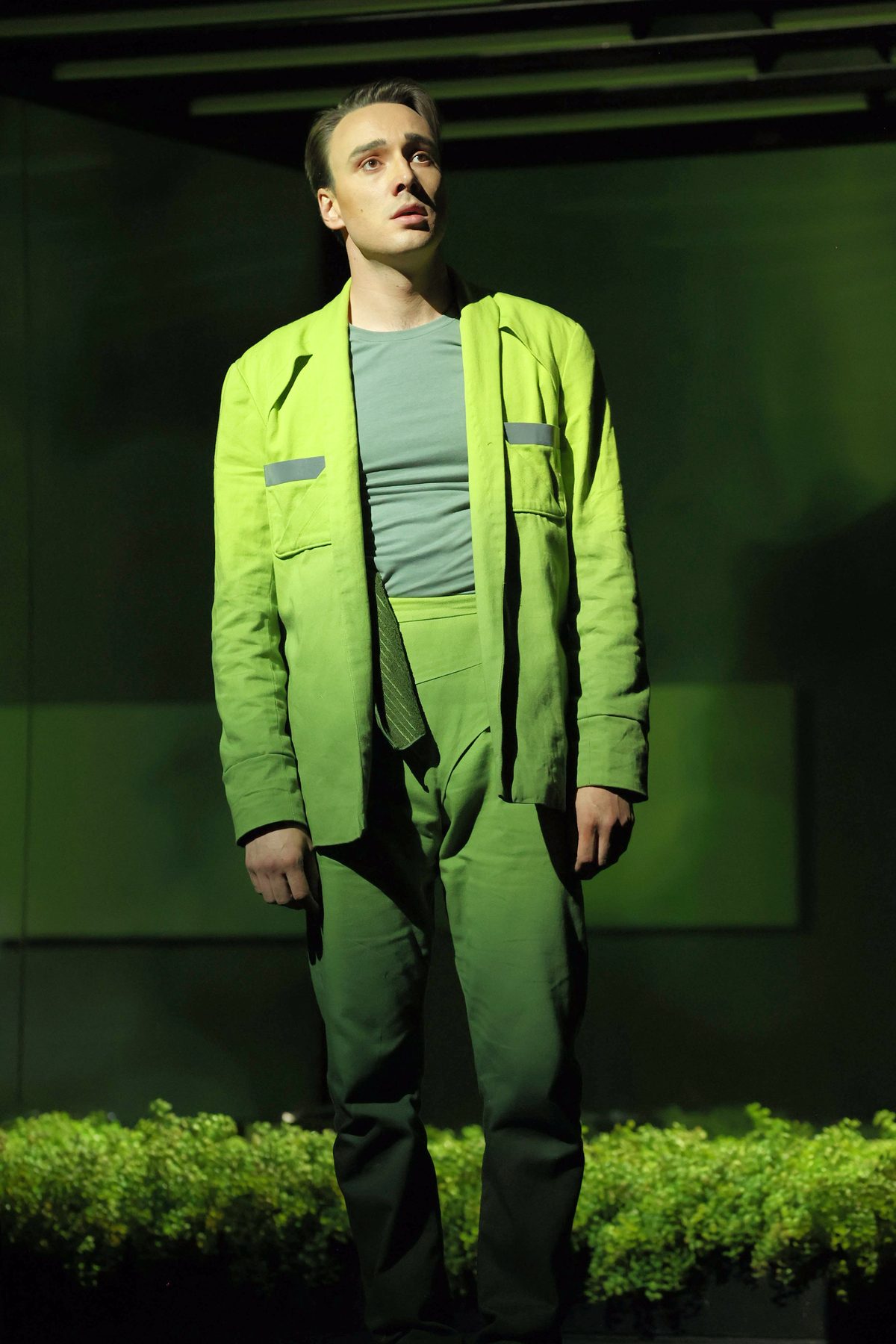
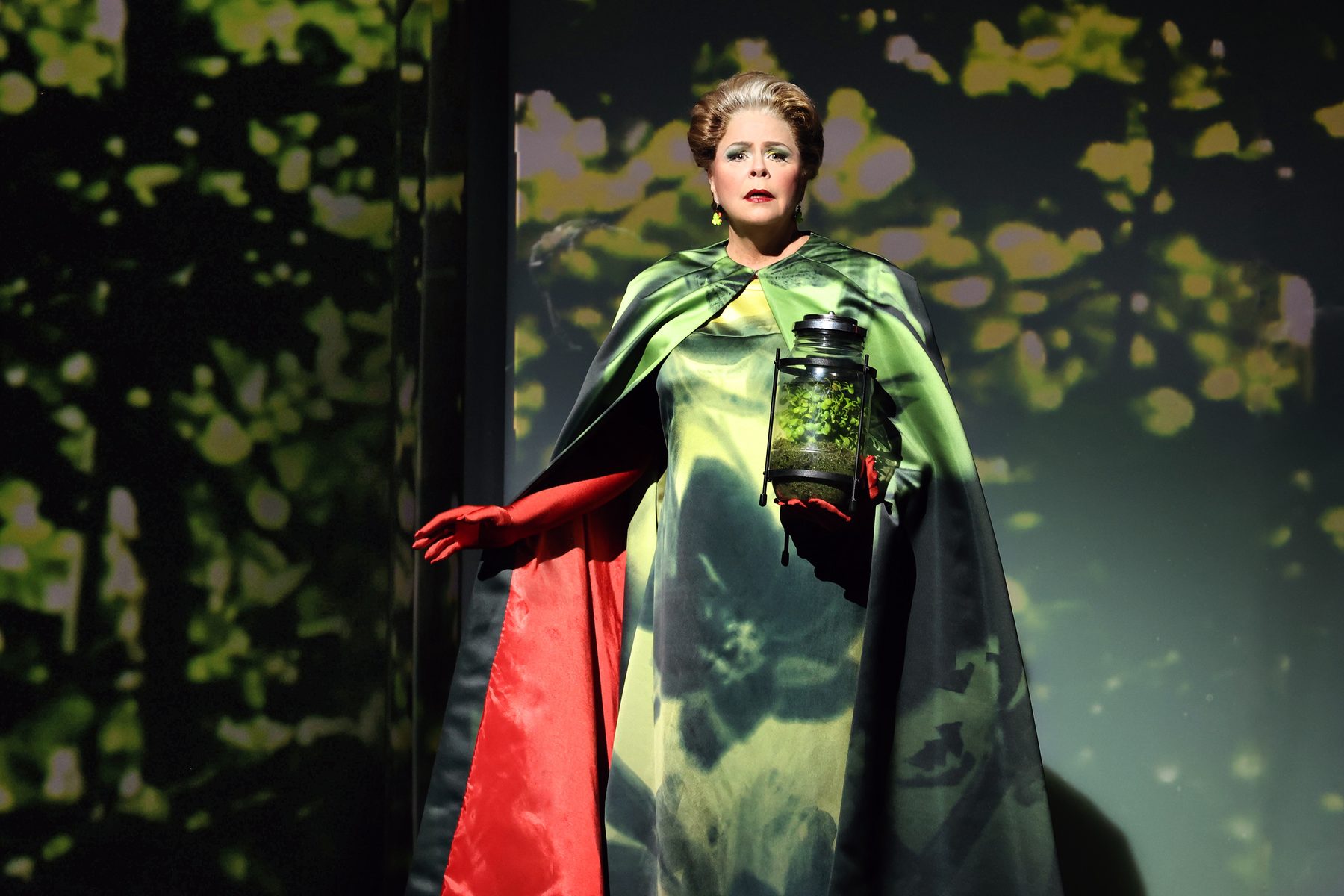
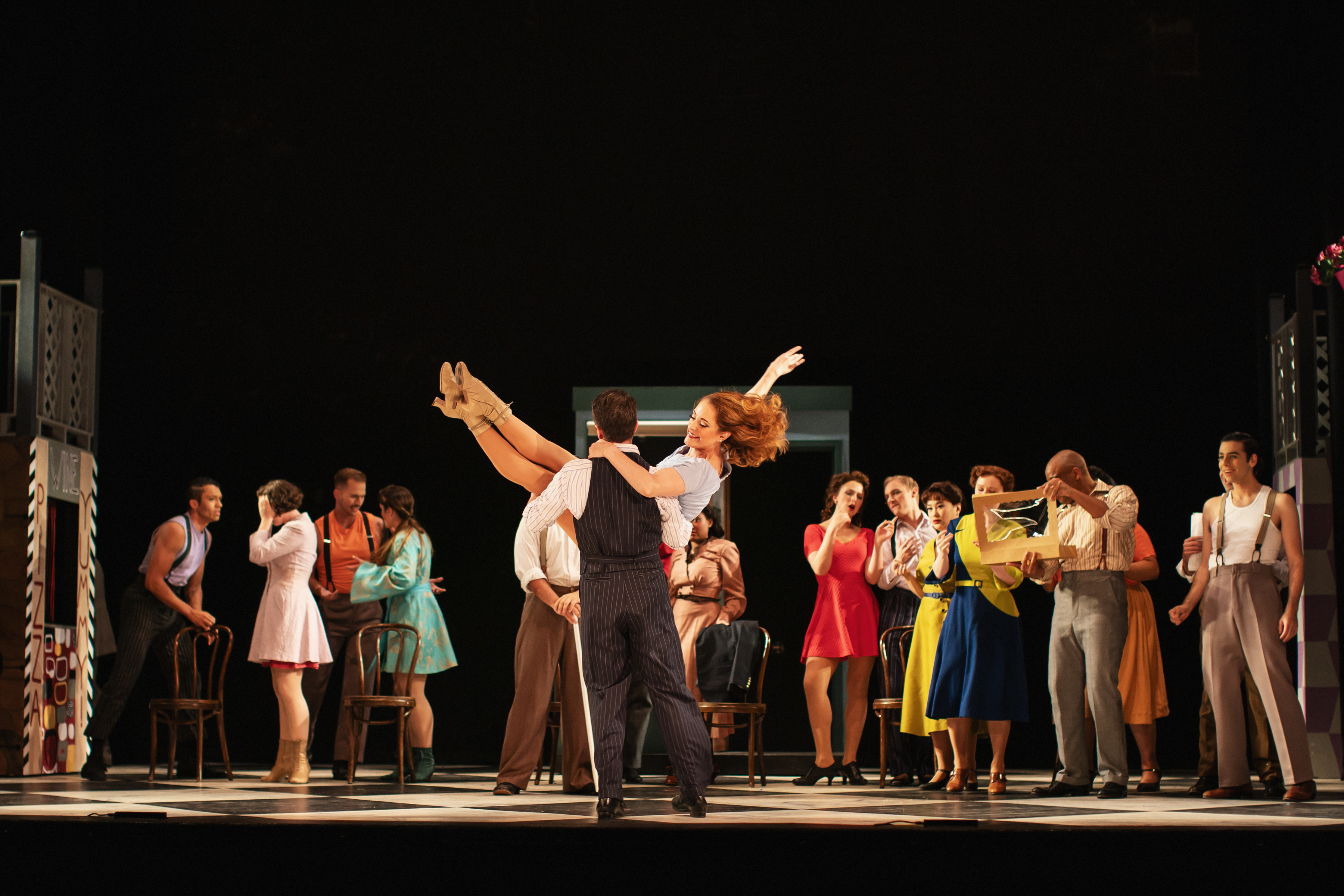
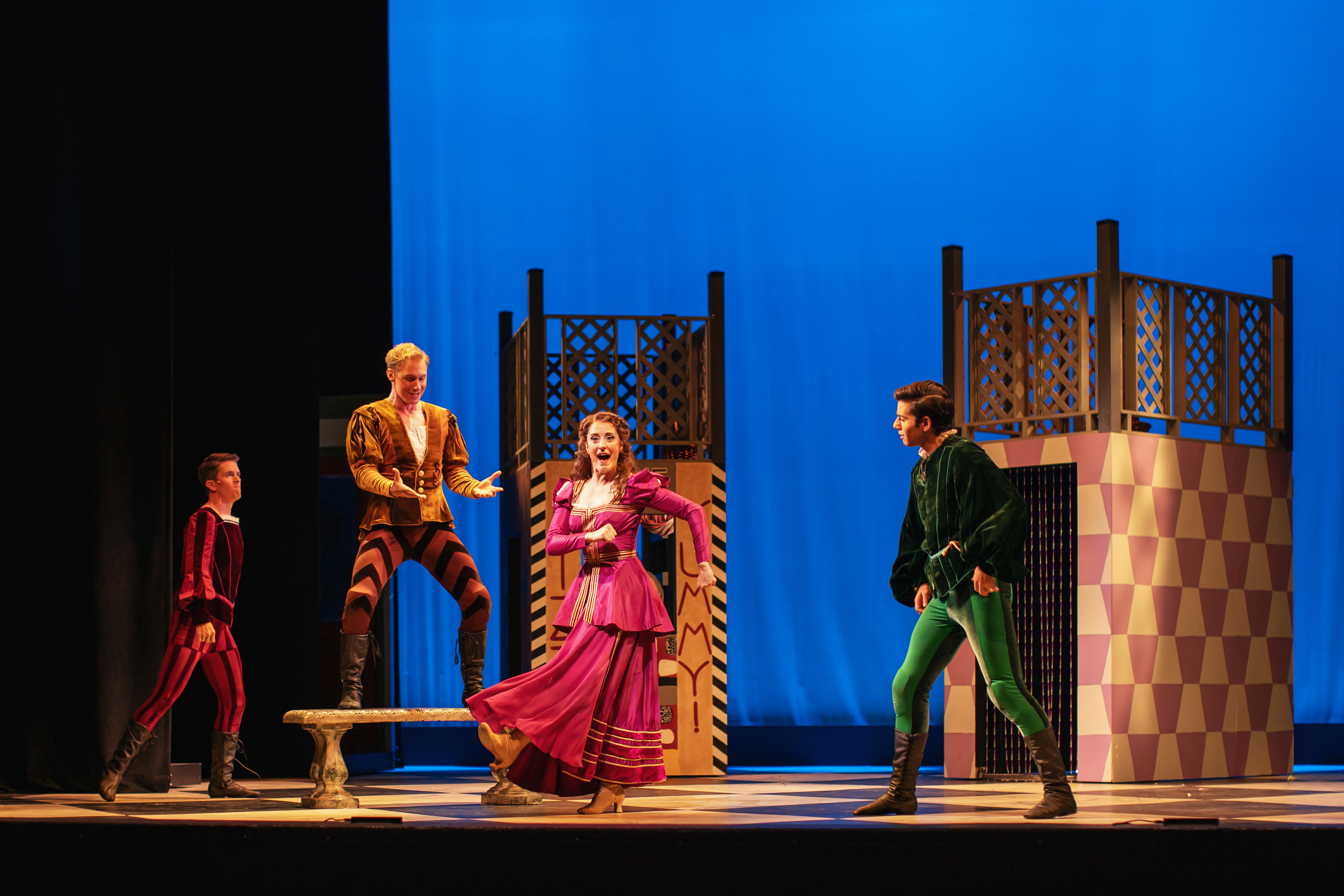
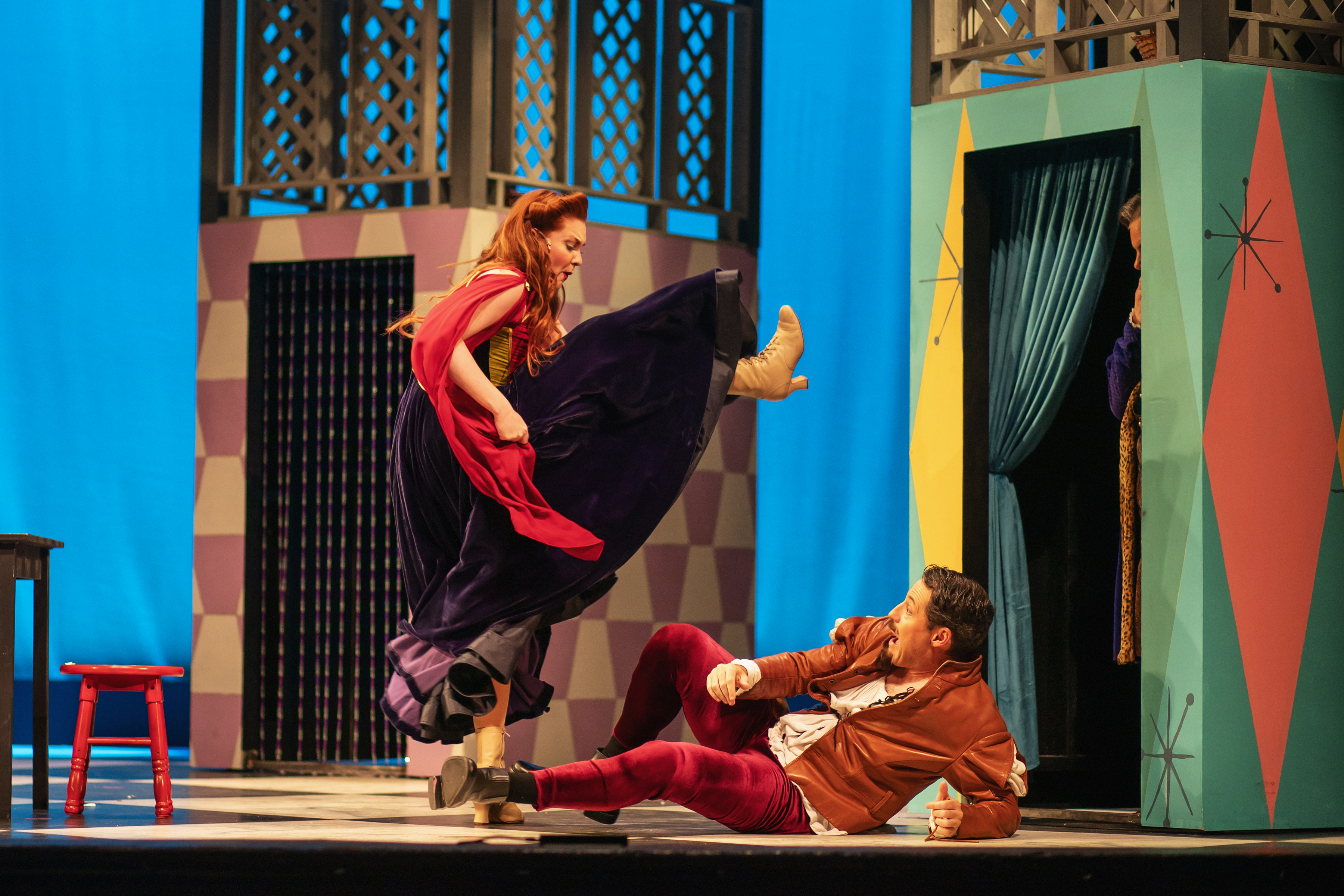
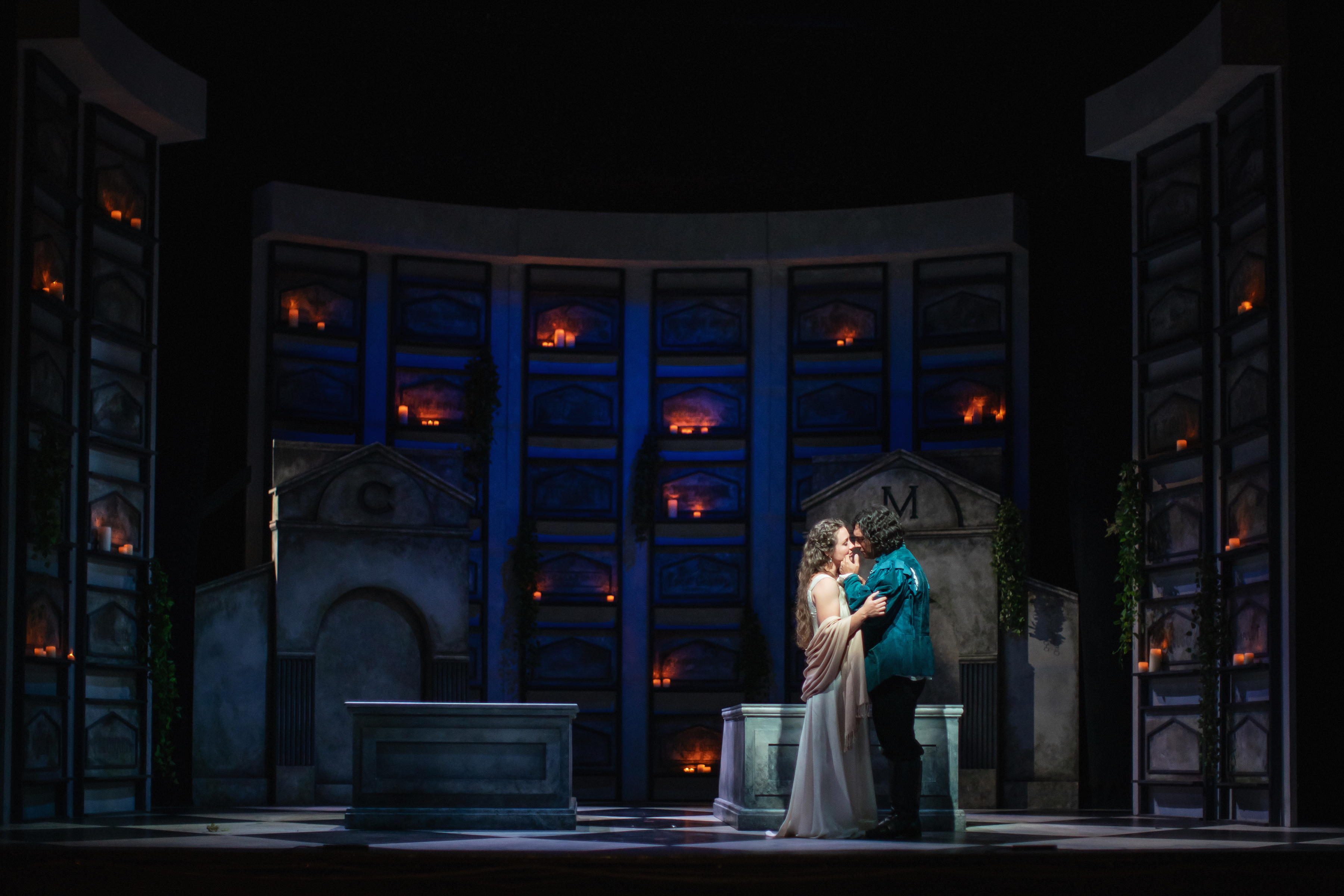
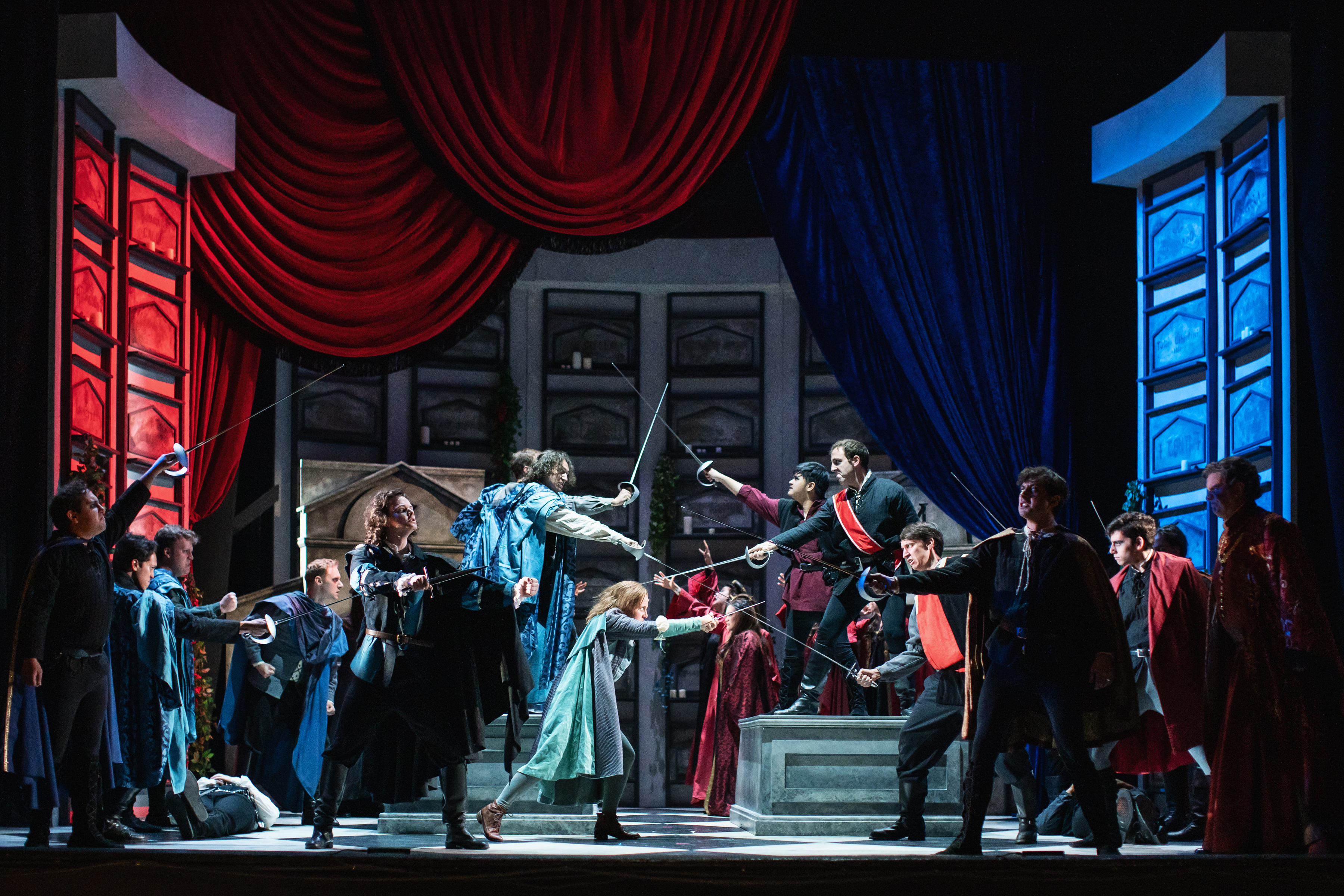
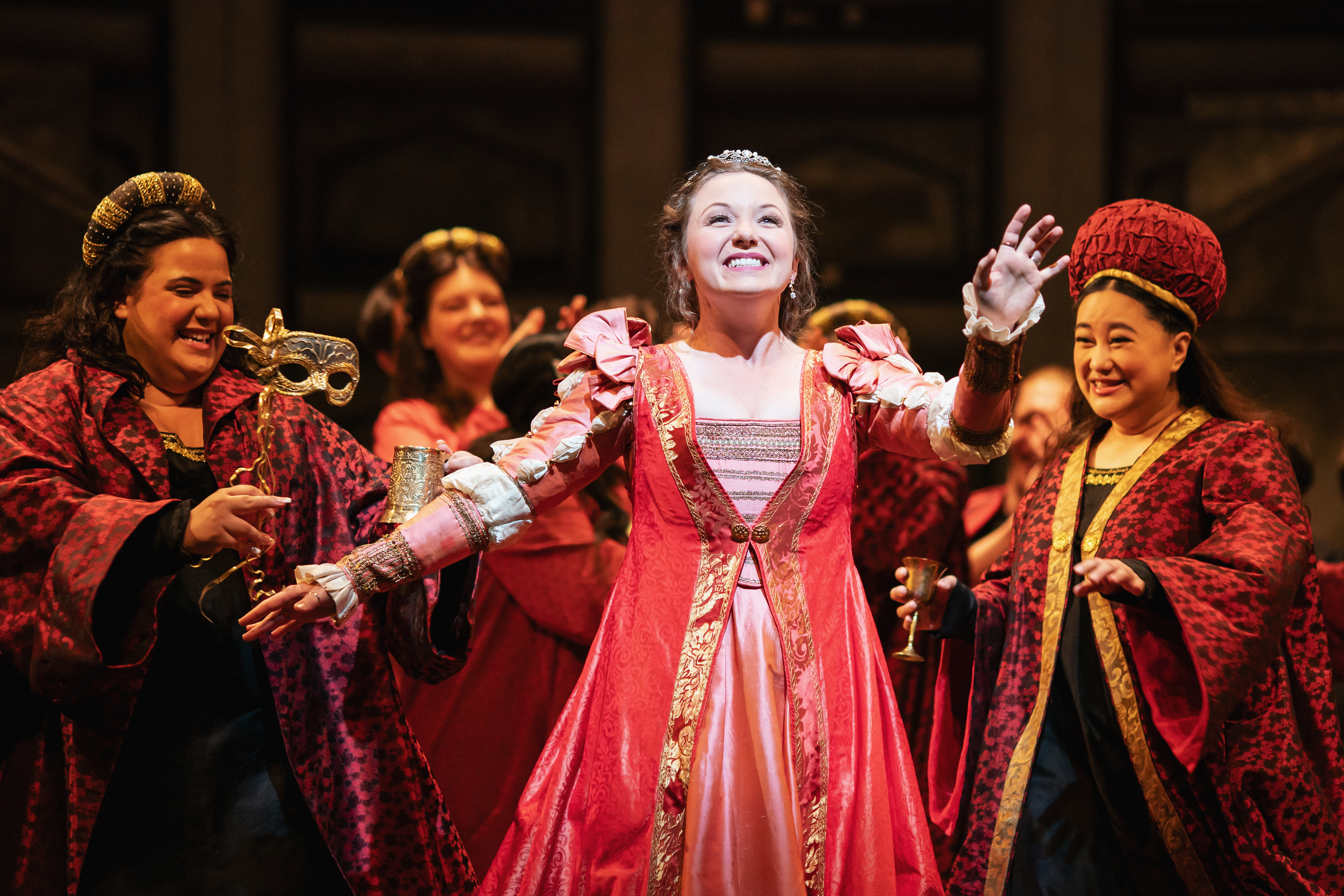
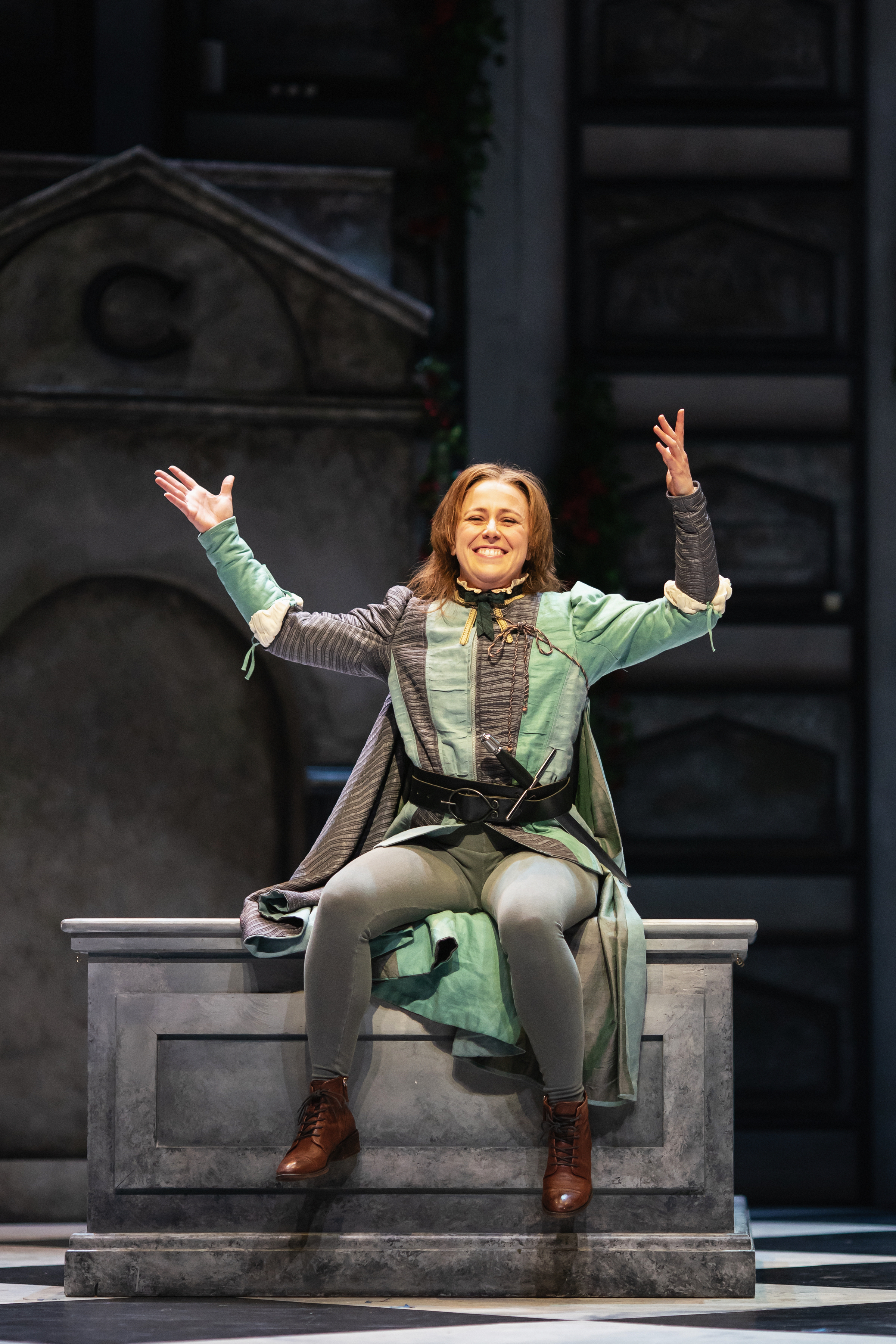
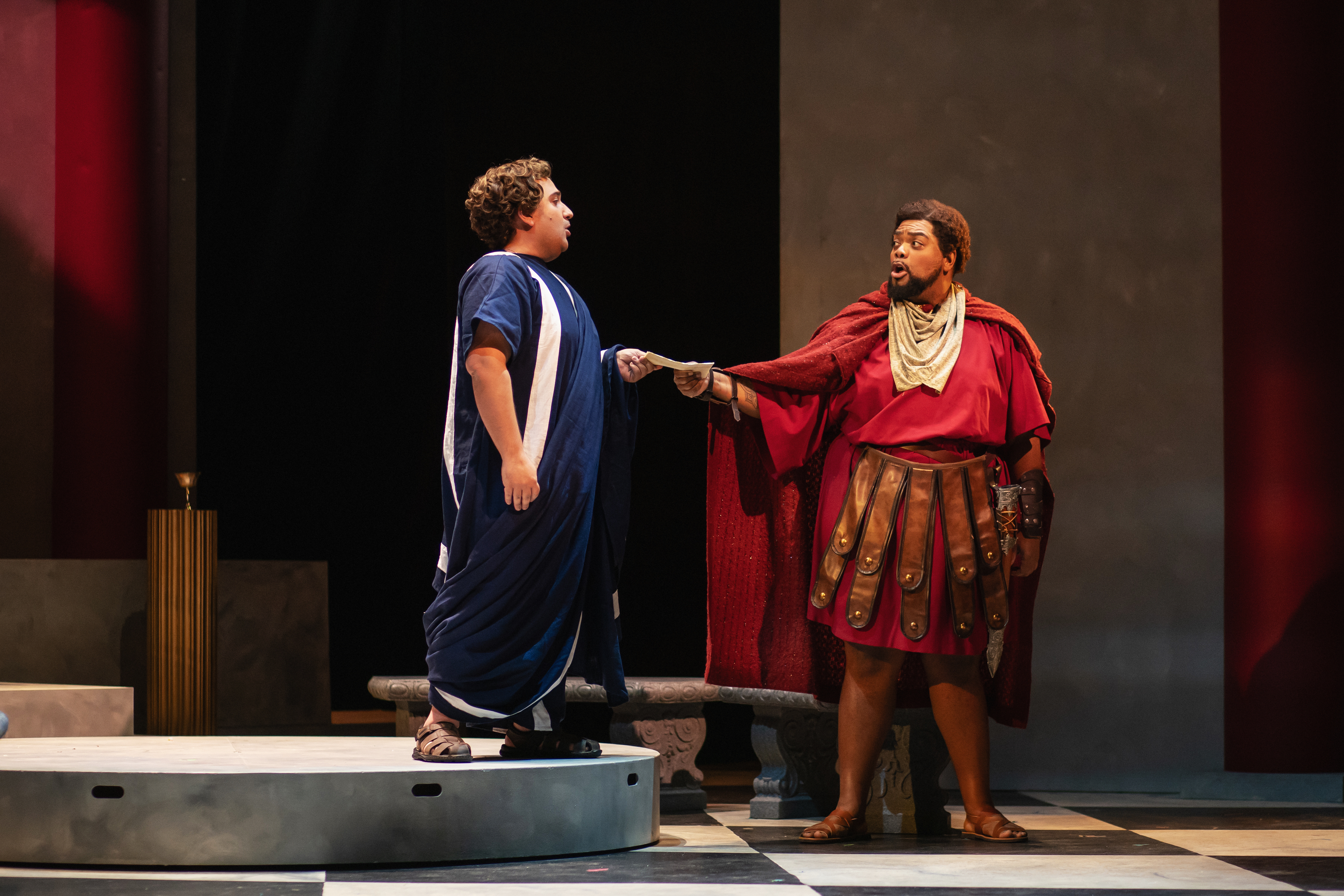
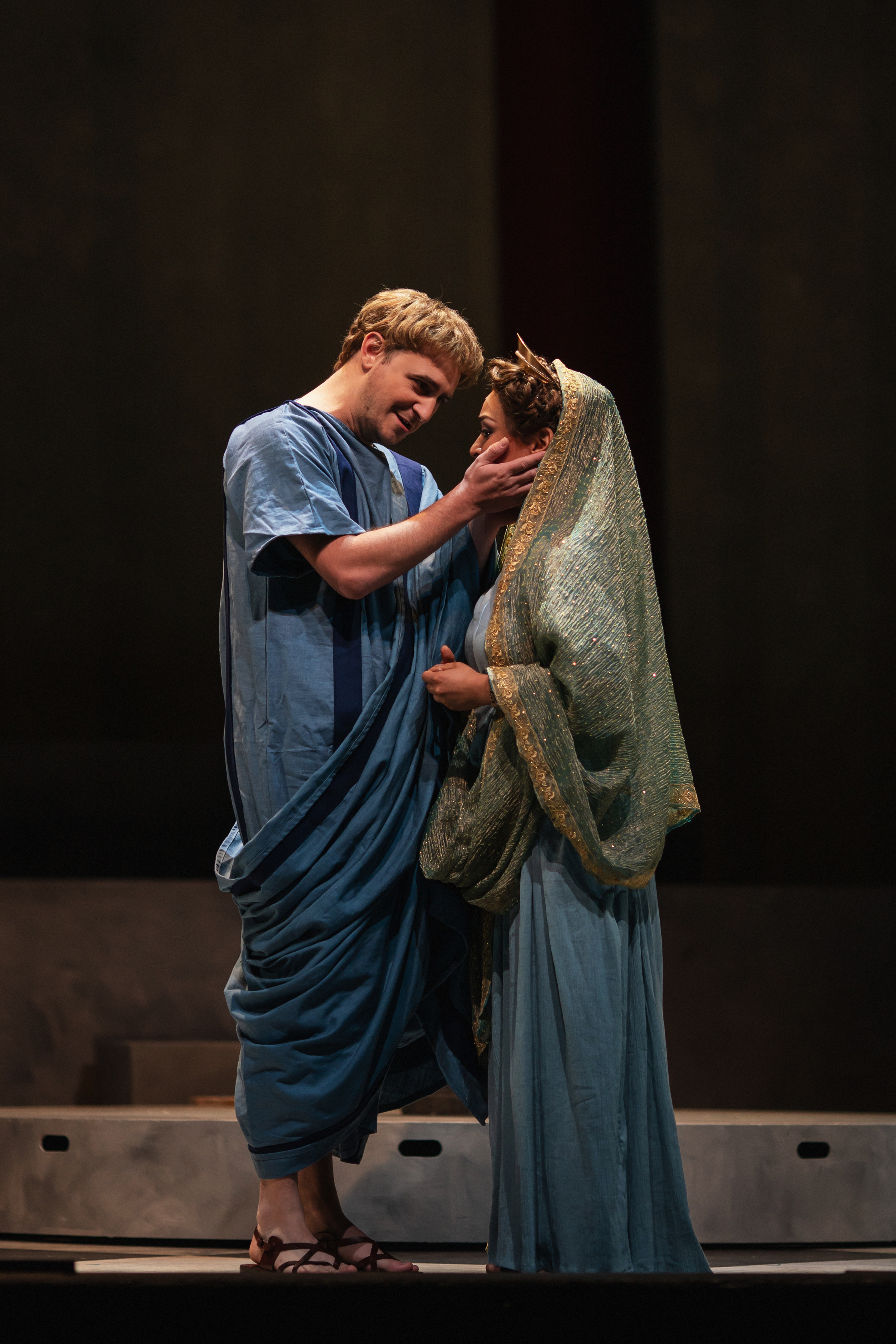
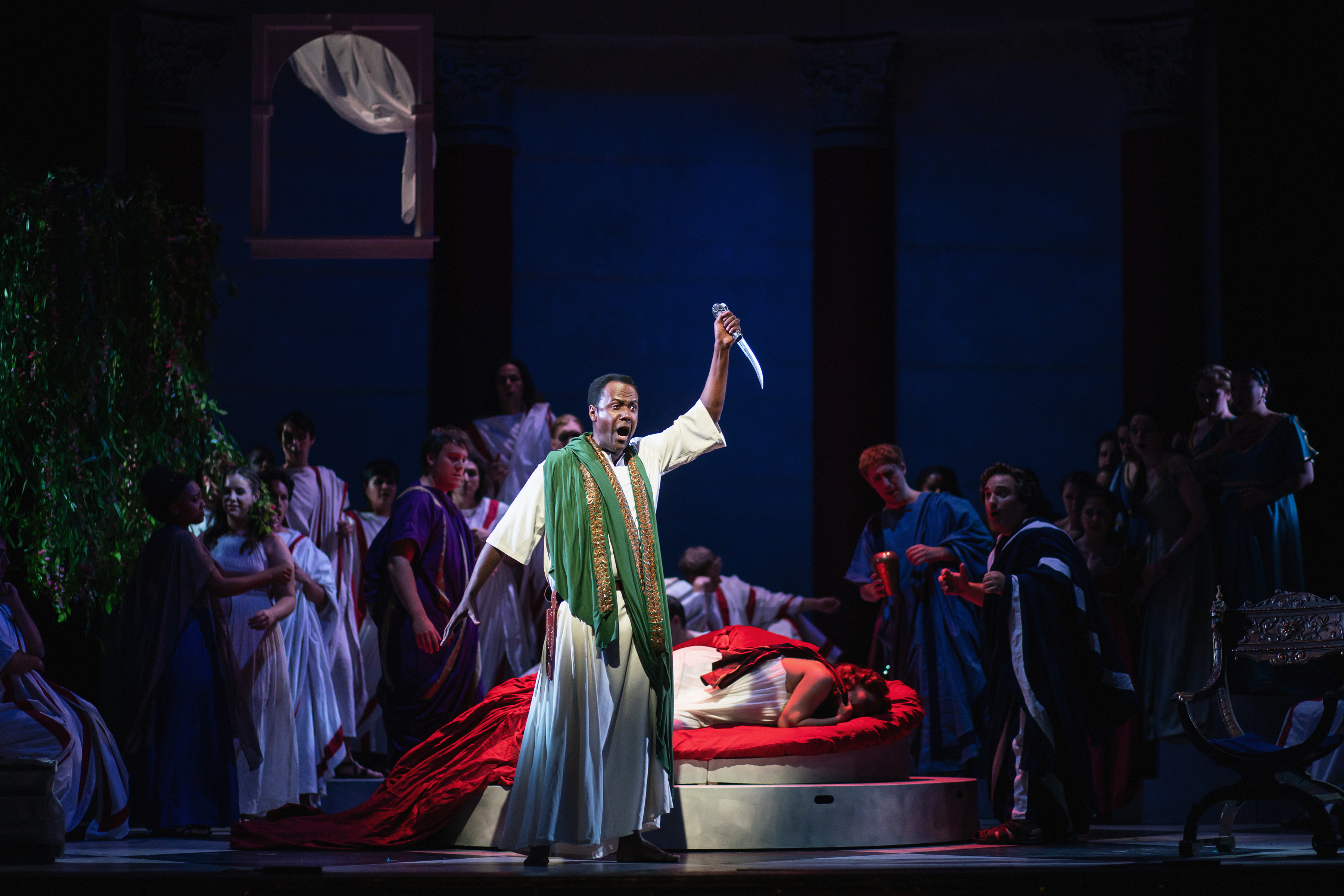
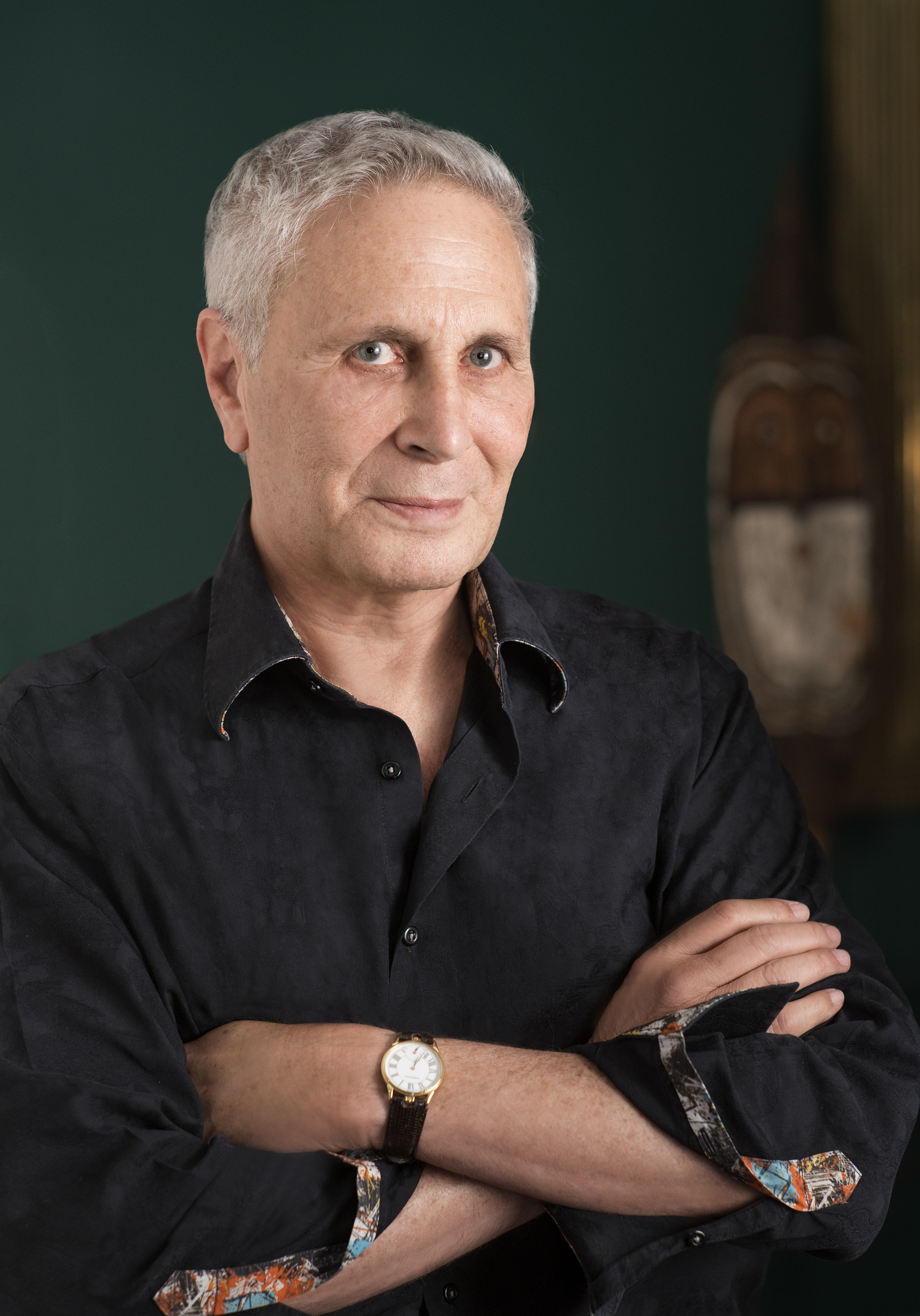
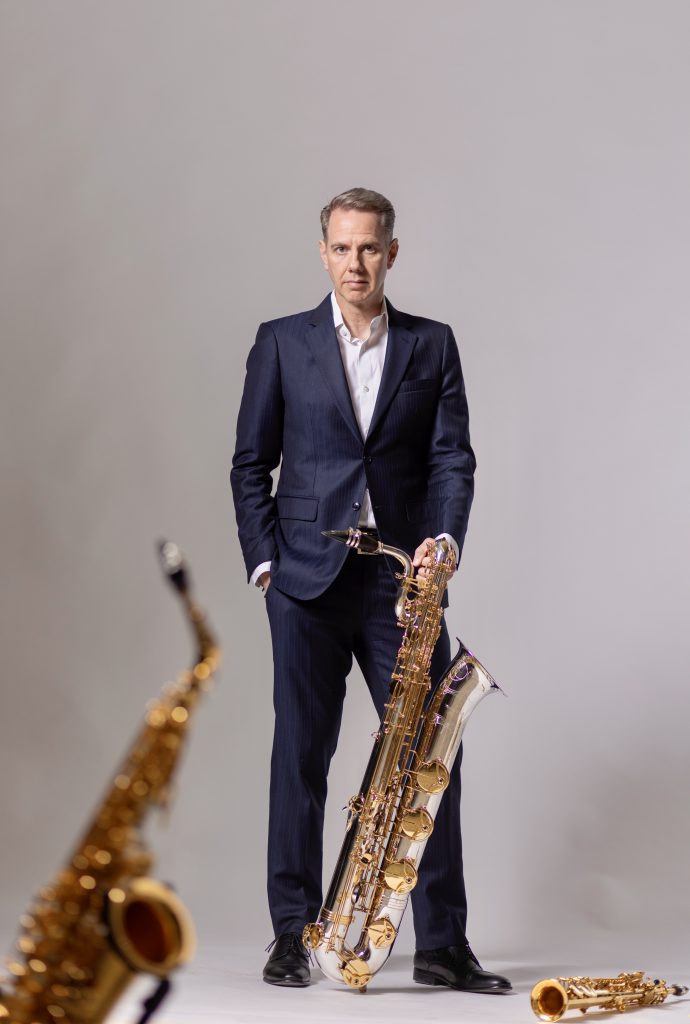
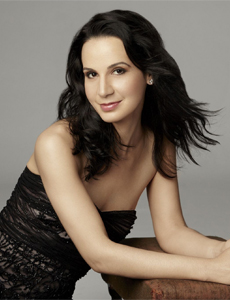
 Sharps & Flatirons