
Boulder Bach’s CORE and the Takács Quartet fill the weekend
By Peter Alexander March 5 at 5:20 p.m.
COmpass REsonance (CORE), a string ensemble that began as the resident Baroque orchestra of the Boulder Bach Festival, will present a program of music by four women composers of the Baroque era on Saturday (4 p.m. March 8; details below).
Titled “The Feminine Divine,” the program features works by Barbara Strozzi (1619–1677), Elisabeth Jacquet de la Guerre (1665–1729), Francesca Caccini (1587–1641?), and Isabella Leonarda (1620–1704). The performance will be directed by Zachary Carrettin and feature soprano Sarah Moyer and mezzo-soprano Claire McCahan.
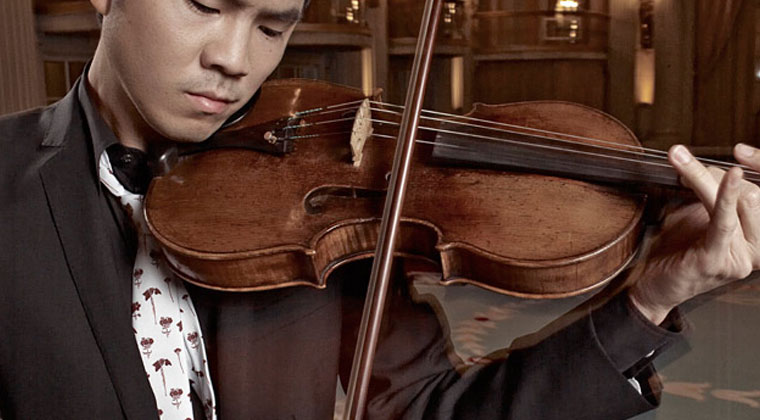
Other guest artists will be Minneapolis-based harpsichordist Tami Morse and cellist Joseph Howe, performing with members of CORE. Carrettin will perform as violinist.
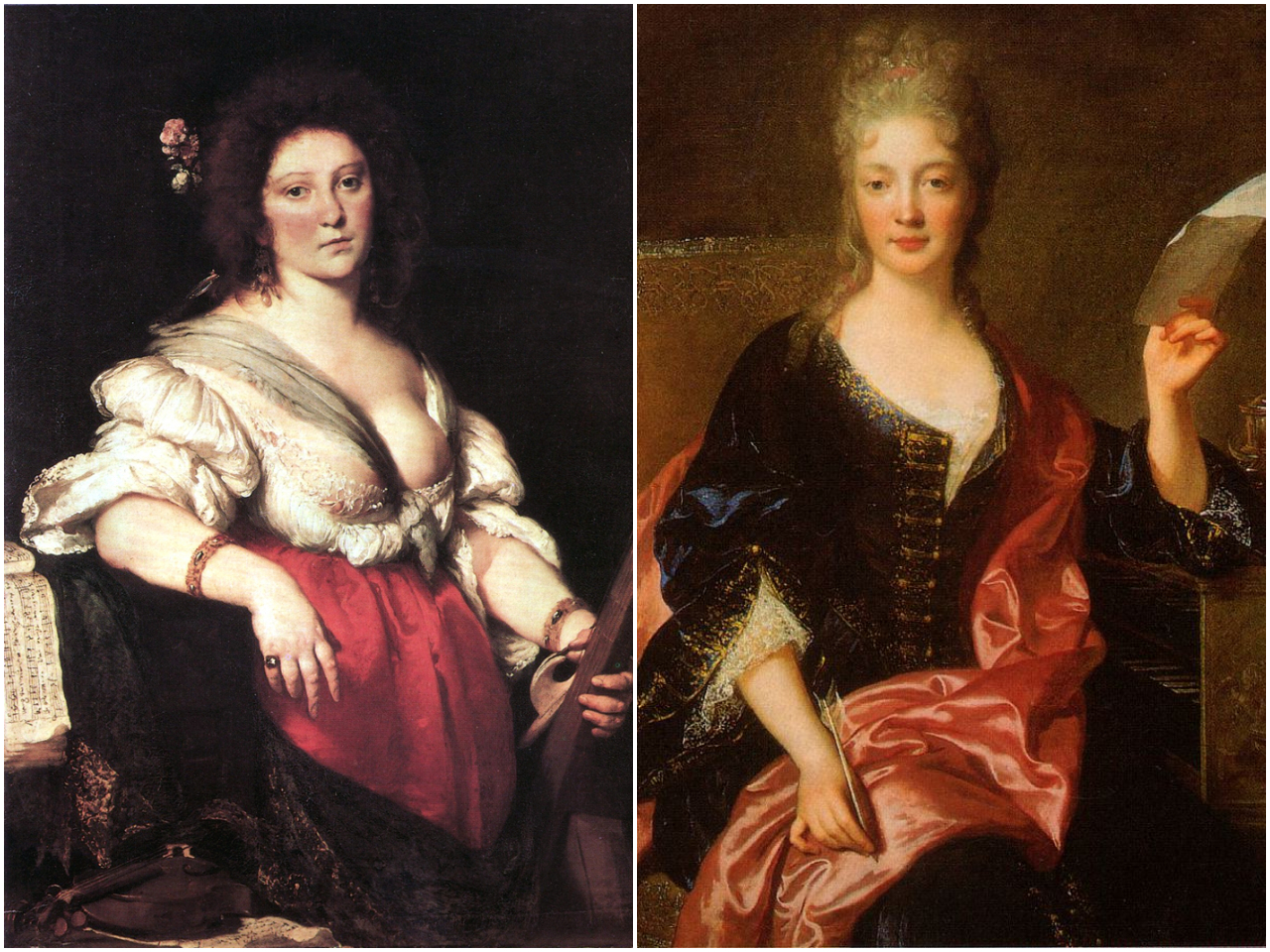
The most renowned composer on the program, Strozzi published eight volumes of music during her lifetime, and at one point had more secular music in print than anyone else in Europe. She accomplished this as an independent artist, without the usual aristocratic support that most musicians of her era depended upon.
Strozzi first came to prominence as a singer, having been recognized for her virtuosity in her teens. Her first volumes of published music, titled Bizzarrie poetiche (poetic oddities), appeared before she turned 20. Although she dedicated her volumes of published music—all but one using secular texts—to prominent members of the nobility, she never received regular patronage from any of them.
Jacquet de la Guerre came from a family of musicians and instrument makers. An accomplished harpsichordist who performed at the French court of Louis XIV, she composed vocal music, including dramatic cantatas and songs, as well suites for harpsichord and sonatas for violin and harpsichord.
Francesca Caccini was the daughter of the important composer of early operas, Giulio Caccini. She spent most of her life in service to the Medici Court in Florence. Most of her music has disappeared, including several staged works written for the court. Today she is remembered as the first woman to write an opera, and for a collection of solo songs and duets with basso continuo.
The least known of the four women composers, Leonarda spent most of her life in an Ursuline convent in Novara, Italy. While living in the convent she wrote about 200 compositions, including vocal motets, and instrumental sonatas that are notable for their unusual structure of as many as 13 separate movements.
# # # # #
“The Feminine Divine”
Compass Resonance Ensemble (“CORE”)
Zachary Carrettinn, director and violin; Tami Morse, harpsichord; and Joseph Howe, cello
With Sarah Moyer, soprano, and Claire McCahan, mezzo-soprano
Music by Barbara Strozzi, Elisabeth Jacquet de la Guerre, Francesca Caccini, and Isabella Leonarda
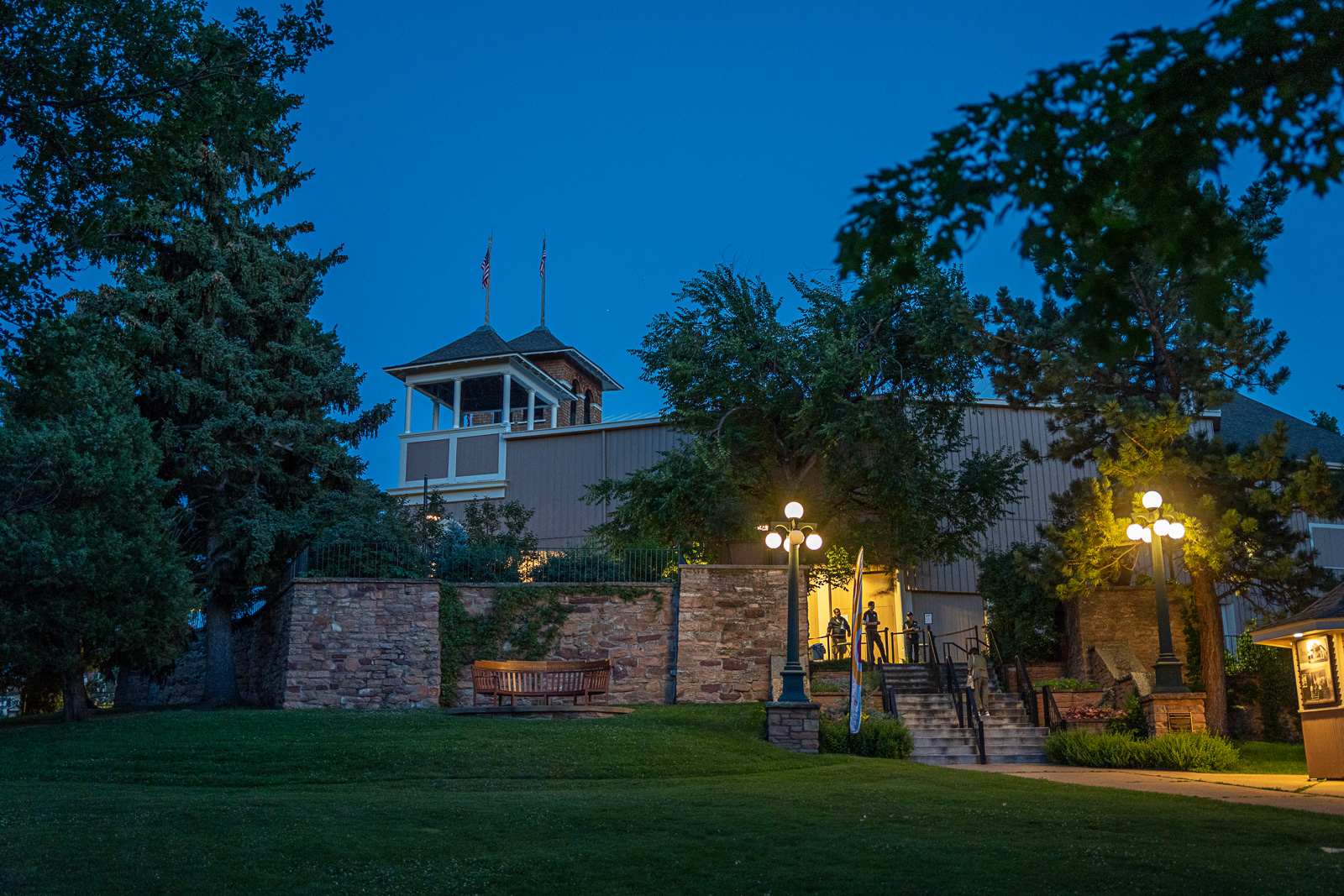
4 p.m. Saturday, March Dairy Arts Center
# # # # #
The world renowned Takács Quartet, comprising artists in residence and Christoffersen Fellows at CU-Boulder, is currently celebrating its 50th anniversary year.
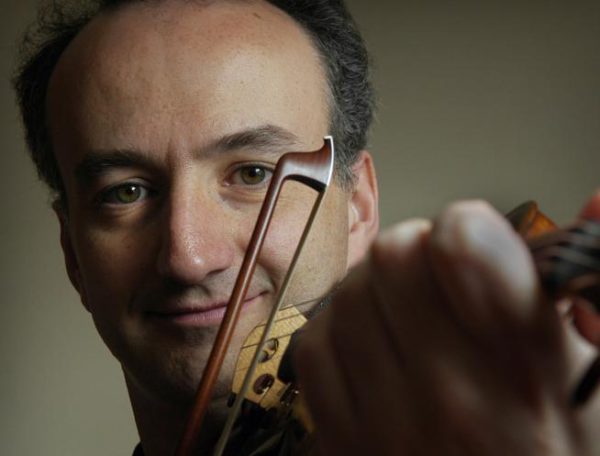
Between teaching duties and an international touring schedule, they will present one of their campus concerts Sunday and Monday in Grusin Music Hall (March 9 and 10; details below). After 50 years, one of the original members of the Takács still plays with the quartet, cellist András Fejér. Currently performing with him are violinists Edward Dusinberre and Harumi Rhodes, and violist Richard O’Neill.
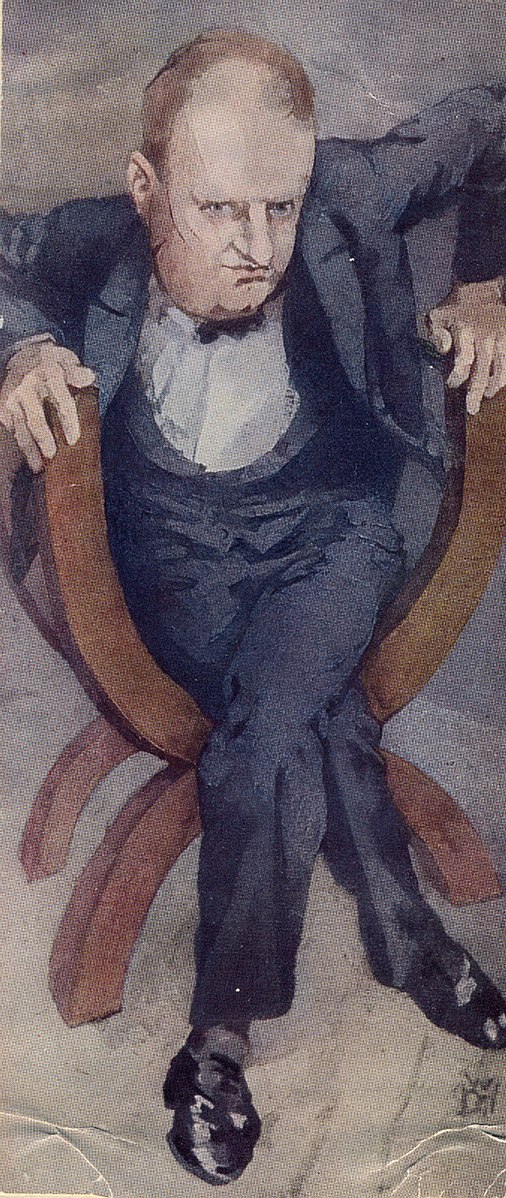
Joining them for the March program, soprano and CU music faculty member Jennifer Bird-Arvidsson will perform Hindemith’s Four Songs, Melancholie, with the quartet. Bartók’s String Quartet No. 3 and Beethoven’s String Quartet in F major, op. 135, complete the program.
Hindemith served as a German soldier in the trenches near the end of Word War I. After the war he set four poems from a book by Christian Morgenstern titled Melancholie. The poems and the music reflect Hindemith’s feelings in the years after war, when he wrote to a friend “Everything is dreary and empty. I am deathly sad.” Hindemith dedicated Melancholie, one of his earliest and least known works, to a friend who died in the war.
As the last of his string quartets, Beethoven’s op. 135 comes from the opposite end of the composer’s life from Hindemith’s songs, and stands opposite to them in mood. Surprisingly one of Beethoven’s most cheerful and straightforward works—coming after other late quartets that explore unusual musical forms complex musical styles—Op. 135 shows the standard four movement layout for quartets, symphonies and other works.
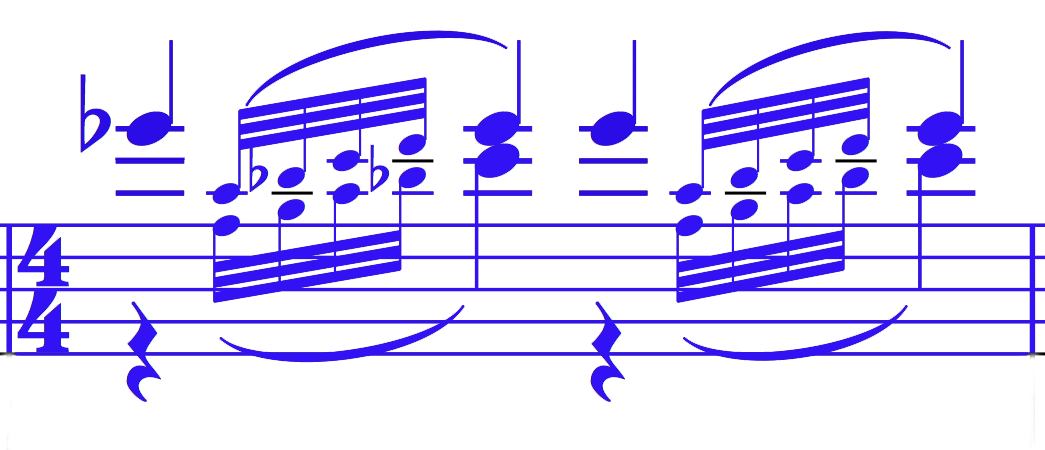
Beethoven wrote to his publisher that this would be his last quartet, and headed the last movement “Der schwer gefasste Entschluss” (the difficult decision), suggesting that it was hard to give up a genre that he had explored throughout his life. Below that written title, the movement begins with three three-note motives that form its major themes. Under the musical notes, Beethoven wrote “Muss es seen? Es muss sein! Es muss sein!” (Must it be? It must be! It must be!)
The central piece on the program is Bartók, whose music has also played a central role in the 50-year history of the Takács Quartet, founded by four Hungarian string students. They have recorded the full set of six quartets twice and performed them frequently on tour. The shortest of Bartok’s quartets, the Third has a single movement divided into four parts that do, and don’t, recall the standard four-movement structure.
# # # # #
Takács Quartet
With Jennifer Bird-Arvidsson, soprano
- Paul Hindemith: “Melancholie,” Four Songs, op. 13
- Bartók: String Quartet No. 3
- Beethoven: String Quartet in F Major, op. 135
4 p.m. Sunday, March 9
7:30 p.m. Monday, March 10
Grusin Music Hall
In-person and streaming tickets available HERE.




 Sharps & Flatirons