A ‘welcoming opening night’ and a birthday at the 2023 Colorado Music Festival

Opening weeks: Joshua Bell plays Bruch, Rachmaninoff turns 150

By Peter Alexander Jun. 27 at 11:25 p.m.
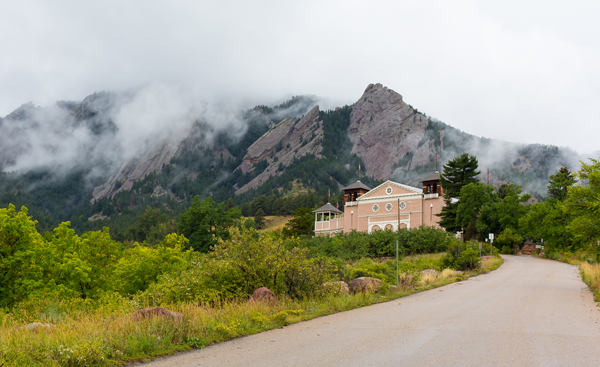
Chautauqua Auditorium

The 2023 Colorado Music Festival (CMF) gets under way at the Chautauqua Auditorium Thursday with what music director Peter Oundjian calls “a very welcoming kind of opening night” (7:30 p.m. June 29; details below).
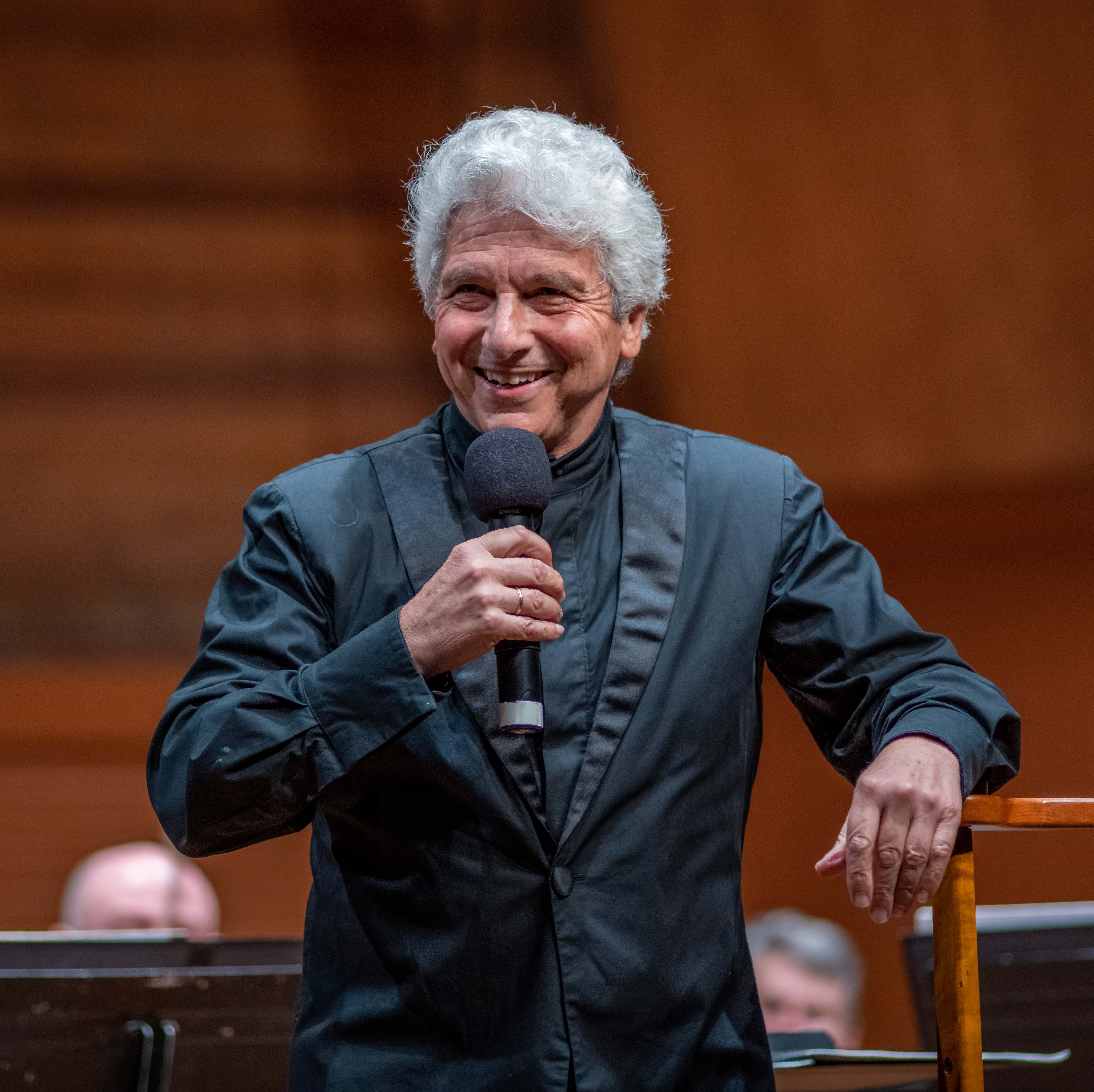
Peter Oundjian. Photo by Geremy Kornreich

By welcoming, Oundjian probably means comfortable for the audience. Or as he says, “you don’t want to do something too insanely eclectic on the opening night.” And indeed opening night is only a little bit eclectic, with a new piece by American composer Carlos Simon nestled with superstar violinist Joshua Bell playing Max Bruch’s G minor Violin Concerto and Mussorgsky’s evergreen favorite Pictures at an Exhibition in the familiar Ravel orchestral arrangement.

That program will be repeated at 6:30 p.m. Friday. Other events in the opening weeks of the festival are a family concert featuring Peter and the Wolf at 10:30 a.m. Sunday, July 2; and a celebration of the 150th anniversary of Rachmaninoff’s birth Thursday and Friday July 6 and 7, and Sunday, July 9 (times and programs below).

As the 2023 CMF artist in residence, Bell will be featured for the opening night concert, June 29–30; and at the closing two concerts, Aug. 3 and 6, when he will play a pre-premiere read-through of a suite for violin and  orchestra that he commissioned from five prominent American composers. While the later concerts explore Bell’s involvement in the music of our time, the opening night performance of the Bruch Concerto showcases his ability with Romantic music.
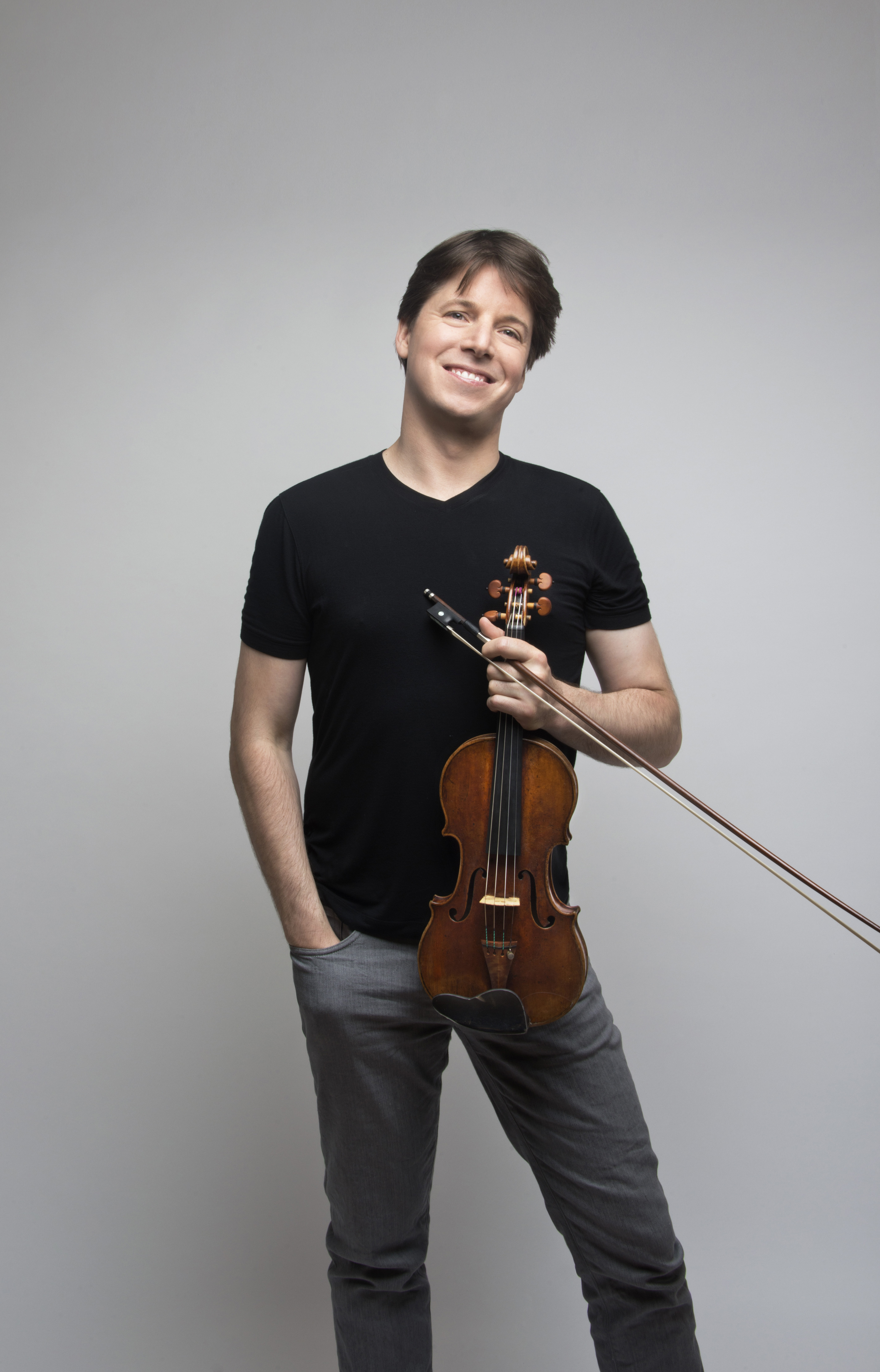
Joshua Bell. Photo by Phillip Knott

Oundjian has known Bell since he was 14 and values that ability. “He has always had this rare sort of skill, looking back to when people played in a Romantic fashion, with the repertoire that calls for it,” he says. Bell studied with legendary Russian-American violinist Josef Gingold, who was born in 1907 in Brest-Litovsk in what was then the Russian empire and who is considered one of the last links to the Romantic violin style.

“It was a beautiful old-school approach to the playing and the sound production,” Oundjian says of Gingold’s teaching. “The sound, the expressive fingering, finding a way to express like a singer would—that’s what’s so wonderful about Bell’s playing. He’s like a great singer.”

Bell has been unusually successful in the transition from prodigy at 14, and before, to a successful adult artist. “He’s very, very focused,” Oundjian says. “He’s very disciplined in terms of what his goals need to be, very clear I think in his career.”

The Bruch Concerto, written in 1866, is an ideal vehicle for the Romantic style that Bell represents. “It just never stops being stunningly beautiful,” Oundjian says. As for the rest of the opening program, “Carlos Simon is a great way to open it all up—it has drive and it’s surprising and it’s brand new.” And it’s programmed with Pictures at an Exhibition—”one of the most exciting orchestral pieces ever written.”
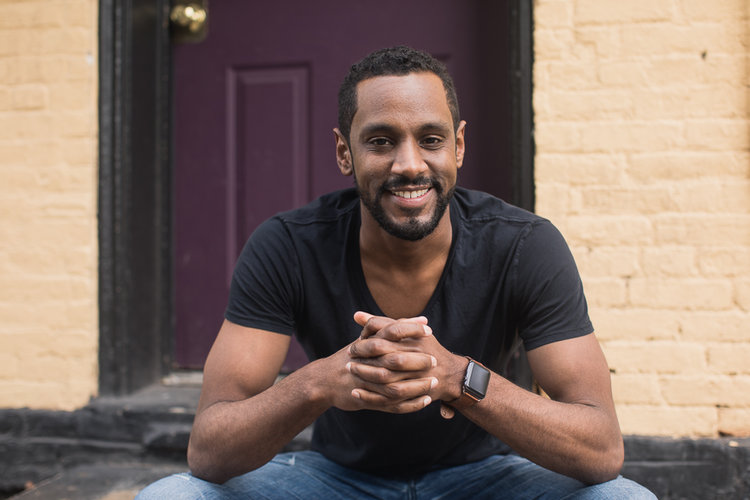
Carlos Simon. Photo by Terrance Ragland

Simon is currently composer in residence at the John F. Kennedy Center for the Performing Arts in Washington, D.C., and faculty at Georgetown University. He received the 2021 Medal of Excellence recognizing outstanding classical Black and Latinx musicians from the Sphinx Organization, which also commissioned Motherboxx Connection. The title is derived from the work of the cartoonist duo known as Black Kirby, which in turn is a pun on pioneering cartoonist Jack Kirby’s motherbox, a living computer.

Simon writes in his program notes, “To represent the power and intelligence of the motherboxx, I have composed a short, fast-moving musical idea that constantly weaves in and throughout the orchestra. A majestic, fanfare-like motif also provides the overall mood of strength and heroism. I imagine the motherboxx as an all-knowing entity that is aware of the multi-faceted aspects of blackness.”

For the second week of the festival, Oundjian put together programs that recognize the 150th anniversary of the birth of the great Russian composer Sergei Rachmaninoff. Two different programs will be shared over three concerts, July 6–7 and July 9. “The idea of celebrating the 150th birthday is completely obvious,” Oundjian says. “But what was less obvious was how to celebrate this.”

He thought of two things he could bring to American audiences that they might not know. First was that Rachmaninoff lived in the U.S. many years and eventually gained American citizenship; and the second was the playing of Russian pianist Nicolai Lugansky.

“What I decided was to focus on the great orchestral music, which included piano concertos created or premiered in America,” Oundjian explains. “It felt important for everyone to realize that Rachmaninoff, yes he was of Russian descent, but he died in America. In fact he got his American citizenship just weeks before he died. I think it’s important that we realize that this was his country. And this was where he found the most success and, I wouldn’t say happiness, but lack of unhappiness, more like.”

Those American works include familiar audience favorites—the Third Piano Concerto and the Rhapsody on a Theme of Paganini—but also works that are not well known but that Oundjian wants to bring to people’s attention.

“You have his magnificent Third Symphony which is not often played and I so love it, and the Third Piano Concerto, which was premiered by the New York Philharmonic,” he says. “And you have the other pieces written while he was living in America, the Symphonic Dances, which is an absolute masterpiece, and the Fourth Piano Concerto, which you never hear and is stunningly beautiful and the Paganini Variations which we all know and love.

“It just seemed to make up a beautiful week of celebration of Rachmaninoff in America.”
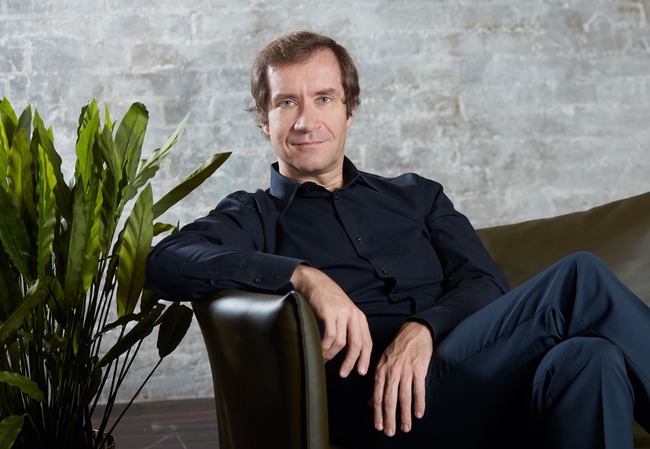
Nikolai Lugansky

For the concertos, Oundjian chose a pianist he has worked with in the past, but who is not well known in the U.S. “Nikolai Luganski is not well known in America, which is a reason that I thought it would be wonderful to bring him here. People should know about him.

“He plays the Rachmaninoff concerti in a style which is in line with the character and the true soul of Rachmaninoff. Rachmaninoff’s music shouldn’t be overzealously expressed, and Luganski’s playing is so powerful, it’s so spiritual—and (he has) a unique approach to Rachmaninoff that has a purity about it that I wanted to emphasize, because Rachmaninoff was a profoundly sensitive person.”

Oundjian is as pleased with the rest of the scheduled festival as he is with the opening concerts. “I was very fortunate that almost everything that we wanted to present became a reality—which is not always the case,” he says.

“People were available, and wanted to do the repertoire, so it came into place quite smoothly.”

NOTE: The remainder of the 2023 Colorado Music Festival will be previewed in subsequent articles.

# # # # #

COLORADO MUSIC FESTIVAL
Performances June 29–July 9
All performances at Chautauqua Auditorium
7:30 p.m. Thursday June 29 and 6:30 p.m. Friday, June 30: Festival Opening Program
Festival Orchestra, Peter Oundjian, conductor
With Joshua Bell, violin

  • Carlos Simon: “Motherboxx Connection” from Tales: A Folklore Symphony for orchestra
  • Max Bruch: Violin Concerto No. 1 in G minor
  • Mussorgsky: Pictures at an Exhibition (orchestrated by Ravel)      

Family Concert: 10:30 a.m. Sunday, July 2
Festival Orchestra, Kalena Bovell, conductor
With Jennifer Bird-Arvidsson, soprano, and Janae Burris, narrator

  • Bizet: Carmen Suite No. 1
  • Eric Whitacre: Goodnight Moon
  • Samuel Coleridge-Taylor: “Danse Nègre” from African Suite
  • Prokofiev: Peter and the Wolf     

7:30 p.m. Thursday, July 6 and 6:30 p.m. Friday July 7
Festival Orchestra, Peter Oundjian, conductor
With Nicolai Lugansky, piano

  • Rachmaninoff: Piano Concerto No. 3 in D Minor
    —Symphony No. 3 in A Minor      

6:30 p.m. Sunday, July 9
Festival Orchestra, Peter Oundjian, conductor
With Nicolai Lugansky, piano

  • Rachmaninoff: Rhapsody on a Theme of Paganini
    —Piano Concerto No. 4 in G Minor
    Symphonic Dances
TICKETS

‘Brush up your Shakespeare’ at Central City Opera

2023 Summer Season features three mainstage adaptations of the Bard

By Peter Alexander June 22 at 11:57 a.m.

Central City Opera (CCO) returns to a three-production mainstage season this summer for the first time in more than 10 years with three musical works based on Shakespeare.

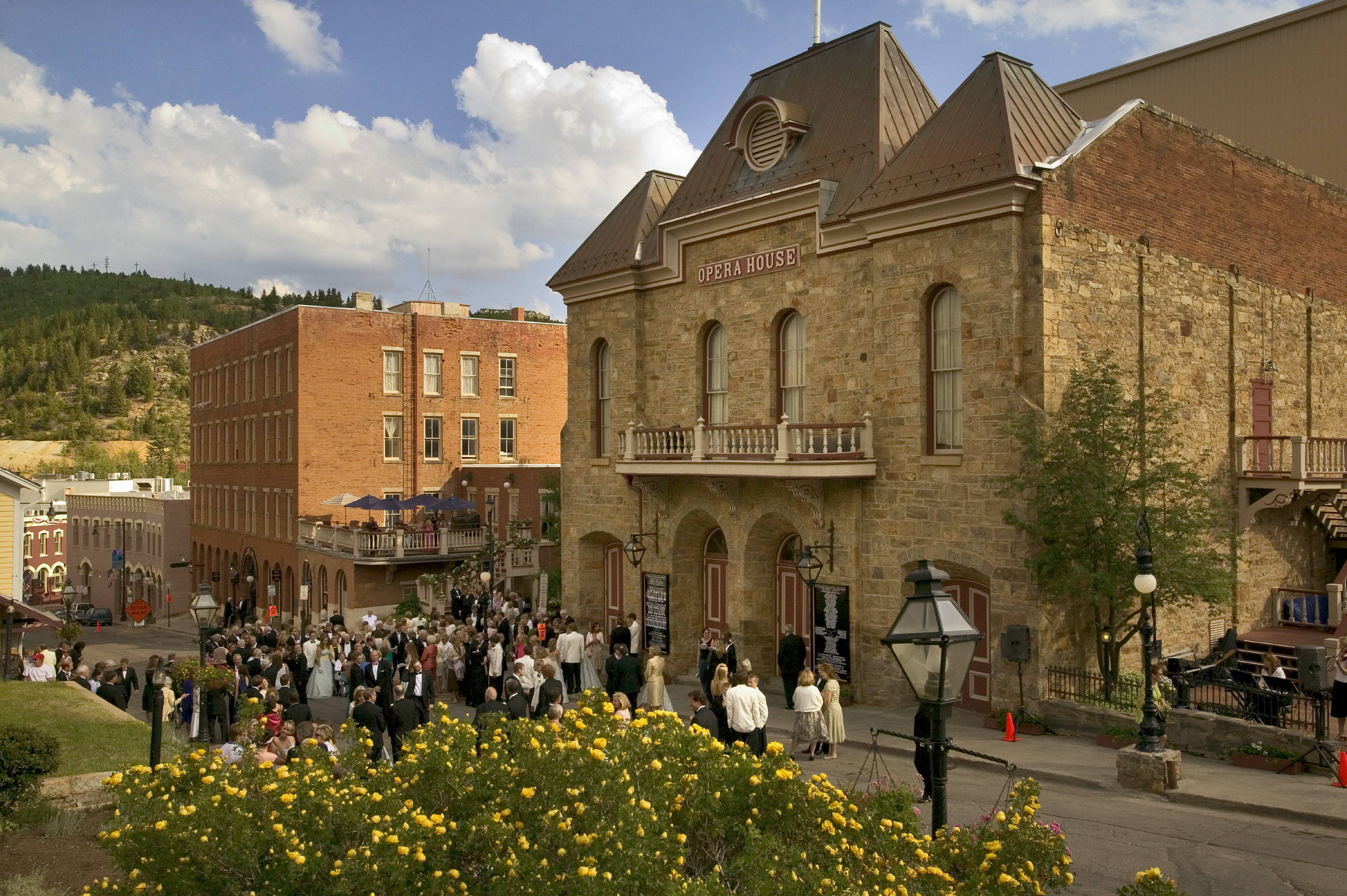
Opening Night at Central City Opera. Featured in Central City Opera’s 75th anniversary book, “Theatre of Dreams, The Glorious Central City Opera- Celebrating 75 Years.”

The 2023 Festival season runs from Saturday, June 24, until Sunday, Aug. 6, with the three works performed in rotating repertory (see full list of dates below). The three works are musical adaptation of Shakespeare’s Romeo and Juliet by French composer Charles Gounod, which stays close to the original plot in most respects (opens June 24); an opera by Rossini based on a French version of Othello that differs in significant ways from Shakespeare’s play (opens July 15); and Cole Porter’s Broadway hit Kiss Me, Kate, which uses Shakespeare’s Taming of the Shrew as a plot device in a broadly comic tale of feuding actors, interlocking love triangles and ruthless but luckless gangsters (opens July 1).

First to open is Gounod’s Roméo et Juliette, the closest of the three works to Shakespeare (performances June 24–Aug. 5). First performed in 1859, it was a huge success from the outset, with more than 300 performances over the next decade, and it remains popular today. This is largely due to the combination of a story that is familiar and much loved, and a beautifully written Romantic score.

“The music is fantastic!” director Dan Wallace Miller says. “Of all the adapted Shakespeare, its the one that fits the mold of French grand opera the best. It’s inherently French, and it has the sumptuous, flowing quality you expect.”

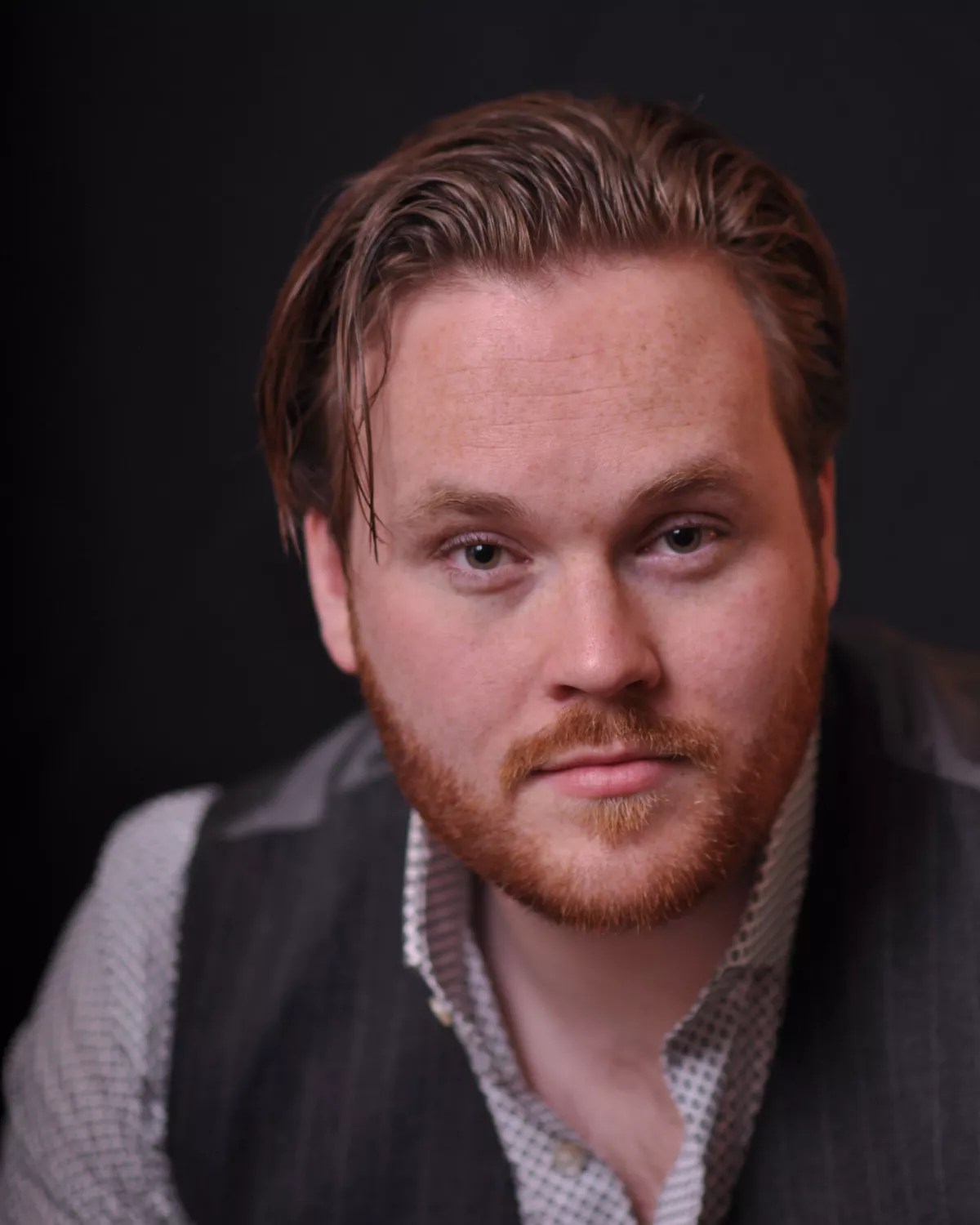
Dan Wallace Miller

The opera has most of the major plot points of the play—the hatred between Montagues and Capulets, the Capulets’ ball where Romeo and Juliet fall instantly in love, the balcony scene, the deaths of Mercutio and Tybalt, and the deaths of the lovers in Juliet’s tomb. There are only a few differences from the original, Miller says.

For one, the play opens with a scene that is missing in the opera, a brawl between the Montagues and Capulets that sets the tone for the violence between the two families. “The other huge difference,” Miller says, “is that because this is an opera, you gotta have the final duo!” Instead of Juliet waking up to find Romeo’s corpse and then stabbing herself, as in the play, Juliet wakes up as Romeo is not quite dead yet. Only after their duet does he die, and then she kills herself.

Taking inspiration from Wieland Wagner’s minimalist stagings at Bayreuth after World War II, the opera is played in a bare unit set that represents the inside of a mausoleum. Different locations are suggested by changes in lighting, by moss, and by flowers, but the setting also symbolizes the pointless hatred that turns all of Verona into a mausoleum.

“The idea is that the ghosts will keep reliving this tragic story up until the point where humanity itself has forgotten that any of these people ever existed,” Miller says. “The people involved in the conflict don’t know what instigated it in the first place, but it has resulted in centuries of blood and tragedy.”

Miller also stresses that Romeo and Juliet are both children—she is specifically not yet 14, and he is probably a little older. “They are adolescents,” he says. “They are not the platonic ideal of romance. Romeo goes to the Capulet ball, and the first woman he sees he falls in love with. The realization that Juliet is the daughter of his enemy is a further turn-on—lust spurred on by rebellion.”

A challenge to the performers is the contradiction between very young characters and music that requires seasoned professionals. “It’s about adolescent love, but my God it’s so difficult to sing,” Miller says. “It’s absolute fireworks!

“Both Ricardo Garcia and Madison Leonard, who are singing Romeo and Juliet, are just doing a phenomenal job. It is so endearing to see that spark of adolescent glee in every interaction they have.”

# # # # #

Kiss Me, Kate (performances July 1–26) was Cole Porter’s greatest success. It opened on Broadway in 1948 and ran for more than 1000 performances, followed by a London West End production in 1951, and several subsequent revivals up to 2019.

The show is about actors trying to mount a musical version of The Taming of the Shrew, in which different cast members have different stakes in the show. Producer/director/star Fred Graham needs a success in order to revive a floundering career; co-star and ex-wife Lilli Vanessi is engaged to the influential General Harrison Howell, but also caught between her genuine love for Fred and his arrogant mistreatment of her. Bill, the boyfriend of younger actress Lois Lane, is involved with gangsters who attempt to hold the production hostage for his debts.

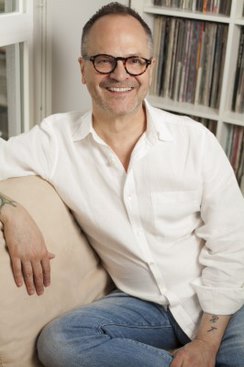
Ken Cazan

The entanglement of these different dilemmas creates lively theatrical humor. “The wit of (Kiss Me, Kate) is very sophisticated, acerbic, clever stuff,” stage director Ken Cazan says. “It’s amazing, the whole thing. But some of it’s dated. Something I have to deal with in 2023 is the misogyny that’s just through the roof.”

Cazan points to the original ending of the show, where Lois goes face down before Fred, as a sign of submission. He will talk to the cast and ask how they want to play that scene. “I think we’ll probably do a 180 from that,” he says. “I’m fascinated to talk to Emily (Brockway) and Johnathan (Hays), the two principals, and say, what happens after this?

“It’s up to them to perform it and I don’t want to force them into anything.” So if you want to know how this production turns out, you’ll have to see it!

In addition to the ending, the script is full of lines that are very troublesome in 2023—even the cheery tune sung by the gangsters, “Brush up your Shakespeare.” One line that is almost always changed today is when Lois sings to Bill, “Won’t you turn that new leaf over, So your baby can be your slave?” People from casual friends to CCO audience members to Pamela Pantos, managing director of Central City Opera, have told Cazan that they hate that line. It will be changed, he says, as it almost always is today.

The conception of the female roles is something else Cazan wants to modernize. He specifically mentioned Lauren Gemelli, the actor playing Lois/Bianca. “She’s so often done as a bubble headed sexpot, which is tremendously dated,” he says. “Lauren walked in (to her audition) and you could see the brains behind the manipulation. I’m very excited to work with her.”

The feuding between Fred and Lilli is supposedly based on real life. The show’s original producer, Arnold Saint-Subber, had seen on- and off-stage battles between legendary husband-and-wife actors Alfred Lunt and Lynn Fontanne in a 1935 production of Taming of the Shrew. He later asked married writers Bella and Samuel Spewack to write a script based on Lunt and Fontanne, and they brought in Cole Porter to write the music.

It turned out to be a brilliant partnership. “Every song was a hit!” Cazan says. “I love it!”

# # # # #

The final show to open this summer will be Rossini’s Otello (performances July 15–Aug. 6). While based loosely on the same characters, this is not Shakespeare’s Othello that you may be familiar with. First performed in 1820, Rossini’s opera was based on a 1792 adaptation by French playwright Jean-François Ducis.

His Shakespearean adaptations in French included not only Othello, but Hamlet, Macbeth and Roméo et Juliette. Working in the late 18th century, Ducis was subject to the rigid rules of classical French theater, to the extent that some of his plays differed extensively from the original.

For his play, and subsequently Rossini’s opera, Ducis transferred the action entirely to Venice. In other differences, Otello and Desdemona are engaged but not married; Desdemona has another suitor, Rodrigo; Iago, another rejected suitor, pretends to support Rodrigo; and jealousy is less of a motivating factor than the racism that Othello encounters. As director Ashraf Sewailam explains, “Otello is referred to as ‘l’Africano’ multiple times by white characters, so the racist stuff is unambiguous.”

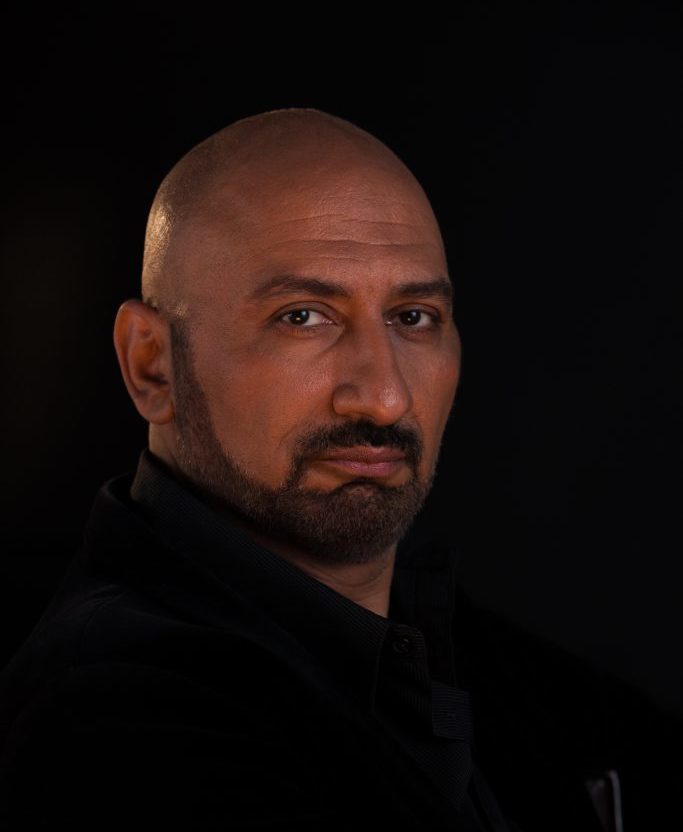
Ashraf Sewailam

To shine a light on the racism, the production has been placed in classical times, where we can more easily notice its impact. “The central idea, staging it in ancient Rome, I credit to (CCO executive director) Pamela Pantos,” Sewailam explains. That setting avoids contemporary political sensitivities, while clearly highlighting racial animus within a diverse society.

The opera is not often performed today, for a variety of reasons. The greatest is simply that it has been overshadowed by Verdi’s Otello, which was first performed in 1887, 67 years after Rossini’s opera. Another reason is that it calls for four virtuoso tenors who can sing in Rossini’s highly decorated style. There are tenors today who can sing those roles, but as Sewailam comments, “they have to get them all four at the same time, obviously.”

Sewailam has sung several roles at Central city Opera, but this will be his first appearance as director. He has directed smaller productions and scenes before—at San Diego Opera and dell’Arte Opera Ensemble in New York, among others—but he says directing a mainstage production in Central City is “a breakthrough for my directing.”

He sees the unfamiliar variant of the plot as an opportunity rather than an obstacle. “It’s a chance to highlight a different version of the plot,” he says. Instead, “the challenge is how the opera is structured musically.” Using singer’s slang, he says “the opera is really a ‘park and bark’ structure”—meaning a series of static arias where singers show off their vocal prowess without advancing the plot. But Sewailam has found plenty in the text for the production to transcend “park and bark.”

Like his fellow directors, he is excited about the singers he will be working with. “The cast is amazing!” he says. “We have quite a few twists and turns. We have a Black Iago, which presents both a problem and an opportunity, to mine the psychology of Iago and see what we can do with it.

“We are not contriving something that’s not there, but we want to mine everything to make it as compelling as possible.”

# # # # #

Central City Opera
2023 Season
All performances in the Central City Opera House

Roméo et Juliette
By Charles Gounod, Jules Barbier and Michel Carré
John Baril, conductor, and Dan Wallace Miller, stage director
Performed in French with English supertitles

7 p.m. Saturday, June 24; Friday, June 30
2 p.m. Sunday, July 2; Saturday, July 8; Wednesday, July 12; Saturday, July 15; Friday, July 21; Friday July 28; Sunday, July 30; Wednesday, Aug. 2; Saturday, Aug. 5

Kiss Me, Kate
By Cole Porter, Samuel and Bella Spewack
Adam Turner, conductor, and Ken Cazan, stage director
Performed in English with English supertitles

7 p.m. Saturday, July 1; Friday, July 7; Saturday, July 29; Saturday, Aug. 5
2 p.m. Wednesday, July 5; Sunday, July 9; Friday, July 14; Sunday, July 16; Saturday, July 22; Wednesday, July 26

Otello
By Gioachino Rossini and Francesco Berio di Salsa
John Baril, conductor; Ashraf Sewailam, stage director
Performed in Italian with English supertitles

7 p.m. Saturday, July 15; Friday, Aug. 4
2 p.m. Wednesday, July 19; Sunday, July 23; Saturday, July 29; Sunday, Aug. 6

Individual performance and season TICKETS 

NOTE: Minor typos, punctuation and style errors corrected 6/22.

CU New Opera Workshop presents a show in search of a title

Portions of a new work—for now The Calling—will be performed June 16 & 18

By Peter Alexander June 14 at 11:25 a.m.

Composer Tom Cipullo is seeking a name for his new opera.

Composer Tom Cipullo (l) and Leigh Holman (r), artistic director of CU’s Eklund Opera program.
Photo by Stabio Productions for CU NOW.

Right now it’s The Calling; before that it was The Next Voice you Hear. His work-in-progress is the subject of the 2023 CU New Opera Workshop (CU NOW) in the College of Music, and the first thing Cipullo wanted to do in the workshop was find the right title.

“I think it was the first thing I said when I arrived here,” he says. “I need a better title!” The Calling was suggested by one of the performers, and so far that is the title that everyone likes best.

Conductor Nick Carthy (standing) with pianist Nathália Lato.

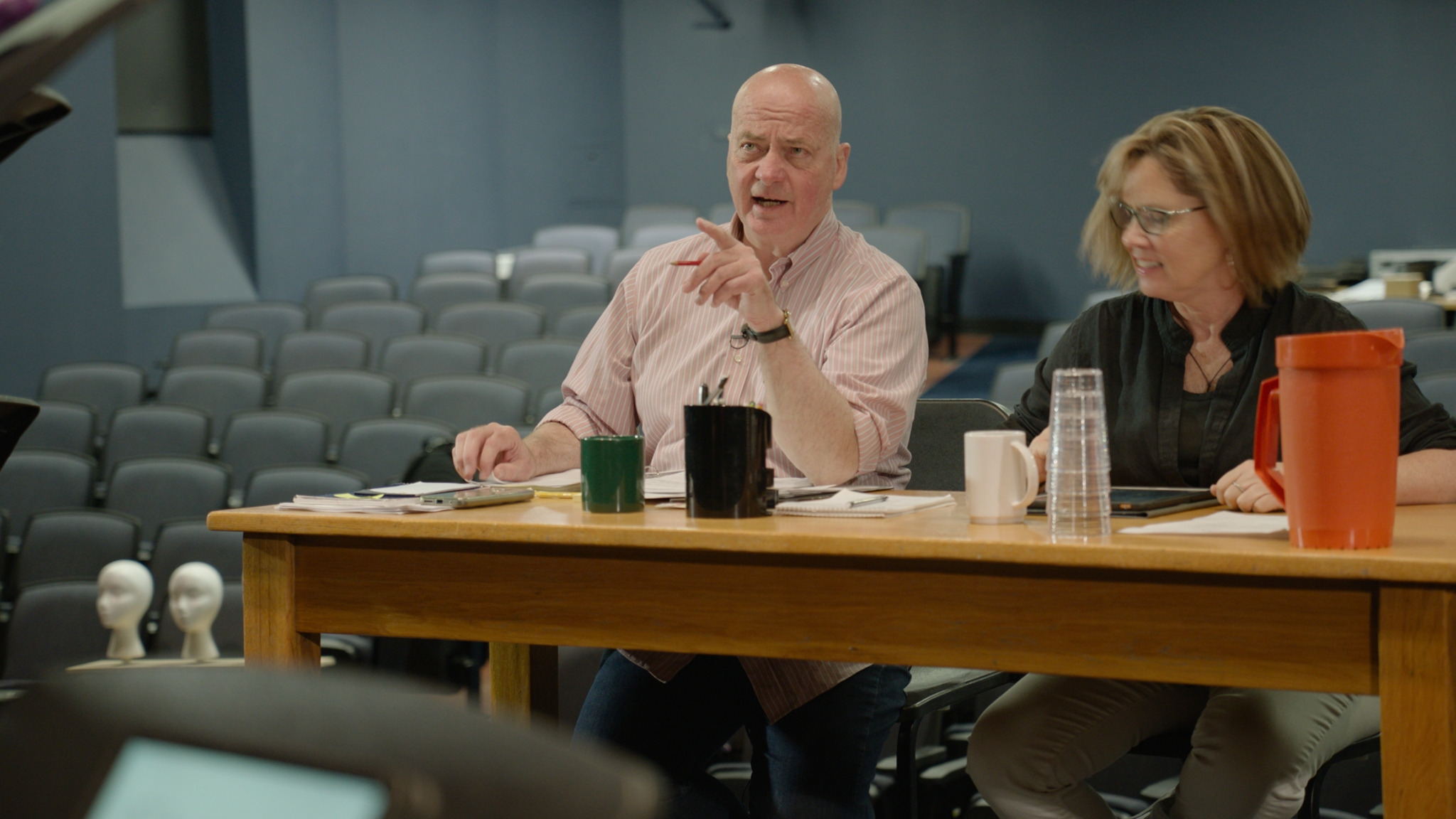
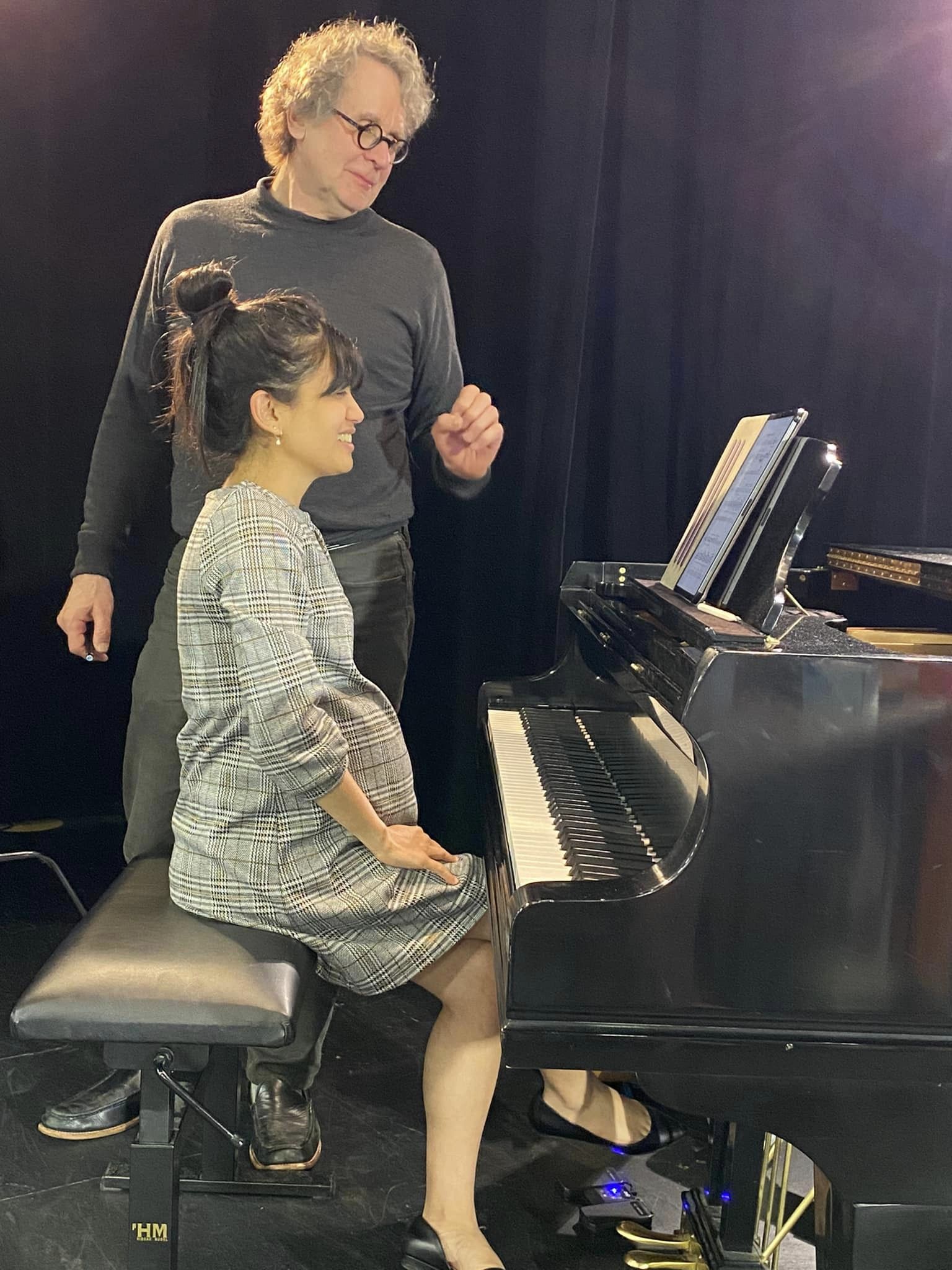
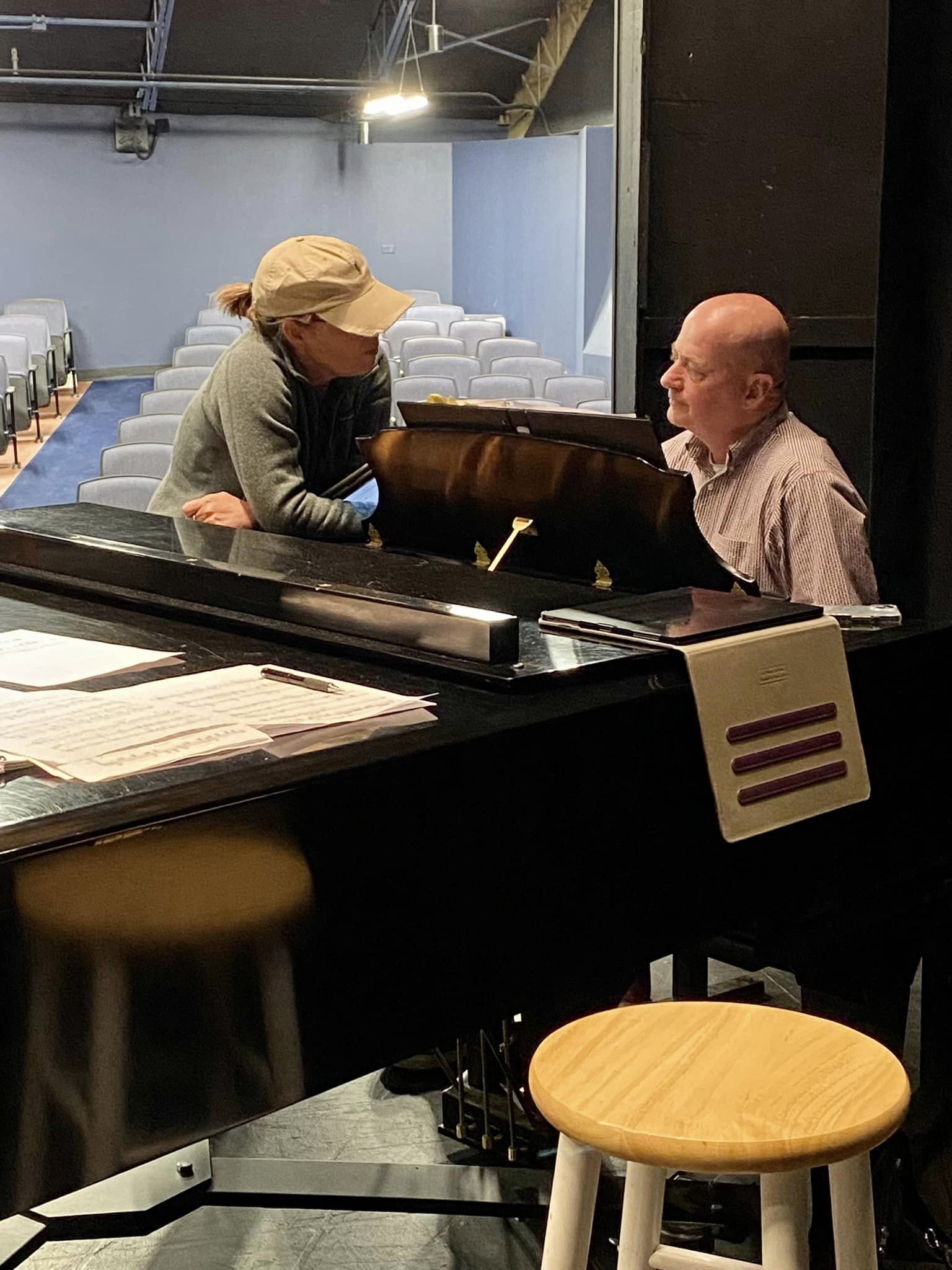
But whatever you call it, you can catch a preview this Friday and Sunday at the Music Theater in the CU Imig Music Building (7:30 p.m. June 16 and 2 p.m. June 18; admission is free). Portions of the opera-in-progress will be performed by early-career artists from the CU Eklund Opera program under the direction of conductor Nicholas Carthy and stage director Leigh Homan. They will be accompanied by pianist Nathália Kato.

The libretto, written by Cipullo, tells the intertwining stories of three characters: televangelist Pastor Dove; IRS Agent Cordero, who is investigating Dove’s ministry for potential tax violations; and Dolores Caro, an older woman who supports Dove’s ministry.

Two of these characters are based on models. The televangelist was inspired by someone Cipullo won’t name that he saw interviewed about his extravagant lifestyle. “He was so charming and frightening at the same time that I couldn’t take my eyes off of him,” Cipullo says. But he wants you to know he is not trying to mock the televangelist. 

“I was trying to tell his side of it,” he says. “He’s giving to people. Maybe it’s worth it for these people, what he’s giving them. (It makes) me think, the preacher actually believes he’s doing good.”

Dolores, the homebound contributor to the ministry, is partly Cipullo himself. She is surrounded by old-fashioned consumer goods and feeling left behind by the 21st century. “There’s a lot of me in her,” Cipullo admits. Like Dolores, “I still have a landline. And I can’t figure out how to work this (smartphone)!”

The character of the IRS agent was suggested to Cipullo, and he is more of an original creation. As someone who grew up religious and knows both the Bible and literature, Agent Cordero is an ideal foil to Dove.

With these three characters it would be easy to write a biting satire, but that’s not Cipullo’s game. “I hope it’s more nuanced than that,” he says. “The biting satirical way is the way that a lot of people in New York would look at people who give to televangelists, but I’m more interested in what the people who listen to these televangelists get out of it.”

When pressed, Cipullo says that The Calling is neither satire nor comedy, but both—and partly tragedy, in a way. “It’s all of these,” he says. “I think it is a commentary on the condition of the country, with tragic and comic overtones. Any good opera that wants to touch your heart has to have light moments in it.”

Getting the right balance of ingredients is one purpose of CU NOW and similar workshops. Composers can hear portions of their new works and see what works and what doesn’t, and to write new material when required. Often the performers themselves provide ideas that end up in the finished work—and not just the title.

When he arrived for the workshop, Cipullo says, “I had specific things that I was concerned about, and I had various epiphanies. I didn’t really have the title, there was too much wordiness and (I was concerned about) the momentum and how to shape it.

Leigh Holman (l) and composer Tom Cippullo (r) during a rehearsal for ’The Calling.’

“Then there are specific levels—for example, someone’s singing an aria, there are specific musical things. Maybe it’s only a moment, maybe it’s a beat, maybe it’s too long. Maybe something’s wrong. I don’t know what it is, but we have to try to figure out what it is, as a group.”

CU NOW, founded by Holman in 2010, provides a longer working period than most workshops—up to two or three weeks. This gives composers a chance to tackle more changes than they could in a few days, which is valuable to the creative process. Composers who have been part of CU NOW in the past include Cipullo, Kamala Sankaram, Jake Heggie and Mark Adamo.

But Holman makes it clear that CU NOW is first and foremost for the students, giving them experience they will need in their careers. Working with composers, and learning new music on short notice, have become more necessary as more new operas are being produced around the country. At first, she says, the singers struggled to keep up with the changes they had to make overnight. 

But “it’s developed now to they’re begging for music,” she says. “They ask, ‘Did you write me any music last night?’ And Tom is writing new music almost every day and sending it to them every morning, and by 2 o’clock they know it already!”

That experience prepares the students for the facts of professional life today. “This is a golden age of American Opera,” Holman says. “The singers, if they’re going to work, they need to have these skills. When we started, there weren’t other universities doing these workshops and now they’re doing them all over.”

And at this point Cipullo speaks up. “But there’s nothing like this one”! he says.

# # # # # 

CU New Opera Workshop
Leigh Holman, director
Nick Carthy, conductor
Nathália Kato, pianist

The Calling by Tom Cipullo (portions)

Music Theatre, Imig Music Building
7:30 pm. Friday, June 16
2 p.m. Sunday June 18

Free, no tickets required

First Colorado Puppet Opera Festival presents world premiere

Boulder Opera part of collaboration presenting Colorado Sky in Broomfield and Boulder

By Peter Alexander May 31 at 2:00 p.m.

It’s one of those “only in Boulder” things.

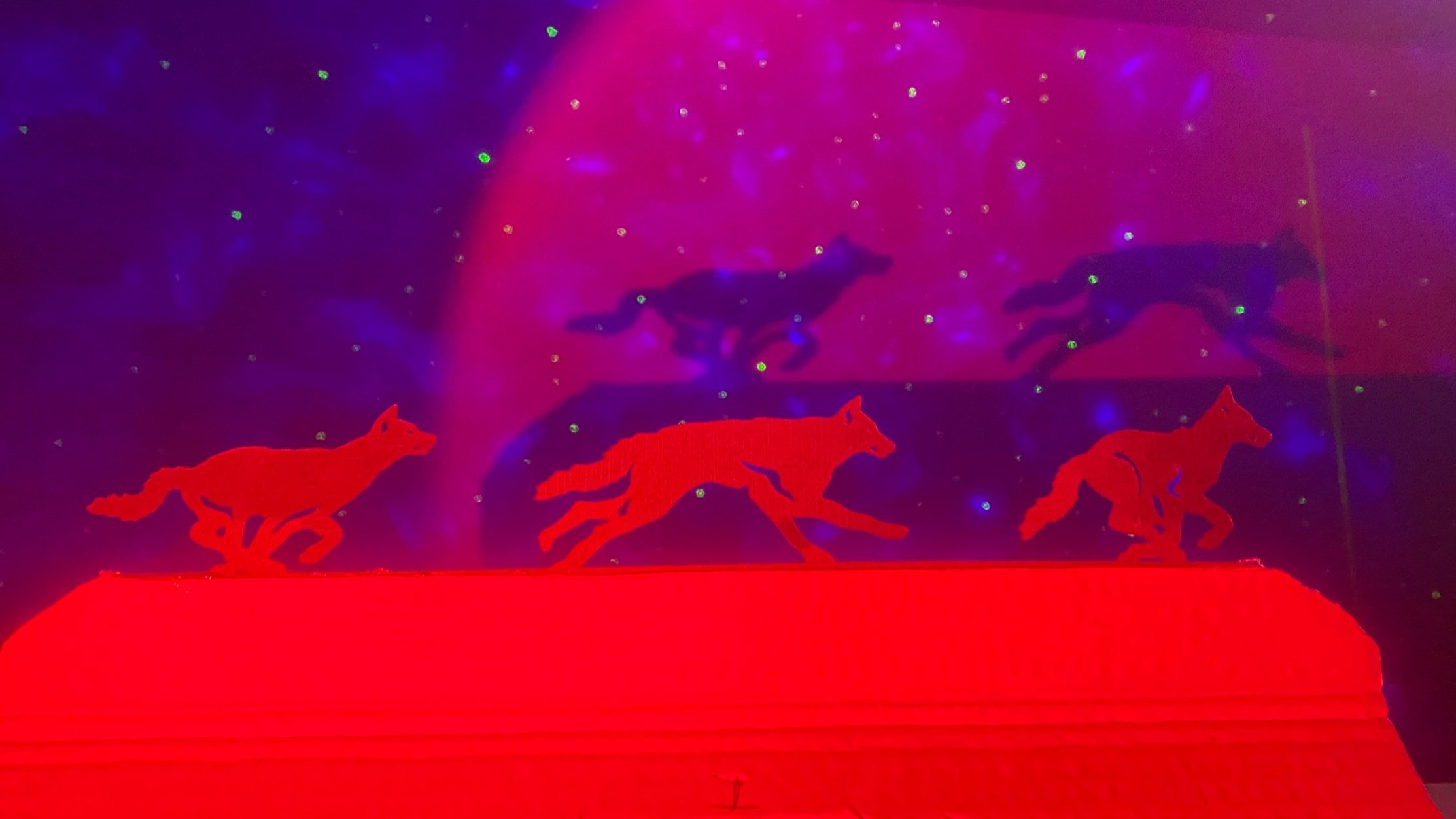
The re-introduction of wolves in Colorado, advanced by the narrow passage of Proposition 114 in 2020, led to the composition of an opera. Not just an opera, though: a puppet opera about wolves for families with children ages three and up.

The world premiere production of the new work, Colorado Sky, will be presented Saturday at the Broomfield Auditorium in Broomfield and Sunday at the Dairy Arts Center in Boulder as part of what is billed as “the first Colorado Puppet Opera Festival” (June 3 and 4; details below). The music for Colorado Sky was composed by recent CU grad Ben Morris to a libretto by playwright Laura Fuentes.

The story of the opera is about Sky, a re-introduced wolf cub who must make new friends and adapt to his new home. It is presented through shadow puppetry and brought to musical life by three singers, Claire MaCahan, Brandon Tyler Padgett and Sabina Balsamo. The performance will accompanied by the Lirios Strung Quartet, the current string quartet in residence at the CU College of Music.

Conductor Nicholas Carthy, opera music director at CU, wrote about Colorado Sky, “It encompasses everything that opera and modern music need to be. It’s tuneful, it’s accessible, the words are wonderful, the story’s great.”

The opera is 35 minutes in length. Following each performance there will be a 30-minute puppet-making workshop. The production is presented by Art Song Colorado, working in collaboration with the Sohap Ensemble, Boulder Opera, and the Broomfield Council on the Arts and Humanities.

A jazz pianist a well as composer, Ben Morris is assistant professor of composition at Stephen F. Austin University in Nacogdoches, Texas. His Hill of Three Wishes was premiered by Pro Musica Colorado Chamber Orchestra and conductor Cynthia Katsarelis last November. 

Librettist and playwright Laura Fuentes lives in Baltimore. She has had a commission from Washington National Opera and participated in College Light Opera Company’s New Works program, and her plays have been recognized in several new works programs and festivals.

# # # # #

Colorado Puppet Opera Festival
Art Song Colorado, in collaboration with Sohap Ensemble, Boulder Opera,
and the Broomfield Council on the Arts and Humanities
Nicholas Carthy, conductor

Ben Morris and Laura Fuentes: Colorado Sky (world premiere; puppet opera)

6 p.m. Saturday, June 3, Broomfield Auditorium, Broomfield
TICKETS

1 and 3 p.m. Sunday, June 4, Dairy Arts Center, Boulder
TICKETS

GRACE NOTES: Boulder Piano Quartet and Boulder Symphony Friday

Brahms and Bonis at the Academy; Beethoven, Britten and Korngold downtown

By Peter Alexander May 18 at 1:10 p.m.

The Boulder Piano Quartet will perform a piece by one of the most interesting composers you’ve never heard of—Mel Bonis, aka Mélanie Hélène Bonis Domange— as part of a concert Friday at the Academy in Boulder (7 p.m. May 19; details below).

Oh, and there will be some Brahms, too—someone who is slightly better known to music lovers today.

To be specific, the program comprises Bonis’s Piano Quartet No. 2 in D major and Brahms’s Piano Quartet No. 1 in G minor. The concert will feature performers Alex Gonzalez as guest violinist, with regular Boulder Quartet members Matthew Dane, viola; Thomas Heinrich, cello; and David Korevaar, piano. Gonzalez substitutes for the late Chas Wetherbee, a member of the quartet who died Jan. 9.

Born in 1858, Bonis was a child prodigy who taught herself to play piano. She entered the Paris Conservatory at 16, where she studied with Cesar Franck and was in the same class with Debussy. To satisfy her parents’ conservative sense of priorities she married a businessman who apparently didn’t like music, and consequently she gave up composition. Later she re-encountered a former classmate and ex-lover who was able to encourage her composition and connect her with publishers. Both her composing and her affair with the former classmate blossomed as a result.

When Saint-Saëns heard some of her music around 1901, he is supposed to have said “I never imagined a woman could write such music!” After her husband’s death in 1918, Bonis devoted herself fully to composition. The Second Piano Quartet, written in 1927, is one of her later pieces which she described as her “musical legacy.”

Brahms wrote his Piano Quartet in G minor 1856–61. It was premiered in his hometown of Hamburg in 1861 with Clara Schumann playing the piano part. Brahms himself later played it for his Vienna debut as a performer. The Quartet is best known for its finale, marked Rondo alla Zingarese, based on the Roma dance-music style that was often mistaken for Hungarian folk song. 

# # # # #

Boulder Piano Quartet

  • Mel Bonis: Piano Quartet No. 2 in D major, op. 124
  • Brahms: Piano Quartet No. 1 in G minor, op. 25

7 p.m. Friday, May 19
Chapel Hall, The Academy University Hill

Free admission; reservations HERE

# # # # #

The Boulder Symphony and conductor Devin Patrick Hughes open their concert Friday (7:30 p.m. May 19 at Grace Commons Church) with another interesting composer, and one who should be better known, Erich Wolfgang Korngold.

Music from Korngold’s score for the 1940 film starring Errol Flynn, The Sea Hawk, opens the program, which also features probably the best known symphony of all time, Beethoven’s Fifth. Between these works violinist Yumi Hwang-Williams and violist Andrew Krimm will appear as soloists for Benjamin Britten’s Double Concerto for violin and viola.

Korngold was one of many composers who came to the United States to escape the Nazi regime in Germany and Austria. Hailed as a child prodigy, the had a thriving career in Austria as a composer of operas and other major works. He moved to Hollywood in 1934, where he wrote the scores to 16 films, including several Errol Flynn adventure epics such as Captain Blood and The Sea Hawk

His concert music has recently enjoyed a revival, and Opera Colorado recently presented his 1920 opera Die tote Stadt (The dead city), written when the composer was 23. The Sea Hawk was the last of his scores for a “swashbuckler.” It is considered one of his best film scores, and it was a recording of that score and others by Korngold that sparked a revival of interest in his film music in the 1970s.

Britten’s Double Concerto ranks alongside Mozart’s Sinfonia Concertante as one of a very few works for solo violin and viola. Written in 1932 when Britten was 18, it was later rejected by the composer and not performed in the composer’s lifetime. However, a copy survived in a reduced score and the rediscovered concerto was premiered at the Aldeburgh Festival in 1997.

Nothing in classical music is more recognizable than the opening gesture of Beethoven’s Fifth—three shorts and a long, the four-note motive that came to stand for “Victory’ in World War II (based on the morse code signal for V, dot dot dot dash). The piece has become so familiar that it is easy to forget how tightly it is constructed, with the four-note motive running throughout in various forms, and the thrilling transformation from C minor to C major representing a kind of musical victory of its own.

Hwang-Williams has been concertmaster of the Colorado Symphony for 20 years and recently released two CD recordings of music by Korean composer Isang Yun. Krimm came to Colorado as a member of the award-winning Altius Quartet, the former quartet-in-residence at the CU, and is currently executive director of the Boulder Symphony.

# # # # #

Boulder Symphony, Devin Patrick Hughes, conductor
With Yumi Hwang-Williams, violin, and Andrew Krimm, viola

  • Erich Wolfgang Korngold: Film music from The Sea Hawk
  • Benjamin Britten: Double Concerto for violin and viola
  • Beethoven: Symphony No. 5 in C minor

7:30 p.m. Friday, May 19
Grace Commons Church, 1820 15th St., Boulder

TICKETS

MahlerFest will ‘Rise Again’ with 36th season

Film, chamber music, songs, and the massive Second Symphony May 17–21

By Peter Alexander May 16 at 11:15 p.m.

They just keep coming back.

They don’t build nests, but like the swallows to Capistrano, every May a group of musicians return to Boulder. They come here to play in the annual Colorado MahlerFest, for the 36th time this year.

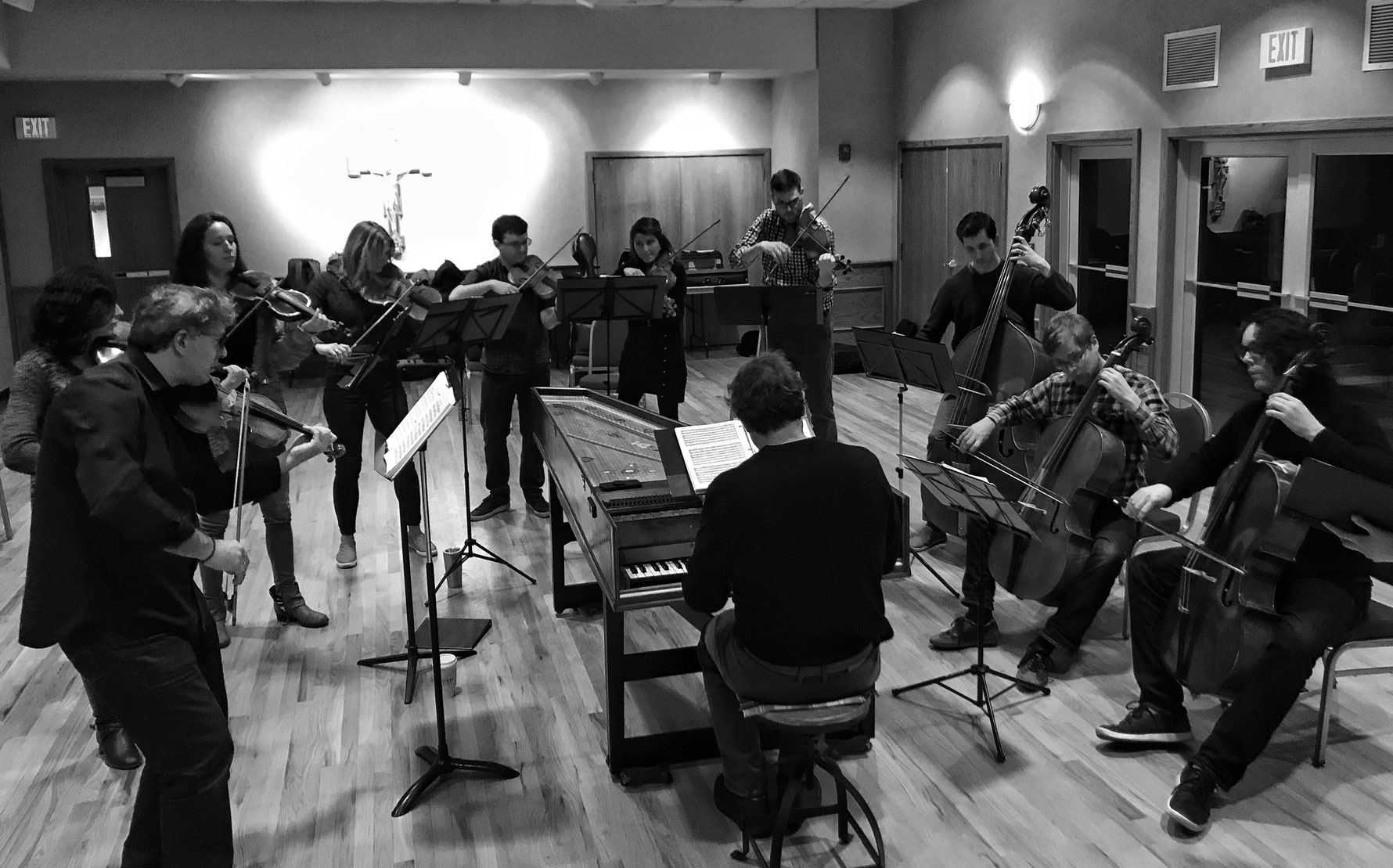
Kenneth Woods with the Colorado MahlerFest Orchestra. Photo by Keith Bobo

This year’s festival, titled “Rise Again,” runs from Wednesday through Sunday, and includes events at Mountain View Methodist Church, the Boedecker Theater at the Dairy Arts Center and Macky Auditorium (May 17–21; full programs and details below).

As it has from the very first MahlerFest, this year’s event culminates in the performance of a major orchestral work: the Symphony No. 2 in C minor that features orchestra, chorus and vocal soloists (3:30 p.m. May 21 in Macky). It is the chorus of the Second Symphony that provides the festival title when they sing “Rise Again! You shall rise again!” This theme is also featured in the other work on the Sunday concert program, “Phoenix Rising” by the living Scottish composer Thea Musgrave.

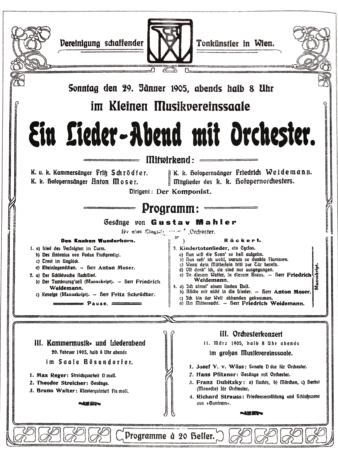
Original poster for Mahler’s 1905 Lieder Concert

Preceding the Sunday performance of “Mahler and Musgrave,” there will be a free symposium titled “Authors and Editors” focusing on the featured work and other aspects of Mahler’s life (9 a.m. to 4 p.m. Saturday, May 20, at Mountain View Methodist, with lunch break).

A recent trend that continues in the 36th MahlerFest is the expansion of the repertoire to composers associated with, or in some way influenced by, Mahler. This development has been driven by artistic director Kenneth Woods, who took over MahlerFest from Robert Olson, the founding director, in 2015. Woods has said that his aim in expanding the repertoire is for the audience to hear more than works by Mahler and to provide context for the Mahler works that are performed.

This year’s concerts leading up to Sunday will present a symphony by Hans Gál, an Austrian composer of the generation after Mahler, and a chamber version of the first act of Wagner’s Die Walküre, which influenced the opening of the Second Symphony (7:30 p.m. Wednesday); a program of solo works (3 p.m. Thursday); a screening of Ken Russell’s loosely biographical 1974 film Mahler (7 p.m. Thursday); a chamber concert of music by Ernst Bloch and Erich Wolfgang Korngold, described in the program as “Mahler’s Musical Heirs” (7:30 p.m. Friday); and a concert recreating a program of Mahler’s song cycles that the composer conducted in Vienna in 1905 (7:30 p.m. Saturday).

Full program listings and details for each concert are given below.

But back to the swallows. One of the most notable aspects of the MahlerFest has been how many musicians develop a deep loyalty to the festival and return year after year. There is even one orchestra member—assistant principal string bass player Jennifer Motycka—who has played in every single MahlerFest, and many others play year after year.

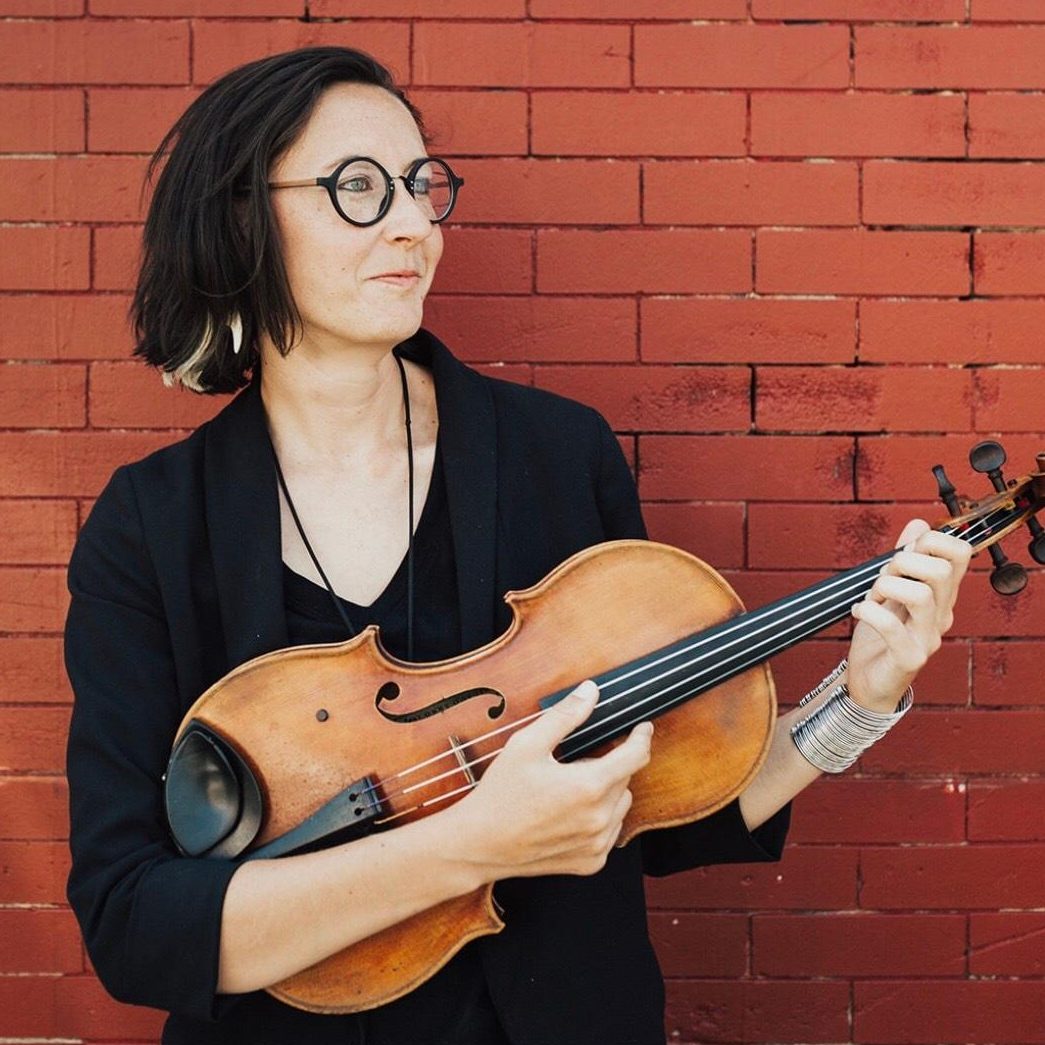
Festival Artist Lauren Spaulding

One of these is violist Lauren Spaulding, who this year is a “Festival Artist”—performers who are chosen to lead orchestral sections or appear as soloists. “There’s something so engaging about playing Mahler with a bunch of cohorts,” she says. “Mahler demands a lot of flexibility and brings a little bit of the European musical traditions that you don’t really see these days in the States with the kinds of demands that they put on auditions— in time and in tune and correct and exactly right with the metronome.”

That flexibility and playing with like-minded musicians are key for Spaulding. She remembers a performance in 2019 of Mahler’s song cycle “Songs of a Wayfarer” as a moment of illumination. “It was beautiful, and playing it with musicians who are so flexible was a humbling experience for me. (That) opened my eyes to the fact that music is living poetry.”

She also singles out artistic director and conductor Kenneth Woods for praise. “Ken is amazing,” she says. “He’s a big reason I keep coming back. He follows what’s on the page, but man does he like make it live!”

For his part, Woods points to the ”friendly social environment within the orchestra, which I think partly comes from people who want to be here. And also just the fact that Boulder’s a fantastic place to spend a week! Everyone’s excited to get here, see the mountains, hear the music, and to see their friends.”

Woods believes that the collegial atmosphere comes partly from the Festival Artists. “We’ve chosen those people very, very carefully that they’re not just really good musicians, but that they’re great colleagues,” he says. “They’re there to inspire but also to encourage and to engage.”

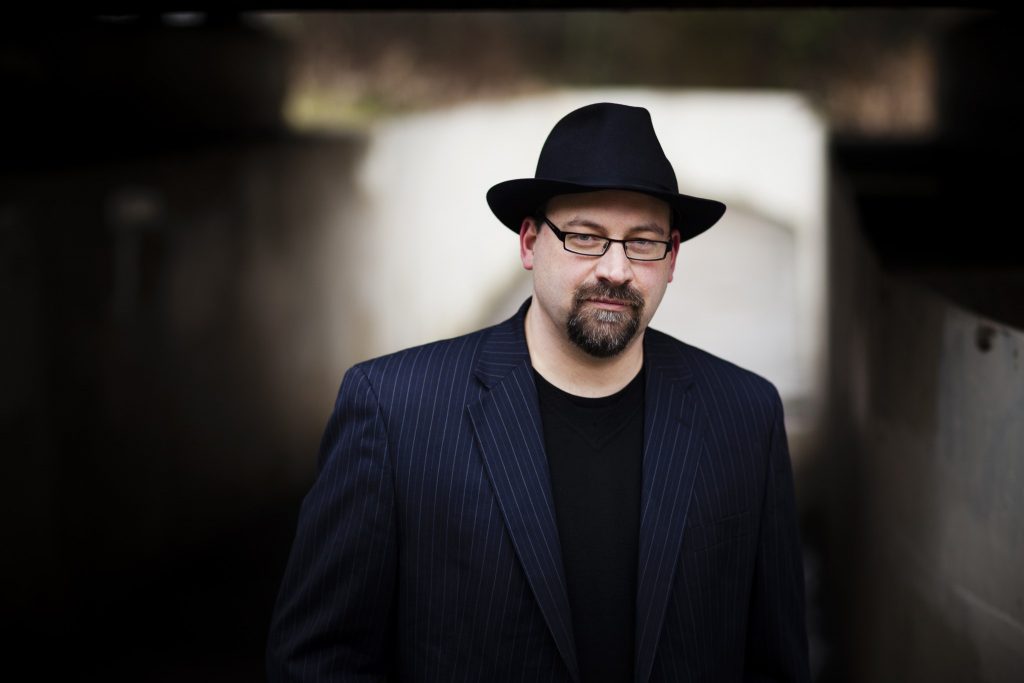
Kenneth Woods

Woods and Spaulding both credit the varied repertoire for attracting musicians. “From day one I wanted to stay true to the core aspects of the festival but to really broaden the repertoire and increase the ambition,” Woods says. “For those who want to push themselves and explore new repertoire, this is a great place to do it.”

It’s definitely the expanded repertoire that brought tenor Brennen Guillory back for his second MahlerFest. He sang the tenor solos in Mahler’s Lied von der Erde (Song of the earth) in 2018, and this year he will be featured as Siegmund in the chamber performance of Wagner’s Die Walküre Act I Wednesday.

“Siegmund is a great role!” he says. “It’s one of those things I really love to sing. It’s a very rewarding piece, it’s kind of got everything.”

Like Spaulding, Guillory says that the conductor is also part of the attraction. “I’ve been working with Ken on and off for probably 20 years,” he says. “He’s a really great conductor to work with—very collaborative, very generous, patient, and he knows the music in and out.”

Finally, Woods wants you to know that the repertoire, while diverse, is more than a potpourri. The programs have been put together with a theme that runs through the festival. “I tried to program the festival so that the introduction of the human voice in (Mahler’s Second Symphony on Sunday) grows out of what we’ve heard earlier in the week. Both (Wagner’s Walküre Wednesday) and the Liederabend (Saturday) are intended to give a sense of Mahler’s roots.”

Woods details the connections between Mahler’s conducting of Wagner and his musical forms, between the Second Symphony and Walküre specifically, and between the songs he wrote and the music in his symphonies. “It’s lovely to see how vocal music informed his writing for the orchestra, and also the close relationship between song and symphony.

“That sense of Mahler the conductor and how that affects his work as a composer is always interesting to me.”

# # # # #

MahlerFest XXXVI: “Rise Again”
Main Events

“Opera and more: Wagner and Gál”
Colorado MahlerFest Chamber Orchestra, Kenneth Woods, conductor
With Stacey Rishoi, soprano, Brennen Guillory, tenor, and Gustav Andreassen, bass

  • Hans Gál: Symphony No. 4 (U.S. premiere)
  • Wagner: Die Walküre, Act I (Arr. for chamber orchestra by Francis Griffin)

7:30 p.m. Wednesday, May 17
Mountain View Methodist Church

“Solo Journeys”
MahlerFest Festival Artists: Zachary DePue, violin; Parry Karp, cello; Hannah Porter Occeña, flute; Daniel Silver, clarinet; and Lauren Spaulding, viola

  • Luciano Berio: Sequenza I for flute
  • Egon Wellesz: Rhapsody for solo viola, op. 87
  • Olivier Messiaen: Abîme des oisseaux (Abyss of the Birds) from Quatuor pour la fin du temps (Quartet for the end of time)
  • Max Reger: Suite in D minor for solo cello
  • Erwin Schulhoff: Sonata for solo violin

3 p.m. Thursday, May 18
Mountain View Methodist Church

Ken Russell’s Mahler
Screening of Ken Russell’s 1974 film Mahler

7 p.m. Thursday, May 18
Boedecker Theater, Dairy Arts Center

“Generation Next—Mahler’s Musical Heirs”
Zachary DePue and Caroline Chin, violin; Lauren Spaulding and Aria Cheregosha, viola; Parry Karp and Kenneth Woods, cello; and Jennifer Hayghe, piano

  • Ernst Bloch: Suite for cello and piano (trans from the Suite for viola)
  • Erich Wolfgang Korngold: String Sextet in D major, op. 10

7:30 p.m. Friday, May 19
Mountain View Methodist Church

MahlerFest XXXVI Symposium—Authors and Editors

  • Renate Stark-Voit, editor of the critical edition of Mahler’s Symphony No. 2
  • Joseph Horowitz, author of The Marriage: The Mahlers in New York
  • Kenneth Woods, MahlerFest artistic director
  • April Fredrick, soprano, opera, concert and recording artist
  • Peter Davison:, author to Wrestling with Angels

9 a.m.–4 p.m. Saturday, May 20
Mountain View Methodist Church; FREE

Mahler’s Liederabend
Recreation of Mahler’s concert in Vienna, Jan. 29, 1905
Colorado MahlerFest Orchestra, Kenneth Woods, conductor
With April Fredrick, soprano; Stacey Rishoi, mezzo-soprano; Brennen Guillory, tenor; and Gustav Andreassen, bass

  • Mahler: Selections from Das Knaben Wunderhorn (The youth’s magic horn)
  • Kindertotenlieder (Songs on the death of children)
  • Rückert-lieder (Songs after Rückert)

7:30 p.m. Saturday, May 20
Macky Auditorium

Stan Ruttenberg Memorial Concert: “Mahler and Musgrave”
Colorado MahlerFest Orchestra, Kenneth Woods, conductor
With April Fredrick, soprano, and Stacey Rishoi, mezzo-soprano
Boulder Concert Chorale, Vicki Burrichter, director

Thea Musgrave: Phoenix Rising
Mahler: Symphony No. 2 in C minor (“Resurrection”)

3:30 p.m. Sunday, May 21
Macky Auditorium

TICKETS for individual performances or packages

You may see the full calendar of events for MahlerFest XXXVI HERE.

NOTE: Typos corrected 5/15. The correct spelling of the soprano soloist is Fredrick, not Frederick.

Exploring Repertoire with Boulder Bach’s CORE

Familiar and unfamiliar composers on May 13 concert

By Peter Alexander May 11 at 3:37 p.m.

Boulder Bach Festival’s COmpass REsonance Ensemble, known as CORE, will perform both instrumental and vocal music of the Baroque era for their season-ending concert, at 4 p.m. Saturday in Boulder’s First Congregational Church (May 13; details and ticket access below).

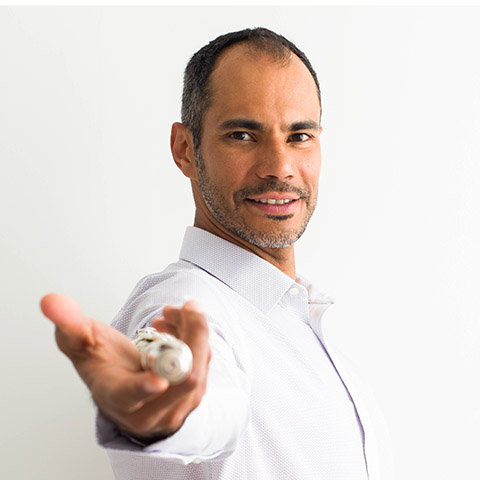
Zachary Carrettin (l) with Boulder Bach CORE Ensemble

The CORE performers will be joined Boulder Bach Festival music director Zachary Carrettin on violin and flutist Ysmael Reyes, principal flute of the Cheyenne Symphony and a faculty member at Regis University. A product of the Venezuelan youth orchestra system, he has performed both the modern flute and Baroque flute throughout the country.

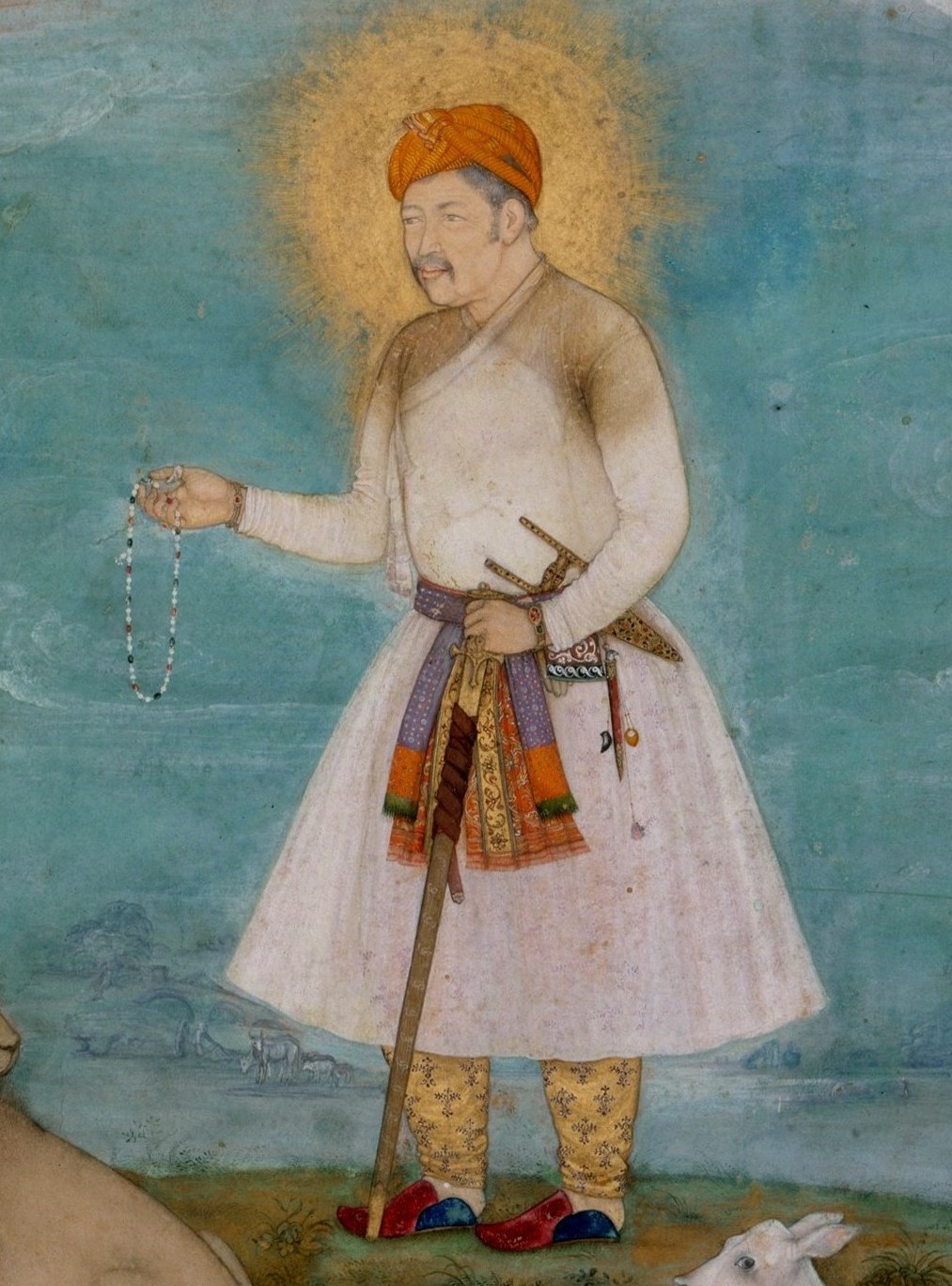
Moghul Emperor Akbar,
by Govardhan

A major work on the program, and one source of the program’s title will be J.S. Bach’s Cantata No. 203, Amore traditore (Treacherous love). One of only two cantatas that Bach wrote in Italian, Amore traditore was composed in 1718–19 for an unknown occasion, when the composer was at the court of Leopold, Prince of Anhalt-Köthen. 

Vocal soloist Adam Ewing will be featured in this cantata for solo bass and continuo. It follows the typical three-movement form of the 18th-century Italian solo cantata of aria-recitative-aria, and its overheated text about love, betrayal and suffering is equally typical of the genre.

Carrettin will be featured playing Il grosso mogul (The great mogul), a Violin Concerto in D major by Vivaldi. Its virtuosity makes the concerto a peak to be conquered by violinists, but it should not be confused with the Grand Mogul, a mountain peak in Idaho that is a favorite destination for climbers. Nor is it same as the flute concerto by Vivaldi titled Il gran mogul, nor the opera libretto of the same title.

The title refers to the 16th-century Mughal Emperor Akbar, who expanded the Mughal Empire into India and became the subject of folk tales and flattering legends. The concerto has energetic opening and closing movements that frame an unusual slow movement marked Recitativo grave that has a mysterious and mediative quality unlike most Vivaldi slow movements. Carrettin’s performance of music by the Venetian Vivaldi reflects his own Venetian heritage.

Flutist Ysmael Reyes

Paul Miller will perform two works for viola d’amore by Attilio Ariosti. The least known composer on the program, Ariosti preceded C.P.E. Bach at the Prussian court, serving there 1697–1703. A prolific composer, he wrote more than 30 operas and oratorios as well as instrumental works.

Ariosti could play cello and keyboards, but especially the viola d’amore, a type of viol that had seven or eight bowed strings as well as sympathetic strings that ran under the fingerboard. The name (“viola of love”) may come from the fact that the sympathetic strings gave instrument a gentle and sweet sound. 

The program concludes with Reyes’s performance of C.P.E. Bach’s Flute Concerto in G major. The concerto is an arrangement by the composer from an earlier concerto for organ or harpsichord, which contributes to some of the difficulties for the flutist. Bach’s leading flute concerto, it was written in 1755, during his last year as court harpsichordist to the flute-playing Frederick the Great of Prussia. It is an example of Bach’s empfindsamer Stil (sensitive style), characterized by the expression of suddenly changing and deeply emotional moods.

# # # # #

“Il Grande Amore” (The great love)
Boulder Bach Festival CORE Ensemble
With Ysmael Reyes, flute, Zachary Carrettin, violin, Adam Ewing, bass, and Paul Miller, viola d’amore

  • Attilio Ariosti: Sonata for viola d’amore and basso continuo
  • J.S. Bach: Amore Traditore, S203
  • Vivaldi: Concerto “Il grosso mogul” for violin, strings & basso continuo
  • Ariosti: Sonata for viola d’amore and basso continuo
  • C.P.E. Bach: Concerto for flute, strings and basso continuo in G major

4 p.m. Saturday, May 13
First Congregational Church, 1128 Pine St., Boulder

TICKETS

Rare performance of major work by Bach in Boulder, Denver

Seicento presents original instrument version of St. John Passion

By Peter Alexander May 4 at 10:40 p.m.

Seicento, Boulder’s choral group that specializes in Baroque music, is thriving—and it’s thanks to Bach.

“I had a number of singers who asked me, could I be with you in the choir this year?” artistic director Evanne Browne says. “They want to do something this important!”

That “something important” is a historically informed performance of J.S. Bach’s 1724 St. John Passion. According to Browne that will be a first in Colorado. Performances will be Friday through Sunday in Arvada, Denver and Boulder (May 5–7; details below).

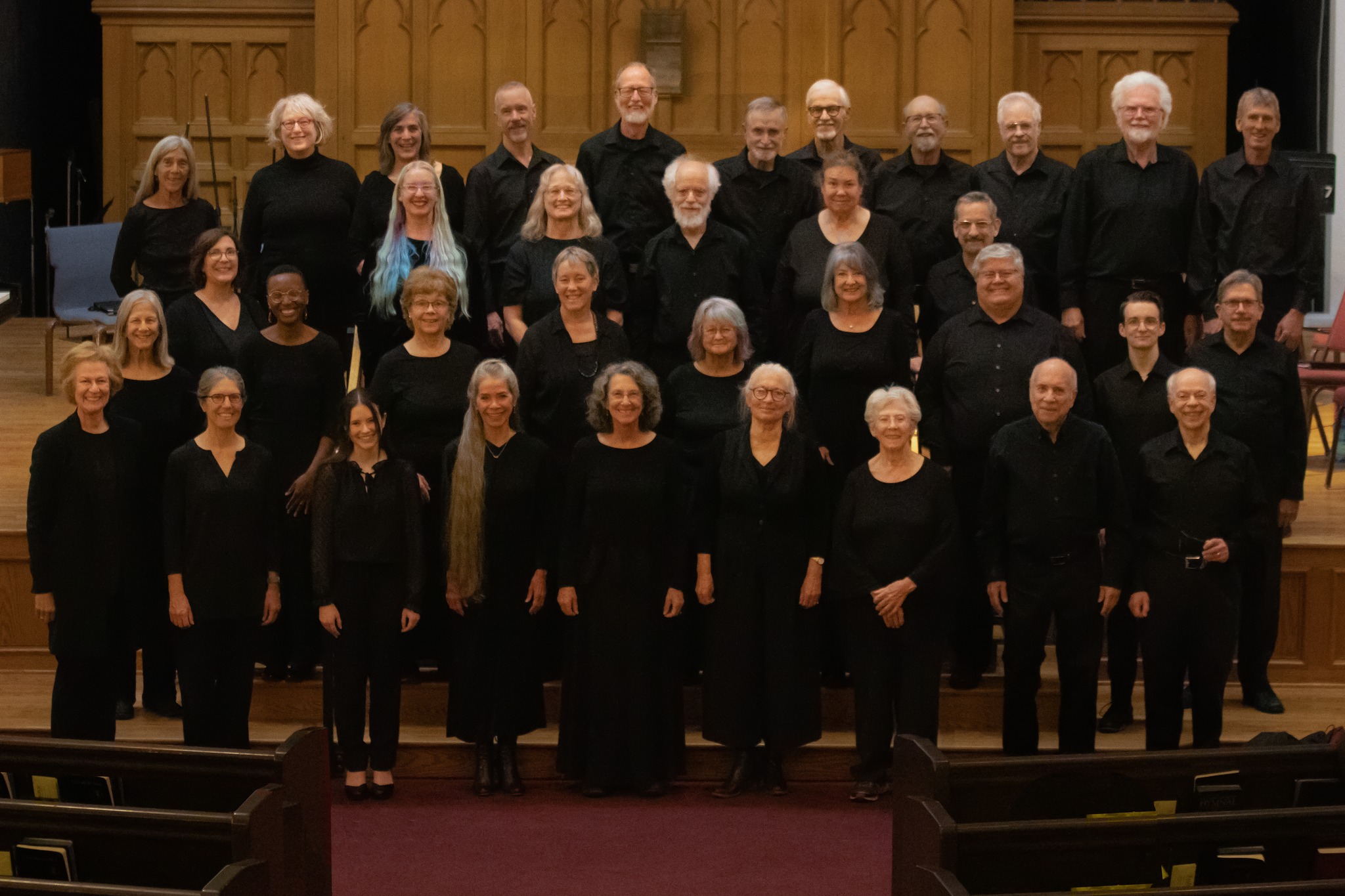
Seicento Baroque Ensemble with artistic director Evanne Browns (first row, left)

This major work is done a little less frequently than Bach’s St. Matthew Passion or Mass in B minor. And while modern instrument performances do happen from time to time, the difficulty of assembling all the pieces for a historically informed, original instrument performance makes that even more rare.

In addition to Seicento’s usual chorus, Browne had to assemble an orchestra of Baroque-era string and wind players from around the world. Colorado has Baroque string players, Browne says, but wind players—and especially Baroque bassoonists—are harder to find. Collecting the players was like putting together a jigsaw puzzle where the pieces are scattered around the world.

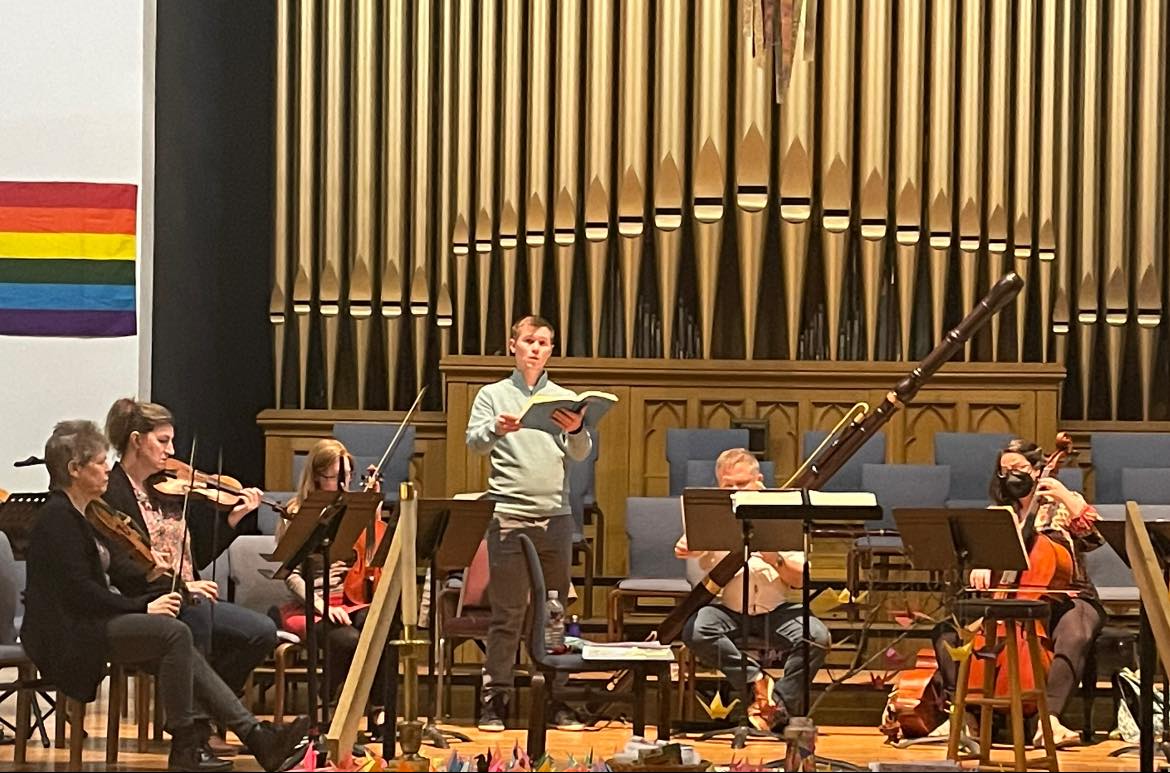
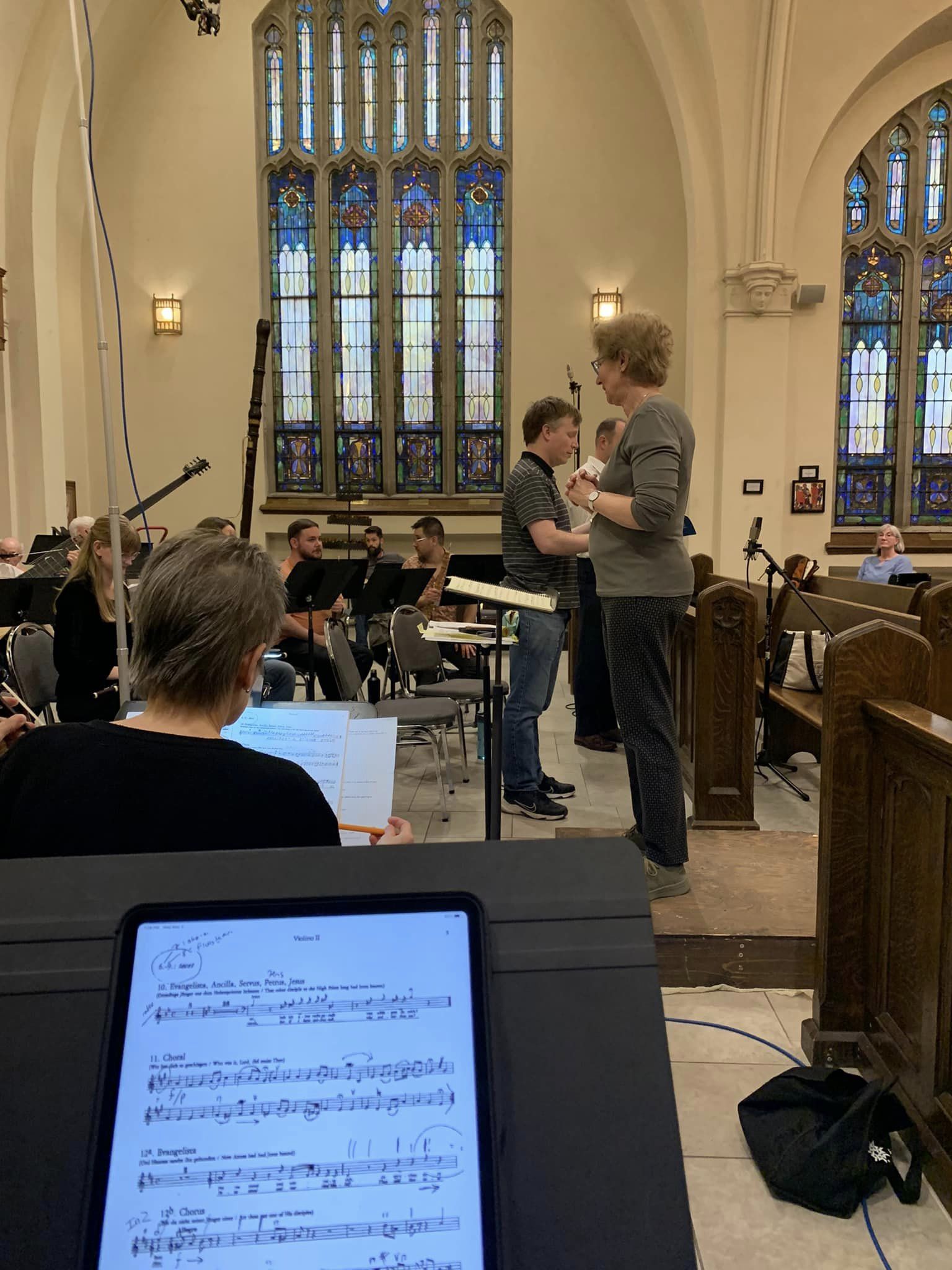
Rehearsal of the St. John passion featuring the Baroque contrabassoon played by Keith Collins

“I call it a Tetris puzzle,” Browne says. “It’s not just ‘it takes a village,’ it takes a city to do this! It is a huge administrative task, to fly these people in and figure out when they’re coming to the airport and where they can stay and all of that.”

Browne points out that there are a lot of people working behind the scenes who will not be seen onstage. “I have a good board, and I also have four or five excellent volunteers who have done incredible work. And donors and grant writers and publicity! It’s a bigger undertaking than anything that Seicento has done.”

Among the specialized instruments required are the Baroque bassoon, a contrabassoon that stands more than seven feet tall, and such rarities as the oboe ‘d’amore and oboe de caccia—oboes with distinctive sounds that are pitched differently than the modern instrument. “It’s not just using the instruments, it’s having knowledgeable instrumentalists who have spent years studying the style as well as perfecting the sound,” Browne explains.

She also has worked with the choir to achieve a historically informed stye of performance. She has trained the singers to achieve a sound that is brighter in places and less open on the higher notes. Another issue is the way musical phrases are shaped. “The choir is doing a lot of sub-phrasing within a long phrase,” Browne says. “Within one long phrase there are many divisions—it’s lots more detailed.”

Evanne Browne rehearing the St. John Passion with Seicento

A performance of the St. John Passion unfolds on several levels. The text from the Gospel of John is sung by a soloist identified as the Evangelist. His narration lays out the story of Jesus’s arrest, trial and crucifixion. Lutheran chorales are sung by the chorus, representing the response of the congregation of believers. The choir also sings the words of the crowd in John’s story, and framing choruses that open and close Bach’s score. Arias are sung by soloists that are settings of poetic texts chosen by Bach to illuminate the story.

Portions of the Passion that pose issues for contemporary listeners are passages considered antisemitic, when the crowd described as Juden (Jews) calls for Jesus to be killed. “There are issues with the text,” Browne acknowledges. “There’s a strong emotional response, and I think Bach’s music contributes to the controversy because it’s so well done.

“We’re not softening that, but what we are hoping to do is raise the consciousness of people who might not think about the presentation being antisemitic. We have talked about it, we have had good discussions. I wrote about it in the program notes, because I want people to know we’re not making a religious statement, we are presenting an historical work that is musically very worth while.”

That last point is especially important for Browne: the opportunity to present an important work as it would have been heard by the composer. It’s both an aesthetic and an educational mission. “Part of Seicento’s mission is about education,” she says. “That doesn’t just mean that we go to a school where there are children that haven’t heard Bach before—although we have done that.”

The mission includes helping the performers learn Baroque style and giving the audience the opportunity to learn about the musical works of the Baroque era. In fact, to reach the audience Browne has already posted an introduction the St. John Passion online (here.)

In the meantime, she is looking forward to the upcoming performances. “The choir is doing fabulously,” she says. “I think it’s going to be exciting for everybody. 

“It certainly is for me!”

# # # # #

J.S. Bach: St. John Passion
Seicento Baroque Ensemble, Evanne Brown, conductor

7 p.m. Friday, May 5, Arvada United Methodist Church, Arvada
7 p.m. Saturday, May 6, St. Paul Lutheran Church, Denver
3 p.m. Sunday, May 7, Mountain View Methodist Church, Boulder

TICKETS for live performances and livestream

Grace Notes: DeVotchKa in Boulder, ‘Turandot’ in Denver, choruses everywhere

Season-ending performances provide broad choices for audiences

By Peter Alexander May 2 at 10:40 p.m.

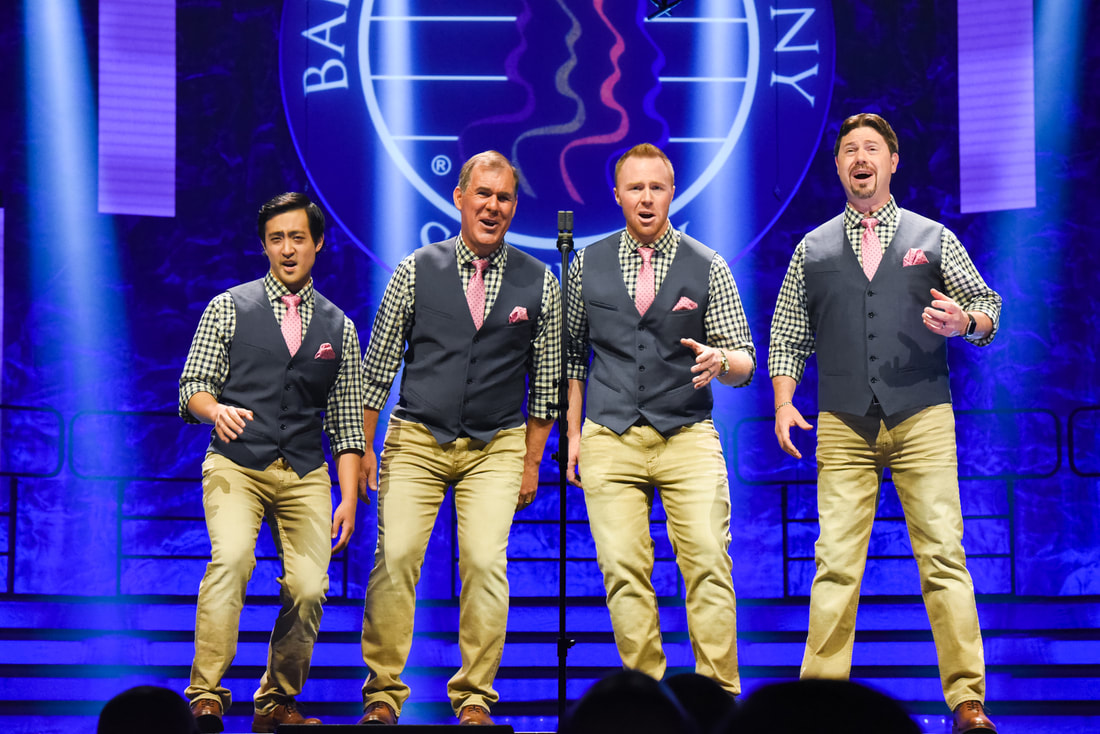
The Longs Peak Chorus, the Longmont chapter of the Barbershop Harmony Society (BHS), will end their 2022–23 season of performances with a concert titled “Celebration.”

“Barbershop Harmony,” or “Barbershop Quartet” singing, is four-part a-capella singing for male voices. The most common format is to have individual quartets of four singers, although the music is also performed by larger groups of male voices, such as the full Longs Peak Chorus. Barbershop quartets have been featured in popular entertainment, such as The Music Man by Meredith Willson. 

Artistic License Barbershop Quartet

The occasion for the celebration is the 75th anniversary of the group, which was chartered with the BHS in 1948. Their concerts Friday at Saturday at Niwot High School (7 p.m. and 2 p.m.; details below) will also feature the quartet Artistic License and mixed choirs from local high schools.

Barbershop quartets are often associated with the “Gay Nineties,” or the 1890s, as was the case in The Music Man. Quartets usually wear coordinated outfits, often in a Gay Nineties style with straw hats and vests.

The visit by Artistic License and the inclusion of high school choirs are part of Long Peaks Chorus’s outreach to local music educators and students. Artistic License will visit local schools and spend time with choirs and their directors for clinics and coachings.

The program for the performances will feature classic four-part harmony as well as larger a-capella arrangements. 

# # # # #

“Celebration”
Longs Peak Chorus,  Ron Black, director
With Artistic License quartet and local high school choirs

7 p.m. Friday, May 5
2 p.m. Saturday May 6

Niwot High School Theater

TICKETS   

# # # # #

Boulder’s Cantabile Singers and artistic director Brian Stone will end the concert season this weekend (May 5 and 7; details below) with a tribute to the culture of the Chickasaw Nation.

The main work on their concert program will be Ilhoba”by the Chickasaw composer and pianist Jerod Impichchaachaaha’ Tate. Subtitled “The Vision,” Ilholba’ is based on a Chickasaw garfish dance song and will be performed in the Chickasaw language to a text by the composer.

Tate is an American Indian composer and pianist who has written symphonic music, ballet and opera. His works have been commissioned by major orchestras and performed around the world. He has gained a reputation as a composer who can successfully express American Indian culture through classical orchestral music.

Three other works complete the program. “Stomp on the Fire” by Andrea Ramsey uses the voice and percussive sounds of the body together. Chante Waste Hoksila (My kind-hearted boy) is a traditional Lakota lullaby that has been arranged by Lakota spiritual leader and composer Linthicum-Blackhorse in honor of the children of Uvalde, Texas. Finally, the “Wichita Baptist Hymn” uses two melodies from the Southern Plains Wichita tribe as transcribed by tribal member Tracey Gregg-Boothby.

# # # # #

“Ilhloba’: The Vision”
Cantabile Singers, Brian Stone, artistic director

  • Jerod Tate: Ilholba’
  • Andrea Ramsey: “Stomp on the Fire”
  • Lakota trad., arr. Linthicum-Blackhorse: Chante Waste Hoksila (My kind-hearted boy)
  • Andrew Marshall, arr.: “Wichita Baptist Hymn”

7:30 p.m. Friday, May 5
3 p.m. Sunday, May 7

First Congregational Church, Boulder

TICKETS   

# # # # #

The Boulder Philharmonic Orchestra will enter new territory Saturday when they team up with Colorado Indie rock band DeVotchKa (Russian for “girl”).

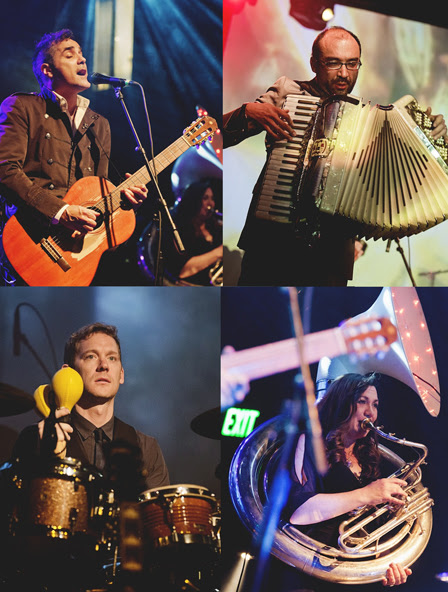
The four members of DeVotchKa

For one thing ,it will be their first appearance with the unique group that combines four acoustic performers with a wide variety of instrumental possibilities, including theremin, bouzouki, guitar, accordion, sousaphone, double bass, flute and percussion—among others. For another, the orchestra’s executive director, Sara Parkinson, will take a step beyond her usual administrative duties to conduct the performance—at the request of DeVotchKa member Tom Hagerman with whom she has collaborated in the tango quartet Grande Orquestra Navarre.

While this is a new role for Parkinson with the Phil, it is not really new for her. She has conducted opera, choirs, and orchestras in Boulder and with the Dallas Opera’s Linda and Mitch Hart Institute for Women Conductors.

DeVotchKa has a distinctive sound that derives largely from the inclusion of the sousaphone, accordion and the electronic theremin, along with more traditional instruments including guitar, flute and trumpet, along with a solid rhythm section. They have a passionate following in Colorado, and gained wider recognition after their music was featured in the Academy Award-winning film Little Miss Sunshine in 2006.

DeVotchKa describes their sound as a “blend of various musical genres, including Romani music, punk rock, and Eastern European folk music.” Their four key members are Hagerman, Nick Utra, Jeanie Schroder and Shawn King. The band was formed in 1997.

# # # # #

Devotchka with the Boulder Philharmonic
Sara Parkinson, conductor

7:30 p.m. Saturday, May 6

Macky Auditorium

TICKETS  

# # # # #

Opera Colorado’s upcoming production of Puccini’s popular Turandot is selling rapidly. 

The two-thousand-plus capacity Ellie Caulkins Opera House is already sold out for two performances (May 6 and 24) and two other performances are currently listed as “limited availability” (details below).

Based on a play by Carlo Gozzi, Turandot is the tale of a cruel princess who seeks revenge on all men for the death of an ancestor. Besieged by suitors, she poses three riddles to the men who attempt to woo her; if they fail to answer correctly, they will be killed. After seeing the Prince of Persia fail and go to his execution, Calaf, Prince of Tartary, impulsively declares his suit.

Calaf successfully answers the three riddles, but offers to face execution anyway if Turandot can guess his name before dawn. Liú, a servant girl in love with Calaf, kills herself rather than reveal his name. Calaf himself reveals his name, but Turandot, rather than have him killed, declares that his true name is love.

Puccini died before completing Turandot. The score was completed by the composer Franco Alfano in time for the opera’s premiere, April 25, 1926, but the conductor of the premiere, Arturo Toscanini, chose to end the performance where Puccini had stopped writing. Subsequent performances generally use the Alfano completion, although it has never been highly regarded. Other completions have been attempted, but none have caught on.

# # # # #

Giacomo Puccini and Franco Alfano: Turandot
Opera Colorado
Ari Pelto, conductor; Aria Umezawa, stage director

7:30 p.m. Saturday, May 6 SOLD OUT
7:30 Tuesday, May 9 (limited availability)
7:30 p.m. Friday, May 12 (limited availability) 
2 p.m. Sunday, May 24 SOLD OUT

Ellie Caulkins Opera House, Denver

TICKETS

GRACE NOTES: A sellout at CU; RM Chorale; Transfigured Night

All performances of CU’s Chicago are sold out, but RMC and Pro Musica have tickets

By Peter Alexander April 25 at 10:55 p.m.

If the “Merry Muderesses” of Kander and Ebb’s Chicago are your cup of tea, you might be out of luck.

That is, unless you already have your ticket to the CU College Music production this weekend. The five performances in the Music Theatre of the Imig Music Building are completely sold out. The box office has a wait list that you can join HERE.

# # # # #

John Kander and Fred Ebb: Chicago
CU College of Music

7:30 p.m. Thursday–Saturday, April 27–29
2 p.m. Saturday and Sunday April 29 and 30

Music Theater

SOLD OUT

# # # # #

Jimmy Howe, conductor of the Rocky Mountain Chorale, wanted plenty of variety in the group’s spring program.

To achieve that, he hit upon the idea of a “composite mass,” settings of the five sections of the Mass Proper by five different composers. He himself provided the music for the first movement Kyrie, a movement that he described in program notes as “set to mimic classical style.” Other movements are by actual Baroque and Classical-era composers, plus one living composer. 

The Gloria movement is by Vivaldi, the Credo  by Schubert. They will be followed by “The Ground” from the Sunrise Mass of Norwegian-American composer Ola Gjielo, representing the Hosanna movement. The Composite Mass concludes with the Agnus Dei from Joseph Haydn’s Missa in tempore belli (Mass in time of war).

The other major work on the program is The Hope of Living, a five-part work for chorus and string quartet by Jake Runestad. In his description of the score, Runestad wrote “I continue to dwell on the importance and impact of love—love shown to others and love shown to oneself.” Commissioned by the Miami-based choral group Seraphic Fire, the five movements of The Hope of Loving are based on mystical writings about love selected by the composer.

Howe filled out the program with shorter works by himself, Susan Blockoff and Mark Sirrett.

A mixed choir of more than 60 singers, the Rocky Mountain Chorale was founded in 1978. Their repertoire typically includes classical works as well as pop and world folk music.

# # # # #

“Hope of Loving”
Rocky Mountain Chorale, Jimmy Howe, conductor
With Parker Steinmetz, asst. conductor; Walton Lott, piano
Jennifer Crim and Marci Pilon, violin; Aaron Lockhart, viola; Desiree Anderson, cello

Program includes: 

  • Composite Mass:
    —Jimmy Howe: Kyrie
    —Vivaldi: Gloria
    —Schubert: Credo
    —Ola Gjeilo: Hosanna from Sunrise Mass
    —Haydn: Agnus Dei from Missa in tempore belli (Mass in time of war)
  • Jake Runestad: The Hope of Living
    —I. “Yield to Love”
    —II. “Wild Forces”
    —III. “Wondrous Creatures”
    —IV. “My Soul is a Candle”
    —V. “The Hope of Loving”

7:30 p.m. Friday April 28, Heart of Longmont Church, Longmont
7:30 p.m. Saturday, April 29, First Methodist Church, Boulder

TICKETS   

# # # # #

A solar eclipse in the mountains, a magical night in the forest, and a little Mozart: Those are the ingredients of the next program to be presented by the Pro Musica Chamber Orchestra of Colorado Saturday (7:30 p.m. April 29; details below).

The concert, led by Pro Musica’s music director Cynthia Katsarelis, will also feature violinist Harumi Rhodes and violist Richard O’Neill, both members of the Takács String Quartet.

Composer Anne Guzzo

The program opens with The Bear and the Eclipse by Anne M. Guzzo, a faculty member at the University of Wyoming in Laramie. Inspired by and dedicated to the bears of Grand Teton National Park, the score portrays the story of a bear experiencing, and being transformed by, a solar eclipse.

As a bookend to The Bear and the Eclipse, Schoenberg’s Verklárte Nacht closes the program. A work with its feet equally planted in both the richly Romantic style of the late 19th century and the expressionistic style of the early 20th century, it is a musical interpretation of a poem describing a man and woman walking through the forest on a moonlit night. The woman confesses a troubling secret and finds that the man’s love has transfigured the darkness to splendor. 

In her program notes, Katsarelis wrote “I love the stories in both (pieces). One is an origin story for the solar and lunar eclipses . . . and ‘Transfigured Night’ is the story of a woman overcoming the fear of telling her story. . . . The whole program is about human connection in the context of cosmic beauty.”

The central pillar of the program is Mozart’s Sinfonia Concertante for violin, viola and orchestra, featuring the two soloists. Essentially a concerto with more than one soloist, the Sinfonia Concertante was a popular genre in 18th-century Paris and Mannheim, two cities Mozart visited on his travels. “The music is sublimely beautiful and the interaction between the violin and viola soloists is not to be missed,” Kartsarelis wrote. 

# # # # #

“Transfigured Night”
Pro Musical Colorado Chamber Orchestra, Cynthia Katsarelis, conductor
With Harumi Rhodes, violin, and Richard O’Neill, viola

  • Anne M. Guzzo: The Bear and the Eclipse
  • Mozart: Sinfonia Concertante in E-flat major for violin, viola and orchestra, K364 
  • Schoenberg: Verklárte Nacht (Transfigured night)

7:30 p.m. Saturday, April 29
Mountain View United Methodist Church, 355 Ponca Pl., Boulder

TICKETS