“Transcendence”: Bach’s Goldberg Variations at the Dairy Saturday
By Peter Alexander Oct. 19 at 2:25 p.m.
Bach’s Goldberg Variations is widely regarded as one of the great works of the European musical tradition, but pianist David Korevaar doesn’t want you to think of it that way.
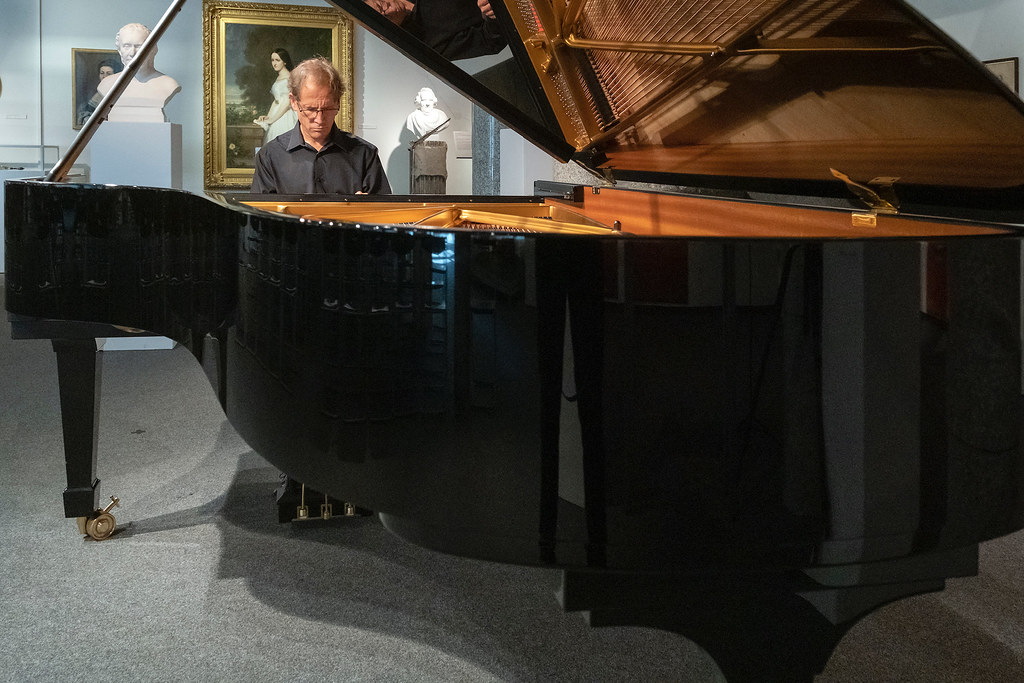
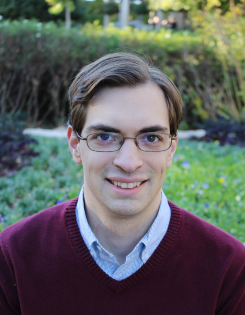
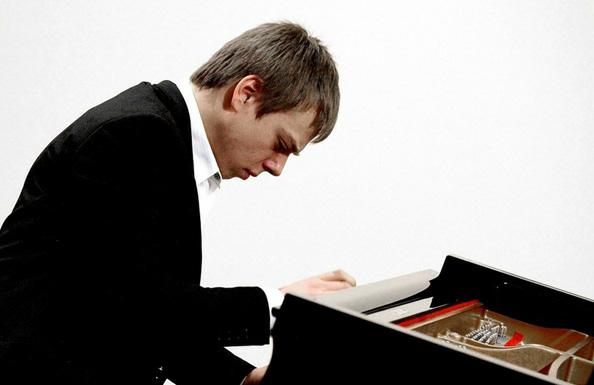
David Korevaar. Photo by Manfred Fuss.
Korevaar will play the Goldberg Variations Saturday at the Dairy Arts Center (4 p.m. in the Gordon Gamm Theater) on a program titled “Transcendence” that is part of the 2023–24 Boulder Bach Festival concert series. “Although the piece is an iconic masterpiece,” Korevaar says, “it should be a piece that is full of joy and dances and sings, rather than an object of worship.”
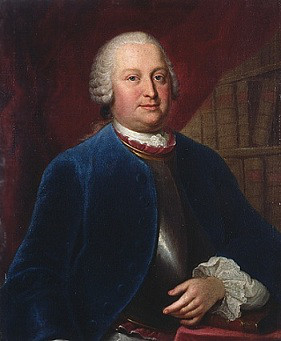
Johann Gottlieb Goldberg
The Variations were written around 1740 and are named after harpsichordist and organist Johann Gottlieb Goldberg. Goldberg was employed by Count Kayserling, the Russian ambassador to the Court of Saxony and may have been one of Bach’s pupils. A story of dubious authenticity has been told by Bach’s biographer Johann Nikolaus Forkel that Kayserling suffered from insomnia. To cheer him up on sleepless nights, Bach is supposed to have written the variations for Goldberg to play.
The completed score comprises an Aria and 30 variations, with the aria to be repeated at the end. Every third variation is a canon for two voices, with an increasing musical interval between the voices. In musical terms, Variation 3 is a canon at the unison, Variation 6 a canon at the second, and so forth to Variation 27, which is a canon at the ninth.
Scholars have found patterns in the layout of the other variations as well, with one Baroque movement type and one rapid free movement in every pair of variations between the canons. The final variation is a “Quodlibet” (Latin for “whatever you wish”) that combines several German folk songs.
Korevaar recorded the Goldberg Variations once about 18 years ago, but he has not gone back to re-listen to that recording because he wants to approach the music afresh. “That was the first time that I set my hands to that music” he says, suggesting that his understanding of the music has evolved over the intervening years.
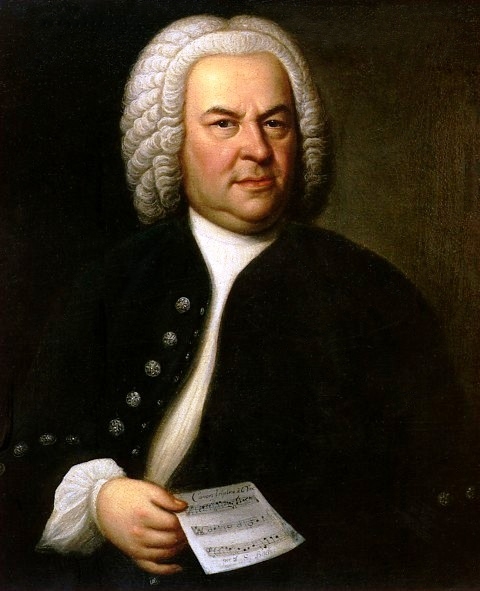
J.S. Bach
Because this is the first time he has played the full set with nothing else on the program, he has made the decision to take all of the repeats that Bach wrote into the score—something he did not do in his recording or in recital performances. “I do some embellishment with repeats,” he says, “but even in a case where I’m not doing embellishment, I think it’s worth hearing the music twice.”
“You also have to have the patience to accept the length of the piece. Isn’t it nice to slow down the pace of the world a little bit, and spend a little more time with some music?”
Korevaar believes that the time spent with the Goldberg Variations should be entertaining for the listeners. In spite of the complexity of Bach’s compositional stye, there is a lot of fun in the music. “I’m not going to say that there’s no profundity there, there’s plenty,” he says. “But most of the piece is in an emotional range from contentment to outright joy.
“What we can miss is the humor, and a certain amount of show-off-iness, which of course Bach did occasionally. I think he had a good time writing this piece.”
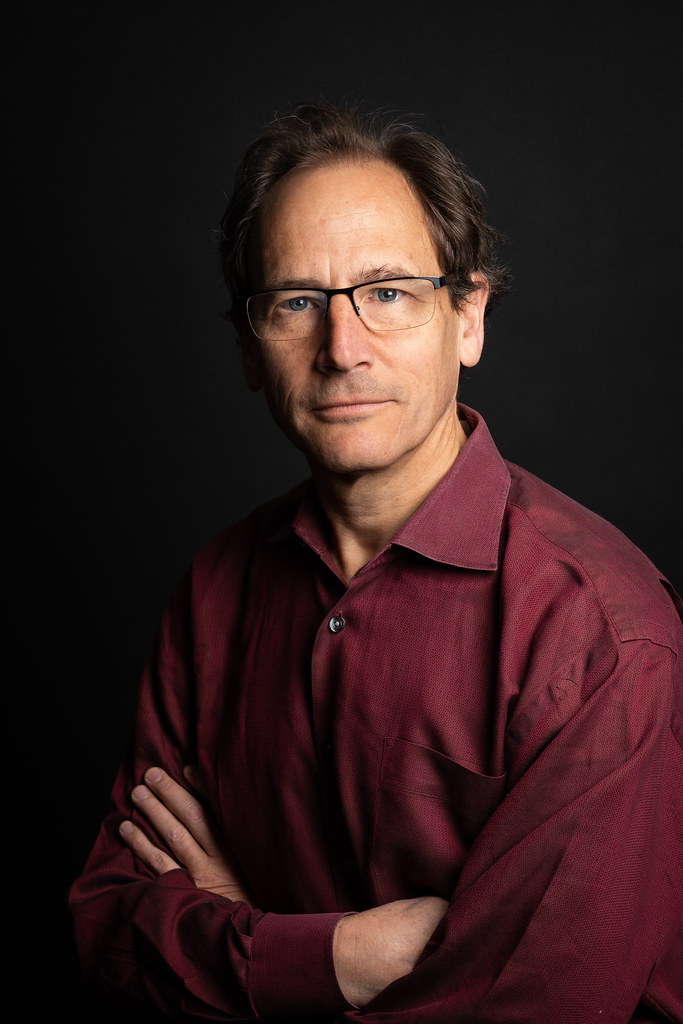
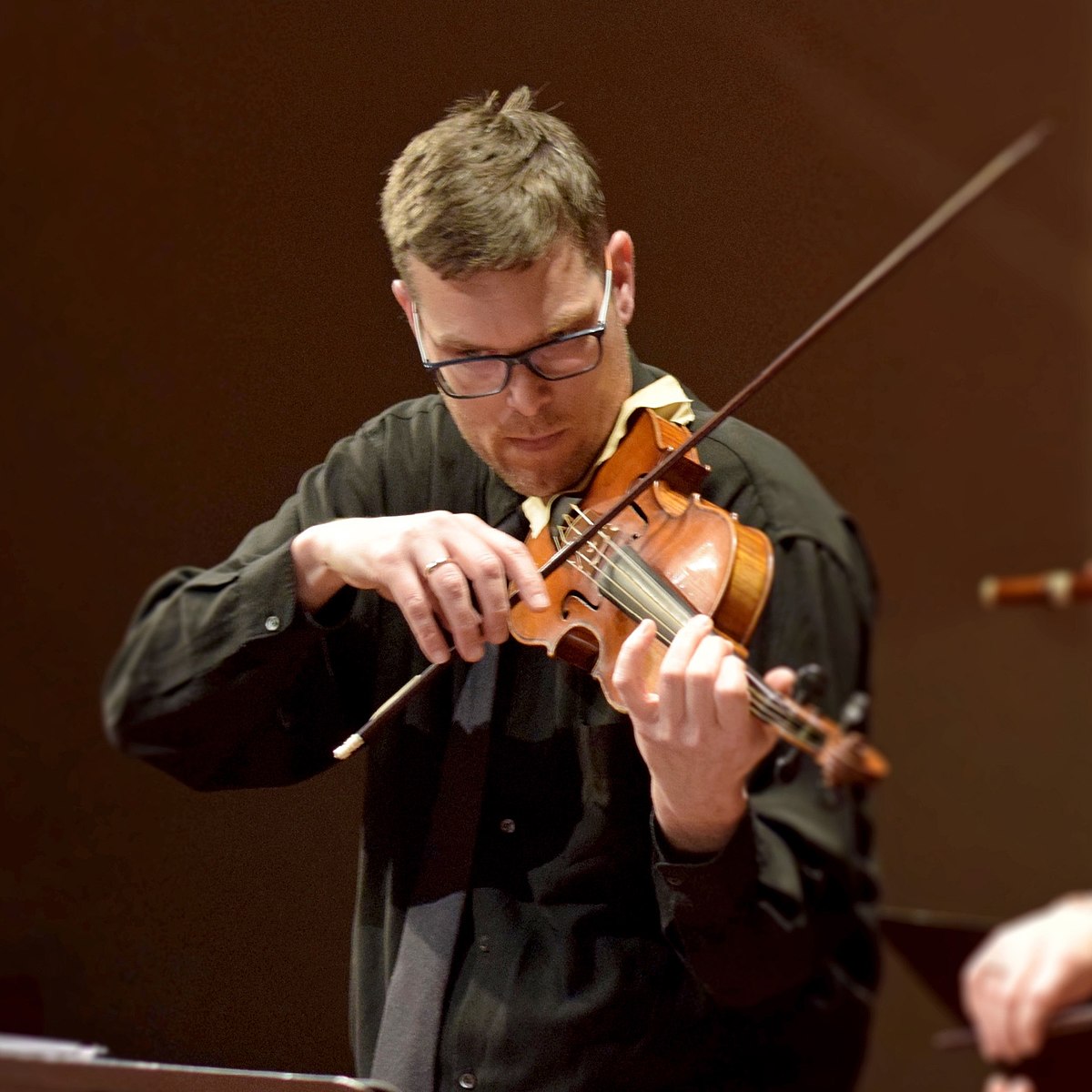
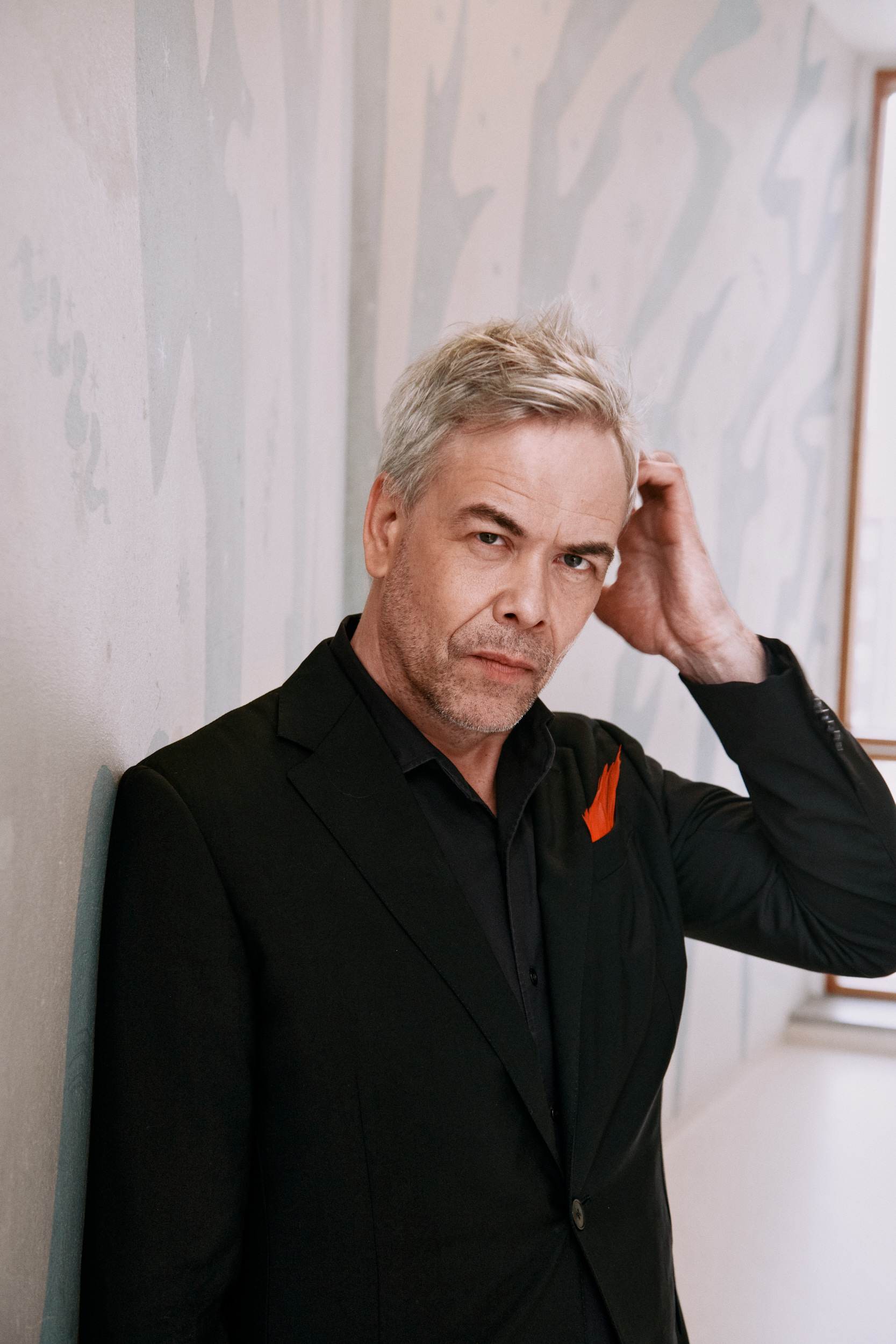
David Korevaar. Photo by Matthew Dine
If Bach is showing off as a composer, with his canons and widely varying styles of variations, the music also gives the performer space to show off, too. “There is a combination of compositional virtuosity and keyboard virtuosity here,” Korevaar says. “It would be silly to claim that there’s not an aspect of bravura to this music. This music actually is very difficult and sounds very difficult!”
Bach wrote the Goldberg Variations specifically for harpsichord, as the piano was not yet well developed in 1740. Korevaar is playing them on piano, but he is not averse to more historically accurate performances. “I love my modern piano, but I also love listening to a wonderful harpsichordist play,” he says.
The modern instrument has different expressive possibilities and parameters than the harpsichord. “Color, dynamics and shaping are an inevitable part of playing the piano” he says. “And those parameters are much less available to a harpsichordist.” In contrast, he explains, the harpsichord and other historical instrument depends much more on flexibility of time and tempo to create expression.
And that’s what Korevaar seeks above all in performing Bach’s music. “I believe very deeply that Bach was essentially an expressive composer,” he says.
“And so to understand that and to bring that music to life in a way that sings and dances and speaks—that’s what I admire and strive for.”
# # # # #
Boulder Bach Festival “Transcendence” David Korevaar, piano
J.S. Bach: Goldberg Variations, S988
4 p.m. Saturday, Oct. 21 Gordon Gamm Theater, Dairy Arts Center
Exhilarating fanfare, a new harp concerto and Holst’s Planets form the program
By Peter Alexander Oct. 5 at 3 p.m.
The Longmont Symphony Orchestra (LSO) and conductor Elliot Moore will open their fall concert series Saturday evening with a concert titled “Shoot for the Stars” (7 p.m., Vance Brand Civic Auditorium; details below).
Longmont Symphony and conductor Elliot Moore
The program’s title comes not from music about literal stars, but other astronomical bodies: The Planets, Holst’s suite that portrays in music the mythical and astrological character of seven of the planets in our solar system. While the opening movement, “Mars, the Bringer of War,” is the most popular of the seven, it is later movements in the cycle that best reflect the composer’s fascination with mysticism and astrology—especially the last three, “Saturn, the Bringer of Old Age,” “Uranus, the Magician” and “Neptune, the Mystic.”
The ending of the final movement is especially haunting, as an unaccompanied, wordless female chorus sings music of uncertain tonality. They get softer and softer as a door between them and the stage is slowly closed, and finally they vanish into silence.
Rachel Starr Ellins
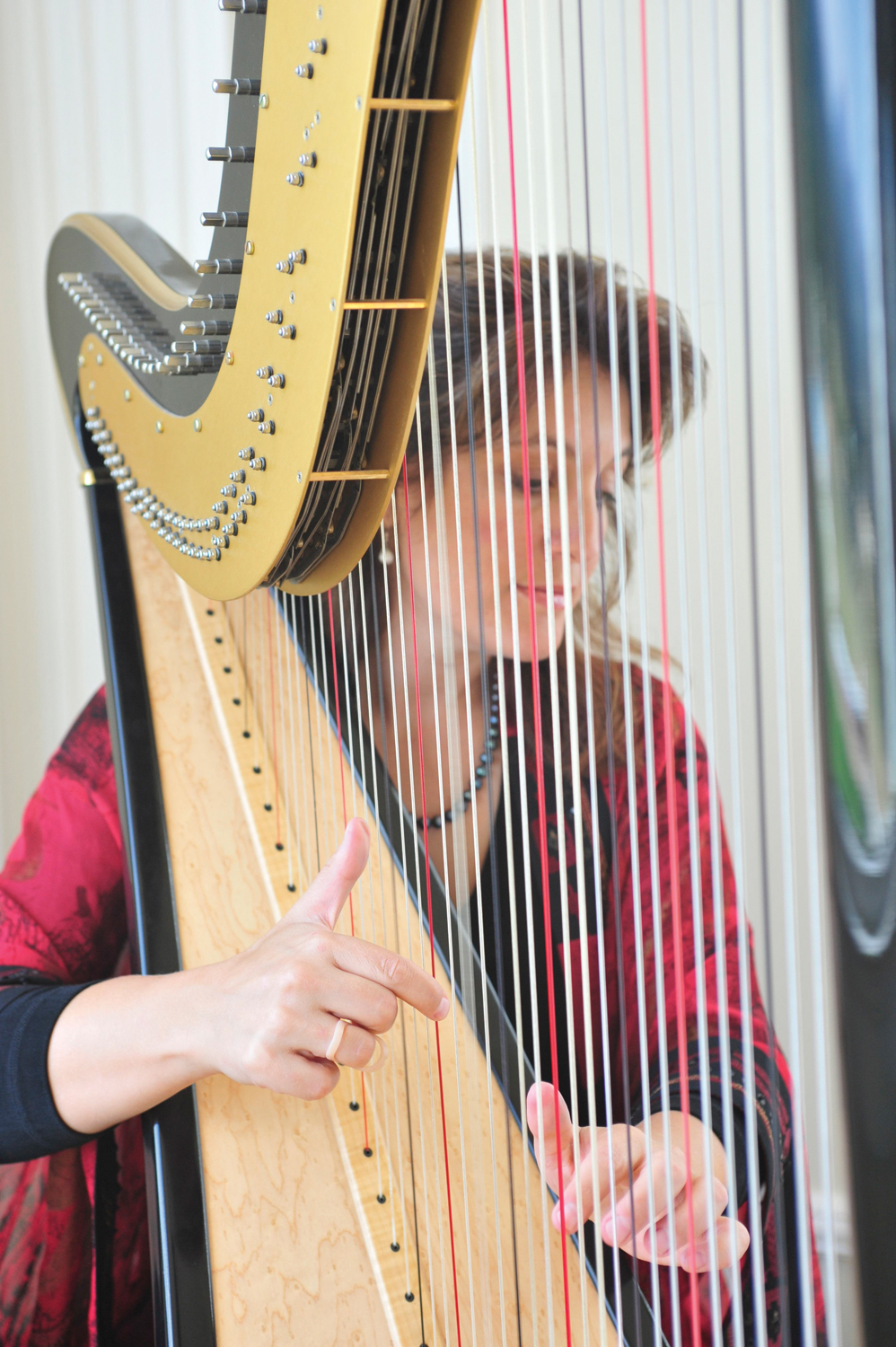
Soloist for the concert will be harpist Rachel Starr Ellins, who has been principal harp with the LSO since 1996. Second harpist and first-call substitute with the Colorado Symphony, she has taught at CSU and maintains her own harp studio. She will play Harp of Ages by Michael Daugherty, a concerto that was commissioned by the Colorado Symphony and premiered earlier this year.
An exploration of the history of the harp, Harp of Ages comprises seven movements, each based on a harpist of history or legend. These range from the Greek lyric post Sappho to Uhura on the Starship Enterprise in Star Trek to the Biblical David and Harpo Marx. Stops along the way include a Mexican convent and an Irish wedding. Known for his fluency in contemporary pop dooms, Daugherty even indulges in the blues at one point.
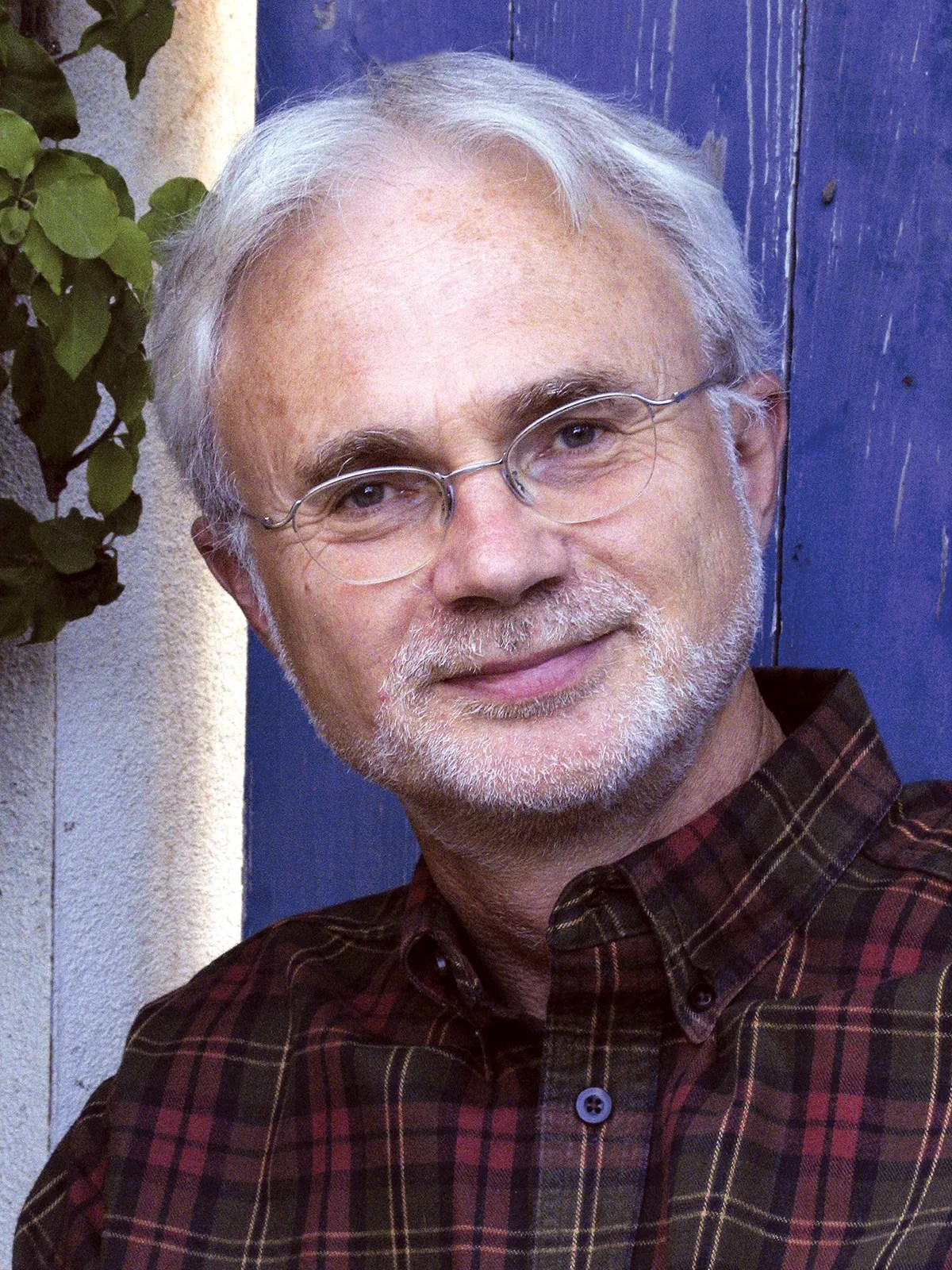
John Adams. Photo by Deborah O’Grady
The concert will open with Short Ride in a Fast Machine, a fanfare by American composer John Adams that was written in 1986 for the Pittsburgh Symphony. An energetic and at times frenzied composition, it quickly became popular as a concert opener and was in fact the most frequently performed orchestral work by a living American composer during the 1990s. To this day, its insistent woodblock, excited brass chords and pulsing polyrhythms make it just about the most exhilarating way there is to open a concert—or a concert season.
Tickets for the full season, as well as Friday’s concert are available on the LSO Web page. You may see the fall concerts listed below.
# # # # #
Longmont Symphony Orchestra Fall 2023 Concerts
“Shoot for the Stars” Longmont Symphony, Elliot Moore conductor With Rachel Starr Ellins, harp
Boulder Chamber Chorale and Chamber Orchestra join forces Friday
By Peter Alexander Oct. 4 at 12:10 p.m.
Conductor Bahman Saless and the Boulder Chamber Orchestra (BCO) will join together with Vicki Burrichter and the Boulder Chamber Chorale to perform one of the least known of Mozart’s major works Friday (7:30 p.m., First United Methodist Church; details below).
The C Minor Mass is, alongside the Requiem, one of two major choral works that Mozart left unfinished. Probably because it was never finished, and also because it is a difficult piece to put together, it is not performed very often.
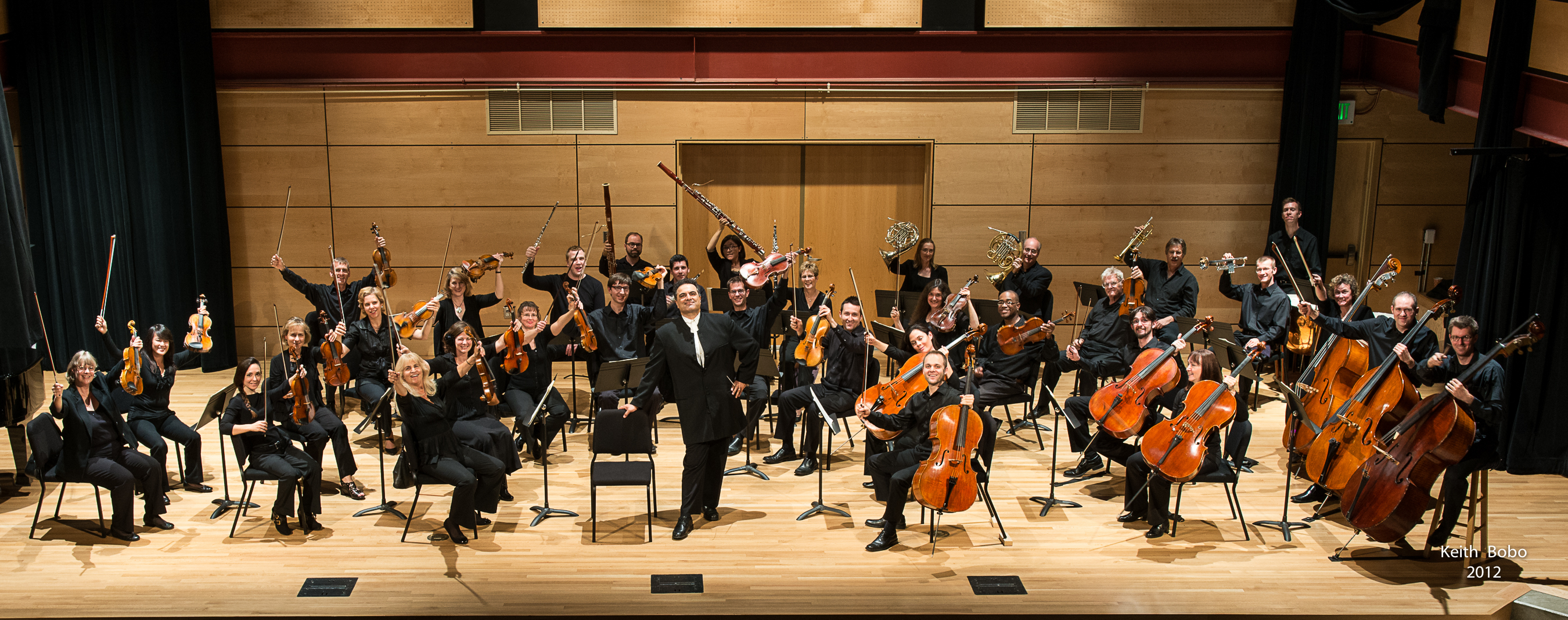
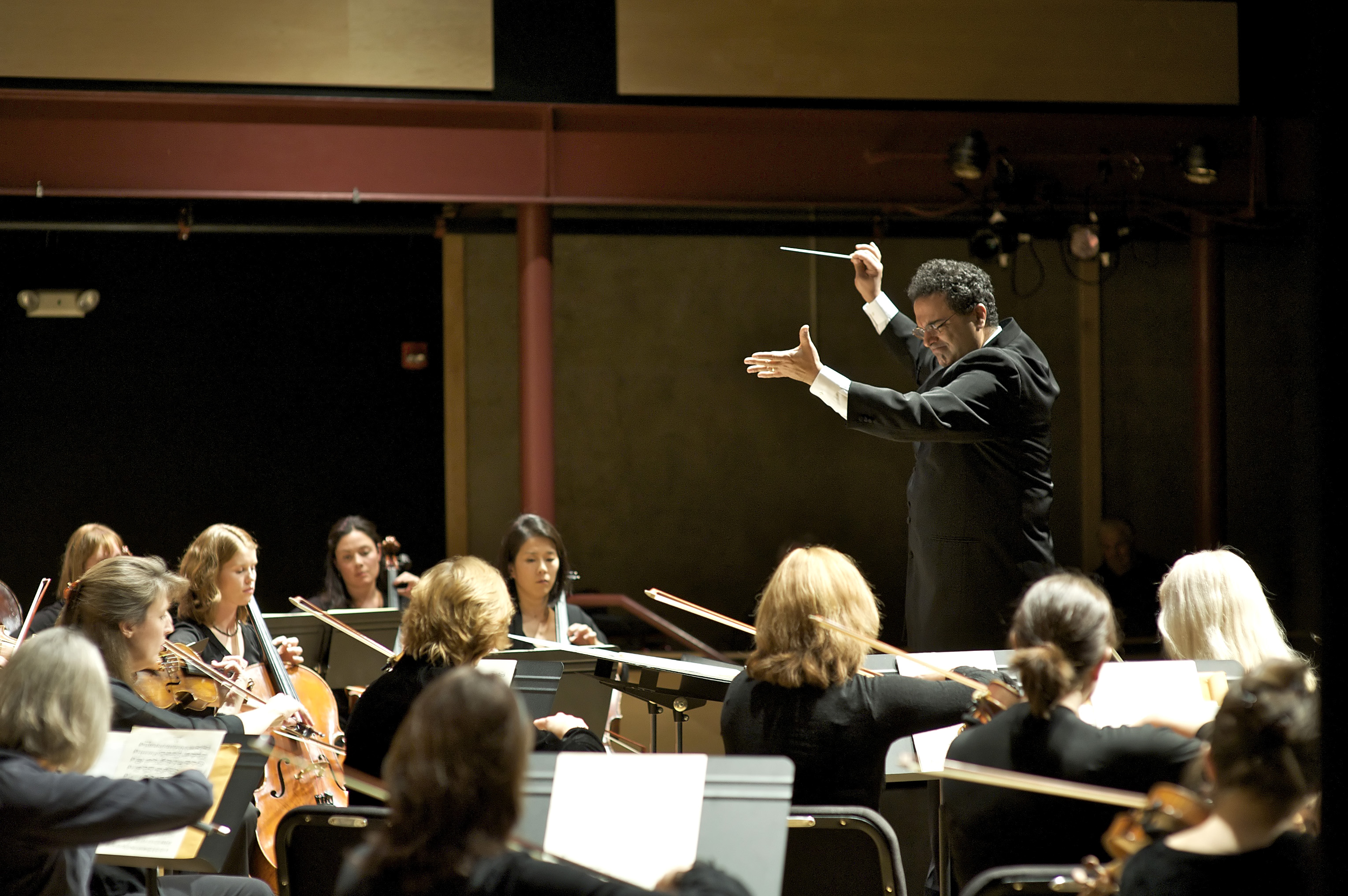
Bahman Saless with the Boulder Chamber Orchestra
Mozart began this very large-scale setting of the Ordinary of the Mass—those portions that are performed year-round as opposed to texts that are specific to individual days of the year—in 1782, soon after his marriage to Constanze Weber. Mozart said he started the Mass in honor of his marriage, but he never finished the work.
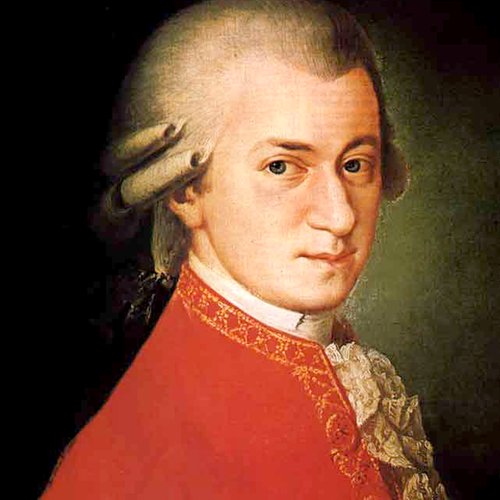
Mozart
The opening Kyrie movement and the Gloria were completed, as were two sections of the Credo, as well as the Sanctus and Benedictus. The remainder of the Credo and the Agnus Dei text were never written. On the basis of the completed movements, a full Mass would have been an extensive work.
Mozart and Constanze visited the composer’s father Leopold in Salzburg in October of 1782, with the completed portions of the Mass in hand. At least some portions of Mozart’s score were performed as part of a service in Salzburg, including Constanze singing Et incarnatus est, a beautiful and difficult soprano solo. What else was performed is unknown, and Mozart never wrote another note of the Mass after the visit to Salzburg.
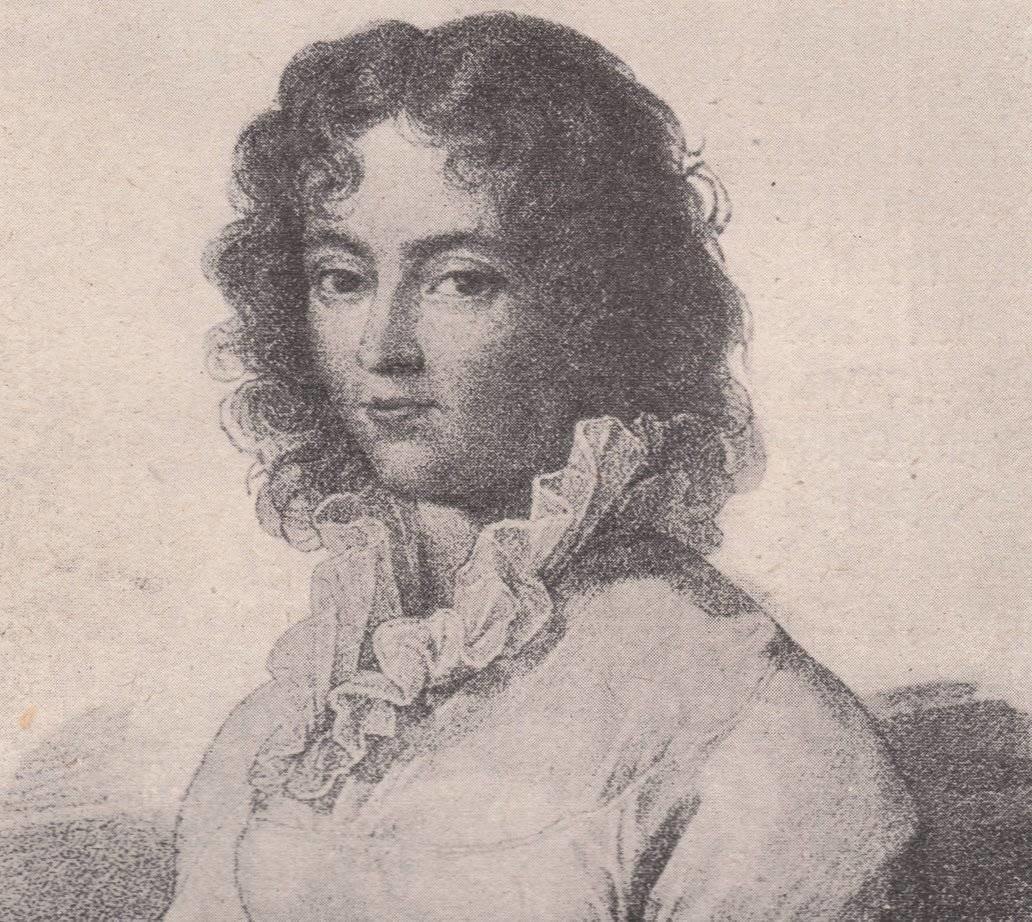
Constanze Mozart. Portrait by Joseph Lange
One theory is that Mozart had started the mass as a gesture to his very religious father, who had not approved of the marriage with Constanze. Having mollified the testy Leopold during his visit, he had no reason to write more, as there were no performance possibilities for a large-scale Mass setting in Vienna, due to the policies of the Austrian Emperor Joseph II.
In any case, the Mass in C minor falls at a transition point in Mozart’s life, at the time not only of his marriage but of his move to Vienna and his emergence as an independent composer. It also represents a new development in his musical style, which came about from his study of the Baroque masterpieces of Bach and Handel. The Mass contains several large-scale fugues and a few movements for double-chorus, which add to the complexity and difficulty of the choral parts.
“Every movement has a different challenge,” Burrichter, who rehearsed the chorus, says. “The double choruses certainly are challenging, in terms of listening to each other, and the fugues are extremely difficult and long. But in spite of the difficulties, we’ve all been thrilled with learning it. As Mozart is, it’s so beautifully melodic, it’s so emotionally powerful, and it’s a treat.”
Boulder Chamber Chorale with Burrichter (far right)
Saless, who will conduct the performance, shares Burrichter’s appreciation for Mozart’s music. “It’s a beautiful piece, and it has incredibly gorgeous arias,” he says.
Among the arias, Burrichter points specifically to the one that Mozart wrote for Constanze. “The Et incarnatus est, one of the great soprano solos, is just one of the best things he ever wrote,” she says. “It’s really stunning!”
To sum up the Mass, Burrichter particularly likes to quote Patrick Mackie, who wrote in his book Mozart in Motion that “The C-Minor mass is . . . a sort of total statement on everything music could be . . . (It) has a surging monumentality and a giddy, athletic zip.”
The concert will open with the Colorado premiere of Summation, a brief piece for chorus and orchestra by composers Jim Klein and Ian Jamison. The performance by the BCO was commissioned by Klein, a successful businessman and entrepreneur who works as a visual artist in a studio outside Greeley and owns an art gallery in Scottsdale, Arizona.
“We’re really delighted to showcase music by local Colorado composers,” Saless says. “It’s obvious this piece was inspired by a spiritual experience.”
Klein explains that source of inspiration in his program notes, where he writes “On my daily early morning walk down our farm lane over the decades, I have often asked the question, ‘Who am I?’” One day, while walking with his dog, he writes that the answer came to him in a text that begins “God is in me.”
WIth that thought in mind, he worked with Jamison to express the text in music. “Hopefully,” he writes, “this internal investment will pass on for future generations.”
In addition to the Boulder performance Friday, the program will be presented at the University of Northern Colorado Commons in Greeley at 3 p.m. Sunday. Links for the purchase of tickets are listed below.
# # # # #
“Mozart Mass and More” Boulder Chamber Orchestra with Boulder Chamber Chorale Bahman Saless, conductor, with sopranos Szilvia Schranz and Moira Murphy; tenor Thomas Bocchu; and baritone Tyler Padgett
Jim Klein and Ian Jamison: Summation
Mozart: Mass in C Minor
7:30 p.m. Friday Oct. 6 First United Methodist Church, 1421 Spruce St, Boulder
Programs include guitarist Trace Bundy, a live film soundtrack and a family concert
By Peter Alexander Sept. 28 at 2:40 p.m.
The Boulder Symphony, a self-described “community focused orchestra” that began as a community orchestra and has grown into a larger organization that includes a Music Academy for young students, opens its 2023–24 concert season Friday with a concert featuring guitarist Trace Bundy (7:30 p.m. at Boulder Theater; see ticket information below).
John Clay Allen
The program, under the direction of Devin Patrick Hughes, includes works from Bundy, the Beatles, Leonard Cohen and U2, among others, arranged for the orchestra by John Clay Allen. A member of the faculty at Metropolitan State University in Denver, Allen is also the composer-in-residence with the Boulder Symphony. The world premiere of his Eroica Forgotten is also part of the program for Friday’s concert.
The concert is sponsored by Suerte Tequila, an independent craft Tequila made in Jalisco, Mexico, with offices in Boulder. During the concert, Suerte Tequila will be sold at the Boulder Theater bar.
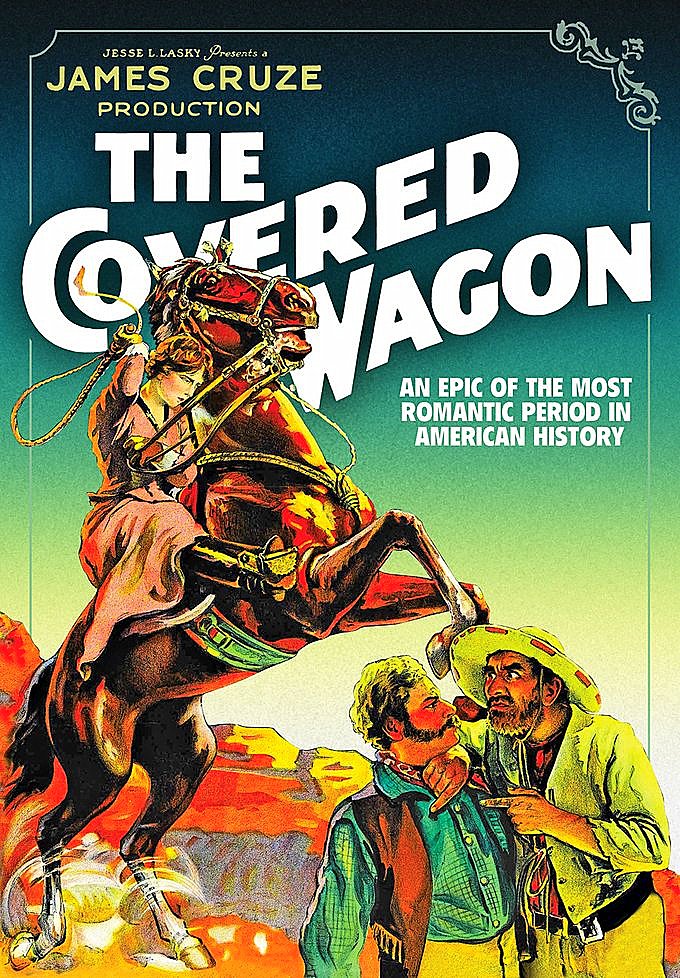
In October, the orchestra will present live music for the silent film The Covered Wagon and one of their “Curiosity Concerts,” short concerts designed for family attendance. The performance of music for The Covered Wagon (7:30 p.m. Saturday Oct. 14; details below) is presented in conjunction with the Northern Arapaho Eagle Society and in observance of the second week of October as Indigenous Peoples Week.
The Covered Wagon is a 97-minute 1923 silent film that included 500 Arapaho tribal members from the Wind River Reservation in the cast. The original film was premiered in New York City with a soundtrack score by Hugo Riesenfeld. University of Wyoming music prof. Anne Guzzo was commissioned to compile a new soundtrack, “Arapaho Covered Wagon Redux,” that aims to reverse negative Native American stereotypes and retell the story from a tribal perspective. Her compilation was arranged for orchestra and the Northern Arapaho drummers by Allen.
The performance is a combination concert presentation of the film and recording session.
Later in the month, the Boulder Symphony presents their first “Curiosity Concert” of the season (3 p.m. Saturday, Oct. 28 in the orchestra’s primary home, Grace Commons Church in Boulder, which is called Grace Commons Concert Hall for performances). Titled “Perfectly Imperfect,” the performance is a program of the classical music education producer Extra Crispy Creatives.
With music ranging from Mozart to Billie Eilish, “Perfectly Imperfect” explores “what makes Earth’s music the best in the galaxy.” The performance with full orchestra and an alien named “Blip” will last approximately 45 minutes.
Erin Patterson
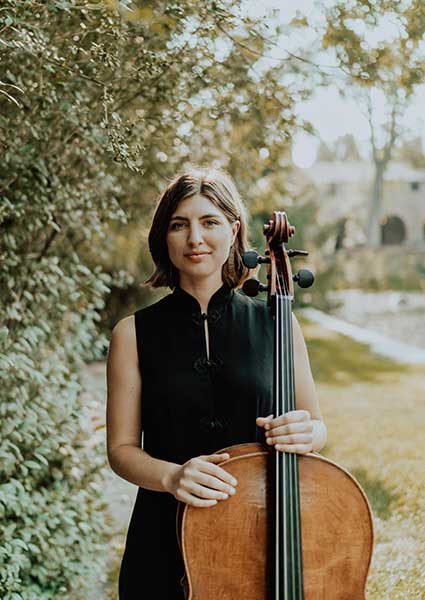
The fall’s full formal concert by the Boulder Symphony will take place at Grace Commons at 7:30 p.m. Friday, Nov. 17. Cellist Erin Patterson, a member of the Altius String Quartet, will be soloist in a performance of DANCE for cello and orchestra by Anna Clyne. Other works on the program, conducted by Hughes, will be Finlandia by Sibelius and the Symphony No. 2 of Rachmaninoff.
Clyne’s DANCE is effectively a five-movement concerto for cello, based on a five-line poem by Rumi. Each movement is titled after one line of the poem: Dance, when you’re broken open. Dance, if you’ve torn the bandage off. Dance in the middle of the fighting. Dance in your blood. Dance, when you’re perfectly free.
Composed in 1906–07, Rachmaninoff’s Second Symphony was an important milestone for the composer. The 1897 premiere of his First Symphony had been a failure. Rachmaninoff became depressed after the performance, and doubted his abilities as a composer. For his Second Symphony, he moved to Dresden, Germany, to have time for composing away from Russia, and after completing and extensive and revision of the score, he was able to present the symphony in St. Petersburg in January, 1908.
The performance was a great success, and the symphony won an award for the composer. This event restored Rachmaninoff’s confidence, and the Second Symphony, while subject to considerable later revisions, has remained one of his most popular compositions.
Tickets for performances by the Boulder Symphony are available on the organization’s Web page.
# # # # #
Boulder Symphony Fall Concerts in Boulder
7:30 p.m. Friday, Sept. 29 Boulder Symphony, Devin Patrick Hughes, conductor With Trace Bundy, guitar
Program includes:
John Clay Allen: Eroica Forgotten (World premiere)
Trace Bundy: “Elephant King” (arr. by John Clay Allen)
Lennon/McCartney: “Dear Prudence” (arr. by John Clay Allen)
Leonard Cohen: “Hallelujah” (arr. by John Clay Allen)
The Edge/Bono: “Where the Streets Have no Name” (arr. by John Clay Allen)
Boulder Theater Concert presented by Suerte Tequila
The Covered Wagon Live Silent Film soundtrack recording session 7:30 p.m. Saturday, Oct. 14 Boulder Symphony, Devin Patrick Hughes, conductor, With the Northern Arapaho Eagle Society
Soundtrack compiled by Anne Guzzo; arranged by John Clay Allen
Pine Street Church, 1237 Pine St., Boulder
Fall Curiosity Concert 3 p.m. Saturday, Oct. 28 Boulder Symphony, Devin Patrick Hughes, conductor Perfectly Imperfect, production of Extra Crispy Creatives
Program includes original music and arrangements from:
Sia: “Cheap Thrills”
Mozart: Symphony No. 40 in G minor
Rossini: Overture to William Tell
Richard Strauss: Also sprach Zarathustra
Billie Eilish: “Bad Guy”
Grace Commons Church, 1820 15th St.
7:30 p.m. Friday, No. 17 Boulder Symphony, Devin Patrick Hughes, conductor With Erin Patterson, cello
Sibelius: Finlandia
Anna Clyne: DANCE for cello and orchestra
Rachmaninoff: Symphony No. 2 in E minor, op. 27
Grace Commons Church, 1820 15th St.
TICKETS and information for all Boulder Symphony performances on their Web page.
CORRECTION: When originally posted, one of the paragraphs in this article was accidentally misplaced. Although it did not change the meaning, the error has been corrected and all parts of the story are in the correct order (11:15 p.m. 9/27/23).
Takács Quartet, Faculty Tuesday concerts have begun for 2023–24
By Peter Alexander Sept. 14 at 10:30 p.m.
You may still be stuck in a Summer mood—I know I am—but on the CU campus and around the Imig music building, Fall is well under way.
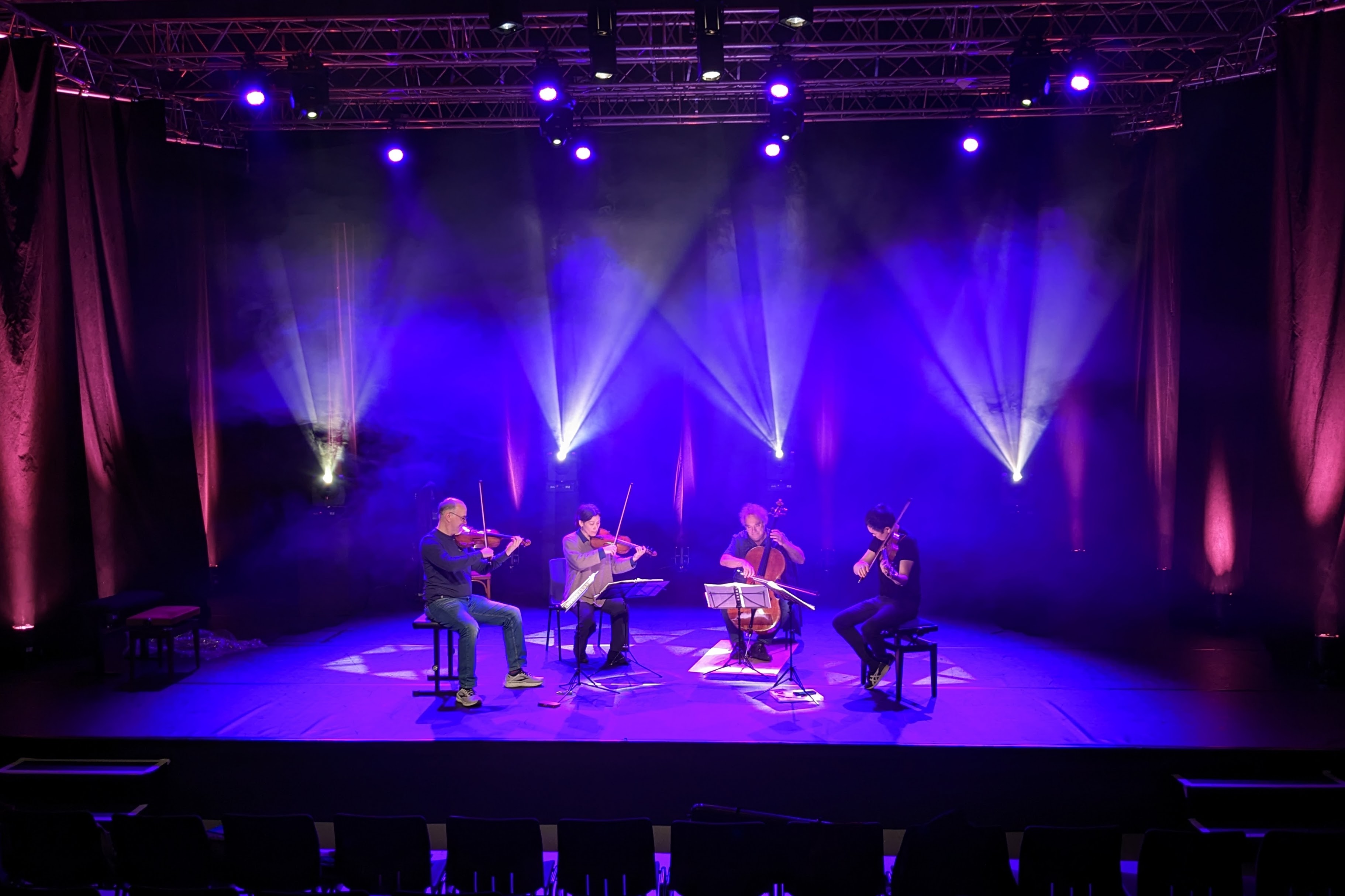
Even more reliable signs of the season than the turning of the leaves, the College of Music’s Faculty Tuesday series and the Takács Quartet’s campus concert series are already ongoing for the 2023-24 year. The Takács will play music of Haydn, Bartók and Beethoven Sunday afternoon and Monday evening (4 p.m. Sept. 17 and 7:30 pm. Sept. 18 in Grusin Hall), in their customary two-performance pairing. They have one more program during the fall (Nov. 5 and 6; program below) and more performances after the first of the year.
Takács Quartet. Photo by Ian Malkin.
Then next Tuesday (7:30 p.m. Sept. 19, also in Grusin), the quartet’s second violinist Harumi Rhodes and pianist Hsiao-Ling Lin will present the music of Robert Schumann and Beethoven on a faculty Tuesday recital titled “MEMORIA.” The centerpiece of the program features visual art by Michiko Theurer with three short pieces by Kaija Saariaho, performed with cellist Meta Weiss.
The Faculty Tuesday series continues nearly weekly for the remainder of the academic year; listings of all College of Music concerts can be found on the school’s Web page. All Faculty Tuesday performances are free and open to the public.
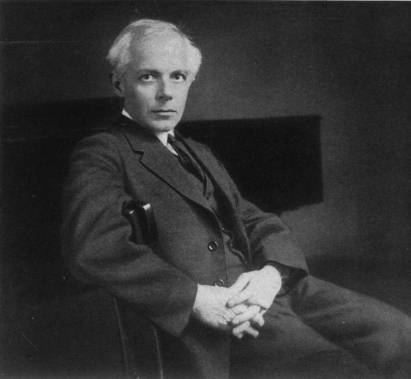
Béla Bartók
Both fall performances by the Takács will feature works by Hungarian composer Béla Bartók. The original membership of the Takács Quartet was entirely Hungarian: the quartet was founded in Budapest by students at the Franz Liszt Academy, and the music of their fellow-Hungarian Bartók was home territory for them. Cellist András Fejér, the one original member and one Hungarian in the Takács today says that is still the case, and has been through all changes in personnel in the group’s history.
“Absolutely,” Fejér says. “Ed (Dusinberre) was the first (new member) with us, and we learned and re-learned them together. And what we found with him, and also with all the new partners, was an immense hunger to enjoy and to interpret in a meaningful way.”
That does not mean that the Takács’s interpretation of Bartók’s quartets doesn’t change. “When we put them to rest for a while and then start practicing again, the questions we ask are completely different,” Fejér says. “Any given problem gets a different light, and we’ve been changing in the interim period. That’s what makes this whole process so fresh and alive and fascinating all of these decades.”
But one thing that remains consistent, he says, is their view of Bartók not as an aggressive modernist but as a Romantic composer. “In spite all the dissonance, we still feel he is a wonderfully Romantic composer,” he says. “Even when it sounds harsh, you realize it should’t sound harsh, it should sound like a village piece, or lonesome mourning. If we attack from that angle, one can discover millions of wonderful things!”
The other composer present in both concerts during the fall semester is Joseph Haydn. For two reasons, Haydn is also central to the Takács’s work. First, Haydn has his own Hungarian connections, having been born on the border between Austria and Hungary and spent long periods of his life in Hungary at the castle of Prince Esterhazy. And he is considered the creator of the string quartet, having written nearly 70 quartets starting before it was a recognized concert genre.
András Fejér
Fejér wants the audience to realize what a creative composer Haydn was. “Just because Haydn is often the first piece we are playing at our concerts, doesn’t mean that it’s a warm-up piece,” he says. “It’s extremely inventive, full of the most wonderful characters. I cannot emphasize (enough) the originality of the pieces, and we are just happy enjoying it. Sometimes even today I cannot quite believe how wonderfully dense—or densely wonderful—they are!”
The other composer represented in the fall programs is Beethoven, whose Quartet in E minor, op. 59 no. 2 is on the opening program Sunday and Monday. That is the second of the three “Rasumovsky” Quartets, written for the Russian Ambassador in Vienna around 1808. In his honor, it includes a Russian folk tune that also appears in Mussorgsky’s opera Boris Gudonov.
Information on the full Takács season and box office information can be found on the Takács Quartet listing through CU Presents. Tickets are available for both in-person attendance in Grusin Hall and for streaming access to the performances.
# # # # #
Takács Quartet Fall concert series, 2023 (All concerts in Grusin Hall)
The Boulder Chamber Orchestra is first out of the gate of the city’s five orchestras that present a season every year.
Bahman Saless with the Boulder Chamber Orchestra. Photo by Keith Bobo.
Their opening concert for the fall of 2023–24, featuring music by Mozart, Beethoven and Dvořák, will be the coming Saturday (Sept. 16 at 8 p.m. at the Boulder Adventist Church; program below) and will feature solo appearances by violinist Jubal Fulks and pianist Petar Klasan. Music director Bahman Saless will conduct.
This is ahead of all other local orchestras—the Boulder Philharmonic, the Boulder Symphony, the Pro Musica Colorado Chamber Orchestra and the University Symphony—by two weeks or more.
If there is a theme to the season, it might be the presentation of three different piano concertos by Beethoven by three different soloists: Concerto No. 3 played by Petar Klasan Sept. 16; Concerto No. 2 played by Adam Zukiewicz Oct. 21; and the “Emperor” Concerto played by Jennifer Hayghe in 2024. There is also the usual mixture of very familiar composers (Beethoven! Mozart!) with quirky, unfamiliar composers (Jim Klein and Ian Jamison! Maxim Goulet!) that reflect Saless’ eclectic tastes.
December offers the world premiere of a flute concerto written for the BCO and principal flutist Cobus DuToit by Czech composer Sylvie Bodorova. Compiled from previous works, the concerto was suggested to Saless this past summer when he met Bodorova in a conducting workshop.
Jubal Fulks
The “Romance” in the title of Saturday’s opening concert comes from Dvořák’s Romance in F minor for violin and orchestra. A gently enchanting piece, it was derived from the slow movement of the composer’s String Quartet no. 5 in F minor. The soloist, Jubal Fulks, teachers violin and heads the string area at the University of Northern Colorado.
Mozart’s Symphony No. 35 has a somewhat complicated backstory, having been preceded by two different serenades Mozart wrote for the Haffner family of Salzburg. The first, written for a wedding in 1776, is known today as the “Haffner Serenade.” Portions of the second, commissioned for the ennoblement of Siegmund Haffner in 1782, became Symphony No. 35, first performed in Vienna in 1783.
Beethoven composed his Third Piano Concerto in or around 1800—the exact date is disputed—and gave the first performance on a concert in April 1803 on which he also presented first performances of his Symphony No. 2 in D major and his oratorio Christ on the Mount of Olives. Although the concerto was complete, at least in the composer’s head, he had not yet written it all down. Ignaz von Seyfried, a friend who turned pages at the performance, later reported that almost all the pages were blank!
Petar Klasan
“He played nearly all the solo part from memory since, as was so often the case, he had not had time to set it all down on paper,” Seyfried wrote.
With BCO, the soloist will be Croatian pianist Petar Klasan, who fortunately has studied Beethoven’s completed score. A prize winner in several European competitions, Klasan, 21, is a fellow of the International Music Academy in the Principality of Liechtenstein. He currently lives in Vienna, where he continues his studies and performs with “Con Brio,” a concert series that he founded in 2018.
A full listing of the BCO’s 2023–24 season, and access to ticket purchases, can be found on the orchestra’s Web page.
# # # # #
Boulder Chamber Orchestra 2023 Fall Concert Schedule
“Romance and Intrigue” Boulder Chamber Orchestra, Bahman Saless, conductor With Petar Klasan, piano, and Jubal Fulks, violin
Dvořák: Romance in F minor for violin and orchestra
“Mozart Mass and More” Boulder Chamber Orchestra, Bahman Saless, conductor Boulder Chamber Chorale, Vicki Burrichter, conductor
Jim Klein and Ian Jamison: Summation for choir and orchestra
Mozart: Mass in C minor
7:30 p.m. Friday Oct. 6 First United Methodist Church, 1421 Spruce, St. Boulder
“Capturing the Folk Spirit” Mini-Chamber Concert 1 Hsing-sa Hsu, piano, with members of the orchestra
Bartók: Romanian Folk Songs for violin and piano
Dvořák: Quintet for piano and strings in A major
Brahms: Klavietstücke, op. 118 no. 3
7:30 p.m. Sunday, Oct. 21 Boulder Adventist Church
Holidays Celebration Boulder Chamber Orchestra, Bahman Saless, conductor Nadia Artman, guest conductor With Adam Zukiewicz, piano, and Cobus DuToit, flute
Mozart: Overture to Marriage of Figaro
Maxime Goulet: Chocolats Symphonique
Sylvie Bodorova: Concerto for Flute and Orchestra (2023; world premiere)
Beethoven: Piano Concerto No. 2 in B-flat, op. 19
7:30 p.m. Saturday, Dec. 16 Boulder Adventist Church
TICKETS for all concerts available at the Boulder Chamber Orchestra Web site.
NOTE: Correction of spell-corrector errors, 9/12: paragraph 2, the violin soloists name is Jubal Fulks, not Forks; paragraph 4 and penultimate paragraph, the soloists name for the Third Concerto is Petar Klasan, not Peter.
Rusalka and Flying Dutchman come to life in their music
By Peter Alexander Aug. 10 at 11:15 a.m.
Dvořák’s remarkable, beautiful opera Rusalka(Aug. 4) is based on the widespread folk tale of a water spirit, or mermaid, who falls in love with a human, with tragic consequences. As a fairy tale, it is open to many imaginative treatments in performance.
Many, but not all.
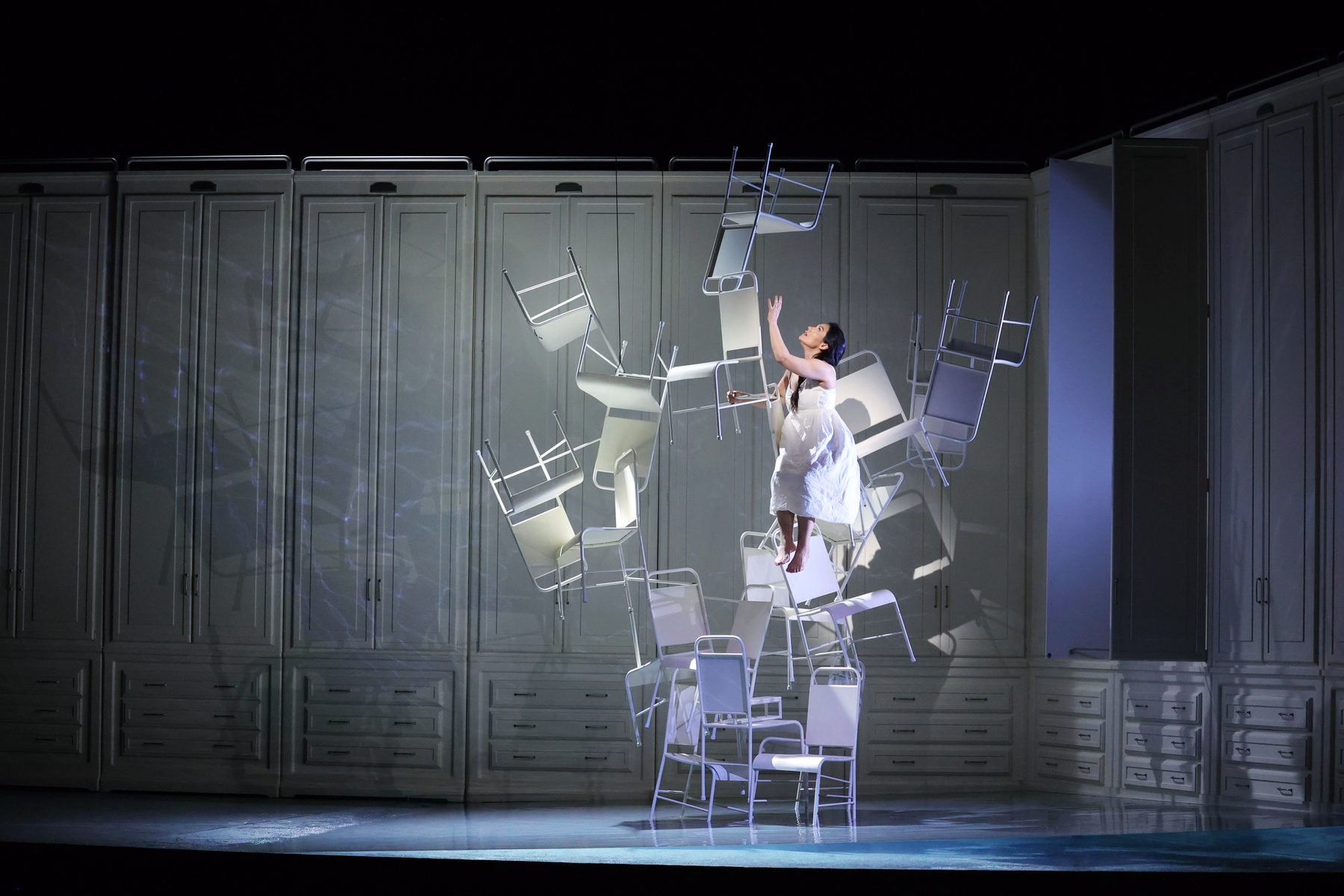
Ailyn Pérez (Rusalka). Photo by Curtis Brown for the Santa Fe Opera.
Santa Fe’s production is designed by Leslie Travers, with costumes by Marie-Jeanne Lecca, and directed by Sir David Poultney. There are significant aspects of the original tale that point to the placement of the opera in an asylum, with attendants in white looking over the characters. Rusalka, the spirit who wants to escape the watery realm in order to love a human, is clearly a dreamy misfit, rebelling against her restricted existence—the kind of free spirit who often found themselves confined in Victorian asylums, eager to escape just as Rusalka wants to escape into the human world.
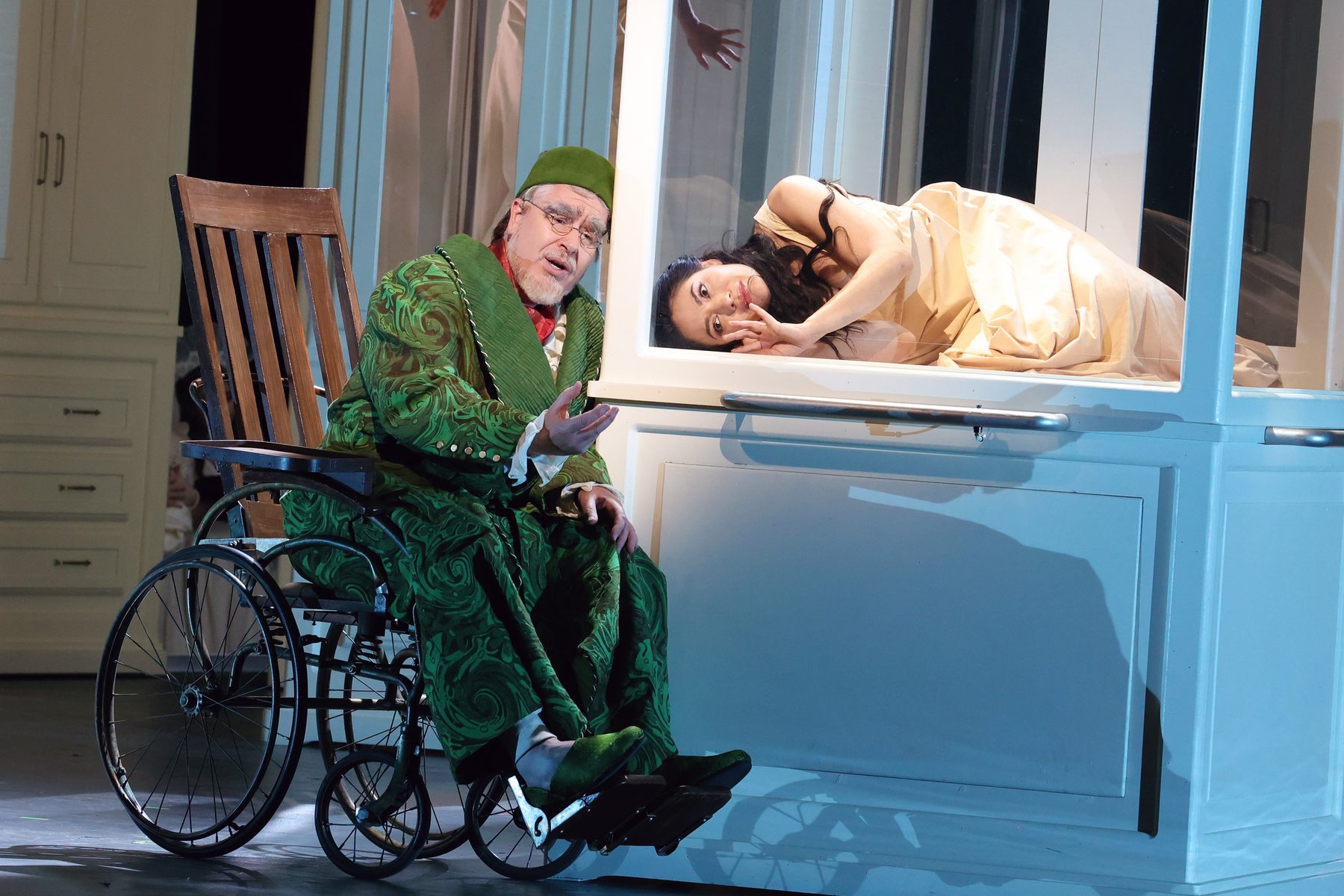
But from that essential truth, Poultney and designers take a series of wrong turns that lead into bewildering dead ends and inappropriate moments of laughter. Having Vodnik, Rualska’s father and a potent spirit of Czech legend known as the Water Goblin confined to a wheelchair, moved around by attendants and drugged by the witch Jezibaba, reduces him to an impotent bystander. This contradicts the legend and the music.
James Creswell (Vodník) confined to a wheelchair, Ailyn Pérez (Rusalka) confined in glass case. Photo by Curtis Brown.
There are no trees in the first act, since it is an asylum rather than a forest. There is a shallow puddle of water and a stack of chairs that Rusalka climbs into and out of during the scene. (The chairs are missing in the final act, which is supposed to be the same place as the first act.) The three sprites who are Rusalka’s sisters enter the scene first as hand puppets (nervous laughter), then as children (ahh!), and then as singers.
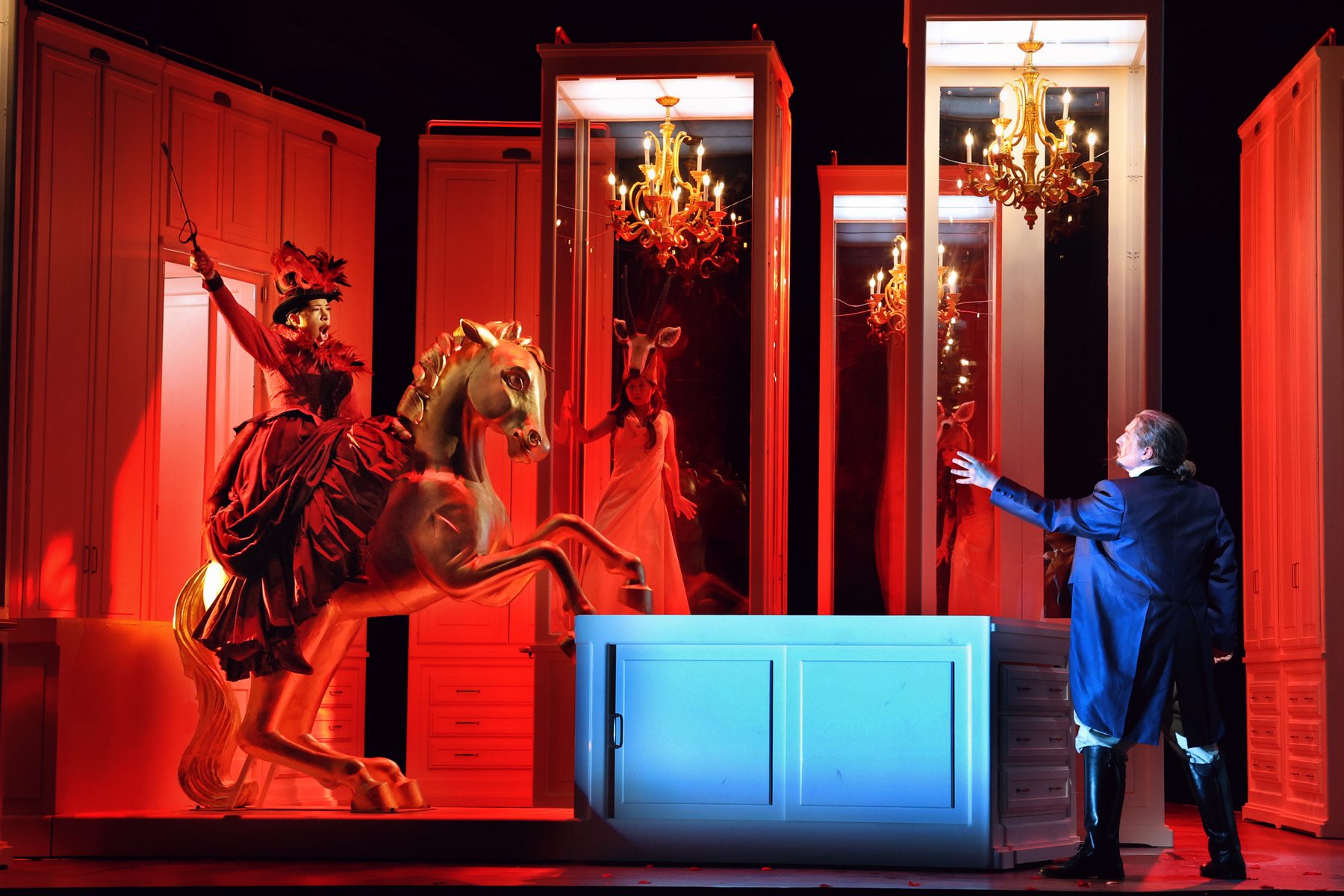
At different times characters from the spirit world appear inside glass cases, a demonstration of their imprisonment that needs no repetition. Or are they the Prince’s feminine conquests, inside trophy cases? How would you know? Either way it reflects a truth of the legend, but it is heavy handed. This is especially true in the final scene, when the stage was filled six or eight cases standing at different angles. Not only are these cases obstacles to smooth staging, they clutter the stage to make a point we already know.
Mary Elizabeth Williams (Foreign Princess), Robert Watson (The Prince). Photo by Curtis Brown.
And when the foreign princess, who will seduce and reject the Prince, enters on a golden horse and dressed in scarlet, the laughter serves neither the opera nor the singers. Her riding crop, wielded against first Rusalka and then the Prince, only adds to the hyperbole. It would be better to rely on acting to establish her brutal haughtiness.
There is more; it’s enough to say that this is a production that starts with an interesting concept and takes it so far that action contradicts music and the magic is lost.
As with other operas this summer, the musical performance is first rate. In the title role Ailyn Pérez gave one of the season’s most satisfying performances. In spite of her mute moments in the second act, Rusalka is a large role, with intense, emotionally charged music in all three acts. Pérez consistently delivered her music with a focused voice and intense expression that were a pleasure to hear. The “Song to the Moon” and her anguished aria in the last act were highlights.
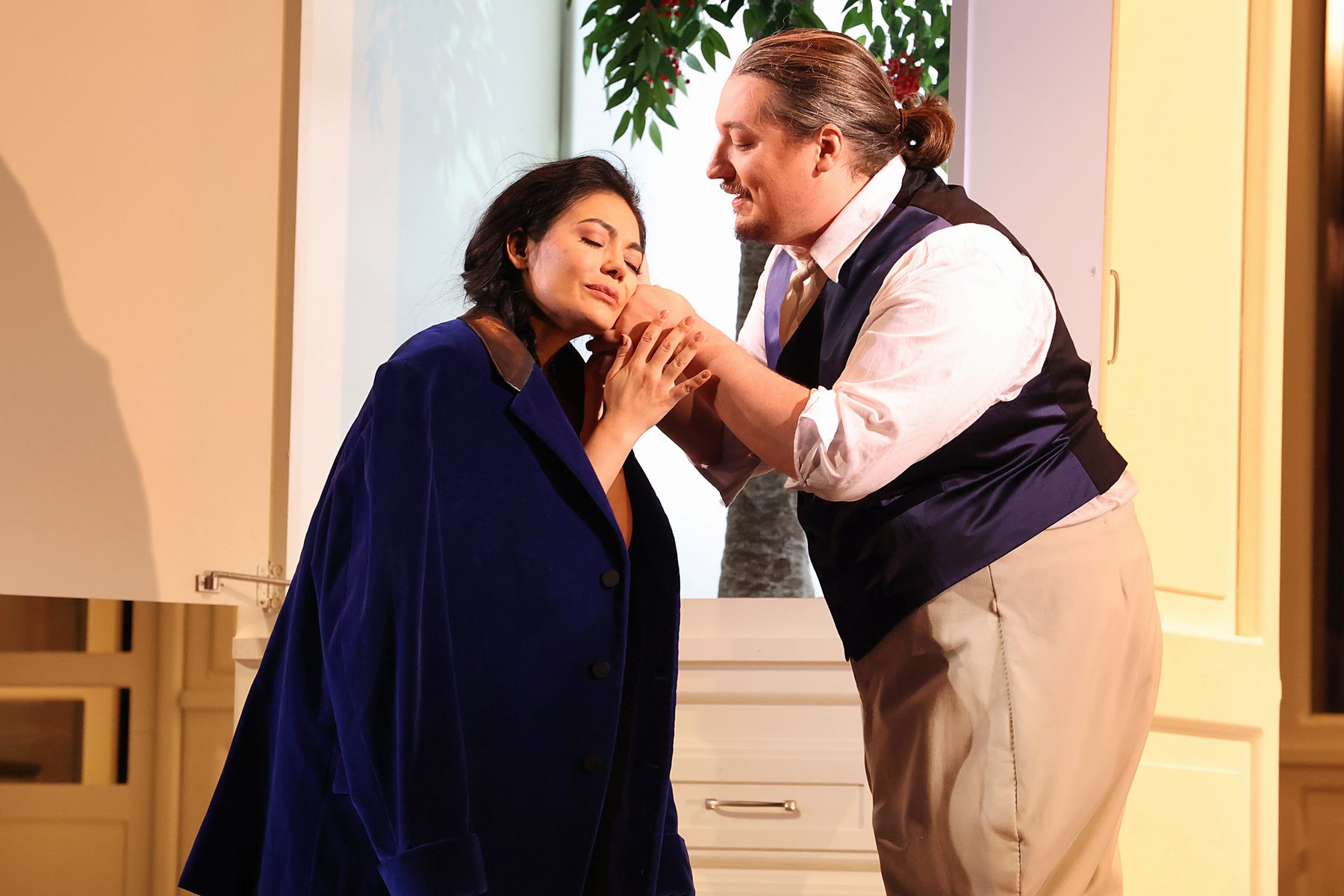
-Ailyn Pérez (Rusalka), Robert Watson (The Prince). Photo by Curtis Brown.
Robert Watson brought a big heldentenor voice to the Prince. In spite of his strong voice, he sounded tight and pressed on the top, where his vibrato was not always controlled. Even in his most ardent moments, he was wooden in his movements and often appeared detached. In spite of the direction that left him dramatically powerless, James Creswell sang richly and expressively as Vodnik. Freed from a wheelchair, he would have made a powerful water goblin. Mary Elizabeth Williams nailed her portrayal of the Foreign Princess. She does not need a riding crop to communicate the character; she does it well with voice and demeanor.
Raehann Bryce-Davis sang well as Jezibaba. Her brewing of the potion for Rusalka—another occasion for self-indulgent comedy, including the simulated killing of a cat—was scenically overdone but musically not quite fierce enough, but elsewhere she fulfilled the expectations for a witch of doubtful trustworthiness. The three wood sprites, Ilanah Lobel-Torres, Lydia Grindatto and Meridian Prall, made a lovely trio, singing some of the most charming music in Rusalka.
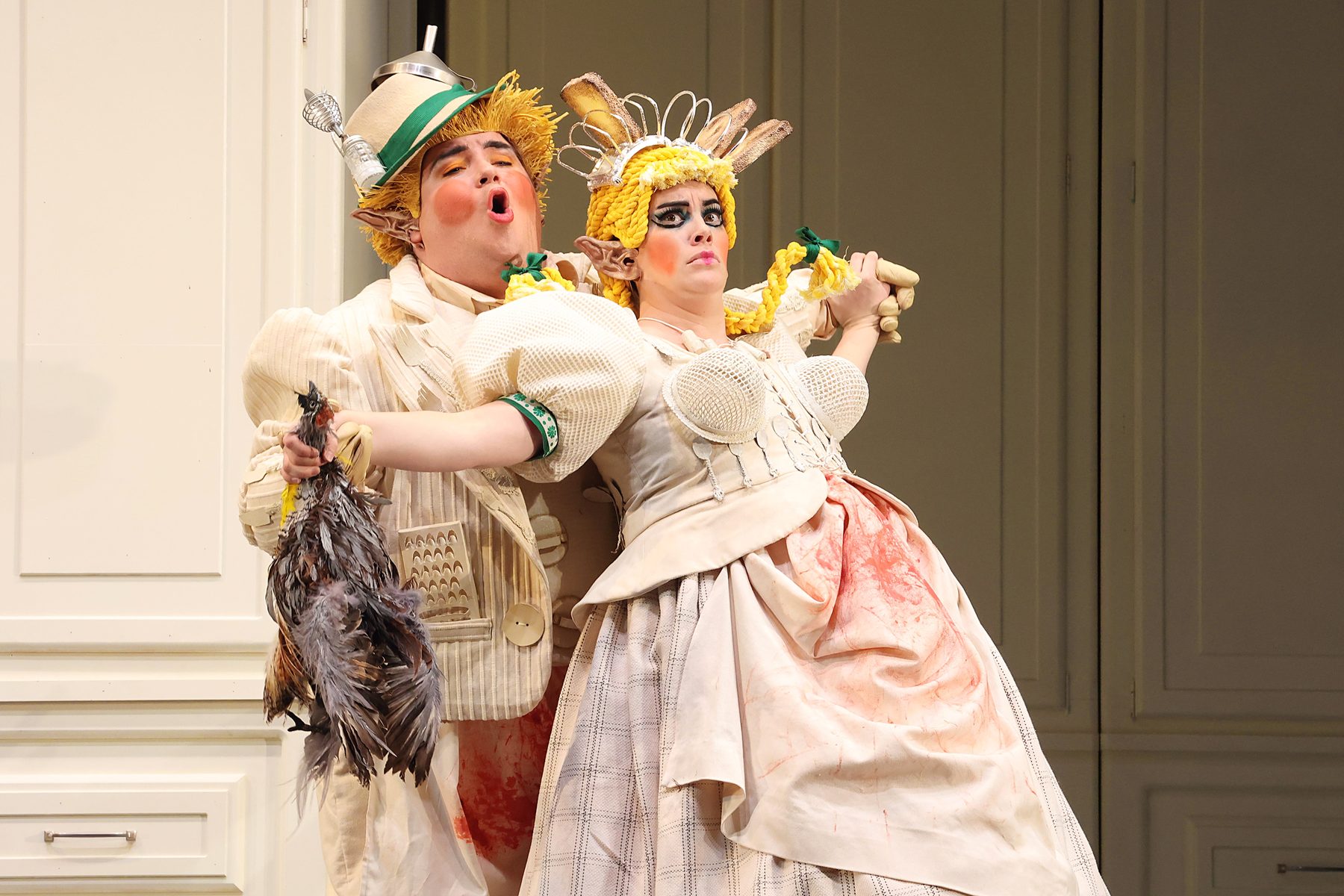
Jordan Loyd (Gamekeeper), Kaylee Nichols (Kitchen Girl). Photo by Curtis Brown.
A particular misjudgment were the characters of the Gamekeeper, sung by Jordan Lloyd, and the Kitchen Girl (usually his nephew, the kitchen boy) sung by Kaylee Nichols. As Dvořák wrote the opera, they provide lighter moments of relief from the tragic tale, especially when they wander into the forest seeking Jezibaba. But making them into splapstick characters with silly hats and marionette clumsiness, eliciting more raucous laughs, does not serve Dvořák’s music or the opera. Lloyd and Nichols sang well, but the conception remains misguided.
Russian-American conductor Lidia Yankovskaya, making her Santa Fe Opera debut, captured all the magic of Dvořák’s score. Under her baton the orchestra evoked the forest that was absent from the stage, and captured the stateliness of the Polonaise that was awkwardly choreographed around glass cases. Here is where Dvořák’s opera came to life: in the orchestra and the singers they so ably supported. For that alone the performance was well worth while.
* * * * *
Wagner’s Flying Dutchman (Der fliegende Holländer) (Aug. 5) is, like Rusalka, based on a supernatural legend with a life-long curse at its center. In the Santa Fe Opera production directed by David Alden, however, the Dutchman is an industrial CEO, or a captain of industry rather than a ship’s captain. This suggests that the real curse is greed—one of the deadly sins and so another offense to God—from which Daland, the other major male character, also suffers.
Morris Robinson (Daland), Santa Fe Opera Chorus. Photo by Curtis Brown.
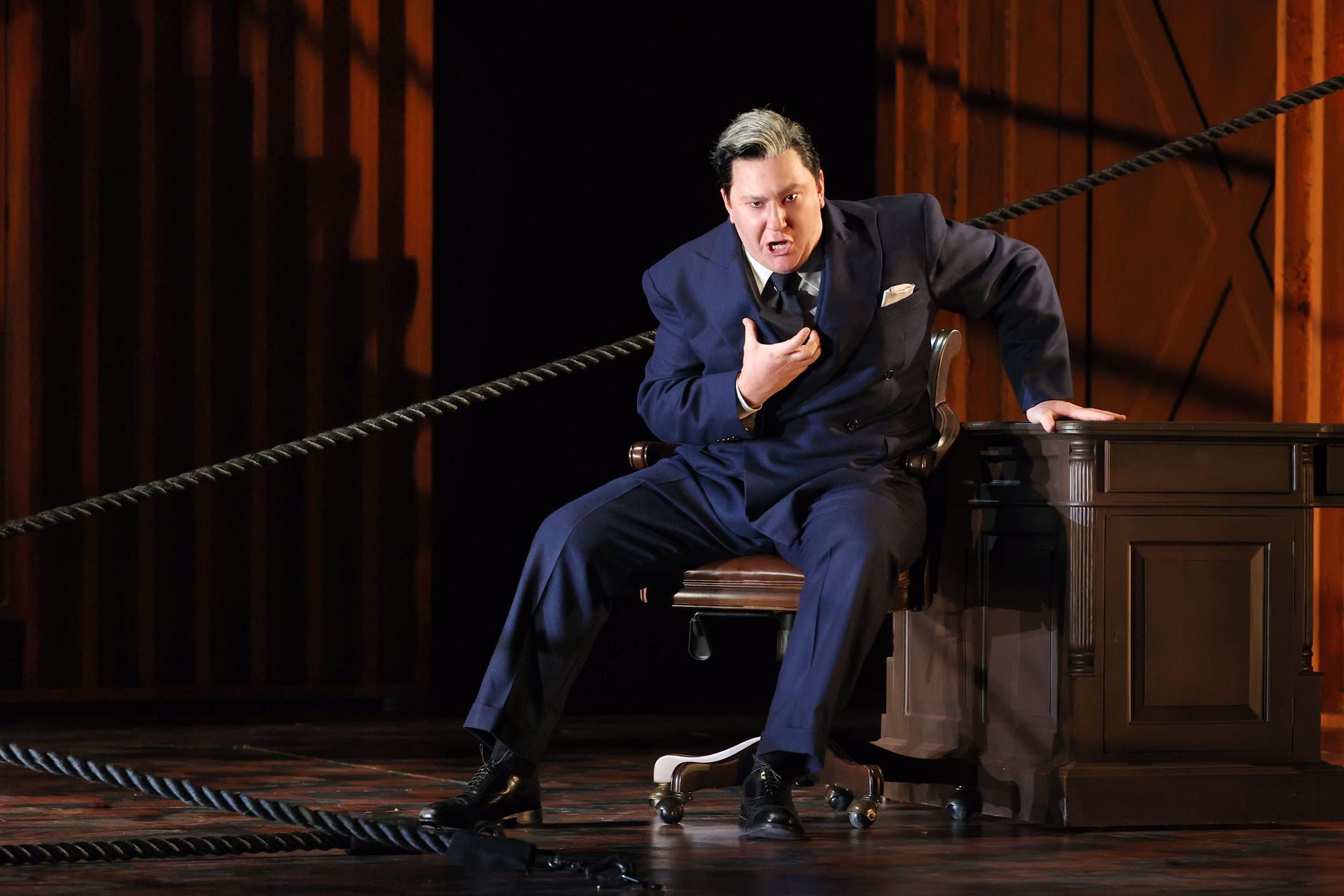
As a directorial statement, this perspective works well enough, but it contradicts many of the lines of the libretto that refer explicitly to a sea-going context—e.g., sailors are commanded to hoist sails and weigh anchors, when there is neither sail nor anchor in sight. And there is the music, which is is some of the most effective invocations of the sea ever written. The Dutchman’s ship is not so much a ship as a pile of shipping containers, symbolizing the world-wide commerce from which the anti-hero gains his riches. And when he arrives, as the containers/ship arise from behind the stage, the Dutchman’s ghostly crew bring on an executive’s desk and chair.
Nicholas Brownlee (Dutchman) as CEO entangled in ropes of greed. Photo by Curtis Brown.
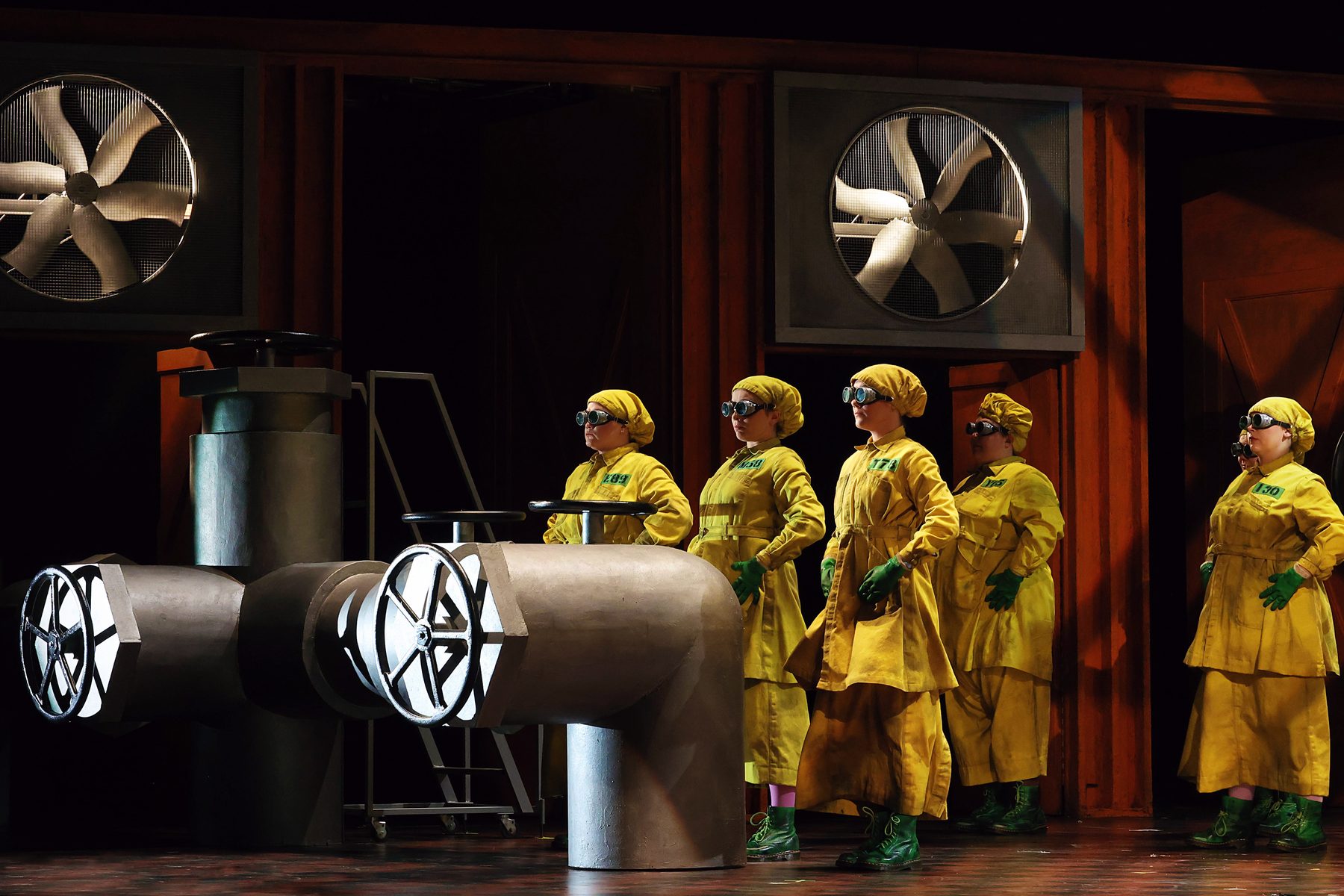
When we get to the second act, where the libretto has the sailors’ home-bound sweethearts singing at their spinning wheels, Alden’s production gives us a chemical plant, indicated by industrial pipes and control valves that are opened and closed. The maidens are clad in yellow protective gear, and Mary, often described as Senta’s nurse, is a plant foreman, watching the workers from above and dressed more like a Soviet commissar than a Norwegian matron. Senta appears to be the plant bookkeeper, seated, like the Dutchman, at the desk.
Santa Fe Opera Chorus. Photo by Curtis Brown.
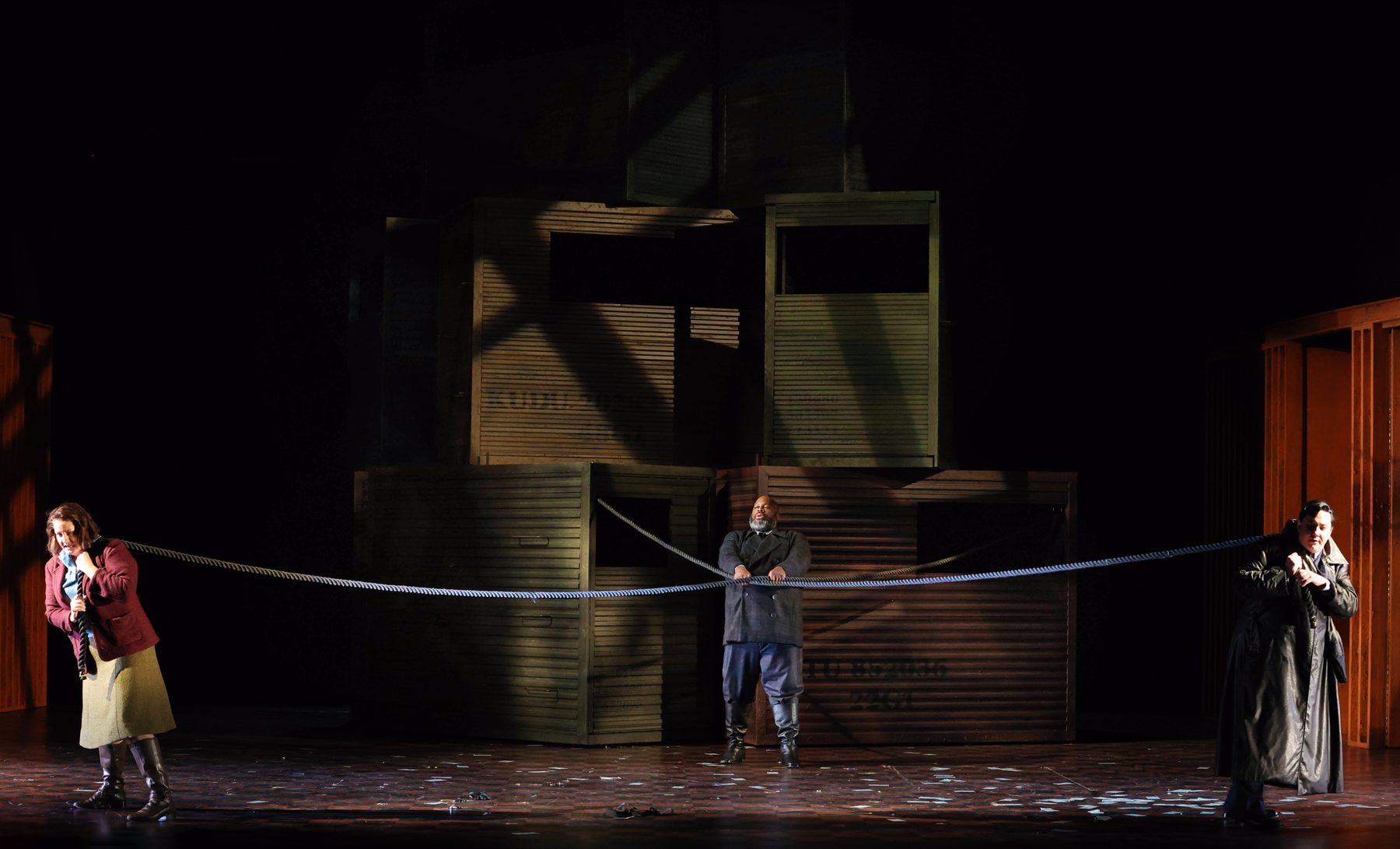
As to why a captain of industry can be redeemed from his greed by a woman’s death, that is not made any more clear than what is in the libretto about the fated Dutchman. At the end, Senta does not make a fatal leap off a cliff but becomes increasingly bound by ropes that are pulled onstage at different moments by sailors, Senta, or the Dutchman. This is a feeble stage image to go with Wagner’s powerful music; whether we believe in feminine sacrifice, Wagner did and he repeatedly wrote powerful music to express that concept. Finally, the ropes: I have seen too many productions of Dutchman where ropes with no apparent purpose are tugged on to suggest a shipboard setting, once even in a Victorian parlor. It has become a cliché.
Still, if you accept the conceit, this is an enjoyable evening of opera, especially with the powerful orchestra and strong voices that Santa Fe again assembled for their production. From the opening of the overture, one of the greatest sea pictures in music, the orchestra under Thomas Guggeis conveyed Wagner’s score powerfully. I don’t usually enjoy overture pantomimes, but the vision of a young Senta reading a book, presumably the legend of the Dutchman, was appropriate.
Elza van den Heever (Senta), Morris Robinson (Daland), Nicholas Brownlee (Dutchman). The Dutchman’s “ship“ in the background.
In the title role, Nicholas Brownlee had unusually clear diction and used his booming bass expressively. He gave a great, raging performance of his critical opening scene, subsiding into a plaintive appeal for a redeeming love, tinged with anger and exhaustion. As Senta, Elsa van den Heever gave an utterly dramatic rendering of her Ballad, accurately hitting the emphatic top notes but melting into the more tender passages. Hers was a powerful and gripping performance throughout.
Morris Robinson was a commanding Daland, equally in charge of his crew in Act I and his daughter in Act II. Even though he asked her to marry the Dutchman, his stentorian voice did not leave much room for her own discretion. Bille Bruley sang the Steuerman with an edgy, penetrating tenor, and offered a slightly choppy performance of “Mit Gewitter und Sturm” that easily disintegrated into sleepiness. Richard Trey Smagur was an impassioned Erik, ardent and expressive throughout. Gretchen Krupp was an officious Mary, resolute in her refusal to sing the Dutchman’s ballad, and fierce in her displeasure when Senta launched into the troubling song.
An early work in Wagner’s career, The Flying Dutchman is more of a traditional opera than the celebrated music dramas that followed. As such, I find it one of the most easily enjoyable of Wagner’s stage works. There are many attractive set numbers—the Steersman’s song, the Dutchman’s arrival scene, the spinning chorus, Senta’s dramatic Ballad, and the large choral scene in the final act with Daland’s crew and the townspeople celebrating around a large table. That is one of the great choral scenes of the operatic repertoire, and it was performed with energy and rhythmic verve by the Santa Fe Opera chorus.
Festival Finale concert ends with Mahler Symphony No. 1
By Peter Alexander July 26 at 11 a.m.
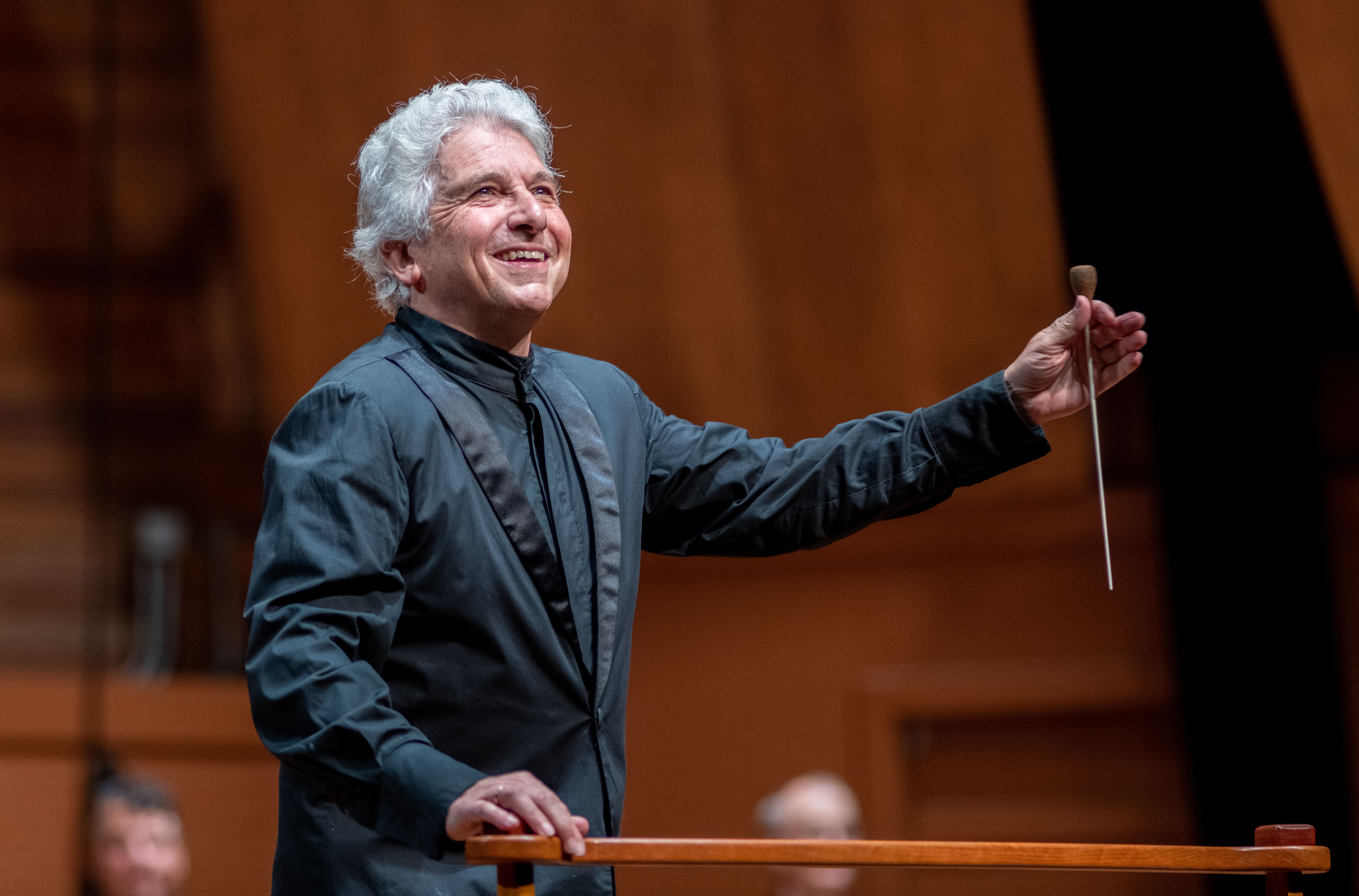
The 2023 Colorado Music Festival (CMF) is nearing its end up at the Chautauqua Auditorium, but one thing that remains the same all the way to the final concert is the felicitous mix of programming selected by Music Director Peter Oundjian.
CMF Music Director Peter Oundjian
Since his arrival at the festival as music advisor (2018) and then music director (2019), Oundjian has curated programs that recognize both the most interesting work being done by living composers and the greatest works from the standard repertoire, all performed by creative and adventurous musicians. That mixture continues.
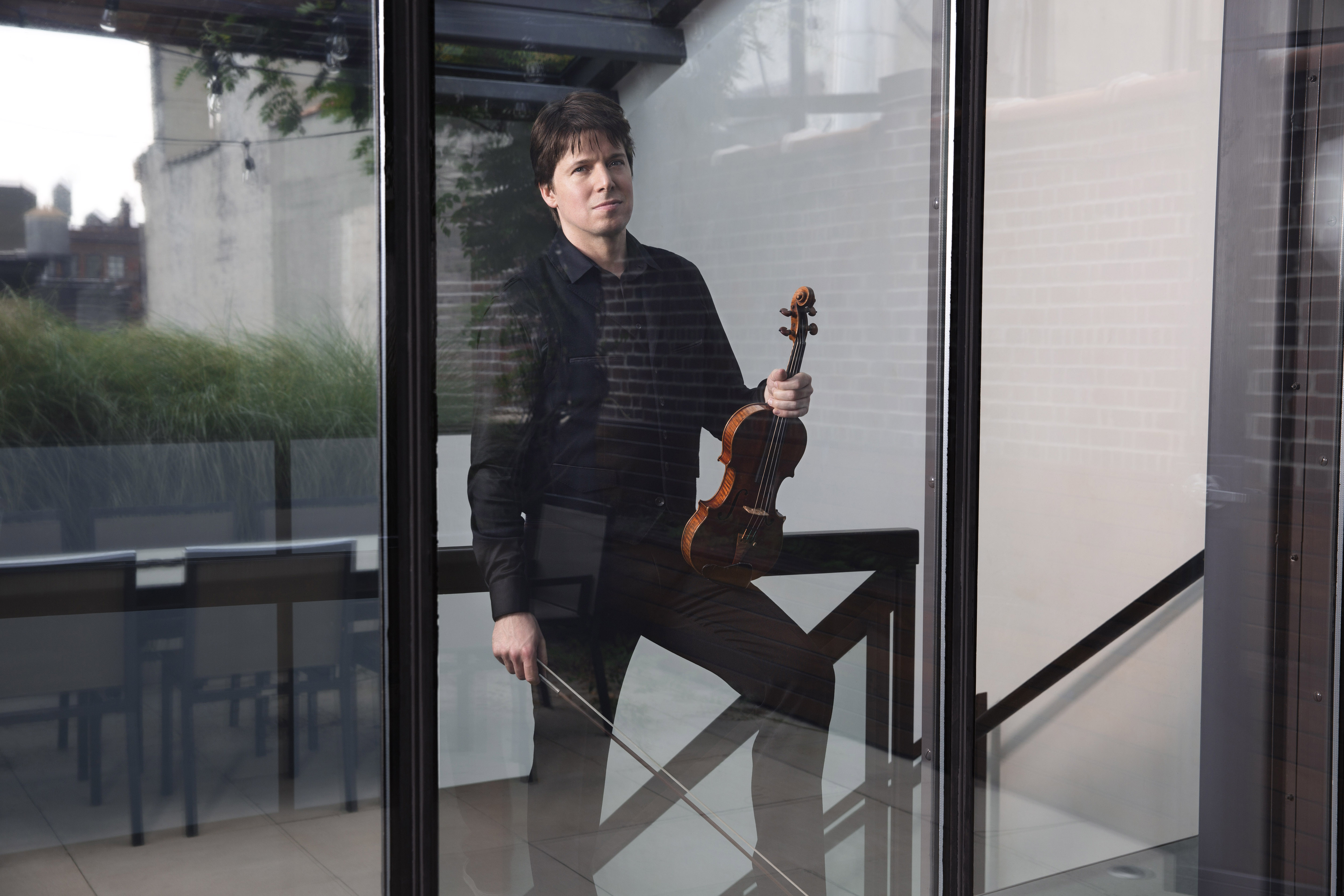
The two final concerts conceived as a pair for Thursday, Aug. 3, and Sunday, Aug. 6 (7:30 p.m. and 6:30 p.m. respectively; see details below) are leading examples. Both concerts feature familiar orchestra works, plus violinist Joshua Bell, certainly one of the most distinctive and accomplished of soloists, playing a series of short pieces that were written for him by five different composers.
Or is it one piece?
Joshua Bell. Photo by Richard Ascroft
“Talk about a focused idea, I think it’s brilliant,” Oundjian says. Because the finished piece is scheduled for a series of official premieres starting in the fall, Oundjian thought Bell and the composers might like to hear their pieces in a workshop setting, where they could make adjustments.
“In one of my conversations with Josh, I said, ‘Do you want a preview series of performances where you can work the repertoire over an entire week?’ And we both felt it was really great way to introduce a new piece, for everyone including the composers, who I think are all going to be there. We’ll workshop these pieces over the week.”
That piece is The Elements: Suite for Violin and Orchestra. Bell contacted five composers that he knew—Jake Heggie, Jessie Montgomery, Edgar Meyer, Jennifer Higdon and Kevin Puts—and asked each to write a mini-concerto movement for him. To unify the piece, each movement (or are they separate pieces?) was based on an individual element: fire, ether, water, air and earth.
The three movements will be split over the final two concerts, both conducted by Oundjian and featuring Bell as soloist. The movements by Heggie, Montgomery and Meyer (“Fire,” “Ether,” “Water”) will be presented on Thursday, July 3, when they will share the program with Debussy’s La Mer—perhaps inevitable after the movement titled “Water”?
The movements by Higdon and Puts (“Air” and “Earth”) will follow on the “Festival Finale Concert” Sunday (Aug. 6). They will share the program with Mahler’s Symphony No. 1 in D major. The latter might be the least surprising feature of the final week, but one that history suggests will be embraced by the audience. “We have created a tradition of closing with a Mahler symphony, so that’s going to continue,” Oundjian says.
Eun Sun Kim. Photo by Nikolaj Lund
Before the final concerts, there are two separate orchestral programs scheduled for the coming weekend, featuring guest conductors. Korean conductor Eun Sun Kim, whose appointment as music director of the San Francisco Opera starting in 2021 made headlines throughout the musical world. She will lead the Festival Orchestra Thursday and Friday playing Brahms’ gently lyrical Symphony No. 2 in D major. Joining Kim, German-Canadian cellist Johannes Moser will play the Cello Concerto No. 1 of Shostakovich.
Opening the program will be The Rhapsody of Steve Jobs by Mason Bates. This is based on music from Bates’ opera The (R )evolution of Steve Jobs, which premiered at the Santa Fe Opera in 2017 under the baton of CMF Conductor Laureate Michael Christie. Bates wrote in his program notes that The Rhapsody of Steve Jobs “swirls together many key musical elements” of the opera, including electro-acoustic sound elements that “conjure the excitement of the early Information Age.”
Hannu Lintu. Photo by Veikko Kähkönen
Hannu Lintu, chief conductor of the Finnish Radio Symphony, happened to be on his way to California at the end of July, and as luck would have it, was able to stop off for a single concert at Chautauqua Sunday. “He is an absolutely extraordinary conductor,” Oundjian says. “He conducts major orchestras all over the world, so we’re delighted to have him!”
Like other programs at the CMF this summer, his concert will combine music from different centuries, opening with the 1972 orchestral score Cantus Arcticus by Finnish composer Einojuhani Rautavaara. Subtitled Concerto for Birds and Orchestra, the Cantus incorporates recordings of birds including the shore lark and the whooper swan, collected in northern Finland and near the Arctic Circle.
Moving back a century, Canadian pianist Tony Siqi Yun, first prize winner and gold medalist at the First China International Music Competition in 2019, will play the Schumann Piano Concerto from the mid-19th century with Lintu and the Festival Chamber Orchestra. And one more century: the program will close with Joseph Haydn’s Symphony No 96 in D major.
One of the 6 symphonies Haydn wrote for his first trip to London 1791–92, No. 96 is known as the “Miracle” Symphony. The name, however, is misapplied; it actually refers to an incident in 1795, when a chandelier fell at the premiere of Haydn’s Symphony No. 102 without harming the audience, which was crowded to the front of the hall.
No chandeliers will collapse at Chautauqua. No, the miracle of CMF is in the programming, with music from the 18th century to the 21st, familiar favorites mixed with intriguing discoveries. The festival is one of Boulder’s musical treasures, and there are only eleven more days to join the 2023 CMF audience.
# # # # #
COLORADO MUSIC FESTIVAL 2023 Summer Festival, remaining concerts All performances at Chautauqua Auditorium
7:30 p.m. Thursday, July 27, and 6:30 p.m. Friday, July 28 Festival Orchestra: Eun Sun Kim, conductor With Johannes Moser, cello
Mason Bates: The Rhapsody of Steve Jobs (2021)
Shostakovich: Cello Concerto No. 1 in E-flat Major, op. 107
Brahms: Symphony No. 2 in D Major, op. 73
6:30 p.m. Sunday, July 30 Festival Orchestra, Hannu Lintu, conductor, With Tony Siqi Yun, piano
Einojuhani Rautavaara: Cantus Arcticus (1974)
Schumann: Piano Concerto in A Minor
Haydn: Symphony No. 96 in D Major (“Miracle”)
7:30 p.m. Tuesday, Aug. 1 Robert Mann Chamber Music Series: Members of the Colorado Music Festival Orchestra
Beethoven: String Trio in C Minor, op. 9 no. 3
Debussy: Danses sacrée et profane (Sacred and profane dances)
Dvořák: Piano Quintet No. 2 in A Major, op. 81
7:30 p.m. Thursday, Aug. 3 Festival Orchestra, Peter Oundjian, conductor With Joshua Bell, violin
The Elements: Suite for Violin and Orchestra (commissioned by Joshua Bell) —“Fire” by Jake Heggie —“Ether” by Jessie Montgomery —Water” by Edgar Meyer
Debussy: La Mer
6:30 p.m. Sunday, Aug. 6: Festival Finale Concert Festival Orchestra, Peter Oundjian, conductor With Joshua Bell, violin
The Elements: Suite for Violin and Orchestra (commissioned by Joshua Bell) —“Air” by Jennifer Higdon —“Earth” by Kevin Puts
CORRECTION: The original version of this article listed the soloist in the Schumann Piano Concerto on July 30 as Lisa de la Salle. She had to cancel here appearance at CMF; the correct soloist for the Schumann Concerto is Tony Siqi Yun. I apologize for the error.
Michael Christie is looking forward to being back at Chautauqua this week.
Michael Christie
Christie, who was music director of the Colorado Music Festival (CMF) 2000–13, will lead the Festival Orchestra in a pair of concerts Thursday and Friday (7:30 and 6:30 p.m. respectively in the Chautauqua Auditorium; see program below). Since leaving CMF at the end of the 2013 festival, Christie spent eight years at the Minnesota Opera, conducted at the Santa Fe Opera, and is now music director of the New West Symphony in Los Angeles.
Among other world premieres, he has conducted Manchurian Candidate by Kevin Puts and Mark Campbell, and The Shining by Paul Moravec and Campbell at Minnesota Opera; The Gospel of Mary Magdalene by Mark Adamo at San Francisco Opera; and The ( R)evolution of Steve Jobs by Mason Bates and Campbell at the Santa Fe Opera.
Now designated CMF Music Director Laureate, Christie returned as guest conductor once before, in the summer of 2016. “It was really wonderful to see all those faces again and inhabit that space,” he says. The Chautauqua Auditorium “is so unique and full of so many memories and such a great place to have a musical experience.
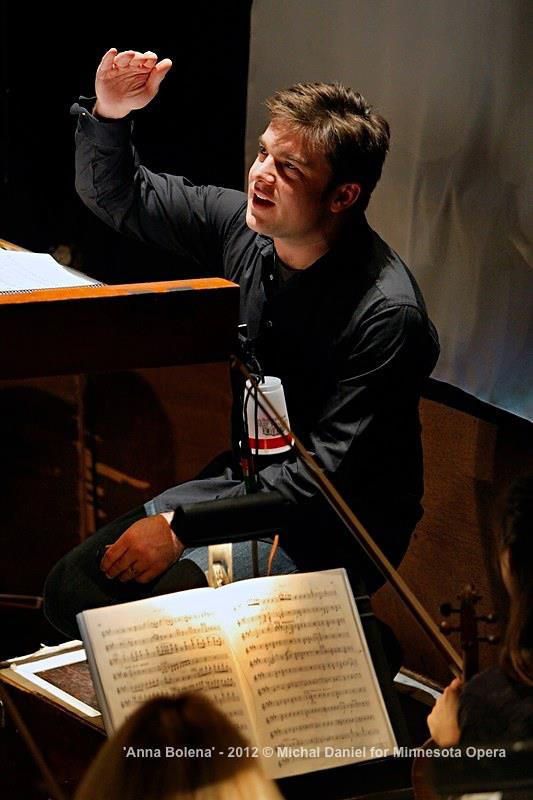
Michael Christie at the Minnesota Opera. Photo by Michael Daniel
“(The hall) is one of the truly great aspects of the CMF—the enduring part that transcends all of us, audience members or performers. There’s still that auditorium—it’s just always there.”
One of his most recent appearances around the world was as a conductor for the 2023 “Singer of the World” contest in Cardiff, Wales. A biennial contest for classical singers that was established in 1983, the Singer of the World has launched many great careers including those of Finnish soprano Karita Mattila, Welsh baritone Bryn Terfel and Russian baritone Dmitri Hvorostovsky.
You may see Christie conducting the final concert with this year’s prize winner on the OperaVision Website.
The diversity of his career post-CMF, including both opera and symphonic performances, is not an accident. “I have been working very hard to escape the pigeon holing that can happen to people,” Christie says. “I love both opera and symphonic music, and they speak to each other so clearly.
“I feel strongly that to conduct a symphonic work when a composer has also composed a lot of ballet or a lot of opera, and not to have done those pieces, you’re missing a huge part of the story. There is a different kind of emotion that composers are able to express with the voice.”
The New West Symphony is a regional orchestra, equivalent in size and scheduling to the Boulder Philharmonic. It has the advantage of drawing on the pool of freelance musicians in Los Angeles, but Christie chose that job for another reason. “I thought it would be a wise choice to have an orchestra that had a lean schedule, so that I could take the longer periods for opera,” he says. “That’s worked out quite well.”
Working over a period of years with a smaller orchestra has also been an educational experience. “With smaller orchestras, the conductor really has to be way more involved,” he says. “I have learned a huge amount.
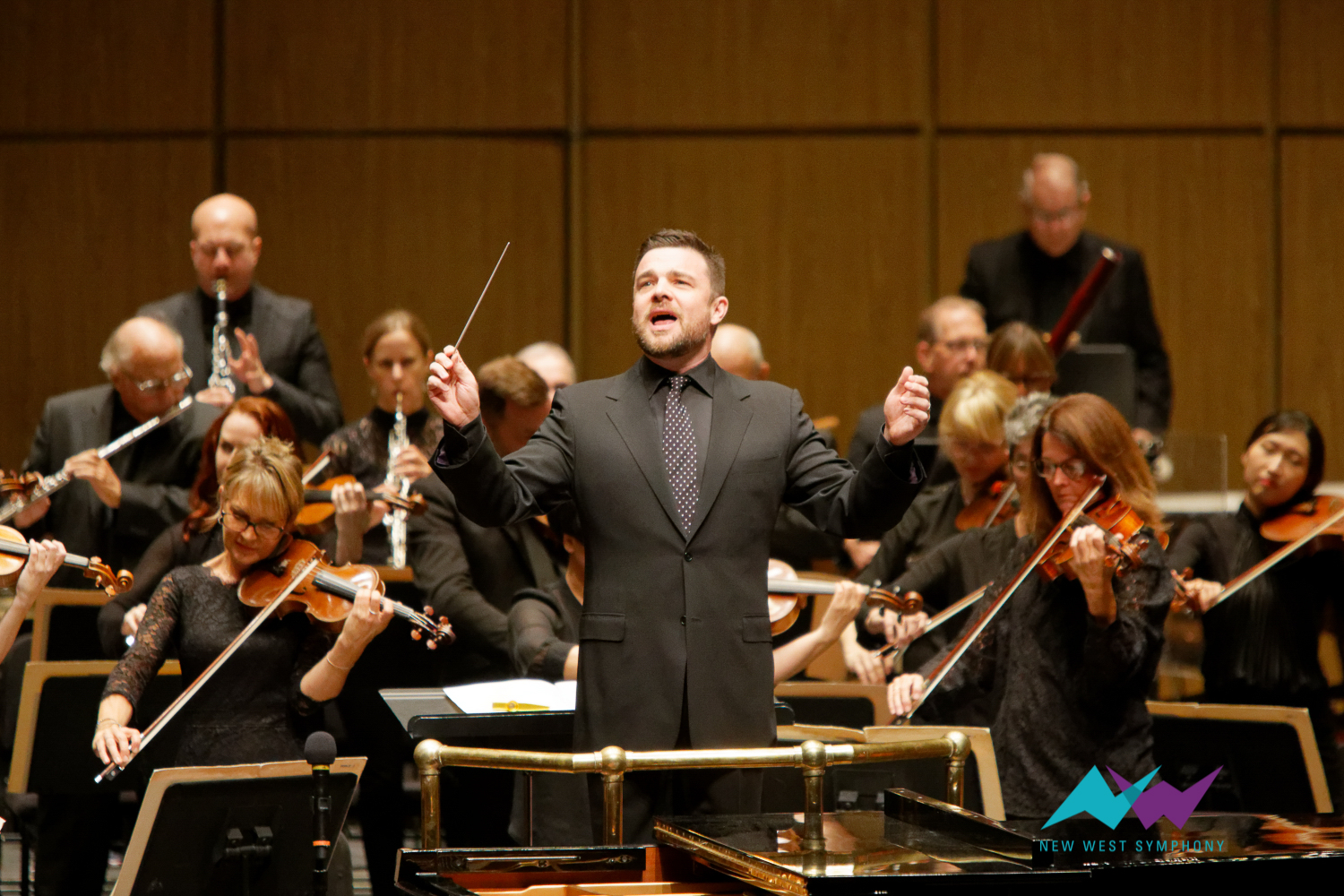
Michael Christie with the New West Symphony
“The conductor is much more hand-on about community engagement that in bigger orchestras is handled by the general manager. I found with the smaller orchestra that I’m having way more specific conversations about what (community partners’) needs are. It’s been really eye-opening and very immediately engaging every day.”
Christie has a list of favorite things about Chautauqua concerts that he’s looking forward to. “I’m looking forward to how the audience spills out of the hall afterward, and that moment where folks are sharing with each other and talking to the musicians. I’m looking forward to seeing that.
“I love the auditorium just before the concert starts. People are milling about, there’s this lovely energy that happens—a very friendly energy that happens among everybody in the hall. The musicians gathering near the green room, standing around and chatting before the concert starts—there’s always a special human easiness about things before and after those concerts.
“I always treasure those moments.”
# # # # #
COLORADO MUSIC FESTIVAL
Festival Orchestra, Music Director Emeritus Michael Christie, conductor With Michelle Cann, piano
Ravel: Piano Concerto in G Major
Florence Price: Piano Concerto in One Movement
Tchaikovsky: Symphony No. 4 in F Minor, op. 36
7:30 p.m. Thursday, July 20, and 6:30 p.m. Friday, July 21 Chautauqua Auditorium
Peter Oundjian leads All-Corigliano program, world premieres for ‘Music of Today’
By Peter Alexander July 7 at 12:10 p.m.
The next two weeks of the Colorado Music Festival (CMF) will see the 2023 season in full swing.
The Robert Mann Chamber Music Series—named in honor of the founding first violinist of the esteemed Juilliard String Quartet—gets underway with performances by the JACK Quartet (July 11; program details below) and the Brentano Quartet (July 18). The performance by JACK also initiates a week of “Music of Today” featuring an all-John Corigliano program by the Festival Orchestra with saxophone soloist Timothy McAllister (July 13) and a program with three world premieres by Carter Pann of CU, his former student Jordan Holloway, and Adolphus Hailstork (July 16).
The festival’s third week embraces more familiar repertoire, with some excursions. The Brentano Quartet embellishes a program of Mozart and Beethoven with works by Scottish composer James MacMillan (July 16). CMF Music Director Emeritus Michael Christie marks his return to Chautauqua Auditorium with Tchaikovsky’s familiar Fourth Symphony and an interesting pairing of piano concertos by Ravel and Florence Price performed by Michelle Cann (July 20 and 21). The week closes with an all-Mozart program led by guest conductor François López-Ferrer and featuring violinist Grace Park (July 23).
JACK Quartet. Photo by Shervin Lainez
Known for their committed performances of new music, the JACK Quartet is the musical heir of the mold-breaking Kronos Quartet. “Kronos really paved the way,” first violinist Austin Wulliman says. “They were role models for people in our generation, and JACK modeled the way we commission (new works) after the way Kronos did it.”
Titled “New York Stories,” the July 11 concert features works by five composers: Morton Feldman, Caleb Burhans, Philip Glass, Caroline Shaw and John Zorn. The program came from “an intuitive feeling about New York, which is a place that is so now,” violist John Richards explains. “Cultural changes begin or are reflected very early on in New York, and I feel the longing for ‘before’ as a part of the experience of ‘now’ in New York.
Caroline Shaw. Photo by Kait Moreno
“This program gets into that, through a beautiful, melancholic longing that’s in Caroline Shaw’s (Entr’acte, which is) also filled with the kind of playful experimentation with form and instrumental techniques that can only be done today. It’s a beautiful marriage of those things.”
The players find the same duality in Zorn’s Remedy of Fortune, which they compare to standing in the Cloisters, a museum of medieval art in upper Manhattan, and hearing the sound of visitors’ cell phones alongside the echoes of medieval music.
Zorn is known for pieces inspired by the frenetic pace of early cartoons, but his latest pieces are more varied. “He draws on so many interesting influences now,” Wulliman says. “I hear the music of Alban Berg at the same time that I hear Art Tatum and Beethoven and medieval music.”
Wulliman suggests that when listening to Feldman’s Structures for String Quartet, you think of a painting rather than a narrative. “That’s a helpful inroad to how to listen to it,” he says. “It’s a visual arts approach to the page, where he’s filling our auditory field with splotches, textures and patterns that weave together.”
The least known composer on the program is probably Burhans, whom the JACK players knew as undergraduates at the Eastman School of Music. “The beauty and the emotional catharsis of that piece is a real lynchpin of the program,” Wulliman says. Richards adds that Burhans “joined the choir at Trinity Church Wall Street (in New York), and this music draws from that experience. There’s a beautiful middle section that grows and grows into a prayerful, ecstatic feeling of release.”
John Corigliano. Photo by J. Henry Fair
The most distinctive program of the summer is the concert devoted entirely to works by composer John Corigliano. That almost never happens with living composers, conductor and CMF Music Director Peter Oundjian says, but he also likes to remind people that new music today is not as daunting as it once was.
“I remember a time when if you presented one piece of contemporary music you could loose half your audience,” he says. But Corigliano is from “a generation that got a language that was astonishingly contemporary but acceptable at the same time.”
Oundjian wanted to present works from different parts of the composer’s career. “I said to John, ‘I want to do a piece from each of your periods’,” Oundjian says. “’I want to make you into Beethoven, (with) early, middle and late’.”
From the early period, he chose the Gazebo Dances (1972), which was likely inspired by the music of Leonard Bernstein. A suite in four contrasting movements, it has a Bernstein-like energy and flirtation with popular/Broadway idioms, which is not surprising since Corigliano’s father was concertmaster of the New York Philharmonic under Bernstein.
Next is One Sweet Morning (2010), written to commemorate the anniversary of the 9/11 attacks in New York. “Oh boy is it ever incredibly profound and moving,” Oundjian says. “It’s music of staggering beauty and depth, so it’s a fantastic contrast to the Gazebo Dances.”
The concert will conclude with Corigliano’s most recent concerto, Triathlon for saxophone and orchestra (2020). The soloist will be Timothy McCallister, who was featured last summer. “It’s a complete masterpiece,” Oundjian says. “I don’t know how these brilliant composers get their ideas, but it’s an honor to study the works and prepare to conduct them.”
Adolphus Hailstork. Photo by Jin Hailstork.
The centerpiece of the July 16 concert of world premieres will be JFK: The Last Speech, a work for orchestra, soprano and narrator by Adolphus Hailstork. The soloists will be soprano Janice Chandler-Eteme and bass-baritone Eric Owens as narrator.
The libretto incorporates parts of a speech President John F. Kennedy gave at Amherst College Oct. 26, 1963, 27 days before his assassination in Dallas. Kennedy’s speech was given in honor of poet Robert Frost, who had died nine months before. Neil Bicknell, who heard the speech as an Amherst senior, crafted the libretto combining Kennedy’s words, which will be spoken by the narrator, and Frost’s poetry, which will be sung by the soprano.
A project of the Amherst Class of 1964, JFK: The Last Speech will be performed around the country and at Amherst College this fall. Hailstork writes in his program notes, “My writing will reflect the autumn season, the solemnity of the moment, and the unique oratorical gifts of Kennedy the president and the profound literary gifts of Frost the poet.”
Holloway’s Flatirons Escapades was composed for the 125th anniversary of Boulder’s Colorado Chautauqua. A graduate of CU, Holloway recalls in his program notes both his positive experiences in the Chautauqua Park that served as an inspiration for his score, and the healing quality of the space during times of “anxiety and internal chaos” that “are woven into the piece as well.”
Pann was Holloway’s composition teacher at CU. He writes that his Dreams I Must Not Speak “emerged from a cathartic attempt to realize, in music, three dreams I experience during sleep with noticeable regularity. These are not nightmares nor are they pleasant images, but rather odd and somewhat psychedelic scenes that have remained distinct in my awakened conscience over the years.”
Michael Christie. Photo by Eugene Yankevich
For his return to Chautauqua Auditorium, CMF Music Director Emeritus Michael Christie will team up with pianist Michelle Cann to present concertos by Ravel and the remarkable African-American composer Florence Price. A graduate of the New England Conservatory, Price is recognized as the first African-American woman to have a work played by a major orchestra. “Price is one of these people that when an audience member hears the music, people are just bowled over by the inventiveness, by the grandness of it,” Christie says.
Price played her Piano Concerto in One Movement once in 1934, after which it was thought to be lost. However, some parts were found in 2009 at her former summer home, shortly before it was to be demolished, and other fragments turned up later. The score has been reconstructed, and the concerto has had real success in recent years. Curiously, the Concerto in One Movement actually has three movements, played without break
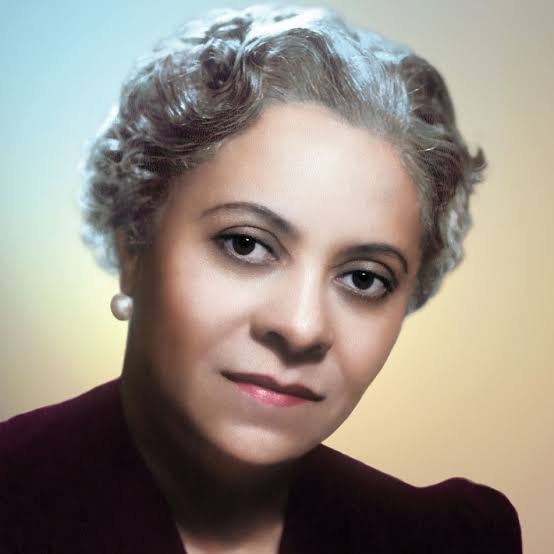
Florence Price
The combination of Price’s African-American heritage and her classical training led to what Christie calls “this wonderful blending of American and European traditions speaking to each other.” And he finds a parallel for that combination in the Ravel Concerto. “You have Maurice Ravel just oozing with American jazz throughout this piece,” he explains.
“You’re looking Florence Price being influenced by Europe and having her own American language, and then Ravel on the other side of the Atlantic, looking at America through the lens of his own language. So the concertos kind of cross each other, over the ocean.”
The Tchaikovsky Symphony that closes the program is a great showpiece for the orchestra, and it’s also one of the most familiar pieces on the summer program. Christie remembers that when he was music director at CMF, he would “throw lots of new things at the orchestra, and they were just exhausted by the end of the summer. I realized over time that balance (between familiar and unfamiliar pieces) is not only for the audience, it’s for the orchestra too.
“It’s always a relief for an orchestra to be able to kick back and play something that they know inside and out.”
# # # # #
COLORADO MUSIC FESTIVAL Performances July 11–23 All performances at Chautauqua Auditorium
7:30 p.m. Tuesday, July 11 Robert Mann Chamber Music Series: JACK Quartet
Morton Feldman: Structures for String Quartet (1951)
Caleb Burhans: Contritus (2010)
Philip Glass: String Quartet No. 5 (1991)
Caroline Shaw: Entr’acte (2011)
John Zorn: The Remedy of Fortune for String Quartet (2016)
7:30 p.m. Thursday, July 13 Festival Orchestra, Peter Oundjian, conductor With Timothy McAllister, saxophone
John Corigliano: Gazebo Dances (for orchestra) (1974) —One Sweet Morning for voice and orchestra (2010) —Triathlon for saxophone and orchestra (2020)
6:30 p.m. Sunday, July 16 World premieres: Festival Orchestra, Peter Oundjian, conductor With Janice Chandler-Eteme, soprano, and Eric Owens, narrator
Jordan Holloway: Flatiron Escapades (world premiere commission)
Carter Pann: Dreams I Must Not Speak (world premiere commission)
Adolphus Hailstork: JFK: The Last Speech (world premiere)
7:30 p.m. Tuesday, July 18 Robert Mann Chamber Music Series: Brentano String Quartet
Mozart: String Quartet in D Major, K499
James MacMillan: Memento for string quartet (1994) —For Sonny for string quartet (2011)
Beethoven, String Quartet No. 13 in B-flat Major, op. 130
7:30 p.m. Thursday, July 20, and 6:30 p.m. Friday, July 21 Festival Orchestra, Music Director Emeritus Michael Christie, conductor With Michelle Cann, piano
Ravel: Piano Concerto in G Major
Florence Price: Piano Concerto in One Movement
Tchaikovsky: Symphony No. 4 in F Minor, op. 36
6:30 p.m. Sunday, July 23 Festival Orchestra, François López-Ferrer, conductor With Grace Park, violin
Mozart: Overture to The Impresario K486 —Violin Concerto No. 3 in G Major, K216 —Adagio and Fugue in C Minor, K546 —Symphony No. 36 in C Major, (“Linz”) K425




 Sharps & Flatirons