CU Eklund Opera and Opera Colorado announce 2025–’26 seasons
By Peter Alexander March 17 at 5:43 p.m.
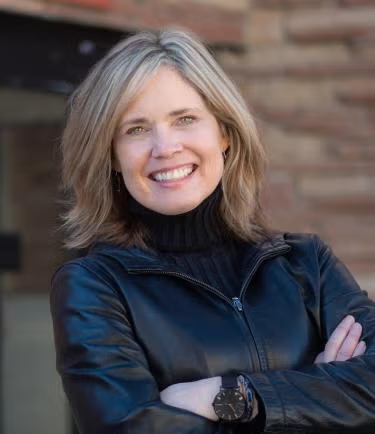
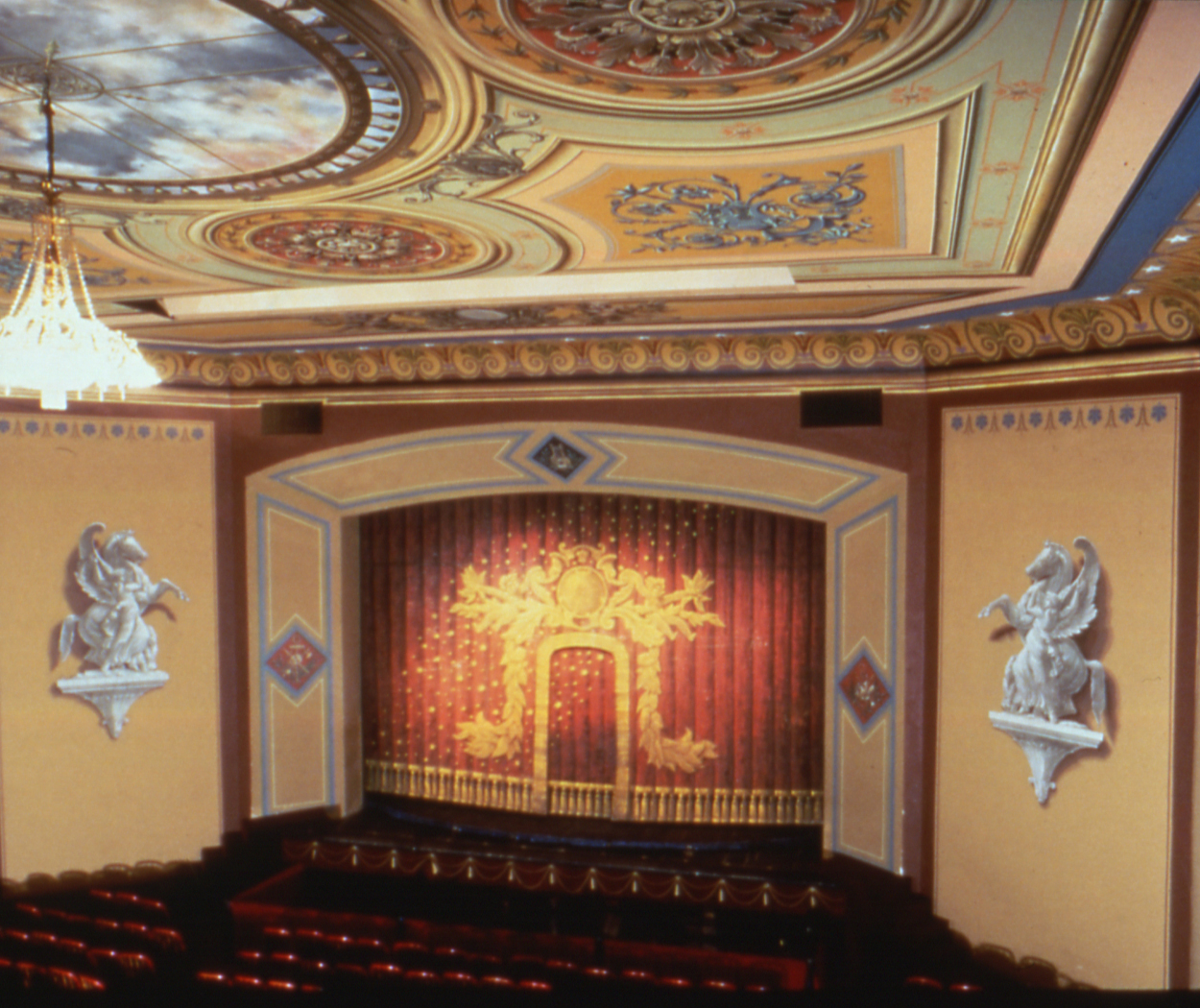
Leigh Holman stepped before the rich, ruby-red curtains at Macky Auditorium yesterday (March 16) afternoon and spoke to the audience.
The occasion was the final performance of CU’s production of Gilbert & Sullivan’s Pirates of Penzance. Holman is the director of the Eklund Opera Program at CU-Boulder, and in addition to welcoming the full house in Macky, she made an announcement of interest to opera lovers in the area. She named the works in Eklund Opera’s 2025–26 season—or most of them.
Leigh Holman
The fall production, she said, will be one of the most successful operas of the past 25 years, Jake Heggie’s Dead Man Walking. Premiered in 2000 by the San Francisco Opera it has since been performed in dozens of productions, at CU in in 2007, Central City Opera in 2014, at the Metropolitan Opera in New York, Houston Grand opera, in university and regional productions around the country, and major houses around the world.
Based on the memoir of the same name by Sister Helen Prejean, Dead Man Walking features a libretto by playwright Terrence McNally. The plot revolves around Prejean’s death-row ministry with a convict who was executed for murder in Louisiana in 1984.
Homan then announced that in April, 2026, the Eklund program will present Leoš Janáček’s folk-ish Cunning Little Vixen, a charming and harsh tale of life in the animal world. Finally, she said that the third production, appearing in the March time slot, would be a musical comedy presented in conjunction with the CU program in musical theatre. Contractual obligations, common with the performance of musicals, prevent the release of the show’s title at this time.
Opera Colorado in Denver also has announced the operas that will be their main stage productions in the 2025–’26 season. November will see performances of Verdi’s La Traviata, and in May Opera Colorado will present Puccini’s Madama Butterfly. In the meantime, there will be semi-staged concert performances of Verdi’s Il Trovatore featuring a full cast with the Opera Colorado orchestra and chorus, 7:30 p.m. Saturday, April 26, and 2 p.m. Sunday, May 4, in the Ellie Caulkins Opera House at the Denver Performing Arts Complex.
Ellie Caulkins Opera House, Denver
The company’s Calendar of Events lists the dates for all performances and access to the box office for the purchase of individual tickets for the remainder of this season, as well as subscriptions for the ’25–’26 season.
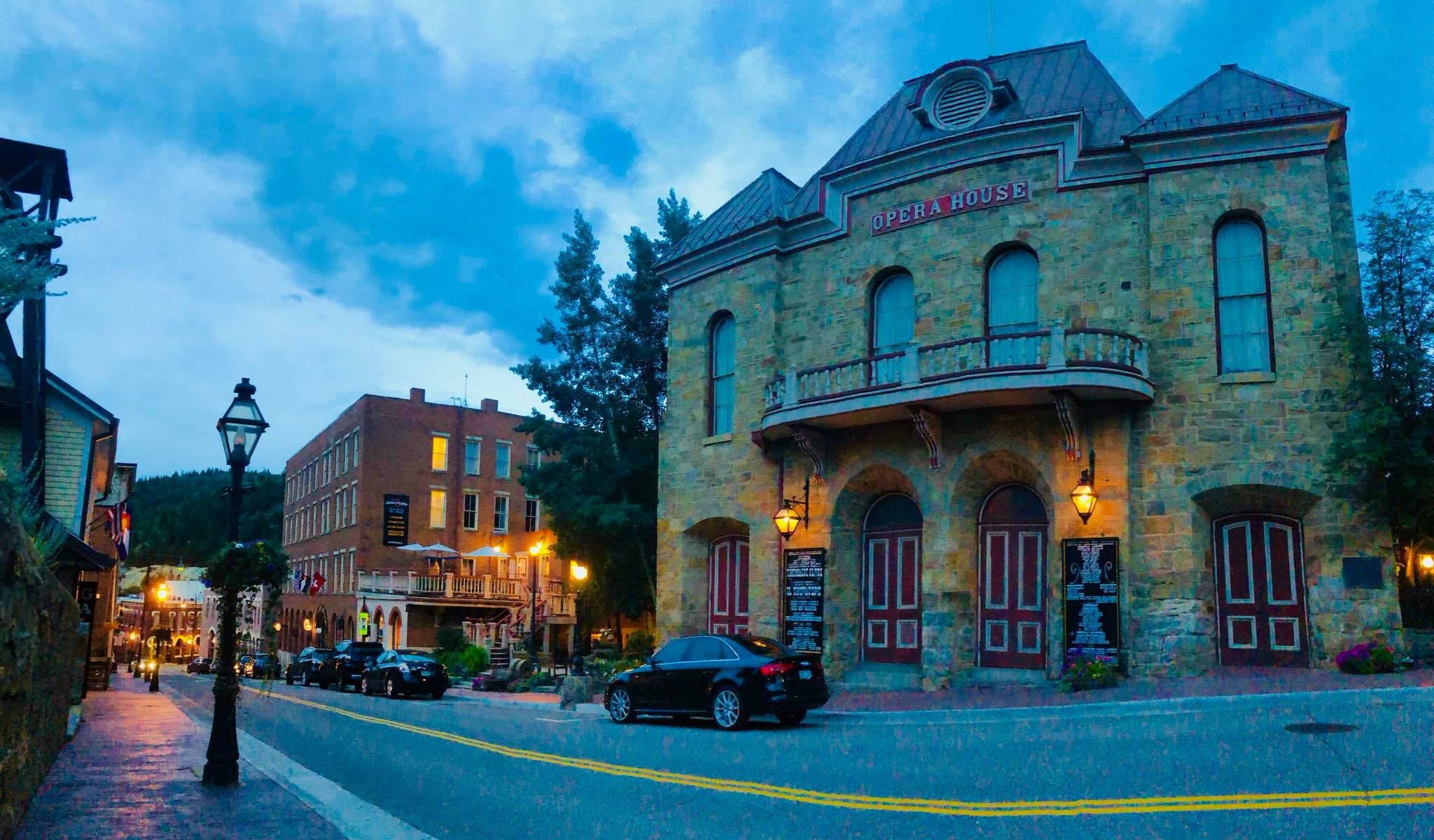
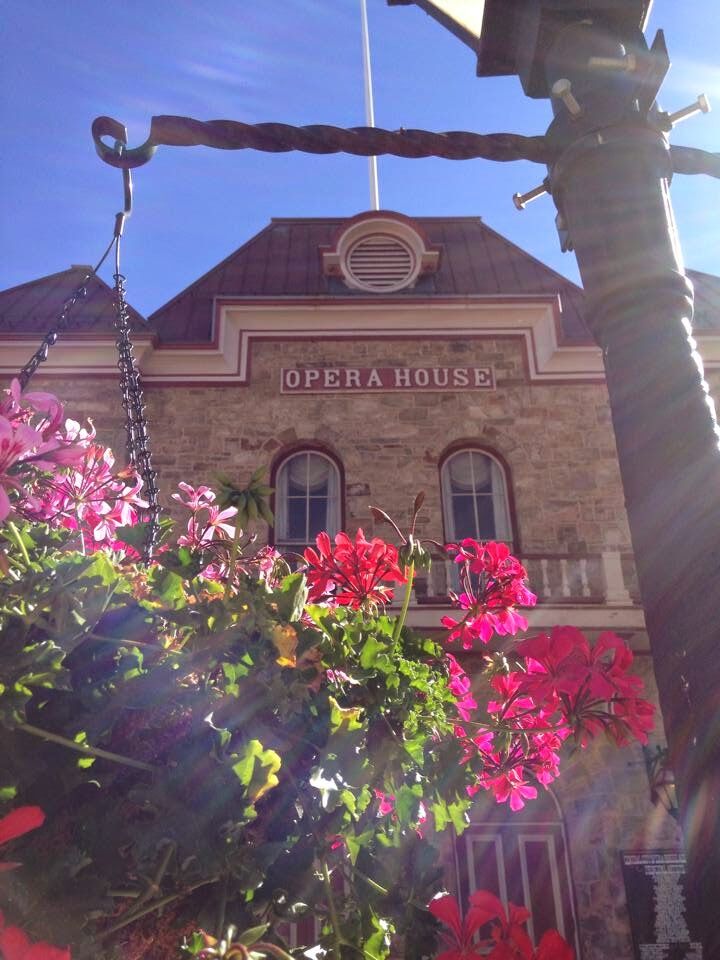
Central City Opera House
Central City Opera’s summer 2025 season has already been announced, but if you missed it, this year’s summer festival at the Opera House in Central City will feature Rossini’s Barber of Seville, Aleksandra Verbelov’s contemporary The Knock, inspired by events during the 2003–’11 Iraq War, and the 1959 Broadway hit Once Upon a Mattress, recently revived in New York and Los Angeles to great acclaim.
The full summer calendar, and access to the purchase of subscriptions and group bookings can be found HERE. Individual tickets will go on sale April 1.
Not in Colorado but within a reasonable day’s drive for people in the Boulder area, the Santa Fe Opera presents productions in a unique and stunning outdoor theater in the New Mexico mountains. Productions for the summer of 2025 will be Puccini’s La Bohème, Mozart’s Nozze di Figaro (Marriage of Figaro), Verdi’s Rigoletto, Benjamin Britten’s Turn of the Screw and Wagner’s Die Walküre.
Santa Fe Opera. (c)Bob Godwin/rgbphotography@mac.com
The full calendar for the Santa Fe Opera is located HERE. Tickets can be purchased through the company’s 2025 Season page.
NOTE: At the request of the Eklund Opera Program, a quote that that could potentially identify the musical to be presented in March, 2026, was removed from the fifth paragraph of this story as of March 13, 2025.
Edvard Grieg’s Holberg Suite replaces Gerald Finzi Clarinet Concerto Jan. 25
By Peter Alexander Jan. 24 at 9:40 a.m.
The Boulder Chamber Orchestra has changed the planned program for their concert tomorrow (7:30 p.m. Saturday, Jan. 25).
The program as originally announced included the Gerald Finzi Clarinet Concerto performed by the orchestra’s principal clarinet player, Kellan Toohey. However, the orchestra has just announced that the Concerto has beed dropped from the program and replaced by the Holberg Suite by Edvard Grieg. The announcement states that “Kellan Toohey will not be performing on Saturday due to illness.”
CORRECTION: The original post stated that no reason had been given for the change of program. After that was posted, a delayed email arrived in my inbox noting that Toohey would not appear “due to illness.” We apologize for the inaccurate earlier notice on this site.
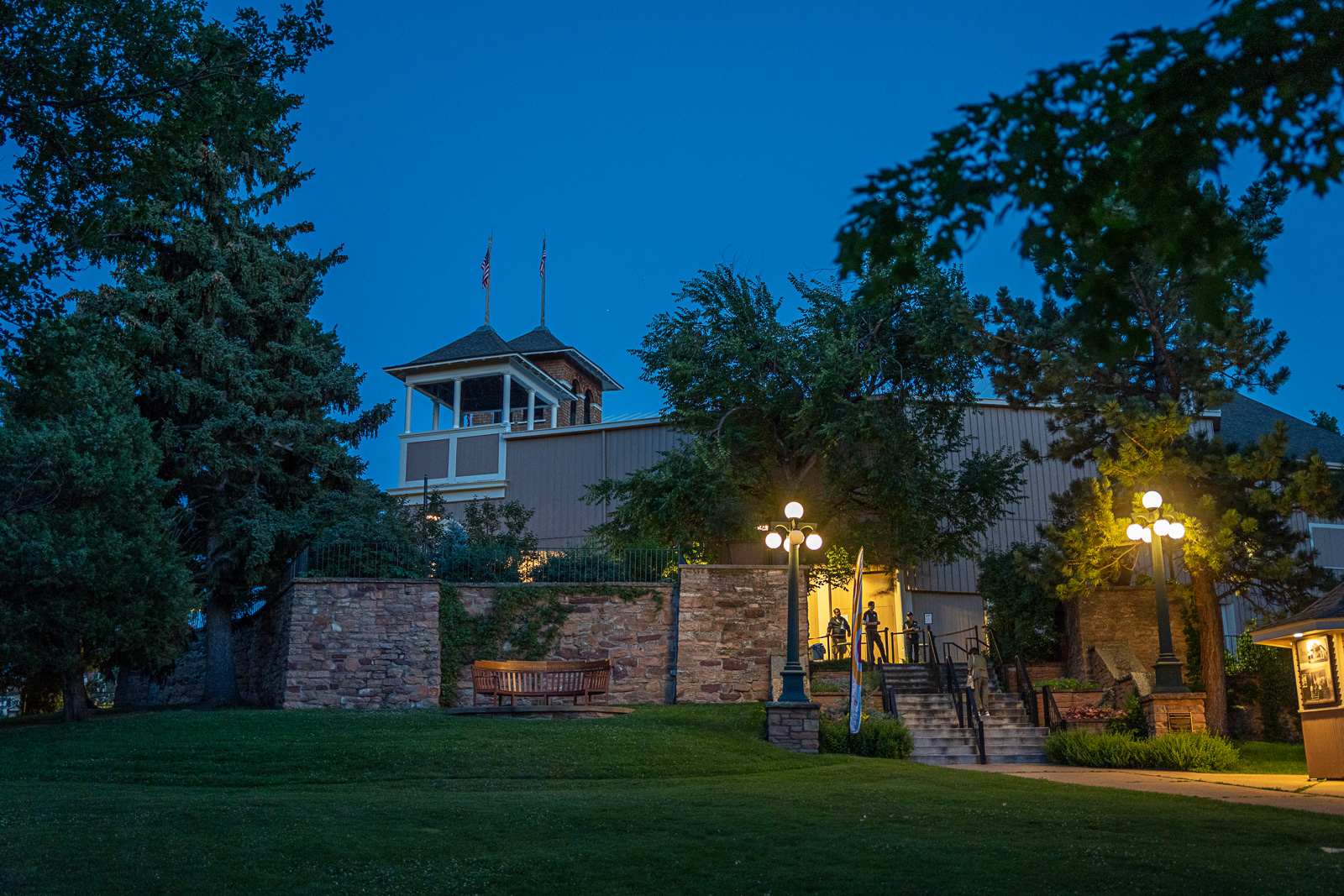
The Colorado Music Festival (CMF) has announced its summer schedule of concerts at the Chautauqua Auditorium in Boulder.
Chautauqua Auditorium. Photo by Geremy Kornreich
The season of 19 concerts will culminate with performances of two different ninth symphonies: Beethoven’s masterpiece, featuring the “Ode to Joy” finale, July 31 and August 1; and Mahler’s Ninth Aug. 3. Both are their composer’s last completed symphony, which has given a special mystique to the number of the “Ninth Symphony.”
Other highlights during the summer include appearances by outstanding solo artists, including pianist Hélène Grimaud playing the Gershwin Concerto in F on the opening night concert July 3 and 6; saxophonist Steven Banks playing the world premiere of Joan Tower’s Love Returns for saxophone and orchestra; and violinist Anne Akiko Meyers playing Eric Whitacre’s Murmur, a CMF co-commission written for her.
Two birth anniversaries will be celebrated during the summer: Ravel’s 150th, with performances of Daphinis et Chloé, Suite No. 2 and Bolero on the opening concert program, and Aaron Copland’s 125th with a performance of Appalachian Spring on July 17 and 18 and AnOutdoor Overture on July 11.
Some younger, rising artists will be featured this summer. Classical guitarist Xuefei Yang will perform Rodrigo’s popular Concierto de Aranjuez July 27. Violinist Benjamin Beilman and conductor Chloé van Soeterstède will appear on an all-Mozart program July 13. Cellist Hayoung Choi and conductor Maurice Cohn will perform July 20, and pianist Yeol Eum Son will appear with conductor Ryan Bancroft July 24 and 25.
This year’s Family Concert, presented at 10:30 a.m. July 6, will be an orchestral mystery, “Sherlock Holmes and the Case of the Missing Maestro.” Shira Samuels-Shragg will conduct the program, in which all of the musicians are suspects and Sherlock Holmes must investigate each of the instrument families.
All of the CMF’s summer concerts and programs are listed below. Tickets to the 2025 Festival will be available for purchase beginning March 4. For information or to purchase tickets for the 2025 festival, visit the CMF Web page, or call the Chautauqua box office at 303-440-7666.
# # # # #
Colorado Music Festival, Peter Oundjian, music director 2025 Summer Season All performances in Chautauqua Auditorium
Peter Oundjian and the CMF Orchestra. Photo by Geremy Kornreich, 2023
Opening Night Festival Orchestra, Peter Oundjian, conductor With Hélène Grimaud, piano
Stravinsky: Feu d’artifice (Fireworks)
Gershwin: Piano Concerto in F
Ravel: Daphnis et Chloé, Suite No. 2 —Bolero
7:30 p.m. Thursday, July 3 6:30 p.m. Sunday, July 6
Family Concert Festival Orchestra, Shira Samuels-Shragg, conductor
Sherlock Holmes and the Case of the Missing Maestro
10:30 a.m. Sunday, July 6
Chamber Music Concert Colorado Music Festival musicians
Schubert: String Trio in B-flat major, D471
Prokofiev: Quintet in G minor, op. 39
Brahms: Piano Quartet No. 3 in C minor, op. 60
7:30 p.m. Tuesday, July 8
Festival Orchestra Concert Peter Oundjian, conductor With Steven Banks saxophone
Copland: An Outdoor Overture
Joan Tower: Love Returns for saxophone and orchestra (world premiere)
Brahms: Symphony No. 1 in C minor, op. 68
7:30 p.m. Thursday, July 10 6:30 p.m. Friday, July 11
An Evening of Mozart Festival Orchestra, Chloé van Soeterstède, conductor With Benjamin Beilman, violin
Mozart: Overture to Don Giovanni —Violin Concerto No. 5 in A major, K219 (“Turkish”) —Overture to Le Nozze di Figaro (The Marriage of Figaro) —Symphony no. 34 in C major, K338
6:30 p.m. Sunday, July 13
Chamber Music Concert Brentano String Quartet
Schubert: Quartet in A minor, D804 (“Rosamunde”)
Anton Webern: Five Movements for String Quartet, op. 5
Brahms: String Quartet No. 3 in B-flat major, op. 67
7:30 p.m. Tuesday, July 15
Festival Orchestra Concert Peter Oundjian, conductor With Anne Akiko Meyers, violin
Copland: Appalachian Spring
Eric Whitacre: Murmur (CMF co-commission)
Ravel: Tzigane
Berlioz: Overture to Béatrice et Bénédict
Tchaikovsky: Romeo and Juliet Fantasy Overture
7:30 p.m. Thursday, July 17 6:30 p.m. Friday, July 18
Festival Orchestra Concert Maurice Cohn, conductor With Hayoung Choi, cello
Respighi: Gli uccelli (The birds)
Tchaikovsky: Variations on a Rococo Theme, op. 33
Beethoven: Symphony No. 1 in C major, op. 21
6:30 p.m. Sunday, July 20
Chamber Music Concert Colorado Music Festival musicians
Nico Muhly: Doublespeak (2012)
Mozart: Quintet for piano and winds in E-flat major, K452
Dvořák: String Quintet No. 3 in E-flat major, op. 97
7:30 p.m. Tuesday, July 22
Festival Orchestra Concert Ryan Bancroft, conductor With Yeol Eum Son, piano
Sofia Gubaidulina: Fairytale Poem (Märchenpoem, 1971)
Beethoven: Piano Concerto No. 3 in C minor, op. 37
Shostakovich: Symphony No. 10
7:30 p.m. Thursday, July 24
6:30 P.M. Friday, July 25
Festival Orchestra Concert Peter Oundjian, conductor With Xuefei Yang, guitar
Tchaikovsky: String Quartet No. 1 in D major, op. 11
7:30 p.m. Tuesday, July 29
Festival Orchestra Concert Colorado Music Festival orchestra and the St. Martin’s Festival Singers Peter Oundjian, conductor With Lauren Snouffer, soprano; Abigail Nims, mezzo-soprano; Issachah Savage, tenor; and Benjamin Taylor, baritone
Michael Abels: Amplify (CMF co-commission)
Beethoven: Elegischer Gesang (Elegiac song), op. 118 —Symphony No. 9 in D minor, op. 125
7:30 p.m. Thursday, July 31 6:30 p.m. Friday, Aug. 1
Festival Finale Colorado Music Festival Orchestra, Peter Oundjian, conductor
Broadway show Once Upon a Mattress added to the 2025 schedule
By Peter Alexander Jan. 5 at 5:45 p.m.
Central City Opera House. Photo by Ashraf Sewailam.
Central City Opera has announced their full summer 2025 season, adding the Mary Rodgers musical comedy Once Upon a Mattress to the two operas previously announced.
The season will open June 28 with Rossini’s comic masterpiece The Barber of Seville. Always a favorite with audiences, Barber returns to the Central City stage for the first time in 12 years.
The second opera of the summer will be the one-act opera The Knock by composer Aleksandra Vrebalov and librettist Deborah Brevoort. Named for the expression military families use for notifications of soldiers’ deaths, this patriotic opera explores feelings of hope and heartache during the Iraq war. The Knock was commissioned by the Glimmerglass Festival and Cincinnati Opera through a grant from the Mellon Foundation.
The Cincinnati Opera production in the summer of 2023, directed by CCO’s artistic director Alison Moritz, sold out five performances and an added matinee.
Based on the Hans Christian Andersen fairy tale “The Princess and the Pea,” Once Upon a Mattress opened off Broadway in May, 1959, and moved to Broadway later the same year. The musical score is by Mary Rodgers, with lyrics by Marshall Barer and book by Barer, Jay Thompson and Dean Fuller. A novelist as well as screenwriter and composer, Mary Rodgers is the daughter of the famed Broadway composer Richard Rodgers.
That original production starred Carol Burnett in her first Broadway role, and received Tony Award nominations for Best Musical and Best Actress in a Musical (Burnett). A recent popular revival starring Sutton Foster and Michael Urie played on Broadway July 31 to Nov. 30, 2024, with additional performances at the Ahmanson Theatre in Los Angles in December and January.
All three shows will be performed in repertory at the Central City Opera house between June 28 and Aug. 3 (see the full schedule below). They open with 7:30 p.m. performances on successive Saturdays, starting June 28. Most successive performances are 2 p.n. matinees, as listed in the schedule below. All performances will be in the historic Central City Opera House.
Subscription renewals are currently available for prior subscribers, and the Central City Box Office is taking requests for new subscriptions. Ticket sales to single performances will begin at a later date.
# # # # #
Central City Opera Summer 2025 Festival Schedule All performances in the Central City Opera House
Gioachino Rossini: The Barber of Seville
7:30 p.m. Saturday, June 28, Saturday, July 19 2 p.m. Wednesday, July 2; Friday, July 4; Sunday, July 6; Saturday, July 12; Tuesday, July 15; Friday, July 25; Sunday, July 26; Wednesday, July 30; Sunday, Aug. 3
Aleksandra Vrebalov and Deborah Brevoort: The Knock
7:30 p.m. Saturday, July 5; Saturday, Aug. 2 2 p.m. Wednesday, July 9; Friday, July 11; Sunday, July 13; Saturday, July 19; Tuesday, July 22
Mary Rodgers and Marshall Barer: Once Upon a Mattress
7:30 p.m. Saturday, July 12; Saturday, July 26 2 p.m. Wednesday, July 16; Friday, July 18; Sunday, July 20; Wednesday, July 23; Saturday, July 27; Tuesday, July 29; Friday, Aug. 1; Saturday, Aug. 2
Subscription renewals are currently available HERE, and new subscribers can join a waiting list. Sales of tickets to single performances will open later.
Here are the names of some of the musicians who passed away over the past 12 months. This list is not intended to be comprehensive, as I cannot catch every single one. Its is not exclusively classical artists, although those are the names I am most likely to see and notice. If there are names you don’t see here that you think should be included, please feel free to add them in the comments.
Dec. 24, 2023: Alice Parker, composer and arranger of choral music whose works were sung by church choirs and choral societies world wide, who was most famous for her 20-year collaboration with the Robert Shaw Chorale until it was disbanded in 1965, and later wrote song cycles, oratorios and even operas, up until her last work, “On the Common Ground,” completed in 2020, 98
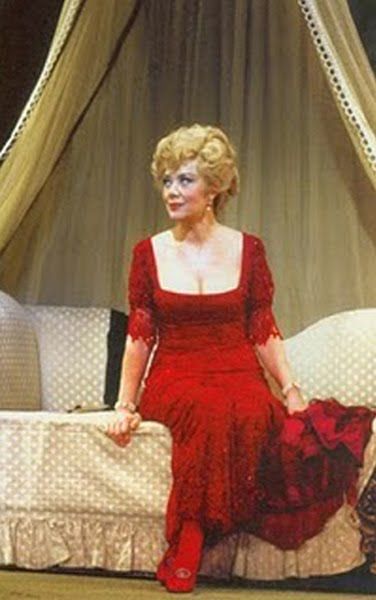
Glynis Johns in the original production of Sondheim’s A Little Night Music
Jan. 4: Glynis Johns, Welsh/British actress who created the role of Desirée Armfeldt in the Stephen Sondheim musical A Little Night Music, whose modest singing abilities shaped the show’s best loved and most performed single number, “Send in the Clowns,” and who performed in Hollywood films from The Court Jester with Danny Kaye in 1955, to Mary Poppins with Julie Andrews in 1964, to Superstar in 1999, 100
Jan. 6, 2024: Sarah Rice, the original Johanna in Sondheim’s Sweeney Todd, who also appeared in the original off-Broadway production of The Fantastics as well as productions of A Little Night Music, Candide, Showboat and other musicals and operettas, and sang operatic roles including Gilda in Rigletto and Marie in Daughter of the Regiment, and played the Theremin, 68
Jan. 8: Phil Niblock, American composer, film and video artist associated with the “downtown” scene in New York, known for slow-moving minimalist soundscapes using drones and incorporating unexpected instruments including bagpipes, often using layered microtones to generate complex overtones, who achieved a leading role in the experimental music world, in spite of having no formal training as a composer, 90
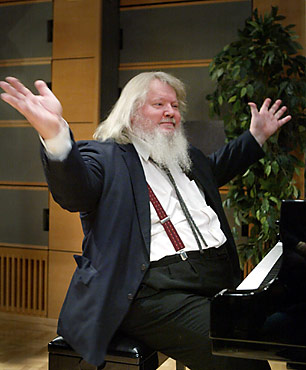
Peter Schickele. Photo by Peter Schaaf, Shaw Concerts
Jan. 16: Peter Schickele, aka P.D.Q. Bach, the fictional composer of such comic works as Concerto for Horn and Hardart and Iphigenia in Brooklyn, who was also a serious composer but whose concert music was largely eclipsed by his musical parodies, who won a single Grammy under his own name and four as P.D.Q. Bach, and who granted himself the imaginary professorship of musical pathology at the imaginary University of Southern North Dakota at Hoople, 88
Jan. 19: Ewa Podles, Polish alto whose career included performances at the Metropolitan Opera, The Royal Opera House in London, Teatro Real in Madrid, the Gran Teatro del Liceu in Barcelona and La Scala in Milan, known for a repertoire from Baroque opera to the 20th century, including works by Handel, Gluck, Rossini, Tchaikovsky and Shostakovich, 71
Jan. 23: Melanie Safka, American singer who performed as Melanie, made a splash at the Woodstock Festival in 1969, and had a No. 1 hit single, “Brand New Key,” two years later—a song that was banned by some radio stations because of the supposed innuendo of the lines “I’ve got a brand-new pair of roller-skates, you’ve got a brand new key,” 76
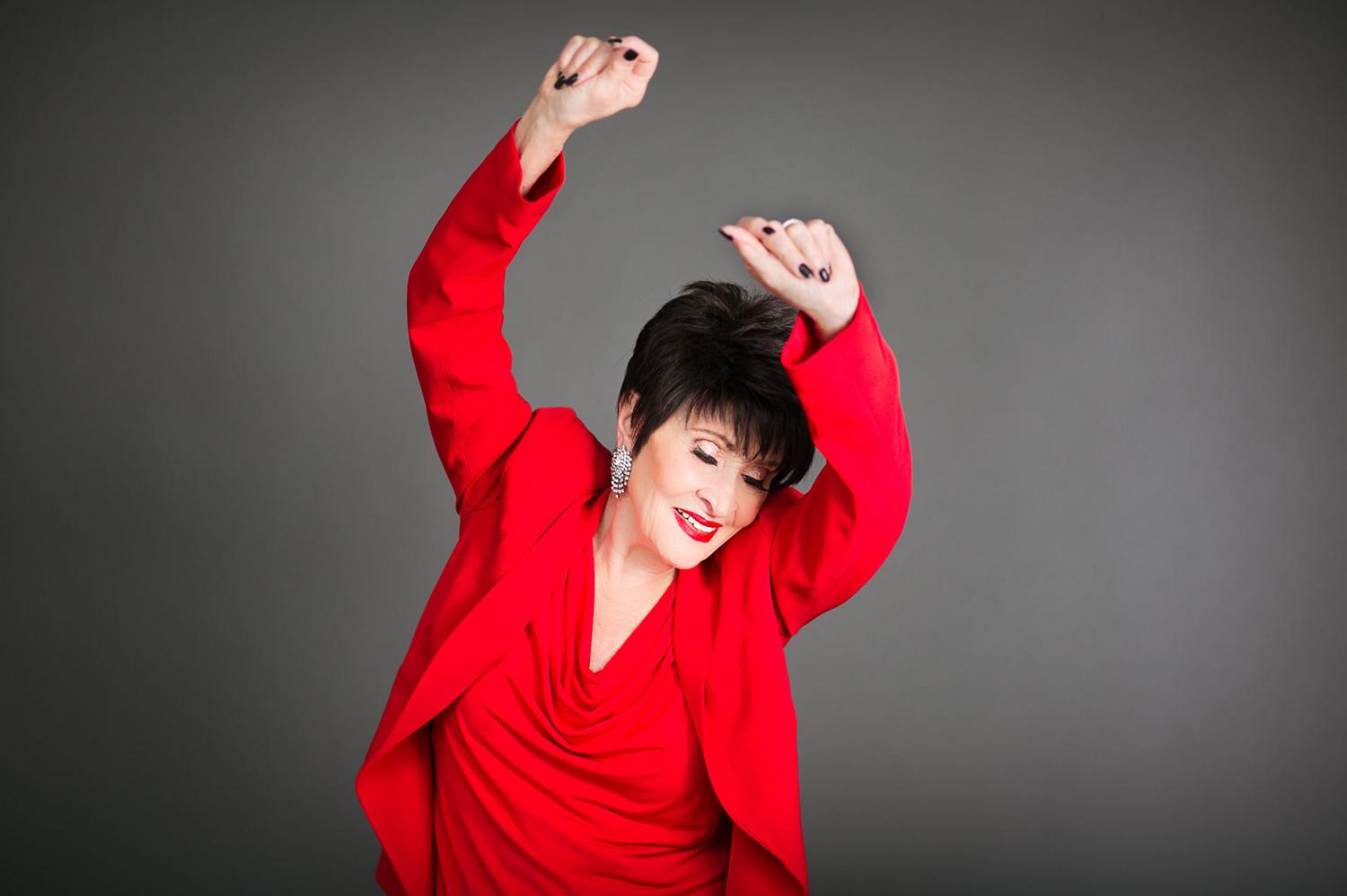
Chita Rivera
Jan. 30: Chita Rivera, remarkable American singer, dancer and actress of Puerto Rican descent who leaped to fame as Anita in West Side Story and later played a number of other tough women including Rosie in Bye Bye Birdie, the murderess Velma Kelly in Chicago and the title role in Kiss of the Spider Woman, who never fully recovered from a car accident that shattered her leg in 1986 but continued to perform in a cabaret act for many years, 91
Feb. 5: Toby Keith, country singer-songwriter from Oklahoma who worked as a rodeo hand and oil-field roughneck before achieving success and his first recording contract as a singer, who had several No. 1 country hits including “Who’s Your Daddy?” and controversial pro-America rants including “Courtesy of the Red, White and Blue,” 62
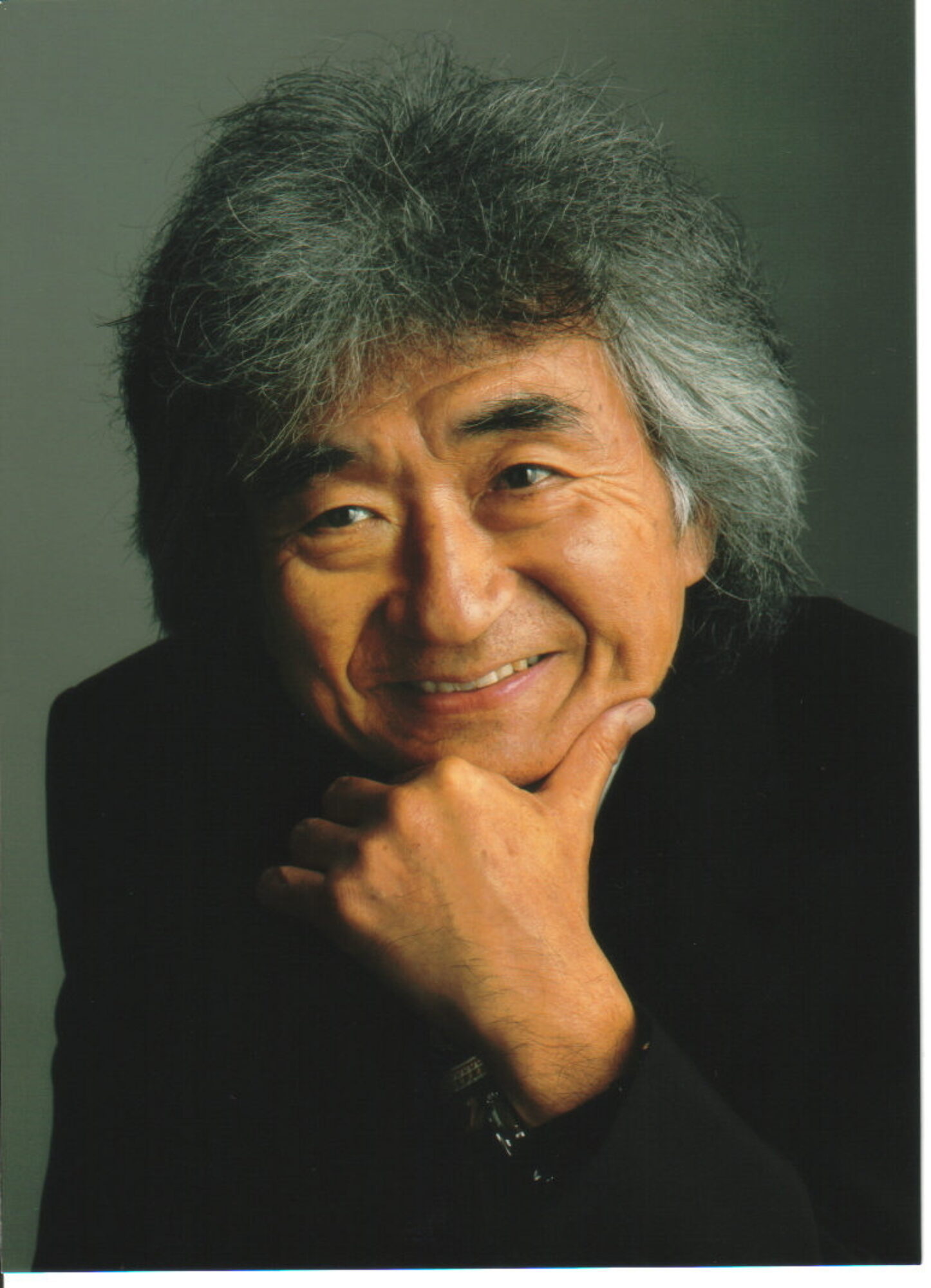
Seiji Ozawa. Photo by Shintaro Shiratori
Feb. 6: Seiji Ozawa, the Japanese conductor who led the Boston Symphony longer than any conductor in its history 1972–2002, who studied with leading conductors including Charles Munch, Pierre Monteux and Herbert von Karajan, was appointed assistant conductor of the New York Philharmonic by Leonard Bernstein (1961–62), was music director of the Toronto Symphony (1965–69), the San Francisco Symphony (1977–77) and the Wiener Staatsoper (2002-10), founded his own music festival in Japan, won Emmy and Grammy awards, was awarded Chevalier of the Légion d’honneur in France, the Austrian Cross of Honor, the Order of Culture in Japan, and numerous other honors worldwide, 88
Feb. 7: Henry Fambrough, the last surviving member of the R&B vocal group the Spinners, which originated outside Detroit in 1954 and joined the Motown roster in 1964, then had a string of hits including “I’ll Be Around” and “Could it Be I’m Falling in Love,” while recording for Atlantic records from 1972 on; just a few months after the original group was inducted into the Rock & Roll Hall of Fame, 85
Feb. 22: Roni Stoneman, an American banjo virtuosa who appeared regularly on the country music variety show “Hee Haw” as the gap-toothed Ida Lee Nagger, was a member of the Appalachian string band the Stoneman Family, and was recognized in 1957 as the first woman to record on bluegrass banjo, 85
March 7: Steve Lawrence, Grammy- and Emmy-winning singer and lifelong onstage partner with his wife Eydie Gormé, who got his start on “Arthur Godfrey’s Talent Scouts” at 15, and together with Gormé performed in nightclubs, in concert, and as a regular on the “The Steve Allen Show,” and individually appeared on Broadway, in film and television shows, 88
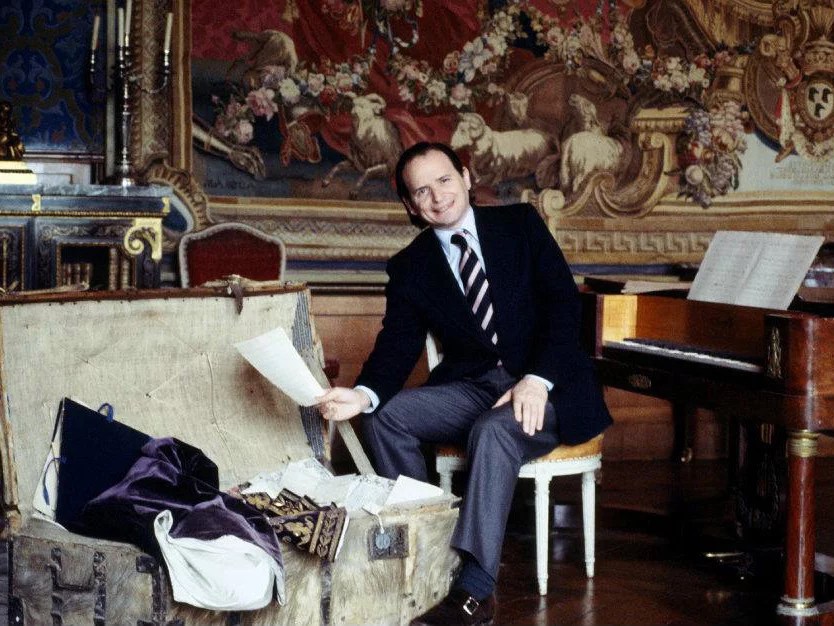
Byron Janis, at the Chateau Thoiry, where he found two Chopin waltzes. Photo by Maria Cooper Janis.
March 14: Byron Janis, an American pianist known for performances of the Romantic repertoire, and for having studied with Josef and Rosina Lhevinne from the age of seven, who made his orchestral debut playing the Rachmaninoff Second Piano Concerto at 15 and subsequently studied with Vladimir Horowitz; who taught for many years at the Manhattan School of Music and in 1967 discovered two Chopin manuscripts in a French chateau, who while suffering from arthritis in his hands stopped performing and turned to songwriting, but later was able to return to playing, 95
March 20: Aribert Reimann, prolific German composer of complex and challenging operas based on works by Shakespeare, Kafka and others, best known for his 1978 opera Lear, based on Shakespeare’s King Lear, which has been produced more than 30 times around the world, a frequent collaborator and accompanist for Dietrich Fischer-Diskau, and who taught at the Hochschule für Music in Hamburg and the Hochschule (later Universität) der Künste in Berlin, 88
March 23, Maurizio Pollini, Italian pianist of formidable and precise technique and intellectual rigor whose broad repertoire included contemporary works by Stockhausen and Boulez as well as classics by Beethoven and Chopin, who grew up in an artistic family with a father who was both a violinist and an architect and a mother who was a singer and pianist, who began performing as a child and won notable prizes including first prize at the International Chopin Competition at the age of 18 in 1960, and later received notice as a member of the Italian Communist Party, 82
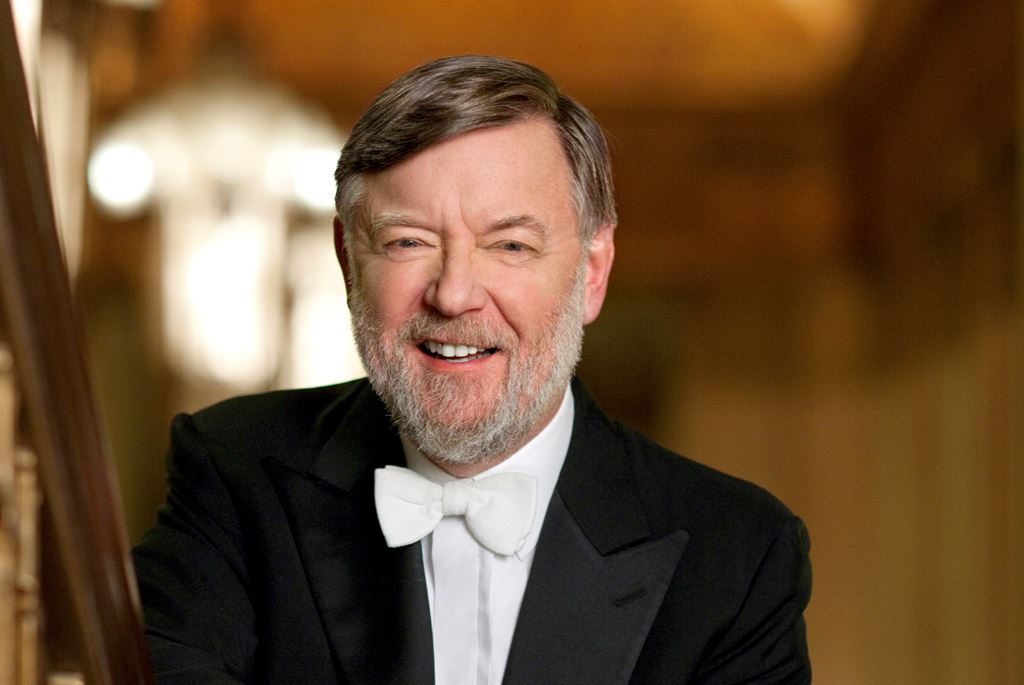
Sir Andrew Davis. Photo by Dario Acosta.
April 20: Sir Andrew Davis, distinguished British conductor, music director and principal conductor of the Chicago Lyric Opera 2000–21, former chief conductor of the BBC Symphony and musical director of the Glyndebourne Festival Opera, known his performances of 20th-century British composers and for his humorous speeches at the Last Night of the Proms (Promenade Concerts), a traditional event on the British music calendar which he led 12 times, who was also conductor of the Toronto Symphony Orchestra and the Melbourne Symphony Orchestra, 80
April 30: Duane Eddy, self-taught guitarist whose reverberant, staccato style of playing became known as “twang” and influenced Jimi Hendrix, Bruce Springsteen and other rock guitarists, and whose own hits including “Rebel Rouser” and “Forty Miles of Bad Road” sold millions of copies worldwide, 86
May 12: David Sanborn, prolific American alto saxophonist, winner of six Grammy awards, eight gold albums and one platinum one, who performed with jazz artists including Miles Davis, Sonny Rollins, Gil Evans and George Benson, as well as James Taylor, Paul Simon, David Bowie, Leonard Cohen and Elton John and other popular artists and band leaders; who took up the saxophone at 11 while recovering from polio, 78
May 25: Richard M. Sherman, younger of two songwriting brothers for Disney films who together won two Oscars and two Grammys, known best for their song “It’s a Small World” written for the ride unveiled at the New York World’s Fair in 1964 and later installed in Disneyland, and also for their songs from the 1964 film Mary Poppins, including “A Spoonful of Sugar” and “Chim Chim Cher-ee,” 95
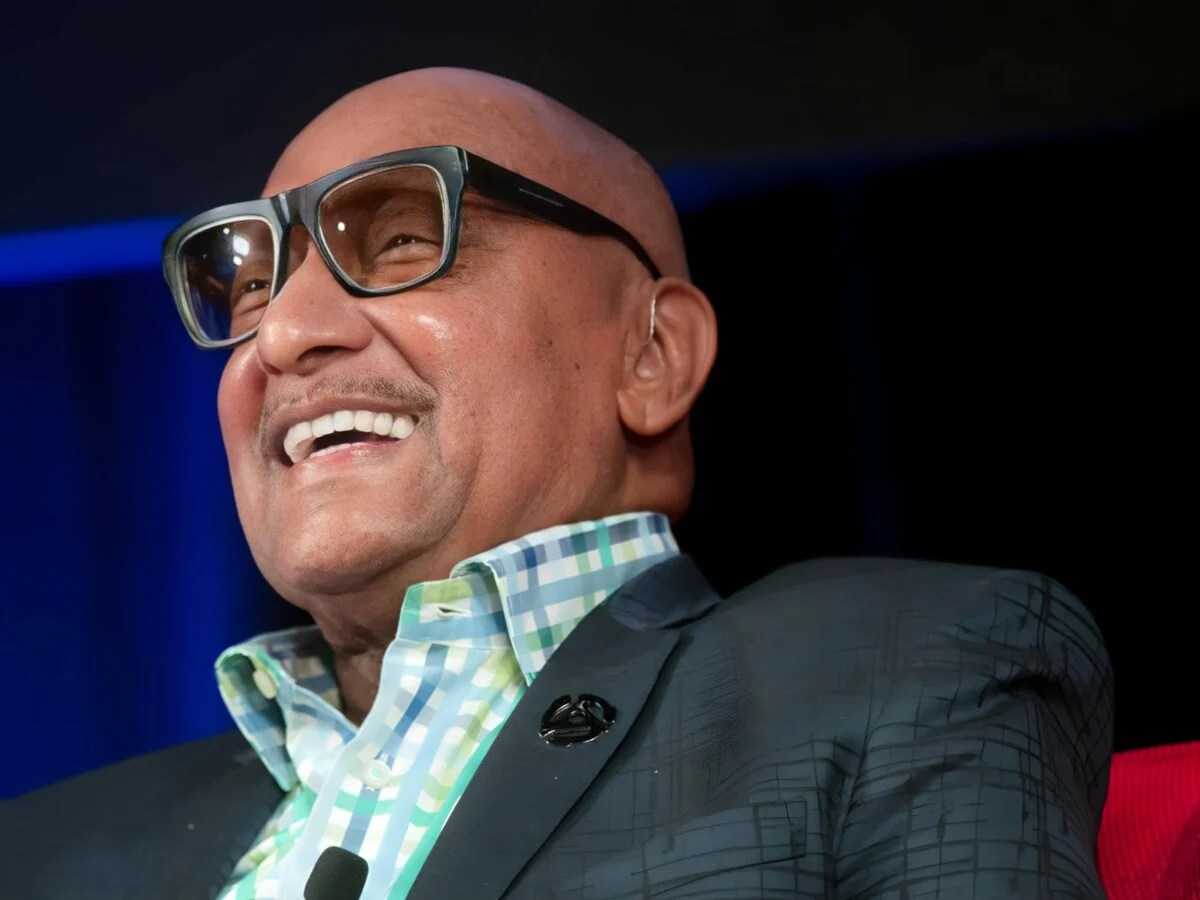
Abdul “Duke“ Fakir. Photo credit: LBJ Library
July 22: Abdul “Duke” Fakir, first tenor and the last surviving member of the Motown singing group the Four Tops, who were known for their top hits including “I Can’t Help Myself (Sugar Pie, Honey Bunch)” and “It’s the Same Old Song,” who remained in Detroit when Motown records relocated to LA, and who were inducted into the Rock & Roll Hall of Fame in 1990, 88
July 23: Richard Crawford, noted scholar of American music and professor at the University of Michigan, who discovered American music as a specialty as a graduate student in the 1960s and made it an important area of research, author of America’s Musical Life: A History, 89
July 25: Benjamin Luxon, British baritone known for his performances in the operas of Benjamin Britten as well as roles including Don Giovanni and Falstaff, whose flourishing career was cut short in the 1990s by encroaching deafness, for whom Britten wrote the title role of his television opera Owen Wingrave, and who appeared at the Metropolitan Opera, La Scala and in Los Angeles as well as England, 87
July 27: Wolfgang Rihm, eminent German composer recognized as an original and prolific creative voice, the most performed German contemporary composer of concert music and operas, composer of more than 500 works including the opera Jakob Lenz and the orchestral song cycle Reminiszenz, professor at the Karlsruhe University of Music and director of the Lucerne Festival Academy, 72
Aug. 23: Russell Malone, jazz guitarist known for his relaxed playing style, who was a longtime member of the Ron Carter Trio, performed with Harry Connick, Jr., B.B. King, Branford Marsalis, Sonny Rollins and many others, in addition to his work as a solo artist and 10 albums as leader, 60
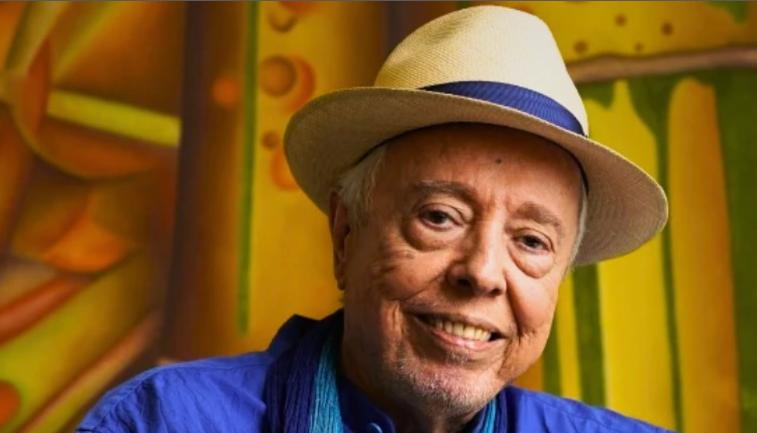
Sergio Mendez
Sept. 5: Sergio Mendes, Brazilian composer, pianist and band leader who made bossa nova a popular sensation with Brasil ’66, one of several ensembles he led, and who released more than 30 albums and won three Grammys over a career lasting more than six decades, including more recent collaborations with younger artists the Black Eyed Peas, John Legend, Pharrell Williams and others, 83
Sept. 28: Kris Kistofferson, American singer/songwriter, Rhodes scholar, U.S. Army helicopter pilot, and later movie star whose songs were recorded by dozens of artists, from the Grateful Dead to Gladys Knight and the Pips and from Johnny Cash to Janis Joplin, whose lyrics were distinguished by a literary quality in songs including “Me and Bobby McGee” and “Help Me Make it Through the Night,” and who won several Grammies and Country Music Association awards and a Golden Globe, 88
Leif Segerstam
Oct. 9: Leif Segerstam, a Finnish composer and self-proclaimed “Jesus of Music” who wrote literally hundreds of symphonies and conducted the Helsinki Philharmonic Orchestra, known for his mystifying comments on his own works and music in general as well as his masterful performances of music by his countryman Sibelius, 80
Oct. 10: Adam Abeshouse, Grammy Award-winning record producer much loved by the classical musicians he worked with, including Joshua Bell, Simone Dinnerstein, Itzhak Perlman and Leon Fleischer, and who also ran a foundation to help fund recordings of works not otherwise supported by major labels, 63
Oct. 17: Mitzi Gaynor, American dancer and actor who achieved fame as Nellie Forbush in the 1958 film of South Pacific and appeared in musicals with Gene Kelly, Bing Crosby and Frank Sinatra, and later became the highest paid female entertainer in Las Vegas, 93
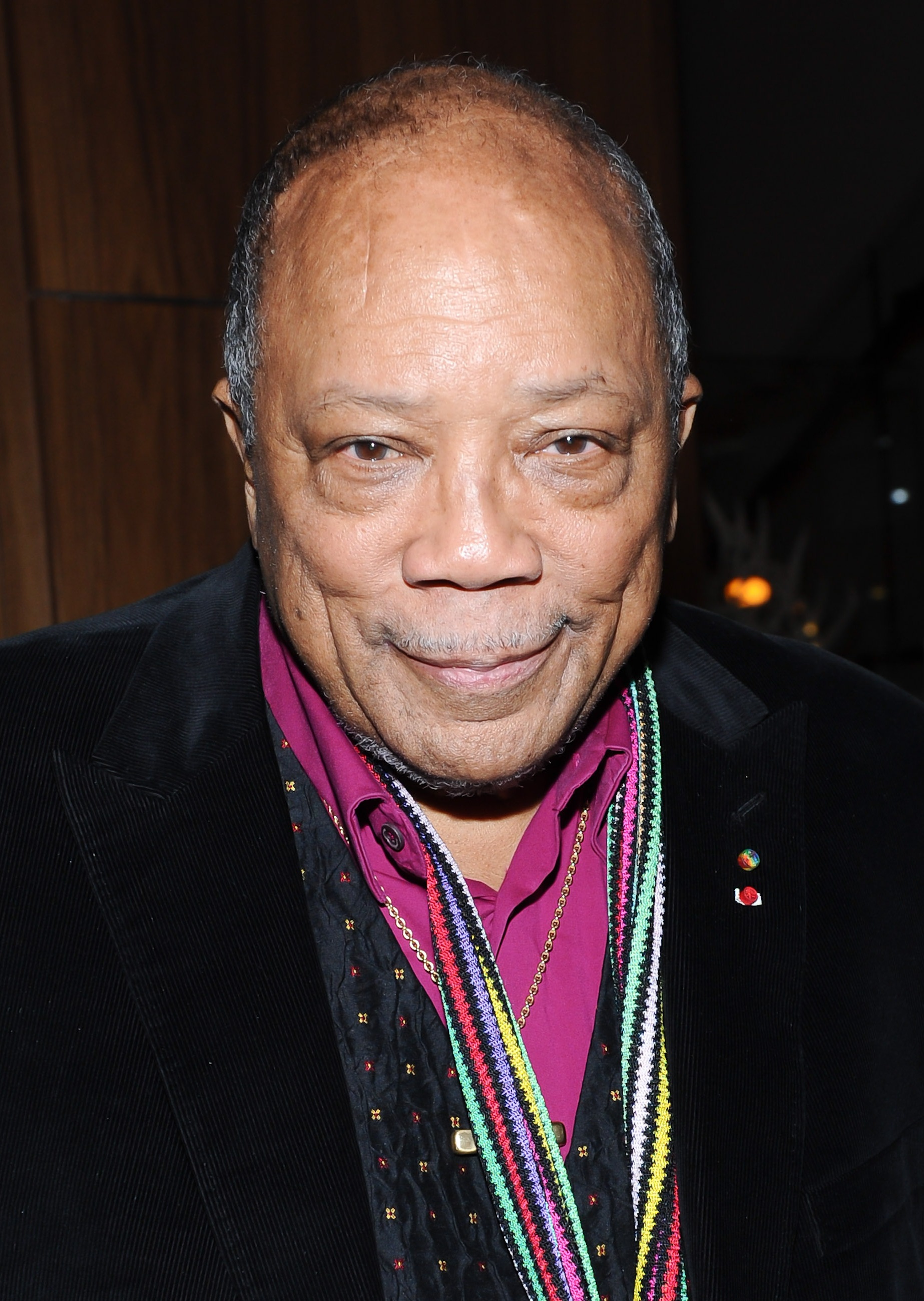
Quincy Jones. Canadian Film Centre. Photo by Sam Santos.
Oct. 25: Phil Lesh, bassist of the Grateful Dead who made his role a leading one in the band, and who also sang high harmonies or lead vocal and wrote or co-wrote several of the Dead’s hits including “Trucking’” and “Box of Rain,” and had studied violin, and studied composition with Lucian Berio, 84
Nov. 3: Quincy Jones, one of the most prominent and powerful personalities in American popular music, whose remarkable range extended from studies with Nadia Boulanger and Olivier Messiaen to producing Michael Jackson’s “Thriller,” who had careers as a jazz trumpeter, arranger for Count Basie, film music composer and record producer, who was nominated for 80 Grammies and won 28—third highest behind Beyoncé and Georg Solti—received honorary degrees from Juilliard, Harvard, Princeton and the New England Conservatory as well as a National Medal of Arts, 91
Nov. 15 : Burton Fine, principal violist of the Boston Symphony for 29 years until 1993, when he retired to play as a member of the orchestra’s viola section for another 10 years, who studied with Ivan Galamian at the Curtis Institute and also had a doctorate in chemistry from the Illinois Institute of Technology and worked for nine years as a research chemist for NASA, 94
Dec. 14: Zakir Hussain, Indian percussionist and composer, revered as a master of North Indian classical music who performed primarily on the tabla and recorded with other leading Indian musicians including Ravi Shankar and Ali Akbar Khan and also worked with jazz musicians and as a member of the East-West fusion group Shakti, 73
The Central City Opera (CCO) has announced its 2025 summer season—or at least two thirds of it.
As in recent years, there will be two operas and a Broadway musical performed in the historic opera house in Central City. For 2025 the two operas will be Rossini’s enduring comic masterpiece The Barber of Seville, and a new work by Serbian-American composer Aleksandra Vrebalov, The Knock.
The Broadway musical has not been announced, although a recent news release from CCO says, coyly, “We won’t be shy about announcing the title of the Golden-Age musical comedy after it ends its limited run on Broadway in January.” I won’t speculate, but you can fuel your imagination by looking up the shows currently on Broadway.
The French playwright Pierre Beaumarchais wrote three plays about the cagey character of Figaro, starting with The Barber of Seville. It was adopted several times as an opera, including a popular version by Giovanni Paisiello. When Rossini’s version premiered in Rome in 1816 it was booed on opening night but—thanks to the brilliant score—soon vanquished all previous versions.
In the play and opera, Figaro cleverly outwits the elderly Dr. Bartolo, who has designs on his young ward, Rosina, and arranges her marriage to her lover, Count Almaviva. In addition to several comic ensemble scenes, the score includes Figaro’s famous entry aria “Largo al factotum” and Rosina’s virtuosic showpiece “Una voce poco fa.”
Aleksandra Vrebalov
Born in Serbia, Vrebalov came to the United States to study in 1995 and became a U.S. citizen in 2005. She holds a doctorate in music from the University of Michigan. Her works have been performed by the Kronos Quartet, Glimmerglass Opera with Cincinnati Opera, the English National Ballet and the Belgrade Philharmonic, among others.
A patriotic story of military wives awaiting news of their deployed husbands, The Knockis Verbalov’s third opera. It was commissioned by the Cincinnati Opera, but due to the COVID pandemic the stage premiere was postponed. The first performance was recorded on film with the Glimmerglass Festival Orchestra. That performance was directed by Alison Moritz, now the artistic director of Central City Opera.
The CCO production will represent a regional premiere, following sold-out onstage performances in Cincinnati.
Mutual respect, love of music and supportive audiences inspire the players
By Peter Alexander Sept. 12 at 9:14 p.m.
Fifty years is a long time in any job, but that is the landmark that András Fejér, cellist of the world renowned Takács Quartet, is approaching as the quartet enters its fiftieth season,
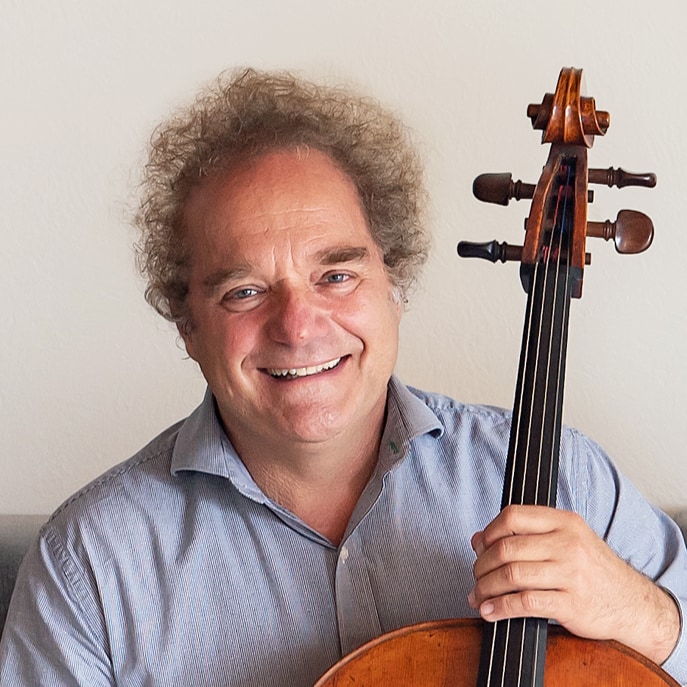
András Fejér
The Takács String Quartet was founded in Budapest in September 1975—49 years ago—and has been in residence at the CU College of Music since 1983. The only original member of the quartet still with the group, Fejér is now 70, but he shows no sign of seeking a quiet retirement.
“I’m loving it,” he says about playing in the quartet and continuing the group’s busy concert schedule around the world. “I feel passionate about it, and I cannot imagine doing anything else.”
Fejér and the other members of the quartet—first violinist Edward Dusinberre, second violinist Harumi Rhodes and violist Richard O’Neill—will take the stage at Grusin Music Hall Sunday and Monday (4 p.m. Sept. 15 and 7:30 p.m. Sept. 16) for a standard string quartet program—a 20th century quartet by Leoš Janáček, sandwiched between classical-era works by Joseph Haydn and Beethoven (see full program below). This is a standard Takács program, and Fejér says they have no special plans for the half-century celebration.
“We just do what we are trying to do—classics nicely mixed with contemporary pieces,” he says. “We try to play them as much as we can. It’s a heartwarming mission.”
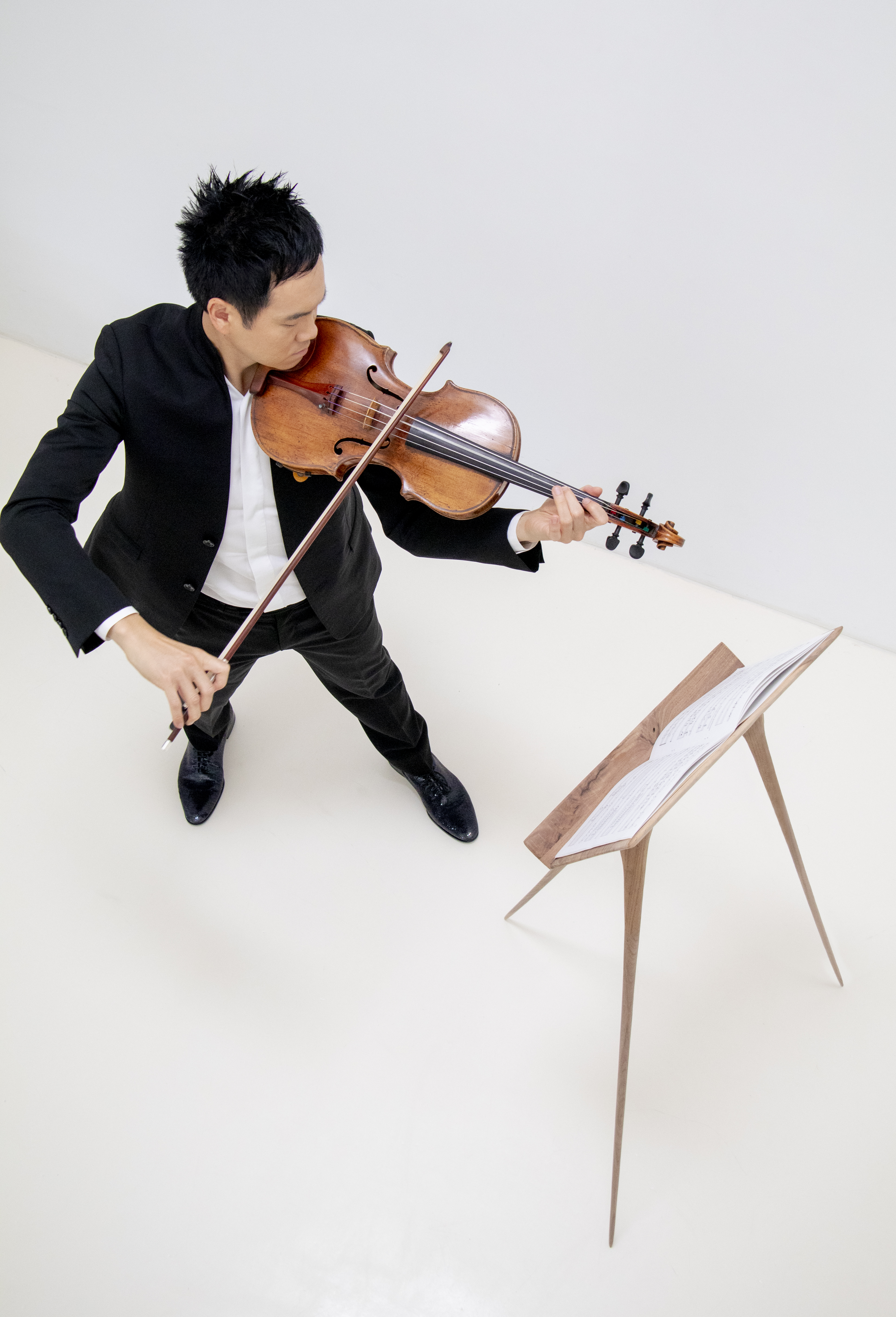
Richard O’Neill
The newest member of the quartet, O’Neill feels the same way about the busy life in a world-traveling quartet. “The greatest luxury is getting to do what we do,” he says. “I really love travel, even in the worst scenarios. There are things that can go wrong nowadays, but I still get excited to pack my suitcase and go out the door.”
If he likes anything more than travel, it’s playing for the Boulder audience. “The community here is such a unique community and (Boulder is) such an incredibly beautiful place,” he says. “Every concert we’re backstage at Grusin I really like hearing all the people (in the audience) excited to be together.”
O’Neill noticed the musicians’ connection with their audience from his very first Boulder home concerts with the Takács in 2021, but the relationship has not changed over Fejér’s years in the quartet. “We found it extremely supportive here (in 1983), with a wonderfully enthusiastic audience, and that’s how we feel until this day,” he says. “We got the support and the love of the audience, and the way it makes you feel, it’s a wonderful reaction with the audience.”
With all the personnel changes over 50 years—two first violinists, two second violinists, now three violists with the one cellist—the Takács has maintained its place among the top quartets in the world. That’s not because they have one authoritative way of doing things. Fejér identifies their defining quality more in the integrity of their approach to the music.
“The quality is the combination of expressivity, character and technique,” he says. “There are many ways to interpret the same phrase, many ways to interpret any page of any piece. We are listening to new ideas, because we feel it keeps the process fresh. As our wonderful teacher in Budapest put it, nobody has a letter from Haydn or Beethoven.
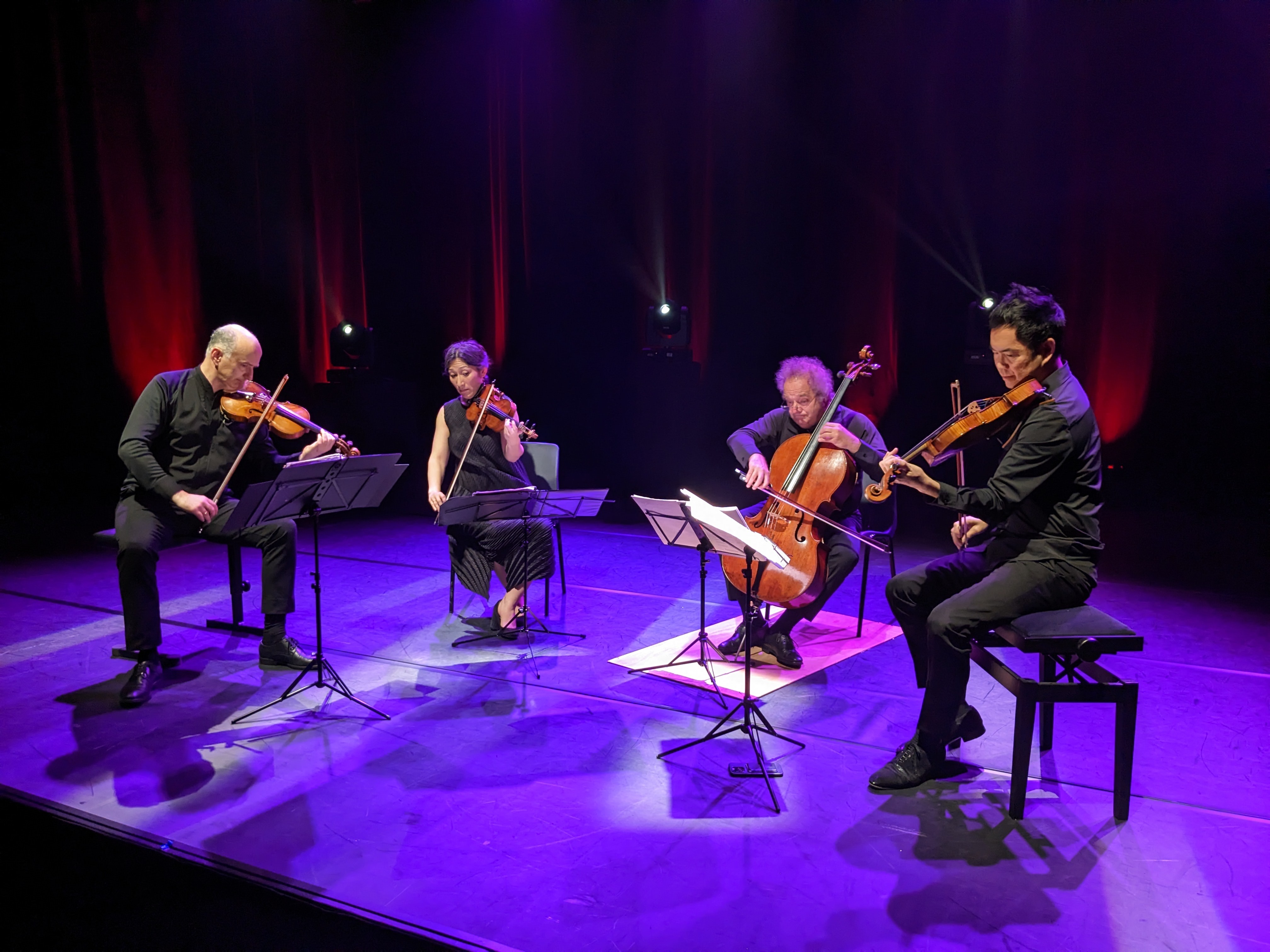
Takács String Quartet. Photo by Ian Malkin.
“We are honest, and being honest gives you a major conviction. As long as the message rings true, the audience is happy and immersed in the performance.”
That does not mean that the players always agree. “We had our fair share of arguments, especially when we were young and unwise,” he says. “But the moment we realized that there are many ways, what we can do is (say) ‘OK, in New York we try your idea, and then at Berkeley we will try my idea,‘ and then we will settle down with something. Everybody‘s happy, and then we all have a good giggle afterwards. It‘s great fun.”
O’Neill learned from the outset that every member is included in those conversations, no matter how long they have been with the group. “András could probably pull the seniority card on me, (but) he never does that,” he says.
“What I really love about the Takács is that if any one of us have a reservation, musical or personal about something that we’re doing, the quartet won’t do it. I really respect that. We’re all very distinct individuals, and of course we have our differences, but we respect each other. I think that‘s the magic combination.
“There‘s nothing like being in a group where you really get to know everyone like family,” he says. So whenever the Takács “family” walks onstage, you know they are doing what they love doing together.
And they love the music. Of the first piece on the current program, Haydn’s Quartet in C Major, op. 54 no. 2, O’Neill says, “I have never played (the piece before), but it’s like vaudeville for music. The humor is so palpable and overt, and I love it. With Mozart, humor is either tinged with sadness or hidden in refinement, but with Haydn it’s unabashed. It’s just flat out funny. It‘s an amazing work.”
Janáček’s Quartet No. 1, however, is not humorous. Known as “The Kreutzer Sonata,” it is based on the Tolstoy novella of that name about a man who kills his wife for having an affair with a violinist with whom she plays Beethoven’s “Kreutzer” Sonata. Written by a composer of many great operas, the quartet is almost operatic in its drama and intensity.
“We adore both quartets (by Janáček),” Fejér says. “The language, the harmonies, the technical realization is so specific to Janáček. You can recognize his music right away. We are talking about murder and jealousy and seemingly idyllic music. We have everything in between idyllic and ‘I’ll kill you!’”
The final piece is one of the most loved works for string quartet, Beethoven’s Quartet in F Major, op. 59 no. 1, one of three quartets Beethoven wrote for the Russian ambassador in Vienna, Count Razumovsky. Originally regarded as audaciously long and difficult, all three are now accepted in the standard repertoire and loved by audiences.
The first of the set is in the key of F major, which in works like the Pastoral Symphony, the Symphony No. 8 and the Romance for violin, inspired some of Beethoven’s most lyrical and melodic music. That quality is evident from the very beginning of the quartet, with a long theme from the cello playing in its richest register.
“When you start with a cello solo, how can you go wrong?” O’Neill says. “I love the piece very much.”
But equal to the music on the program is the survival of the Takács Quartet over the past 49 years, which few chamber music ensembles have matched and for which the Boulder audience shows its appreciation every year and every concert. Fejér gives what may be the best explanation for that when he says “We are like kids on the playground, enjoying the toys.
“We are totally involved and just enjoying ourselves.”
I don’t know how it was at your house, but for me, the combination of family events, summer performances to play and attend, and the unexpected home repairs to attend to has filled my days.
Filled to overflowing in fact.
So I am going to take a couple of weeks off to take care of all the unfinished business staring me in the face and maybe get some rest. And see some opera streams I’ve been wanting to see, some British mysteries, maybe even go to a movie! Such luxury.
I apologize for the early-season events I will miss—the Takács Quartet has already started their 2024–25 season—but I will be back in September. And isn’t that when fall events should start, anyway?
So enjoy your dog days, think of me lying on the couch (not the beach, sadly) happily sipping beverages, and I’ll see you again in September!
Saturday’s opening night of Kurt Weill’s Street Scene canceled due to illness
By Peter Alexander July 10 at 5:20 p.m.
Central City Opera has announced that Saturday’s opening of their production of Kurt Weill’s “American Opera” Street Scene (July 13) would be canceled due to illness.
A statement released by the company today (July 10) stated:
“Due to a number of our artists testing positive for respiratory illness, we are canceling the Saturday, July 13 performance of Street Scene and all opening night activities. Our top priority is always the well-being of our cast, crew, and audience, and this decision was made in consultation with our artists, unions, and local officials in order to ensure everyone’s health and safety.”
The company offers three option to persons who hold tickets for Saturday:
Reschedule your tickets for another date;
Turn the value of your tickets into a tax-deductible gift to the Central City Opera; and
In case neither of the options above are suitable, receive a full refund.
In order to choose one of the three options, the Central City box office is asking patrons to fill out an online form that can be accessed HERE.
The remainder of the Central City Opera season is not affected by the cancellation, including all regularly scheduled performances of Street Scene during the remainder of the summer. You can see the full summer schedule on the Central City Opera calendar page.
You can read more about Central City Opera’s 2024 season HERE.
A Web page packed with info, and a music camp for kids
By Peter Alexander June 20 at 2:20 p.m.
Stephanie Bonjack wanted to support her son’s interest in music.
“I wanted to know what are the opportunities for my son, and for kids in general in this region,” she says. “And I’m not the only one who was curious about these things.”
Stephanie Bonjack
As the music librarian at the CU College of Music, she had plenty of contacts in the music world, “but it frustrates me when the only reliable source is word of mouth,” she says. She had also recently joined the chorus of Boulder’s Seicento Baroque Ensemble and was interested in knowing about other Baroque and early music performing groups in the area.
“After the pandemic I got it in my head that I would really like to go hear all of the major performing ensembles in the region, and experience them in their major performance venues” she says. “The question is, ‘What are they?’ I have friends who are professional musicians and they can rattle off a few things, but being a librarian, I want to see the list!”
Not finding a reliable list, she decided to make her own, “Music on the Front Range,” which now appears on the Web page of the CU University Libraries. Links are provided to a wide variety of styles and types of performing groups, from opera to barbershop and from professional orchestras to community groups, in addition to a list of “Local Classical News” sources (including this blog) on the home page.
This listing serves both as a resource for finding groups of different levels that you might wish to join, and also groups whose performances you might wish to attend, The full list of performing categories included on the site comprises opera, choirs, orchestras, bands, early music, chamber groups, youth, barbershop, community singing and community playing.
Bonjack admits that she was surprised, not only by the number of performing groups, but by the popularity of some specific areas. “I was really surprised by the pervasiveness of barbershop ensembles,” she says. There are no fewer than 13 barbershop groups for men and women, in addition to nine student-run groups at CU.
Among the other things that stood out to Bonjack, she says, “I was impressed by how many specific ensembles there are for LGBTQ members of the community. (Nine groups are listed on the “Community Singing” page.) I love that there is a professional handbell ensemble in Denver, the Rocky Mountain Ringers. I also found it fascinating under the community singing sections, how many sacred ensembles exist that are not attached to places of worship.
While Bonjack was making her list, Katarina Pliego was also thinking about young musicians—in her case, about the music training she got when she started playing cello, and the relative deficiencies of music education in this country.
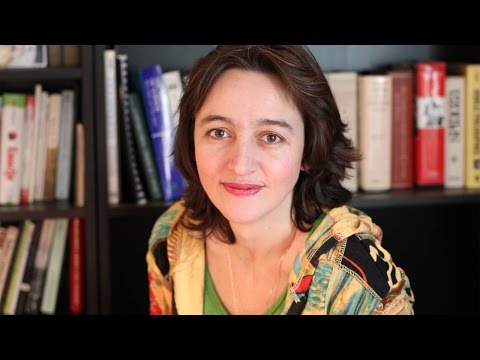
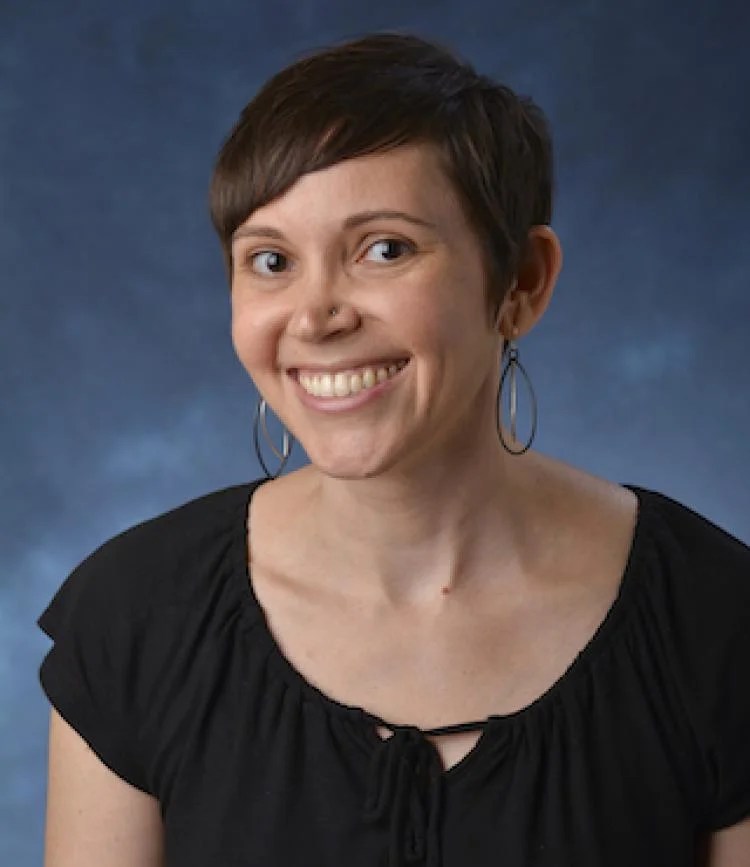
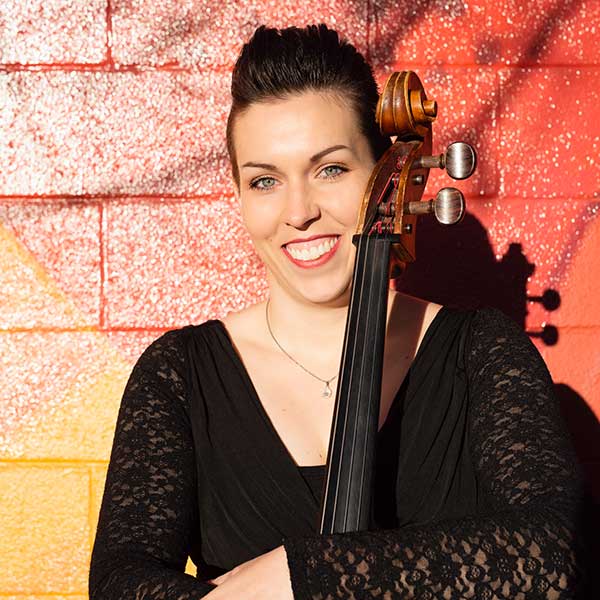
Katarina Pliego
Pliego grew up in Slovenia, where she had two cello lessons, orchestra and two music theory classes every week, all provided by the state. “Everyone plays and has really good music education,” she says.
After she left Slovenia, she came to the United Sates and studied cello at the University of Northern Colorado in Greeley. “I came here, and I was like, how do undergrads not know music theory?” she asks. “How are you not learning about what the relative minor scale is? I knew that when I was twelve. Oh my gosh, am I so grateful for that now!”
Like Bonjack, Pliego decided to fill the gap she saw, at least for a few young students in the Northern Colorado area. “I saw a need,” Pliego says. “I taught music at Front Range Community College for seven years, and I saw how some students don’t realize everything that they should know to be musicians.
“I started thinking, we really need to teach kids music theory, we need to teach them more about music history. There are all of these camps that are orchestra camps, but there’s nothing like the camp that I grew up going to. (We) need to have music theory for kids, to understand why they’re playing scales, how the scales are working. So I just went for it.”
This year’s edition of the camp, “LoCo Music Lab,” concluded June 8, but Pliego plans to continue the camp in future years. Described as a “musicianship camp,” LoCo Music Lab included lessons, ensembles, music theory, music history, masterclasses and other workshops, including a presentation on performance anxiety.
For this first year, the camp was available to a limited number of students, and was open on a first-come, first-served basis without audition. It was offered to three groups: Grades 1–6 violin, viola, cello and guitar; Grades 1–6 choir; and Grades 7–12 violin, viola, cello and guitar (see the full schedule of this year’s camp on the LoCo Music Lab Web page.)
“I reached out to my friends and explained what my vision is, and they were like, absolutely, this sounds great,” Pliego says. “I wanted to start smaller, see how it goes and take it from there.”




 Sharps & Flatirons