Concert features world premiere, Bluegrass violin concerto, “New World” Symphony
By Peter Alexander Jan. 13 at 12:30 a.m.
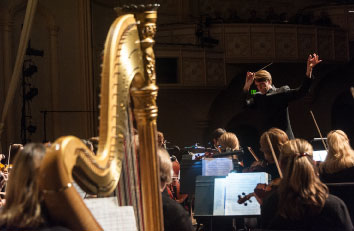
Michael Butterman returned to the Boulder Philharmonic Orchestra yesterday (Jan. 12) to conduct an interesting and worthwhile program, having missed the fall season due to cancer treatments.
Newly bald from chemo therapy, Butterman was welcomed by the Macky Auditorium audience with cheers and applause. He led the full program with his usual energy.
First was the world premiere of Wind, Water, Sand by Stephen Lias, inspired by Colorado’s Great Sand Dunes National Park. It is the third national park-inspired piece by Lias premiered by the Phil, after Gates of the Arctic (2014) and All the Songs that Nature Sings (Rocky Mountain, 2017). Unlike those works, Wind, Water, Sand does not have images to accompany the score. Lias has explained that he wanted this work to spur the listener’s imagination, instead of being linked to specific images of the park.
He also said the music expresses the flow of the three elements that created the park—the wind, the water, and the sand. There are closely related musical ideas that flow at various speeds, just as the three elements flow at different rates within the park.
The score opens with energetic ideas that are wonderfully evocative of motion. The intricate, rippling quality of these opening gestures suggest the wind flowing over the dunes, or the ripples of the stream that runs alongside the dunes. Thereafter, the orchestral sound is colorful and suggestive, but rarely specific enough to signal wind or water.
The bustling opening gives way to a greater stillness, punctuated by outbursts of sound that I found evocative more of a summer storm than any of the three elements. Exciting contributions from the percussion animate this section, along with dramatic gestures from the brass that evolve into something that seems grander than sand dunes.
Whatever one imagines, the piece is well structured from beginning to end. With its busy opening, its central section that grows in grandeur, and a return to the opening soundscape, it creates a satisfying whole.
People around me talked of the score having a cinematic quality—I heard mentions of Indiana Jones and Studio Ghibli; clearly the music struck home. On the basis of its musical qualities alone, Wind, Water, Sand deserves a future in concert halls.
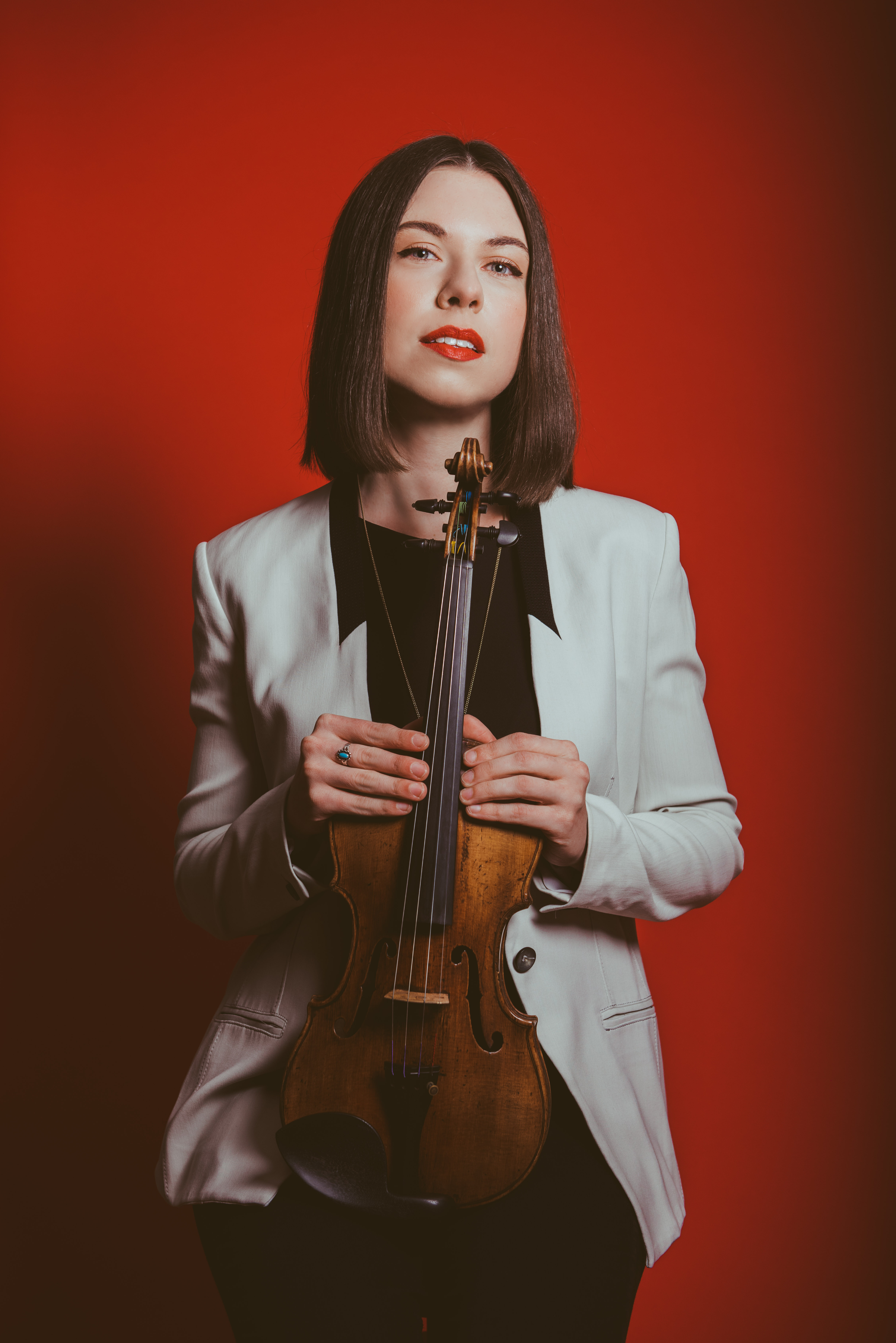
Next Butterman introduced violinist Tessa Lark, who performed a piece written for her by Michael Torke. Titled Sky: Violin Concerto, it combines the structure and musical drama of the classical concerto with musical styles that reflect Lark’s fiddling skills from her native Kentucky.
Lark occupied the concerto’s unique sound world like it was home—which in a way it is. She played the dazzling first movement with fire and a Bluegrass virtuosity that elicited spontaneous applause between movements. The wistful second movement—as it is labelled in the score—presents a series of meditative ideas skillfully knit together. And the final movement, now “spirited,” gave Lark the chance to play flashy fiddling licks with energy and bravura.
The performance was not always ideally balanced in Macky’s uneven acoustic, but that seemed not to detract from the listeners’ enjoyment. Lark’s energetic body language, including bends and emphatic stomps, added to the overall excitement. The audience called Lark back for an encore that combined her country singing skills with down-home fiddling.
The concert concluded with another piece from America, if not by a living American: Dvořák’s Symphony No. 9, “From the New World.” Butterman and the orchestra gave an expressive performance, marked by strategic variations of tempo. If a little more than I would like, these touches marked out the expressive contours of the familiar symphony.
The best moment was provided by the brass chorale at the outset of the second movement, resonant and reverent. The movement also featured an eloquent English horn solo on the famous “Goin’ Home” theme that was later adopted into a pseudo-spiritual by one of Dvořák’s pupils. Butterman tore into the final movement at a speedy pace, but again used strategic variations of tempo to outline the expressive contours.
The winds played strongly throughout, giving the symphony a muscular core, but occasionally overpowering the strings. All the wind solos were well played, including the treacherous horn solos and lovely contributions from the flute and clarinet.
CORRECTION 1/13: The composer Stephen Lias’ name was incorrectly listed as Michael in the first version of this review.
Music for winds from the BCO, quartets and quintet from the Takács Quartet
By Peter Alexander Jan. 10 at 1:45 p.m.
The Boulder Chamber Orchestra (BCO) will present a program of French music for piano and winds for its third Mini-Chamber program of the season Saturday (7:30 p.m. Jan. 11; details below).
The orchestra’s current artist-in-residence, pianist Jennifer Hayghe, will be joined by members of the BCO to perform works by Vincent d’Indy, Albert Roussel, Francis Poulenc, Florent Schmitt and Louise Farrenc.
BCO artist in residence Jennifer Hayghe
The program that was curated by Hayghe offers an opportunity to hear pieces and composers that are little known to American audiences. French music in particular is less often programmed here than German and Austrian works. The least familiar, and the earliest of the composers is Farrenc, who lived in the 19th century. A successful concert pianist, she became the first woman to hold a permanent position at the Paris Conservatory, which she maintained for 30 years, from 1842 to 1872.
All the other composers lived and worked in the 20th century. The most familiar is probably Poulenc, who died in 1963. Known for his opera Dialogues des Carmélites (Dialogue of the Carmelites), his Organ Concerto and his choral Gloria, he also wrote a large number of pieces for chamber ensembles.
The other three composers—d’Indy, Roussel and Schmitt—were active in the first half of the 20th century. Offering a rare taste of a time and place that rarely shows up in concert programs in the U.S., Mini-Chamber 3 is a welcome opportunity for the chamber music audience to expand their horizons beyond the routine.
# # # # #
Boulder Chamber Orchestra Mini-Chamber 3 Jennifer Hayghe, artist in residence, piano With Rachelle Crowell, flute; Brittany Bonner, one; Kellan Toohey, clarinet; Kaori Uno-Jack, bassoon; and Devon Park, horn
The Takács Quartet will be joined by pianist Margaret McDonald to present one of the preeminent chamber works of the 19th century, Brahms’s Quintet in F minor for piano and strings.
The program will also feature Beethoven’s early String Quartet No. 1 in F major, op. 18 no. 1—actually the second quartet of the set to be written—and the String Quartet no. 1 by Stephen Hough, which was written for the Takács.
Hough’s quartet was first written to be heard alongside the Ravel String Quartet and Ainsi la nuit (Thus the night), a string quartet by the French composer Henri Dutilleux. Hough subtitled the quartet “Les Six Rencontres” (The six re-encountered), a reference to a group of early 20th-century composers active in France that did not include either Ravel or Dutilleux. Hough wrote that the subtitle “has in it a pun and a puzzle: the six movements as an echo of ‘Les Six,’ although there are no quotes or direct references from those composers; and ‘encounters’ which are unspecified.”
Margaret McDonald, guest pianist with the Takács Quartet
The six movements of the quartet have titles that indicate places, presumably in the Montparnasse district of Paris, where an encounter with a composer from “The Six” might have occurred: On the boulevard, in the park, at the hotel, at the theater, in the church and at the market. The Takács Quartet premiered “Les Six Rencontres” in Costa Mesa, Calif., Dec. 8, 2021.
One of the best known major pieces of chamber music from the 19th century, Brahms F minor Piano Quintet evolved through several forms before being finished as a quintet. It was first written as string quintet, a version that the composer later destroyed, and then as a duet for two pianos, and finally as a quintet for string quartet with piano. All of this stretched over six years, prior to the Quintet’s premiere in 1868.
# # # # #
Takács Quartet With Margaret McDonald, piano
Beethoven: String Quartet in F Major, op. 18 no. 1
Stephen Hough: String Quartet No. 1, “Les Six Rencontres” (The six re-encountered)
Johannes Brahms: Piano Quintet in F Minor, op. 34
4 p.m. Sunday, Jan. 12 7:30 p.m. Monday, Jan. 13 Grusin Music Hall
Conductor will lead premiere of new work by Stephen Lias on program “From the New World”
By Peter Alexander Jan. 8 at 12 noon
Michael Butterman, music director of the Boulder Philharmonic, returns to the Macky Auditorium stage to conduct the orchestra’s concert Sunday (4 p.m. Jan. 12; details below) after an absence of several months while he underwent cancer treatments at his home in Shreveport, La.
In addition to Butterman’s return, the concert is noteworthy in featuring two works by living composers, one of them a world premiere, and the much loved Symphony “From the New World” by Antonín Dvořák. The world premiere, Wind, Water, Sand by Stephen Lias, is a musical tribute to Colorado’s Great Sand Dunes National Park—his third national park-based score to be premiered by the Phil. Violinist Tessa Lark, who combines her Grammy-nominated skills as a classical soloist with prowess as a bluegrass fiddler, will play Michael Torke’s Sky: Violin Concerto, which was written for her.
Michael Butterman with the Boulder Phil, before his recent illness
Butterman is eager to return. “I want to get back to making music,” he says. “I’ve completed the chemo therapy regimen with good results. My immune system is going to be subpar for a few months and I have to be cautious, (but) other than that, I can go about my business.”
Noting the visible effects of his chemo treatments, he names some famous bald conductors. “It’s a different look,” he says. “I pass the mirror every now and then, and I’m like, ‘who was that person?’”
Lias, whose Web page identifies him as an “adventurer-composer,” has written more than 20 concert works inspired by America’s national parks. Two that have been premiered by the Boulder Phil—Gates of the Arctic (2014), inspired by a residency in that Alaskan park, and All the Songs that Nature Sings (2017), inspired by Colorado’s Rocky Mountain National Park—were accompanied by visual images of the respective parks.
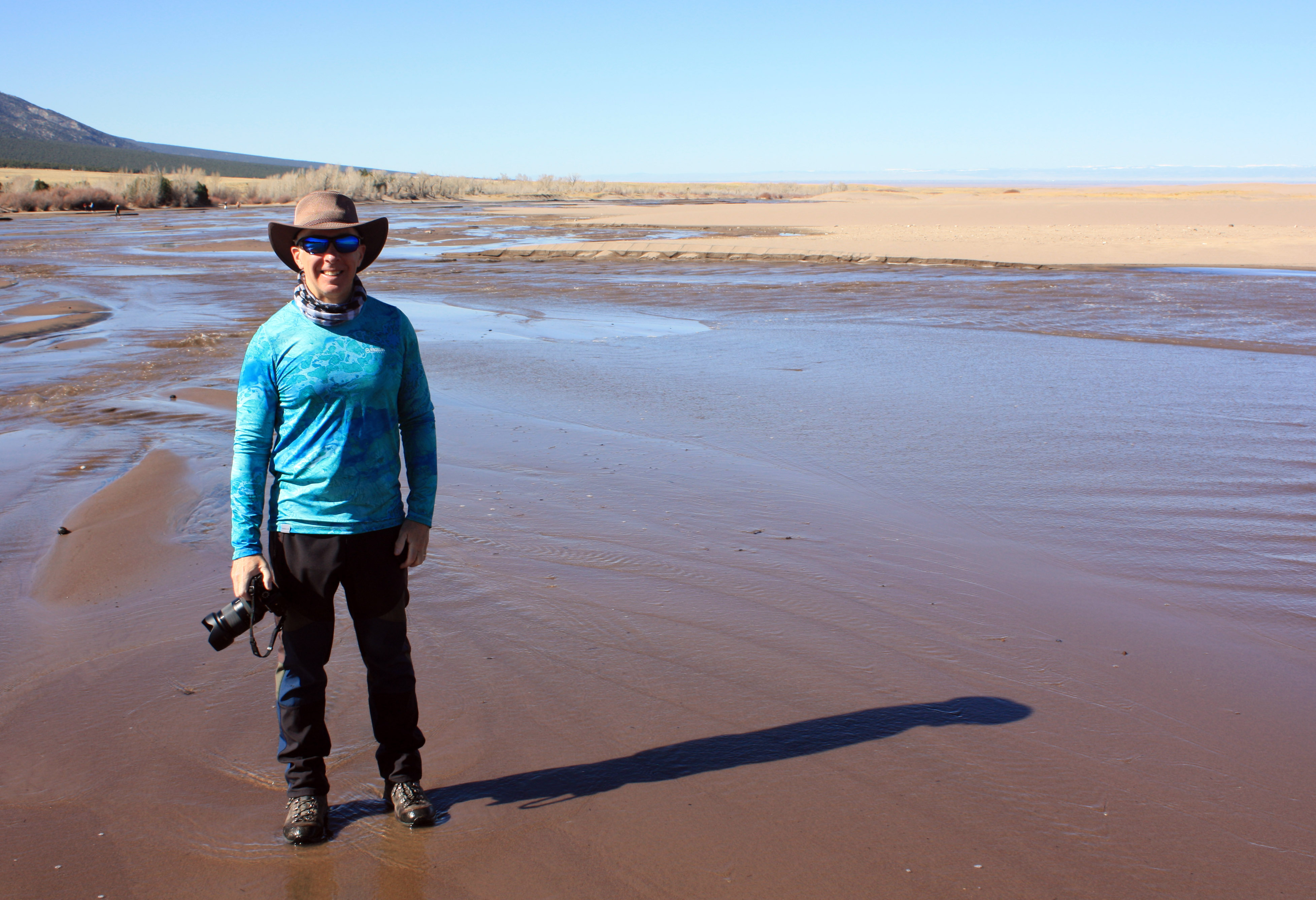
Stephen Lias at Great Sand Dunes N.P. in 2023 Photo by Peter Alexander
Wind, Water, Sand, however, does not have accompanying photos or videos. “I enjoy writing music that has imagery synchronized to it,” Lias says. “But Michael (Butterman) agreed at my request that this piece would not have imagery.
“In this case, both because of the location and because of the musical challenge, I wanted to tap into the audience’s imagination, which is what we do when we listen to Beethoven’s ‘Pastoral’ Symphony or the Strauss Alpine Symphony. We allow our imagination to provide the imagery, and that was the direction that I wanted to go in this piece.”
Lias spent more than a week as a guest of Great Sand Dunes National Park in the spring of 2023. This was not a residency, but a one-time project between Lias, the park and the Boulder Philharmonic. Park officials “were very generous in allowing me access to the park, the museum and the staff there,” he says.
“What I wanted was to be completely open to the place (and) the experience there,” he said during his 2023 visit to the park. “I’m creating what I think of as ‘idea soup‘. I’m letting it stir, and we’ll see what it turns into.”
The flow of sand and water at Great Sand Dunes N.P. Photo by Peter Alexander
What turned into the basis of his score was the flowing motion of the wind across the dunes, of the water that runs beside the dunes, and of the sand as it forms the dunes—hence the title, Wind, Water, Sand. “All of those are doing the same thing at different paces and at different scales, from the very slow to the very fast, from the microscopic to the gargantuan,” Lias says.
While those are separate elements in nature, they are not represented by separate musical ideas. “Rather than make a wind theme and a water theme and a sand theme,” Lias explains, “I focused on a group of ideas that go both slow and fast. There are little ornate, intricate elements in certain parts of the music that are re-used as whole notes as bass lines for other places in the piece.They are all participating in the same dance.”
An eclectic composer, Torke has written music influenced by minimalism, operas influenced by rap and disco, a rock opera version of Monteverdi’s L’incoronazione de Poppea (The Coronation of Poppea), music inspired by his synesthetic experiences of music and color—and now a Bluegrass concerto. Sky was commissioned in 2018 by a consortium of 11 orchestras around the country, including the Albany Symphony, with whom Lark played the premiere. “Tessa just owns that piece,“ Butterman says.
Lark grew up in Kentucky, where she studied the Suzuki method and performed with her father’s Bluegrass band. She later studied at the New England Conservatory and Juilliard, and while playing a Stradivari violin on loan she was inspired to record an album titled Stradgrass Sessions combining her classical and Bluegrass skills.
Tessa Lark
In his program notes, Torke writes “The inspiration for this concerto came from Tessa Lark . . . Banjo-picking technique given to the solo violin was the departure point in the first movement. For the second movement my source material was Irish reels, the forerunner of American Bluegrass. The template for the third movement was fiddle licks with a triplet feel. In each case I wrote themes of my own in these styles, and developed the ideas into a standard ‘composed’ violin concerto.”
Butterman describes Sky as having “a great deal of complexity in terms of the way the parts work with one another. It’s a workout for the orchestra, no question, but very successful with the audience.”
In the context of the two newer pieces, Butterman thought that Dvořák’s “New World” was the perfect compliment. “All of these pieces are American in one way or another,” he says. “The closest connection is between Torke and Dvořák. Dvořák was looking to show Americans how to celebrate our cultural richness through development of the spiritual, and also what he thought were native American elements. And in the Torke we have a Bluegrass influence.
“The Torke and the Dvorak, in spite of them being a hundred and however many years apart, come from similar motivations. And (Lias’s) piece is inspired by a beautiful slice of our American landscape (that) people in Colorado will appreciate and understand.”
# # # # #
“From the New World” Boulder Philharmonic Orchestra, Michael Butterman, conductor With Tessa Lark, violin
Stephen Lias: Wind, Water, Sand WORLD PREMIERE
Michael Torke: Sky: Violin Concerto
Dvořák: Symphony No. 9 in E minor, “From the New World”
Broadway show Once Upon a Mattress added to the 2025 schedule
By Peter Alexander Jan. 5 at 5:45 p.m.
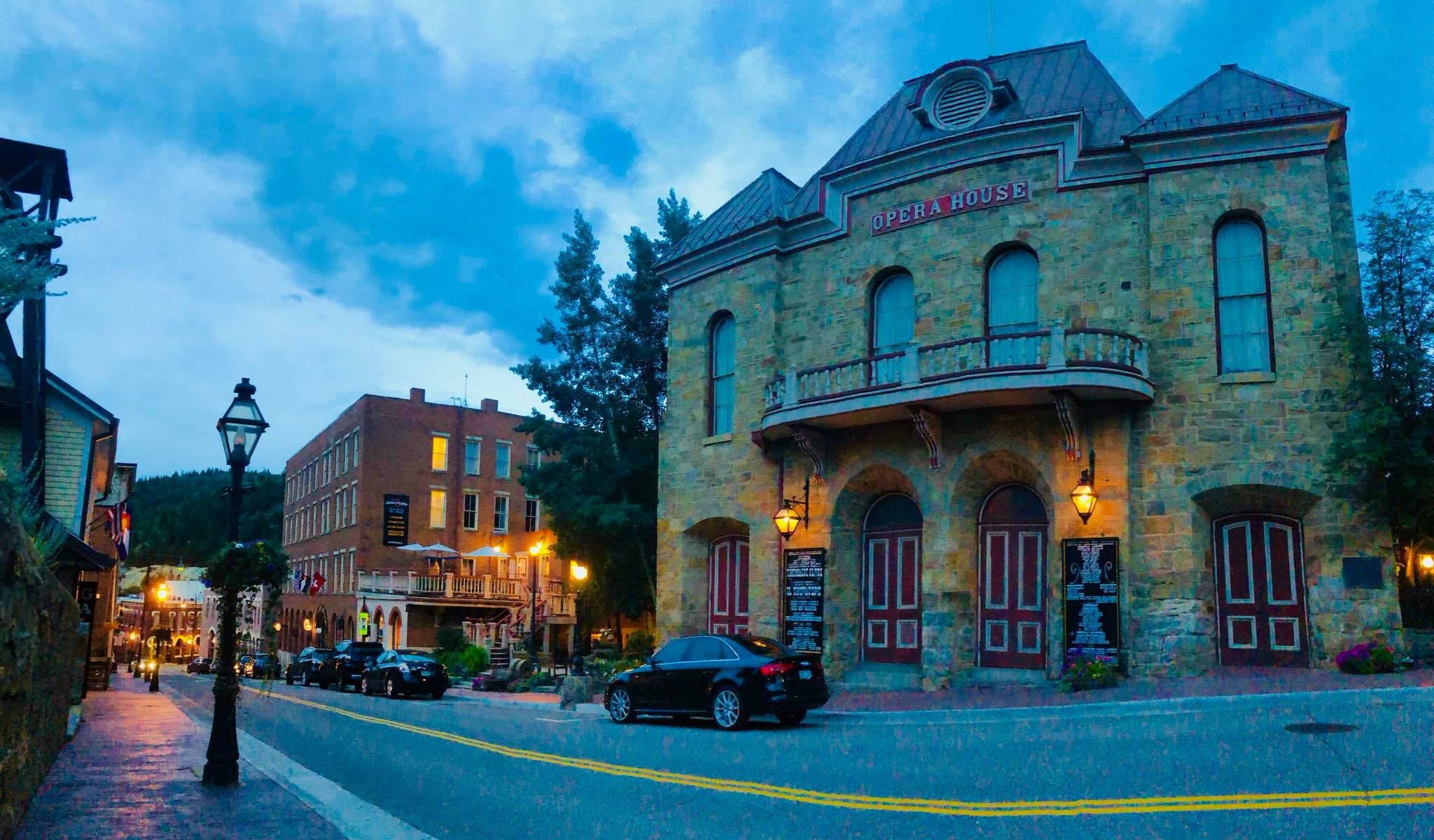
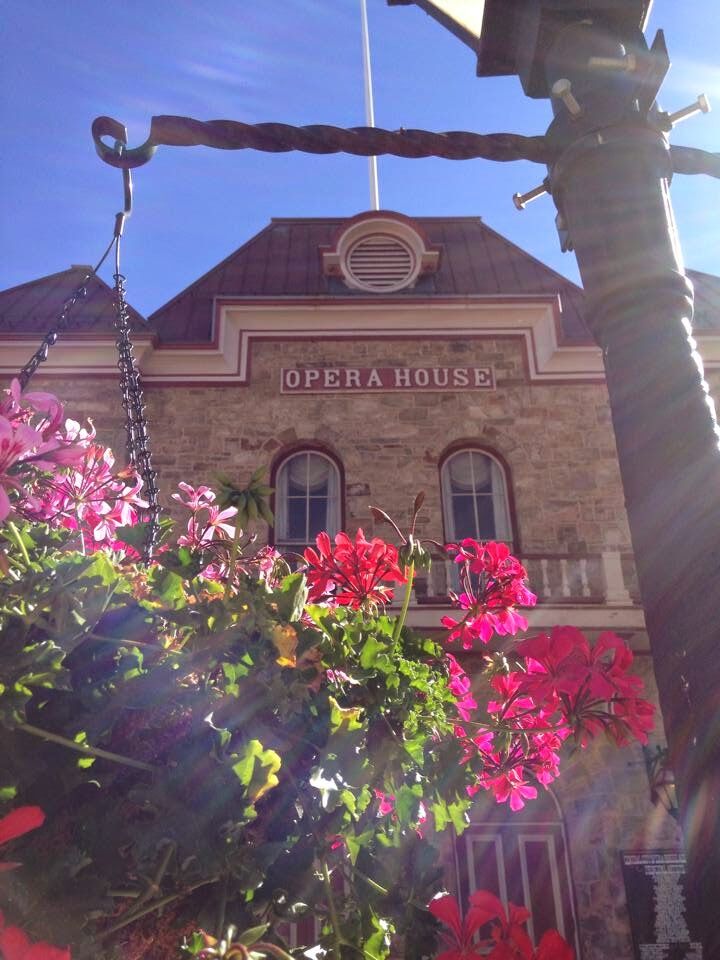
Central City Opera House. Photo by Ashraf Sewailam.
Central City Opera has announced their full summer 2025 season, adding the Mary Rodgers musical comedy Once Upon a Mattress to the two operas previously announced.
The season will open June 28 with Rossini’s comic masterpiece The Barber of Seville. Always a favorite with audiences, Barber returns to the Central City stage for the first time in 12 years.
The second opera of the summer will be the one-act opera The Knock by composer Aleksandra Vrebalov and librettist Deborah Brevoort. Named for the expression military families use for notifications of soldiers’ deaths, this patriotic opera explores feelings of hope and heartache during the Iraq war. The Knock was commissioned by the Glimmerglass Festival and Cincinnati Opera through a grant from the Mellon Foundation.
The Cincinnati Opera production in the summer of 2023, directed by CCO’s artistic director Alison Moritz, sold out five performances and an added matinee.
Based on the Hans Christian Andersen fairy tale “The Princess and the Pea,” Once Upon a Mattress opened off Broadway in May, 1959, and moved to Broadway later the same year. The musical score is by Mary Rodgers, with lyrics by Marshall Barer and book by Barer, Jay Thompson and Dean Fuller. A novelist as well as screenwriter and composer, Mary Rodgers is the daughter of the famed Broadway composer Richard Rodgers.
That original production starred Carol Burnett in her first Broadway role, and received Tony Award nominations for Best Musical and Best Actress in a Musical (Burnett). A recent popular revival starring Sutton Foster and Michael Urie played on Broadway July 31 to Nov. 30, 2024, with additional performances at the Ahmanson Theatre in Los Angles in December and January.
All three shows will be performed in repertory at the Central City Opera house between June 28 and Aug. 3 (see the full schedule below). They open with 7:30 p.m. performances on successive Saturdays, starting June 28. Most successive performances are 2 p.n. matinees, as listed in the schedule below. All performances will be in the historic Central City Opera House.
Subscription renewals are currently available for prior subscribers, and the Central City Box Office is taking requests for new subscriptions. Ticket sales to single performances will begin at a later date.
# # # # #
Central City Opera Summer 2025 Festival Schedule All performances in the Central City Opera House
Gioachino Rossini: The Barber of Seville
7:30 p.m. Saturday, June 28, Saturday, July 19 2 p.m. Wednesday, July 2; Friday, July 4; Sunday, July 6; Saturday, July 12; Tuesday, July 15; Friday, July 25; Sunday, July 26; Wednesday, July 30; Sunday, Aug. 3
Aleksandra Vrebalov and Deborah Brevoort: The Knock
7:30 p.m. Saturday, July 5; Saturday, Aug. 2 2 p.m. Wednesday, July 9; Friday, July 11; Sunday, July 13; Saturday, July 19; Tuesday, July 22
Mary Rodgers and Marshall Barer: Once Upon a Mattress
7:30 p.m. Saturday, July 12; Saturday, July 26 2 p.m. Wednesday, July 16; Friday, July 18; Sunday, July 20; Wednesday, July 23; Saturday, July 27; Tuesday, July 29; Friday, Aug. 1; Saturday, Aug. 2
Subscription renewals are currently available HERE, and new subscribers can join a waiting list. Sales of tickets to single performances will open later.
Here are the names of some of the musicians who passed away over the past 12 months. This list is not intended to be comprehensive, as I cannot catch every single one. Its is not exclusively classical artists, although those are the names I am most likely to see and notice. If there are names you don’t see here that you think should be included, please feel free to add them in the comments.
Dec. 24, 2023: Alice Parker, composer and arranger of choral music whose works were sung by church choirs and choral societies world wide, who was most famous for her 20-year collaboration with the Robert Shaw Chorale until it was disbanded in 1965, and later wrote song cycles, oratorios and even operas, up until her last work, “On the Common Ground,” completed in 2020, 98
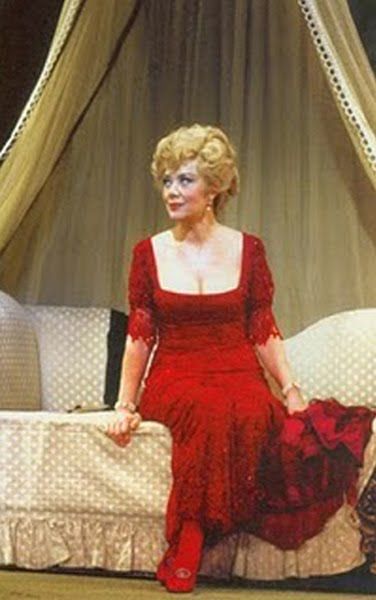
Glynis Johns in the original production of Sondheim’s A Little Night Music
Jan. 4: Glynis Johns, Welsh/British actress who created the role of Desirée Armfeldt in the Stephen Sondheim musical A Little Night Music, whose modest singing abilities shaped the show’s best loved and most performed single number, “Send in the Clowns,” and who performed in Hollywood films from The Court Jester with Danny Kaye in 1955, to Mary Poppins with Julie Andrews in 1964, to Superstar in 1999, 100
Jan. 6, 2024: Sarah Rice, the original Johanna in Sondheim’s Sweeney Todd, who also appeared in the original off-Broadway production of The Fantastics as well as productions of A Little Night Music, Candide, Showboat and other musicals and operettas, and sang operatic roles including Gilda in Rigletto and Marie in Daughter of the Regiment, and played the Theremin, 68
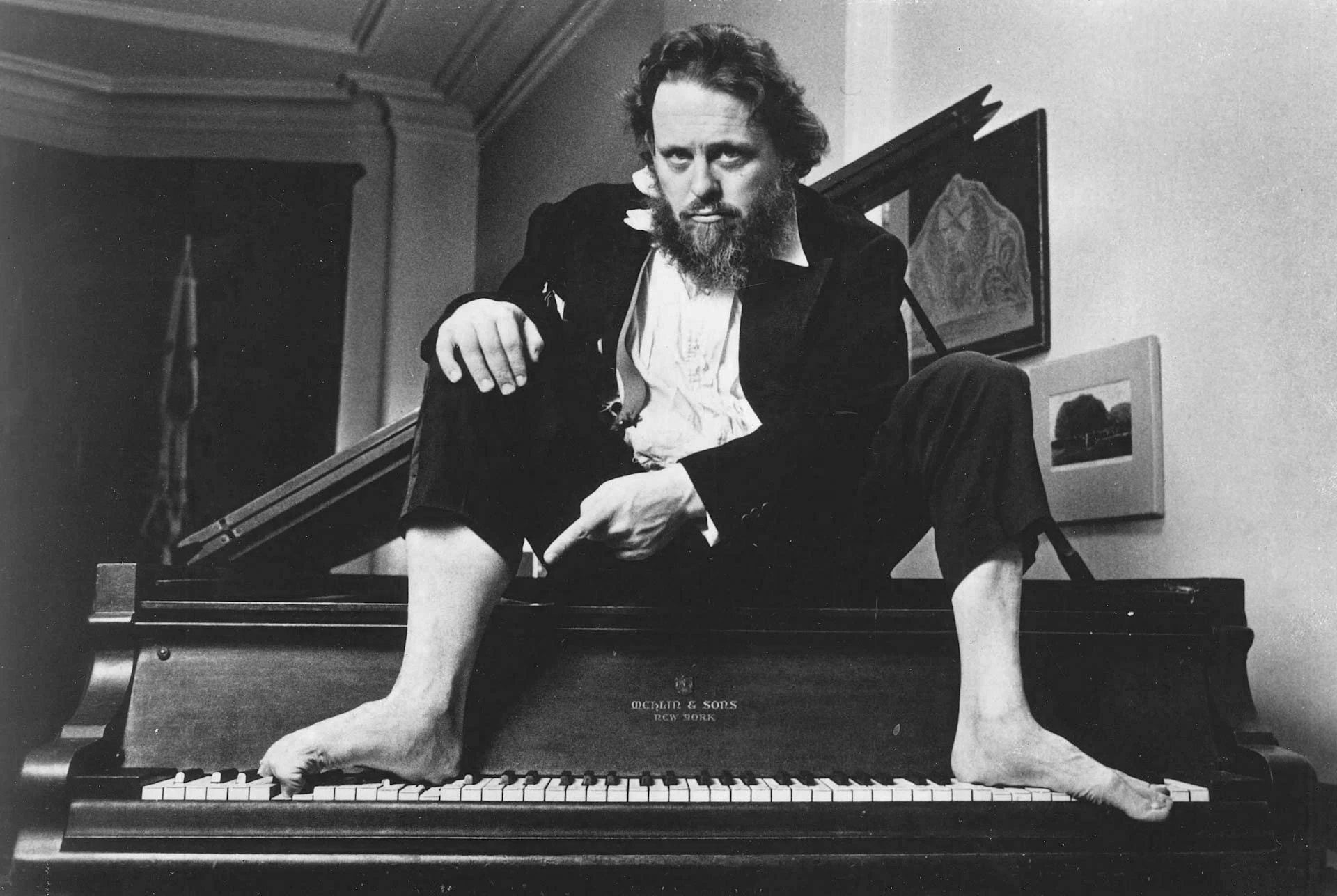
Jan. 8: Phil Niblock, American composer, film and video artist associated with the “downtown” scene in New York, known for slow-moving minimalist soundscapes using drones and incorporating unexpected instruments including bagpipes, often using layered microtones to generate complex overtones, who achieved a leading role in the experimental music world, in spite of having no formal training as a composer, 90
Peter Schickele. Photo by Peter Schaaf, Shaw Concerts
Jan. 16: Peter Schickele, aka P.D.Q. Bach, the fictional composer of such comic works as Concerto for Horn and Hardart and Iphigenia in Brooklyn, who was also a serious composer but whose concert music was largely eclipsed by his musical parodies, who won a single Grammy under his own name and four as P.D.Q. Bach, and who granted himself the imaginary professorship of musical pathology at the imaginary University of Southern North Dakota at Hoople, 88
Jan. 19: Ewa Podles, Polish alto whose career included performances at the Metropolitan Opera, The Royal Opera House in London, Teatro Real in Madrid, the Gran Teatro del Liceu in Barcelona and La Scala in Milan, known for a repertoire from Baroque opera to the 20th century, including works by Handel, Gluck, Rossini, Tchaikovsky and Shostakovich, 71
Jan. 23: Melanie Safka, American singer who performed as Melanie, made a splash at the Woodstock Festival in 1969, and had a No. 1 hit single, “Brand New Key,” two years later—a song that was banned by some radio stations because of the supposed innuendo of the lines “I’ve got a brand-new pair of roller-skates, you’ve got a brand new key,” 76
Chita Rivera
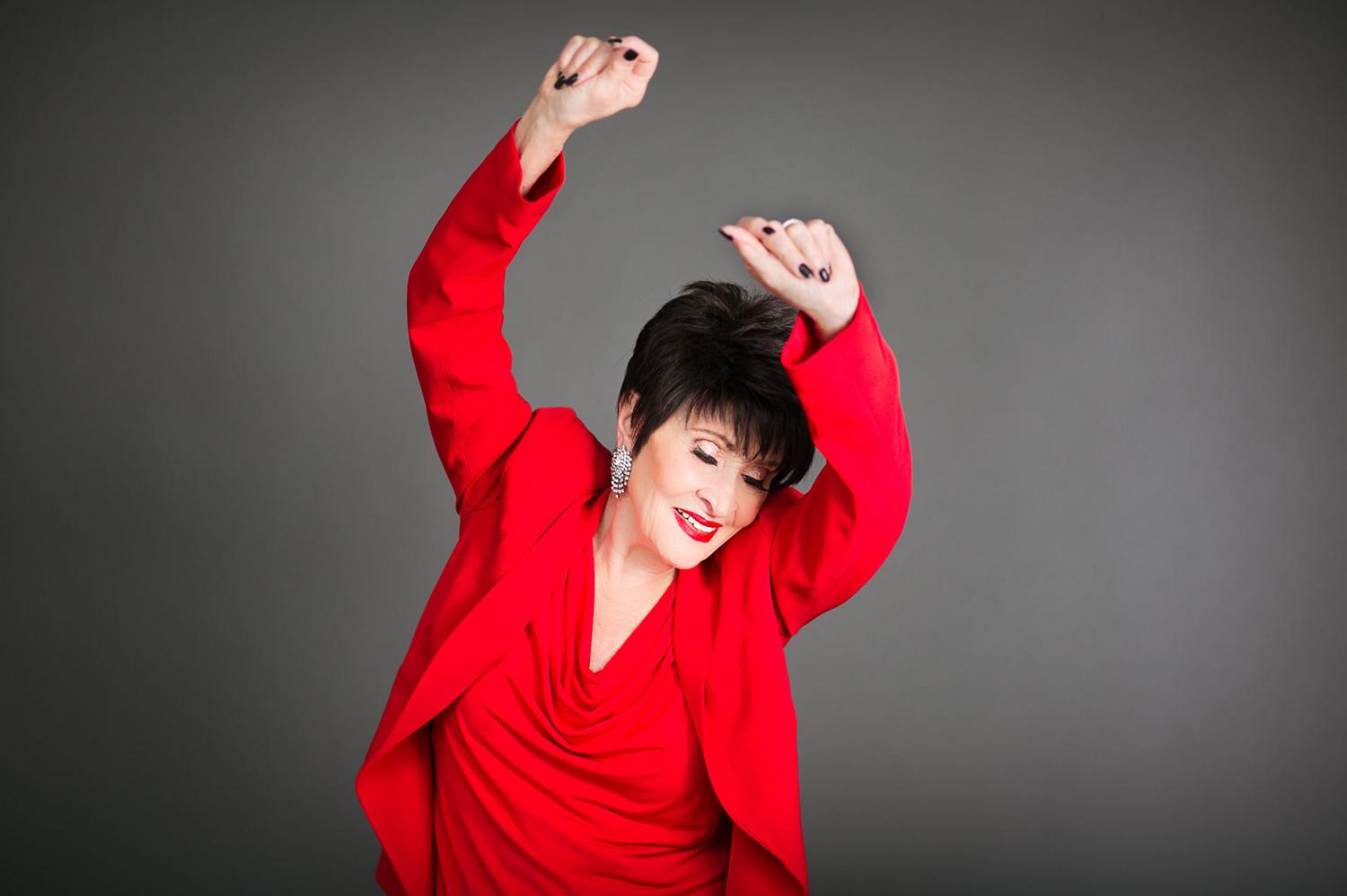
Jan. 30: Chita Rivera, remarkable American singer, dancer and actress of Puerto Rican descent who leaped to fame as Anita in West Side Story and later played a number of other tough women including Rosie in Bye Bye Birdie, the murderess Velma Kelly in Chicago and the title role in Kiss of the Spider Woman, who never fully recovered from a car accident that shattered her leg in 1986 but continued to perform in a cabaret act for many years, 91
Feb. 5: Toby Keith, country singer-songwriter from Oklahoma who worked as a rodeo hand and oil-field roughneck before achieving success and his first recording contract as a singer, who had several No. 1 country hits including “Who’s Your Daddy?” and controversial pro-America rants including “Courtesy of the Red, White and Blue,” 62
Seiji Ozawa. Photo by Shintaro Shiratori
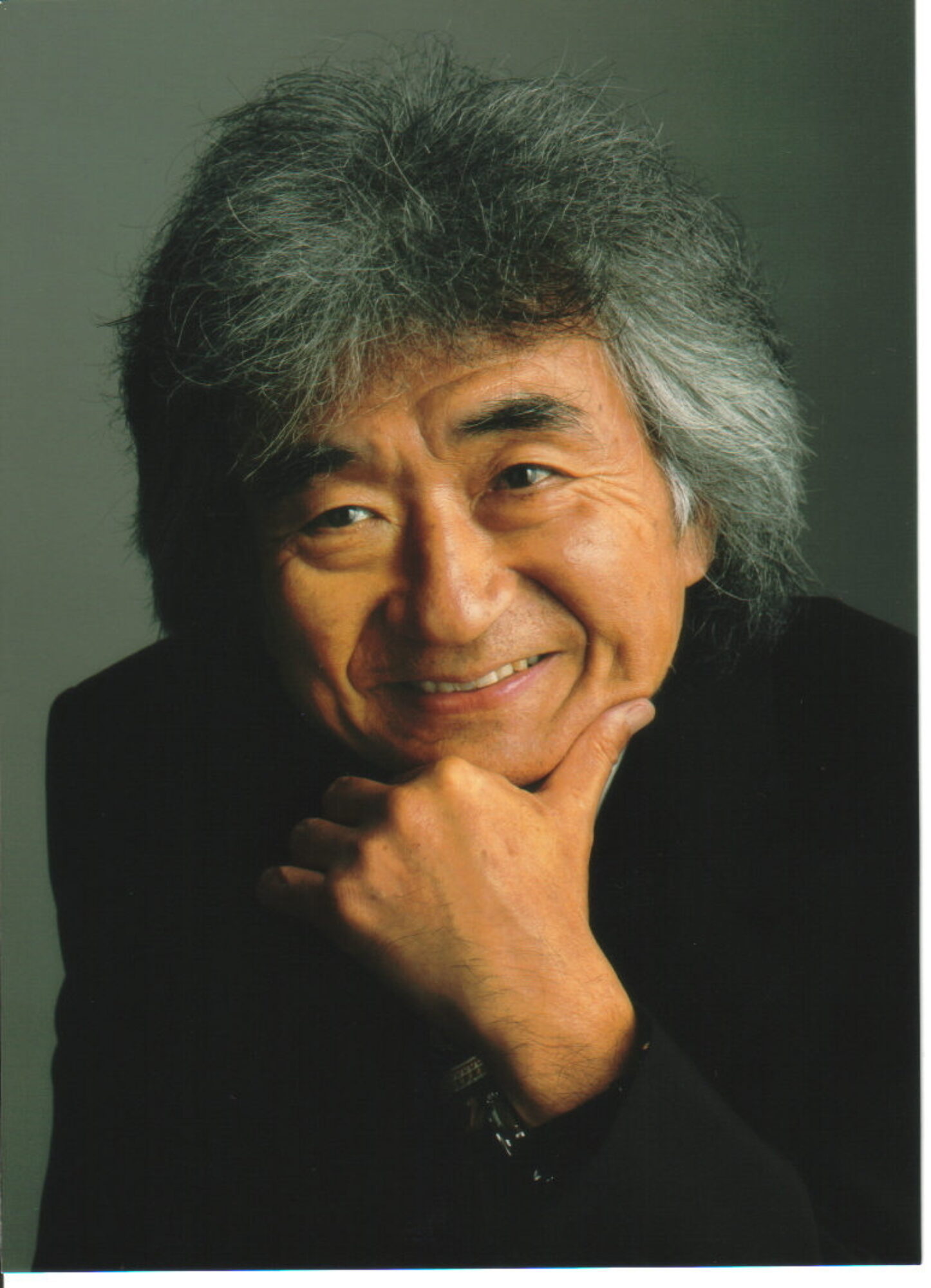
Feb. 6: Seiji Ozawa, the Japanese conductor who led the Boston Symphony longer than any conductor in its history 1972–2002, who studied with leading conductors including Charles Munch, Pierre Monteux and Herbert von Karajan, was appointed assistant conductor of the New York Philharmonic by Leonard Bernstein (1961–62), was music director of the Toronto Symphony (1965–69), the San Francisco Symphony (1977–77) and the Wiener Staatsoper (2002-10), founded his own music festival in Japan, won Emmy and Grammy awards, was awarded Chevalier of the Légion d’honneur in France, the Austrian Cross of Honor, the Order of Culture in Japan, and numerous other honors worldwide, 88
Feb. 7: Henry Fambrough, the last surviving member of the R&B vocal group the Spinners, which originated outside Detroit in 1954 and joined the Motown roster in 1964, then had a string of hits including “I’ll Be Around” and “Could it Be I’m Falling in Love,” while recording for Atlantic records from 1972 on; just a few months after the original group was inducted into the Rock & Roll Hall of Fame, 85
Feb. 22: Roni Stoneman, an American banjo virtuosa who appeared regularly on the country music variety show “Hee Haw” as the gap-toothed Ida Lee Nagger, was a member of the Appalachian string band the Stoneman Family, and was recognized in 1957 as the first woman to record on bluegrass banjo, 85
March 7: Steve Lawrence, Grammy- and Emmy-winning singer and lifelong onstage partner with his wife Eydie Gormé, who got his start on “Arthur Godfrey’s Talent Scouts” at 15, and together with Gormé performed in nightclubs, in concert, and as a regular on the “The Steve Allen Show,” and individually appeared on Broadway, in film and television shows, 88
Byron Janis, at the Chateau Thoiry, where he found two Chopin waltzes. Photo by Maria Cooper Janis.
March 14: Byron Janis, an American pianist known for performances of the Romantic repertoire, and for having studied with Josef and Rosina Lhevinne from the age of seven, who made his orchestral debut playing the Rachmaninoff Second Piano Concerto at 15 and subsequently studied with Vladimir Horowitz; who taught for many years at the Manhattan School of Music and in 1967 discovered two Chopin manuscripts in a French chateau, who while suffering from arthritis in his hands stopped performing and turned to songwriting, but later was able to return to playing, 95
March 20: Aribert Reimann, prolific German composer of complex and challenging operas based on works by Shakespeare, Kafka and others, best known for his 1978 opera Lear, based on Shakespeare’s King Lear, which has been produced more than 30 times around the world, a frequent collaborator and accompanist for Dietrich Fischer-Diskau, and who taught at the Hochschule für Music in Hamburg and the Hochschule (later Universität) der Künste in Berlin, 88
March 23, Maurizio Pollini, Italian pianist of formidable and precise technique and intellectual rigor whose broad repertoire included contemporary works by Stockhausen and Boulez as well as classics by Beethoven and Chopin, who grew up in an artistic family with a father who was both a violinist and an architect and a mother who was a singer and pianist, who began performing as a child and won notable prizes including first prize at the International Chopin Competition at the age of 18 in 1960, and later received notice as a member of the Italian Communist Party, 82
Sir Andrew Davis. Photo by Dario Acosta.
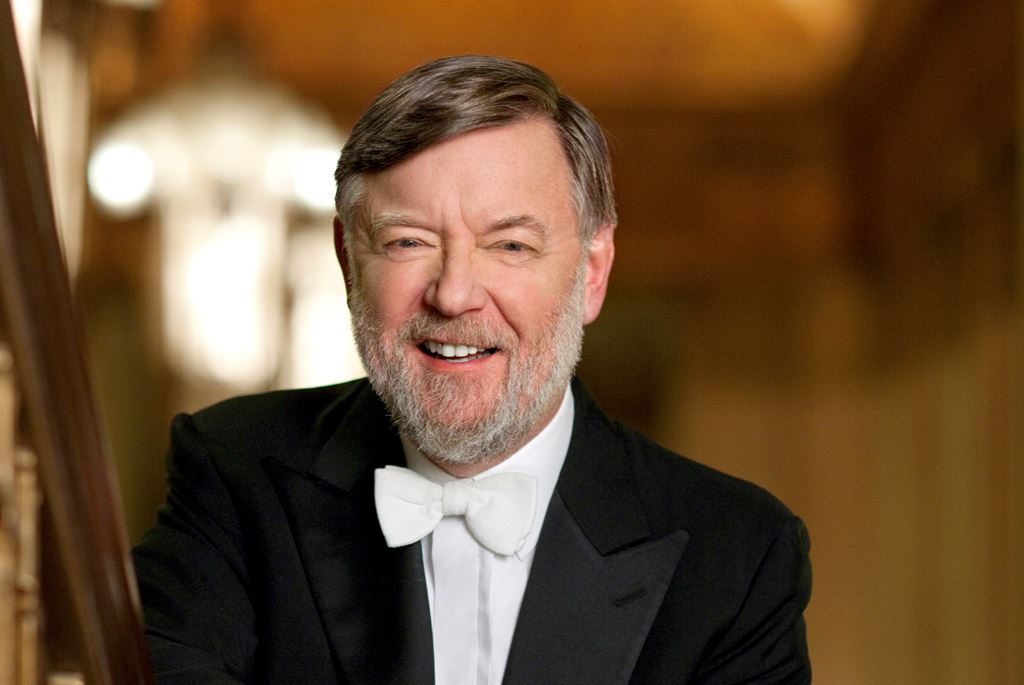
April 20: Sir Andrew Davis, distinguished British conductor, music director and principal conductor of the Chicago Lyric Opera 2000–21, former chief conductor of the BBC Symphony and musical director of the Glyndebourne Festival Opera, known his performances of 20th-century British composers and for his humorous speeches at the Last Night of the Proms (Promenade Concerts), a traditional event on the British music calendar which he led 12 times, who was also conductor of the Toronto Symphony Orchestra and the Melbourne Symphony Orchestra, 80
April 30: Duane Eddy, self-taught guitarist whose reverberant, staccato style of playing became known as “twang” and influenced Jimi Hendrix, Bruce Springsteen and other rock guitarists, and whose own hits including “Rebel Rouser” and “Forty Miles of Bad Road” sold millions of copies worldwide, 86
May 12: David Sanborn, prolific American alto saxophonist, winner of six Grammy awards, eight gold albums and one platinum one, who performed with jazz artists including Miles Davis, Sonny Rollins, Gil Evans and George Benson, as well as James Taylor, Paul Simon, David Bowie, Leonard Cohen and Elton John and other popular artists and band leaders; who took up the saxophone at 11 while recovering from polio, 78
May 25: Richard M. Sherman, younger of two songwriting brothers for Disney films who together won two Oscars and two Grammys, known best for their song “It’s a Small World” written for the ride unveiled at the New York World’s Fair in 1964 and later installed in Disneyland, and also for their songs from the 1964 film Mary Poppins, including “A Spoonful of Sugar” and “Chim Chim Cher-ee,” 95
Abdul “Duke“ Fakir. Photo credit: LBJ Library
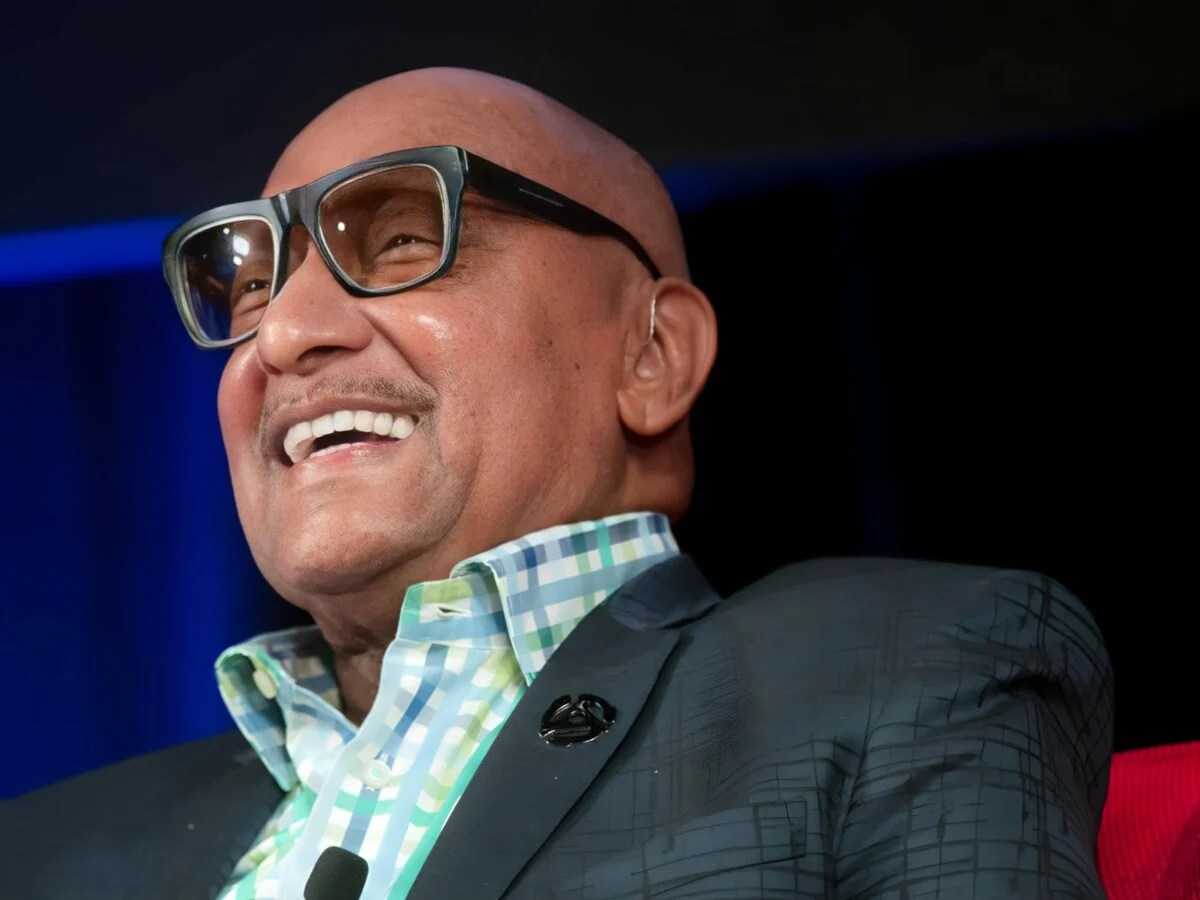
July 22: Abdul “Duke” Fakir, first tenor and the last surviving member of the Motown singing group the Four Tops, who were known for their top hits including “I Can’t Help Myself (Sugar Pie, Honey Bunch)” and “It’s the Same Old Song,” who remained in Detroit when Motown records relocated to LA, and who were inducted into the Rock & Roll Hall of Fame in 1990, 88
July 23: Richard Crawford, noted scholar of American music and professor at the University of Michigan, who discovered American music as a specialty as a graduate student in the 1960s and made it an important area of research, author of America’s Musical Life: A History, 89
July 25: Benjamin Luxon, British baritone known for his performances in the operas of Benjamin Britten as well as roles including Don Giovanni and Falstaff, whose flourishing career was cut short in the 1990s by encroaching deafness, for whom Britten wrote the title role of his television opera Owen Wingrave, and who appeared at the Metropolitan Opera, La Scala and in Los Angeles as well as England, 87
July 27: Wolfgang Rihm, eminent German composer recognized as an original and prolific creative voice, the most performed German contemporary composer of concert music and operas, composer of more than 500 works including the opera Jakob Lenz and the orchestral song cycle Reminiszenz, professor at the Karlsruhe University of Music and director of the Lucerne Festival Academy, 72
Aug. 23: Russell Malone, jazz guitarist known for his relaxed playing style, who was a longtime member of the Ron Carter Trio, performed with Harry Connick, Jr., B.B. King, Branford Marsalis, Sonny Rollins and many others, in addition to his work as a solo artist and 10 albums as leader, 60
Sergio Mendez
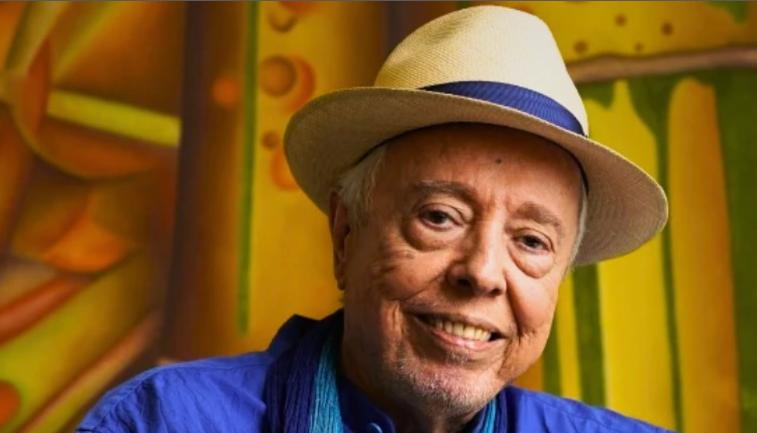
Sept. 5: Sergio Mendes, Brazilian composer, pianist and band leader who made bossa nova a popular sensation with Brasil ’66, one of several ensembles he led, and who released more than 30 albums and won three Grammys over a career lasting more than six decades, including more recent collaborations with younger artists the Black Eyed Peas, John Legend, Pharrell Williams and others, 83
Sept. 28: Kris Kistofferson, American singer/songwriter, Rhodes scholar, U.S. Army helicopter pilot, and later movie star whose songs were recorded by dozens of artists, from the Grateful Dead to Gladys Knight and the Pips and from Johnny Cash to Janis Joplin, whose lyrics were distinguished by a literary quality in songs including “Me and Bobby McGee” and “Help Me Make it Through the Night,” and who won several Grammies and Country Music Association awards and a Golden Globe, 88
Leif Segerstam
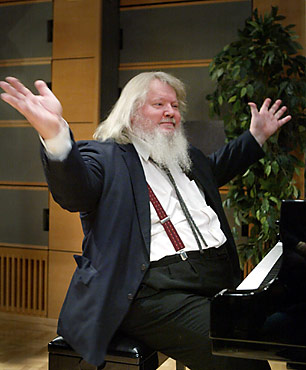
Oct. 9: Leif Segerstam, a Finnish composer and self-proclaimed “Jesus of Music” who wrote literally hundreds of symphonies and conducted the Helsinki Philharmonic Orchestra, known for his mystifying comments on his own works and music in general as well as his masterful performances of music by his countryman Sibelius, 80
Oct. 10: Adam Abeshouse, Grammy Award-winning record producer much loved by the classical musicians he worked with, including Joshua Bell, Simone Dinnerstein, Itzhak Perlman and Leon Fleischer, and who also ran a foundation to help fund recordings of works not otherwise supported by major labels, 63
Oct. 17: Mitzi Gaynor, American dancer and actor who achieved fame as Nellie Forbush in the 1958 film of South Pacific and appeared in musicals with Gene Kelly, Bing Crosby and Frank Sinatra, and later became the highest paid female entertainer in Las Vegas, 93
Quincy Jones. Canadian Film Centre. Photo by Sam Santos.
Oct. 25: Phil Lesh, bassist of the Grateful Dead who made his role a leading one in the band, and who also sang high harmonies or lead vocal and wrote or co-wrote several of the Dead’s hits including “Trucking’” and “Box of Rain,” and had studied violin, and studied composition with Lucian Berio, 84
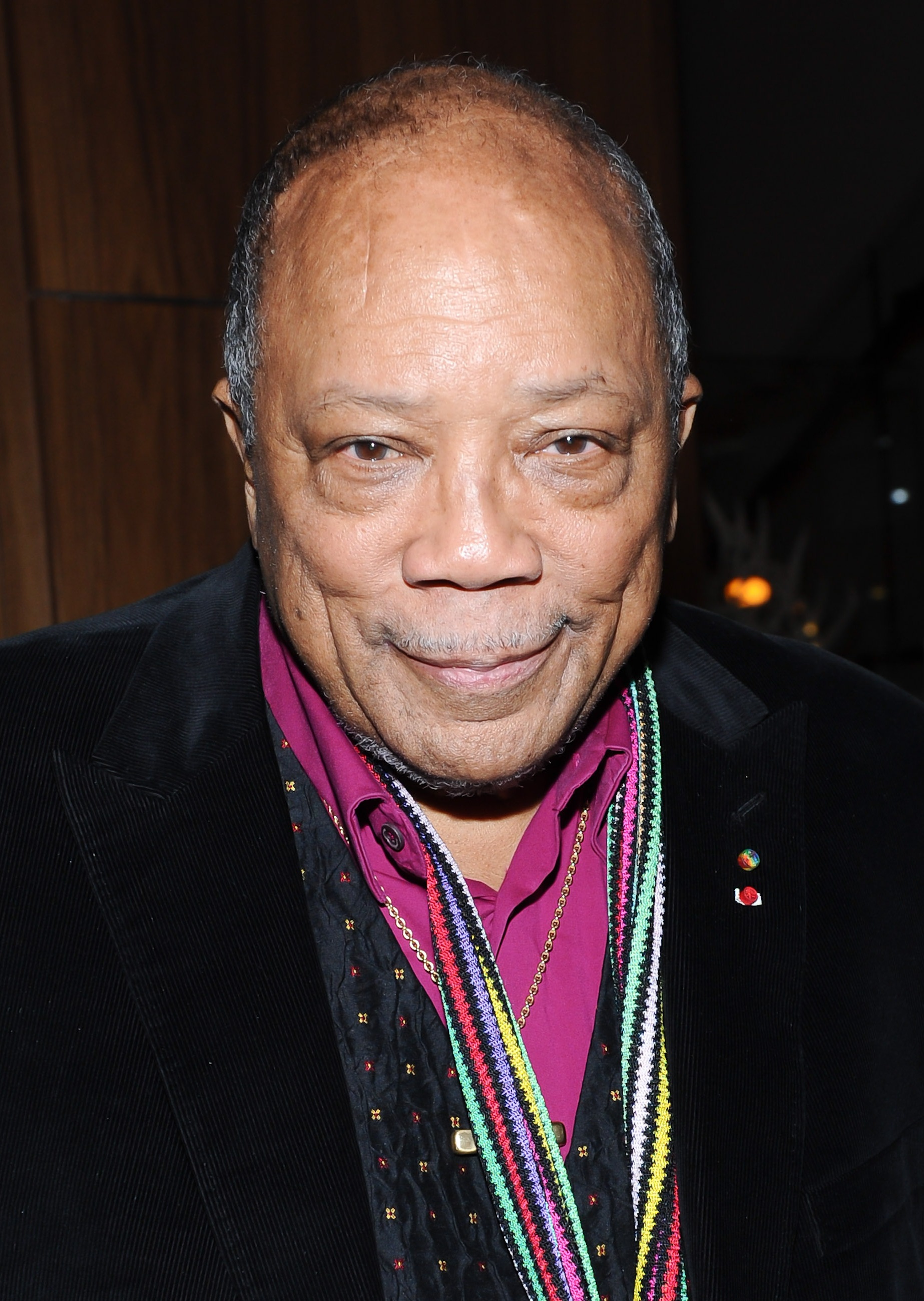
Nov. 3: Quincy Jones, one of the most prominent and powerful personalities in American popular music, whose remarkable range extended from studies with Nadia Boulanger and Olivier Messiaen to producing Michael Jackson’s “Thriller,” who had careers as a jazz trumpeter, arranger for Count Basie, film music composer and record producer, who was nominated for 80 Grammies and won 28—third highest behind Beyoncé and Georg Solti—received honorary degrees from Juilliard, Harvard, Princeton and the New England Conservatory as well as a National Medal of Arts, 91
Nov. 15 : Burton Fine, principal violist of the Boston Symphony for 29 years until 1993, when he retired to play as a member of the orchestra’s viola section for another 10 years, who studied with Ivan Galamian at the Curtis Institute and also had a doctorate in chemistry from the Illinois Institute of Technology and worked for nine years as a research chemist for NASA, 94
Dec. 14: Zakir Hussain, Indian percussionist and composer, revered as a master of North Indian classical music who performed primarily on the tabla and recorded with other leading Indian musicians including Ravi Shankar and Ali Akbar Khan and also worked with jazz musicians and as a member of the East-West fusion group Shakti, 73
Boulder Chamber Orchestra presents word premiere concerto for guitar
By Peter Alexander Dec. 17 at 2:20 p.m.
The Boulder Chamber Orchestra (BCO) will present their annual Holiday “Gift of Music” featuring guitarist Nicolò Spera Saturday (7:30 p.m. Dec. 21) at the Boulder Adventist Church.
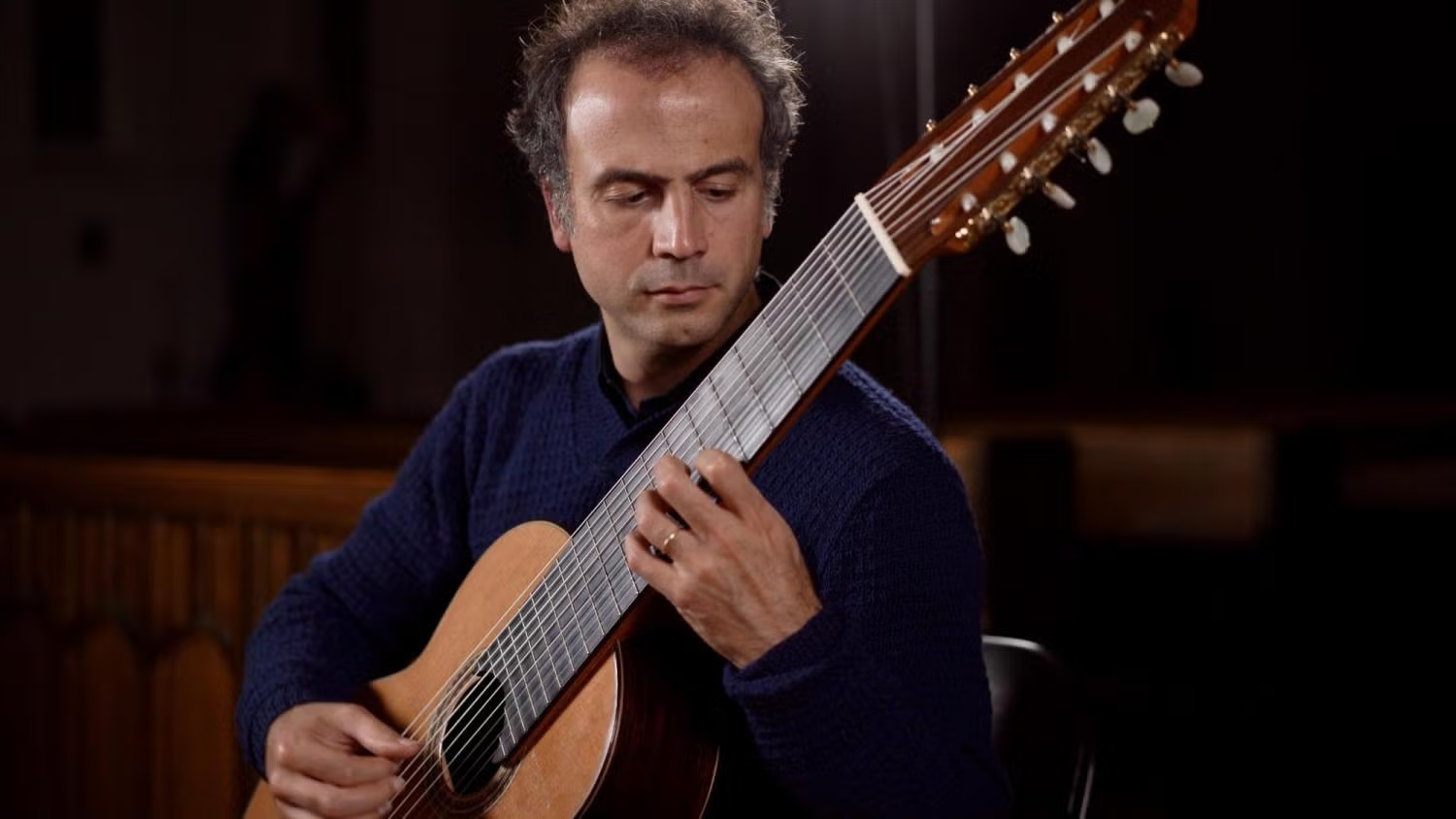
Nicolò Spera
Bahman Saless, artistic director of the BCO, will share conducting duties with Nadia Artman and Giacomo Susani. Spera will play the world premier of Susani’s Concerto for 10-string guitar and orchestra, titled Lungo il Po (Along the Po river), conducted by the composer.
The orchestra’s concertmaster, Annamaria Karacson, will be the featured soloist for the “Méditation” from Thaïs by Jules Massanet, with Saless conducting. He will also lead the orchestra in the program’s closing work, Dvořák’s Czech Suite. Nadia Artman will conduct the opening work on the program, the Prélude from Bizet’s Carmen.
Susani has an active career as a guitar soloist in Europe, and recently presented his Carnegie Hall debut in New York. He taught guitar at the Junior Department of the Royal Academy of Music in London 2019–23, and is currently artistic director of the Homenaje International Guitar Festival in Padua, Italy, and co-artistic director and teacher of the Residenze Erranti, an initiative that supports young artists by providing scholarships for masterclasses, workshops and other events in Milan and Padua.
Giacomo Susani
Susani has recorded four albums on the Stradivarius label. Performances this year included appearances in the UK, at the Paganini Guitar Festival and the Conservatorio G. Puccini in Gallarate, Italy. His Guitar Concerto Lungo di Po is one of several works he has written for guitar.
Lungo il Po is based on a book of the same title by Federica Pocaterra. It was commissioned by Spera, to whom it is dedicated. Susani believes that it is the first concerto written for the unusual 10-string guitar and orchestra. The music includes quoted fragments of the Lamento di Arianna by Claudio Monteverdi, one of the most famous laments of the early Baroque period.
Dvořák wrote the Czech Suite in 1879 for the German publisher Fritz Simrock, who was the principal publisher for both Dvořák and Brahms. It comprises five movements, three of which are Czech folk dances: a polka, a soudedska—a type of slower dance in triple time—and a furiant—a fast and fiery dance that Dvořák used in several of his works.
A member of the CU College of Music faculty, Spera is known for playing both the six-string and 10-string guitars, as well as the Renaissance theorbo, a member of the lute family. He holds degrees from the Conservatory of Bolzano, Italy, and the Accademia Musical Chigiana in Siena, Italy, as well as as an artist diploma from the University of Denver and a doctorate from CU, Boulder. In addition to his teaching duties at CU, Spera appears frequently as a solo performer, both locally and internationally.
A native of Moscow, Russia, Artman has appeared as a guest conductor of the BCO in past seasons, and manages Artman Productions in Boulder.
# # # # #
“The Gift of Music” Boulder Chamber Orchestra, Bahman Saless, conductor With Nicolò Spera, guitar, and Annamaria Karacson, violin Guest conductors Nadia Artman and Giacomo Susani
Bizet: Prélude to Carmen
Giacomo Susani: Concerto for 10-string guitar and orchestra, Lungo il Po (Along the Po river)
Pinocchio, Winter reveries, Messiah and Swingin’ Brass
By Peter Alexander Dec. 10 at 2:50 p.m.
Boulder Opera Company will present four performances of The Adventures of Pinocchio by English composer Jonathan Dove over the coming weekend (Dec. 14 and 15; details below).
Based on the familiar book by Italian author Carlo Collodi, Dove’s one-hour opera tells the story of the wooden puppet who becomes a boy in 20 brief scenes that range from Gepetto’s hut to the Blue Fairy’s cottage, Funland and the inside of a big fish. Described by Boulder Opera as “A magical opera for all ages,” The Adventures of Pinocchio will be accompanied by an ensemble orchestra led by music director Mario Barbosa, and stage directed by Zane Alcorn.
Zane Alcorn
In the company’s press release, Alcorn is quoted saying “Pinocchio is is a coming-of age story meant to subtly teach children how selfishness will always harm you. Whenever Pinocchio makes a selfish choice like skipping school, lying or going to Funland, he is punished rather quickly, but when he helps the community and saves this father, this leads to the ultimate reward, becoming a real boy.”
The moral of the story is, he says, “those who help others help themselves.”
Dove is highly regarded composer of operas, choral works and instrumental music. His opera Flight, based on the real-life experiences of a refugee trapped in the Charles DeGaulle Airport in Paris for 18 years, has been widely performed around the world, including a premiere at the Glyndebourne Festival, at the Opera theatre of St. Louis, Des Moines Metro Opera, Seattle Opera and the Museum of Flight in Washington, D.C.
The Adventures of Pinocchio was commissioned by Opera North and Sadler’s Wells and first performed in Leeds, U.K., Dec. 21, 2007. It has subsequently been performed by Minnesota Opera as well as companies in Germany, South Korea and Russia.
# # # # #
Boulder Opera Mario Barbosa, conductor, and Zane Alcorn, stage director
Jonathan Dove: The Adventures of Pinocchio
2 and 4 p.m. Saturday, Dec. 14 1 and 3 p.m. Sunday, Dec. 15 eTown Hall
All the constituent groups of the Boulder Chorale will come together to perform “Winter Reverie,” this year’s edition of their annual Holidays program, Saturday and Sunday in Boulder (Dec. 14 and 15; details below).
Also appearing with the Chorale will be the Boulder Philharmonic String Quartet: Yenlik Weiss and Reagan Kane, violin; Lee Anderson, viola; and Kimberlee Hanto, cello.
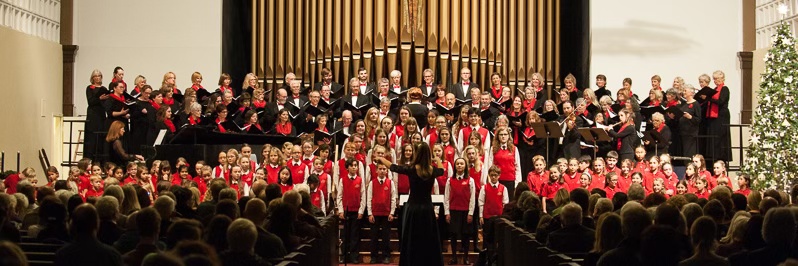
In addition to the full Concert Chorale and the adult Chamber Chorale, the performance will feature all four age groups from the Boulder Children’s Chorale: Bel Canto, Volante, Prima Voce and Piccolini. They will each sing alone and together, including a concluding piece with the full adult Concert Chorale.
Boulder Chorale and Children’s Chorales at a previous holidays program. Photo by Glenn Ross.
The program opens with the combined children’s groups performing an arrangement of Leroy Anderson’s evergreen Holiday favorite, “Sleigh Ride.” Other performances by the children’s groups include the Jewish traditional song “Maoz Tzur,” “Winter Dreams’ by the prolific composer PINKZEBRA, and the youngest singers performing “Chrissimas Day” with auxiliary percussion accompaniment.
The adult Chamber Chorale will perform Morten Lauridsen’s setting of the James Agee text “Sure on this Shining Night” and the Magnificat setting of Latvian composer Ēriks Ešenvalds. In addition to traditional holiday numbers, the program also features works by CU faculty member Daniel Kellog and Norwegian composer Ole Gjeilo. The program concludes with the combined adult and children’s ensembles performing in English and Spanish David Kantor’s “Night of Silence/Noche de Silencio,” which incorporates the familiar carol “Silent Night.” Audience members will be invited to sing along.
The director of the adult choirs and co-artistic director of the Boulder Chorale is Vicki Burrichter. Guest director for this concert is Larisa Dreger. Co-artistic director Nathan Wubbena is director of the Children’s Chorale and leads Bel Canto, the oldest children’s group. Directors of the other children’s groups are Anna Robinson, Prima Voce; Larisa Dreger, Volante; and Melody Sebald, Piccolini.
# # # # #
“Winter Reverie” Boulder Chorale and children’s chorales, Vicki Burrichter and Nathan Wubbena, co-artistic directors With the Boulder Philharmonic String Quartet and collaborative pianists Susan Olenwine, Caitlin Strickland, Matthew Sebald, Margaret Schraff and Joanna Lynden
Leroy Anderson: “Sleigh Ride” (arr. Hawley Ades)
Jewish Traditional: “Maoz Tzur” (arr. Matt Podd)
Mary Donnelly and George L.O. Strid: “Winter’s Beauty”
Christina Witten Thomas: “Snow Song”
PINKZEBRA: “Winter Dreams”
Morten Lauridsen: “Sure on This Shining Night”
Ēriks Ešenvalds: Magnificat
English Traditional: “Chrissimas Day” (arr. Shirley W. McRae)
Irish Traditional: “Frosty Weather” (arr. Margaret Scharff)
French Traditional: “Pat-a-Pan” (arr. Andy Beck)
Andrew Parr: “Winter’s Stillness”
Jewish Traditional: “Hanerot Halalu: These Chanukah lights we kindle” (arr. Becky Slage Mayo)
Daniel Kellog: “Sim Shalom
Ola Gjeilo: “Ecce Novum” — “Tundra”
David Kantor: “Night of Silence” (arr. Nathan Wubbena)
3 p.m. Saturday, Dec. 14 and 5 p.m. Sunday, Dec. 15 First United Methodist Church, Boulder Livestream 5 p.m. Sunday, Dec. 15
The Longmont Symphony Orchestra (LSO) will perform Handel’s Messiah for their annual Holiday “Candlelight Concert” on Saturday (4 p.m. Dec. 14), in the Vance Brand Civic Auditorium. Elliot Moore will conduct.
A longstanding seasonal offering from the LSO, the “Candlelight Concert” has presented Handel’s oratorio in some years, including 2019 and 2022. The latter year also featured a Messiah singalong for audience members to sing the popular choral numbers with the LSO. In other years they have offered “A Baroque Christmas” or other Holiday-themed performances.
Although not strictly a Christmas piece, since the entire oratorio goes through the Easter story and the Resurrection, Messiah is undoubtedly one of the most popular pieces of the Christmas season. The first section tells the Christmas story in music that has touched audiences since the first performance in Dublin in 1742.
# # # # #
Candlelight Concert Longmont Symphony Orchestra and Longmont Chorale, Elliot Moore, conductor With Julianne Davis, soprano; Elijah English, countertenor; Charles Moore, tenor; and Andy Konopak, bass-baritone
The Boston Brass brings their Holiday show, “Christmas Bells are Swingin’,” to Macky Auditorium at 7:30 p.m. Saturday, Dec. 14. They will be joined for the performance by the Brass All-Stars Big Band, an ensemble recruited by the Boston Brass from local musicians, including members of the CU College of Music Faculty.
Founded in 1986, the Boston Brass performs brass quintet arrangements of classical music and jazz standards as well as original works for brass. They have toured throughout the United States and to more than 30 countries world wide. In addition to they quintet performances, they also perform with orchestras, bands and jazz bands.
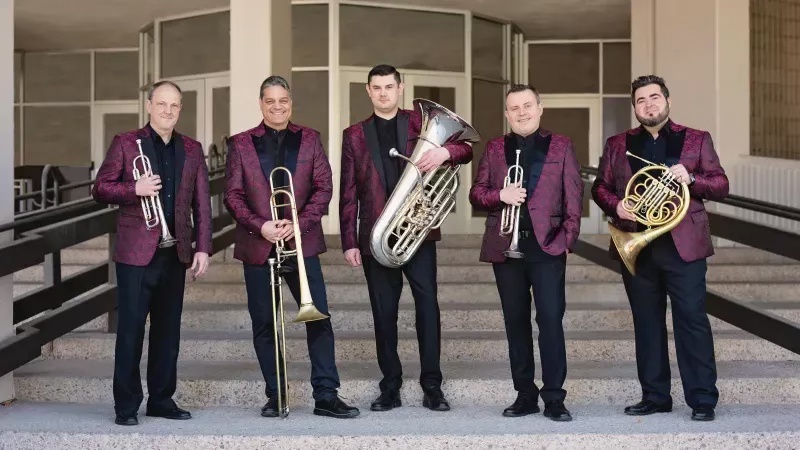
Boston Brass
Their numerous recordings include one released in 2007 with the same title as their Macky program—“Christmas Bells are Swingin’”—recorded with the Syracuse University Wind ensemble. Pieces on both the CD and the Macky concert program include arrangements of three dances from The Nutcracker, the Sousa-carol blend “Jingle Bells Forever,” and Irving Berlin’s “White Christmas.”
Other works on the concert program are Stan Kenton’s arrangement of “Joy to the World” and several familiar Christmas Carols, including “God Rest Ye Merry Gentlemen,” “Angels We Have Heard on High,” and “The Holy and the Ivy.”
The Boston Brass’s latest album, titled “Joe’s Tango,” features the world premiere of Five Cities Concerto by Jorge Machain. Recorded with the University of Nevada-Las Vegas Wind Orchestra, the album also features New York Philharmonic trombonist Joe Alessi performing with the Boston brass.
# # # # #
“Christmas Bells are Swingin’” Boston Brass and Brass All-Stars Big Band
Anon.: “God Rest Ye Merry Gentlemen” (arr. Ralph Carmichael)
John Henry Hopkins, Jr.: “We Three Kings of Orient Are” (arr. Carmichael)
Traditional: “Angels We Have Heard on High” (arr. Carmichael)
Tchaikovsky: Dances from The Nutcracker (arr. J.D.Shaw)
Robert W. Smith: “Jingle Bells Forever” (arr. Shaw)
“The Grinch” (arr. William Russell)
“Ho, Ho, Ho” (arr. Rick DeJonge)
Traditional: The Twelve Days of Christmas (arr. Carmichael)
Leroy Anderson: “Sleigh Ride” (arr. Shaw)
Jack Rollins: “Frosty the Snowman” (arr. Shaw)
Franz Xaver Gruber: “Silent Night” (arr. Chris Castellanos)
Anon.: “Good King Wenceslas” (arr. Carmichael)
Henry Gauntlett: “Once in Royal David’s City” (arr. Carmichael)
Traditional: “The Holly and the Ivy” (arr. Carmichael)
The CU-Boulder College of Music’s annual “Holiday Festival” has limited tickets still available for the four performances Friday through Sunday (Dec. 6–8 in Macky Auditorium; details below).
The annual holiday extravaganza features orchestras, bands, jazz ensembles and world music groups and individual performers from the School of Music, in addition to faculty and guests. Based on previous years, it is almost a certainty that the performances will sell out by the weekend. If you wish to attend, move fast!
# # # # #
“Holiday Festival” Performers from the CU College of Music: —Chamber Singers, Coreen Duffy, conductor —Holiday Festival Chorus, Coreen Duffy and Elizabeth Swanson, conductors —Holiday Festival Orchestra, Gary Lewis and Matthew Dockendorf, conductors —Trumpet Ensemble, Ryan Gardner conductor —Holiday Festival Jazz, Brad Goode, conductor —Holiday Festival Brass, Elias Gillespie conductor —West African Highlife Ensemble, Maputo Mensah, director —Andrew Garland, baritone; Daniel Silver, clarinet; and Bobby Pace, carillon
The “Gentle Nutcracker,” a sensory-friendly, abridged version of Tchaikovsky’s Nutcracker ballet presented by Boulder Ballet and the Longmont Symphony Orchestra (LSO) for individuals with special needs and their families, has limited tickets available for Saturday’s performance in Longmont’s Vance Brand Auditorium (1 p.m. Dec. 7; details below).
The same is true for one performance of the full Nutcracker ballet, Saturday at Vance Brand (4 p.m. Dec. 7). While Sunday’s performance is sold out, a few more tickets are available for Saturday. All performances will be led by the LSO music director Elliot Moore.
# # # # #
Boulder Ballet with the Longmont Symphony, Elliot Moore, conductor
Ars Nova Singers will celebrate the winter solstice with “Light/Shadow,” a program featuring rarely heard seasonal music that welcomes the return of light after winter’s darkness. A series of four concerts in Denver, Boulder and Longmont opens Saturday at the St. Paul Community of Faith in Denver with conductor Tom Morgan (Dec. 7; full concert details below).
Additional performances will be Sunday, Dec. 8 in Longmont; Thursday Dec, 12 at Mountain View Methodist church in Boulder; and Friday, Dec. 13, at First Church in Boulder. All performances are at 7:30 p.m. In addition to the Ars Nova Singers, the performances will feature violist Matthew Dane and flutist Christine Jennings.
Highlights of the program will include the Magnificat by the Estonian composer Arvo Pärt, featuring the composer’s “tintinnabuli” style. This style, which Pärt introduced in the 1970s, combines a chant-like voice moving in stepwise motion with a “tintinnabular voice” that moves mostly in arpeggios. One of Pärt’s most popular works, the Magnificat is characterized by its gentle lyricism and calm mood.
Also noteworthy on the program is the U.S. premiere of the Vocalise for viola and choir by the Bulgarian composer Emil Tabakov. Known as both a conductor and composer in Bulgaria, Tabakov has written extensively for large ensembles, including 10 symphonies and a Concerto of Orchestra as well as a number of concertos. In that respect, the restrained and meditative Vocalise is exceptional among his works.
Also on the program are pieces by the African-American composer B.E. Boykin, Shira Cion, the American singer/songwriter/actress Sara Bareilles, and arrangements of seasonal music by Morgan.
# # # # #
“Light/Shadow” Ars Nova Singers, Tom Morgan, conductor With Matthew Dane, viola, and Christina Jennings, flute
Phillipe Verdelot: Beata es Virgo Maria
Anton Bruckner: Virga Jesse floruit
Joan Szymko: Illumina le tenebrae
B. E. Boykin: O magnum mysterium
Arvo Pärt: Magnificat
Emil Tabakov: Vocalise for solo voila and choir (U.S. premiere)
Abbie Betinis: “Be Like the Bird”
John Rutter: Musica Dei donum
Mykola Leontovych: “Carol of the Bells”
Italian Carol: Dormi, dormi (arr. Guy Turner)Israeli song: Ma navu (arr. Shira Cion)
“The Angels and the Shepherds” (arr. Paulus/Morgan)
Sara Bareilles/Ingrid Michaelson: “Winter Song” (arr. Morgan)
Traditional “The Holly and the Ivy” (arr. Morgan)
7:30 p.m. Saturday, Dec. 7 St. Paul Community of Faith, 1600 Grant St., Denver
7:30 pm. Sunday, Dec. 8 United Church of Christ, 1500 9th Ave., Longmont
NOTE: Matthew Dane is the correct name of the guest violist for this concert. The original posting had his name correctly in the text by misspelled as “Dance” in the program listing below.
The Academy University Hill presents free concert Sunday
By Peter Alexander Nov. 26 at 5:40 p.m.
A musical trio assembled for the occasion—called, fittingly, “The Ad Hoc Trio”—will perform three works by Brahms and Mozart on a free concert at The Academy University Hill Sunday (7 p.m. Dec. 1; details below).
The retirement community does not charge admission for performances held in their Chapel Hall at 883 10th St. in Boulder, but audience members are asked to RSVP in advance HERE.
Sunday’s performers will be CU Boulder College of Music faculty member Erika Eckert, viola; Boulder resident Stephen Trainor, clarinet; and Grinnell College (Iowa) faculty member Eugene Gaub, piano. They will play a trio by Mozart and two sonatas by Brahms, one each performed by viola with piano, and clarinet with piano.
In 1890 Brahms had decided to give up composition, but the following year he heard the clarinetist Richard Mühlfeld. He was so impressed with Mühlfeld’s playing that he changed his mind and wrote two sonatas for him, as well as a trio and quintet with clarinet. The last chamber music Brahms wrote, the sonatas effectively opened the door for later composers’ sonatas for clarinet and piano.
After completing the sonatas, Brahms later arranged them for viola instead of clarinet, making minor alterations to fit the instrument. These versions are rightly known as sonatas for viola and piano, but it is rare to hear both instruments playing these works on the same program. Eckert and Trainor decided to split the two op. 120 sonatas between them, so that the audience has a rare opportunity to hear both instruments in some of Brahms’ most notable chamber music.
Mozart wrote his “Kegelstatt” Trio for his piano student Franziska von Jaquin and the clarinet virtuoso Anton Stadler, for whom he also wrote the Clarinet Concerto and other works. Mozart took the viola part with his two friends in the first performance of the trio, in von Jacquin’s home in 1786. The name “Kegelstatt” means the place where skittles, one of Mozart’s favorite games, is played.
The Ad Hoc Trio Erika Eckert, viola; Stephen Trainor, clarinet; and Eugene Gaub, piano
Brahms: Sonata for clarinet and piano in F minor, op. 120 no. 1 —Sonata for viola and piano in E-flat major, op. 120 no. 2
Mozart: Trio in E-flat major for clarinet, viola and piano, K498 (“Kegelstatt”)
7 p.m. Sunday, Dec. 1 Chapel Hall, Academy University Hill 883 10th St., Boulder
Low Ticket Warning for Dec. 1 Nutcracker in Macky; limited Longmont tickets still available
By Peter Alexander Nov. 26 at 12:05 a.m.
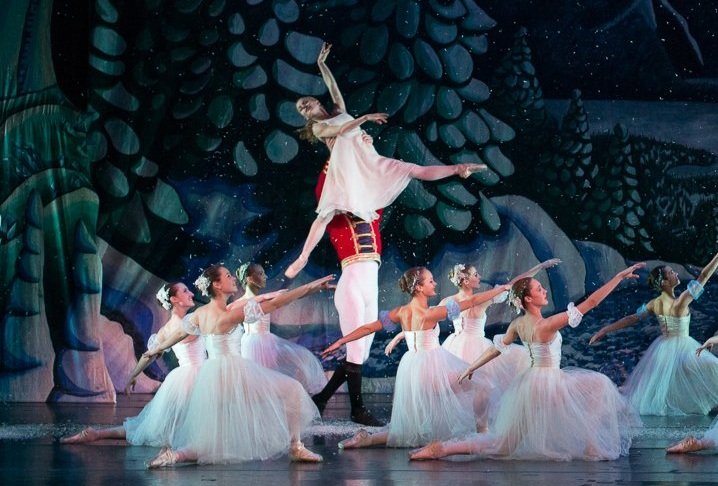
What would the Holiday season be without Tchaikovsky’s beloved ballet The Nutcracker?
For many families, something would definitely be missing from their celebrations. The Boulder Philharmonic and Boulder Ballet open their annual performances of Nutcracker this weekend, with performances Saturday and Sunday (Nov. 30 and Dec. 1; details below), but they are warning that the Sunday matinee, an especially popular time for families to attend events together, has a limited number of tickets left.
Boulder Ballet production of The Nutcracker
If you do miss the Boulder performances, however, you need not despair! Boulder ballet will also present The Nutcracker in Longmont the following weekend (Dec. 7 and 8; details below) with the Longmont Symphony. Tickets are limited but still available for those performances.
The Boulder Ballet and the Longmont Symphony will also present their annual “Gentle Nutcracker,” an abbreviated and sensory-friendly one-hour version of the ballet at 1 p.m. Saturday, Dec. 7. These performances are designed for individuals with special needs and their families.
In addition to the performances of the full ballet, Boulder Ballet will also feature additional events. As part of a theme titled “Unlocking Tradition,” the stage curtain will be left open until 10 minutes before the performance begins. This will offer audience members a glance behind the scenes, as they will be able to see dancers, musicians and stage crew preparing for the performance.
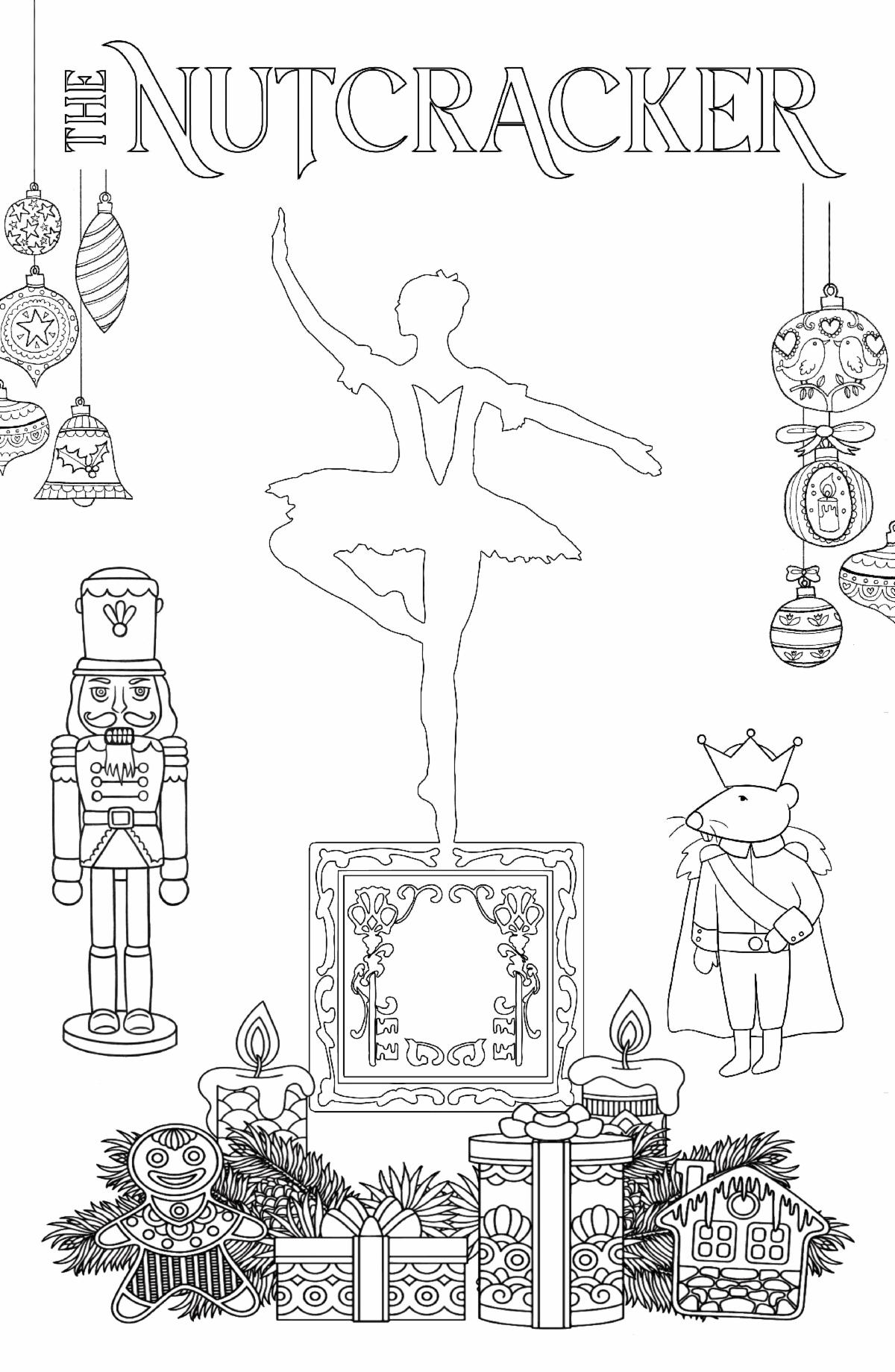
For the performance with the Boulder Philharmonic in Macky Auditorium, there will be a coloring contest for children. A line drawing of characters and images from The Nutcracker has been posted online. Children attending each performance are invited to color the drawing, and bring their colored pages to the performance for a chance to win a Nutcracker doll.
Tchaikovsky: The Nutcracker Ballet
Boulder Ballet with the Boulder Philharmonic, Gary Lewis, conductor
The Nutcracker 1 and 6:30 p.m. Saturday, Nov. 30 1 p.m. Sunday, Dec. 1 LOW TICKETS Macky Auditorium


















 Sharps & Flatirons