GRACE NOTES: Season-ending programs

BCO celebrates an anniversary, Ars Nova celebrates eternity

By Peter Alexander May 20 at 8:35 p.m.

NOTE: The following post covers events for the next two weeks. I will be traveling with the Longmont Concert Band for a performance in Carnegie Hall May 25 and not back in Colorado until June 1. —Ed.
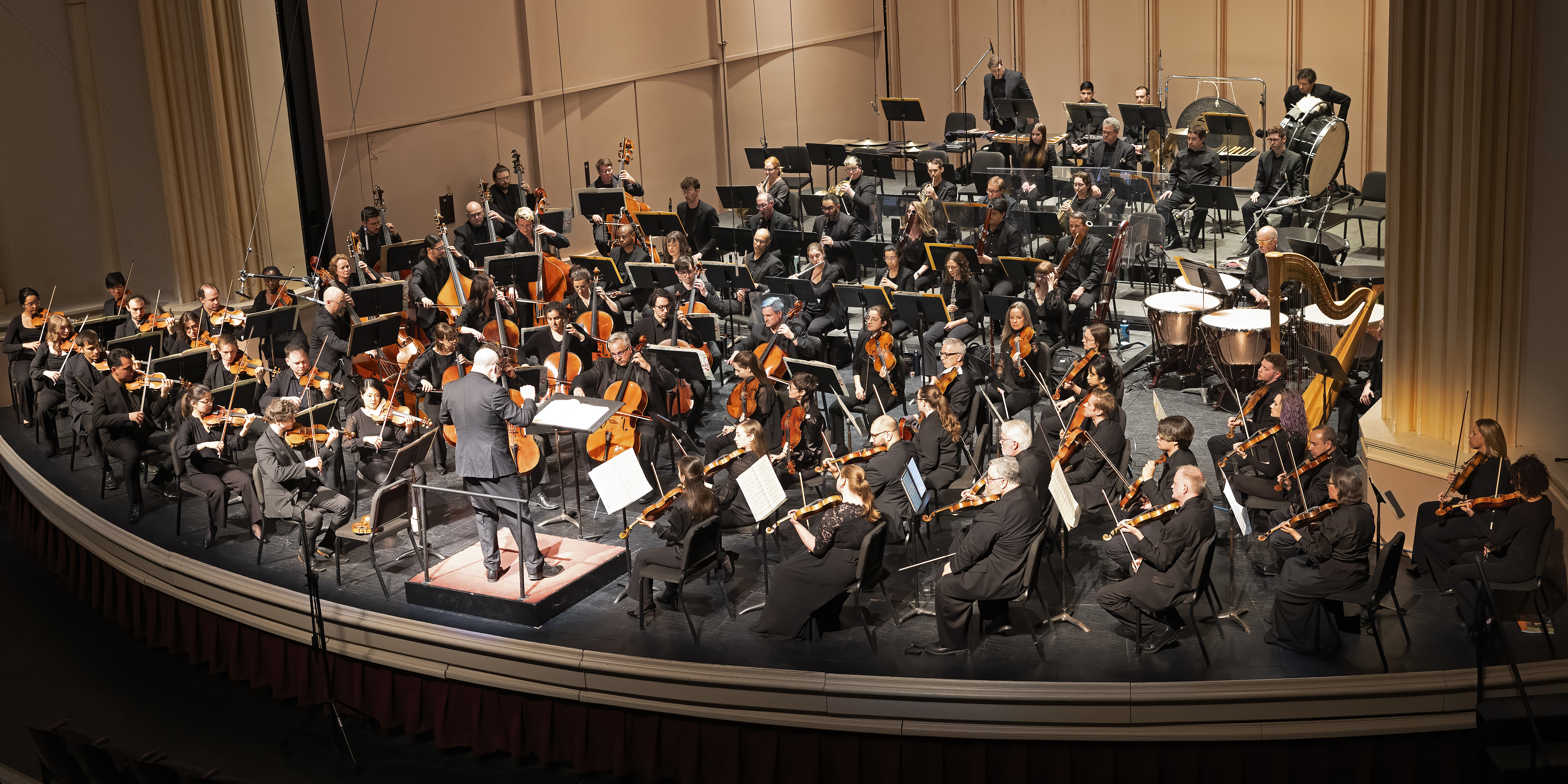
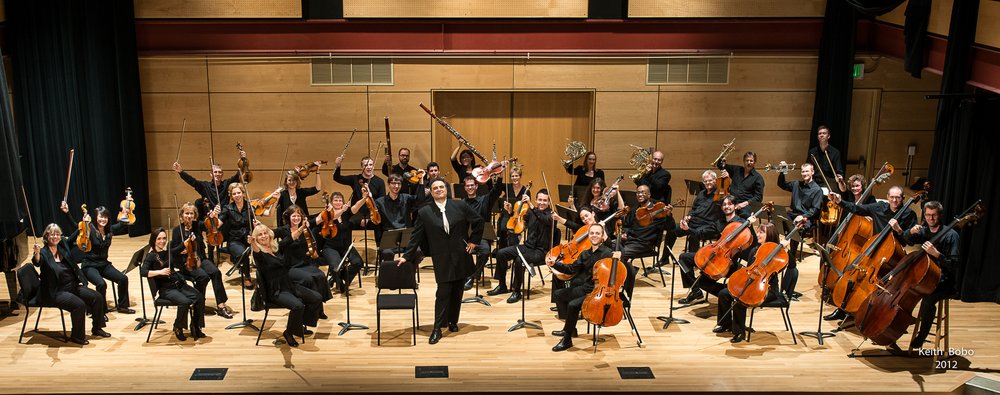
The Boulder Chamber Orchestra (BCO) and their conductor, Bahman Saless, wrap up their 20th-anniversary 2024–25 season with a “Grand Finale” in Macky Auditorium Saturday (7:30 p.m. May 24; details below).

Fresh back from a performance at Carnegie Hall’s Zankel Hall venue, the BCO will be joined by pianist Adam Zukiewicz and soprano Sylvia Schranz in a varied program, selected to celebrate the group’s anniversary. The program will be anchored by Saint-Saëns’ Piano Concerto No. 5 (“Egyptian’), which Zukewicz played a week ago in New York.
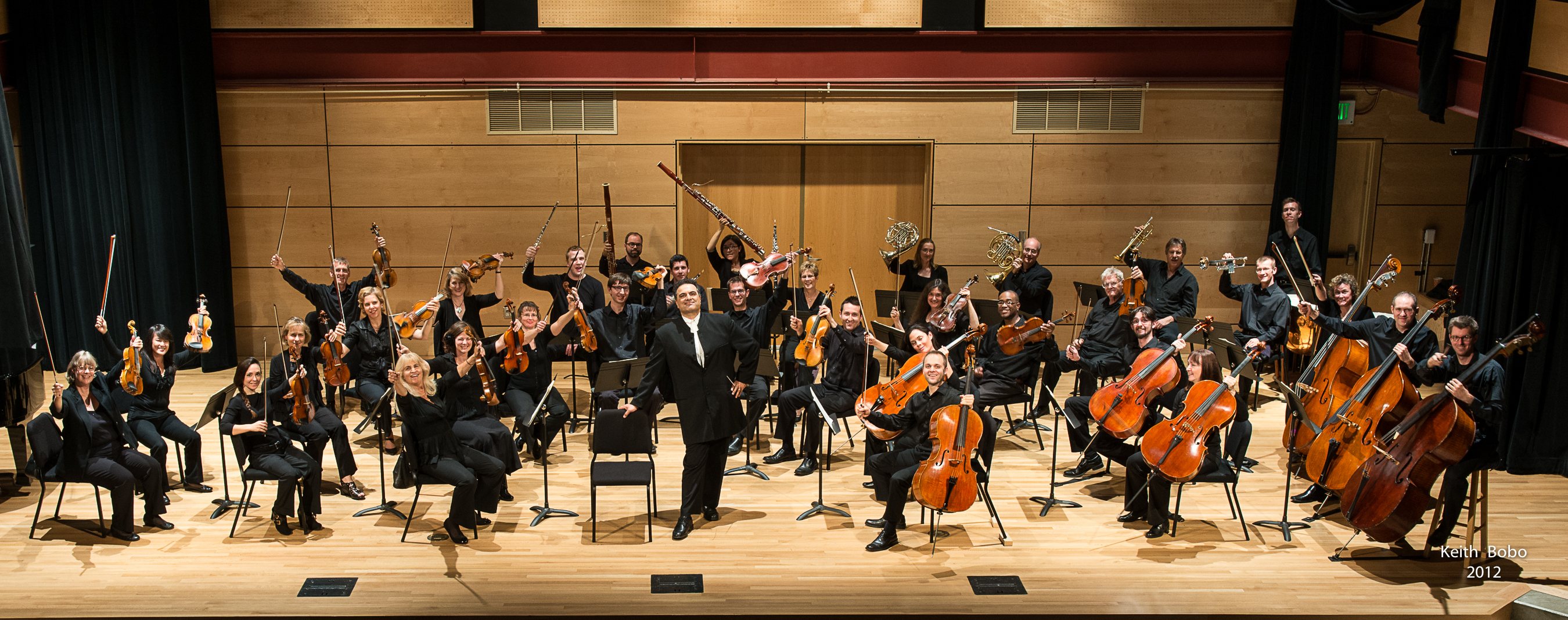
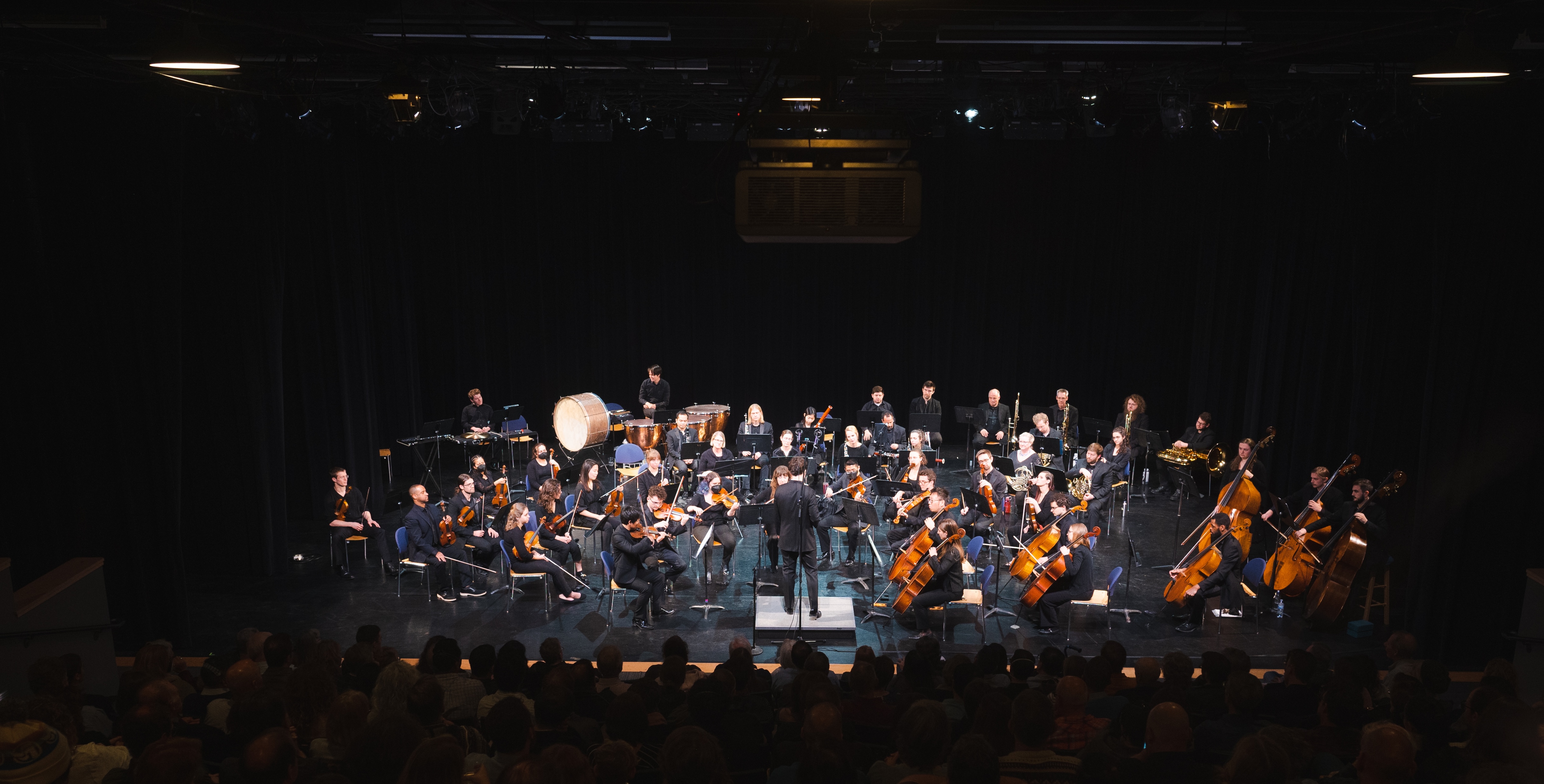
Boulder Chamber Orchestra and conductor Bahman Saless

A review of the New York concert said that BCO “could hold its own with any orchestra, anywhere,” and praised Zukiewicz’s “lively rendering” of the Concerto. Other works on Saturday’s program reflect the BCO’s eclectic programming over the past 20 years, ranging from Strauss waltzes to dances by Dvořák and Shostakovich, and a patriotic romp based on the National Anthem by the largely forgotten American composer Dudley Buck.

Saint-Saëns’ “Egyptian” Piano Concerto is a suitable choice for the BCO’s celebration, as it was written as a celebration of the composer’s own 50th-anniversary in 1896. Saint-Saëns wrote the concerto in Egypt, where he often spent his winter vacations. It features various exotic elements, particularly the slow movement that includes a song the composer heard sung by Nile boatmen.
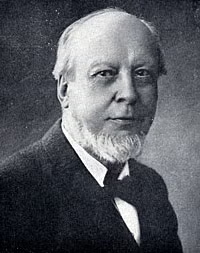
Dudley Buck

Trained as a pianist in Germany, Buck was a classmate of Edvard Grieg, Leoš Janáček and Arthur Sullivan. His Festival Overture on The American National Air began life as a set of Concert Variations on “The Star Spangled Banner” for solo organ. Though largely forgotten today, Buck was widely known in the late 19th century as a composer, organist and composer, and as the author of Buck’s New and Complete Dictionary of Musical Terms.

The Strauss waltzes recall the years that the BCO performed concerts during the Holidays that included music familiar from the popular Vienna Philharmonic New Year’s concert. On Saturday, these works will be the Overture to Die Fledermaus, the Emperor Waltz and Frühlingstimme (Voices of Spring) by Johann Strauss II. The program concludes with two Slavonic Dances by Dvořák (see full program below).

# # # # # 

“Grand Finale”
Boulder Chamber Orchestra, Bahman Saless, conductor
With Adam Zukiewicz, piano, and Sylvia Schranz, soprano

  • Dudley Buck: Festival Overture on the American National Air
  • Saint-Saëns: Piano Concerto No. 5 in F major (“Egyptian”)
  • Johann Strauss II: Overture to Die Fledermaus
  • Khachaturian: Waltz from Masquerade
  • Strauss: Emperor Waltz
  • Shostakovich: Waltz No. 2 from Suite for Jazz Orchestra
  • Strauss: Frühlingstimme (Voices of spring)
  • Dvořák: Slavonic Dances op. 72 no. 10 and op. 46 no. 8

7:30 p.m. Saturday, May 24, Macky Auditorium

TICKETS

# # # # #

Boulder’s ever adventurous Ars Nova Singers will present the last of their 2024–25 season concerts at the end of the month, with performances of significant a cappella works from the 20th century (Friday, May 30 in Longmont, Saturday, May 31 in Denver, and Sunday June 1 in Boulder; see times and concert details below).

Titled “Time/Eternity,” the program concludes a season characterized by programs that have embraced contrasts: “Here/There,” “Light/Shadow,” “Lost/Found” and “Science/Fantasy.” In each case, Ars Nova’s director Tom Morgan has found a creative and fun way to realize the two conflicting concepts in music, from pieces that were literally lost and and later rediscovered for “Lost/Found,” to a Victorian-era steampunk-inspired program for “Science/Fantasy.”
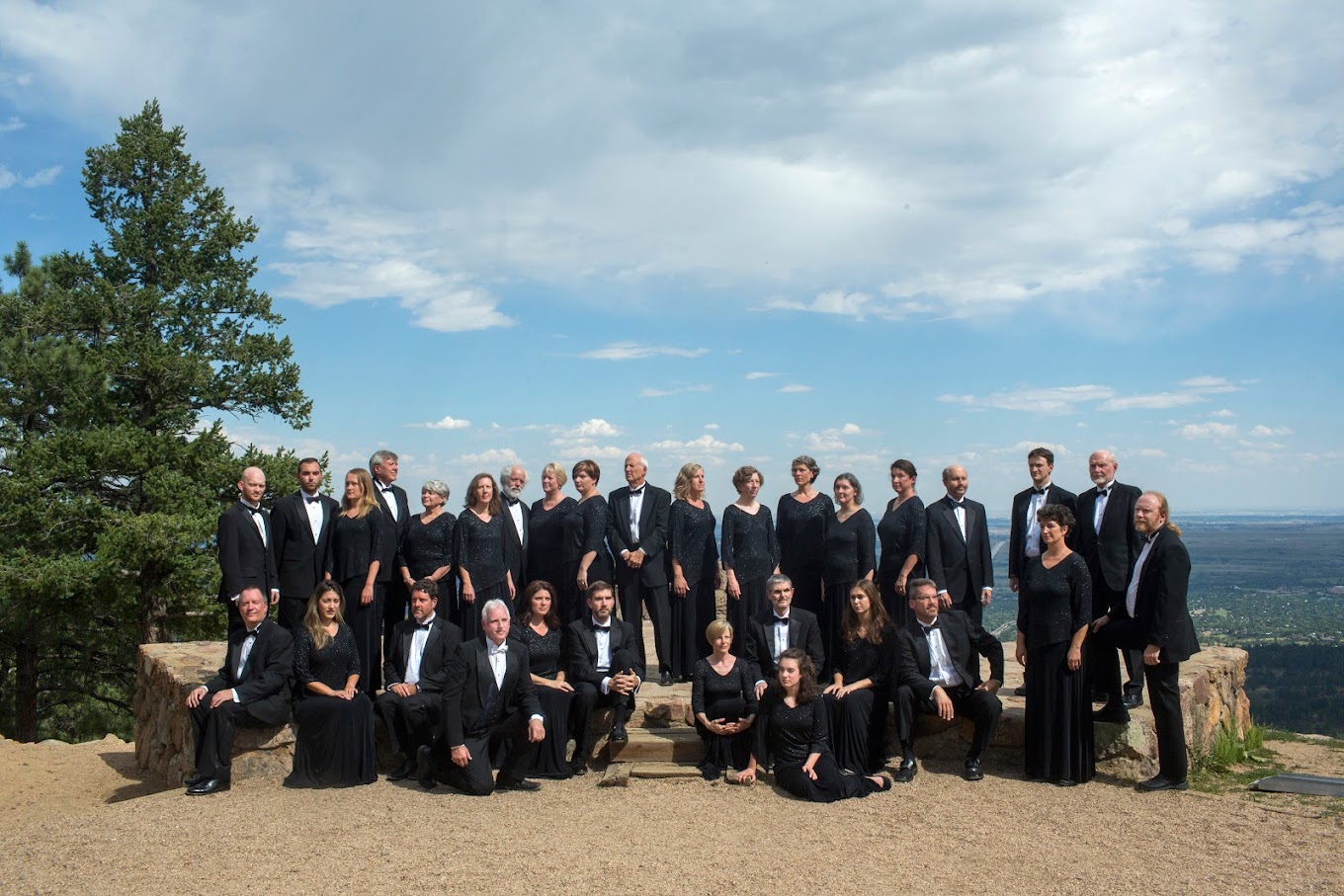
Ars Nova Singers with conductor Tom Morgan (kneeling, fourth from left)

For the current program, “Time/Eternity,” the program features two contemporary works modeled on church music dating back to at least the Renaissance, thus representing both eternity and modern time in each work. The first of these is the Mass for Double Chorus by Swiss composer Frank Martin. Written in 1922 and 1926, the Mass is a setting of the traditional five movements of the ordinary of the liturgical mass—that is, the texts that are sung at nearly every mass and not subject to variation across liturgical seasons.
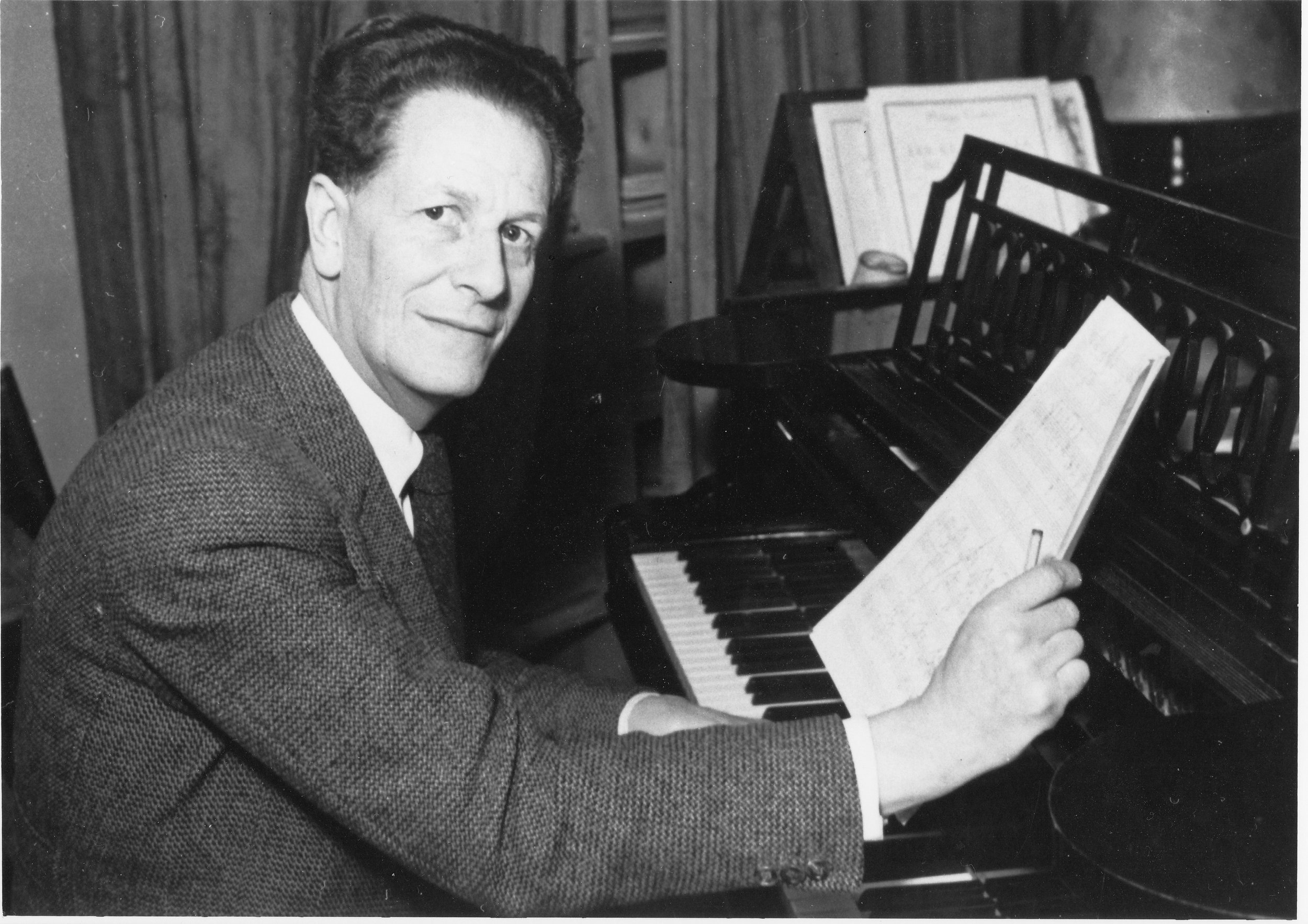
Composer Frank Martin

The Mass combines techniques typical of Renaissance mass settings, such as the use of a double chorus, fugal passages and imitative techniques across the choruses, together with modern stylistic elements that Martin was exploring. After he completed the Mass, Martin put the score away, considering it an early attempt at composition. He later consented to a performance in the 1960s, and today it is considered one of the most significant choral works of the 20th century.

The English composer Herbert Howells’ Requiem, written in 1932, is likewise based on traditional liturgical texts, in this case combined with other sacred texts from the Psalms and other sources. Although written for a single a cappella chorus, the Requiem sometimes divides the full chorus into two separate choirs. While using texts with a long liturgical history, the Requiem clearly has a musical style from the mid-20th century, using polytonality and chord clusters.

John Bawden, an active choral director and author of A Directory of Choral Music, wrote that “Howells’ music is much more complex than other choral music of the period. . . Long, unfolding melodies are seamlessly woven into the overall textures; the harmonic language is modal, chromatic, often dissonant and deliberately ambiguous. The overall style is free-flowing, impassioned and impressionistic, all of which gives Howells’ music a distinctive visionary quality.”

# # # # #

“Time/Eternity”
Ars Nova Singers, Tom Morgan, conductor

  • Frank Martin: Mass for Double Choir
  • Herbert Howells: Requiem

7:30 p.m. Friday, May 30
United Church of Christ, Longmont

7:30 p.m. Saturday, May 31
St. Paul Lutheran Church, Denver, and Livestream

7:30 p.m. Sunday, June 1
Mountain View United Methodist, Boulder

In-person and livestream TICKETS
Boulder Symphony teams with Kim Robards Dance

Beethoven’s Ninth Symphony, with or without choreography

By Peter Alexander May 15 at 5:48 p.m.

The end of the concert season is prime time for orchestras to tackle the big works.

Boulder Symphony with conductor Devin Patrick Hughes

Toward the end of the 2024–25 season, in Boulder County we’ve had the Longmont Symphony presenting J.S. Bach’s Mass in B minor with the Boulder Chamber Chorale, and the Boulder Philharmonic with the full Boulder Chorale presenting Beethoven’s Missa Solemnis. And now conductor Devin Patrick Hughes and the Boulder Symphony step up with their own choral forces for Beethoven’s Ninth Symphony on the weekend. 

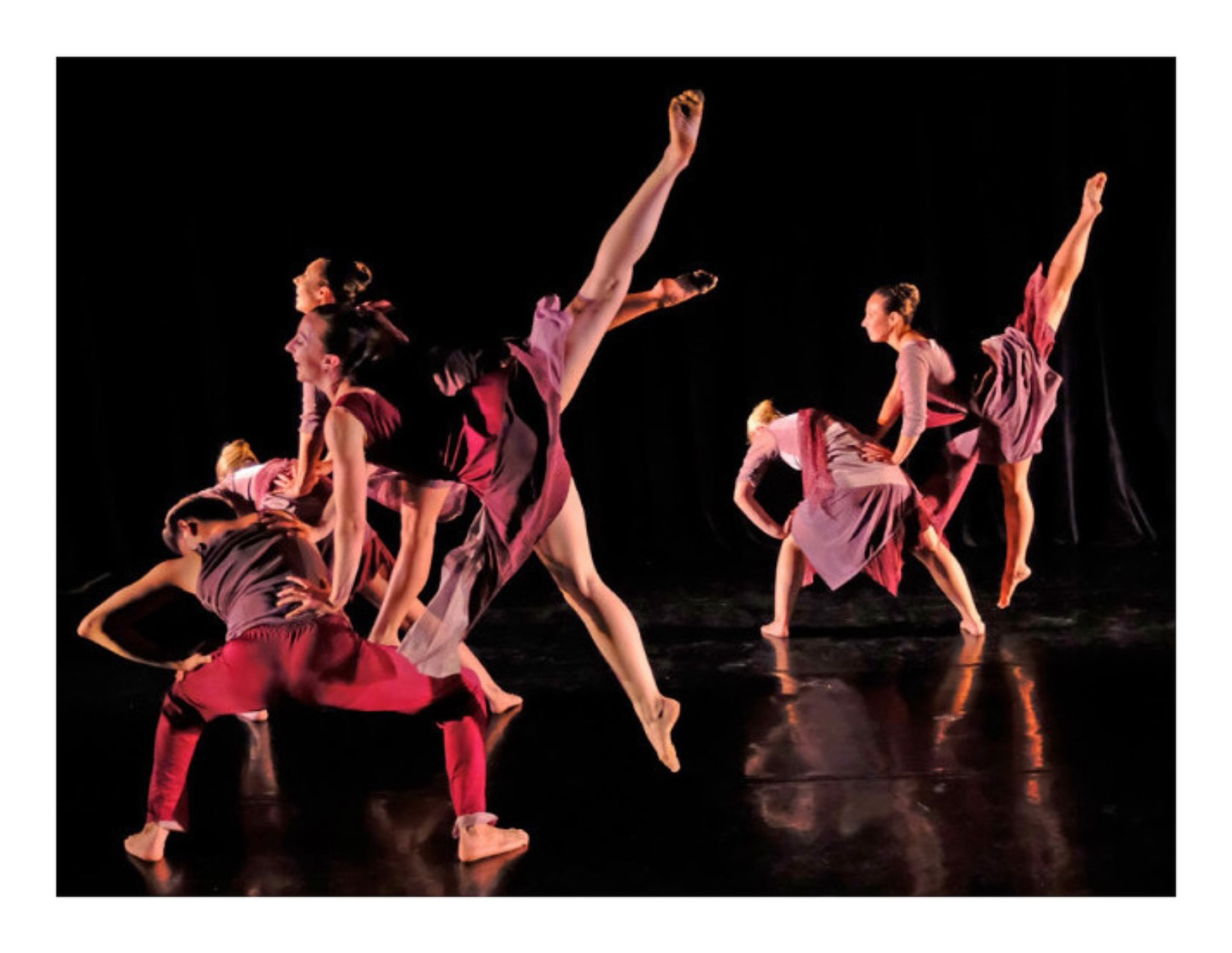
Kim Robards Dance

You can have your performance with or without choreography. The Ninth Symphony will be presented in partnership with Kim Robards Dance in a performance titled “Unstruck Sound” on Saturday (7:30 p.m. May 17 at the Waymire Dome in Brighton; details below). A second performance of the music alone will be presented by the orchestra and chorus Sunday (4 p.m. May 18 at Grace Commons in Boulder; details below).

Both performances will be conducted by Hughes, who is Boulder Symphony’s music director. Soloists for the symphony’s finale are Kyrie Laybourn, soprano; Kristin Gornstein, alto; Cody Laun, tenor; and Graham Anduri, bass. The performances will open with the Overture in E minor of the 19th-century French composer Louise Farrenc.

The last symphony that Beethoven completed, the Ninth was written over two years, 1822–24. Both its length—an hour or a little more—and the fact that it includes a chorus in the final movement marked it as a unique and radical work from its every first performance in Vienna. The concluding choral movement, based on Schiller’s poem “Ode to Joy,” has made it a first choice for celebrations around the globe. 

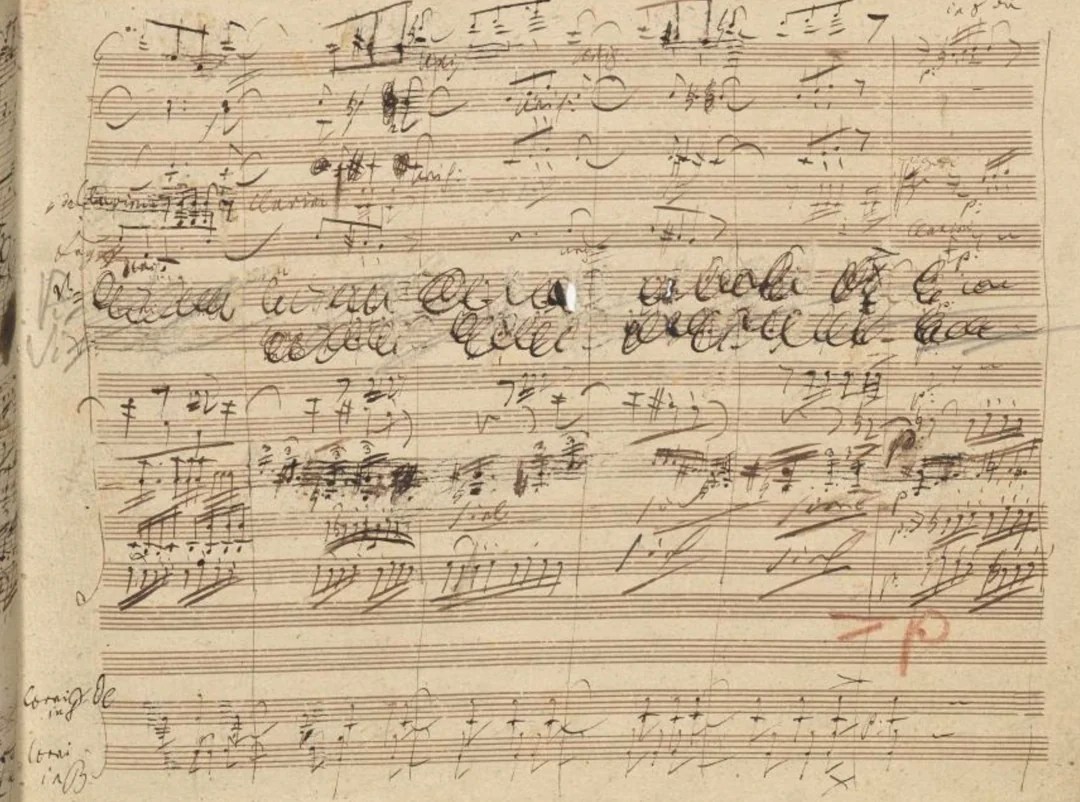
The manuscript of Beethoven’s 9th Symphony

It is also regarded as the culminating work in Beethoven’s career. The composer had expressed an interest in setting the “Ode to Joy” as early as 1792, an idea that can therefore be said to have occupied his thoughts for most of his life. Set in the somber key of D minor, that symphony progresses from a mysterious and powerful first movement, to a turbulent and disquieting scherzo, a beautiful and placid slow movement and the joyous choral finale in D major.

The work’s premiere in May of 1824 is one of the most famous performances in history. The nearly totally deaf Beethoven stood next to the conductor, watching the players and indicating tempos. At the end of the performance, the composer was unable to hear the tumultuous applause from the audience, and the alto soloist had to come forward and lead him to the edge of the stage so that he could see the response. 

The Symphony was perhaps most famously performed by in Berlin with Leonard Bernstein conducting on Christmas Day 1989, with the text of the finale altered to an “Ode to Freedom” as a celebration of the removal of the Berlin Wall. That was an international event, but the Ninth Symphony is selected for all kinds of major occasions, because of the text that celebrates the brotherhood of man. As such, it is also viewed as the ideal piece for the end of a season.

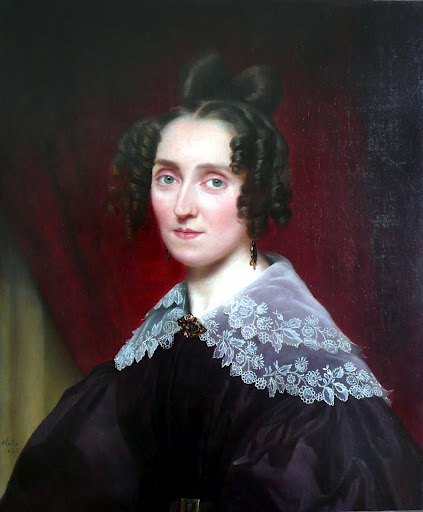
Louise Farrenc. Portrait (1835) by Luigi Rubio

Farrenc studied composition at the Paris Conservatory in the early 19th century, at a time when women had to study privately as they were not allowed to enroll in composition classes. Equally accomplished as a virtuoso pianist and composer, she became the first women teaching at the Conservatory, when she was appointed professor of piano in 1842. She held that position for 30 years. As a composer she wrote works for piano and chamber music, as well as three symphonies and two concert overtures.

Kim Robards Dance describe themselves as a “professional, multi-generational modern dance company.” The company was founded in Denver in 1987. A performance in New York was praised in the Times for “old-fashioned virtues, like a strong sense of craft and an affinity for lyrical movement and big musical scores.” There are fewer bigger scores than Beethoven’s Ninth, which has rarely if ever been danced.

# # # # #

Boulder Symphony, Devin Patrick Hughes, conductor
Chorus directed by Dana Vachharajani
With Kyrie Laybourn, soprano; Kristin Gornstein, alto; Cody Laun, tenor; and Graham Anduri, bass

  • Louise Farrenc: Overture in E minor, op. 23
  • Beethoven: Symphony No. 9 in D minor, op. 125

7:30 p.m. Saturday, May 17
Waymire Dome, 9755 Henderson Rd., Brighton
Performance with Kim Robards Dance, Kim Robards, choreographer

TICKETS

4 p.m. Sunday, May 18
Grace Commons, 1820 15th St., Boulder
(Musical performance only)

TICKETS

MahlerFest 2025 culminates with tragic symphony

Programs are filled with music of defiance, resistance and remembrance, May 14–18 

By Peter Alexander May 12 at 8:08 p.m.

It all starts with the symphony.

Every year, the Colorado MahlerFest presents one of the symphonic works of composer Gustav Mahler—one of the ten symphonies, or another large-scale symphonic work such as the Lied von der Erde (Song of the earth). For the 38th MahlerFest taking place this week (May 14–18; see programs and other details below), that central work is the Symphony No. 6 in A minor. According to MahlerFest artistic director Kenneth Woods, everything else on the program is chosen to harmonize with the symphony.

Director Kenneth Woods with the MahlerFest Orchestra. Photo by Mark Bobb.

“It always starts with the Mahler symphony,” Woods says. “Mahler’s Sixth is his only tragic symphony—it’s the only one that ends in a minor key. His late works end slowly and softly, (but) they end with some hint of consolation, where the end of the Sixth is totally and utterly bleak.

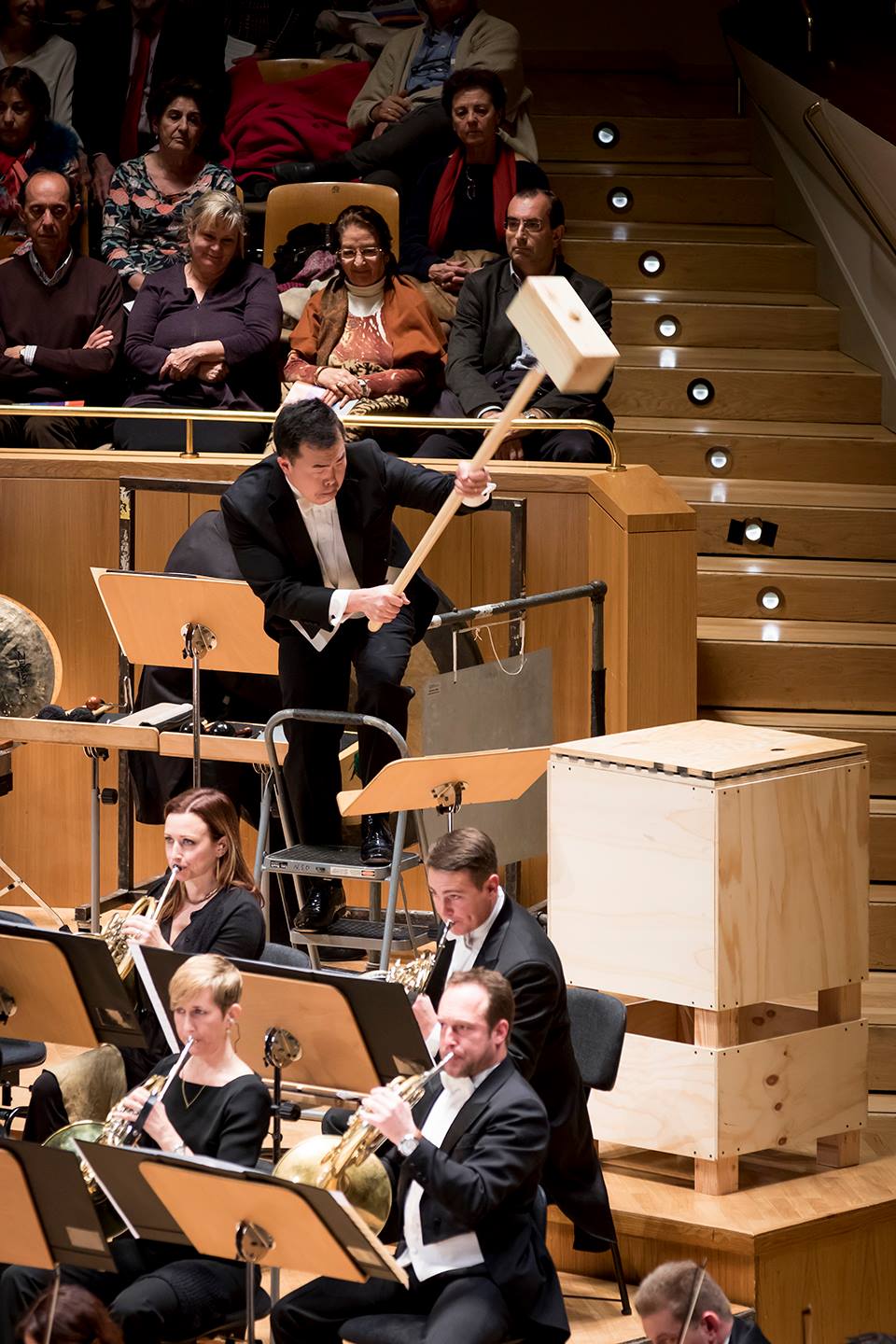
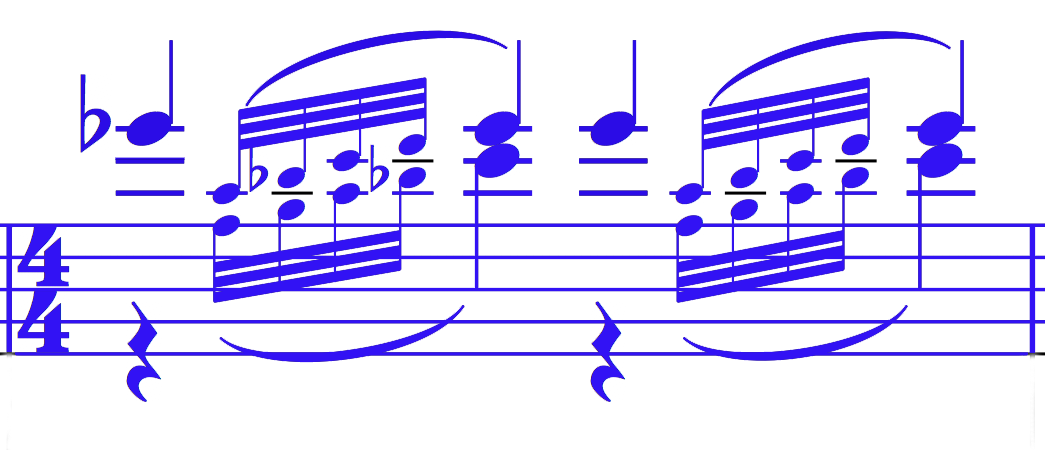
The final movement famously includes “hammer blows”—explosive thuds that represent the blows of fate. These loud, dull sounds are traditionally related to events in Mahler’s life: the death of his oldest daughter, the diagnosis of the heart condition that would hasten his death at age 50, and his dismissal from the Vienna State Opera.

Acting Principal Percussion Eric Shin plays a Mahler Box with the National Symphony Orchestra. Photo by Scott Suchman.

The hammer blows are unique in the symphonic repertoire, and getting the right combination of loud and dull is tricky. Most orchestras have their own custom-made “Mahler Boxes” for the Sixth. They are usually a wooden box that is struck dramatically by a percussionist with a large wooden hammer. 

Mahler contemplated as many as five hammer blows. Some scores include three, the same number as the blows in Mahler’s life. But in the end, Mahler settled on two, perhaps feeling that the third blow was symbolically fatal and should be avoided.

Performances vary, but MahlerFest will include only two. “His final decision was two hammer blows,” Woods says. “Maybe in a more pessimistic era you want to include more, but we decided to do what he wrote, rather than us decide what’s best.”

For Woods, the hammer blows and the bleak ending make the Sixth Symphony even more heroic. “These hammer blows announce the inevitability of destruction and defeat, but the hero fights on ever more bravely,” he says.

He explains the symphony’s ultimate meaning with a pop culture analogy from the film Saving Private Ryan. “When Tom Hanks’s character has finally found Private Ryan, he’s dying and he says to Ryan, ‘earn this.’ I think Mahler’s Sixth is not far away from that in spirit. Mahler takes us through the life of a character who is fighting for a better world—not because he’s going to benefit from it, but we might.

The music that Woods selected for other programs come out of times of struggle and suffering. The titles of the individual programs—“Songs of Protest and Defiance,” “Determination and Defiance”—reflect that perspective. Many of the pieces directly reflect their composer’s experience during the violence of the 20th century, especially the two world wars.

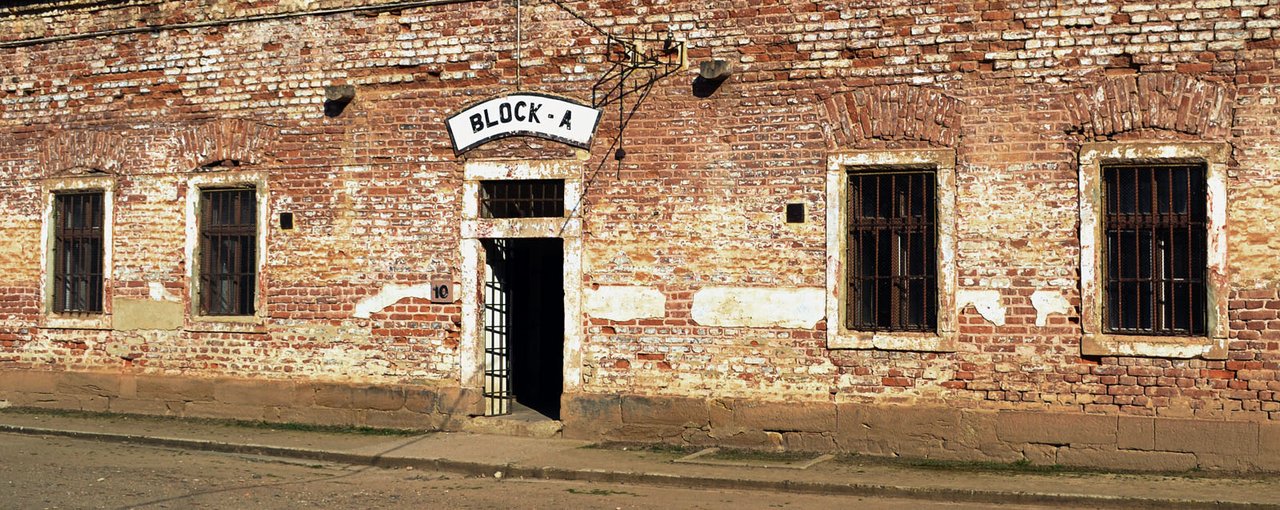
The Terezín Concentration Camp, where Viktor Ullmann wrote Der Kaiser von Atlantis

The festival’s opening night performance Wednesday (7:30 p.m. May 14 at Mountain View United Methodist Church) will present a piece actually written in the Terezín concentration camp in Austria during World War II. Although it was rehearsed in 1944, the Nazi authorities did not allow its performance, and both the composer, Viktor Ullmann, and the librettist, Peter Kien, were murdered at Auschwitz.

Titled Der Kaiser von Atlantis, oder Die Tod-Verweigerung (The Emperor of Atlantis, or The disobedience of death), it is a one-act opera about a power-mad dictator, Kaiser Überall (Emperor Overall) and Death, an overworked soldier who goes on strike. A biting, cynical piece, with the Kaiser an obvious satire of Hitler, it was a courageous statement during wartime.

“Here you have Ullmann in a camp, knowing he’s destined for Auschwitz,” Woods says. “His response was not to say, ‘oh, well,’ but to write incredibly sharp, multi-layered political satire. And dare I say, give the finger to Hitler, who was the model for the Kaiser. Ullmann is a challenge to us, because if he can set a story (mocking) Hitler in a concentration camp, then we shouldn’t feel like we can’t express ourselves directly, about music, or politics, or society.”

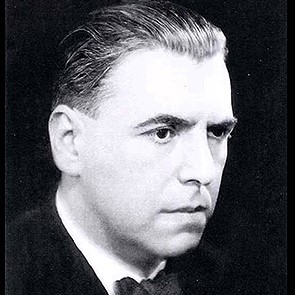
Erwin Schulhoff

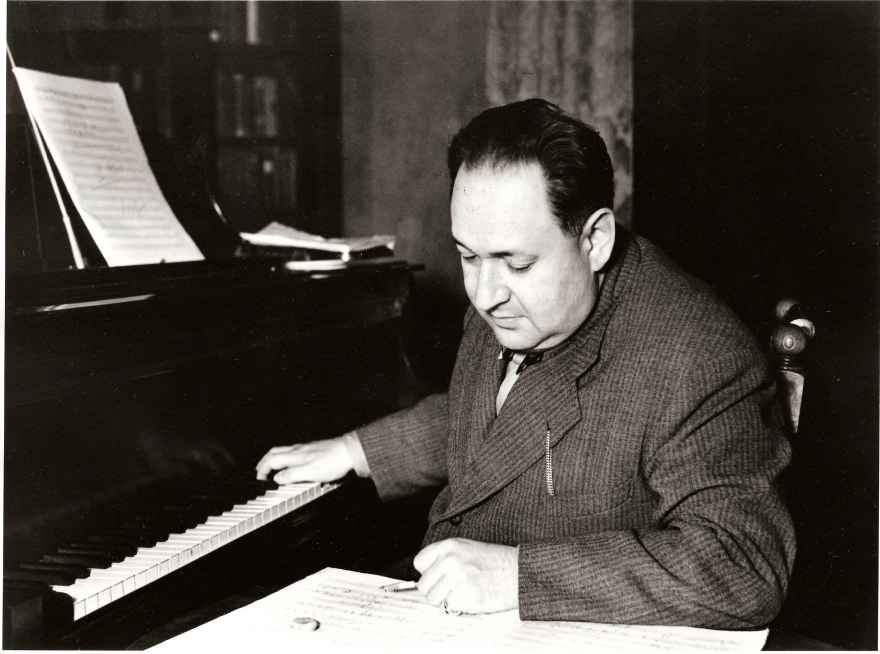
Other works during the festival are worthy of attention. On the chamber music program “Determination and Defiance” (7 p.m. May 16 at the Roots Music Project), Erwin Schulhoff was a greatly gifted and widely recognized composer who emerged from serving in World War I with deep emotional scars. “Schulhoff is a particularly poignant case because the music is really touched by genius,” Woods says. 

“Everything I’ve done of his has been a huge discovery. Some of his stuff is biting, satirical, some of it is angular, and the Sextet is a tumultuous, fiery piece.”

On the same chamber program, Shostakovich’s Seventh String Quartet was written in 1959–60, at a particularly difficult time in the composer’s life. “To me, the Shostakovich (String Quartet) is an expression of what it is like to see the clouds on the horizon,” Woods says. “He’s hinting at a world of threats and shadows and whispers.”

Erich Wolfgang Korngold

Saturday’s orchestral program (7:30 p.m. May 17 in Macky Auditorium) features the Symphony in F-sharp by Erich Wolfgang Korngold, whose career was shaped by World War II. “That’s a fantastic work,” Woods says. “Korngold became a hugely successful opera and concert music composer, and when Hitler came to power, he had to flee.”

Korngold came to the U.S. in 1934. He moved to Hollywood, where he was a film composer, virtually inventing the modern film score in such films as Captain Blood, The Sea Hawk and The Adventures of Robin Hood.

“He felt that he could not write music for the concert hall as long as Hitler was alive,” Woods explains. “Following World War II he began to return to the concert hall. In 1948 he wrote his one and only symphony, which does seem to trace a historical arc of those difficult years.

“We’ve got a first movement that’s very forbidding and violent, a second movement that seems full of frantic activity, then a mournful, soulful adagio like a great lament for the losses of the war, and a finale that is a celebration of peace.”

Finally, Woods singles out the two works on the culminating Sunday concert with the Mahler Sixth (3 p.m. May 18 in Macky Auditorium), Bohuslav Martinů’s Memorial to Lidice and Dismal Swamp by American composer William Grant Still. “On one level (Dismal Swamp) is about the actual Great Dismal Swamp in Virginia, quite a forbidding one,“ Woods says. “But it becomes a pathway to freedom for enslaved people during the Civil War.”

Bohuslav Martinů

One of the most direct and poignant expressions of loss and resistance is Memorial to Lidice by the Czech composer Bohuslav Martinů. In June, 1942, the Nazis obliterated Lidice, a small Czech village outside Prague, in retaliation for the assassination of Reinhard Heydrich, one of the most cruel overseers of the Holocaust. All the men of Lidice were killed, the women and children sent to concentration camps, and the town burned to the ground.

Martinů, who was living in the U.S. heard of the atrocity and wrote an orchestral memorial to the town. “It’s an amazing work,” Woods says.

“You might ask why Martinů thought writing a short piece for orchestra was going to make any difference in the middle of a world war, but the piece has outlived Hitler. (Martinů thought) I’m going to do it because it’s the right thing to do.

“I’m going to write a piece about this atrocity so at least I did something to commemorate it.”

# # # # #

Colorado MahlerFest XXXVIII
“Defiance, Protest, Remembrance”
Kenneth Woods, artistic director

FULL SCHEDULE of all MahlerFest XXXVIII events HERE

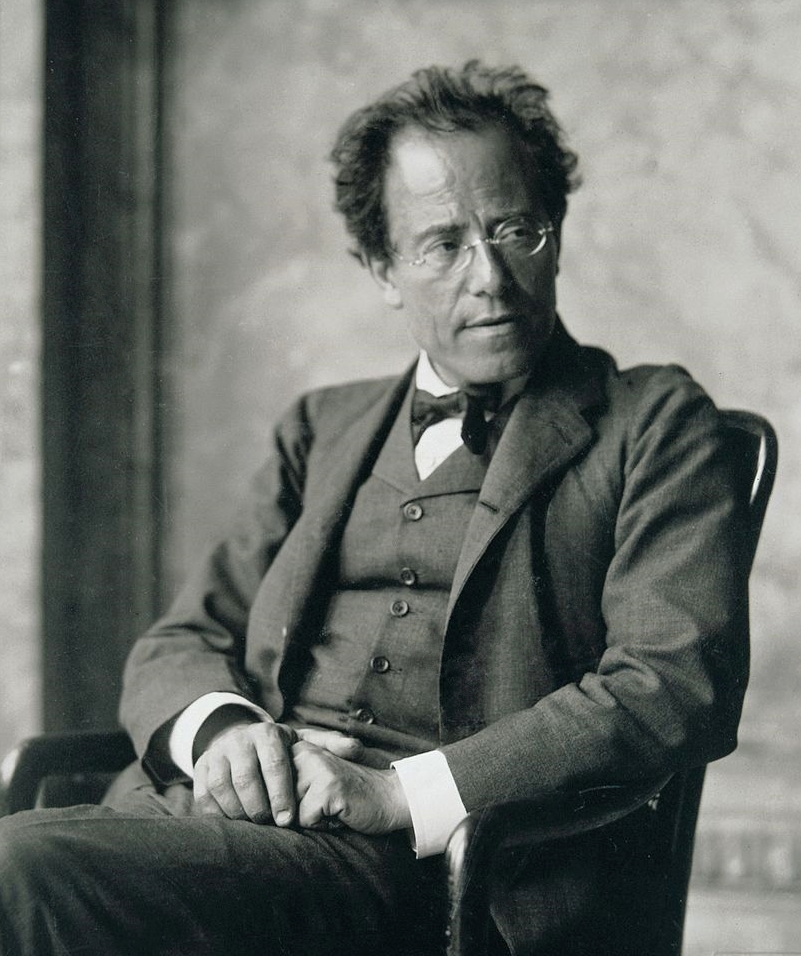
Mahler. Photo by Moritz Nähr.

Musical Performances:

Wednesday, May 14
“Death Goes on Strike”
Colorado MahlerFest Chamber Orchestra, Kenneth Woods, conductor

  • Viktor Ullmann: Der Kaiser von Atlantis, oder Die Tod-Verweigerung (The emperor of Atlantis, or The disobedience of death)

7:30 p.m., Mountain View United Methodist Church, Boulder

Thursday, May 15
Songs of Protest and Defiance
Jennifer Hayghe, piano, with Alice Del Simone, soprano; Hannah Benson, mezzo-soprano; Brennen Guillory, tenor; Andrew Konopak, baritone; Ryan Hugh Ross, baritone; and Gustav Andreassen, bass;.

  • Mahler: “Revelge” (Reveille)
  • Philip Sawyers: Songs of Loss and Regret
  • Mahler: “Der Tamboursg’sell” (The drummer boy)
    —“Wo die schönen Trompeten blasen” (Where the fair trumpets sound)
  • Schubert: “Kriegers Ahnung” (Warrior’s foreboding)
  • Shostakovich:  “Réponse des Cosaques Zaporogues au Sultan de Constantinople
  • (Response of the Zaporozhian cossacks to the sultan of Constantinople) from Symphony No. 14
  • Mahler: “Lob des hohen Verstandes” (Praise of lofty intellect)
  • Spirituals and protest songs TBD

3 p.m., Canyon Theater, Boulder Public Library
Free and open to the public

Friday, May 16
“Determination and Defiance”
MahlerFest chamber music ensembles

  • Gwyneth Walker: “Raise the Roof!”
  • Kevin McKee: “Escape”
  • Ernst Bloch: Suite No. 3 for Solo Cello
  • Shostakovich: String Quartet No. 7 in F-sharp minor, op. 108
  • Erwin Schulhoff: String Sextet

7 p.m., Roots Music Project, 4747 Pearl St., Suite V3A

“Rhythm, Roots & Resonance”
Jones/Butterfield Duo

9 p.m., Roots Music Project

Saturday, May 17
“Celebrating Peace”
Mahlerfest Festival Orchestra, Kenneth Woods, conductor
With Daniel Kelly trumpet

  • Mahler: Todtenfeier
  • Deborah Pritchard: Seven Halts on the Somme, Concerto for Trumpet and Strings
  • Erich Wolfgang Korngold: Symphony in F-sharp, op. 40

7:30 p.m., Macky Auditorium

Sunday, May 18
“Resistance”
Stan Ruttenberg Memorial Concert
Mahlerfest Orchestra, Kenneth Woods, conductor|
With Leah Claiborne, piano

  • Bohuslav Martinů: Memorial to Lidice
  • William Grant Still: Dismal Swamp
  • Mahler: Symphony No. 6 in A minor

3:30 p.m., Macky Auditorium

TICKETS for all ticketed events in MahlerFest XXXVIII may be purchased HERE.

GRACE NOTES: Chamber piano with strings, bassoons and student soloists

Piano Quartet at the Academy, Bassoon Quartet with Cantabile, BCO with competition winners

By Peter Alexander May 7 at 4:40 p.m.

The Boulder Piano Quartet—pianist David Korevaar with violinist Igor Pikayzen, violist Matthew Dane and cellist Thomas Heinrich—will present a free concert in Chapel Hall at the Academy University Hill Friday (7 p.m. May 9; details below).

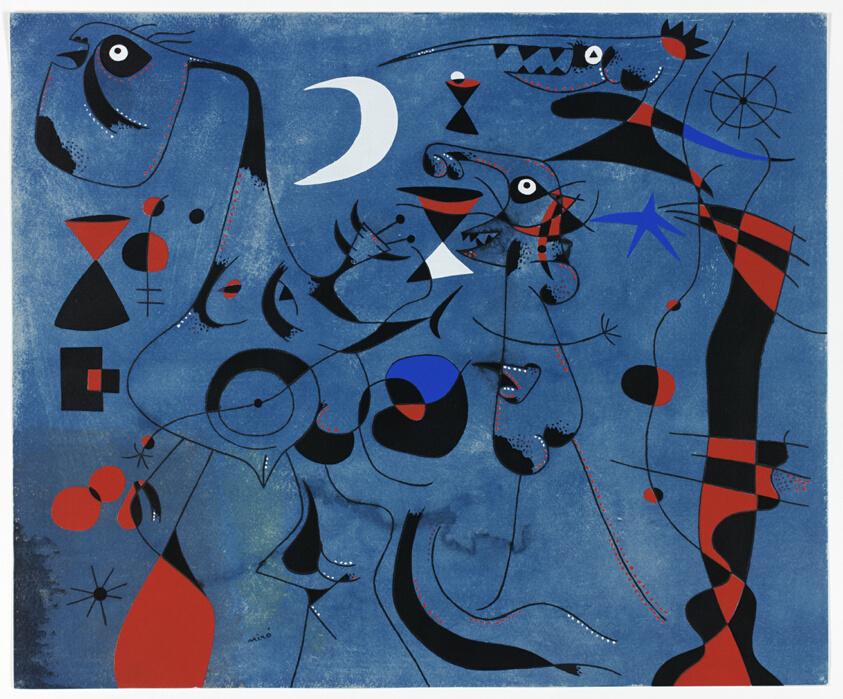
The central work on the program is the five-movement King of the Sun by Stephen Hartke, who is chair of composition at the Oberlin Conservatory. Written for the Los Angeles Piano Quartet, The King of the Sun was inspired by a series of five paintings by the Spanish painter Joan Miró. 

Miró: Characters in the night guided by the phosphorescent tracks of snails, Art Institute of Chicago

The five major movements of Hartke’s score are titled after the titles of the paintings: “Personages in the night guided by the phosphorescent tracks of snails,” “Dutch interior,” “Dancer listening to the organ in a gothic cathedral,” “The flames of the sun make the desert flower hysterical,” and “Personages and birds rejoicing at the arrival of night.” The third and fourth movements are  separated by a brief “Interlude,” leading Hartke to describe the piece as comprising “five and a half” movements. 

The title of the work, The King of the Sun, is a mistranslation of a 14th-century canon that is quoted in the second and fourth movements of Hartke’s score. The actual title of the canon is Le ray au soleil, which means the sun’s ray. The change of one letter—Le rey instead of Le ray—changes “The sun’s ray” into “The king of the sun.”

The program opens with Phantasy for Piano Quartet, written in 1910 by English composer Frank Bridge. It was commissioned by Walter Wilson Cobbett, who worked to promote the composition of British chamber pieces in the style of Fantasy, or Phantasy, a type of work that had flourished in Elizabethan times. Bridge was one of 11 British composers Cobbett commissioned to write a phantasy in 1910.

The final piece on the program is the Piano Quartet in E-flat major of Robert Schumann. It was composed in the summer of 1842, which became known as Schumann’s “year of chamber music.” He had mostly written piano music until 1840, a year in which he wrote 120 songs. The following year he wrote two symphonies, and then in 1842 he completed three string quartets, a piano trio, a piano quintet, and the Piano Quartet.

# # # # #

Boulder Piano Quartet
Igor Pikayzen, violin; Matthew Dane, viola; Thomas Heinrich, cello; and David Korevaar, piano

  • Frank Bridge: Phantasy for Piano Quartet
  • Stephen Hartke: The King of the Sun
  • Schumann: Piano Quartet in E-flat major, op. 47

7 p.m. Friday, May 9
Chapel Hall, The Academy University Hill, Boulder

Free

# # # # #

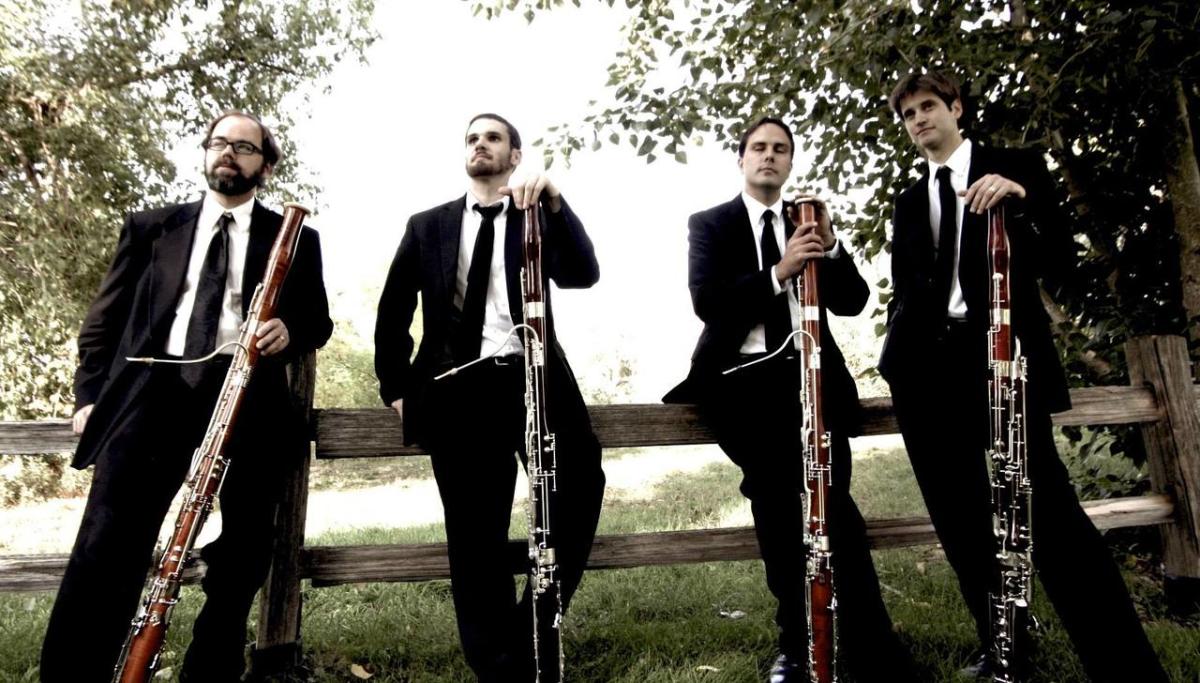
Quartets of all bassoons are a musical rarity—except in Boulder.

The Boulder Bassoon Quartet will present an unusual program of music for bassoon and chorus on a concert shared with Boulder’s Cantabile Singers, directed by Brian Stone, Friday and Sunday at the First Congregational Church (May 9 and 11; details below).

Boulder Bassoon Quartet

The program will be repeated at 3 p.m. Sunday, June 1, at the Boulder Bandshell

A centerpiece of the program will be the newly commissioned “I Shall Raise My Lantern” by Greg Simon. That work for chorus and bassoon quartet will be paired with “Three Earth Songs” by Bill Douglas. Other works on the program are a capella works for chorus by Ralph Vaughan Williams, Benjamin Britten, Craig Hella Johnson and Shawn Kirchner. 

The Sunday performance will be available online by a free live stream.

# # # # #

“The Beauty Around Us”
Cantabile Singers, Brian Stone, director, with the Boulder Bassoon Quartet

  • Greg Simon: “I Shall Raise My Lantern”
  • Bill Douglas: “Three Earth Songs”
  • Works by Ralph Vaughan Williams, Benjamin Britten, Craig Hella Johnson and Shawn Kirchner

7:30 p.m. Friday, May 9
3 p.m. Sunday, May 11
First Congregational Church, Boulder

3 p.m. Sunday, June 1, Boulder Band Shell

Tickets HERE

# # # # #

The Boulder Chamber Orchestra (BCO) will present the winners of the 2025 Colorado State Music Teachers Association (CSMTA) Concerto Competition as soloists on a concert program Saturday (8 p.m. May 10; details below).

The winners in four categories—Piano Elementary, Piano Junior, Piano Senior, and Strings/Harp—will each play the concerto movement that was required for the competition, with the orchestra (see the concert program below). BCO music director Bahman Saless will conduct.

Boulder Chamber Orchestra with conductor Bahman Saless

An annual event, the CSMTA Concerto Competition has three piano categories that are held every year: elementary, junior and senior. There are vocal and instrumental categories in alternating years: strings/harp and voice in odd-numbered years, and winds/percussion in even-numbered years. The competition is for pre-college students up to age 19.

This year’s competition was held in March, and had violin, cello and harp contests in the strings/harp category. Every instrument has one concerto movement specified as its competition repertoire. The judges for the 2025 competition were Saless; Mary Beth Rhodes-Woodruff, artistic director of the Santa Barbara (Calif.) Strings; and Kate Boyd, professor of piano at Butler University.

The winners who will appear with the BCO are:
—Piano elementary: Natalie Ouyang
—Piano, junior: Lucy (Yuze) Chen
—Piano, senior: Bobby Yuan
—Strings/Harp: Sadie Rhodes Han (violin)

This is the second year that the BCO has presented the CSMTA Concerto Competition winners as concert soloists.

# # # # #

CSMTA Concerto Competition Winners’ Concert
Boulder Chamber Orchestra, Bahman Saless, conductor

  • Haydn: Keyboard Concerto in C major, Hob. XVIII/5, I. Allegro moderato
    -Natalie Ouyang, piano
  • Mozart: Piano Concerto No. 21 in C major; K467, I. Allegro maestoso
    -Lucy (Yuze) Chen, piano
  • Schumann: Piano Concerto in A minor, op 54, I. Allegro affettuoso
    -Bobby Yuan, piano
  • Saint-Saëns: Introduction et Rondo Capriccioso
    -Sadie Rhodes Han, violin

8 p.m. Saturday, May 10, Boulder Adventist Church

TICKETS