
Recalling a few of the musicians we lost in 2024
By Peter Alexander Dec. 30 at 4:28 p.m.
Here are the names of some of the musicians who passed away over the past 12 months. This list is not intended to be comprehensive, as I cannot catch every single one. Its is not exclusively classical artists, although those are the names I am most likely to see and notice. If there are names you don’t see here that you think should be included, please feel free to add them in the comments.
Dec. 24, 2023: Alice Parker, composer and arranger of choral music whose works were sung by church choirs and choral societies world wide, who was most famous for her 20-year collaboration with the Robert Shaw Chorale until it was disbanded in 1965, and later wrote song cycles, oratorios and even operas, up until her last work, “On the Common Ground,” completed in 2020, 98
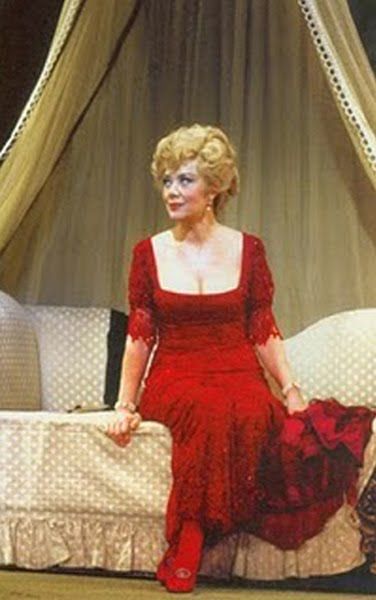
Jan. 4: Glynis Johns, Welsh/British actress who created the role of Desirée Armfeldt in the Stephen Sondheim musical A Little Night Music, whose modest singing abilities shaped the show’s best loved and most performed single number, “Send in the Clowns,” and who performed in Hollywood films from The Court Jester with Danny Kaye in 1955, to Mary Poppins with Julie Andrews in 1964, to Superstar in 1999, 100
Jan. 6, 2024: Sarah Rice, the original Johanna in Sondheim’s Sweeney Todd, who also appeared in the original off-Broadway production of The Fantastics as well as productions of A Little Night Music, Candide, Showboat and other musicals and operettas, and sang operatic roles including Gilda in Rigletto and Marie in Daughter of the Regiment, and played the Theremin, 68
Jan. 8: Phil Niblock, American composer, film and video artist associated with the “downtown” scene in New York, known for slow-moving minimalist soundscapes using drones and incorporating unexpected instruments including bagpipes, often using layered microtones to generate complex overtones, who achieved a leading role in the experimental music world, in spite of having no formal training as a composer, 90
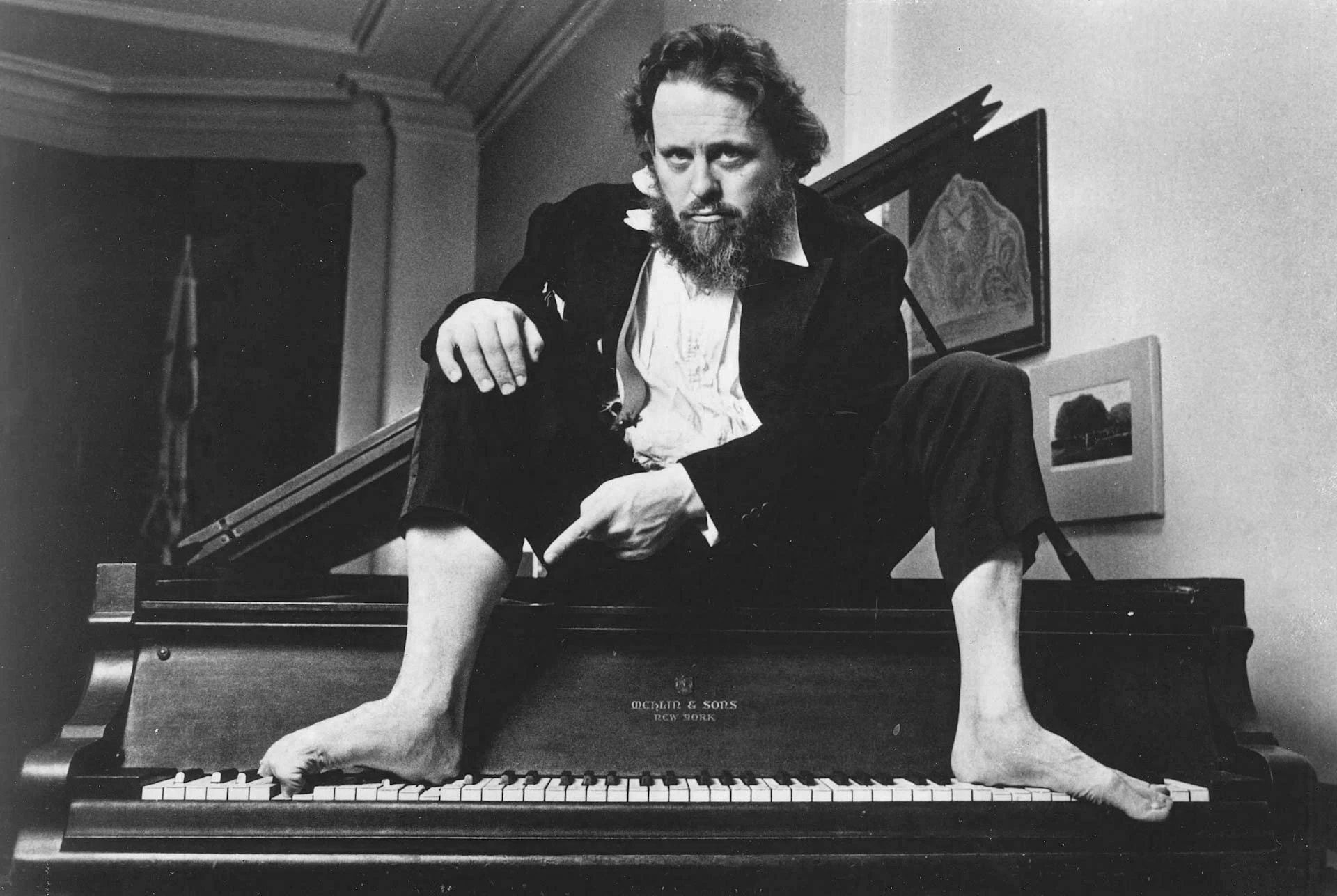
Jan. 16: Peter Schickele, aka P.D.Q. Bach, the fictional composer of such comic works as Concerto for Horn and Hardart and Iphigenia in Brooklyn, who was also a serious composer but whose concert music was largely eclipsed by his musical parodies, who won a single Grammy under his own name and four as P.D.Q. Bach, and who granted himself the imaginary professorship of musical pathology at the imaginary University of Southern North Dakota at Hoople, 88
Jan. 19: Ewa Podles, Polish alto whose career included performances at the Metropolitan Opera, The Royal Opera House in London, Teatro Real in Madrid, the Gran Teatro del Liceu in Barcelona and La Scala in Milan, known for a repertoire from Baroque opera to the 20th century, including works by Handel, Gluck, Rossini, Tchaikovsky and Shostakovich, 71
Jan. 23: Melanie Safka, American singer who performed as Melanie, made a splash at the Woodstock Festival in 1969, and had a No. 1 hit single, “Brand New Key,” two years later—a song that was banned by some radio stations because of the supposed innuendo of the lines “I’ve got a brand-new pair of roller-skates, you’ve got a brand new key,” 76
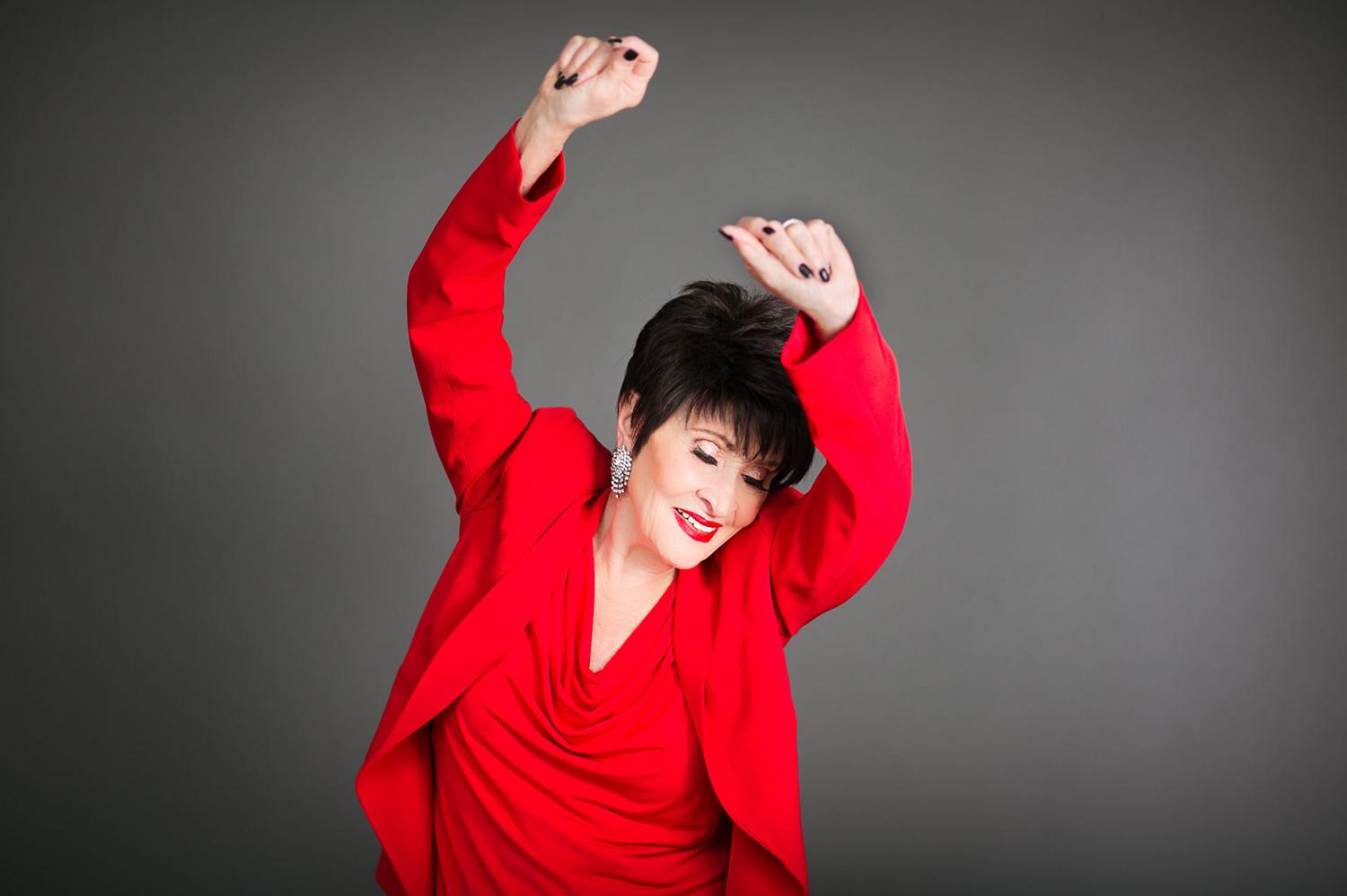
Jan. 30: Chita Rivera, remarkable American singer, dancer and actress of Puerto Rican descent who leaped to fame as Anita in West Side Story and later played a number of other tough women including Rosie in Bye Bye Birdie, the murderess Velma Kelly in Chicago and the title role in Kiss of the Spider Woman, who never fully recovered from a car accident that shattered her leg in 1986 but continued to perform in a cabaret act for many years, 91
Feb. 5: Toby Keith, country singer-songwriter from Oklahoma who worked as a rodeo hand and oil-field roughneck before achieving success and his first recording contract as a singer, who had several No. 1 country hits including “Who’s Your Daddy?” and controversial pro-America rants including “Courtesy of the Red, White and Blue,” 62
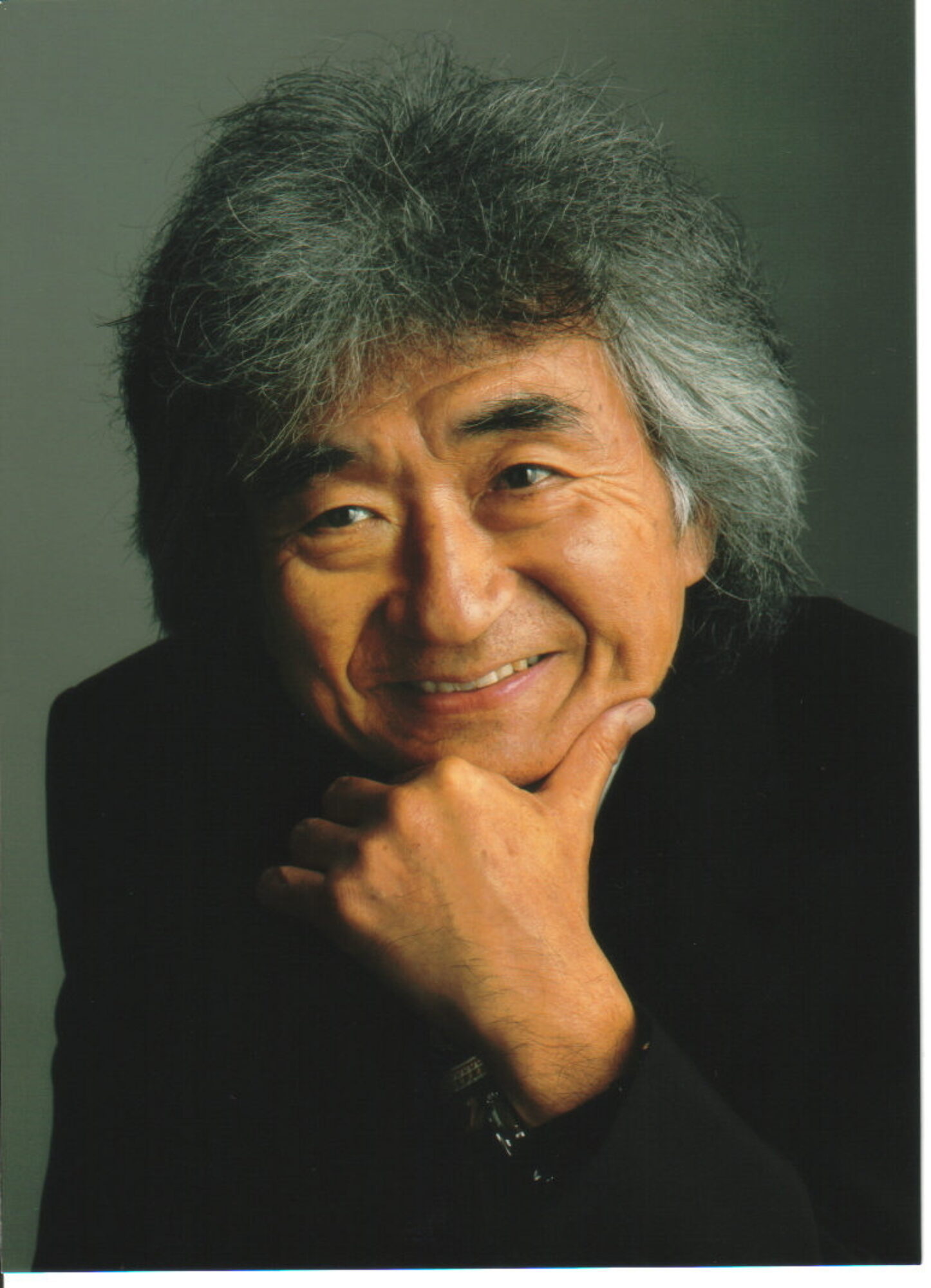
Feb. 6: Seiji Ozawa, the Japanese conductor who led the Boston Symphony longer than any conductor in its history 1972–2002, who studied with leading conductors including Charles Munch, Pierre Monteux and Herbert von Karajan, was appointed assistant conductor of the New York Philharmonic by Leonard Bernstein (1961–62), was music director of the Toronto Symphony (1965–69), the San Francisco Symphony (1977–77) and the Wiener Staatsoper (2002-10), founded his own music festival in Japan, won Emmy and Grammy awards, was awarded Chevalier of the Légion d’honneur in France, the Austrian Cross of Honor, the Order of Culture in Japan, and numerous other honors worldwide, 88
Feb. 7: Henry Fambrough, the last surviving member of the R&B vocal group the Spinners, which originated outside Detroit in 1954 and joined the Motown roster in 1964, then had a string of hits including “I’ll Be Around” and “Could it Be I’m Falling in Love,” while recording for Atlantic records from 1972 on; just a few months after the original group was inducted into the Rock & Roll Hall of Fame, 85
Feb. 22: Roni Stoneman, an American banjo virtuosa who appeared regularly on the country music variety show “Hee Haw” as the gap-toothed Ida Lee Nagger, was a member of the Appalachian string band the Stoneman Family, and was recognized in 1957 as the first woman to record on bluegrass banjo, 85
March 7: Steve Lawrence, Grammy- and Emmy-winning singer and lifelong onstage partner with his wife Eydie Gormé, who got his start on “Arthur Godfrey’s Talent Scouts” at 15, and together with Gormé performed in nightclubs, in concert, and as a regular on the “The Steve Allen Show,” and individually appeared on Broadway, in film and television shows, 88
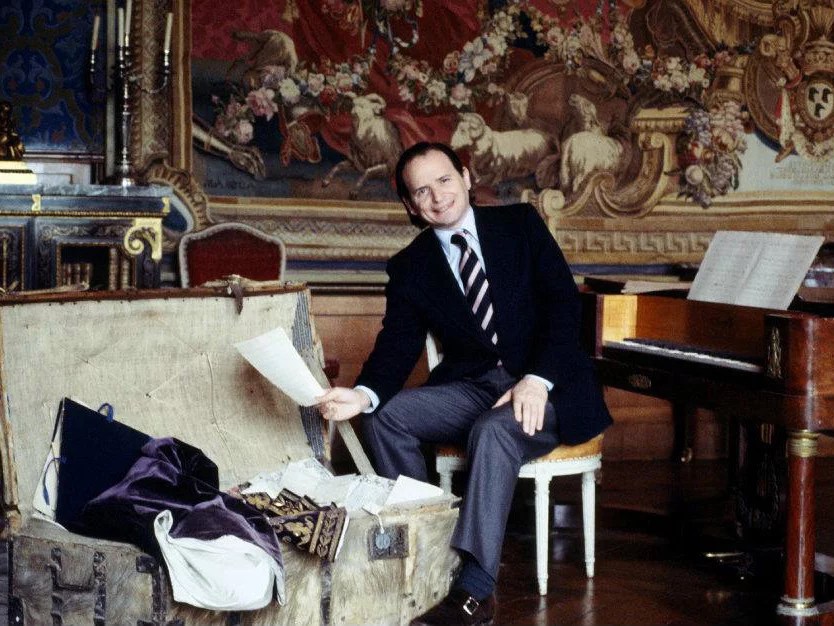
March 14: Byron Janis, an American pianist known for performances of the Romantic repertoire, and for having studied with Josef and Rosina Lhevinne from the age of seven, who made his orchestral debut playing the Rachmaninoff Second Piano Concerto at 15 and subsequently studied with Vladimir Horowitz; who taught for many years at the Manhattan School of Music and in 1967 discovered two Chopin manuscripts in a French chateau, who while suffering from arthritis in his hands stopped performing and turned to songwriting, but later was able to return to playing, 95
March 20: Aribert Reimann, prolific German composer of complex and challenging operas based on works by Shakespeare, Kafka and others, best known for his 1978 opera Lear, based on Shakespeare’s King Lear, which has been produced more than 30 times around the world, a frequent collaborator and accompanist for Dietrich Fischer-Diskau, and who taught at the Hochschule für Music in Hamburg and the Hochschule (later Universität) der Künste in Berlin, 88
March 23, Maurizio Pollini, Italian pianist of formidable and precise technique and intellectual rigor whose broad repertoire included contemporary works by Stockhausen and Boulez as well as classics by Beethoven and Chopin, who grew up in an artistic family with a father who was both a violinist and an architect and a mother who was a singer and pianist, who began performing as a child and won notable prizes including first prize at the International Chopin Competition at the age of 18 in 1960, and later received notice as a member of the Italian Communist Party, 82
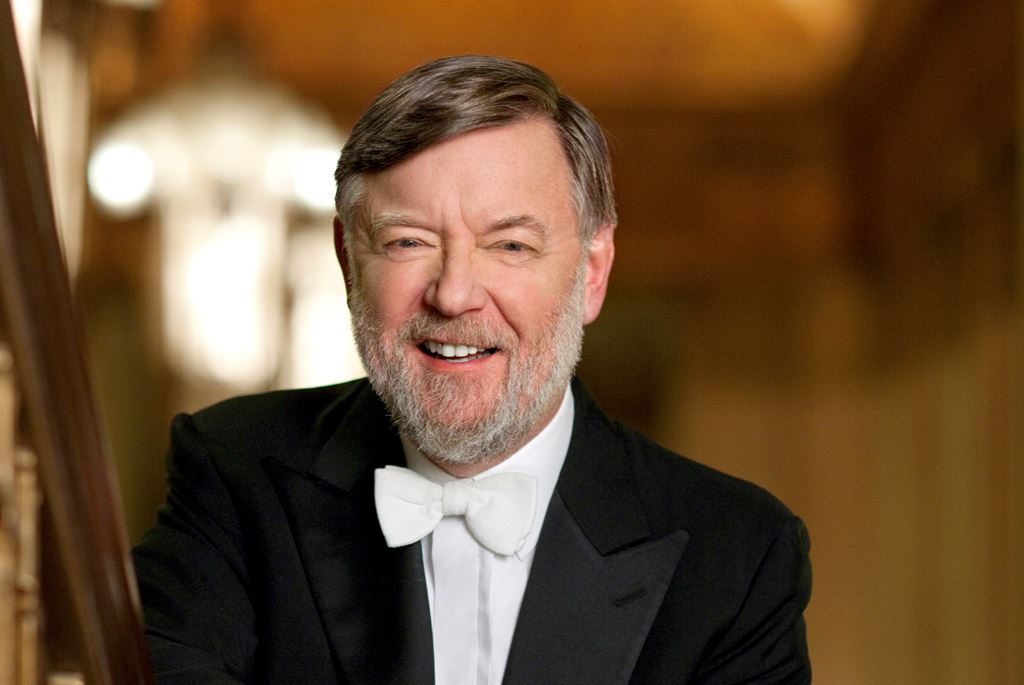
April 20: Sir Andrew Davis, distinguished British conductor, music director and principal conductor of the Chicago Lyric Opera 2000–21, former chief conductor of the BBC Symphony and musical director of the Glyndebourne Festival Opera, known his performances of 20th-century British composers and for his humorous speeches at the Last Night of the Proms (Promenade Concerts), a traditional event on the British music calendar which he led 12 times, who was also conductor of the Toronto Symphony Orchestra and the Melbourne Symphony Orchestra, 80
April 30: Duane Eddy, self-taught guitarist whose reverberant, staccato style of playing became known as “twang” and influenced Jimi Hendrix, Bruce Springsteen and other rock guitarists, and whose own hits including “Rebel Rouser” and “Forty Miles of Bad Road” sold millions of copies worldwide, 86
May 12: David Sanborn, prolific American alto saxophonist, winner of six Grammy awards, eight gold albums and one platinum one, who performed with jazz artists including Miles Davis, Sonny Rollins, Gil Evans and George Benson, as well as James Taylor, Paul Simon, David Bowie, Leonard Cohen and Elton John and other popular artists and band leaders; who took up the saxophone at 11 while recovering from polio, 78
May 25: Richard M. Sherman, younger of two songwriting brothers for Disney films who together won two Oscars and two Grammys, known best for their song “It’s a Small World” written for the ride unveiled at the New York World’s Fair in 1964 and later installed in Disneyland, and also for their songs from the 1964 film Mary Poppins, including “A Spoonful of Sugar” and “Chim Chim Cher-ee,” 95
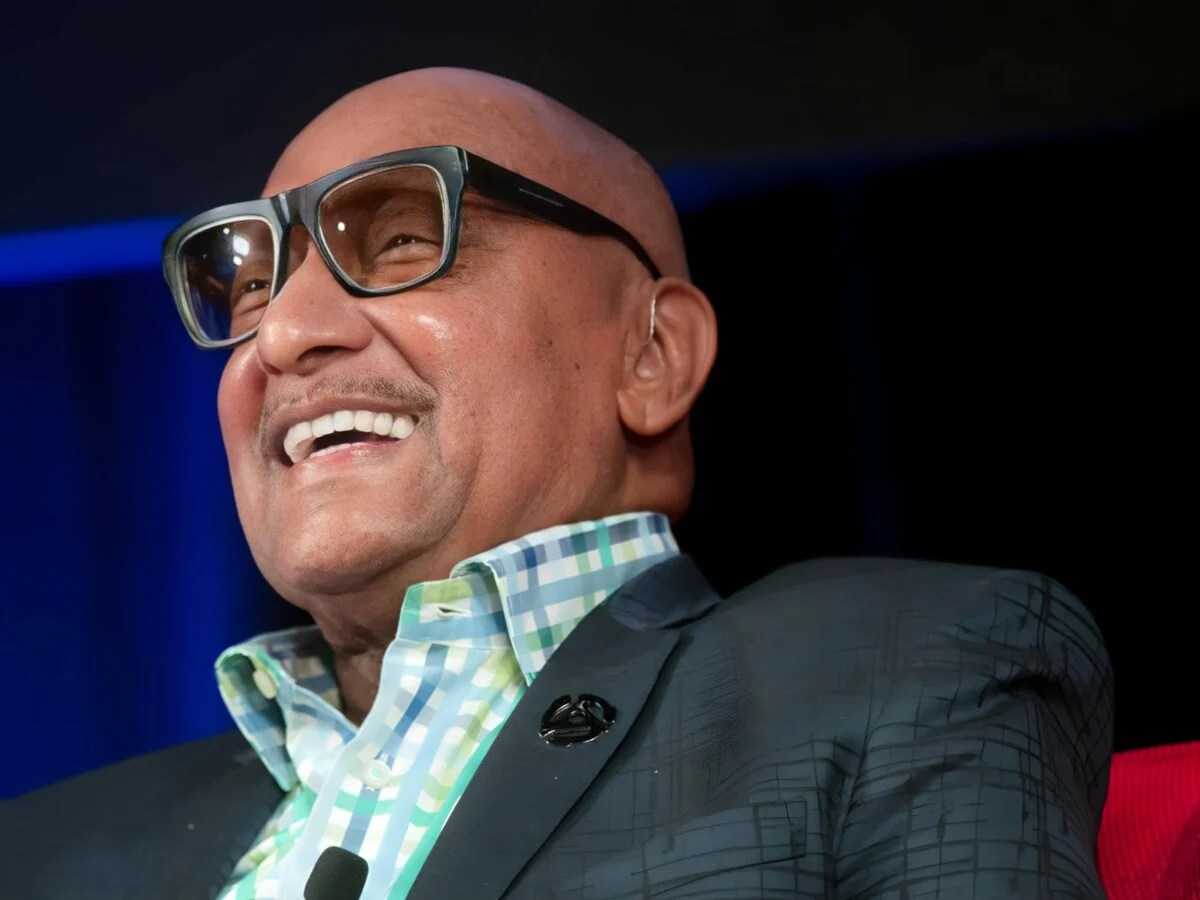
July 22: Abdul “Duke” Fakir, first tenor and the last surviving member of the Motown singing group the Four Tops, who were known for their top hits including “I Can’t Help Myself (Sugar Pie, Honey Bunch)” and “It’s the Same Old Song,” who remained in Detroit when Motown records relocated to LA, and who were inducted into the Rock & Roll Hall of Fame in 1990, 88
July 23: Richard Crawford, noted scholar of American music and professor at the University of Michigan, who discovered American music as a specialty as a graduate student in the 1960s and made it an important area of research, author of America’s Musical Life: A History, 89
July 25: Benjamin Luxon, British baritone known for his performances in the operas of Benjamin Britten as well as roles including Don Giovanni and Falstaff, whose flourishing career was cut short in the 1990s by encroaching deafness, for whom Britten wrote the title role of his television opera Owen Wingrave, and who appeared at the Metropolitan Opera, La Scala and in Los Angeles as well as England, 87
July 27: Wolfgang Rihm, eminent German composer recognized as an original and prolific creative voice, the most performed German contemporary composer of concert music and operas, composer of more than 500 works including the opera Jakob Lenz and the orchestral song cycle Reminiszenz, professor at the Karlsruhe University of Music and director of the Lucerne Festival Academy, 72
Aug. 23: Russell Malone, jazz guitarist known for his relaxed playing style, who was a longtime member of the Ron Carter Trio, performed with Harry Connick, Jr., B.B. King, Branford Marsalis, Sonny Rollins and many others, in addition to his work as a solo artist and 10 albums as leader, 60
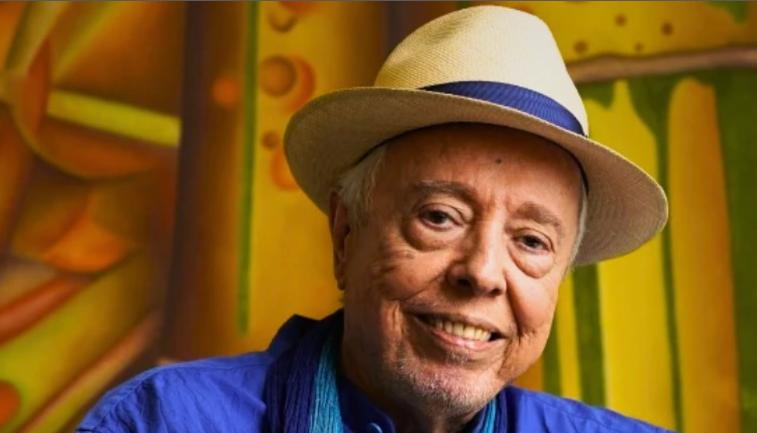
Sept. 5: Sergio Mendes, Brazilian composer, pianist and band leader who made bossa nova a popular sensation with Brasil ’66, one of several ensembles he led, and who released more than 30 albums and won three Grammys over a career lasting more than six decades, including more recent collaborations with younger artists the Black Eyed Peas, John Legend, Pharrell Williams and others, 83
Sept. 28: Kris Kistofferson, American singer/songwriter, Rhodes scholar, U.S. Army helicopter pilot, and later movie star whose songs were recorded by dozens of artists, from the Grateful Dead to Gladys Knight and the Pips and from Johnny Cash to Janis Joplin, whose lyrics were distinguished by a literary quality in songs including “Me and Bobby McGee” and “Help Me Make it Through the Night,” and who won several Grammies and Country Music Association awards and a Golden Globe, 88
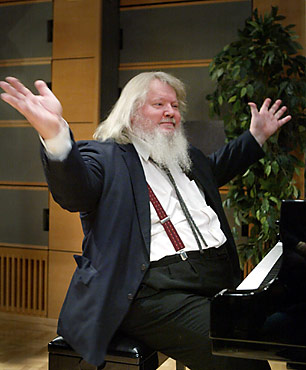
Oct. 9: Leif Segerstam, a Finnish composer and self-proclaimed “Jesus of Music” who wrote literally hundreds of symphonies and conducted the Helsinki Philharmonic Orchestra, known for his mystifying comments on his own works and music in general as well as his masterful performances of music by his countryman Sibelius, 80
Oct. 10: Adam Abeshouse, Grammy Award-winning record producer much loved by the classical musicians he worked with, including Joshua Bell, Simone Dinnerstein, Itzhak Perlman and Leon Fleischer, and who also ran a foundation to help fund recordings of works not otherwise supported by major labels, 63
Oct. 17: Mitzi Gaynor, American dancer and actor who achieved fame as Nellie Forbush in the 1958 film of South Pacific and appeared in musicals with Gene Kelly, Bing Crosby and Frank Sinatra, and later became the highest paid female entertainer in Las Vegas, 93
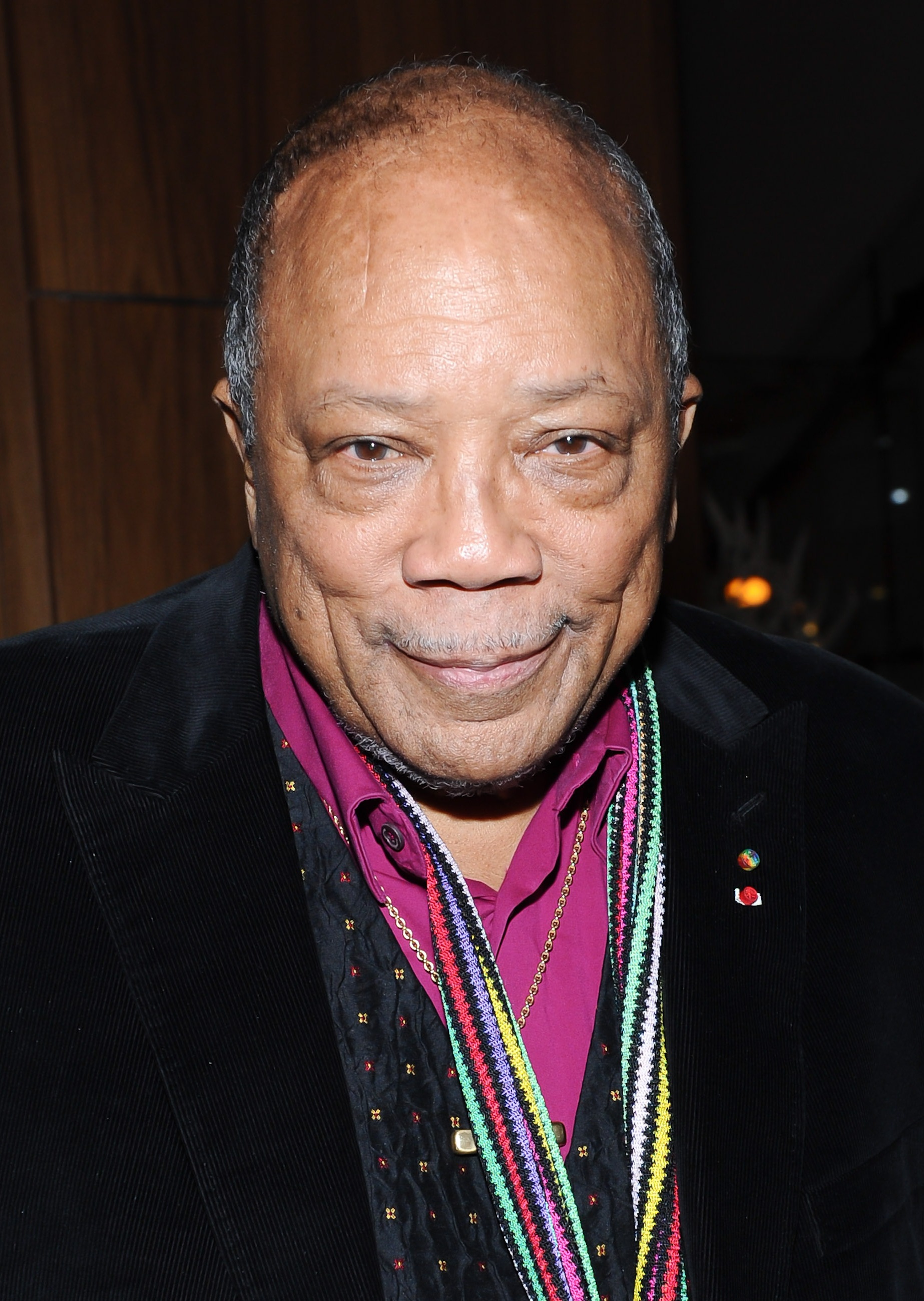
Oct. 25: Phil Lesh, bassist of the Grateful Dead who made his role a leading one in the band, and who also sang high harmonies or lead vocal and wrote or co-wrote several of the Dead’s hits including “Trucking’” and “Box of Rain,” and had studied violin, and studied composition with Lucian Berio, 84
Nov. 3: Quincy Jones, one of the most prominent and powerful personalities in American popular music, whose remarkable range extended from studies with Nadia Boulanger and Olivier Messiaen to producing Michael Jackson’s “Thriller,” who had careers as a jazz trumpeter, arranger for Count Basie, film music composer and record producer, who was nominated for 80 Grammies and won 28—third highest behind Beyoncé and Georg Solti—received honorary degrees from Juilliard, Harvard, Princeton and the New England Conservatory as well as a National Medal of Arts, 91
Nov. 15 : Burton Fine, principal violist of the Boston Symphony for 29 years until 1993, when he retired to play as a member of the orchestra’s viola section for another 10 years, who studied with Ivan Galamian at the Curtis Institute and also had a doctorate in chemistry from the Illinois Institute of Technology and worked for nine years as a research chemist for NASA, 94
Dec. 14: Zakir Hussain, Indian percussionist and composer, revered as a master of North Indian classical music who performed primarily on the tabla and recorded with other leading Indian musicians including Ravi Shankar and Ali Akbar Khan and also worked with jazz musicians and as a member of the East-West fusion group Shakti, 73
 Sharps & Flatirons
Thank you for the research on this annual email – always important to remember!!
Sent from my iPad