The Academy University Hill presents free concert Sunday
By Peter Alexander Nov. 26 at 5:40 p.m.
A musical trio assembled for the occasion—called, fittingly, “The Ad Hoc Trio”—will perform three works by Brahms and Mozart on a free concert at The Academy University Hill Sunday (7 p.m. Dec. 1; details below).
The retirement community does not charge admission for performances held in their Chapel Hall at 883 10th St. in Boulder, but audience members are asked to RSVP in advance HERE.
Sunday’s performers will be CU Boulder College of Music faculty member Erika Eckert, viola; Boulder resident Stephen Trainor, clarinet; and Grinnell College (Iowa) faculty member Eugene Gaub, piano. They will play a trio by Mozart and two sonatas by Brahms, one each performed by viola with piano, and clarinet with piano.
In 1890 Brahms had decided to give up composition, but the following year he heard the clarinetist Richard Mühlfeld. He was so impressed with Mühlfeld’s playing that he changed his mind and wrote two sonatas for him, as well as a trio and quintet with clarinet. The last chamber music Brahms wrote, the sonatas effectively opened the door for later composers’ sonatas for clarinet and piano.
After completing the sonatas, Brahms later arranged them for viola instead of clarinet, making minor alterations to fit the instrument. These versions are rightly known as sonatas for viola and piano, but it is rare to hear both instruments playing these works on the same program. Eckert and Trainor decided to split the two op. 120 sonatas between them, so that the audience has a rare opportunity to hear both instruments in some of Brahms’ most notable chamber music.
Mozart wrote his “Kegelstatt” Trio for his piano student Franziska von Jaquin and the clarinet virtuoso Anton Stadler, for whom he also wrote the Clarinet Concerto and other works. Mozart took the viola part with his two friends in the first performance of the trio, in von Jacquin’s home in 1786. The name “Kegelstatt” means the place where skittles, one of Mozart’s favorite games, is played.
The Ad Hoc Trio Erika Eckert, viola; Stephen Trainor, clarinet; and Eugene Gaub, piano
Brahms: Sonata for clarinet and piano in F minor, op. 120 no. 1 —Sonata for viola and piano in E-flat major, op. 120 no. 2
Mozart: Trio in E-flat major for clarinet, viola and piano, K498 (“Kegelstatt”)
7 p.m. Sunday, Dec. 1 Chapel Hall, Academy University Hill 883 10th St., Boulder
Low Ticket Warning for Dec. 1 Nutcracker in Macky; limited Longmont tickets still available
By Peter Alexander Nov. 26 at 12:05 a.m.
What would the Holiday season be without Tchaikovsky’s beloved ballet The Nutcracker?
For many families, something would definitely be missing from their celebrations. The Boulder Philharmonic and Boulder Ballet open their annual performances of Nutcracker this weekend, with performances Saturday and Sunday (Nov. 30 and Dec. 1; details below), but they are warning that the Sunday matinee, an especially popular time for families to attend events together, has a limited number of tickets left.
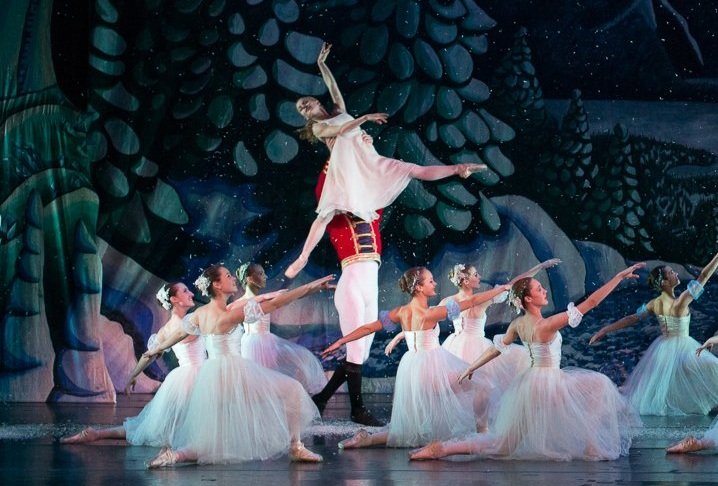
Boulder Ballet production of The Nutcracker
If you do miss the Boulder performances, however, you need not despair! Boulder ballet will also present The Nutcracker in Longmont the following weekend (Dec. 7 and 8; details below) with the Longmont Symphony. Tickets are limited but still available for those performances.
The Boulder Ballet and the Longmont Symphony will also present their annual “Gentle Nutcracker,” an abbreviated and sensory-friendly one-hour version of the ballet at 1 p.m. Saturday, Dec. 7. These performances are designed for individuals with special needs and their families.
In addition to the performances of the full ballet, Boulder Ballet will also feature additional events. As part of a theme titled “Unlocking Tradition,” the stage curtain will be left open until 10 minutes before the performance begins. This will offer audience members a glance behind the scenes, as they will be able to see dancers, musicians and stage crew preparing for the performance.
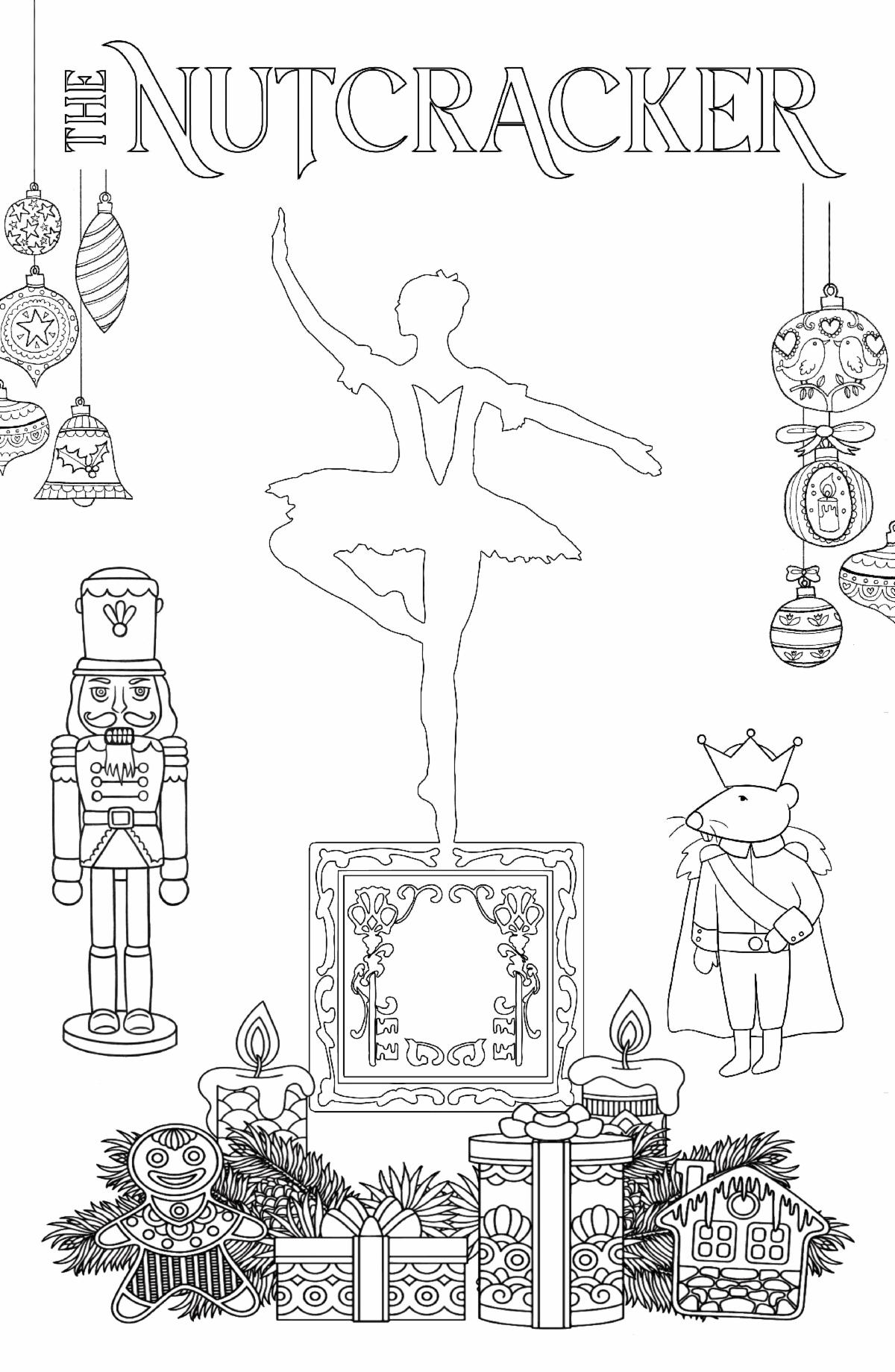
For the performance with the Boulder Philharmonic in Macky Auditorium, there will be a coloring contest for children. A line drawing of characters and images from The Nutcracker has been posted online. Children attending each performance are invited to color the drawing, and bring their colored pages to the performance for a chance to win a Nutcracker doll.
Tchaikovsky: The Nutcracker Ballet
Boulder Ballet with the Boulder Philharmonic, Gary Lewis, conductor
The Nutcracker 1 and 6:30 p.m. Saturday, Nov. 30 1 p.m. Sunday, Dec. 1 LOW TICKETS Macky Auditorium
Mini Chamber concert in Boulder and Groovin’ in Longmont
By Peter Alexander Nov. 19 at 11:40 p.m.
The Boulder Chamber Orchestra (BCO)will present “Mini-Chamber 2,” the second of its chamber music programs for the 2024–25 season, Saturday (7:30 p.m. Nov. 23; details below).
The program features guest pianist Adam Żukiewicz performing quintets for piano and strings by Brahms and Théodore Dubois with members of the BCO string sections. Żukiewicz appeared on a Mini-Chamber concert last spring, and will be the soloist with the orchestra when they perform in New York in Zankel Hall at Carnegie Hall next spring.
Dubois was a prominent French composer in the late 19th and early 20th centuries. After winning the Prix de Rome in1861, he became organist and choirmaster at several churches in Paris and was professor of harmony at the Paris Conservatory 1871–91 and composition until 1896. He became director of the Conservatory in 1896, but had to resign from the position over his hostility to the adventurous student works of Ravel.
Adam Żukiewicz
Dubois was as conservative in his compositions as he was as a leader of the Conservatoire. He wrote orchestral chamber and choral works. most of which have disappeared from the standard repertoire, while his theoretical books are still used for teaching.
Brahms wrote in Piano Quintet in F minor over a number of years, first as a string quintet, then as a sonata for two pianos. The first version dates to 1861, and the final form, the Quintet for piano and strings, was completed in 1864 and premiered in 1868. Widely considered one of the great works of chamber music from the 19th century, it comprises four movements that last around 45 minutes in performance.
A native of Poland, Żukiewicz has studied at the Royal Academy of Music in London and the Jacobs School of Music at Indiana University, and holds a doctorate from the University of Toronto, where he also served on the faculty. He won first prize both the 2011 Canada Trust Music Competition and the 2012 Shean Piano Competition in Canada, and was a medalist at several other contests. Since 2018 he has been a judge for the Steinway Piano Competition.
# # # # #
Boulder Chamber Orchestra: Mini-Chamber 2 Adam Żukiewicz, piano, with members of the BCO
Théodore Dubois: Piano Quintet in F major
Brahms: Piano Quintet in F minor, op. 34
7:30 p.m. Saturday, Nov. 23 Boulder Adventist Church
The Boulder Philharmonic Orchestra will repeat its “Groove” concert, first presented at Planet Bluegrass in September, next Monday at the Dickens Opera House in Longmont (6:30 p.m. Nov. 25).
The concert is one in the Boulder Phil’s new “Shift” series, designed to bring the orchestra’s musicians into informal spaces and present them in smaller groups. Each program in the “Shift” series will be presented first at Planet Bluegrass in Lyons, and then taken to smaller venues in Longmont and Boulder.
“Groove” features the Boulder Philharmonic String Quartet, principal players from each of the orchestra’s string sections. The program includes music by pop sensations from Lizzo to Taylor Swift alongside pieces by living composers including Philip Glass and Jessie Montgomery. And neither a pop sensation nor living, Vivaldi shows up on the program with one piece as well.
# # # # #
“Groove” Boulder Philharmonic String Quartet: Ryan Jacobsen and Hilary Castle-Green, violin; Stephanie Mientka, viola; and Amanda Laborete, cello
Takashi Yoshimatsu: Atomic Hearts Club Quartet, Movement I
Justin Bieber: “Peaches” (arr. Alice Hong)
Dinuk Wijeratne:Two Pop Songs on Antique Poems: “Letter from the afterlife”
Carlos Simon: “Loop”
Michael Begay: “Forest Fires”
Lizzo: “ Good As Hell” (arr. Alice Hong)
Jessie Montgomery: “VooDoo Dolls”
Philip Glass: String Quartet No. 3: VI “Mishima/Closing”
Taylor Swift: “All Too Well” (arr. Alice Hong)
Wijeratne: Two Pop Songs on Antique Poems: “I will not let you go”
Ed Sheeran: “Shape of You” (arr. Alice Hong)
Due Lipa: “Dance the Night” (arr. Zack Reaves)
Jessica Meyer: “Get into the NOW”: III. “Go Big or Go Home”
Vivaldi: Summer: Movement III (arr. Naughtin)
6:30 pm. Monday, Nov. 25 Dickens Opera House, Longmont
Longmont Symphony hosts violinist Andrew Sords Saturday
By Peter Alexander Nov. 14 at 9:24 p.m.
The Longmont Symphony Orchestra (LSO) returns to its long-time home venue, Vance Brand Civic Auditorium at Skyline High School, at 7 p.m. Saturday (Nov. 16; details below) for their second concert of the 2024–25 season.
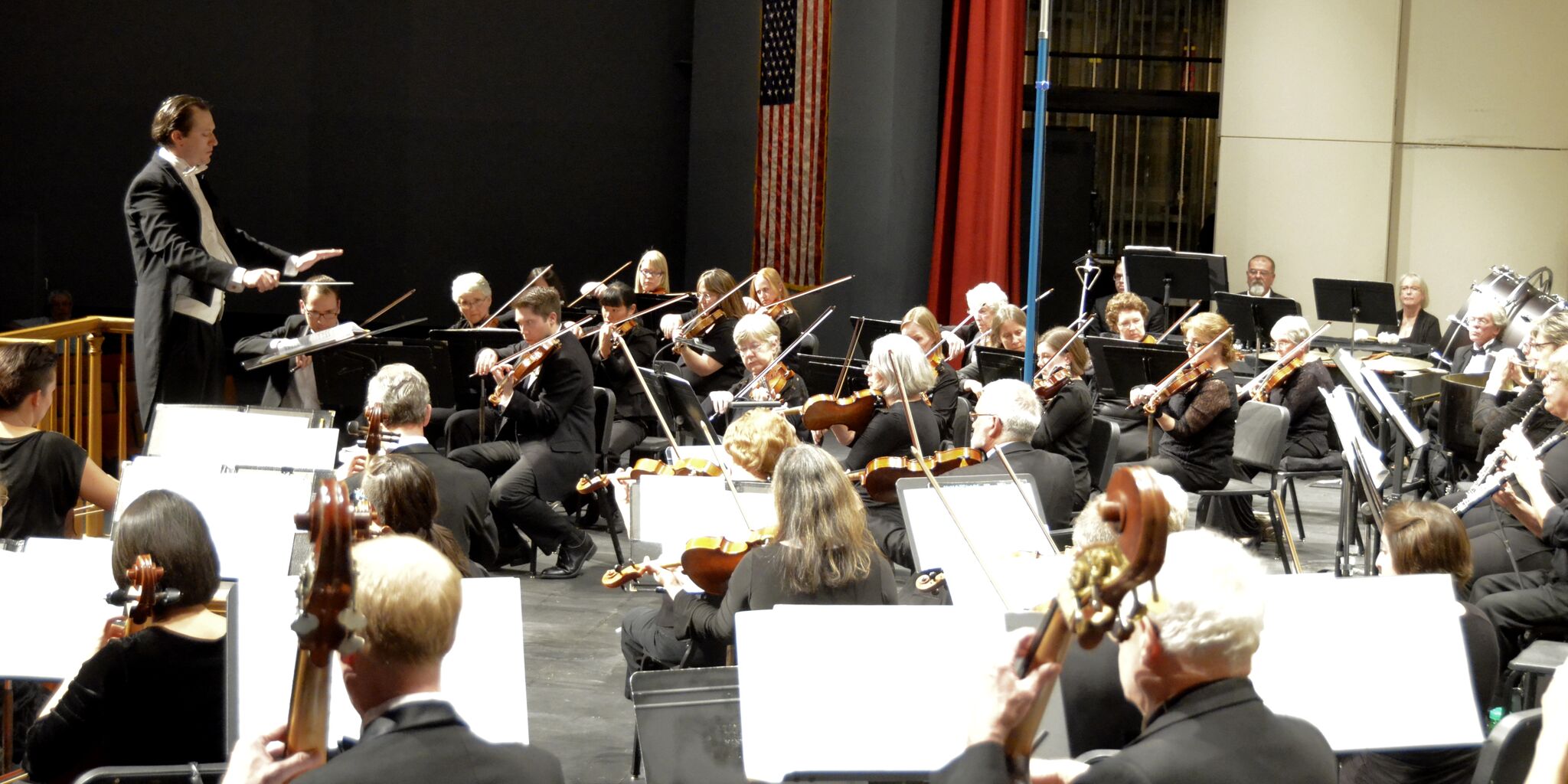
Conductor Elliot Moore with the Longmont Symphony Orchestra
The opening concert on Oct. 7 was in the Longmont High School Auditorium while Vance Brand Auditorium was under repair. Saturday’s concert, titled “An Evening of Romance,” will be conducted by Elliot Moore, the LSO’s music director. Featured soloist Andrew Sords will perform Max Bruch’s Scottish Fantasy.
Other works on the program will be Mendelssohn’s Overture The Hebrides (also known as Fingal’s Cave); Debussy’s impressionist tone poem Prélude à l’après-midi d’un faune (Prelude to the afternoon of a faun); and the Suite from Der Rosenkavalier by Richard Strauss. The concert will be preceded at 6 p.m. by a pre-concert talk by Moore.
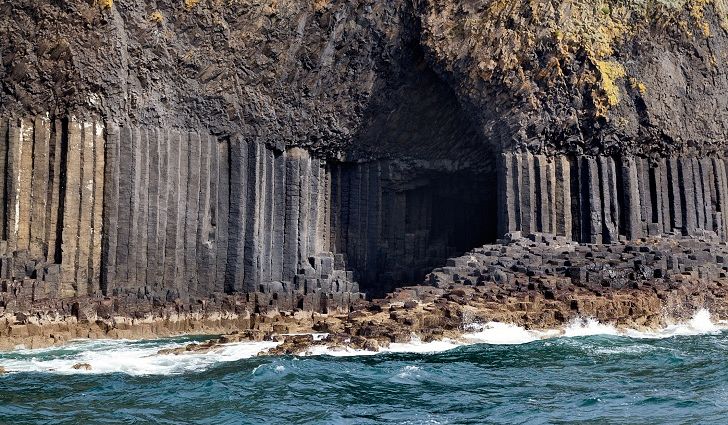
Entrance to Fingal’s Cave, Staffa
The Concert Overture The Hebrides is one of Mendelssohn’s most popular works. It was inspired by Mendelssohn’s 1829 visit to the island of Staffa off the coast of Scotland. Staffa is famous for it’s basalt formation known as “Fingal’s Cave.” The music was written to stand alone as a concert overture. As such it is virtually a symphonic poem inspired by the spectacular cave.
The German composer Max Bruch wrote his Fantasie für die Violine mit Orchester und Harfe unter freier Benutzung schottischer Volksmelodien—happily just known as The Scottish Fantasy—for the great Spanish violin virtuoso Pablo de Sarasate. Bruch had never been to Scotland when he wrote the Fantasy in 1879–80, but he had seen a book of Scottish folk songs in a library in Munich.
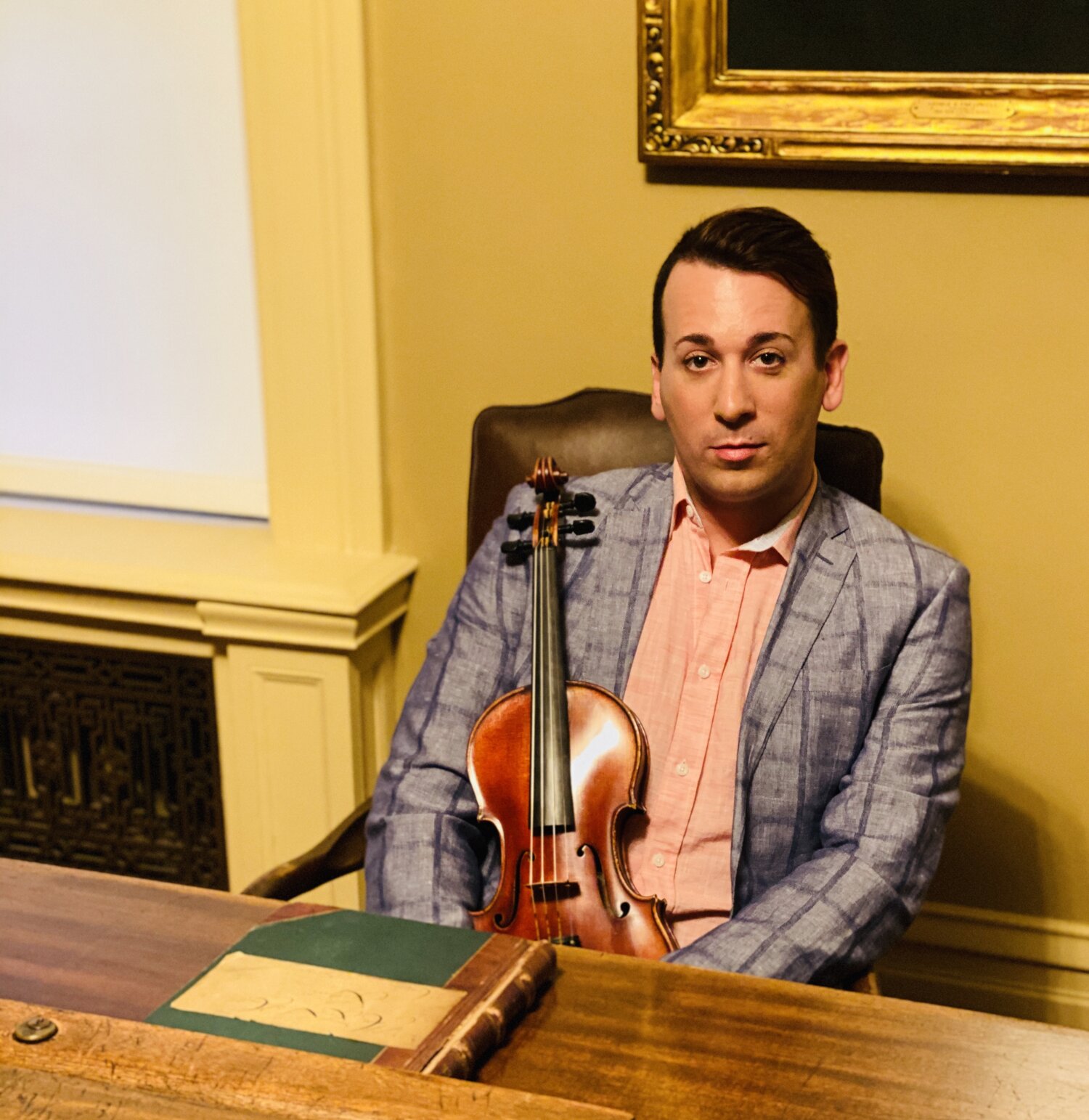
Violinist Andrew Sords
Although titled a fantasy, the work is structured in four movements much like a traditional concerto, and in some performances it was in fact called “Concerto for Violin (Scotch)” and “Third Violin Concerto (with free use of Scottish melodies).” Each of the movements is based on a separate Scottish folk song.
Debussy’s atmospheric Prelude to the Afternoon of a Faun is known for its languid opening flute solo and its role in establishing the impressionist style in music—as conductor and composer Pierre Boulez wrote, “the flute of the faun brought new breath to the art of music.” Debussy wrote the Prelude in 1894 and it achieved greater fame and notoriety when it was given a highly suggestive treatment by the Russian dancer Vaslav Nijinsky in 1912.
Richard Strauss’ comic opera Der Rosenkavalier—a nearly untranslatable word that means loosely “the rose cavalier”—is one of Strauss’ greatest and most popular operas. It was written to a libretto by the Austrian writer Hugo von Hofmannstal in 1909–10 and premiered in Dresden in 1911. Its comic situations and deep exploration of the characters’ personalities make it one of the most human and touching operas in the repertoire.
The opera itself was quickly translated into other languages and performed widely in Europe soon after the premiere. The Viennese-style waltzes and other memorable numbers from the opera have been popular as music for orchestral concerts, as reflected in the suite.
The American violinist Andres Sords has had a highly successful career as a soloist, appearing with nearly 300 orchestras on four continents. He also performs in a trio with John Walz, cello and Timothy Durkovic, piano, in addition to solo recital appearances. He grew up in Shaker Heights, Ohio, and studied at the Cleveland Institute of Music and Southern Methodist University in Dallas.
# # # # #
“An Evening of Romance” Longmont Symphony Orchestra, Elliot Moore, conductor With Andrew Sords, violin
Mendelssohn: The Hebrides Concert Overture
Max Bruch: Scottish Fantasy
Debussy: Prélude à l’après-midi d’un faune (Prelude to the afternoon of a faun)
Coreen Duffy will conduct ‘Judas Maccabeus’ Friday-Sunday
By Peter Alexander Nov. 13 at 5:55 p.m.
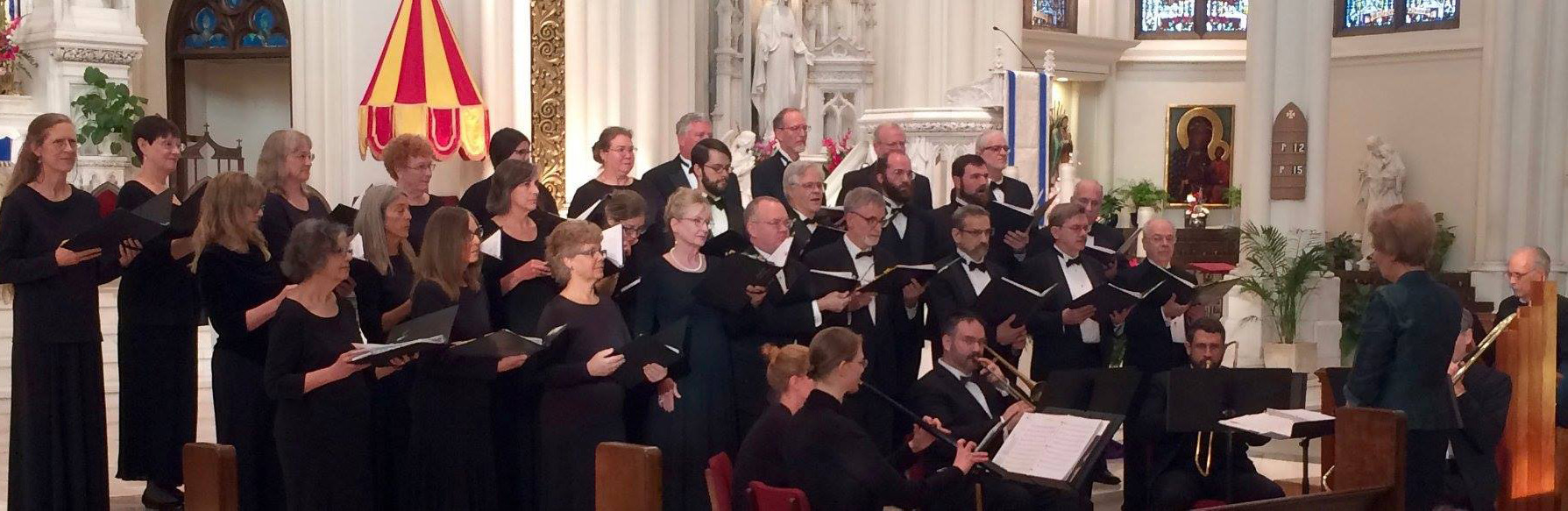
Seicento Baroque Ensemble is starting the concert season with a new conductor and a Handel oratorio that is likely new for many in the audience.
Coreen Duffy, newly hired as Seicento’s artistic director and as director of choral activities at the CU College of Music, is a specialist in Jewish choral music. She will conduct the singers of Seicento and an orchestra of Baroque period instruments in a performance of Handel’s oratorio Judas Maccabeus. Performances will be Friday through Sunday in Longmont, Boulder and Denver (Nov. 15–17; details below).
Seicento in 2022 with founding director Evanne Browne
Handel’s Judas Maccabeus was composed in 1746, the 18th of the composer’s remarkable output of 18 or 19 oratorios, depending on how you count them. Based on the historical event of the rebellion of the Jewish people against the Greek Seleucid Empire in the years 170–160 BCE, the libretto was written by Thomas Morell who wrote several oratorio texts for Handel.
The story of Judas Maccabeus is tied to the Jewish holiday of Hanukkah, which celebrates the return of Jewish worship to the Second Temple in Jerusalem during the revolt. Eventually the revolt led to victory over the Greeks and their expulsion from Judea.
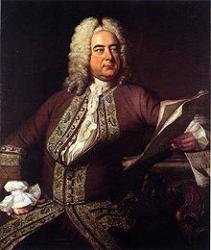
George Frideric Handel
Handel wrote Judas Maccabeus at a time that his oratorios were losing their popularity. To revive his success, he wrote Judas Maccabeus to celebrate the 1746 victory of the English over the Scots at Culloden. To appeal to the British audience, the libretto stresses the military victory of the Jewish people, rather than the “The Festival of Lights” and the Hanukkah story of lamps that miraculously burned for eight days. The premieretook place at in London on April 1, 1747, nearly a year after the battle of Culloden.
The oratorio comprises 68 separate musical numbers organized in three acts, much like Messiah. It includes 17 choruses, as well as arias for the soloists who portray Judas Maccabeus, his brother Simon, a messenger and other characters in the story.
Because it never achieved the broad popularity of Handel’s Messiah, Judas Maccabeus is often regarded as secondary to the more famous work. However, it does contain one of Handel’s most popular choruses, “See, the Conqu’ring Hero Comes!” This chorus has been adapted several times, including a set of variations for cello and piano by Beethoven, a hymn tune, and a movement of Henry Wood’s Fantasia on British Sea Songs.
A performance of Judas Maccabeus is a major undertaking. Seicento will feature its full choir, four soloists—Alice Del Simone, soprano; Alexandra Colaizzi, mezzo-soprano; Javier Abreu, tenor; and James Robinson, bass—and an orchestra with local Baroque-instrument string players and a number of period wind-instrument specialists, most brought in from outside Boulder.
Duffy links the oratorio firmly to the celebration of Hannukah. She has written of the upcoming performance, “The Jewish High Holy Day season (is) a time of intense contemplation, when we consider the past year in retrospect, make amends with each other and set goals for the coming year.
“This year, the Seicento Baroque Ensemble has set an exciting performance goal . . . one of Handel’s greatest—yet under-performed—oratorios, Judas Maccabaeus. This Chanukah oratorio tells the story of the Maccabees’ fight for religious tolerance and freedom from persecution. Handel’s music soars over the conflict, desolation, and joy, lifting the Chanukah story up for new generations.”
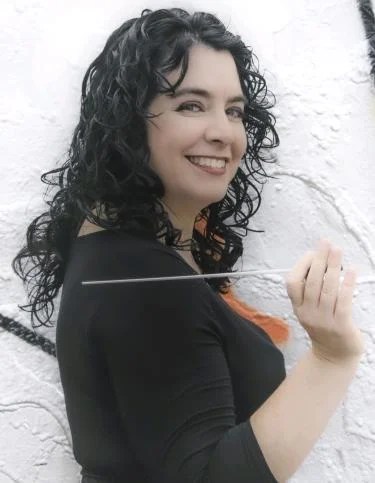
Coreen Duffy
Duffy replaces the founding director of Seicento, Evanne Browne. Her duties at the College of Music include leading the graduate program in choral conducting at both the master’s and doctoral levels. She earned degrees from the University of Michigan (bachelors degree with honors in English), the University of Michigan Law School (Juris Doctor), the University of Miami Frost School of Music (masters in conducting) and the USC Thornton School of Music (doctorate in choral music).
Before coming to CU-Boulder, Duffy was on the faculty of the University of Montana and the University of Miami Frost School of Music, and practiced law in California. She is excited to join the faculty at CU, saying “it’s a legacy program . . . the envy of the country in terms of the gold standard for choral literature studies.”
At Seciento, she says, “it’s a wonderful opportunity to continue the amazing work that Evanne Browne had done. We’re taking on the enormous project from the get-go this fall, with Judas Maccabeus. Next spring the title of the concert is “Renaissance women.” It will be all women composers of the Renaissance and Baroque.
“That will be really fun to do—music that doesn’t get done very often.”
# # # # #
Seicento Baroque Ensemble, Coreen Duffy, director With Alice Del Simone, soprano; Alexandra Colaizzi, mezzo-soprano; Javier Abreu, tenor; and James Robinson, bass Orchestra of Baroque-era period instrumentalists
Handel: Judas Maccabeus
7 p.m. Friday, Nov. 15, Stewart Auditorium, Longmont 7 p.m. Saturday, Nov. 116, Congregational Nevei Kodesh, Boulder 3 p.m. Sunday, Nov. 17, St. Thomas Episcopal Church, Denver
Spanish virtuoso Pablo Sáinz-Villegas plays at Macky Saturday
By Peter Alexander Nov. 7 at 2:25 p.m.
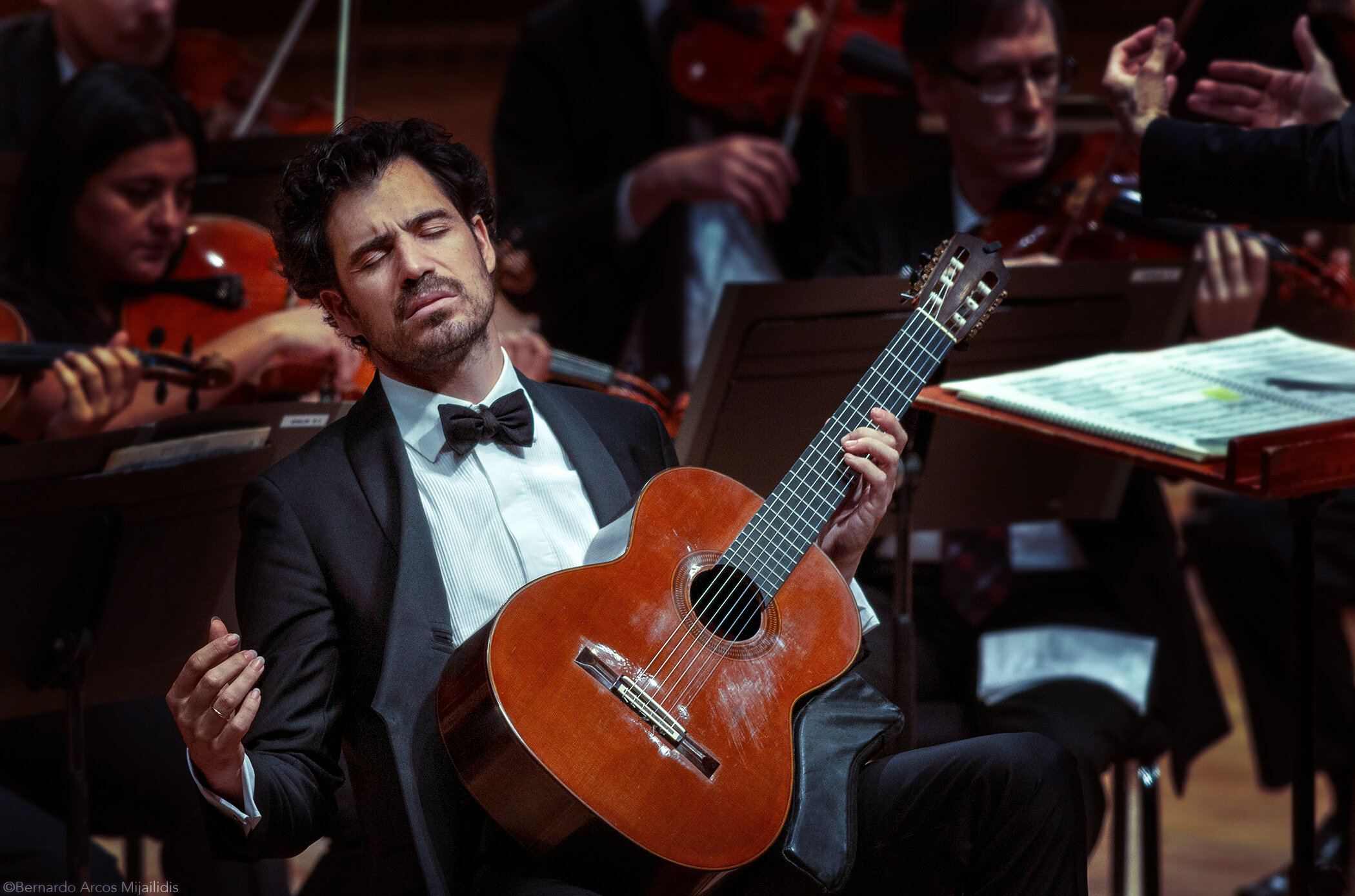
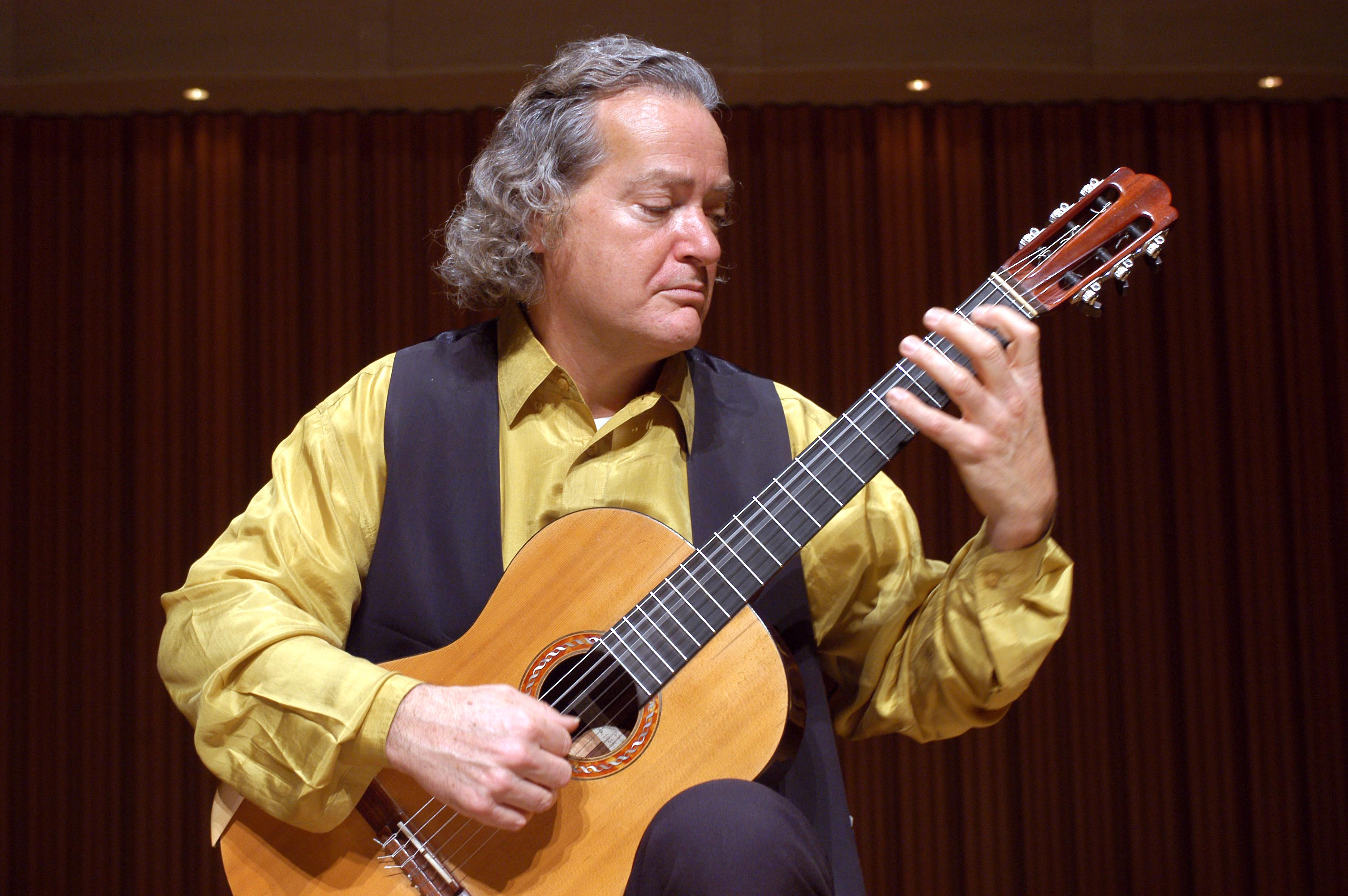
Pablo Sáinz-Villegas, a classical guitarist from Logroño, La Roja, near the Basque Country in Northeastern Spain, will perform a program of “Guitar Masterworks” as part of the CU Presents Artist Series in Macky Auditorium at 7:30 p.m. Saturday (Nov. 9; details below).
Pablo Sáinz-Villegas. Photo by Bernardo Arcos Mihailidis.
His program will feature his own arrangement of the Chaconne from Bach’s Partita in D minor for solo violin, as well as works by Vila-Lobos, Albéniz, Agustín Barrios-Mangoré and Carlo Domeniconi.
The Five Preludes are the last of many works that Brazilian composer Heitor Villa-Lobos wrote for guitar. Each of the five preludes is titled as an homage. The third is an homage to Bach, but the others recognize aspects of Brazilian life and culture: “The Brazilian Backcountry,” “The Scoundrel from Rio,” “The Brazilian Indians” and “The Social Life.”
The instantly recognizable piece by Isaac Albeniz known as Asturias is one of the most popular works for classical guitar. However, it was originally written for piano and titled simply “Prelude.” The title Asturias (Leyenda) was applied after Albeniz’s death by the German publisher Friedrich Hofmeister when he published it in 1911. Hofmeister also included Asturias in what he called the “complete version” of the Suite española, although Albeniz had not included it as part of a larger work at all.
The piano piece was written to imitate the sound of flamenco guitar, and it has been transcribed for guitar several times, including by the great Spanish guitarist Andrés Segovia. In addition to its wide popularity among classical guitarists, it has also been used in by rock and pop groups, including The Doors and Iron Maiden.
Agustín Barrios-Mangoré
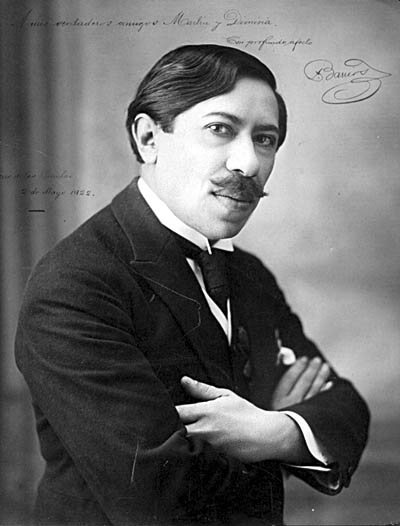
The other composers on the program are well known to guitarists but may not be familiar to classical audiences in this country. Agustín Barrios-Mangoré was a guitarist and composer from Paraguay who lived in the first half of the 20th century. Also known as Nitsuga (Augustin spelled backwards!) Mangore and Augstín Pío Barrios, he began university studies in music and other fields when he was only 15.
He was known for both his brilliantly virtuosic performances on guitar and for his poetry. He had numerous students, including 12 that he taught while living in El Salvador who were known as “The Twelve Mangoreanos.”
Many of his works for guitar were influenced by South and Central American folk music. Un sueño en la floresta (A dream in the forest) is known for its extensive use of complex tremolos and its ending on a high C that requires one more fret than are found on most guitars.
Carlo Domeniconi
Italian guitarist and composer Carlo Domeniconi spent many years living in Istanbul, Turkey. That experience led to Koyunbaba, a suite inspired by Turkish music. The title refers to a region of Turkey, and also means “shepherd.” Domeniconi’s best known work, Koyunbaba uses “scordatura” (an alternative tuning of the strings) to create exotic effects and evoke the Turkish origin of the music.
After musical studies in his native province of La Roja, Sáinz-Villegas has lived and managed his career in New York. Since his debut with the New York Philharmonic with conductor Rafael Frühbeck de Burgos, he has played in more than 40 countries with orchestras including the Berlin Philharmonic, Chicago Symphony, Philharmonic of Israel, Los Angeles Philharmonic, and the National Orchestra of Spain. Most memorably, he has performed before members of the Spanish Royal Family as well as other heads of state and international leaders.
# # # # #
CU Presents Artist Series: Guitar Masterworks Pablo Sáinz-Villegas, guitar
Heitor Villa-Lobos: Five Preludes
J.S. Bach: Chaconne from the Partita in D minor for solo violin (arr. Sáinz-Villegas)
Isaac Albéniz: Asturias (Leyenda) from Suite Española
Agustín Barrios-Mangoré: Un sueño en la floresta (A dream in the forest)
Boulder Phil to premiere a new work about the solar system Sunday
By Peter Alexander Nov. 6 at 2:55 p.m.
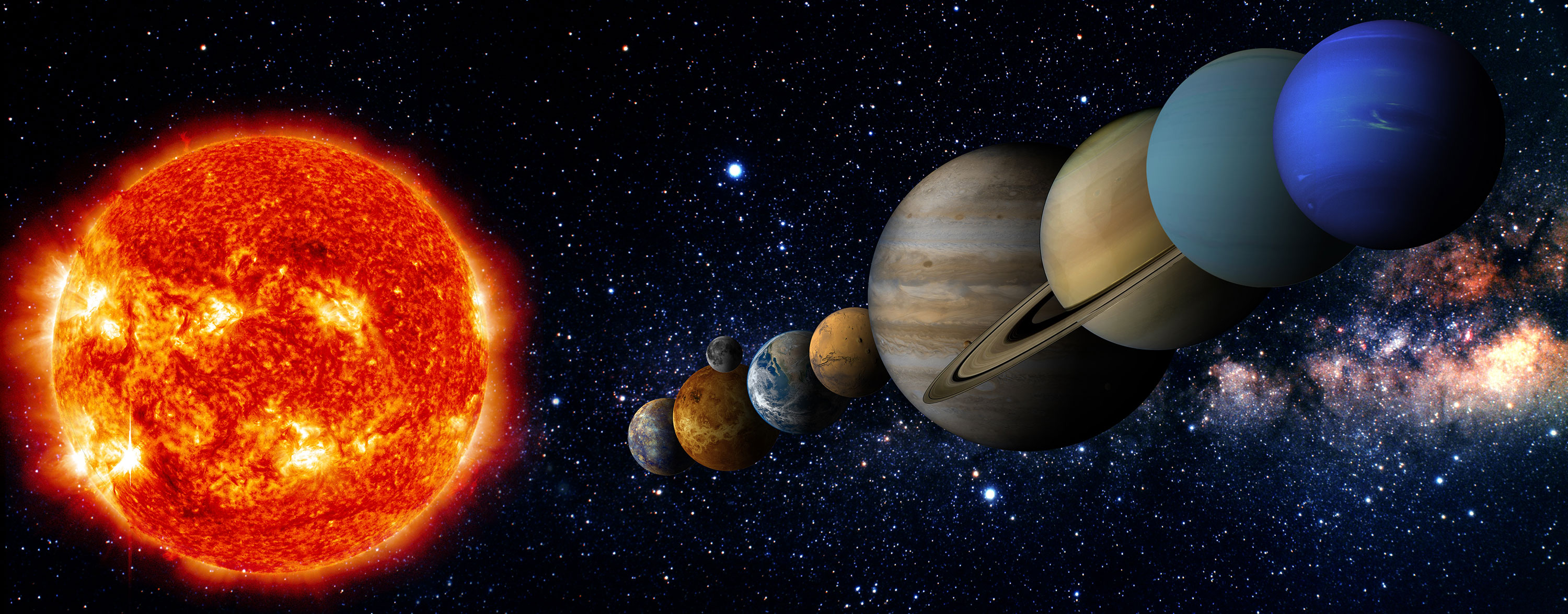
Gustav Holst’s seven-movement orchestral suite The Planets is one of the best known and most popular pieces in the orchestral repertoire. But did you know there is a new piece about the moons in our solar system to go with it?
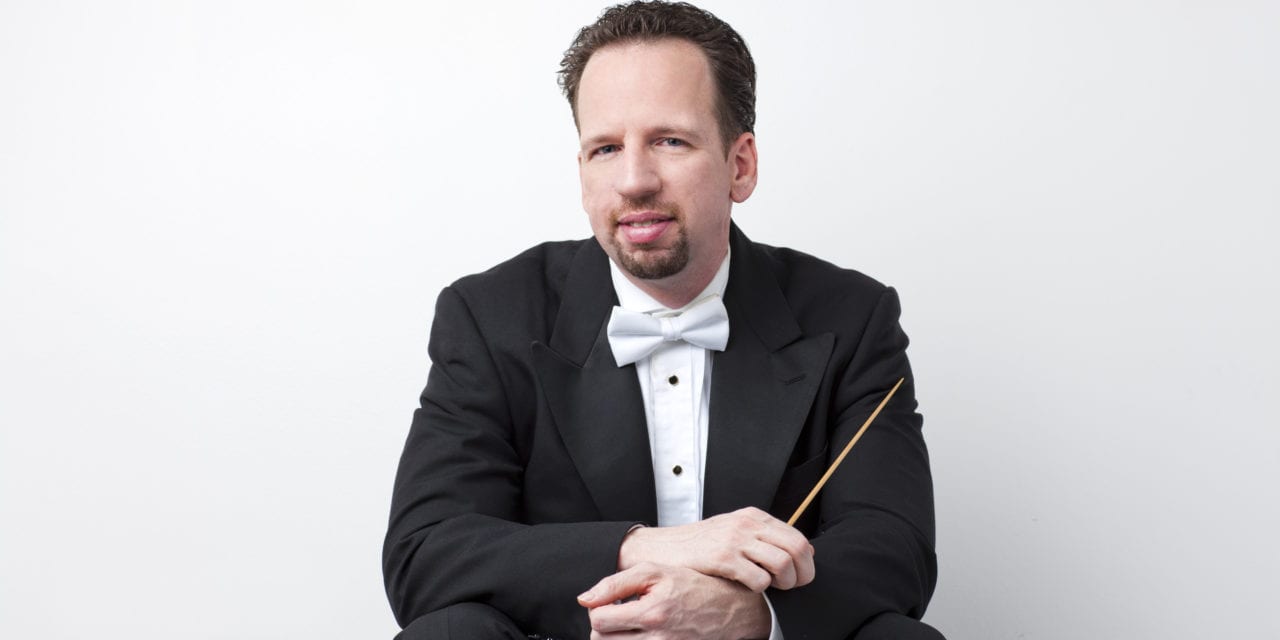
That new piece, Moons of the Giants by Colorado composer John Heins, will receive its world premiere from the Boulder Philharmonic on a program that includes Holst’s score at 4 p.m. Sunday (Nov. 10; details below). The performance will be led by guest conductor Scott O’Neil, who is staff orchestrator and conductor for the Colorado Symphony. He replaces the Boulder Phil’s music director Michael Butterman, who will be out for the remainder of 2024 for health reasons.
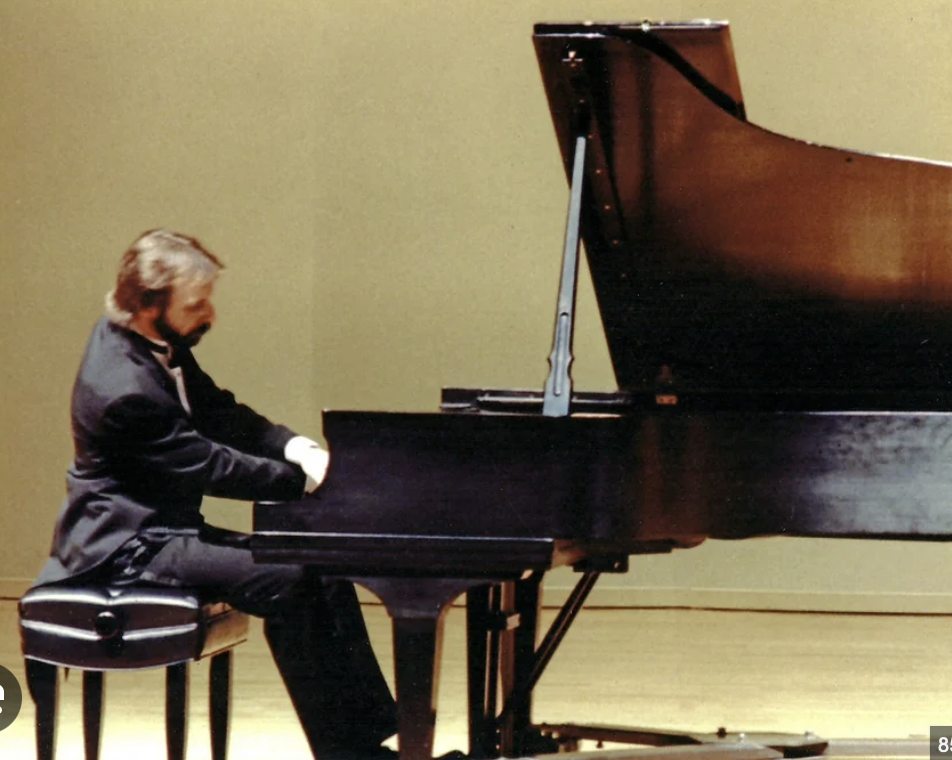
John Heins
Heins wrote the piece without a commission, just from his own inspiration, and then hoped to find an orchestra that would play it. Butterman said he liked the score as soon as he took a look at it, and even though he won’t be able to conduct in it Boulder he plans to perform it with the Shreveport Symphony in Louisiana, which he also directs, in January.
“I’m just sorry that I won’t get to conduct the premiere,” he wrote in an email.
In an online interview, Heins said “I’ve always been really interested in astronomy and space exploration. The Holst (Planets) is one of my favorite pieces, and I’ve thought about writing some type of piece like that. I came up with the idea to write about some of the moons of some of the planets.
“I narrowed it down to the so-called ‘gas-giant’ planets—Neptune, Uranus, Jupiter and Saturn—and picked one or two moons of each of these planets. . . . I picked six of the moons. Each one has a different character and mood. (The score is) pretty programmatic and moody, just trying to bring across the impression that the moons had on me when I researched them.”
In his written communication, Butterman noted that “Heins’ work will be presented along with video prepared by CU’s Fiske Planetarium.”
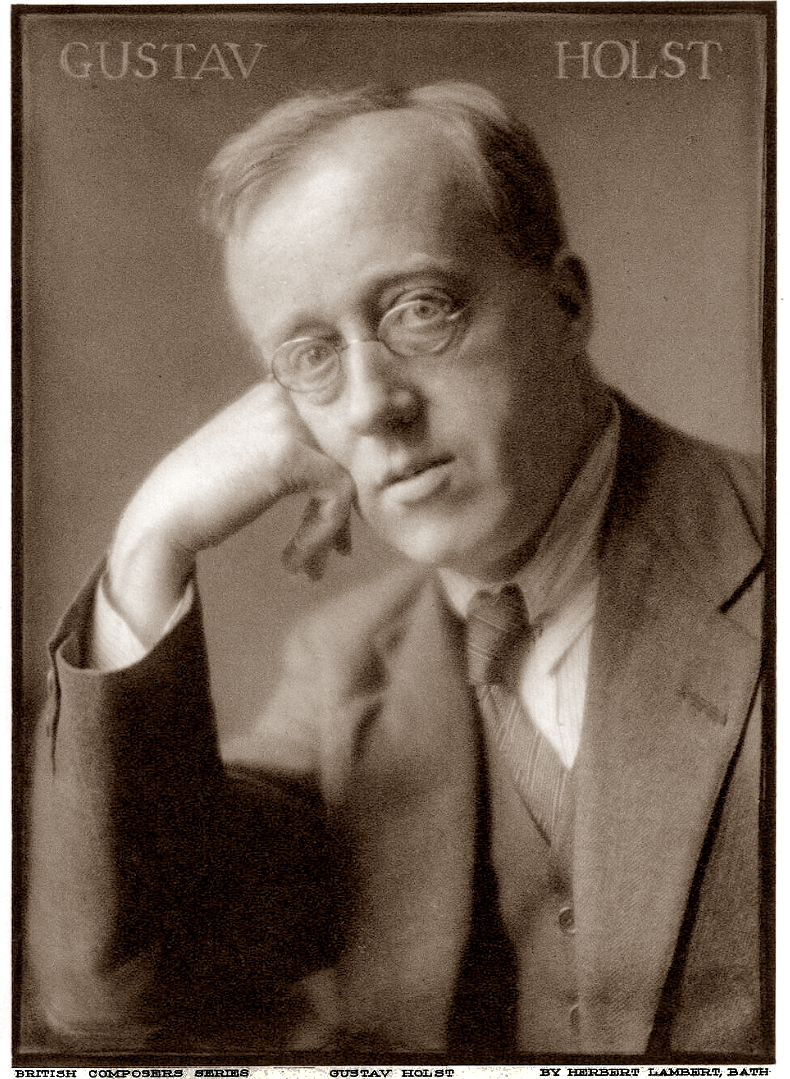
Gustav Holst
The second half of the program, comprising Holst’s Planets, is presented in honor of the 150th anniversary of the composer’s birth. Holst wrote The Planets over a three-year span from 1914 to 1917. Each movement describes not the physical nature of the planet but its astrological significance and the mythological character for which it is named.
The first performance, given in London in 1918, was initially met with hostility from some critics, due to Holst’s imaginative use of color and harmony. Nevertheless, the suite quickly gained popularity with audiences. Today it is one of Holst’s most widely performed pieces, and has been recorded more than 80 times.
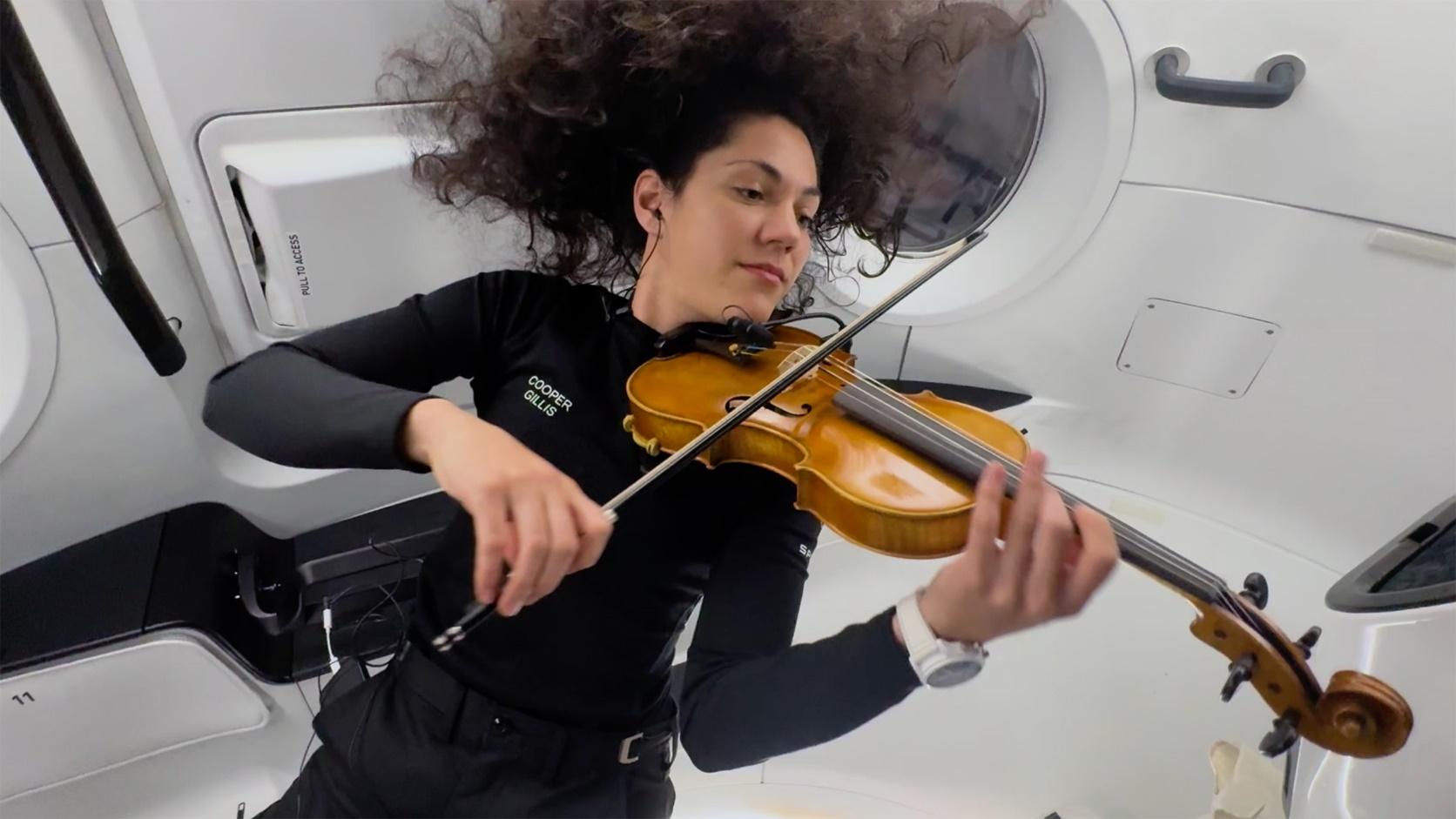
Sarah Gillis and violin on the Polaris Dawn spaceship
The concert will be preceded by a pre-performance talk starting at 3 p.m. featuring SpaceX astronaut Sarah Gillis who is a Boulder native. She studied Suzuki violin and played in the Youth Orchestra in Boulder, went to CU-Boulder, and even babysat for Butterman’s daughter during his first years with the orchestra.
While on the recent Polaris Dawn mission, Gillis played her violin in orbit and completed a space walk. She will be onstage with conductor Scott O’Neil, and will be joined virtually by Butterman from Shreveport.
Guest conductor Scott O’Neill
O’Neil recently completed a nine-year tenure as Resident Conductor with the Colorado Symphony in Denver. During his time there he performed with renowned soloists, including Itzhak Perlman, Joshua Bell, Nadja Salerno-Sonnenberg, Pinchas Zukerman and Van Cliburn. O’Neil has also created and developed a series of educational concerts titled “Inside the Score” that combined art, entertainment and enlightenment to engage audiences.
As an arranger/orchestrator, O’Neil has created and orchestrated numerous works for the Colorado Symphony. He continues to guest conduct and to lead his own ensemble, the Rosetta Music Society, in Denver.
Heins’s compositions have been performed throughout the United States, Canada and Europe. His works include music for symphonic band and orchestra as well as solo piano works and chamber music. He received a bachelor’s degree from the University of Montana and a master’s degree from the University of Colorado, Boulder. He has taught at Rocky Mountain College in Billings, Montana.
# # # # #
“Moons and Planets” Boulder Philharmonic Orchestra, Scott O’Neil, guest conductor
John Heins: Moons of the Giants (world premiere)
Gustav Holst: The Planets
4 p.m. Sunday, Nov. 10 Macky Auditorium
3 p.m.: Pre-performance discussion in the Macky Auditorium with O’Neill and SpaceX astronaut Sarah Gillis
Orchestra’s “Shift” series of informal concerts continues Wednesday
By Peter Alexander Nov. 4 at 1:32 p.m.
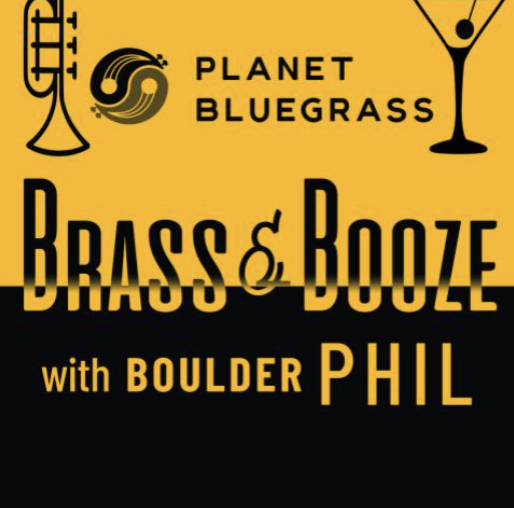
The Boulder Philharmonic will present “Brass and Booze,” their third “Shift” concert presenting their musicians in unusual venues and smaller groups, at 7 p.m. Wednesday, Nov. 6, at Planet Bluegrass in Lyons.
“We wanted to reach out into some new areas,” the Phil’s executive director Mimi Kruger says. “The idea is that people can get to know our musicians and connect in a different way.”
Wednesday’s program presents members of the Boulder Phil brass section playing music with jazz and Afro-Cuban influences. It will include new pieces as well as Duke Ellington’s “Do Nothin’ until You Hear from Me” and Freddie Mercury’s “Bohemian Rhapsody.”
Each of the Shift programs opens at Planet Bluegrass in Lyons, and will be repeated in another venue. Wednesday’s “Brass and Booze” program will be repeated at Wild Provisions Beer Project in Boulder April 22, 2025. The first two programs featuring string ensembles—“Groove” and “Americana Redefined”—will be repeated at the Dickens Opera House in Longmont Monday, Nov. 25, and Sunday, Feb. 9, 2025, respectively.
# # # # #
“Brass and Booze” Players from the Boulder Philharmonic
Informal program includes Ellington, “Bohemian Rhapsody,” Afro-Cuban influenced music


 Sharps & Flatirons