
Longmont Symphony, Ars Nova Singers launch 2024-25 seasons
By Peter Alexander Oct. 1 at 4:55 p.m.
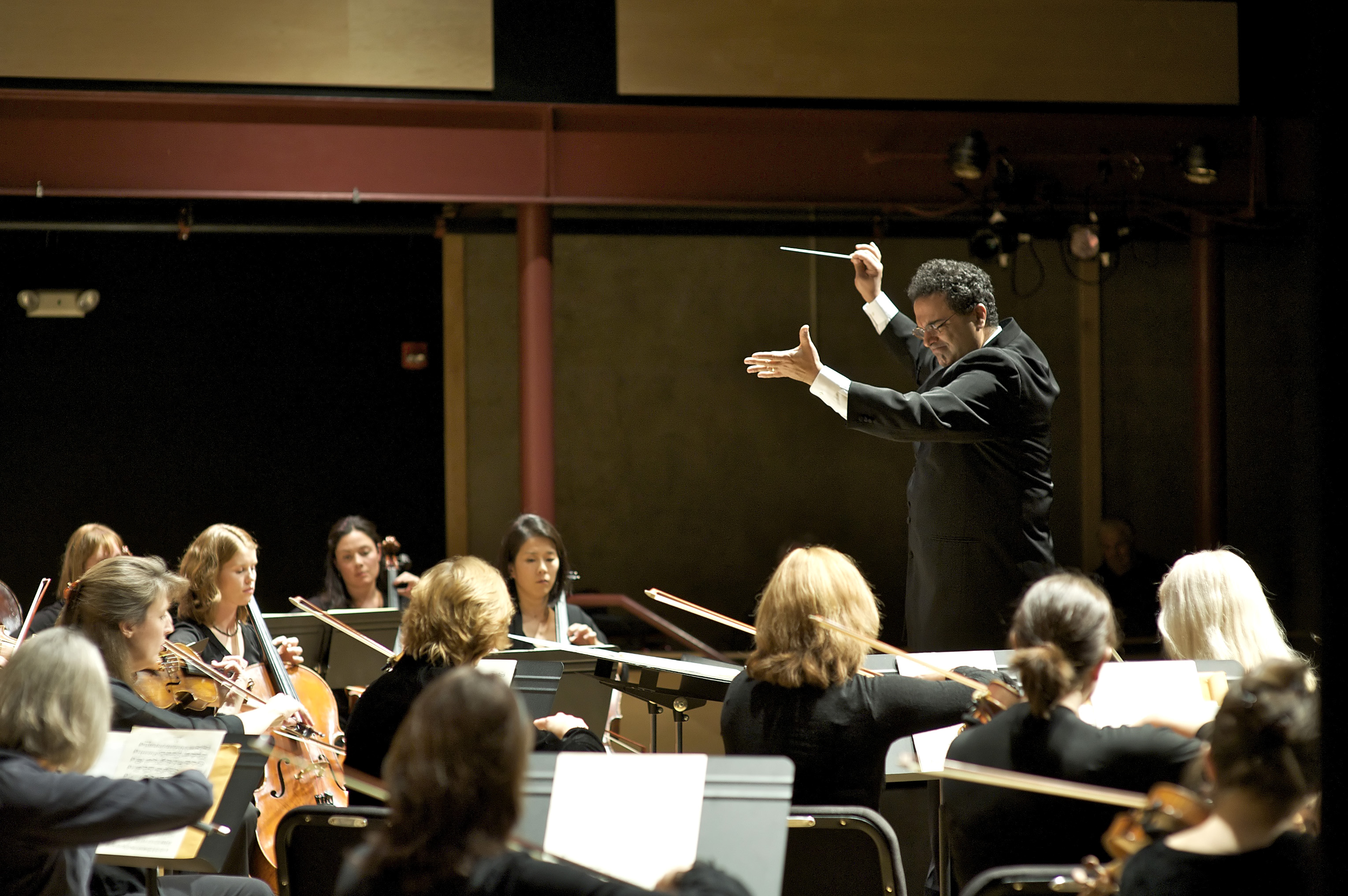
The Longmont Symphony Orchestra (LSO)and conductor Elliot Moore open “Sound in Motion,” their 2024–25 concert season, Saturday evening (7 p.m. Oct. 5; details below) with two American works and a orchestral showpiece.
Breaking from the pattern of previous seasons, the opening night concert will be held at the Longmont High School Auditorium. An abbreviated version of the same program will be presented Sunday afternoon at 4 p.m. at Frederick High School.
All remaining LSO concerts during the season, including the Christmas-season Nutcrackers, will be held in the usual venue of Vance Brand Civic Auditorium.
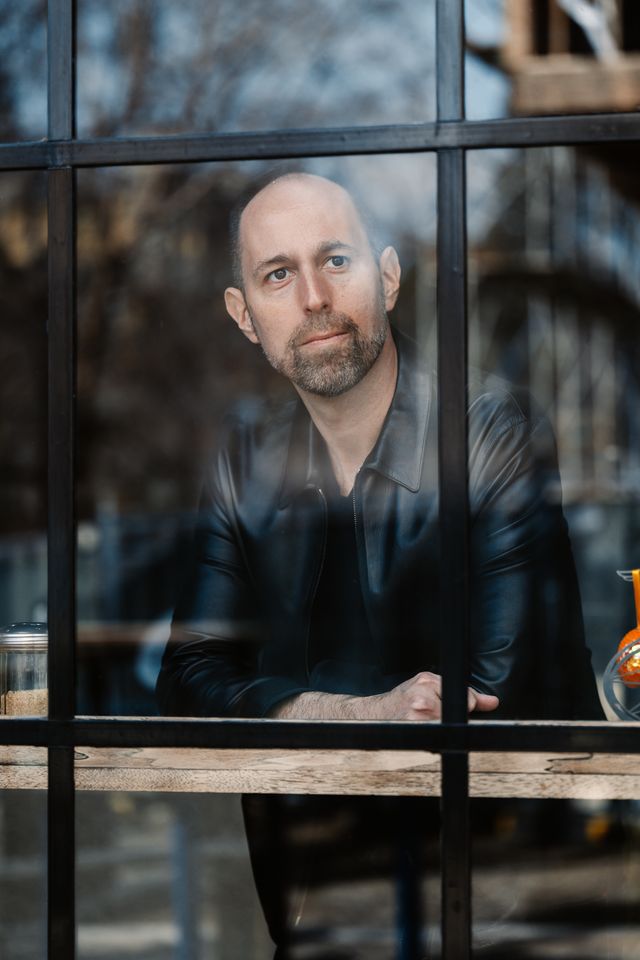
Soloist for the Longmont HS performance will be pianist Spencer Myer, a faculty member at the Indiana University Jacobs School of Music, who will play George Gershwin’s Concerto in F for piano. The program begins with the Overture to another American masterpiece, Bernstein’s musical stage work Candide. Ending the program is Ravel’s familiar orchestration of Mussorgsky’s Pictures at an Exhibition.
Bernstein’s Candide was originally composed in 1956 for Broadway, although today it is considered an operetta rather than a musical. The original show was not a success on dramatic grounds, in spite of the brilliant music Bernstein wrote, including the popular coloratura soprano aria “Glitter and Be Gay.” Various revisions of the original show have included textual contributions by lyricist Richard Wilbur plus Lillian Hellman, Stephen Sondheim, Dorothy Parker, John LaTouche and Bernstein himself.
Today the operetta is gaining ground among opera companies, but regardless of its fluctuating fate, the Overture has been a popular program number from the beginning. Full of brilliant flourishes, delightful tunes and heady syncopations, it is the ideal concert opener.
Gershwin’s Piano Concerto was commissioned by the conductor Walter Damrosch, who attended the Feb. 12, 1924 premiere of Rhapsody in Blue. The very next day Damrosch contacted Gershwin to ask him for a piano concerto, which he was able to complete over a period of three months in the summer of 1925.
Audiences have always liked the concerto, which is today considered one of the essentials of the American music repertoire. The score incorporates jazz elements, but is much closer to the traditional format of a concerto with orchestra than is the Rhapsody. It appears on concert programs, has been featured in films, has been recorded by numerous pianists, and has even been featured in ice skating routines.
The program closes with the Mussorgsky/Ravel Pictures at at Exhibition, one of the best known and most loved showpieces for orchestra.
The program for the performance in Frederick will include the Overture to Candide and Pictures at an Exhibition only.
# # # # #
Opening Night
Longmont Symphony Orchestra, Elliot Moore, conductor
With Spencer Myer, piano
- Leonard Bernstein: Overture to Candide
- George Gershwin: Piano Concerto in F
- Mussorgsky: Pictures at at Exhibition (arr. Ravel)
7 p.m. Saturday, Oct. 5
Longmont High School Auditorium
Encore performance: 4 p.m. Sunday, Oct. 6
Frederick High School Auditorium
(same program minus the Gershwin Concerto)
# # # # #
Boulder’s Ars Nova Singers embark on a season of “Contrasts” this weekend with a concert titled “Here/There.”
The opening concert, “Here/There,” will be presented Sunday at the Diary Arts Center in Boulder (4 p.m. Oct. 6; details below). The program features music from here and there not only geographically—that is, from different parts of the world—but also chronologically, from both the present (here) and the past (there). Featured composers include Henry Purcell, Anton Bruckner, Benjamin Britten, and György Ligeti, as well as contemporary women composers Sheena Phillips and Dale Trumbore.
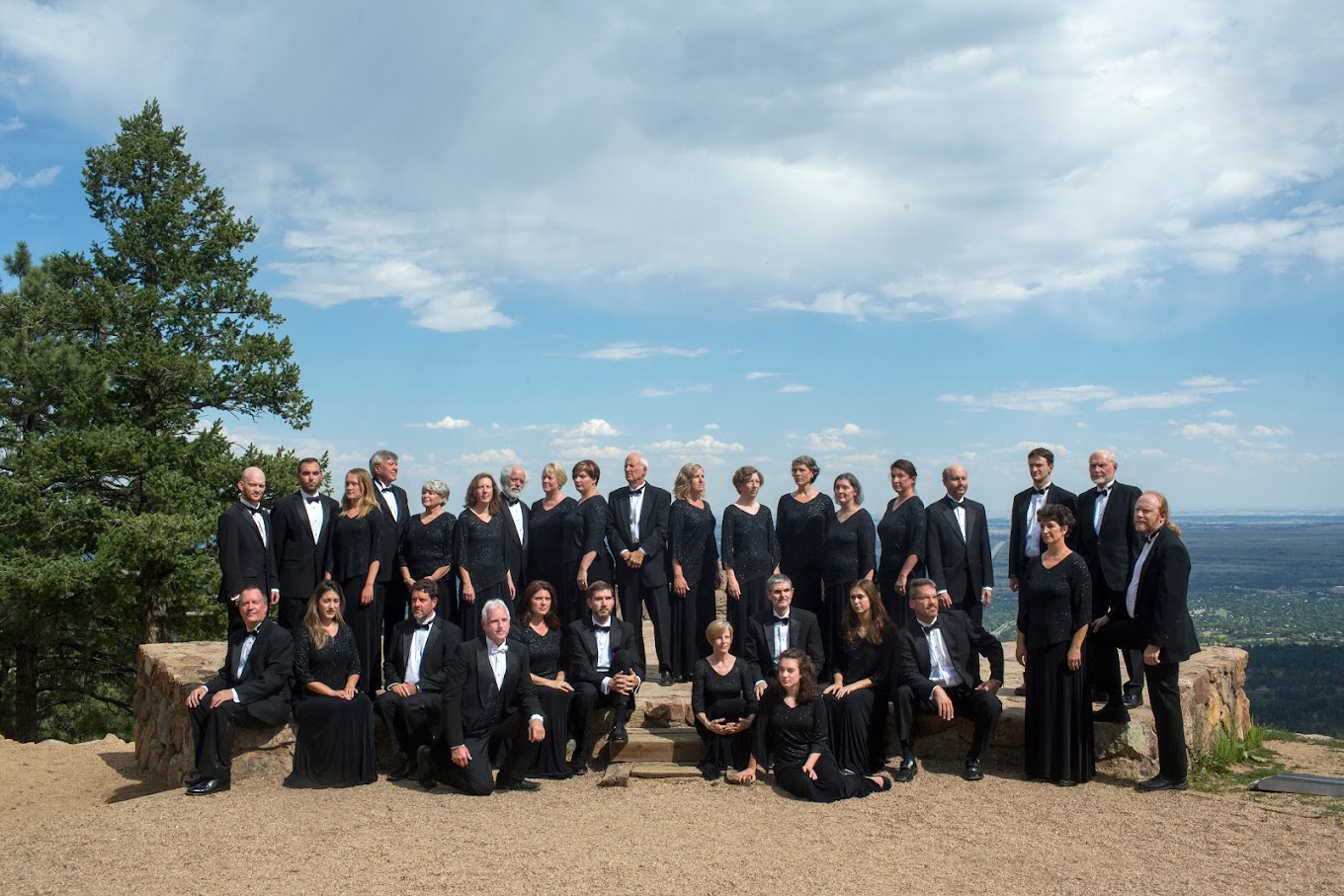
Conductor Tom Morgan wrote in a news release, “Dark and light, motion and stasis, intimate and universal, deeply familiar and refreshingly new—our season searches for the balance point in all of these.” In addition to “Here/There,” the season includes concerts titled “Light/Shadow,” “Lost/Found,” “Science/Fantasy” and “Time/Eternity” (see the full season HERE).
Although the choir’s name—Ars Nova, or “new art”—refers in history to a musical style from the 14th century, the group has specialized in a broader range of music, specifically the Renaissance and the 20th and 21st centuries. For this program there is no music from the Renaissance, but the old is represented by “Music for a While” by the English Baroque composer Henry Purcell (1659–1695).
There is a rare—for Ars Nova Singers—piece from the late Romantic period, Anton Bruckner’s Os justii (The mouth of the righteous) composed in 1879. A sacred motet setting of a text from Gregorian chant, it was written for the choirmaster at St. Florian Abbey, one of the largest monasteries in Austria.
Other works on the program range from the early 20th century—Ravel’s Trois beaux oiseaux (Three beautiful birds)— right up to today with works by the living American composers Frank Ticheli, Jake Runestad and Dale Trumbore, among others (full program listed below).
The performance, a benefit celebrating the past and future of Ars Nova Singers, will be preceded by a 3 p.m. reception in the Dairy Arts Center lobby.
Ars Nova Singers bill themselves as “an auditioned vocal group specializing in a cappella music of the Renaissance and the 20th/21st centuries” that aims “to delight, inspire, and enlighten our audiences.”
# # # # #
Here/There
Ars Nova Singers, Thomas Morgan, conductor
- Henry Purcell: “Music for a While”
- Dale Trumbore: “Love is a sickness”
- Bruckner: Os justi (The mouth of the righteous)
- Ravel: Trois beaux oiseaux (Three beautiful birds)
- Luigi Denza: “Call Me Back” (arr. Morgan)
- György Ligeti: Lux aeterna (Eternal light)
- Sam Henderson: “Moonswept”
- Sheena Philips: “Circle of Life”
- Sarah Quartel: “Sing, My Child”
- Frank Ticheli: “Earth Song”
- Jake Runestad: “Let My Love Be Heard”
- Britten: “Advance Democracy”
4 p.m. Sunday, Oct. 6
Gordon Gamm Theater, Dairy Arts Center
 Sharps & Flatirons