
Gene Scheer and Bill Van Horn conjure a musical play from an 18th-century sequel
By Peter Alexander June 12 at 11:50 p.m.
“If it’s a success, write a sequel!”
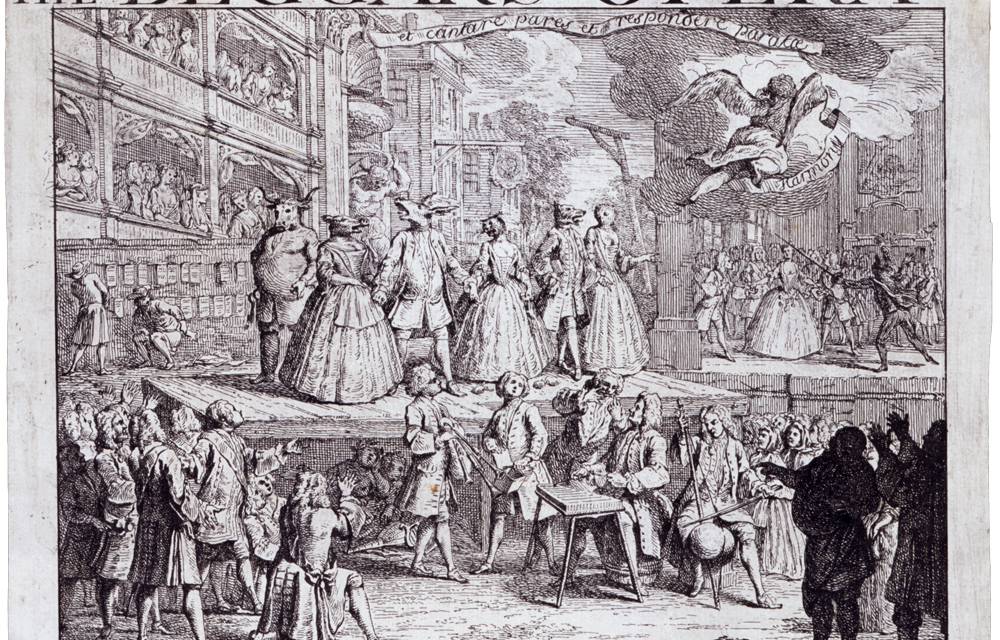
That’s the commentary of theater veteran Bill Van Horn, who is helping turn just such a sequel from the 18th century into a modern-day operetta—or “popular entertainment about history,” as he describes it. The work in question brings together Van Horn as librettist with Gene Scheer as song writer. Their Polly Peachum, based on the sequel that English dramatist John Gay wrote to his own hugely successful Beggar’s Opera of 1728, will be presented by the CU New Opera Workshop (CU NOW) Friday and Sunday (June 14 and 16; details below)
Between the two performances of Polly Peachum CU NOW will present operatic scenes by composition students Alan Mackwell, Holly McMahon and Joshua Maynard. As part of CU NOW they have participated in the Composer Fellows’ Initiative (CFI), working on their own operatic works with composer Tom Cipullo.
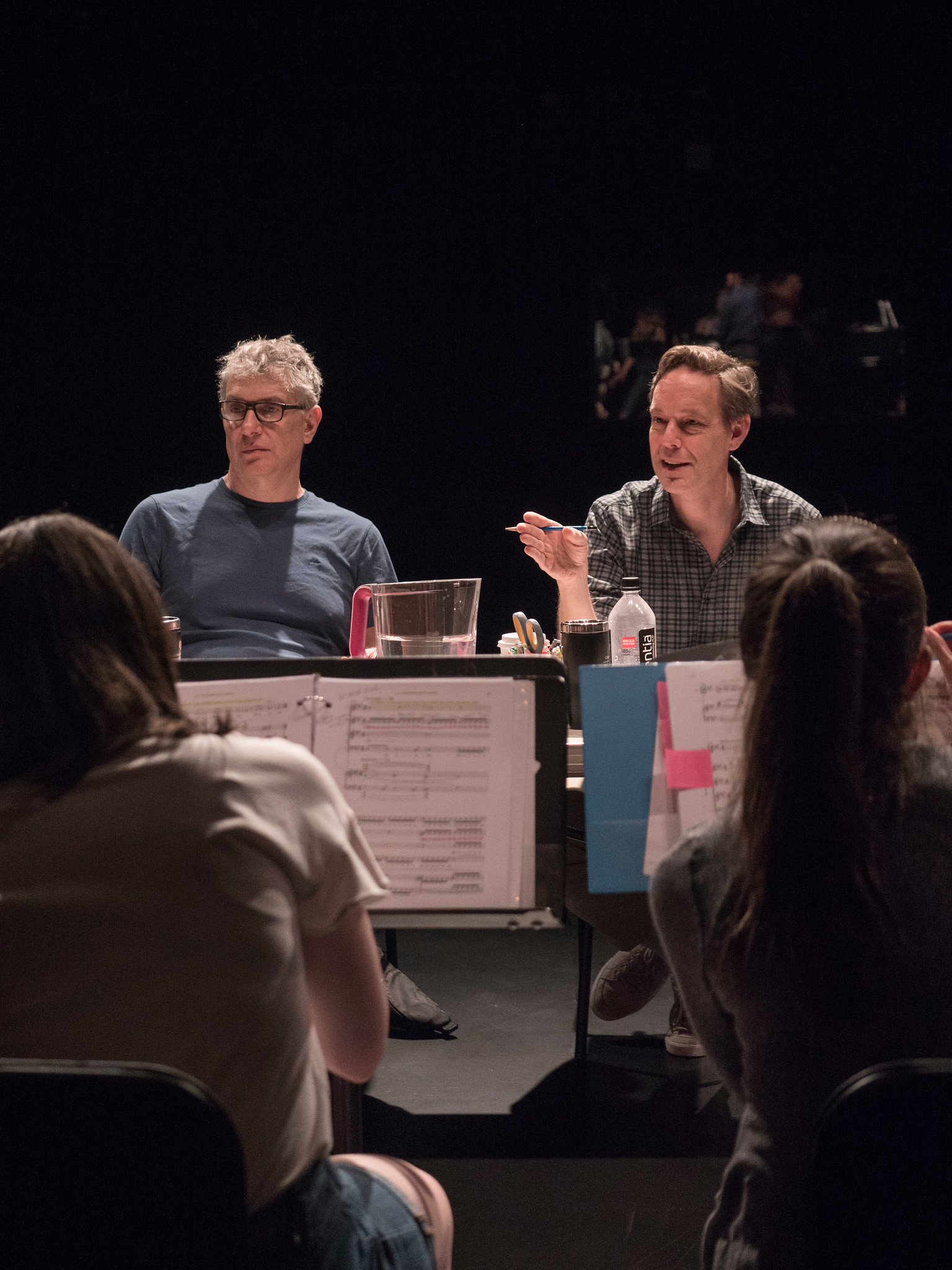
Scheer and Van Horn are both widely experienced in the theater. Scheer has been at CU NOW before, working on new operas as librettist with composer Jake Heggie (Wonderful Life, If I Were You, Intelligence). He has also written librettos for other works by Heggie (Two Remain, Radio Hour) and other composers including Jennifer Higdon (Cold Mountain), and he has written songs and other musical works of his own.
Although he has never been to Colorado before, Van Horn has done almost everything in the theater except, he says, “count money.” As he tells the story, “I started just showing up at theaters saying ‘Is there anything you need to be done?’ Eventually you get asked to be in a play, and I’d sort of take up residence in different theaters.” From that unconventional start, he has gone on to translating plays and operettas, writing plays, adapting plays and directing plays.
The idea for the modern Polly Peachum arose more than 30 years ago, when Scheer was playing the central role of Macheath—aka “Mack the Knife”—in Kurt Weill’s Threepenny Opera, a 20th-century adaptation of Gay’s Beggar’s Opera. His mother gave him a book of The Beggar’s Opera, where he learned that Gay had written a sequel titled Polly Peachum, named for a character in both works.
“The problem is that the play Polly is not that good,” Scheer says. “I got the idea of doing a prequel. I showed this to (Van Horn), and we developed the idea together, the making of The Beggar’s Opera, in which the world of government intrigue, ham actors, and Jonathan Wild, who was the inspiration for Macheath,” are blended.
Leigh Holman, the director of CU NOW and CU’s Ecklund Opera Program, says that “(Scheer) told me about this piece two or three years ago, and we’ve been trying to find the right time to bring him here. This was the right time, so we’re so excited for him do this. It’s been amazing so far. This piece has been great for (the students).”
Both Scheer and Van Horn praise the contributions the students have made in rehearsals. “They’re extraordinary,” Scheer says. “They’re teaching us as we teach them. They are all extraordinary singers, they’re extraordinarily well trained.”
“They’re going to be indelibly on my mind as the characters, forever, because they’re the first ones to do it,” Van Horn adds. “It’s in the best tradition of old-school summer stock, where everybody does a little bit of everything. That’s the best kind of theater!”
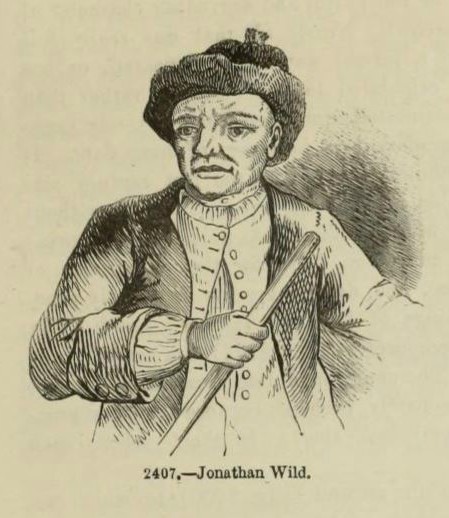
In Scheer and Van Horn’s Polly fictional characters, such as Polly Peachum, are combined with real-life characters, including the dramatist Gay and Wild. Of these, it is Wild who is the most outlandish and theatrical character.
“Wild was the ‘thieftaker general’,” Van Horn explains. “He bought things that people stole and then told the owner, ‘I can get this back for you.’” He charged the true owners what seemed like a small portion of the items’ actual value, but the thieves were all working for him and he accumulated an enormous fortune.
“The thieves of London would bring the stolen goods to his warehouse,” Scheer says. “Wild would publish what he had, and people would come and buy possessions that had been stolen from them.”
In the end, Wild got cocky and careless. He was eventually arrested, convicted and sentenced to be hanged in Tyburn Square in London. His hanging in 1725 was a sensational public event that attracted thousands, but Wild drugged himself before the hanging. Although he did not succeed in killing himself, he was in a coma when hanged—which is one way the stage plot diverges from history.
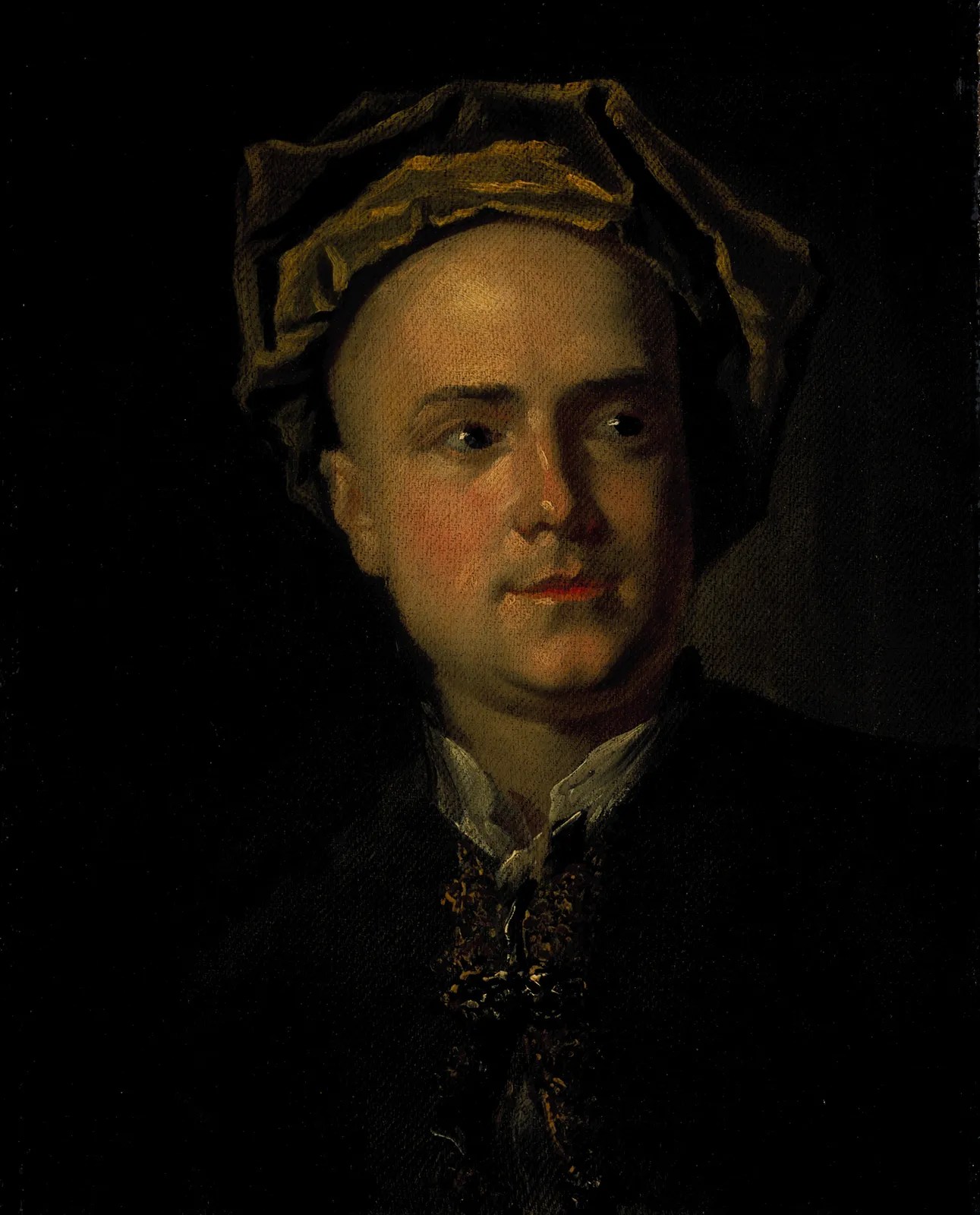
In Scheer and Van Horn’s version, the fictional Polly Peachum works for the historical Wild, and the two are lovers. When Wild is arrested, his gang is pursued and Polly hides out in the warehouse. Meanwhile Gay’s manuscript for The Beggar’s Opera is stolen and he goes to the warehouse to purchase it back. Instead he meets Polly, who joins his theater company as a way of hiding from the police. She becomes Gay’s muse as he completes The Beggar’s Opera and they fall in love.
In the meantime, Wild is supposed to be hanged, but instead of taking laudanum, as history has it, he gives it to the minister who comes to administer the last rites. The minister is hanged in his place, and Wild escapes. Polly thinks he is dead until he shows up at the theater. His sudden appearance creates a conventional love triangle, with Polly forced to choose between Wild, the fugitive, and Gay, the theater manager.
If that sounds familiar, it’s still the same old story. Or as Van Horn says, “If you recognize any parallels with Casablanca, it’s intentional.”
And performances are free.
# # # # #
CU New Opera Workshop (CU NOW) 2024
Polly Peachum
Music by Gene Scheer, book and lyrics by Bill Van Horn and Gene Scheer
7:30 Friday, June 14
2 p.m. Sunday, June 16
Composer Fellows’ Initiative (CFI): Scenes
7:30 p.m. Saturday, June 15
All performances in the Music Theater, Imig Music Building.
Admission is FREE.
 Sharps & Flatirons