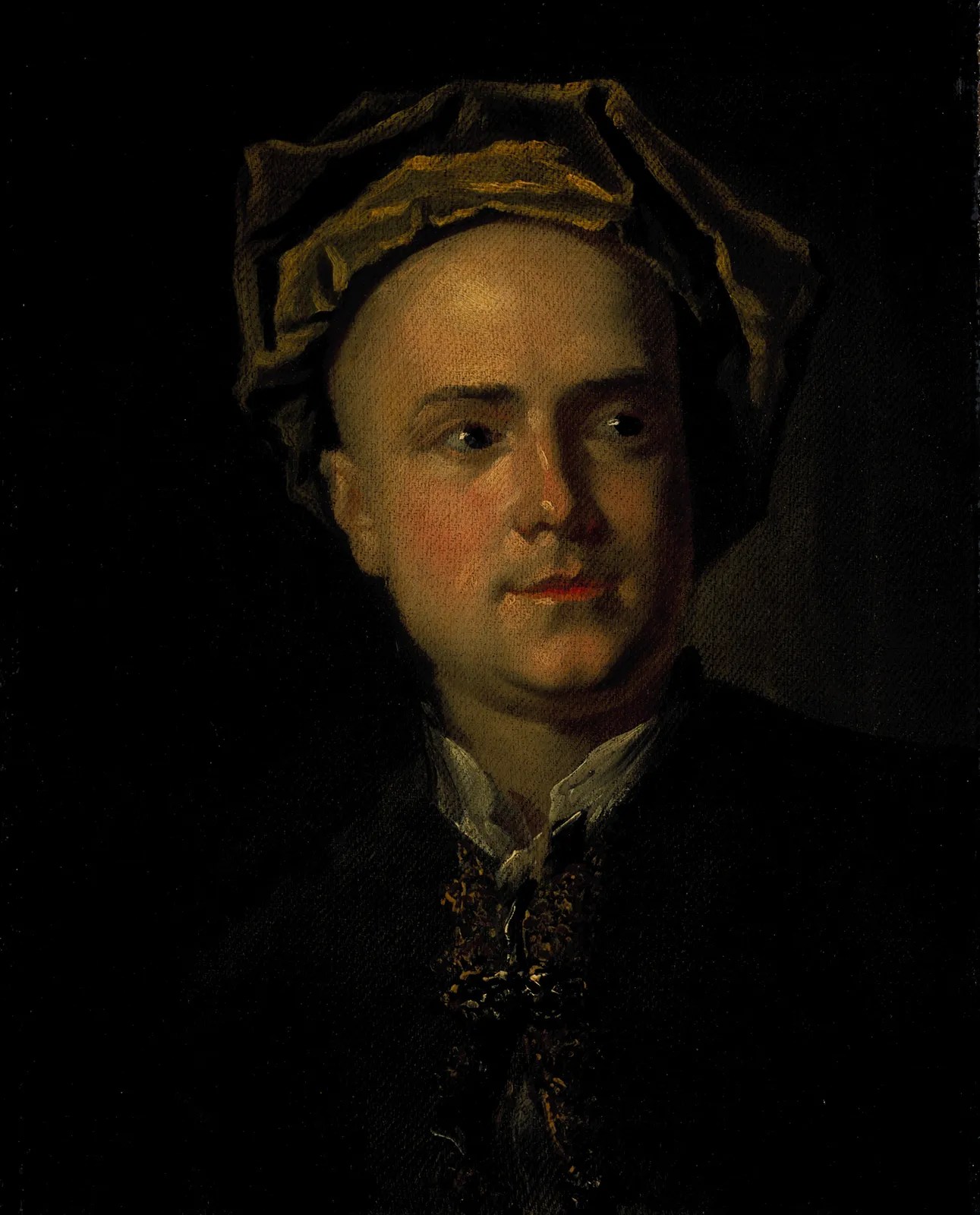
Central City offers three works first performed in New York

Pirates of Penzance, Girl of the Golden West and Street Scene on this summer’s bill

By Peter Alexander June 25 at 4:02 p.m.

Central City Opera opens its 2024 festival season Saturday with a staple, not of the grand opera house, but of the English light-opera stage: Gilbert and Sullivan’s delightful and sometimes silly Pirates of Penzance (7:30 p.m. June 29; full summer schedule below).
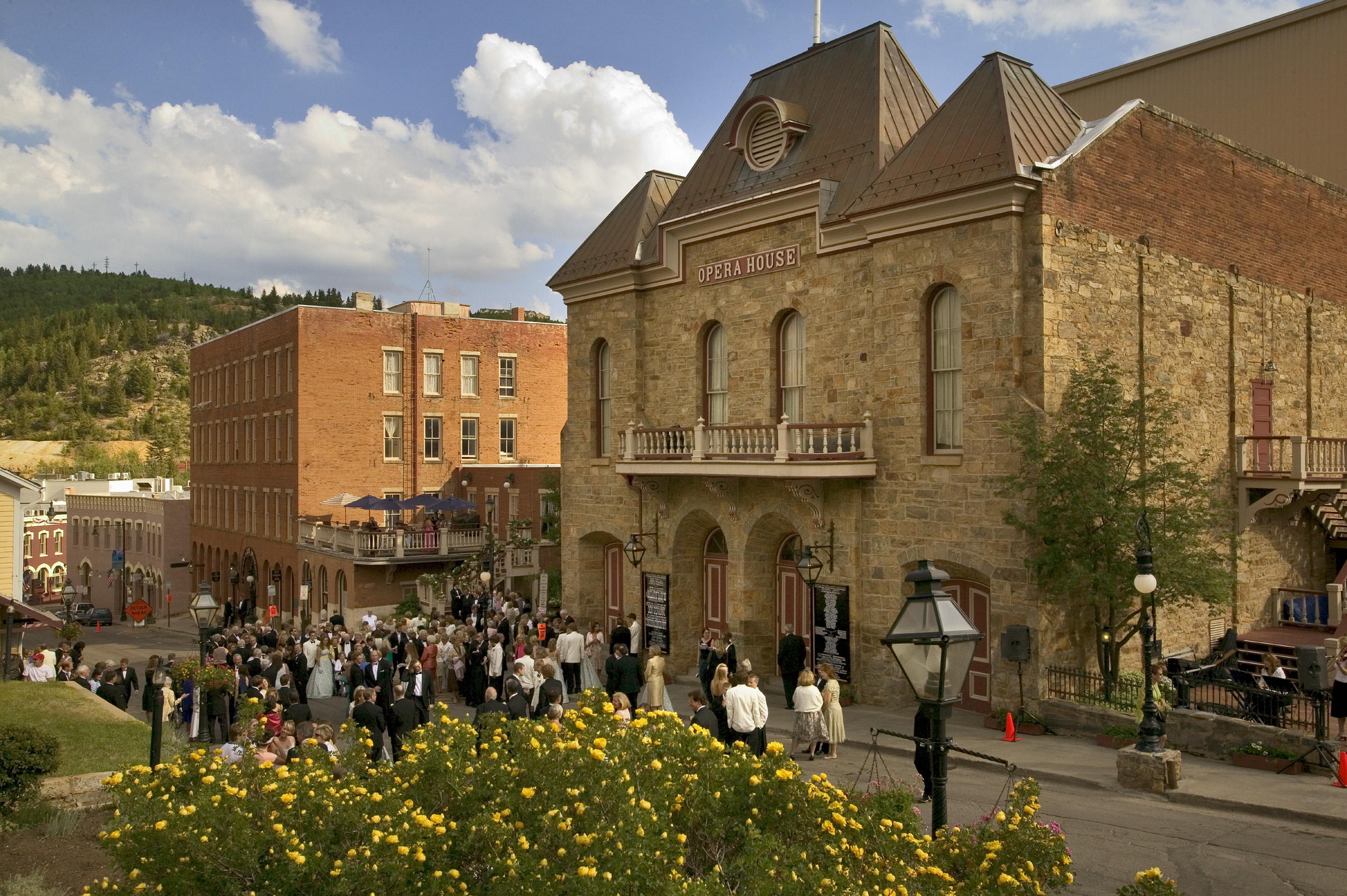
Opening Night at Central City Opera. Featured in Central City Opera’s 75th anniversary book, “Theatre of Dreams, The Glorious Central City Opera- Celebrating 75 Years.”

The fifth collaboration between author Sir Willam Gilbert and composer Sir Arthur Sullivan, Pirates surprisingly had its official premiere at the Fifth Avenue Theater in New York City Dec. 31, 1879. The show, known for its bumbling police, its only slight less inept pirate gang, and its often parodied Major General’s patter song, has long been one of the most popular of the G&S operettas. 

A 1980 production in Central Park, part of the “Shakespeare in the Park” summer series, was so successful that it was transferred to Broadway. In 1983 it was made into a film with original cast members Linda Ronstadt (Mabel), Kevin Kline (the Pirate King) and Rex Smith (Frederic), plus Angela Lansbury (Ruth). 

At Central City this summer, Pirates shares the rotating repertory bill with two other works also premiered in New York, neither of which is truly part of the core operatic canon: Kurt Weill’s Street Scene, premiered at New York’s Adelphi Theater in 1947; and Puccini’s La fanciulla del West (Girl of the Golden West), premiered at the Metropolitan Opera Dec. 10, 1910.

* * * 
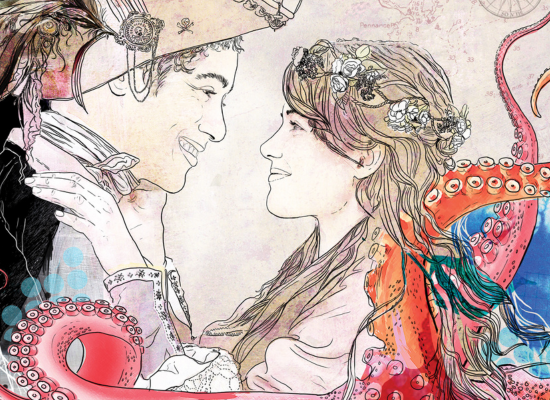
Pirates of Penzance is a typical G&S operetta in the way that it satirizes British habits. The pirates are goofily sentimental, the Major General is preposterously pompous, the police are ridiculously hapless, and Frederic takes his very British devotion to duty to comic extremes. The whole plot turns on two ridiculous misunderstandings: That Frederic was apprenticed by his near-deaf nursemaid to nautical pirates rather than pilots; and that he was apprenticed not for 21 years but until his 21st birthday—which, because he was born on Feb. 29, means not until he is in his 80s.

That he and his chaste bride-to-be Mabel accept this delay with unnaturally bright composure is just one of many implausible turns of plot—as one expects from Gilbert and Sullivan. In addition to the patter song “I Am the very Model of a Modern Major General,” the score contains several memorable songs, including Mabel’s “Poor Wandering One,” which pairs alluring sentiment with brilliant coloratura; and the pirate chorus’s “With Cat Like Tread,” in which they noisily proclaim their intent to creep silently into the Major General’s household. 

* * *

Also written for the popular stage, Kurt Weill’s Street Scene is a different matter entirely. With lyrics by Langston Hughes and a book by Elmer Rice, it is a gritty tale of tenement dwellers on Manhattan’s east side. Among a mix of residents of Swedish, Italian, German and Jewish background there is an abusive husband, an alcoholic, a radical intellectual, gossipy neighbors, a sleazy boss, an adulterous milkman, a birth, an eviction and a double murder.

And of course a pair of young lovers, who survive but are forced apart by the violent events around them.

Weill came to the United States in 1935, after a successful career in his native Germany—particularly works created with playwright Bertolt Brecht including their Dreigroschenoper (Threepenny Opera). In this country Weill wrote several works for the Broadway stage, including Knickerbocker Holiday, Lady in the Dark and Lost in the Stars, but he was always aiming to create a form that combined serious opera with popular theater and song.

The work that came closest to that goal might be Street Scene, which freely mixes operatic elements, such as the aria “Lonely House” sung by the male romantic lead Sam Kaplan, with Broadway entertainment including dance numbers and a lively number for graduating students, “Wrapped in a Ribbon and Tied in a Bow.” Other notable numbers in the score are the “Ice Cream Sextet,” the duet by nursemaids gawking at the scene of the murders, and the dreamy aria “What Good Would the Moon Be,” sung by the female lead, Rose Maurrant.

It is the operatic aspects that have left their mark on Street Scene, which has been performed by opera companies but never returned to Broadway. Even operatic performances are infrequent today, due in part to the large cast that Weill requires—more than 30 named roles.

* * *
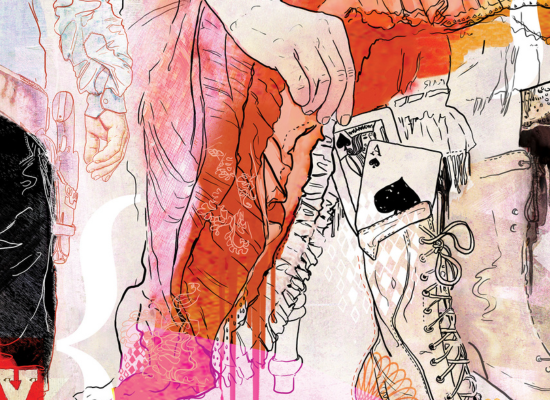
The closest thing to a repertoire item this summer, Puccini’s Fanciulla del West has that rarest of serious opera features, a happy ending. No one dies in the course of the opera, and the leading soprano is neither a naive innocent nor a victim; in fact, she is about the strongest character in the opera, who even cheats at cards to reach the opera’s happy end.

The plot features Minnie (soprano), who owns the Polka Saloon; the sheriff Jack Rance (baritone) who hopes in vain to marry Minnie; and the romantic tenor lead, the outlaw Ramerrez, who under the name Dick Johnson becomes Minnie’s true love.

Very much part of the action, Minnie forges her own destiny, first by owning the saloon in a mining camp, and then by playing cards for her lover’s life. Production stage director Fenlon Lamb observes that this is very different from other Puccini soprano roles.
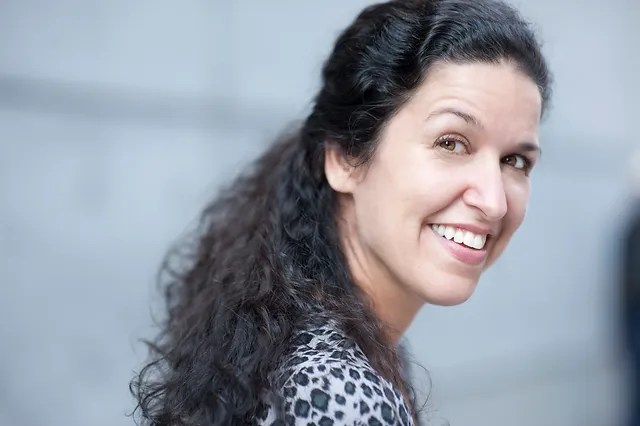
Fenlon Lamb

“Other Puccini heroines are stuck in what society allowed them to be,” she says. “When you transfer things to the Wild West, the rules are gone. All bets are off! And she’s freer to be one of the guys. She’s the girl of the camp, but they all respect her, right to the end.”

The plot is fairly simple: Minnie’s bar is the favorite place for the men of a mining camp to find solace. The arrival of a stranger alarms the sheriff and the Wells Fargo agent, who are looking for the outlaw Ramerrez. Minnie recognizes him from a previous meeting as Johnson and the two fall in love. Later in her cabin Minnie and the sheriff play cards for the outlaw’s life. 

She wins by pulling cards out of her boot, but Johnson/Ramerrez is later captured and brought back to town to be hanged. Just as the noose it put around his neck, Minnie contrives to create a happy ending—but you will have to buy a ticket to know the details.

As a woman, Lamb acknowledges that she might approach female characters differently than men might. “I give a little bit more understanding and support to the female characters,” she says. “I love working with singers, but I especially support the women in my productions. We spend more time figuring out what the heroine is trying to say, through her singing and her actions.”

Another way that Fanciulla differs from most Puccini operas is that there are no big arias. The music has the same lush melodies and Romantic impulses—“it is gorgeous!” Lamb says—but unlike most grand opera, the action never pauses for a stand-alone aria.

Appropriately, the Central City production has moved the setting from the California Gold Rush to Colorado 10 years later. “We’re not the ’49ers, we’re the ’59ers out here” in Central City, Lamb explains. “It gives us the opportunity to use actual pieces and parts from Central City. In doing that, we’ve only changed one word—instead of ‘addio California’ (goodbye California) Minnie says ‘andiamo a California’ (let’s go to California)” before riding into the sunset.

Puccini had never been to the American West, so his knowledge was taken from popular stereotypes and the original story, so not all of his characters ring true. The miners are heavily romanticized and cleaned up for the stage, the Wells Fargo agent is a typical stage villain, but the most difficult characters are Minnie’s Native American servants, Wowkle and Billy Jackrabbit.

They are often treated as crude stereotypes, but compared to many productions, Lamb says, “you can give these characters real depth. We’ve decided that Billy Jackrabbit is a white trader (who) goes into different native camps and understands some of the language, (who) might marry a native woman. It’s getting into what happened at the time and finding ways to tell the story that are not stereotyped.”

Having spent some time in Central City and visited some of the actual mines in the area, Lamb sees a larger picture than the love story at the heart of the opera. “Everybody’s proud of the mining tradition here,” she says.

“The focus [of the production] is on these guys in a mining camp. And there’s a focus on the fragility of this mass of humans, and how are they getting along together. In the end, it’s forgiveness that really saves the day, it’s being able to connect and understand the other person, and their needs, and forgive.

“I think it’s an opportunity to see the strength juxtaposed with fragility of the community, and then forgiveness is pretty much the answer.”

# # # # #

Central City Opera
2024 season
(performances in Central City Opera House)

Sir Willam Gilbert and Sir Arthur Sullivan: Pirates of Penzance
Sung in English with English supertitles

7:30 p.m. Saturday, June 29; Saturday, July 20; Saturday, July 27; 
2 p.m. Wednesday, July 3; Friday July 5; Sunday, July 7; Saturday, July 13; Tuesday, July 16; Wednesday, July 24; Friday, Aug. 2

Single tickets

Giacomo Puccini: La fanciula del West (Girl of the golden West)
Sung in Italian with English supertitles

7:30 p.m. Saturday, July 6; Saturday, Aug. 3
2 p.m. Wednesday, July 10; Friday, July 12; Sunday, July 14; Friday, July 19; Saturday, July 21; Tuesday, July 23; Saturday, July 27; Wednesday, July 31

Single tickets

Kurt Weill: Street Scene
Sung in English with English supertitles

7:30 p.m. Saturday, July 12
2 p.m. Wednesday, July 17; Saturday, July 20; Friday, July 26; Sunday, July 28; Tuesday, July 30; Saturday, Aug. 3

Single tickets

Season Subscription tickets for all three productions

NOTE: Casts and other creative contributors to the productions of Pirates of Penzance, Street Scene and La fanciulla del West are all listed on the Central City Opera Web page.
Two new resources for music parents and audiences

A Web page packed with info, and a music camp for kids

By Peter Alexander June 20 at 2:20 p.m.

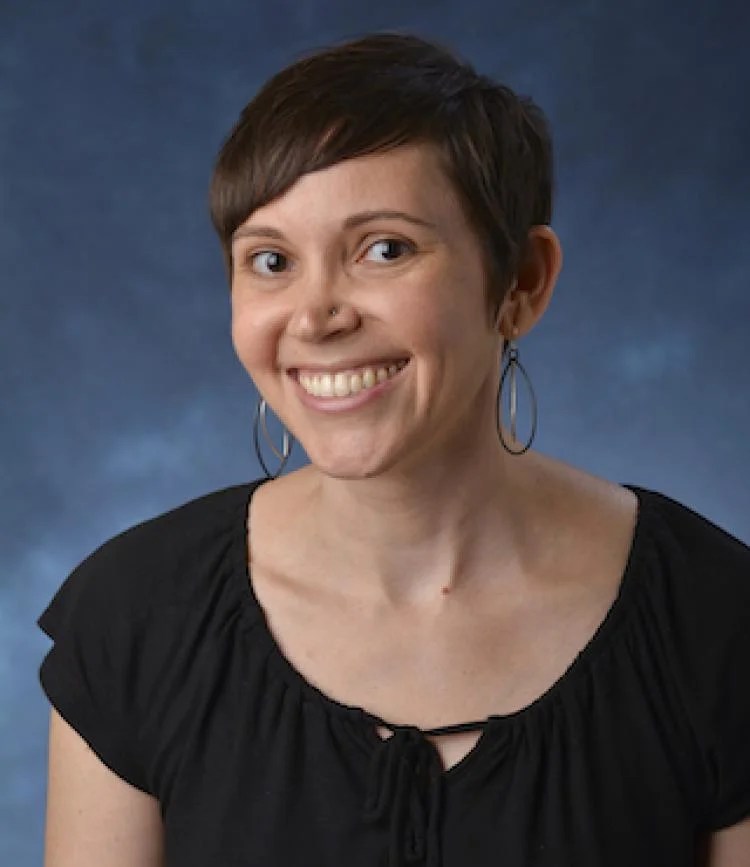
Stephanie Bonjack wanted to support her son’s interest in music.

“I wanted to know what are the opportunities for my son, and for kids in general in this region,” she says. “And I’m not the only one who was curious about these things.”

Stephanie Bonjack

As the music librarian at the CU College of Music, she had plenty of contacts in the music world, “but it frustrates me when the only reliable source is word of mouth,” she says. She had also recently joined the chorus of Boulder’s Seicento Baroque Ensemble and was interested in knowing about other Baroque and early music performing groups in the area. 

“After the pandemic I got it in my head that I would really like to go hear all of the major performing ensembles in the region, and experience them in their major performance venues” she says. “The question is, ‘What are they?’ I have friends who are professional musicians and they can rattle off a few things, but being a librarian, I want to see the list!”

Not finding a reliable list, she decided to make her own, “Music on the Front Range,” which now appears on the Web page of the CU University Libraries. Links are provided to a wide variety of styles and types of performing groups, from opera to barbershop and from professional orchestras to community groups, in addition to a list of “Local Classical News” sources (including this blog) on the home page.

This listing serves both as a resource for finding groups of different levels that you might wish to join, and also groups whose performances you might wish to attend, The full list of performing categories included on the site comprises opera, choirs, orchestras, bands, early music, chamber groups, youth, barbershop, community singing and community playing.

Bonjack admits that she was surprised, not only by the number of performing groups, but by the popularity of some specific areas. “I was really surprised by the pervasiveness of barbershop ensembles,” she says. There are no fewer than 13 barbershop groups for men and women, in addition to nine student-run groups at CU.

Among the other things that stood out to Bonjack, she says, “I was impressed by how many specific ensembles there are for LGBTQ members of the community. (Nine groups are listed on the “Community Singing” page.) I love that there is a professional handbell ensemble in Denver, the Rocky Mountain Ringers. I also found it fascinating under the community singing sections, how many sacred ensembles exist that are not attached to places of worship.

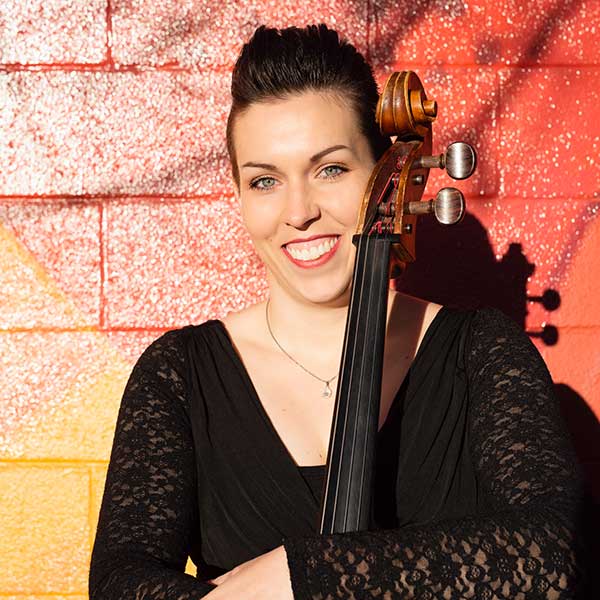
While Bonjack was making her list, Katarina Pliego was also thinking about young musicians—in her case, about the music training she got when she started playing cello, and the relative deficiencies of music education in this country.

Katarina Pliego

Pliego grew up in Slovenia, where she had two cello lessons, orchestra and two music theory classes every week, all provided by the state. “Everyone plays and has really good music education,” she says.

After she left Slovenia, she came to the United Sates and studied cello at the University of Northern Colorado in Greeley. “I came here, and I was like, how do undergrads not know music theory?” she asks. “How are you not learning about what the relative minor scale is? I knew that when I was twelve. Oh my gosh, am I so grateful for that now!”

Like Bonjack, Pliego decided to fill the gap she saw, at least for a few young students in the Northern Colorado area. “I saw a need,” Pliego says. “I taught music at Front Range Community College for seven years, and I saw how some students don’t realize everything that they should know to be musicians.

“I started thinking, we really need to teach kids music theory, we need to teach them more about music history. There are all of these camps that are orchestra camps, but there’s nothing like the camp that I grew up going to. (We) need to have music theory for kids, to understand why they’re playing scales, how the scales are working. So I just went for it.”

This year’s edition of the camp, “LoCo Music Lab,” concluded June 8, but Pliego plans to continue the camp in future years. Described as a “musicianship camp,” LoCo Music Lab included lessons, ensembles, music theory, music history, masterclasses and other workshops, including a presentation on performance anxiety.

For this first year, the camp was available to a limited number of students, and was open on a first-come, first-served basis without audition. It was offered to three groups: Grades 1–6 violin, viola, cello and guitar; Grades 1–6 choir; and Grades 7–12 violin, viola, cello and guitar (see the full schedule of this year’s camp on the LoCo Music Lab Web page.)

“I reached out to my friends and explained what my vision is, and they were like, absolutely, this sounds great,” Pliego says. “I wanted to start smaller, see how it goes and take it from there.”

“Popular Entertainment” anchors 2024 CU NOW

Gene Scheer and Bill Van Horn conjure a musical play from an 18th-century sequel

By Peter Alexander June 12 at 11:50 p.m.

“If it’s a success, write a sequel!”

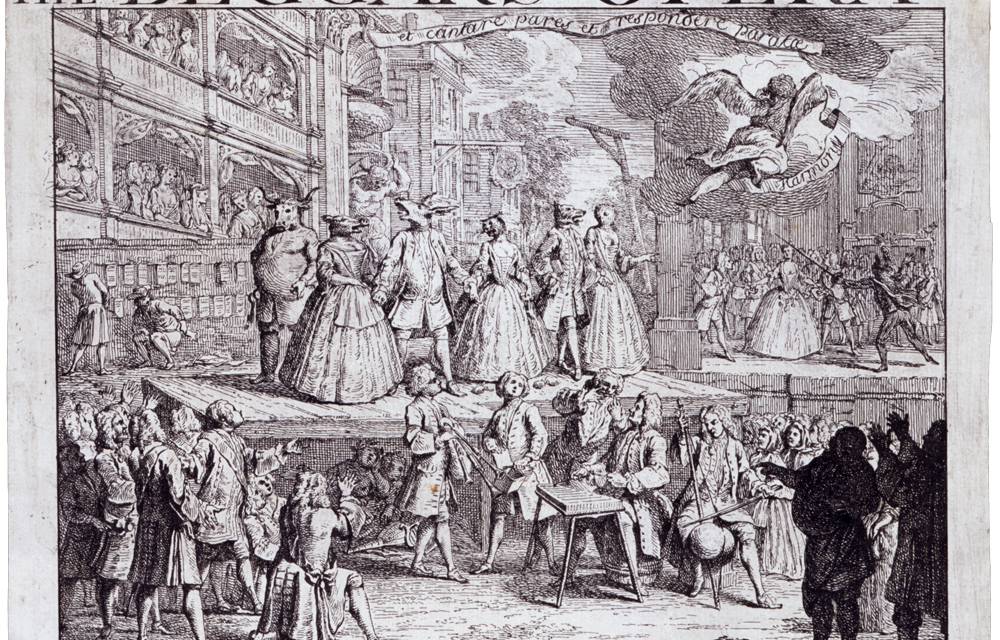
That’s the commentary of theater veteran Bill Van Horn, who is helping turn just such a sequel from the 18th century into a modern-day operetta—or “popular entertainment about history,” as he describes it. The work in question brings together Van Horn as librettist with Gene Scheer as song writer. Their Polly Peachum, based on the sequel that English dramatist John Gay wrote to his own hugely successful Beggar’s Opera of 1728, will be presented by the CU New Opera Workshop (CU NOW) Friday and Sunday (June 14 and 16; details below)

18th-century outdoor performance of Gay’s Beggar’s Opera, engraving by William Hogarth

Between the two performances of Polly Peachum CU NOW will present operatic scenes by composition students Alan Mackwell, Holly McMahon and Joshua Maynard. As part of CU NOW they have participated in the Composer Fellows’ Initiative (CFI), working on their own operatic works with composer Tom Cipullo.

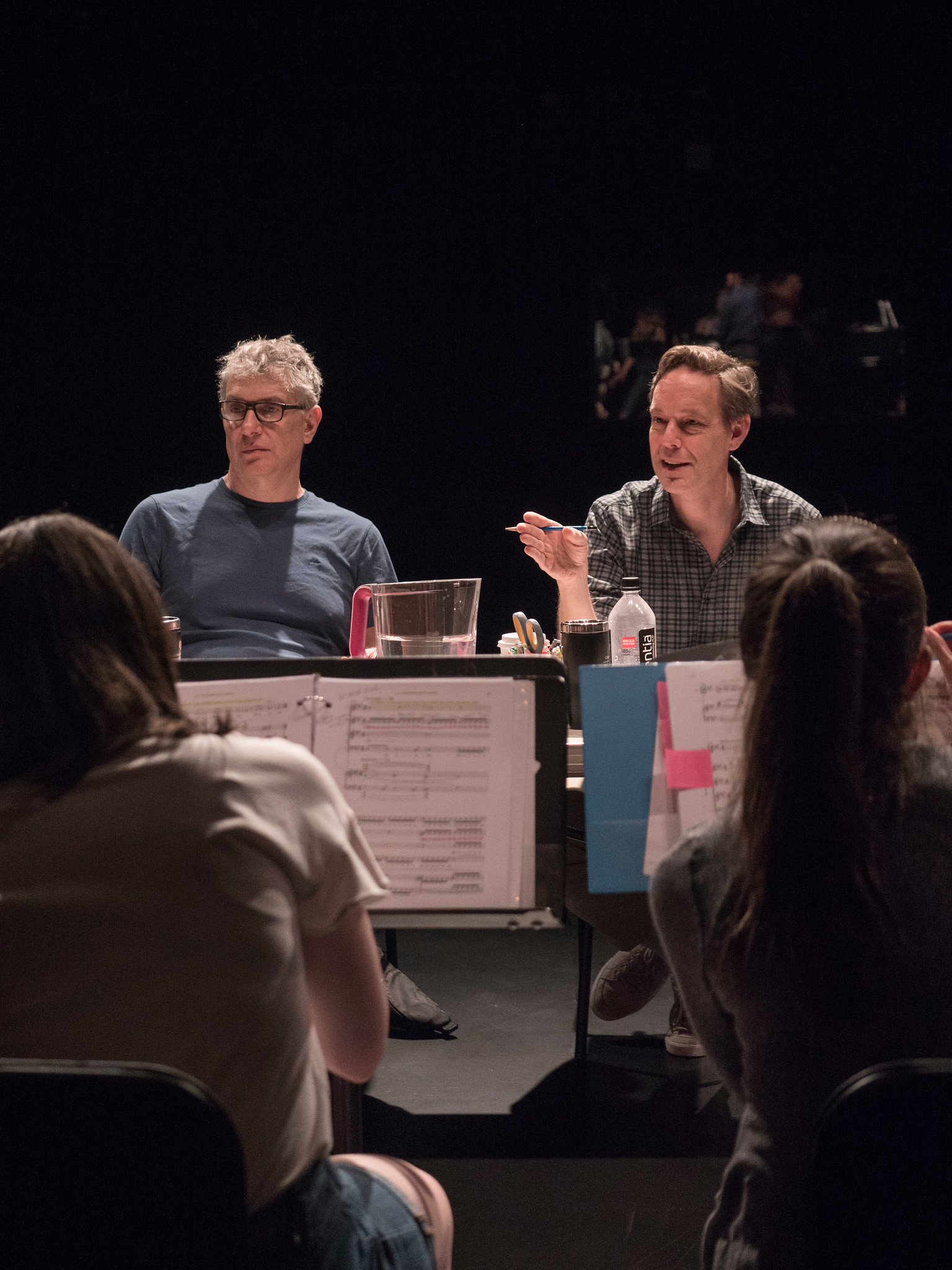
Gene Scheer (l) and Jake Heggie (r) at CU NOW, 2018 (Photo by Glenn Asakawa/University of Colorado)

Scheer and Van Horn are both widely experienced in the theater. Scheer has been at CU NOW before, working on new operas as librettist with composer Jake Heggie (Wonderful Life, If I Were You, Intelligence). He has also written librettos for other works by Heggie (Two Remain, Radio Hour) and other composers including Jennifer Higdon (Cold Mountain), and he has written songs and other musical works of his own.

Although he has never been to Colorado before, Van Horn has done almost everything in the theater except, he says, “count money.” As he tells the story, “I started just showing up at theaters saying ‘Is there anything you need to be done?’ Eventually you get asked to be in a play, and I’d sort of take up residence in different theaters.” From that unconventional start, he has gone on to translating plays and operettas, writing plays, adapting plays and directing plays.

The idea for the modern Polly Peachum arose more than 30 years ago, when Scheer was playing the central role of Macheath—aka “Mack the Knife”—in Kurt Weill’s Threepenny Opera, a 20th-century adaptation of Gay’s Beggar’s Opera. His mother gave him a book of The Beggar’s Opera, where he learned that Gay had written a sequel titled Polly Peachum, named for a character in both works.

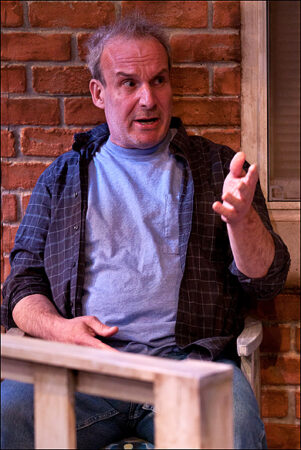
Bill Van Horn (Photo by Mark Garvin)

“The problem is that the play Polly is not that good,” Scheer says. “I got the idea of doing a prequel. I showed this to (Van Horn), and we developed the idea together, the making of The Beggar’s Opera, in which the world of government intrigue, ham actors, and Jonathan Wild, who was the inspiration for Macheath,” are blended.

Leigh Holman, the director of CU NOW and CU’s Ecklund Opera Program, says that “(Scheer) told me about this piece two or three years ago, and we’ve been trying to find the right time to bring him here. This was the right time, so we’re so excited for him do this. It’s been amazing so far. This piece has been great for (the students).”

Both Scheer and Van Horn praise the contributions the students have made in rehearsals. “They’re extraordinary,” Scheer says. “They’re teaching us as we teach them. They are all extraordinary singers, they’re extraordinarily well trained.”

“They’re going to be indelibly on my mind as the characters, forever, because they’re the first ones to do it,” Van Horn adds. “It’s in the best tradition of old-school summer stock, where everybody does a little bit of everything. That’s the best kind of theater!”

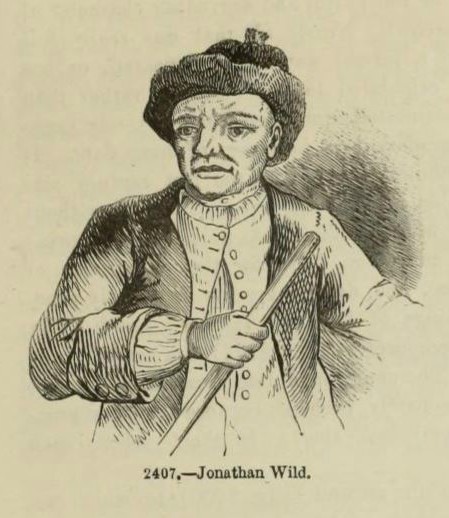
Johnathan Wild, book illustration

In Scheer and Van Horn’s Polly fictional characters, such as Polly Peachum, are combined with real-life characters, including the dramatist Gay and Wild. Of these, it is Wild who is the most outlandish and theatrical character.

“Wild was the ‘thieftaker general’,” Van Horn explains. “He bought things that people stole and then told the owner, ‘I can get this back for you.’” He charged the true owners what seemed like a small portion of the items’ actual value, but the thieves were all working for him and he accumulated an enormous fortune.

“The thieves of London would bring the stolen goods to his warehouse,” Scheer says. “Wild would publish what he had, and people would come and buy possessions that had been stolen from them.”

In the end, Wild got cocky and careless. He was eventually arrested, convicted and sentenced to be hanged in Tyburn Square in London. His hanging in 1725 was a sensational public event that attracted thousands, but Wild drugged himself before the hanging. Although he did not succeed in killing himself, he was in a coma when hanged—which is one way the stage plot diverges from history.

John Gay, oil painting by William Aikman in the Scottish National Portrait Gallery, Edinburgh

In Scheer and Van Horn’s version, the fictional Polly Peachum works for the historical Wild, and the two are lovers. When Wild is arrested, his gang is pursued and Polly hides out in the warehouse. Meanwhile Gay’s manuscript for The Beggar’s Opera is stolen and he goes to the warehouse to purchase it back. Instead he meets Polly, who joins his theater company as a way of hiding from the police. She becomes Gay’s muse as he completes The Beggar’s Opera and they fall in love.

In the meantime, Wild is supposed to be hanged, but instead of taking laudanum, as history has it, he gives it to the minister who comes to administer the last rites. The minister is hanged in his place, and Wild escapes. Polly thinks he is dead until he shows up at the theater. His sudden appearance creates a conventional love triangle, with Polly forced to choose between Wild, the fugitive, and Gay, the theater manager. 

If that sounds familiar, it’s still the same old story. Or as Van Horn says, “If you recognize any parallels with Casablanca, it’s intentional.”

And performances are free.

# # # # #

CU New Opera Workshop (CU NOW)  2024

Polly Peachum
Music by Gene Scheer, book and lyrics by Bill Van Horn and Gene Scheer

7:30 Friday, June 14
2 p.m. Sunday, June 16

Composer Fellows’ Initiative (CFI): Scenes
7:30 p.m. Saturday, June 15

All performances in the Music Theater, Imig Music Building.
Admission is FREE.

Ars Nova presents new works in “Shared Visions” 

Composers set poems that were in turn inspired by visual artworks

By Peter Alexander June 4 at 11:20 a.m.

Boulder’s Ars Nova Singers will present “Shared Visions,” a unique concert bringing together works by Colorado visual artists, poets and composers, this coming weekend.

Violinist Alex Gonzalez

Performances will be Friday in Longmont, Saturday in Denver and Sunday in Boulder (June  7, 8 and 9; details below). They will be led by Tom Morgan, Ars Nova’s music director, and assistant conductor Elizabeth Swanson. Violinist Alex Gonzalez from the CU, Boulder music faculty will be the featured soloist, playing the violin solo in a choral version of Ralph Vaughan Williams’s Lark Ascending and a solo part in one of the new pieces.

The new works to be presented this year are by composers Raul Dominguez, Leigha Amick, Paul Fowler, and Morgan.  In addition to those new works, Ars Nova will perform a set of choral works by composers ranging from Baroque-era master J.S. Bach to current CU Boulder composition faculty member Annika K. Socolofsky. 

Ars Nova has presented “Shared Visions” programs twice before, in 2016 and 2019. For each occasion, Ars Nova invited Colorado visual artists to offer works that are placed in an online gallery, which this year featured 24 visual artworks. Then, selected poets are invited to write new poems based on one or more of the visual artworks. The poems are then collected into an anthology, which this year contained 44 poems. 

In the final step, three invited composers and Morgan have the opportunity to select a poem from the anthology to set to music. Morgan always waits until the other composers have made their selections, so that he can make sure that the program has a variety of visual art works and poems.

Tom Morgan

Morgan said Ars Nova originally planned to present “Shared Visions” every three years, as they did in 2016 and 2019. However, COVID and the time required to put together the program—selecting artists and giving both the poets and the composers time to create new works—made that impractical. This time it was five years, and in future he plans to hold the event every four years.

He says the time and effort are definitely worthwhile. “The energy of getting the artists together is just really gratifying to see what happens,” he says. “Several of these people have gone on to work together in other ways.”

The composer Paul Fowler returns to the “Shared Visions” program. His “Yet Another Layer” was selected for the 2016 program, and will be repeated on Ars Nova’s general program this year. Leigha Amick may be familiar to Boulder audiences as well. A Boulder native and currently a graduate student at the Curtis Institute of Music, she won the 2022 “Resound Boulder” composition competition and her winning score, Gossamer Depths, was performed by the Boulder Philharmonic in 2023.

The 2024 “Shared Visions” performances will open with “The Rings of Your Heart” by Raul Dominguez. The text is “Holding Your Heart” by Rosemarry Wahtola Tromer, which opens with the lines “I want to trace the rings of your heart/the way I would trace tree rings—/not to count them/but to honor each season of you.” 

“Fractions” by Chris DeKnikker

The poem was inspired by perhaps the most unusual artwork selected this year, “Fractions” by woodworker Chris DeKnikker. Morgan saw his work at the Arvada Center and found it so striking that he thought it would be interesting to include for “Shared Visions.” “[DeKnikker’s] ecstatic,” he says. “As a woodworker, you never imagine that your work is going to end up being sung by 40 people! You don’t imagine the that chain of inspiration is going to happen, so he’s been very enthusiastic.”

Amick’s “Shattering Love” is based on a poem of the same name by nonbinary and transgender writer and activist Hayden Dansky. “I know nothing/more of love/than you,” they wrote. “I’ve felt its grip like you have.” The inspiration was “amethyst,” a colorful canvas by multimedia artist and performer Michiko Theurer, who is currently living and working in Boulder while completing a PhD in musicology at Stanford.

“amethyst” by Michiko Theurer

Morgan’s “Glimmer of Sun” includes a violin part for Gonzalez. “He’s a featured element in the piece that I wrote,” Morgan says. “That made it fun for me to write a violin part at that level.” The text by Erin Robertson is titled “Burning it Off” and describes the search for a glimmer of sun through a canopy of clouds, as depicted in Margaret Josey-Parker’s three-dimensional glazed clay piece “Riding It Out.”

The final new piece will be “Freedom Night” by Paul Fowler, based on a poem by Jennifer Gurney and a photograph by Raj Manickam, all with the same title. Inspired by Manickam’s dark and mysterious photo, Gurney wrote, “I am yearning/To be filled to the brim with/Effortless contentment.”

Both Gurney’s poem and Fowler’s score reflect Manickam’s aim to take more than snapshots. “I capture everything from sudden moments to everyday occurrences and translate them into fine yet relatable art,” he has written. “I strive to shine a light on the reality of the human experience through composition and honest storytelling.”

The original art works and the full text of the poems they inspired an be seen on Ars Nova’s Web page.

# # # # #

“FRUITION: Shared Visions”
Ars Nova Singers, Tom Morgan and Elizabeth Swanson, conductors
With Alex Gonzales, violin

  • Ralph Vaughan Williams: The Lark Ascending, arr. Paul Drayton
  • Paul Fowler “Yet Another Layer” (from Shared Visions 2016)
  • Eriks Esenvalds: “Trees” 
  • Annika K. Socolofsky: “Like a diamond”
  • Harry Dixon Loes: “This little light of mine,” arr. Moses Hogan,
  • Knut Nystedt: “Immortal Bach” (based on music by J.S. Bach)
  • J.S. Bach: Allemande from Partita No. 2 for solo violin
  • Hugo Alfven: “Aftonen” (Ensemble Singers)
  • Paul Mealor: “Upon a Bank” (Ensemble Singers)

SHARED VISIONS 2024:

  • Raul Dominguez: “The Rings of Your Heart”
    Visual Artist: Chris DeKnikker, “Fractions”
    Poet: Rosemerry Wahtola Trommer, “Holding Your Heart”
  • Leigha Amick: “Shattering Love”
    Visual Artist: Michiko Theurer, “amethyst”
    Poet: Hayden Dansky, “Shattering Love”
  • Tom Morgan: “A Glimmer of Sun” (with violin)
    Visual Artist: Margaret Josey-Parker, “Riding It Out”
    Poet: Erin Robertson, “Burning It Off”
  • Paul Fowler: “Freedom Night”
    Visual Artist: Raj Manickam, “Freedom Night”
    Poet: Jennifer Gurney, “Freedom Night

7:30 p.m. Friday, June 7, Longmont Museum, Longmont
7:30 p.m. Saturday, June 8, Central Presbyterian Church, 1600 Sherman St., Denver
7 p.m. Sunday, June 9, Dairy Arts Center, Boulder

TICKETS

CORRECTIONS: Typo corrected June 4. Corrected June 6: the name of Chris DeKnikker’s wood sculpture is “Fractions”; the original story incorrectly stated that the title was “The Rings of Your Heart.” And EDEN-Colorado students will not be participating in the performances listed here.