
400th anniversary of English composer’s death brings varied program
By Peter Alexander Nov. 15 at 8:45 p.m.
The New York Times has called William Byrd “an essential English composer for four centuries.”
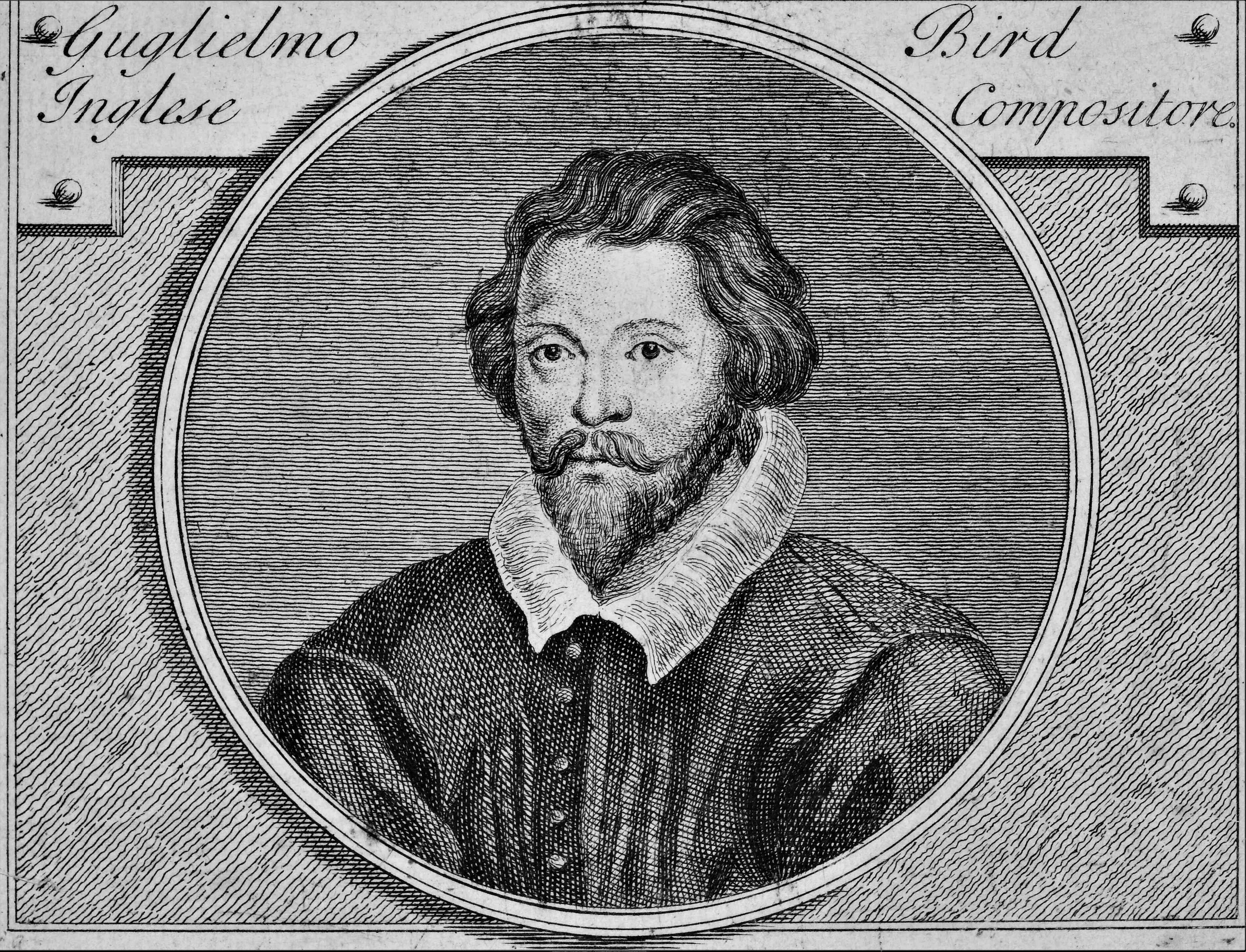
If you are not familiar with his music, he may be the greatest composer you don’t know. But observations this year of the 400th anniversary of his death show the esteem with which he is regarded by musicians.
Boulder’s Seicento Baroque Ensemble joins the party this weekend with “Rare Byrd,” a varied program of music for voices and viols that will be presented in Denver, Boulder and Longmont Friday, Saturday and Sunday respectively (details below).
A recusant Catholic in 17th-century England, when it was illegal to remain loyal to the Catholic Church, Byrd is best known to musicians for his settings of the Catholic Mass. These works, which could only be performed or circulated in private, are well known and frequently performed today within the early-music movement.
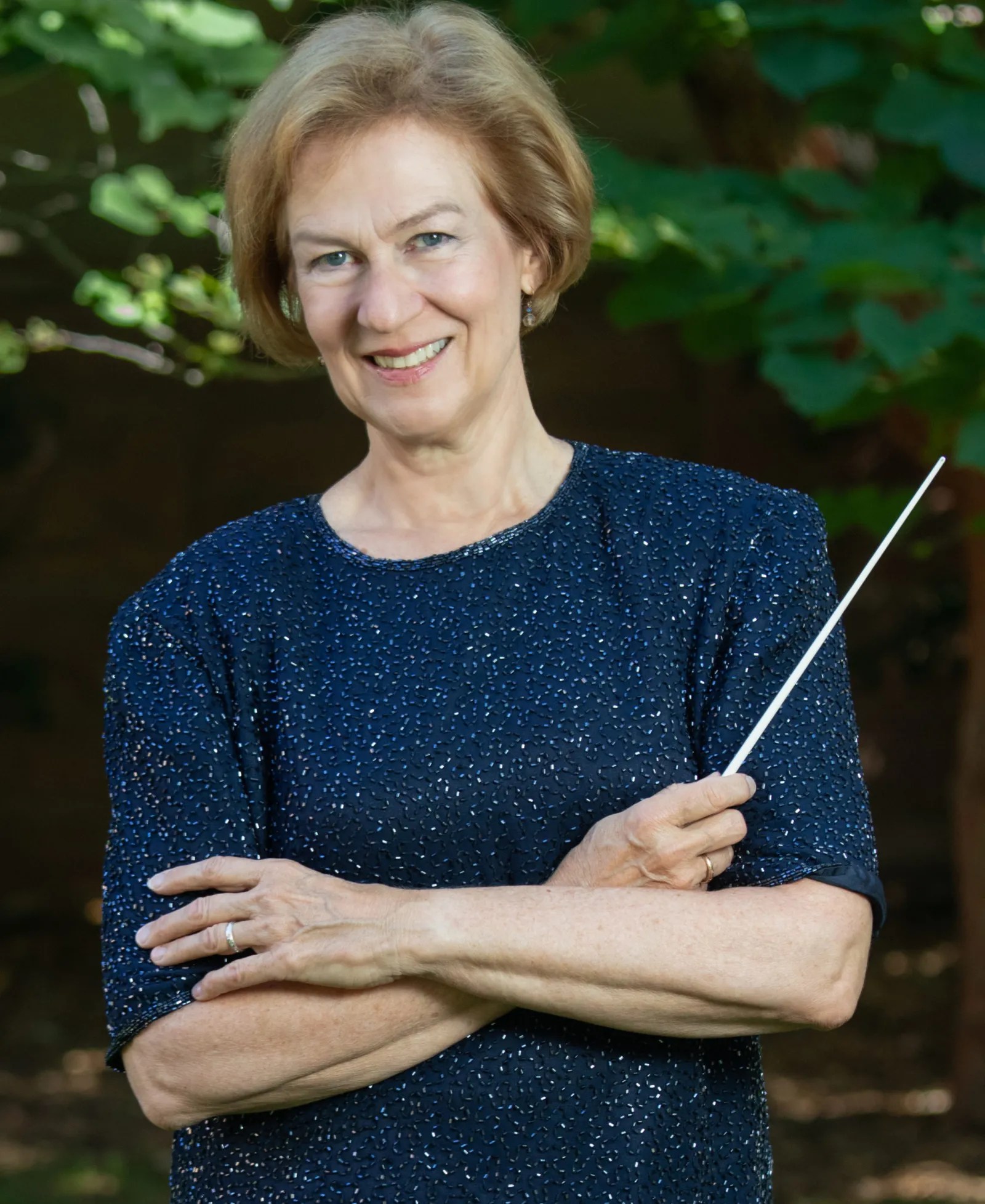
Seicento’s program is titled “Rare Byrd” because it avoids those celebrated mass settings and instead offers a variety of shorter, lesser known works. These rarities including madrigals, part songs, anthems and verse anthems. Conductor Evanne Browne says that when she was planning the concert, “it was a major turning point for me to think, ‘You know what? It’s OK [to omit the masses]. There’s so much that hasn’t been heard that audiences deserve to hear!’”
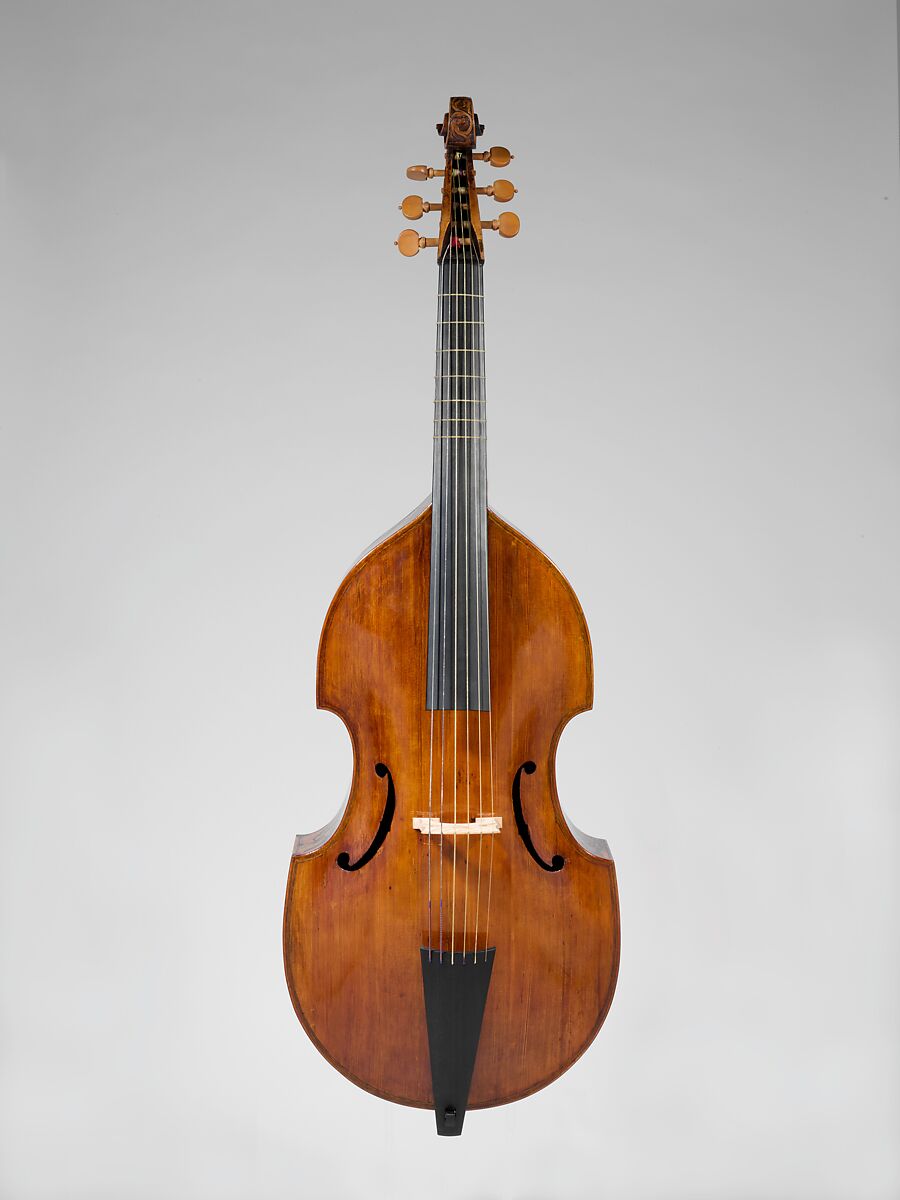
Another turning point in planning the program was the decision to collaborate with five viola da gamba (viol) players. Only a few years ago, Seicento had to bring in viol players from Chicago in order to include them in a performance. Today, Browne says, “there are plenty of first-rate viol players in Colorado that are professional level.
“Using the viol consort is a joy. There’s so much fun to be had with consort songs and part songs and madrigals, and we’re doing some sacred things with the viol consort that normally would be done with organ. We’re having a great time!”
If you don’t know the different genres that Browne mentions, the madrigals are entertaining settings of secular poetry for voices, generally expressive texts about love and nature. They would often be performed in a social gathering, with people getting together in someone’s home to sing the latest madrigals. When these secular texts are sung by a soloist or soloists and accompanied by viols, then it is known as a part song or a consort song.
The sacred pieces on the program are multi-voice settings of Psalms and other sacred texts. The verse anthems alternate between full choir and a soloist or, in one case, two soprano soloists. These pieces were often accompanied by organ in church, but they could also be performed with viols playing an arrangement of the organ part, which is how Seicento will present them.
In addition to the choral music, the viol consort will perform two pieces separately. One is a piece known as the “Browning Variations,” based on a folk song that was well known in Byrd’s time. “In the variations Byrd takes this little eight-measure theme and goes wild with it,” Browne explains. “(Byrd takes) that little bit and then just goes crazy, ‘let’s do duple (time), let’s do triple, let’s augment it, just change the rhythm’—that’s a lot of fun.”
The pieces sung by Seicento include some that are familiar to early-music enthusiasts, including the madrigals “The Fleet and Merry Month of May” and “Though Amaryllis Dance in Green.” Browne knows both from her experience singing in early-music ensembles, but there are also “a couple that I never heard of,” she says. One of these is “Who made thee, Hob, forsake the plough?”
Browne observes that this playful song is “one of those dialogs for shepherds,” a common type of madrigal text in the Renaissance. “I have two guys doing the solos with the viols, and talking about, what took you away from your work, Hob? And the answer of course is love.”
The inclusion of a number of anthems has also allowed Browne to explore repertoire she had not known before. “There are a couple of pieces on this concert that I could just do over and over and over again,” she says. “One is called ‘Christ Rising,’ which is a verse anthem. I’ve never sung that, even though it has two beautiful soprano solos.
“When the soloists sing a verse the choir kind of echoes the main point, and it is just fabulous. The word painting is great. The beginning goes up (an interval of) a fourth, up a fifth, up a sixth, up a seventh—so the climax on the words ‘Christ rising’ is spectacular.”
One more factor Browne hopes people will recognize is how well Byrd writes for voices. “His music is just so easily sung,” she says. “Although some of the rhythms are killers. The rhythm’s always tricky, (but it’s) beautifully set for the voice. He can certainly set the words so that you know what it means. I’m really excited about this program.”
Her final thought for the audience? “Come with the expectation to be surprised at how wonderful and varied the music is.”
# # # # #
“Rare Byrd”
Seicento Baroque Ensemble, Evanne Brown, conductor
With Adaiha MacAdam-Somer, Zoe Weiss, Sarah Graf, Sarah Biber and Karl Reque, viols
Music of William Byrd:
- Haec Dies (anthem)
- Praise our Lord, All ye Gentiles (anthem)
- Have Mercy upon me, God (verse anthem)
- Alack, when I look back (verse anthem)
- Come Woeful Orpheus (madrigal)
- Fantasia: Browning/The leaves be green (viol consort)
- Christ Rising Again (verse anthem)
- This Sweet and Merry Month of May (madrigal)
- Ye Sacred Muses (elegy for Thomas Tallis)
- If Women could be Fair (part song)
- Who made, Thee, Hob? (part song)
- Pavan and Galliard in A minor (viol consort)
- Though Amarillis dance in green (madrigal)
- O God that guides the cheerful sun (verse anthem)
7:30 p.m. Friday, Nov. 16, St. Paul’s Lutheran Church, 1600 Grant St., Denver
7:30 p.m. Saturday, Nov. 17, Mountain View Methodist, 355 Ponca Place, Boulder
3 p.m. Sunday, Nov. 18, United Church of Christ, 1500 9th St., Longmont
Tickets are available HERE in person for for all three performances and for the live stream of the Denver performance.
 Sharps & Flatirons