
Don Giovanni in Denver, Haydn and Bartók in Grusin
By Peter Alexander Nov. 2 at 12:15 a.m.

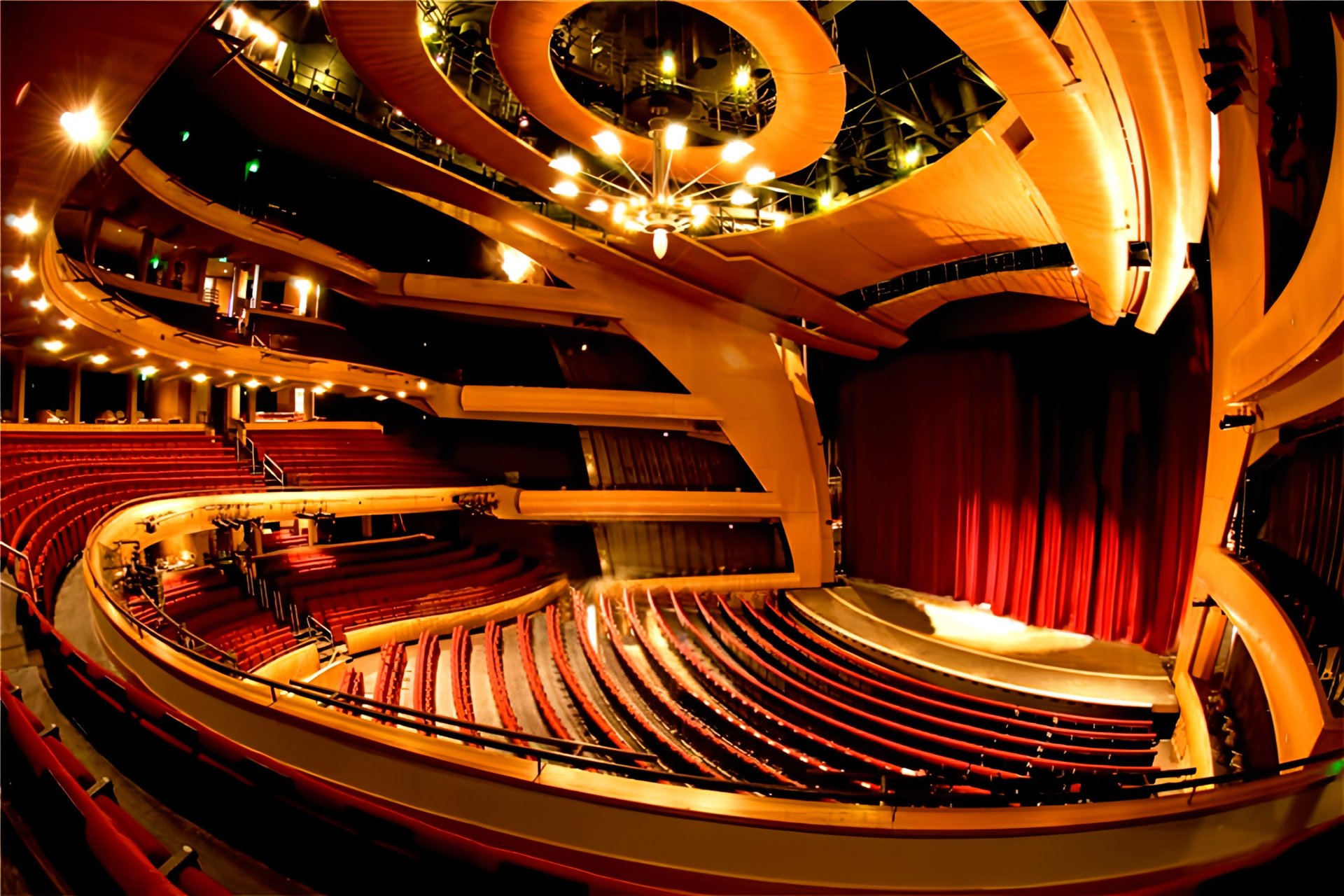
Opera Colorado opens their 2023-24 season of three operas Saturday night with Mozart’s dark comedy Don Giovanni. The performance will be the first of four in the Ellie Caulkins Opera House in downtown Denver (dates and ticket information below).
The second of three operas Mozart created together with the librettist Lorenzo Da Ponte, Don Giovanni was premiered in Prague in 1787. Together with his other two Da Ponte operas—Marriage of Figaro (1786) and Così fan tutte (1790)—it is considered one of Mozart’s greatest works.
Subtitled “The Rake Punished,” Don Giovanni is based on the Spanish legend of the libertine Don Juan. In the course of the opera, Don Giovanni attempts a number of largely unsuccessful seductions of a noble woman (Donna Anna), a peasant girl (Zerlina) and a maid, while rejecting the one woman who is pursuing him out of a hopeless infatuation (Donna Elvira), while his servant (Leporello) is forced to act as an accomplice.
The opera follows the misadventures of Giovanni and Leporello in, and in the countryside outside of, Seville. Musical highlights include Leporello’s aria listing all of Giovanni’s conquests (“Catalogue” aria) and Giovanni’s “Champagne” aria. At the end, an older man that Giovanni had killed at the outset of the opera (the Commendatore, father of Donna Anna), enters in the form of his graveyard statue and demands that Giovanni repent his sins. Giovanni refuses, and the Commendatore drags Giovanni down to Hell. All of the characters join together in relief to sing the opera’s moral, “Such is the end of the evildoer.”
During his lifetime Mozart was extremely popular in Prague, and the opera was a massive success. In fact, Mozart parodies his own popularity by having an onstage band that is entertaining Giovanni at dinner play the aria “Non più andrai” from The Marriage of Figaro. As soon as the tune begins, Leporello comments, “I know that all too well!”
One fascinating footnote to the opera’s story is that Da Ponte knew well the only person who rivals Don Juan in the popular imagination as a womanizer, either in real life or legend: Giacomo Casanova. A manuscript in Casanova’s handwriting was found several years ago that includes part of the text of Don Giovanni, leading to the suggestion that Casanova might have written a few verses of the libretto.
In addition to Don Giovanni, the Opera Colorado season offers productions of The Flying Dutchman by Richard Wagner (Feb 24 and 27, March 1 and 3, 2024) and Samson and Delilah by Camille Saint-Saëns (May 4, 7, 10 and 12). Details are available on the Opera Colorado Web page.
# # # # #
Opera Colorado
Ari Pelto, conductor, and David Lefkowich, stage director
- W.A. Mozart and Lorenzo Da Ponte: Don Giovanni
7:30 p.m. Saturday, Nov. 4, Tuesday, Nov. 7, and Friday, Nov. 10
2:30 p.m. Sunday, Nov. 12
Ellie Caulkins Opera House, 14th St. at Curtis St., Denver
# # # # #

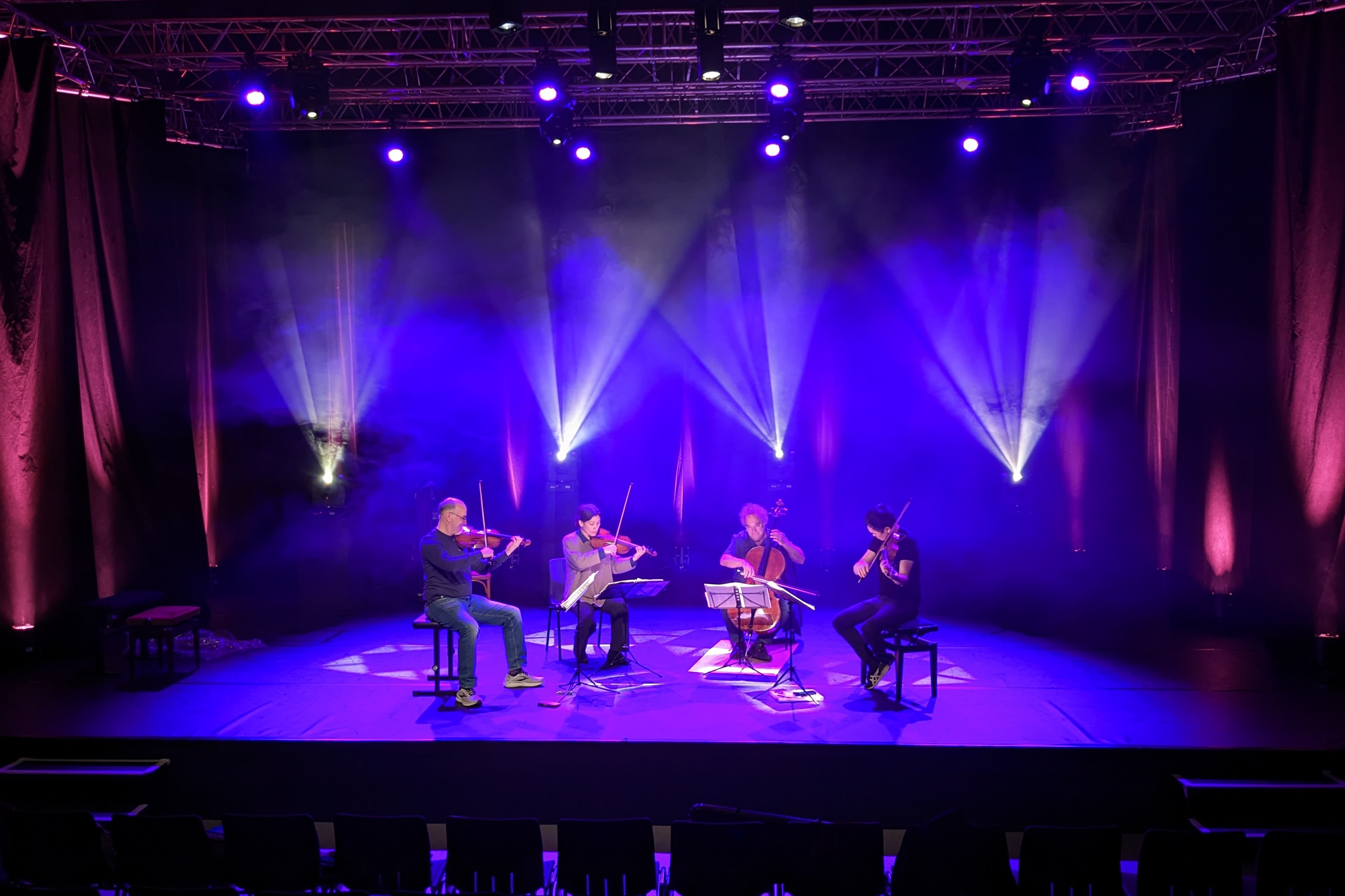
CU’s Takács Quartet will play music of Bartók and and Haydn on their second campus concert of the season. Performances will be in Grusin Hall at 4 p.m. Sunday and 7:30 p.m. Monday (Nov. 5 and 6).
The current season will see the Takács playing five of the six quartets by Bartók. They played the Fifth Quartet earlier this fall, and will play quartets nos. 2 and 3 in early 2024. Bartók is a composer closely associated with the Takács Quartet, as the quartet was originally an all-Hungarian group, founded in 1975 by students at the Franz Liszt Academy in Budapest.
Only one of the original four members remains in the group—cellist András Fejér—but they have maintained a strong connection to the group’s Hungarian origin. Their 1998 recording of the Bartók quartets has earned strong critical praise. Blair Sanderson described it as “one of the truly great sets of Bartók’s monumental String Quartets,” while Gramophone magazine wrote that the set “communicates Bartok’s all-embracing humanity.”
Quartets 1 and 4 were composed 19 years apart and so come from different times in the composer’s life. The First Quartet was written in 1909, when the composer was still in his twenties, and was partly inspired by an unrequited love affair. In style it looks back to the Romantic era more than forward, and lacks the aggressive new playing techniques prominently featured in the later quartets.
The Fourth Quartet from 1928 comes from the period between the world wars, and is more clearly influenced by Bartók’s study of Hungarian folk music. Its five movements are laid out in a symmetrical, or “arch,” arrangement, a formal pattern that Bartók employed in several works. The central, slow movement is an example of the composer’s spooky “night music” style. The second and fourth movements are fast scherzo-like movements, the second with mutes the fourth pizzicato. The first and fifth, both marked allegro, are joined by a theme that occurs in both.
Haydn’s C-major String Quartet Op. 20 No. 2, is part of a set of six that Haydn wrote to entertain his patron, Prince Nikolaus Esterhazy, in 1772. The second quartet of the set is one of three from Op. 20 that end with a fugue, which may be interpreted as a return to Baroque-era techniques and seriousness, in contrast to the buoyant, cheerful manner of the fashionable mid-century Rococo style. Op. 20 is considered one of the milestones in the development of the string quartet, raising it to the level of serious concert music.
# # # # #
Takács Quartet
- Bartók: String Quartet No. 1
- Joseph Haydn: String Quartet in C major, op. 20 no. 2
- Bartók: String Quartet No. 4
4 p.m. Sunday. Nov. 5
7:30 p.m. Monday, Nov. 6
Grusin Hall, Immig Music Building
In-person and streaming tickets HERE.
 Sharps & Flatirons