
Five pieces form the 20th and 21st centuries dazzle audience
By Peter Alexander July 12 at 12:46 a.m.
Last night (July 11) was a wonderful evening for a concert in Boulder: moderating temperatures, gentle breezes, and a late lingering dusk.
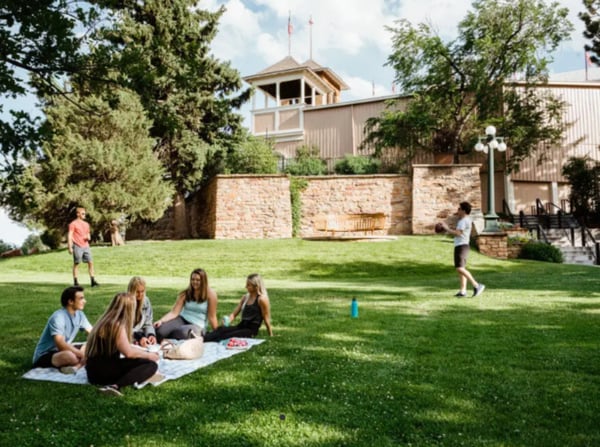
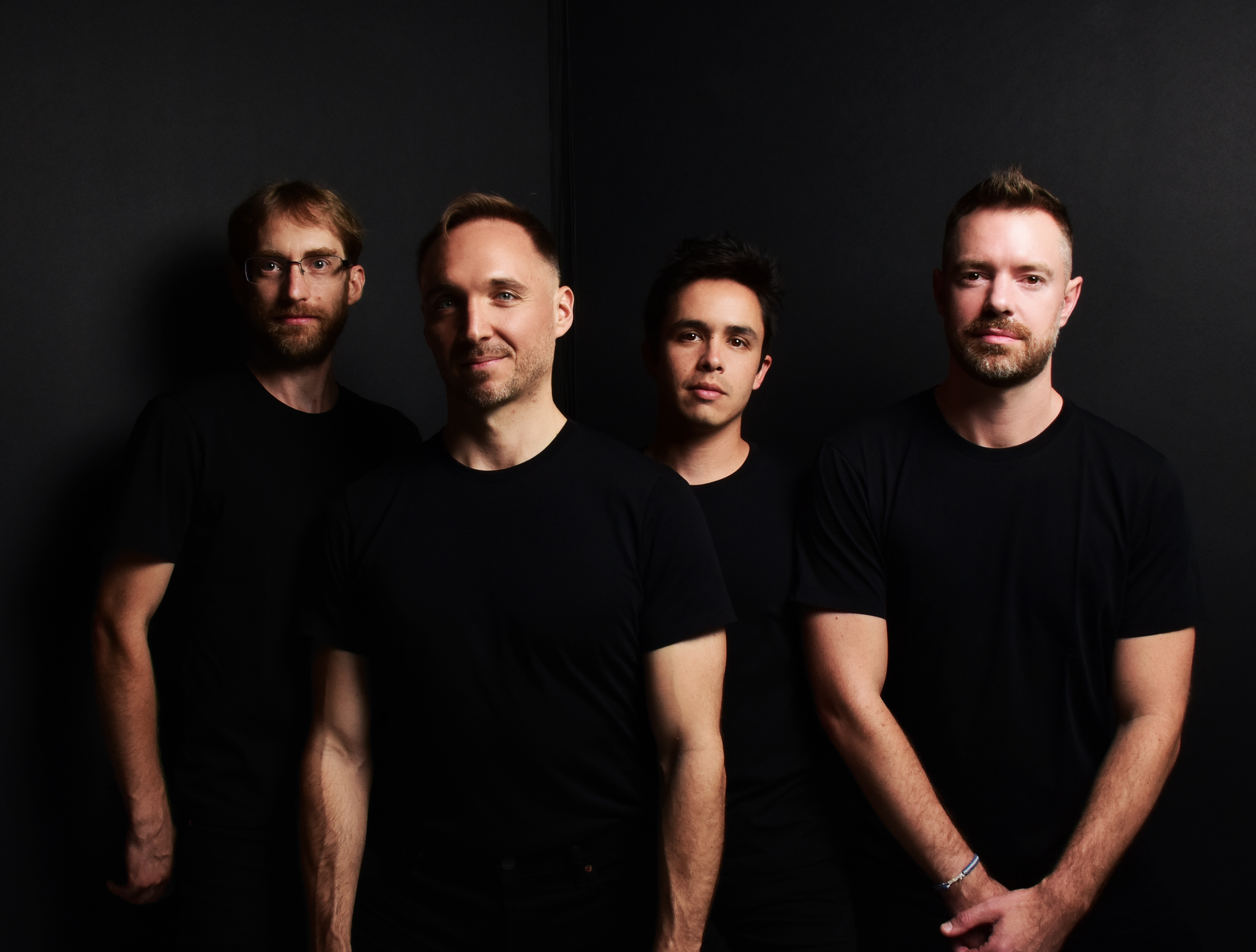
If you were fortunate enough to be at the Chautauqua Auditorium, only a single helicopter overflight disturbed the mood of an equally wonderful performance of music composed since 1950. The program was played by the JACK Quartet, a group known for their exemplary performances of contemporary concert music.
Last night’s program, titled “New York Stories,” was part of the Colorado Music Festival’s Robert Mann Chamber Music Series. The performances lived up to JACK’s reputation and then some. The five pieces they played were strikingly varied, but the character of every piece emerged powerfully. Every transition was precise and controlled, and the unity of interpretation across the group was magical.
The concert opened with the only piece not by a living composer, Morton Feldman’s Structures for String Quartet from 1951. No recording can do justice to Feldman’s score, which is marked “as softly as possible.” You have to hear it live in a large hall, where you can physically feel the intimacy of the sound and let yourself be pulled into the world of Feldman’s music. The concentration of the players, and the balance they managed at such low volume was electrifying.
This performance would have pleased John Cage—he of 4’33” of silence—as it requires the listener to acknowledge the sound world around him. The cries of children in Chautauqua Park, the rustling of leaves outside and the murmuration of people inside, all became part of the experience, and served to elevate the music the more intently one listened.
Contritus by Caleb Burhans was composed in 2010 to a commission from the quartet. The piece comprises three prayers of contrition that flow together in a single movement. It starts at about the volume of the Feldman, and you realize how intently you are attending to the music when it rises from just audible to a thunderous medium soft (mp).
The control of volume and the emotional ebb and flow here was remarkable, proving again the JACK’s finesse in music of the greatest delicacy. Indeed, if all caps represents shouting, maybe they should rename themselves “jack.” For me, and others I heard from, this was the most moving piece of the evening.
The music of Philip Glass is so well known to followers of new music—from tours by the Philip Glass Ensemble, to movie scores and operas—that his Fifth String Quartet (1991) was the least captivating piece on the program. Yet JACK found entirely the character of Glass’s music, the throbbing pulse, the surge and flows with in energized texture, and the sudden shifts in character.
As ever the music was at time hypnotic, conducive to reflection, always pleasing. But with Glass, I am never sure how much it adds up to. As section follows section, it’s hard to identify an overall structure, even when musical ideas return for the end. But if you enjoy Glass, this was a performance to be prized.
After an intermission, JACK returned to play Caroline Shaw’s appealing Entr’acte. Shaw is one of the most interesting composers working today, one who keeps the listener enough off balance that you never know what could be next. And whatever it is, it usually wears a smile and takes you by surprise.
Entr’acte was inspired by Haydn minuets, and indeed contains Haydnesque moments of gentle humor as the music fades into and out of silence (silence again!). The more you think about Haydn while listening, the more you enjoy the piece. I could not imagine it played with more care , delicacy, or effectiveness.
The program closed with the most “New York” of the five pieces, John Zorn’s The Remedy of Fortune (2016). Here, it helps to know what the piece was composed for the Met Cloisters museum of medieval art and architecture in Upper Manhattan. In this score you can hear the bustle and cacophony of the streets of New York, with moments that recall the calm of the museum and the music of the Middle Ages.
As difficult and disordered as the music sometimes sounds, it was all under the fingers of the JACK Quartet players. One should listen beyond the frantic surface to hear the streams within in the notes. When heard in that spirit the performance was dazzling, and worthy of the cheers and standing ovation from the faithful audience of contemporary music fans. One wishes that more people had heard such a consummate performance, before strolling out into the cooling twilight at Chautauqua Park.
 Sharps & Flatirons